• Skip to primary navigation
  • Skip to main content
General Aviation News

General Aviation News

Because flying is cool

  • Pictures of the Day
    • Submit Picture of the Day
  • Stories
    • News
    • Features
    • Opinion
    • Products
    • NTSB Accidents
    • ASRS Reports
  • Comments
  • Classifieds
    • Place Classified Ad
  • Events
  • Print Archives
  • Subscribe
  • Show Search
Hide Search

A visit to Alaska

By Hayman Tam · February 25, 2018 ·

A 2017 journey to the 49th state took me to Fairbanks and Anchorage. Having been to Anchorage years ago, I knew I would be re-visiting the Alaskan Aviation Museum, but it turned out that many other aircraft photo opportunities presented themselves during the trip.

Spending time along the shore of Lake Hood was definitely a pleasure and I highly recommend it to anyone visiting the area. Probably best to go when the water is thawed, not in the midst of winter.

The proud aviation heritage of Alaska is abundant and I was never far from the sound of a bush plane in the distance. I hope you enjoy this collection of photographs.

Introduced by Piper in 1949 as the PA-18, the Super Cub was an advanced model of the J-3 Cub and is very popular in Alaska for bush flying. This floatplane version taxis by our riverboat after a flight demonstration on the Chena river.
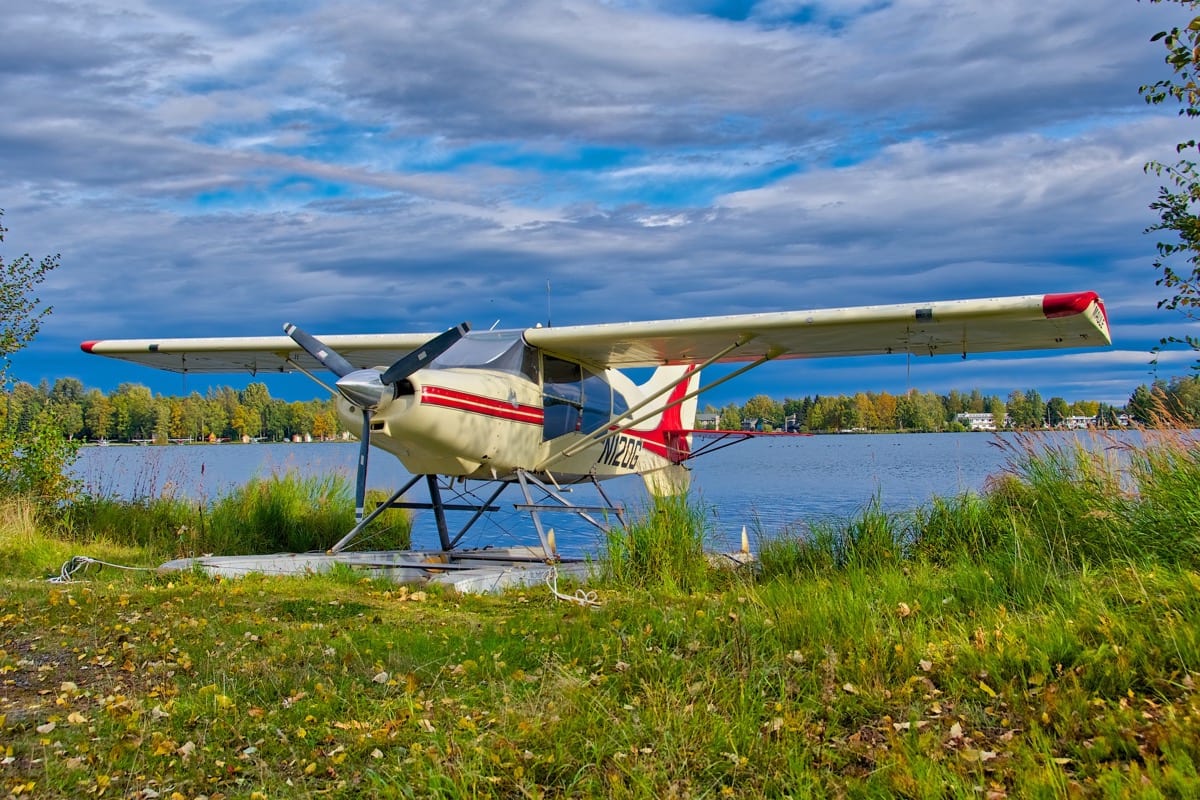
A Maule floatplane anchored at Lake Hood, Alaska. First flown in 1984, more than 500 Maule M-7s have been produced. Known for their STOL performance, the Maule also works well as a floatplane.
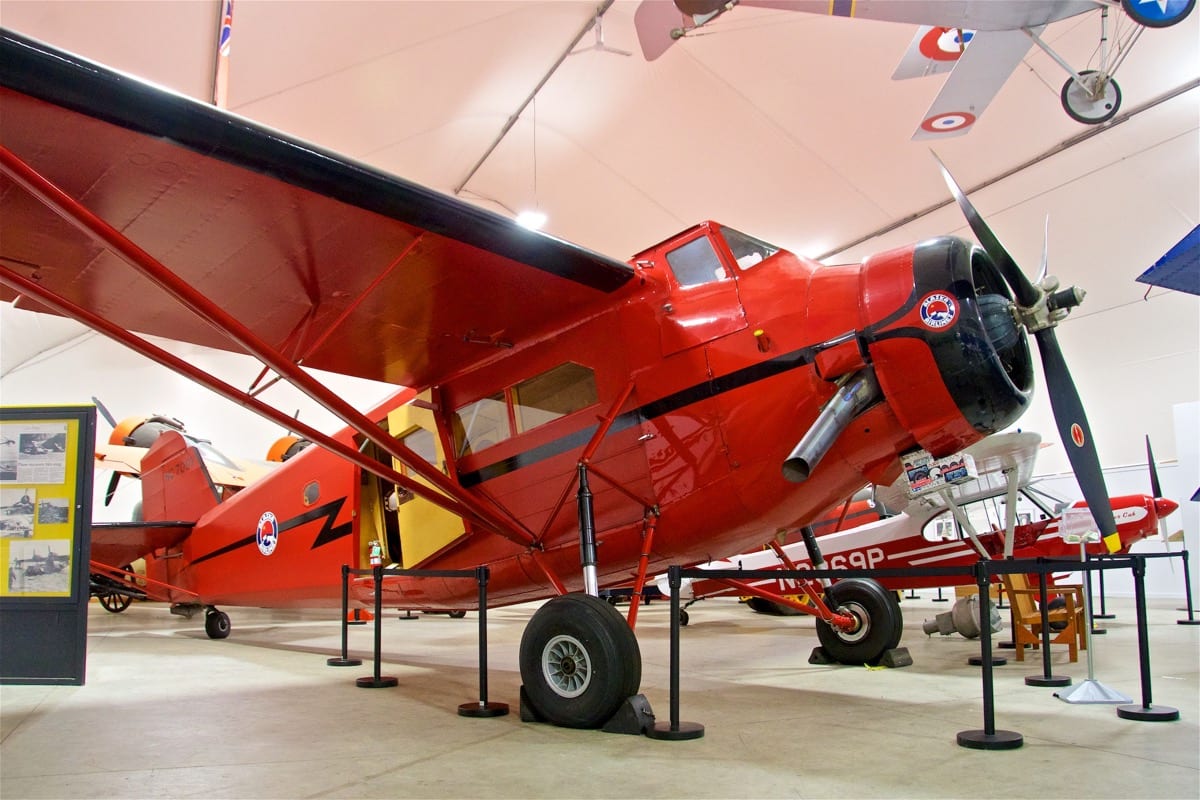
A Fairchild American Pilgrim 100B produced by the American Aircraft & Engine Corp. in 1931. A modern airliner in 1931, it was the first plane with steam heat, luggage racks and a toilet. This example came to Alaska in August 1936 for Alaska Air Express, and was in use for 50 years by various operators.
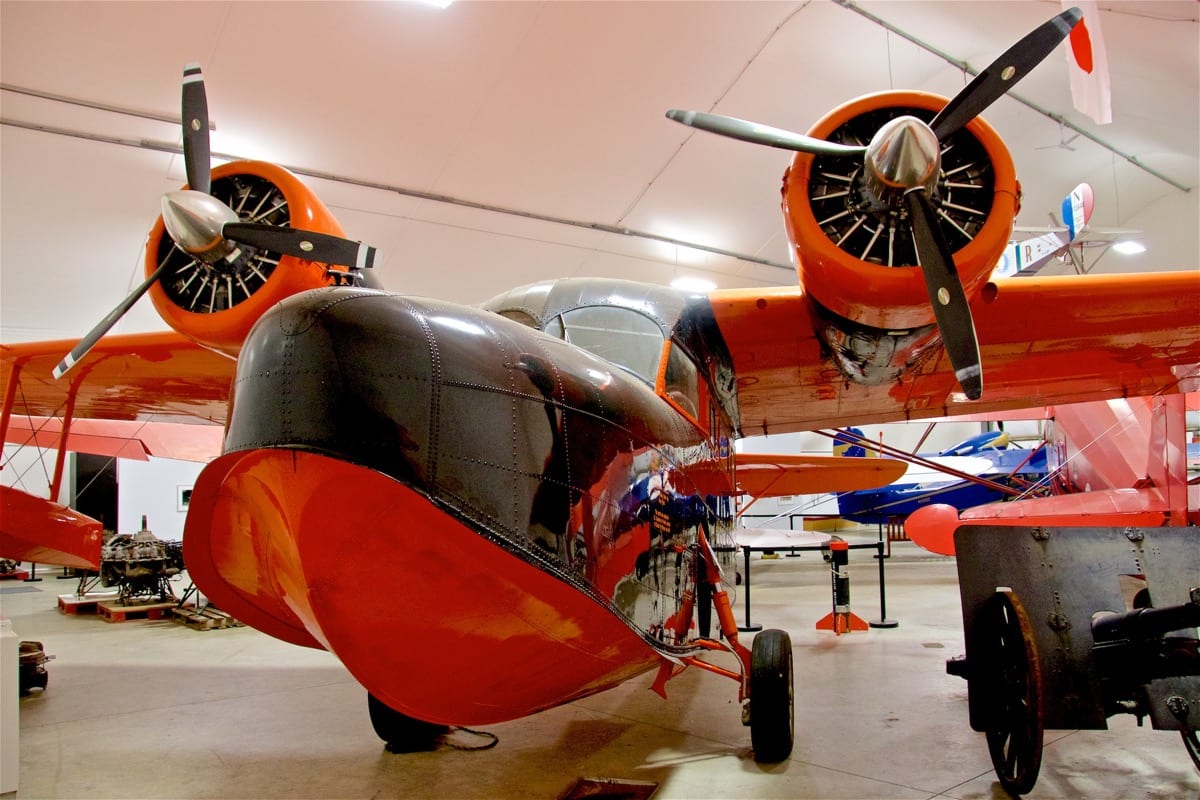
This Grumman G-21A “Goose” was delivered to the U.S. Navy in 1944, then transferred to the U.S. Fish & Wildlife Service in Alaska, among other agencies, before final retirement from public service in 1994.
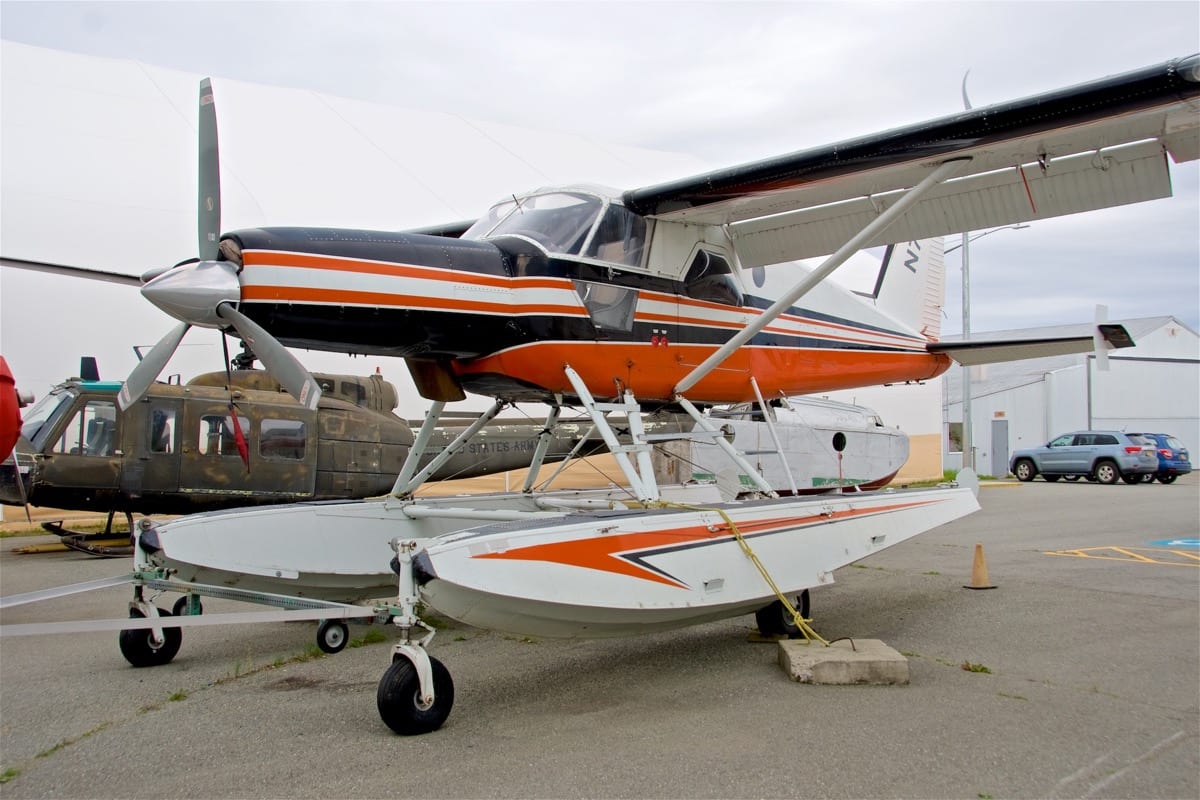
Nicknamed the “Ugly Duckling,” this former Cuban 1965 de Havilland Beaver was converted by and used by the Department of the Interior in Anchorage and is the only Turbine Beaver that has ever been fitted with a Garrett turboprop engine.
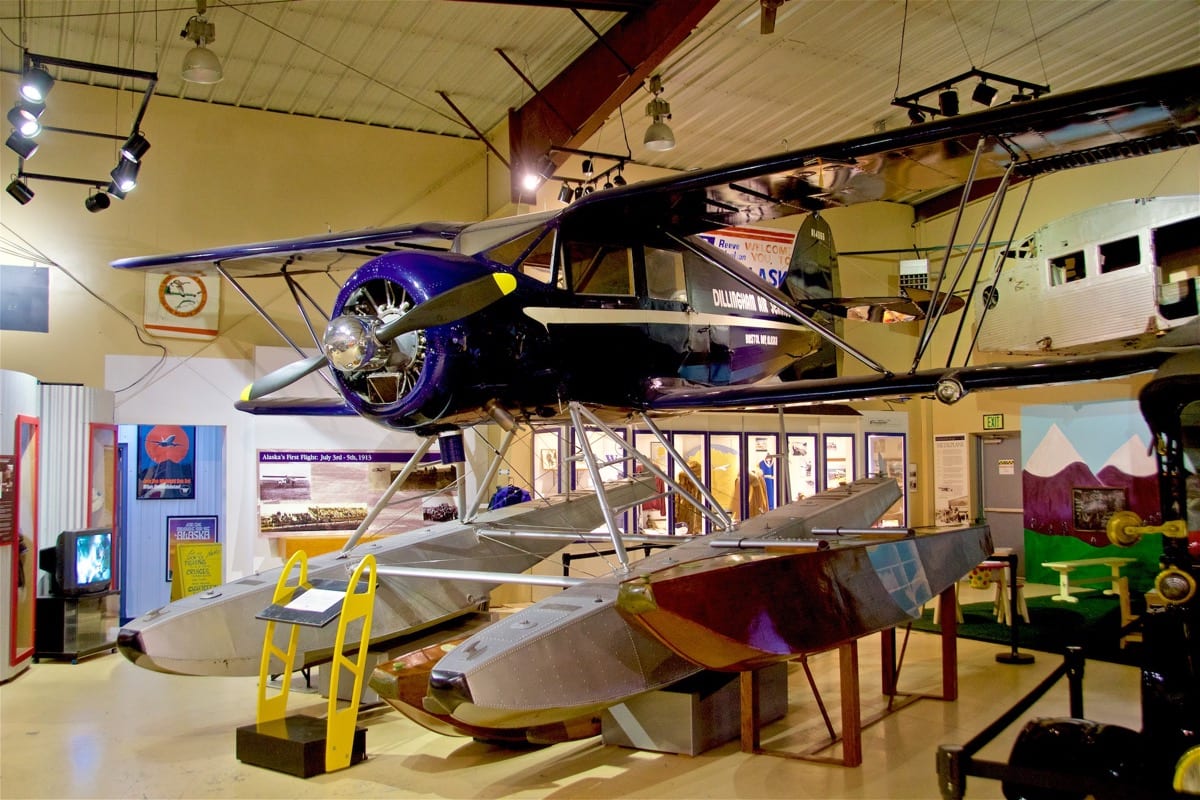
A 1934 Waco YKC on display at the Alaska Aviation Museum. This Waco was purchased from an operator in Maine and put into use with Dillingham Air Service of Dillingham, Alaska. The Waco was in scheduled service in Alaska from 1939-1945, later flying for a variety of companies and private owners.
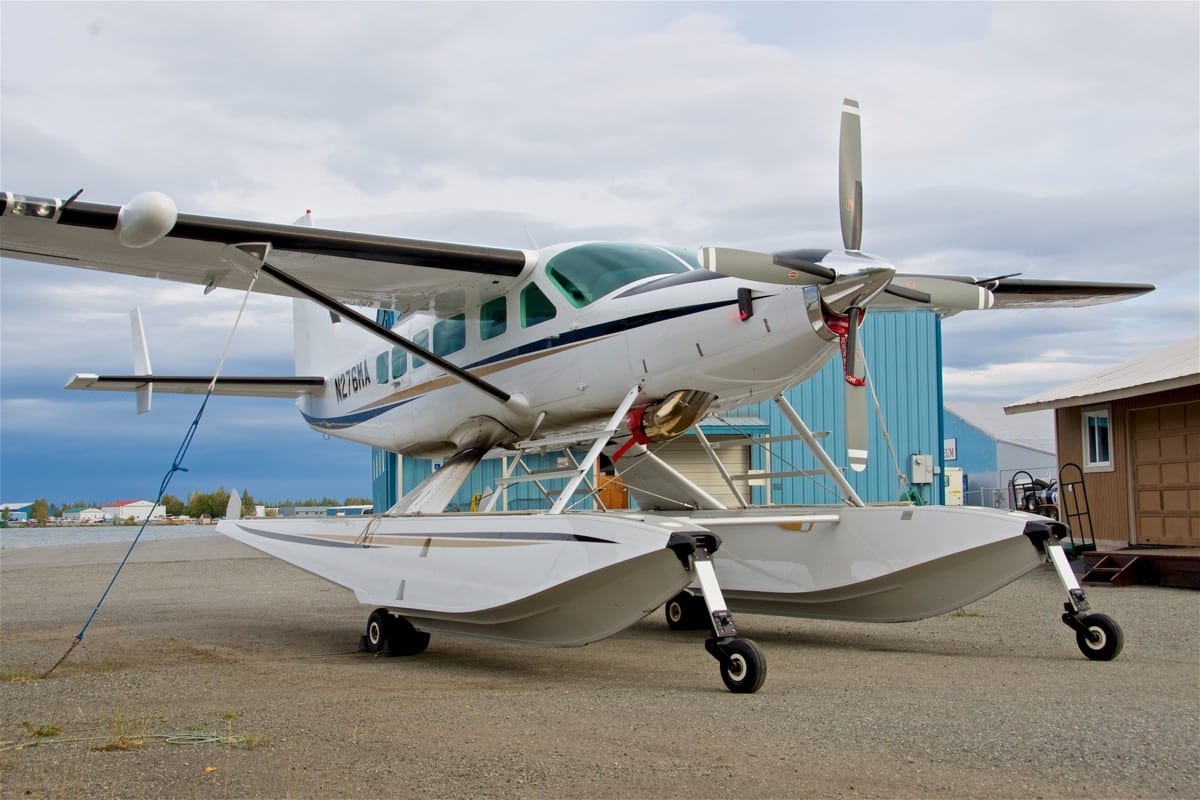
This Cessna 208 Caravan sports amphibious floats, allowing it to leave the water and taxi up onto shore. A Caravan float conversion can run as much as $450,000, resulting in an awesome go-anywhere, land-anywhere aircraft.
This Consolidated OA-10A/PBY “Catalina,” also known as the “Queen of Dago Lake,” was the first major aircraft recovery accomplished by the Alaska Aviation Museum. In 1947, this PBY made an emergency landing at Dago Lake and declared surplus, remaining there until recovery operations in 1984.
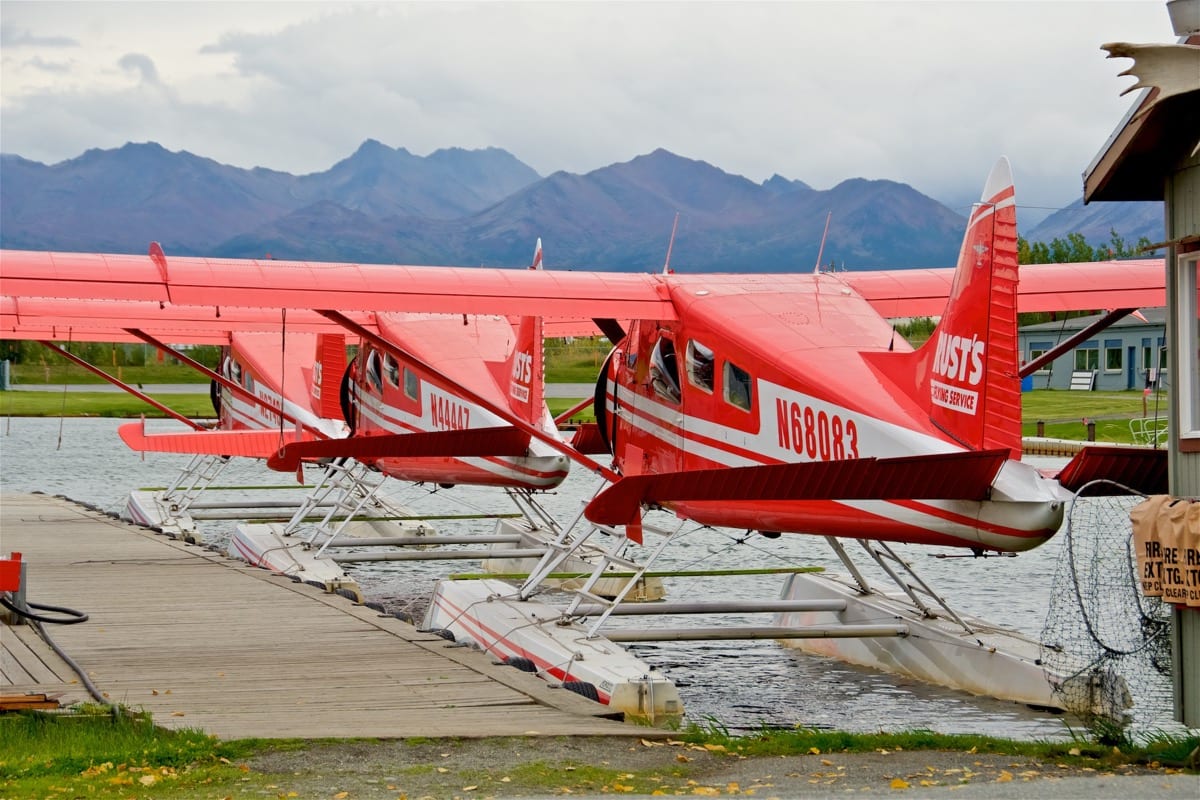
Operating from Lake Hood, these De Havilland Canada DHC-2 Beavers are part of the sizeable air taxi/flightseeing fleet operated by Rust’s Flying Service. Rust’s has been safely flying in the Alaskan backcountry for over 50 years.
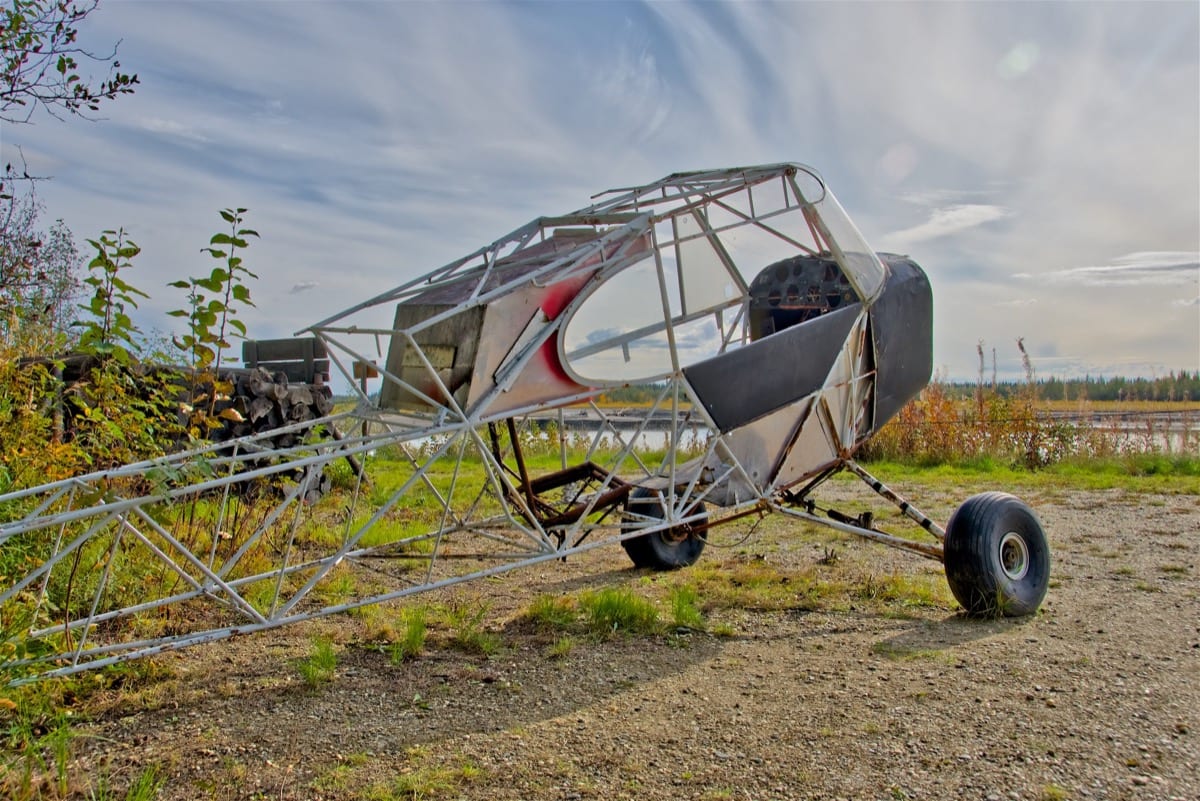
While touring along the Chena River, we came across this skeletal Piper Cub that is hoping for better days ahead.
A Piper Navajo (Photo by Hayman Tam)
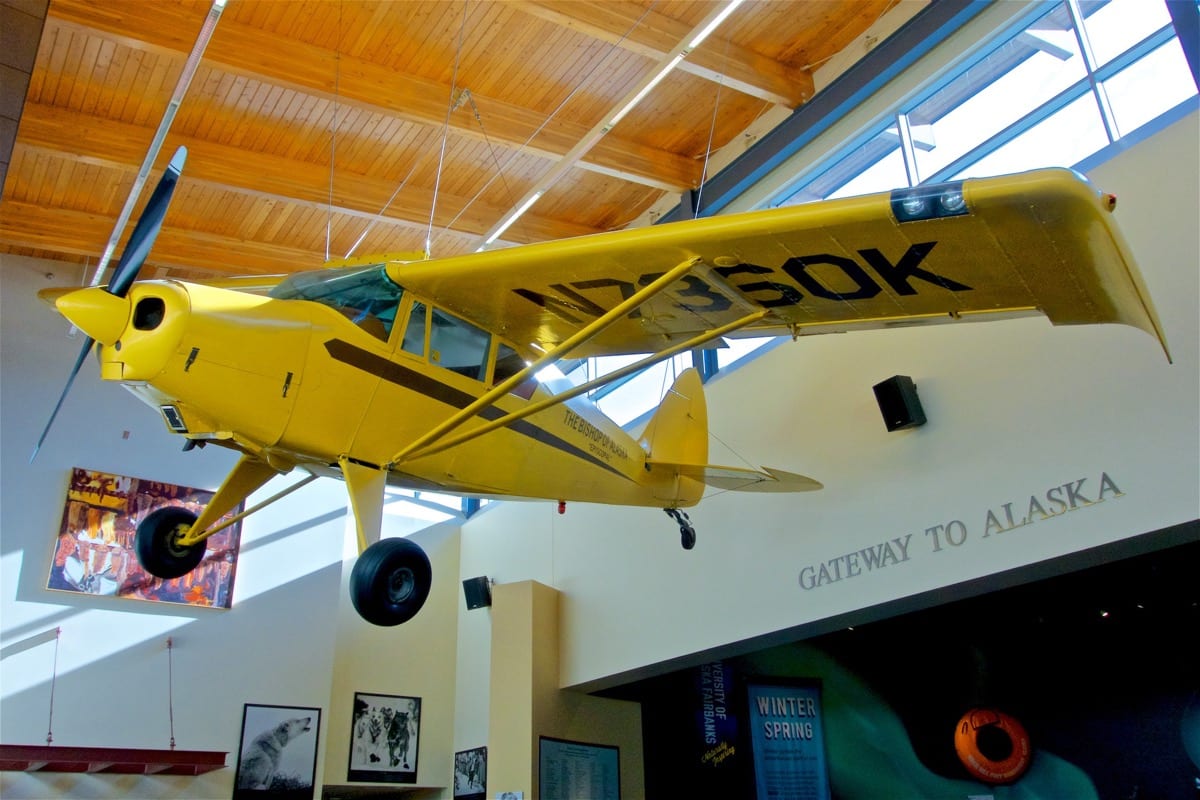
A Piper PA-12 Super Cruiser belonging to the late Bill Gordon, named bishop of Alaska in 1948 at the age of 29, hangs in the Morris Thompson Cultural and Visitors Center in downtown Fairbanks, Alaska. He earned his reputation as the “Flying Bishop”, bringing supplies and religious services to remote villages, logging close to 800 hours a year.
This pretty Piper Super Cub is one of the many, many seaplanes moored around the perimeter of Lake Hood in Anchorage. State-owned Lake Hood Seaplane Base (PALH) is the world’s busiest seaplane base, handling an average of 190 flights per day (although none were operating the whole time the author was there…).
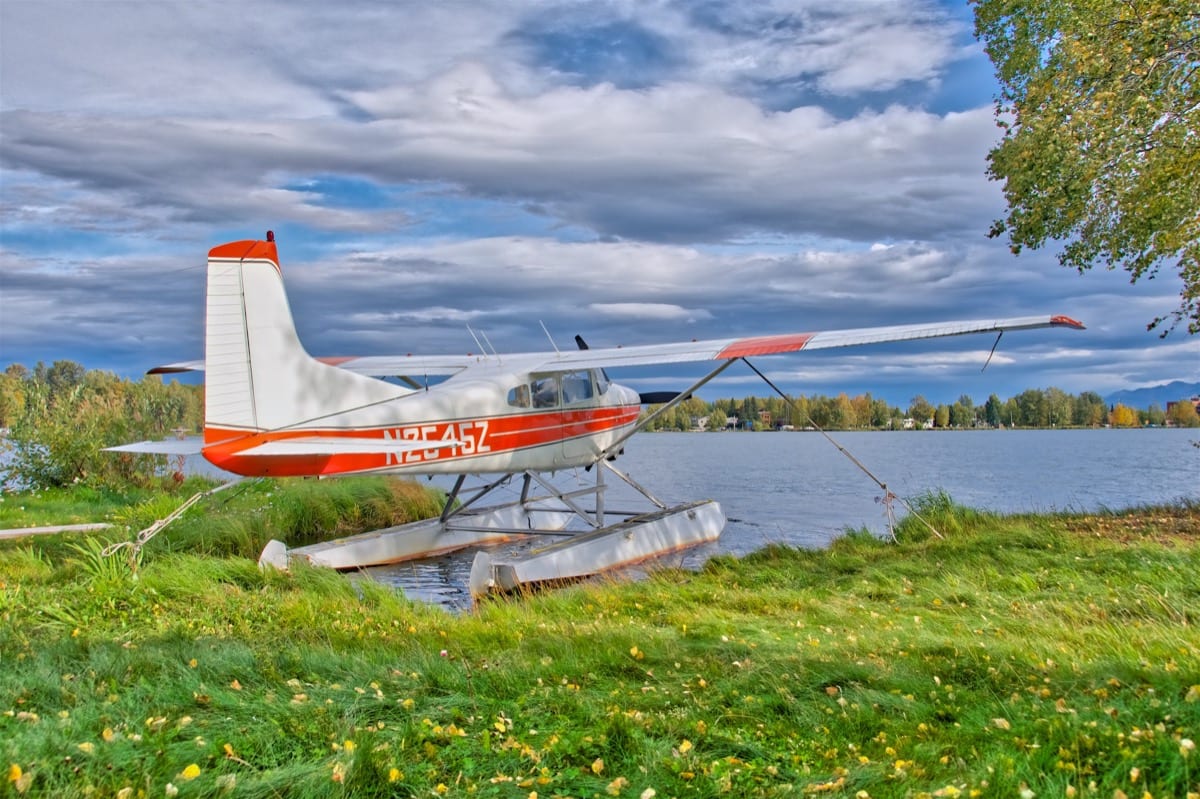
Cessna recognized the need for a purpose-built, cargo-hauling, bush plane and unveiled the 185 in 1960. Production ended in 1985 with 4,400 delivered.
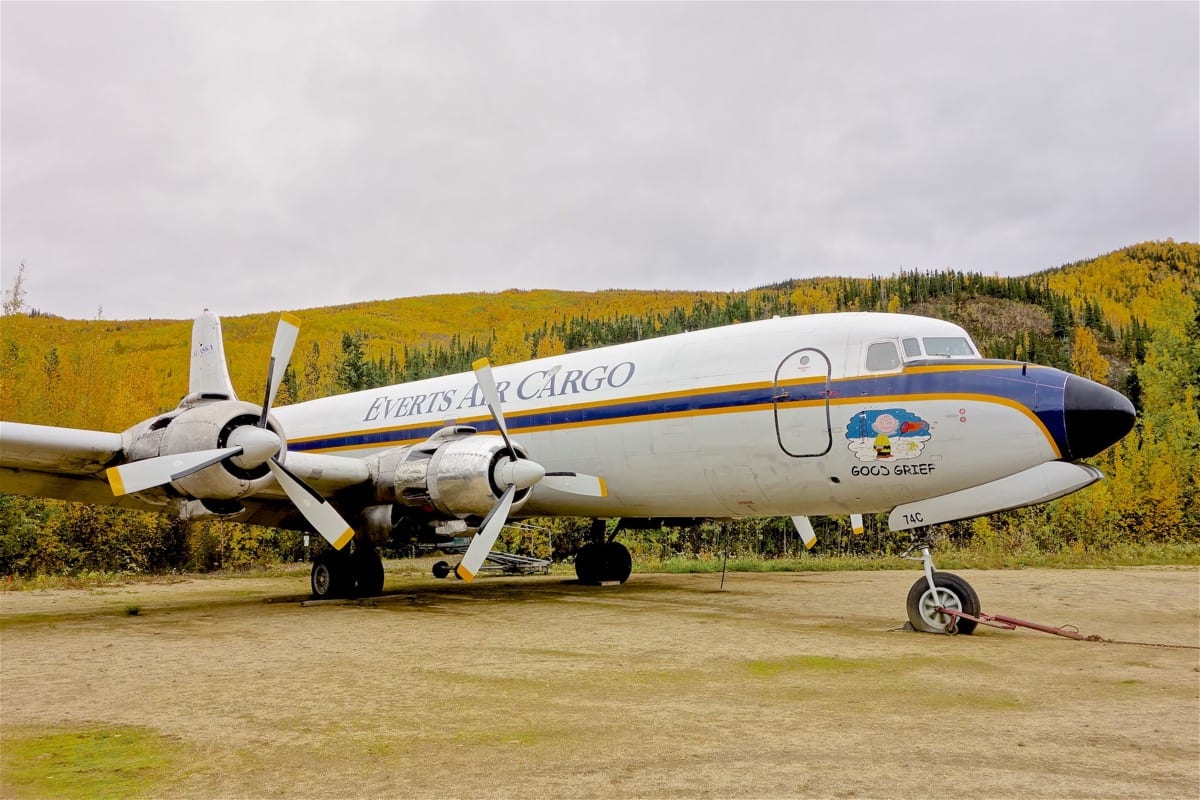
Everts Air Cargo is the last airline in the U.S. to operate scheduled flights with a their fleet of these 60-year-old Douglas DC-6 aircraft. This example was slated for retirement and found a home at the Chena Hot Springs Resort, flown into their small airstrip with only 15 minutes of airworthiness remaining on the books.
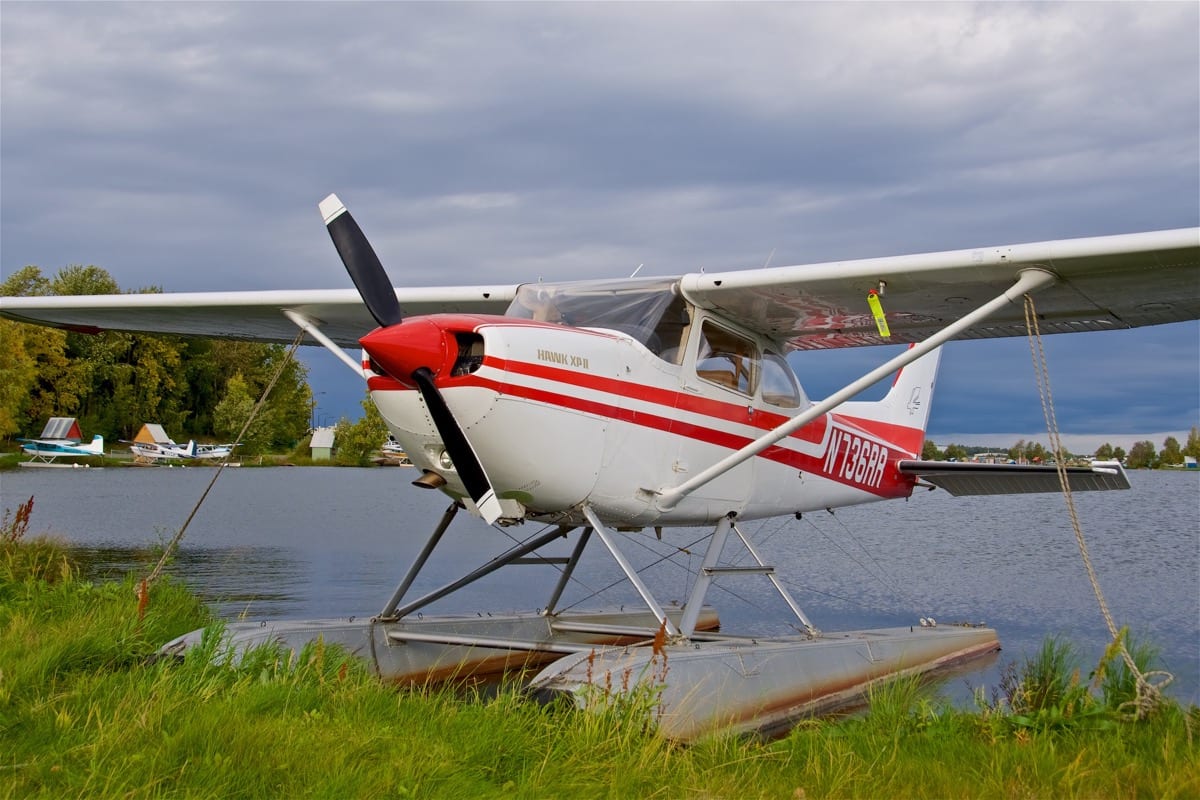
The Cessna Hawk XP is a variation on the classic 172 Skyhawk. The XP (Extra Performance) was planned as an upgrade to the standard 172, with 21% more power, short field performance improved dramatically. The higher power also made it a better floatplane for water takeoffs.

Share this story

  • Share on Twitter Share on Twitter
  • Share on Facebook Share on Facebook
  • Share on LinkedIn Share on LinkedIn
  • Share on Reddit Share on Reddit
  • Share via Email Share via Email

Become a better informed pilot.

Join 110,000 readers each month and get the latest news and entertainment from the world of general aviation direct to your inbox, daily.

This field is for validation purposes and should be left unchanged.

Curious to know what fellow pilots think on random stories on the General Aviation News website? Click on our Recent Comments page to find out. Read our Comment Policy here.

© 2026 Flyer Media, Inc. All rights reserved. Privacy Policy.

  • About
  • Advertise
  • Comment Policy
  • Submit Press Release
  • Contact Us
  • Privacy Policy
  • Writer’s Guidelines
  • Photographer’s Guidelines