

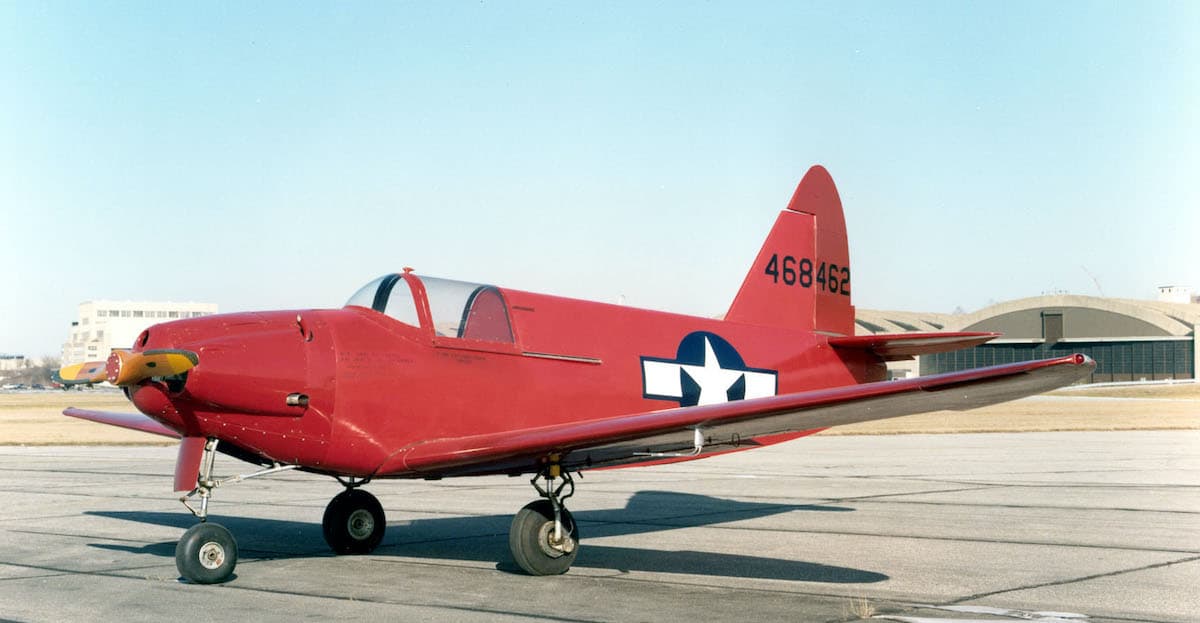
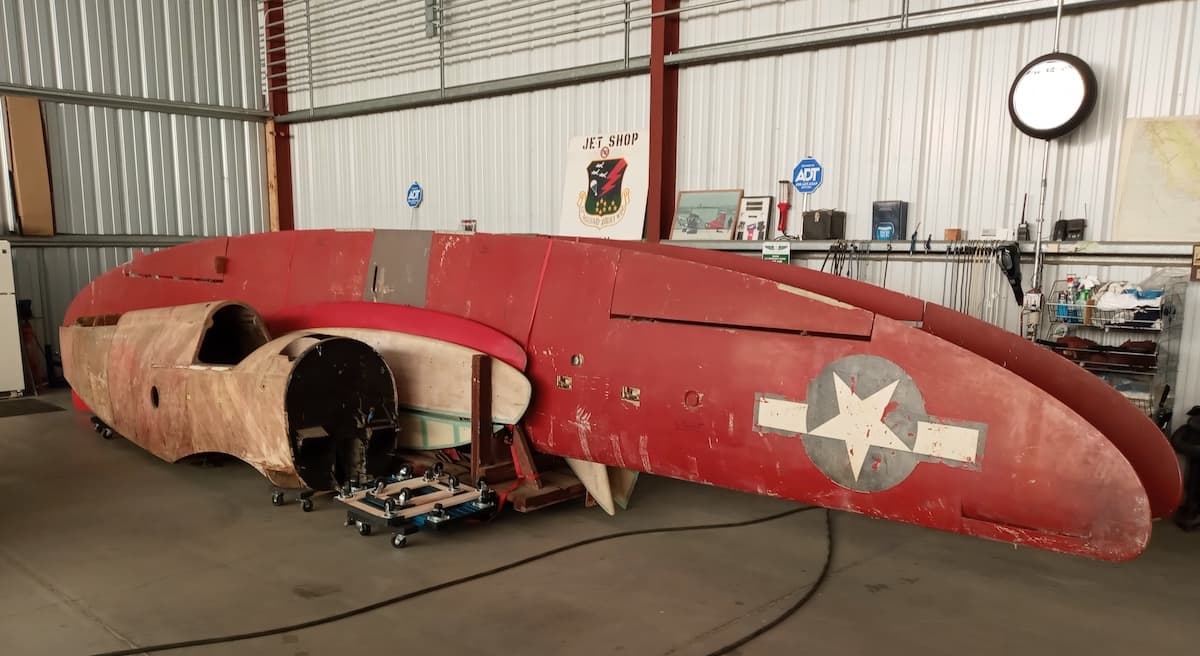
NAMPA, Idaho — A rare World War II Culver target drone has been donated to The Spirit of Flight Foundation museum.
“We have had a Culver PQ-14 Target Drone on our wish list for years, but there aren’t many left of the over 3,000 built,” said Gordon Page, president of the Spirit of Flight Foundation.
When the U.S. Army Air Corps had a requirement for a radio-controlled target drone for training anti-aircraft artillery gunners in 1940, Culver answered the call with the PQ-14, sometimes called the Turkey.
The PQ-14 was first flown in 1942 and was delivered to training units shortly after. It was flown unmanned, controlled by radio, but could be flown by a pilot for ferry flights, using a rudimentary control panel installed for that purpose. Pilots would use their parachutes as a seat. A simple lever turned the pilot-flown drone into a radio-control drone.

“It’s bigger than you think,” said Page. “The wingspan is 30 feet and it’s pretty heavy because of the plywood wooden structure, but I hear it was easy to fly. Without an onboard pilot they were flown from a ‘mother ship’ aircraft.”
Most of the Culver target aircraft were “blasted out of the sky” by Army anti-aircraft gunners, but a dozen or more survived and they were surplused after 1950, according to museum officials, who note that only five Culver PQ-14s are registered with the FAA.
The Spirit of Flight Culver PQ-14 was made possible thanks to a donor who had a spare project that had survived being blown up from target practice.
“We are excited to get the drone shipped to the Spirit of Flight in Nampa, Idaho,” said Page. “We have some work to do once we get it to the museum, but it should go fast and it will eventually hang from the museum ceiling.”
The Culver PQ-14 will compliment a restored Northrup KD2R5 “Shelduck” target drone currently on display at the museum.
The Spirit of Flight Foundation has established a PQ-14 project and is inviting supporters to donate to help with the restoration. Information can be found on the museum website at SpiritOfFlight.org.
“We will document the PQ-14 recovery, transport, and restoration on our Chasing Planes YouTube channel,” said Page. “We will also be giving away some PQ-14 collectables to subscribers, so stay tuned.”