


By KEVIN BROOKER
Entering the Class Delta airspace without speaking on the radio brought up the same feelings as doing stalls for the first time — a bit nervous but confident of being okay. Today’s exercise was using the control tower light gun instead of a radio.
Owning an airplane originally certificated without an engine-driven electrical system has its pluses and minuses. No expense for a transponder or ADS-B-Out is pretty nice, but not having these pieces of equipment severely limits where a pilot can land and, in many cases, even fly through.
Without a panel-mounted radio these aircraft are limited to a handheld, which work with a downside of having limited range and features. Most pilots with electrical systems usually keep a handheld as a backup and not a primary means of communication.
What does a pilot with only a handheld radio do if this portable radio fails and there is a need to land at a Class D airport? The simple answer is use the still legal, although antiquated, light gun system.
Most pilots’ exposure to light guns is a short conversation with an instructor before memorizing the series of red and green signals to get though the written and oral exam during the flight test. Successfully pass and the memories evaporate quicker than a few drops of avgas on hot tarmac.
If my understanding and comfort level with light gun use was a bit rusty (okay it’s non-existent beyond a test question but admitting this feels almost negligent), how up to date and comfortable are the air traffic controllers?
The best way to find out? Ask.
Finding contact information for control towers is difficult, but not impossible. The Aircraft Owners and Pilots Association (AOPA) Airport Information Directory and the local FSDO have the information, but it took a while to mine the actual phone numbers. After the steep learning curve was finished, the simplest methods were calling 1-800-WXBRIEF or the Acukwik website, where I eventually found a PDF list of numbers here. I printed out the list and it is now in my flight kit for future reference.
These sources yielded the phone number for the tower at Lebanon Municipal Airport (KLEB) in New Hampshire and a nice conversation with Braxton Freeman, the Air Traffic Manager at KLEB.
He invited me to meet him and discuss how best to work with pilots in need of light gun signals. The plan was to fly to KLEB, learn more about how the light guns integrate into modern air traffic controlling, and use the signals during a local flight.
Because of poor weather and life getting in the way, gathering information and trying the light guns on the same trip didn’t play out, so I drove my car.
After buzzing into the gate surrounding the tower and the tower itself, the feel was that of entering a lair of authority. Ascending the stairs of the control tower evoked grade school memories of going to the principal’s office even when not in any kind of trouble. I took a deep breath to calm down before pushing open the door.
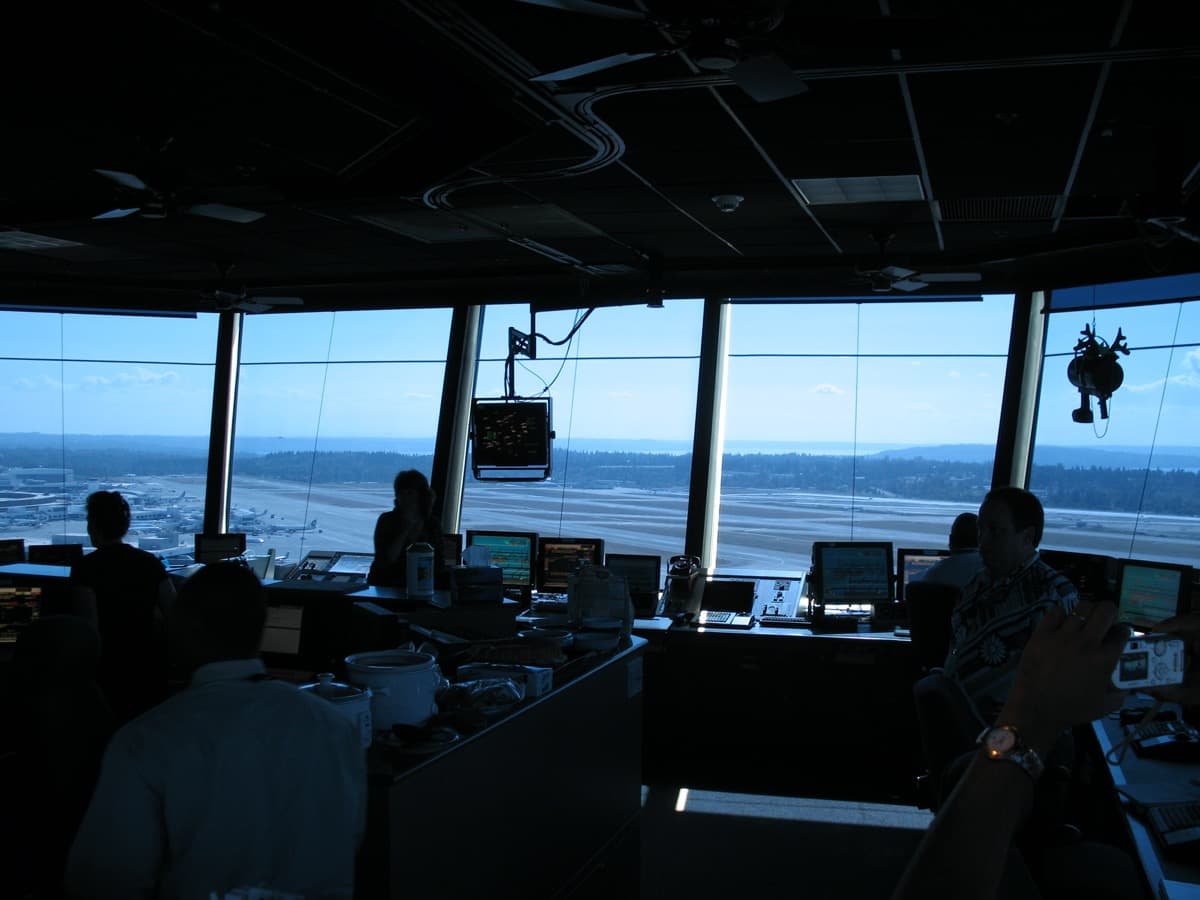
Upon entering the control room my trepidation could not have been further from the truth. Braxton offered me a chair with an expansive view of KLEB. He was prepared with a copy of the Airman’s Information Manual (AIM) opened to the section describing the use and methods of entering Class Delta using the light gun signals to land. The light gun itself was sitting on the counter space across from the active controller’s station.

“I had to dust it off. Doesn’t get used too much,” Braxton chuckled and pointed to the large black cylinder with a handle poking out of the side.
“How often do you use it?”
“Oh boy.” Braxton took a deep breath and paused for a moment. “In 40 years as a controller between the Air Force and civilian controlling, three, maybe four, times with aircraft. Modern aircraft radios are extremely reliable and most pilots carry a handheld as a backup, so there aren’t many opportunities with an actual need to use the gun for aircraft. It mostly gets used to signal the maintenance crews working near the runways.”
“My family owns a 1946 Taylorcraft BC12-D with no electrical system and only a handheld radio. Let’s suppose my radio dies and for some reason I need to get into a Class Delta airport. What’s the best way to do this? Circle above pattern altitude and hope to be seen?”

Braxton sat a bit more upright in his chair. “That might work, and you are right, I’d have to see you and assume you want to land. You, as the pilot, have to determine a runway and have enough fuel on board to circle for a while.”
He points towards the expansive sky surrounding the tower.
“The best thing to do is land at an uncontrolled airport nearby and give the tower a call. Make a plan, give an approximate arrival time and location to circle so we can sequence you in. Remember, once we give you the green light it’s really difficult to make changes, so the operations pretty much stop until you are on the ground and clear of the active runway.”
More bad weather and life hassles delayed flying into KLEB using nothing but light gun signals. When a good VFR day came along it was time to have a go.
As it turns out, the process is very simple. After reaching the tower by telephone and explaining why I wanted to use the light guns, Jeff, the controller on duty suggested the following plan:
Winds were calm and my approach from the north made a right hand downwind entry for landing on Runway 25 the easiest way to be seen. I was to circle at the entry point until given the steady green light to land. After landing, taxi back to the departure end for takeoff receiving gun signals to move about on the ground. Because this was a training exercise we agreed I’d keep the radio on the tower frequency but not use it. If for some reason there was an emergency at the airport (most likely the transition of the medivac helicopter from the local hospital) we could more easily keep everyone safe.
Twenty minutes after takeoff it was time to enter the midfield circling spot. The wings had just enough time to start banking when the green light was shown. Ninety degrees of turn into the downwind entry with an uneventful landing.
Clearing the active, the green light was given to taxi back to the departure end. Facing away from the tower necessitated making a bit more than a 90° turn to see the green light clearing me for take off. After climbing several hundred feet the radio came to life.
“Taylorcraft nine five seven zero three. Lebanon Tower. Were the lights easy to see?”
“Yes, very bright even looking back into the sun. A lot easier than I had thought it’d be. Thanks for doing this.”
“Sure no problem. Good practice for me and kinda fun too. You headed for Post Mills?”
“Yes. Direct to Post Mills.”
“Sure thing, Glad to help. Report clear of the Class Delta and have a good flight.”
Jelson25 via Wikimedia)
Using the radio to communicate with the tower felt good and set things right again. Having gone through this training exercise the fear of losing the radio has been greatly mitigated. Seeing the light gun in use made them much less intimidating. Just like practicing stalls for the first time, the light guns were significantly more intimidating hearing about them than actually using them.
A big shout out and thank you to the KLEB tower crew for helping me reacquaint myself with the lost art of using light guns. They have always been very helpful, welcoming, and reduce my feelings of talking to the principal whenever interacting with the controllers.
Light Gun Signals
| Color and Type of Signal | Aircraft on Ground | Aircraft in Flight |
|---|---|---|
| Steady Green | Cleared for takeoff | Cleared to land |
| Flashing Green | Cleared for taxi | Return for landing |
| Steady Read | STOP | Give way and continue circling |
| Flashing Red | Taxi clear of runway in use | Airport unsafe, do not land |
| Flashing White | Return to starting point on airport | — |
| Alternating Red and Green | Exercise extreme caution | Exercise extreme caution |