


A Cessna 177B pilot, distracted by avoiding weather, failed to monitor fuel reserves, leading to fuel exhaustion and an engine failure. The pilot performed a forced landing in a field, causing substantial damage and serious injuries to both occupants.
NTSB Accidents
Carbon tracking contributes to Luscombe’s crash

A total loss of engine power due to a failure of the ignition switch from carbon tracking, which resulted in a forced landing and a subsequent impact with trees.
Fuel exhaustion leads to forced landing

The pilot’s inadequate preflight fuel planning and preflight inspection of the airplane, which resulted in fuel exhaustion, a total loss of engine power, and the subsequent off-airport landing.
Taylorcraft pilot loses control during go-around

The pilot’s failure to maintain aircraft control during initial climb after a go-around, which resulted in an aerodynamic stall and spin at low altitude.
Distracted pilot fails to extend landing gear

The pilot’s failure to extend the landing gear prior to landing.
Bounced landing bends Cessna 140
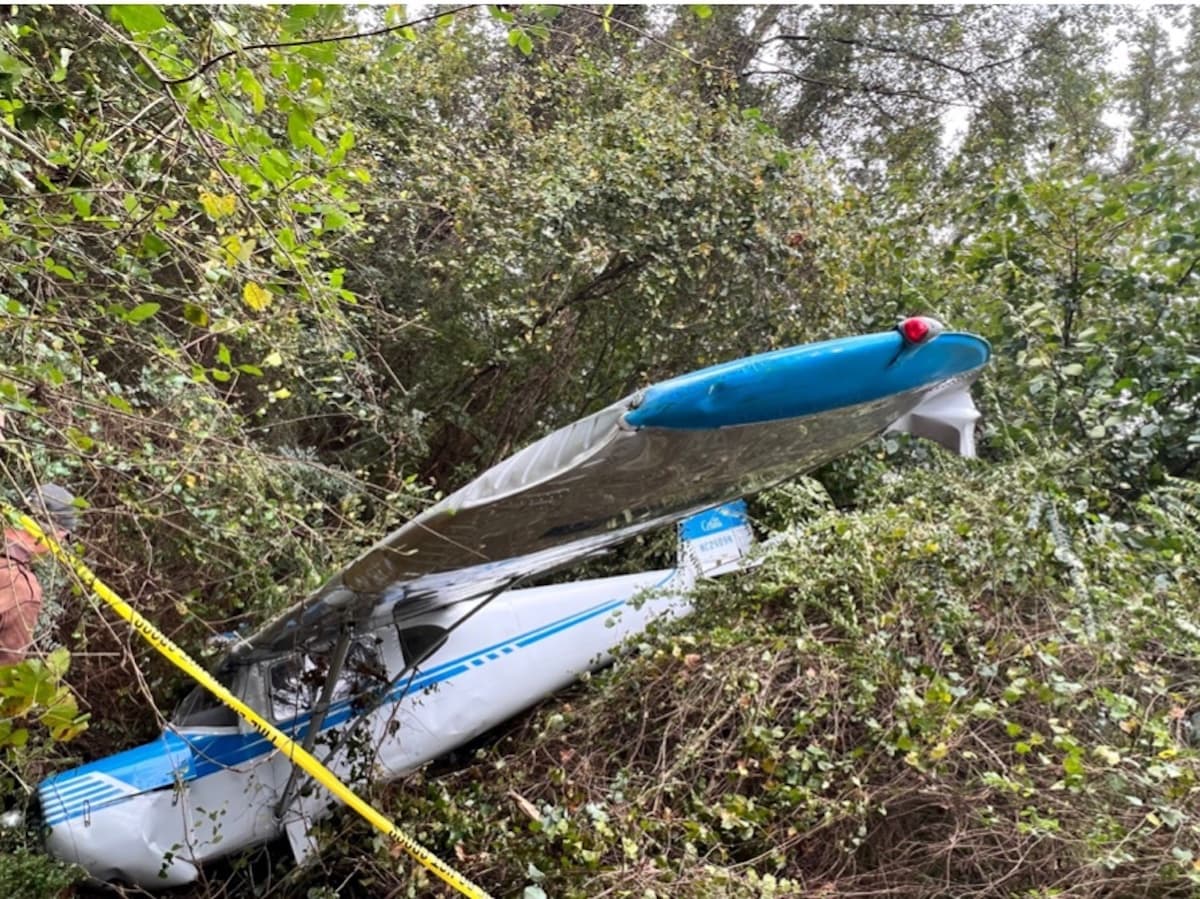
The student pilot’s improper recovery from a bounced landing. A factor in the accident was the instructor’s delayed remedial action which resulted in an inability to recover the airplane from an aerodynamic stall.
Cropduster crashes after hitting tree in middle of field
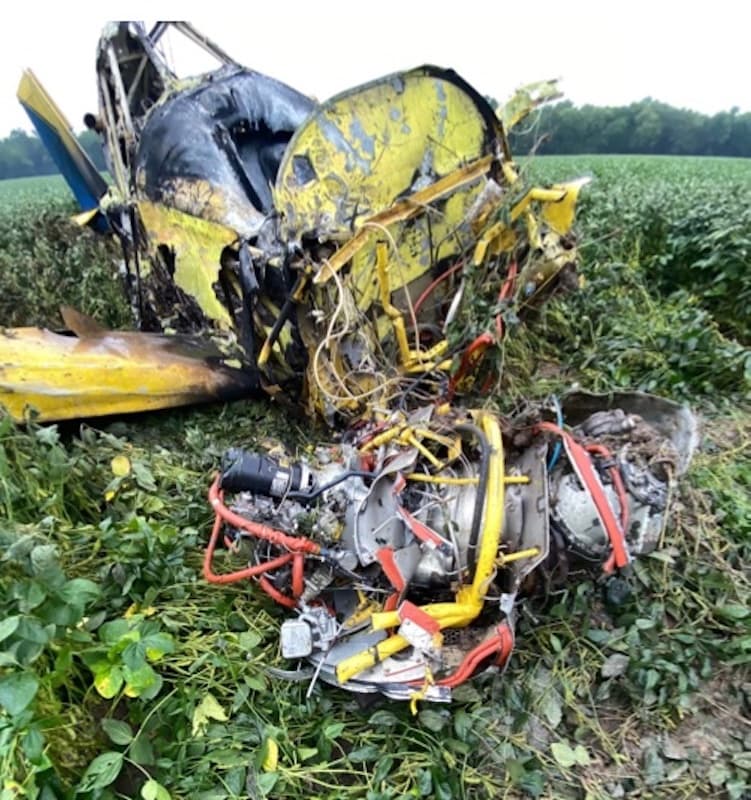
The pilot improperly monitored the operating environment which resulted in a collision with a tree located in the middle of a field.
Chair flying doesn’t prepare pilot for flight

The pilot’s failure to maintain control of the airplane during landing.
Pilot lands on same runway another plane is departing

The pilot failure to ensure the runway was clear before landing, resulting in a runway excursion and collision with runway lights.