

Story and Photos By Steven Valinski
In early March, when most of the U.S. is beginning to thaw from the winter chill, aviation is in full bloom in the desert. On March 6-7, aviation enthusiasts in the southwest U.S. were treated to a display of antique and classic aircraft at the 2015 Cactus Fly-In.
The 57th annual Cactus Fly-In was held at Casa Grande Municipal Airport in Casa Grande, Arizona, where the event has taken place for the past 10 years.

The 2015 Cactus Fly-In was organized and operated by the Classic Airplane Association of Arizona (CAAA), a not-for-profit organization with a mission to “promote the preservation, reproduction, restoration, and history of antique aeronautica and sport aviation.” The CAAA is also a chapter of the Antique Airplane Association, a national association based out of Iowa.

“Our goal is to preserve and propagate aviation,” said Arv Schultz, CAAA president and chairman of the Cactus Fly-In. “We feel we are doing that with the antiques. They are not only museum pieces, they are actually flying these airplanes. They have come in from all over the country from various states, such as California, New Mexico, Utah, Nevada, and, of course, Arizona.”
A tremendous amount of hard work and planning went into preparation for the fly-in “and it’s all done by volunteers,” Schultz said.
“There’s no paid administrators that do this, so it’s all volunteers who take over and keep this thing going,” he continued. “Close to 75 volunteers supported the 2015 Cactus Fly-In and that’s starting with people who work the flight line, parking airplanes, to parking cars in the parking area, people attending the gates, and the people who are doing the ticket collecting and so on…so, it’s quite involved.”
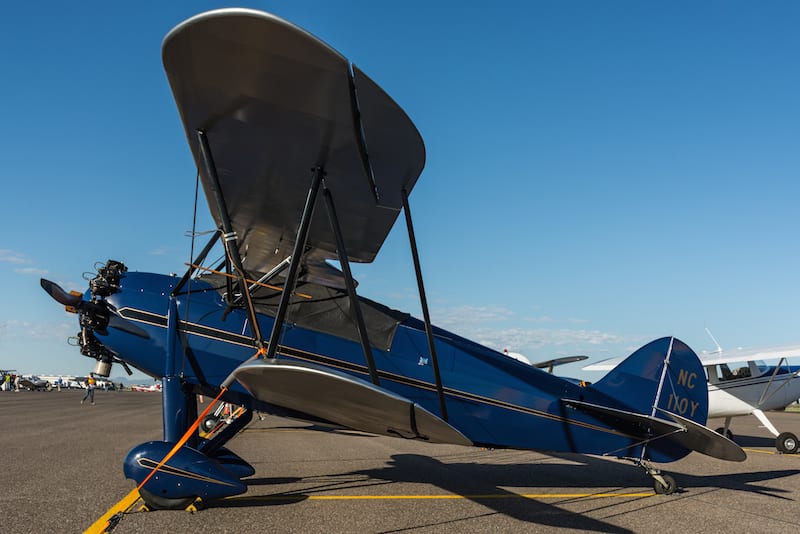
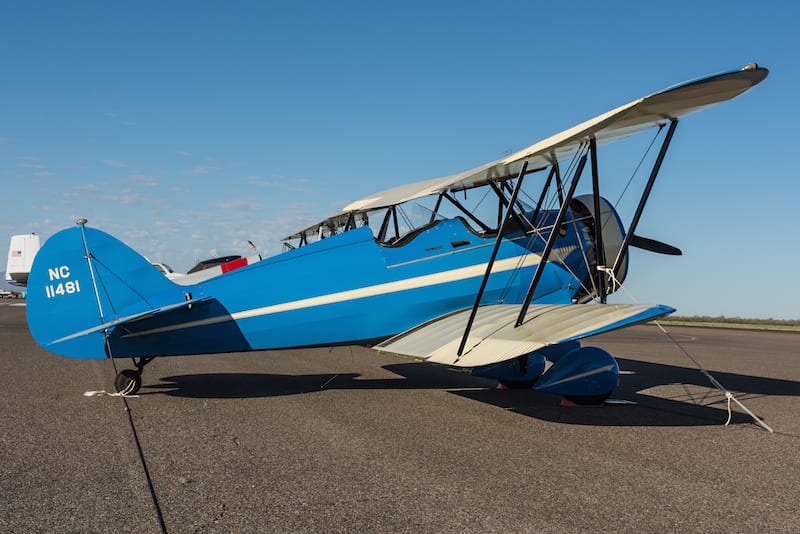
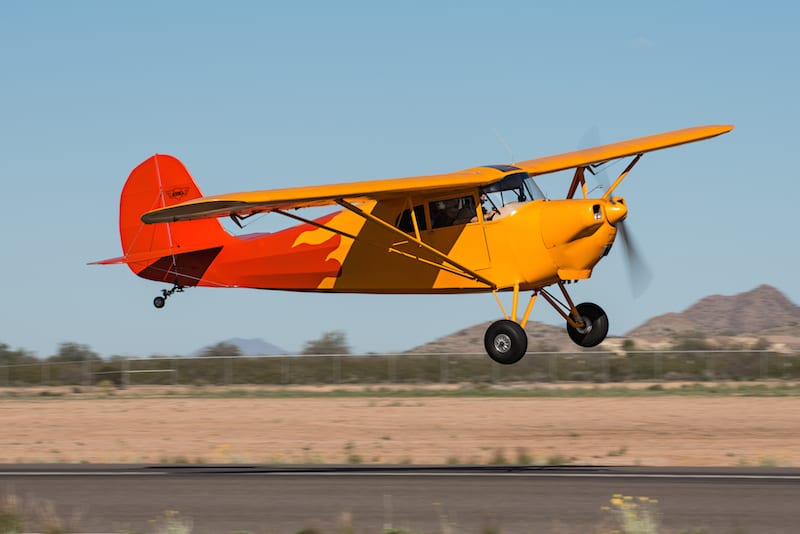
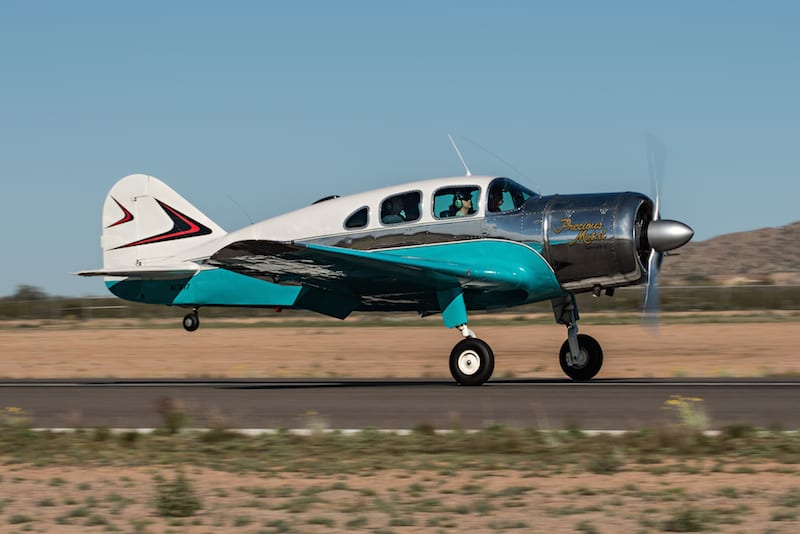
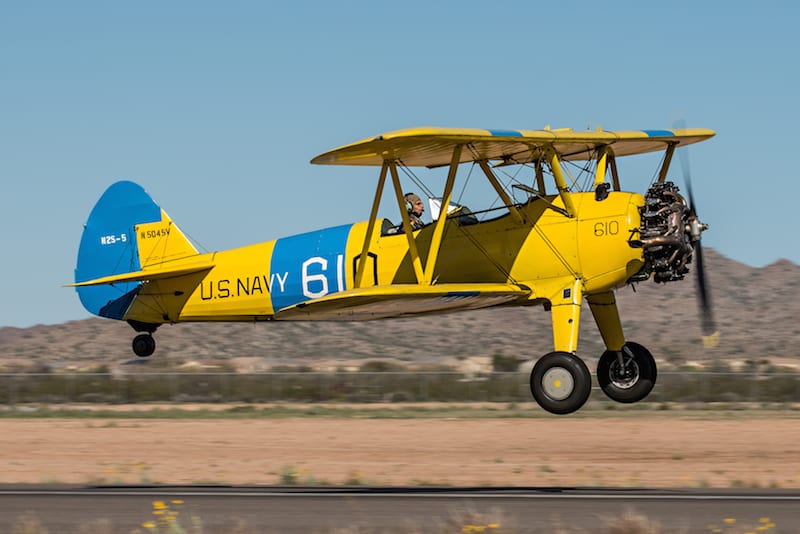
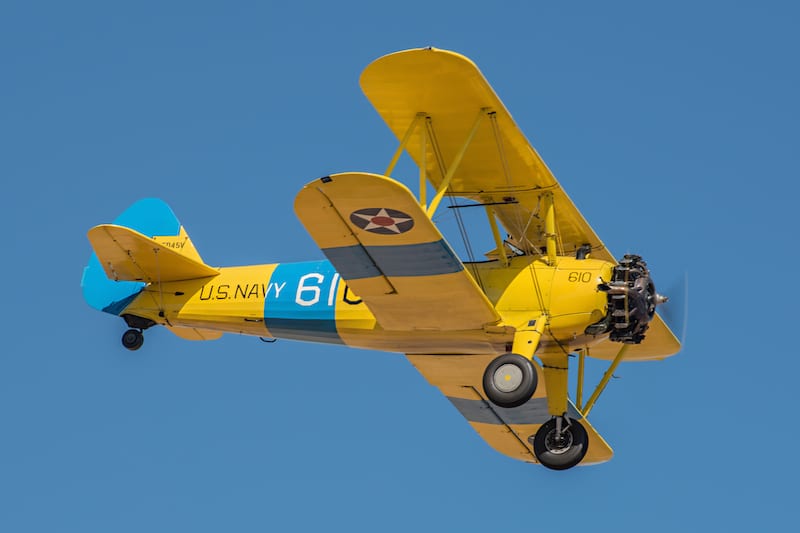
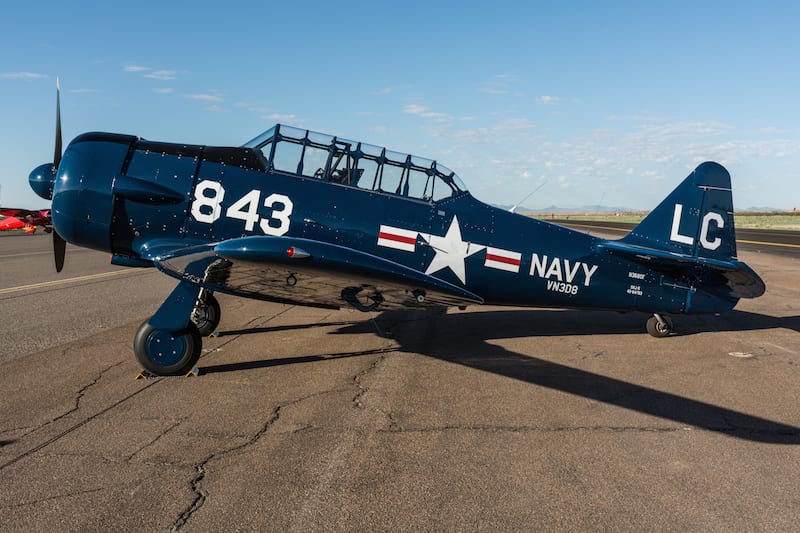
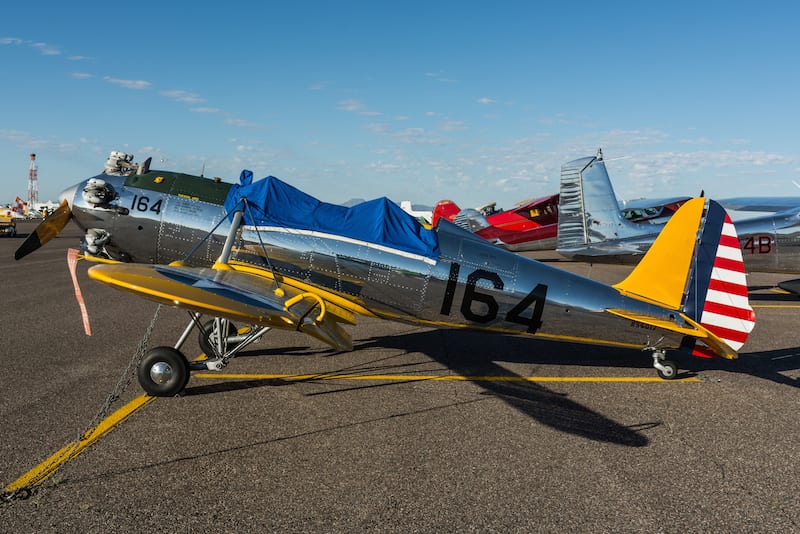
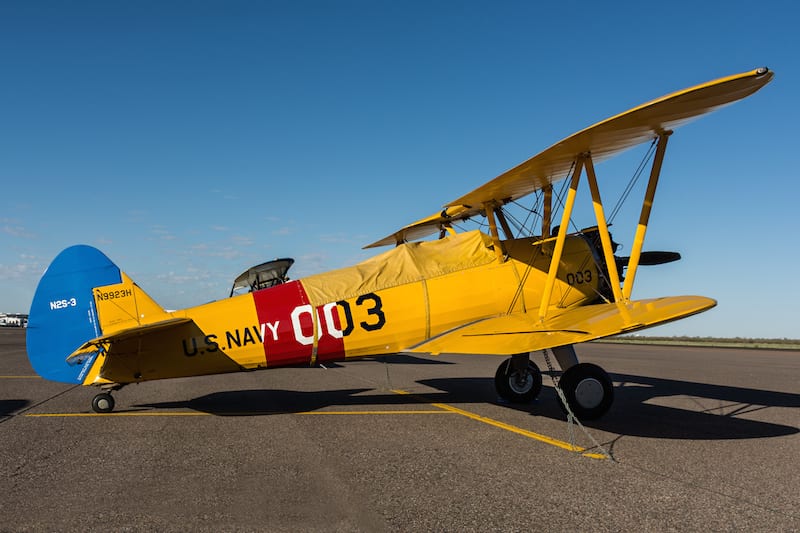
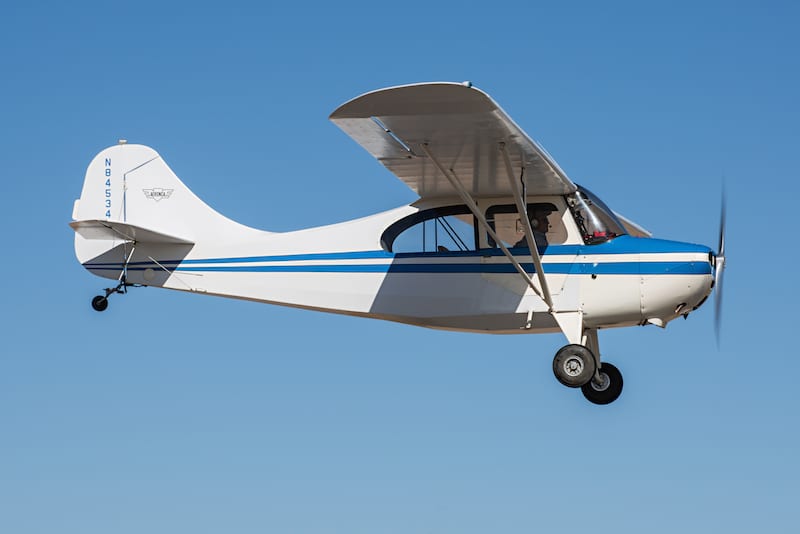
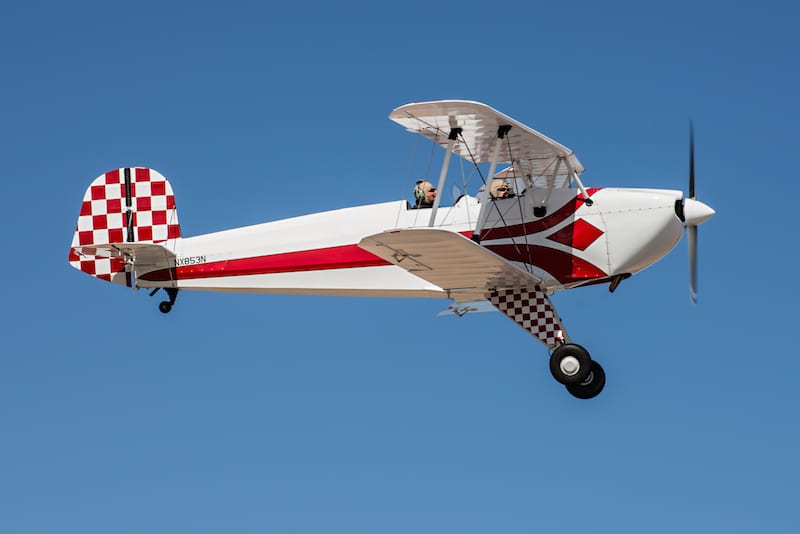
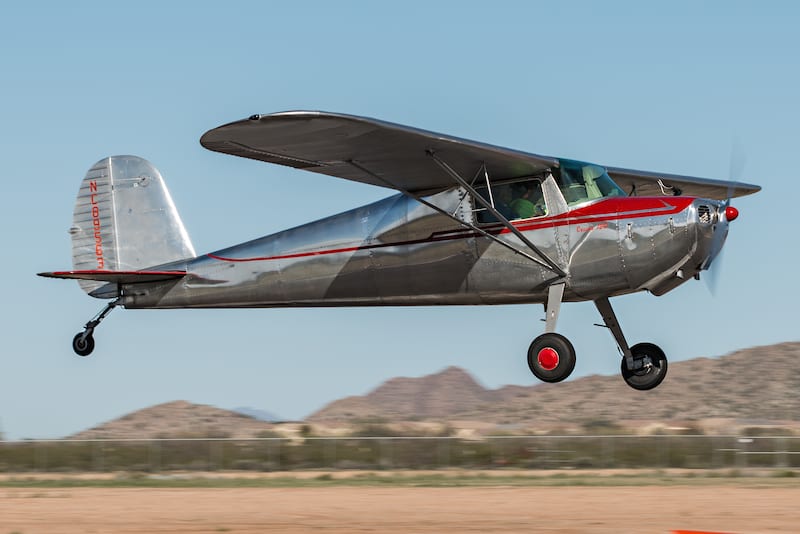
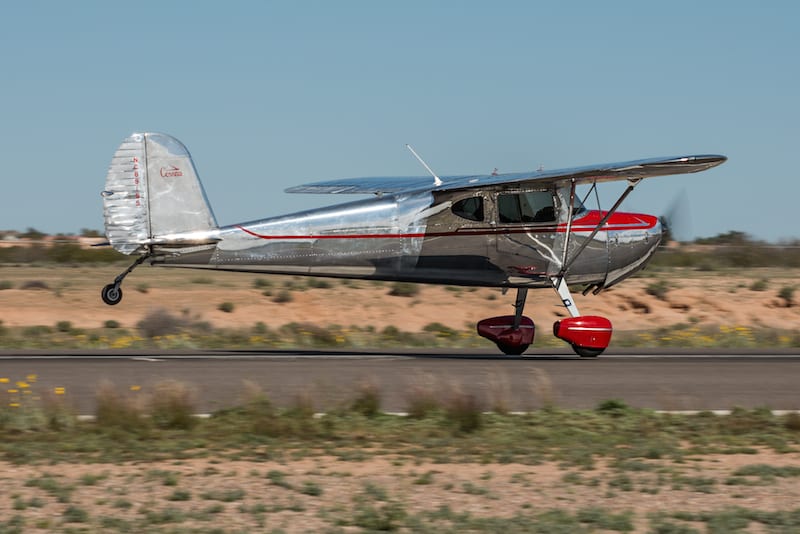
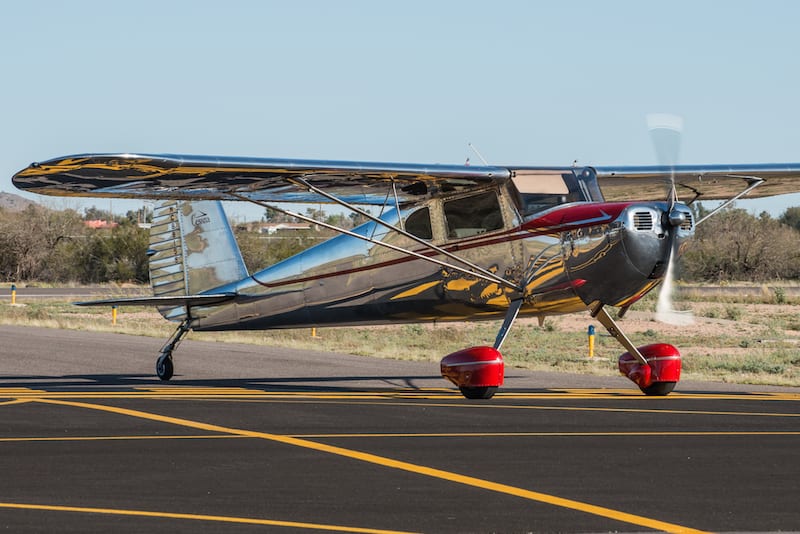
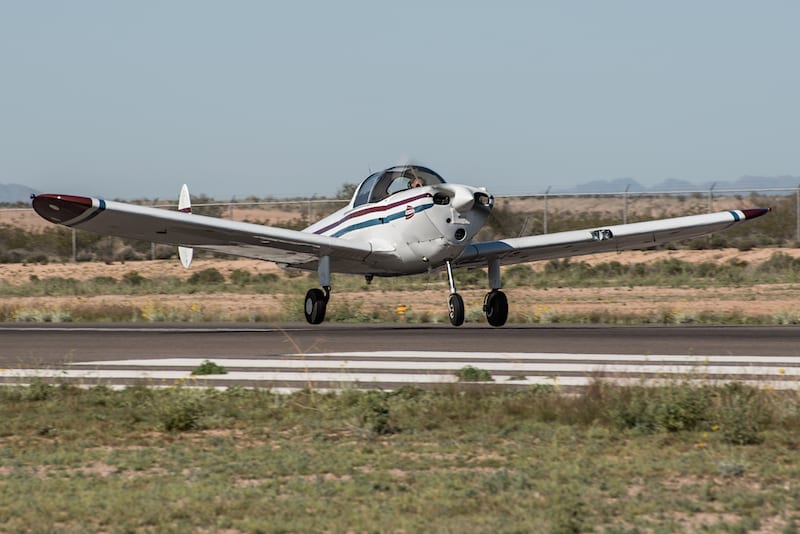

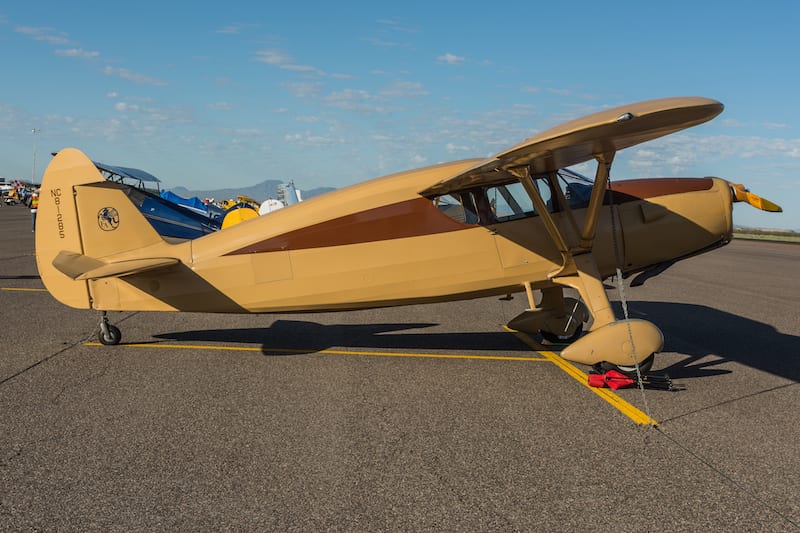
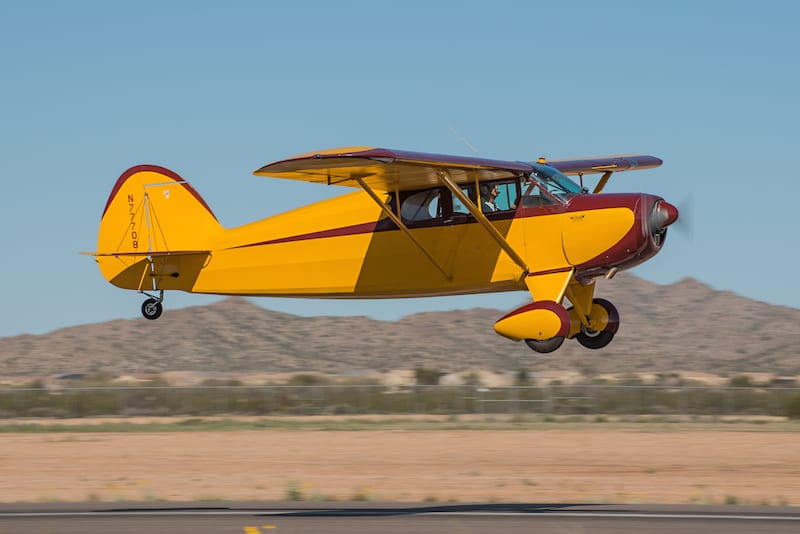
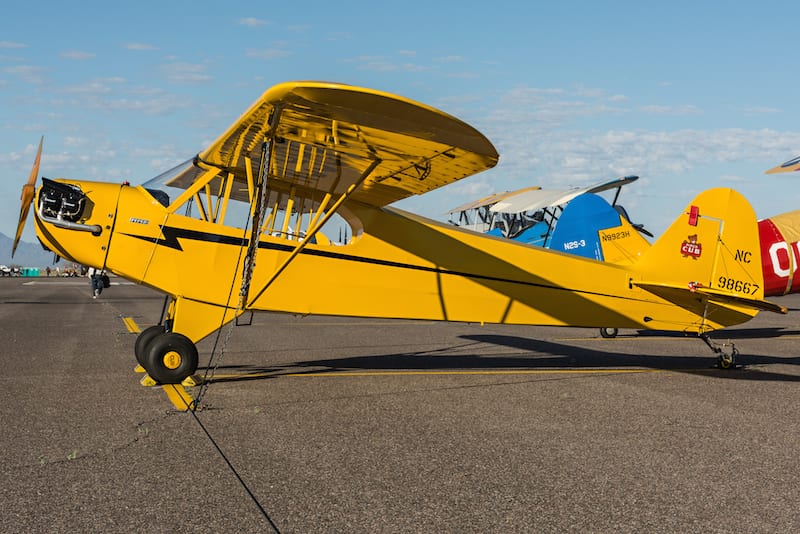

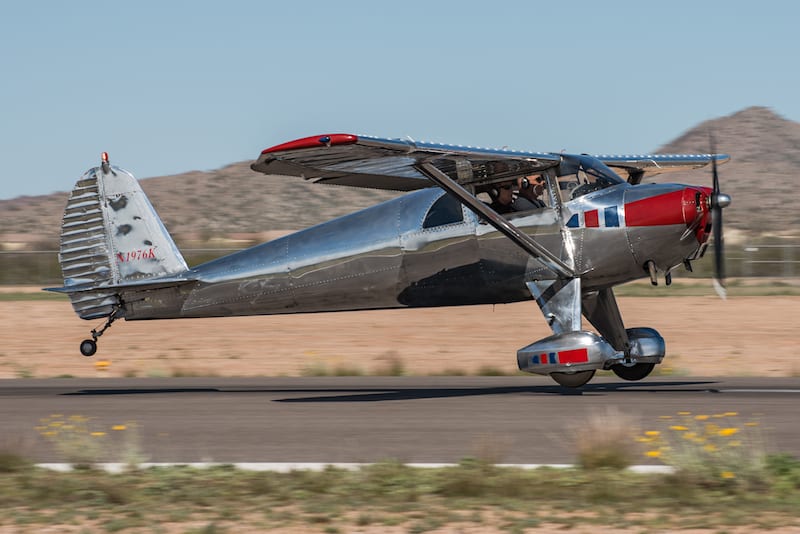
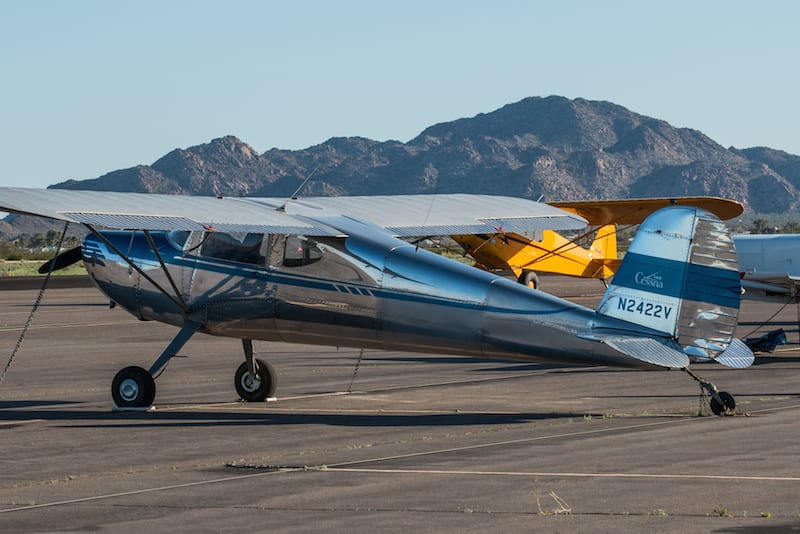
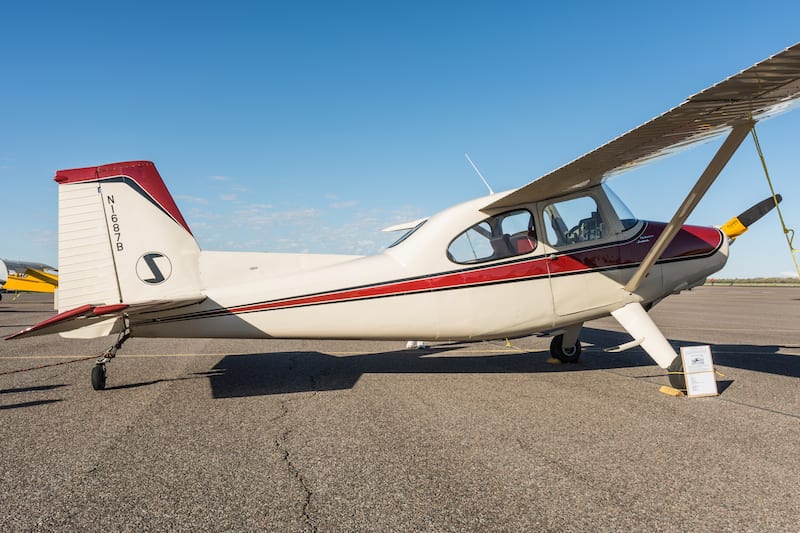
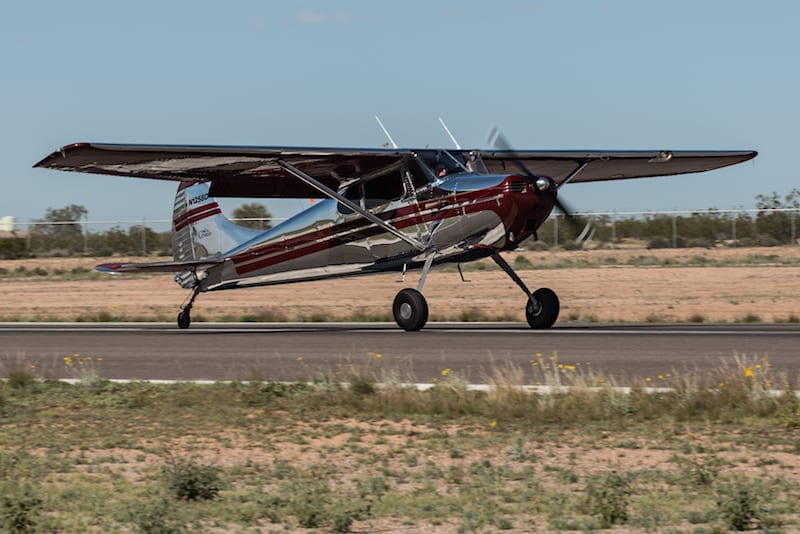
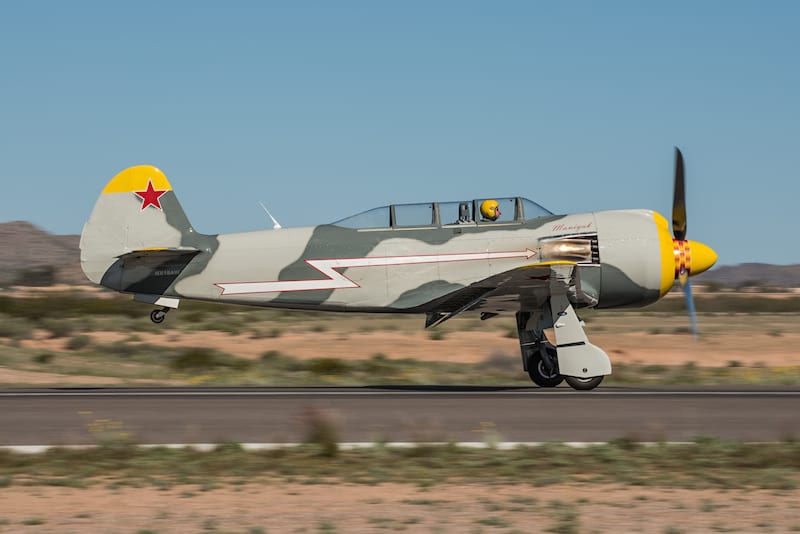
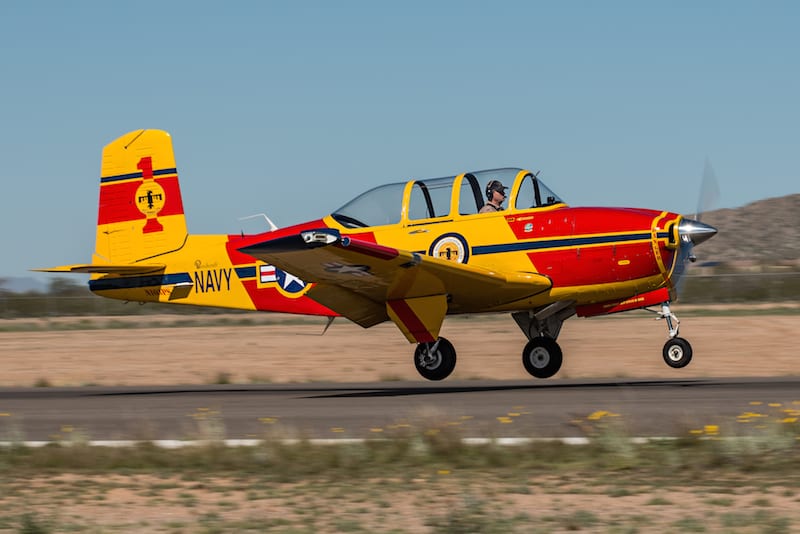
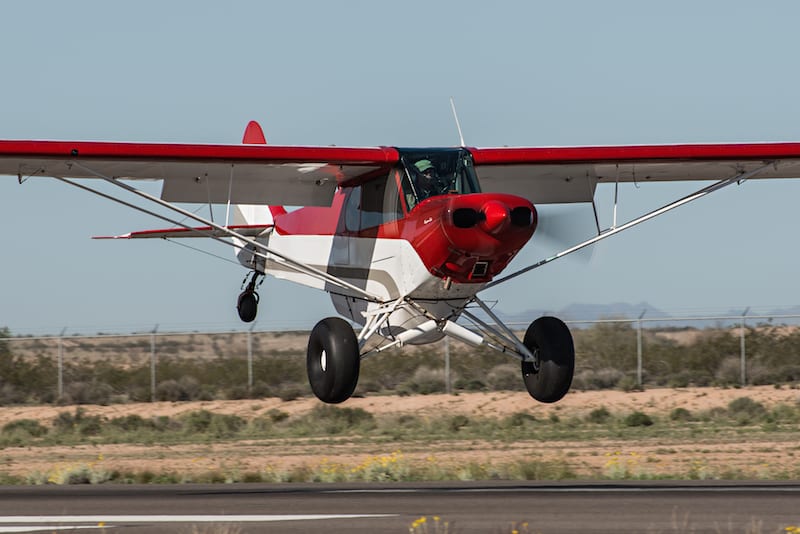
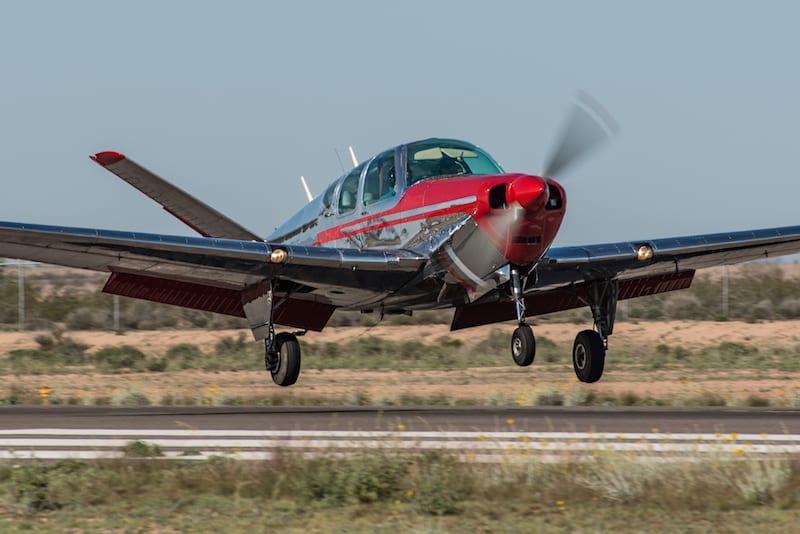
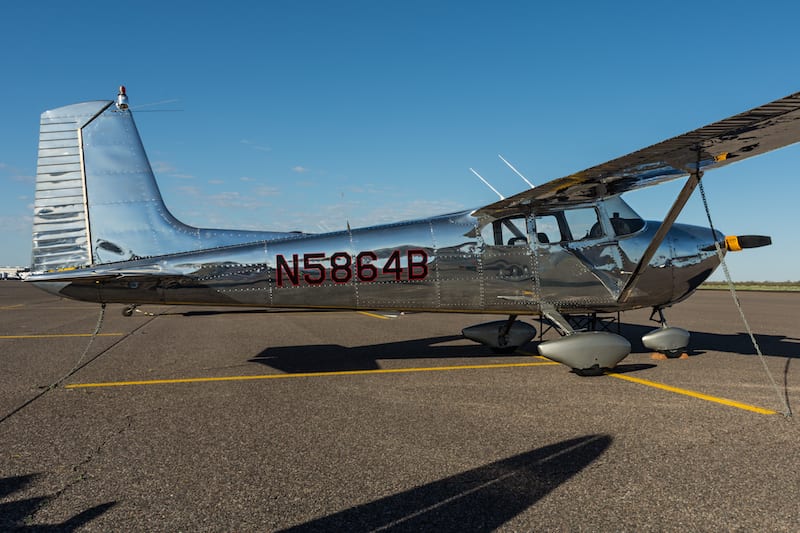
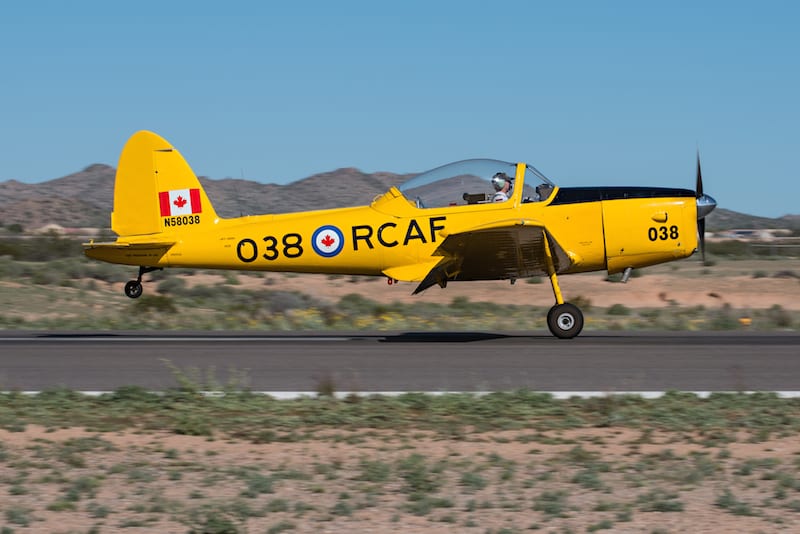

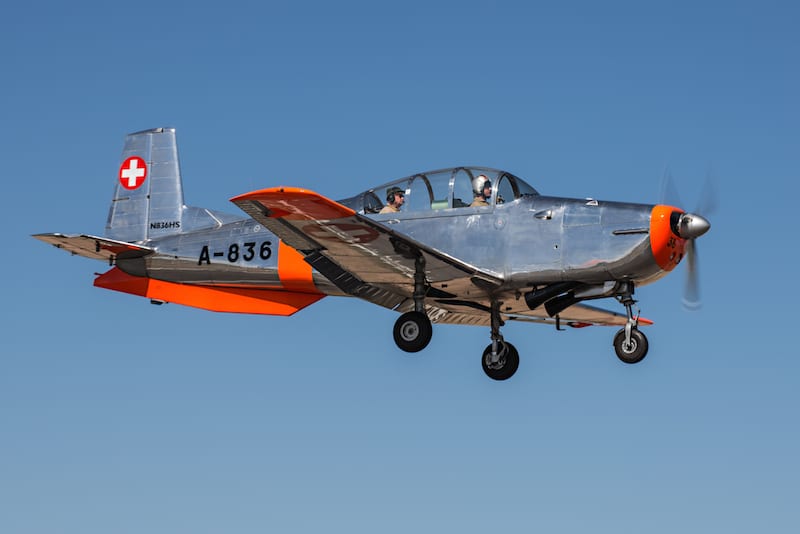
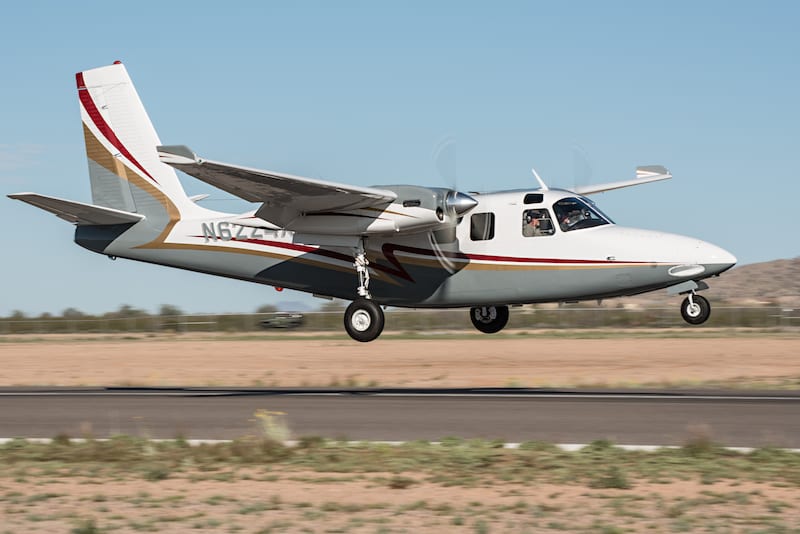
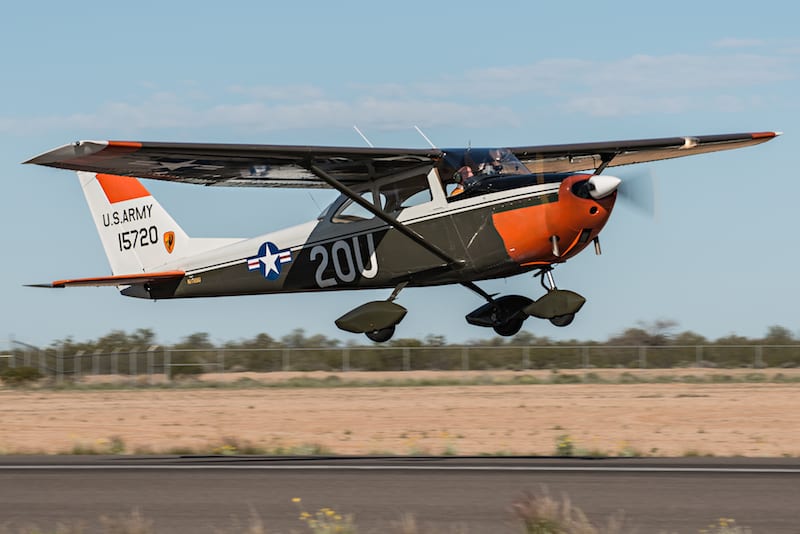


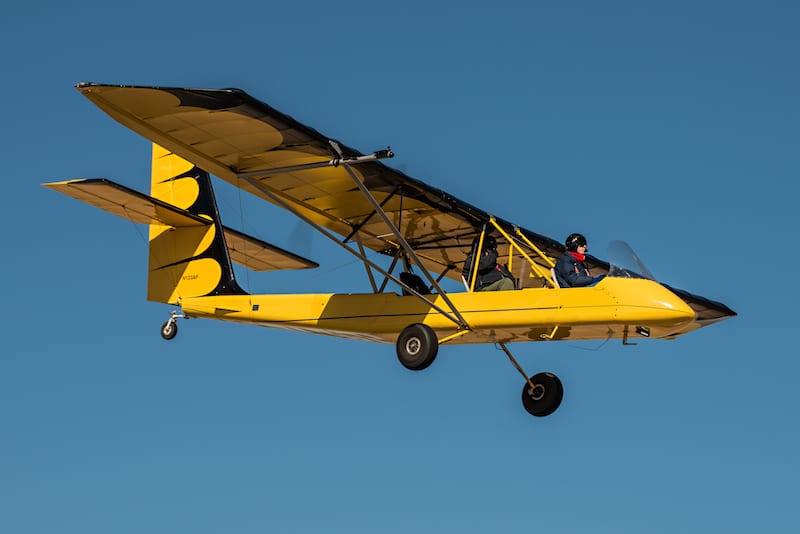
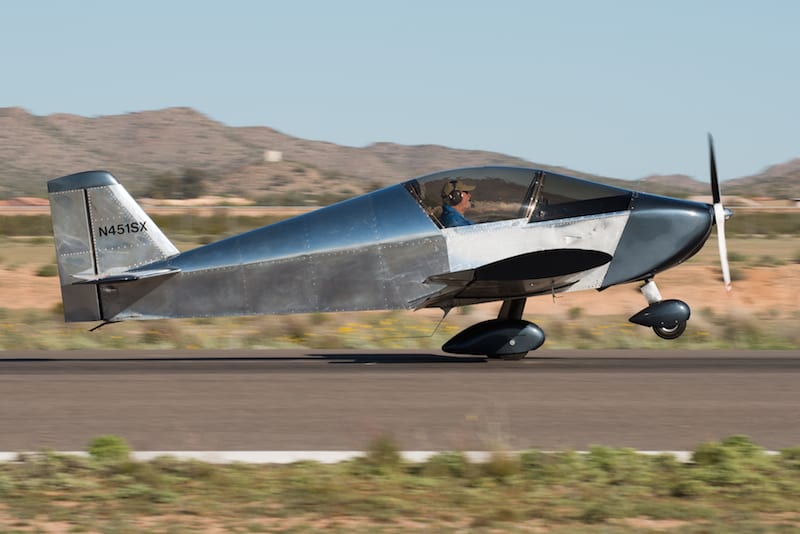
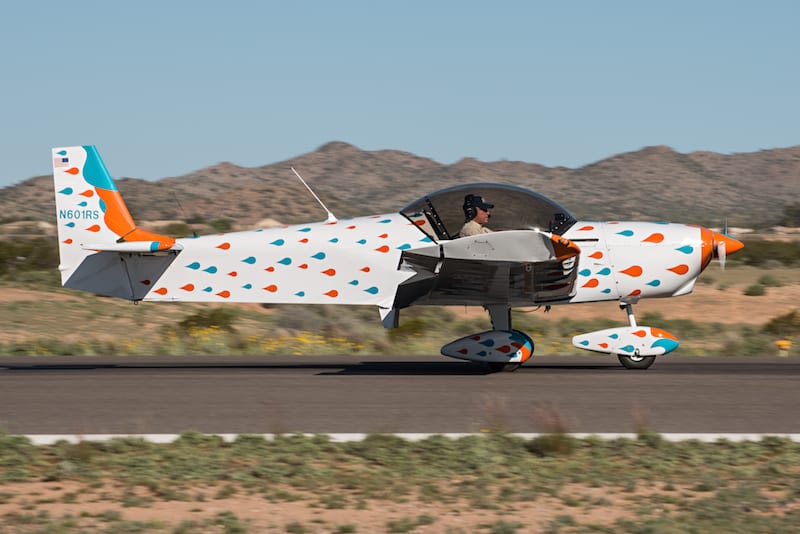
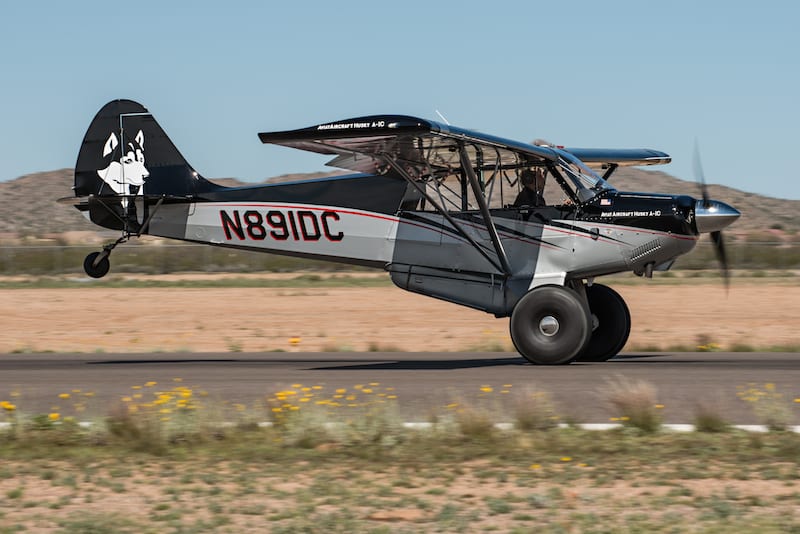

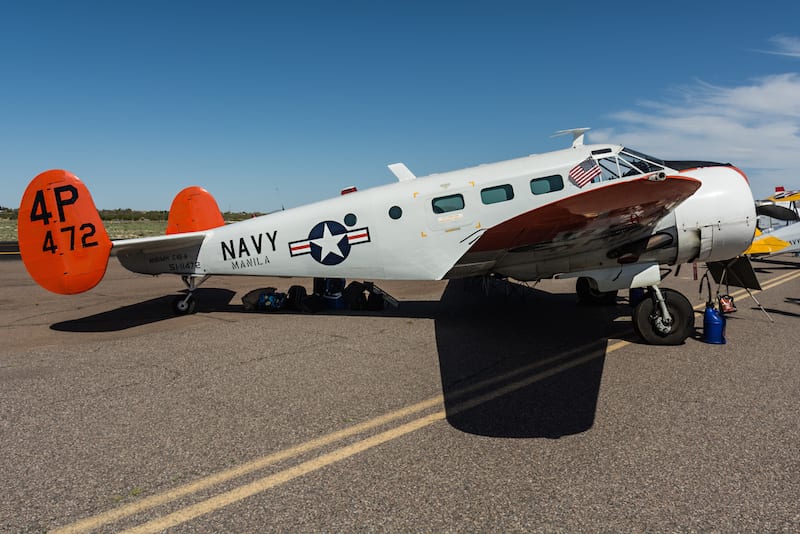
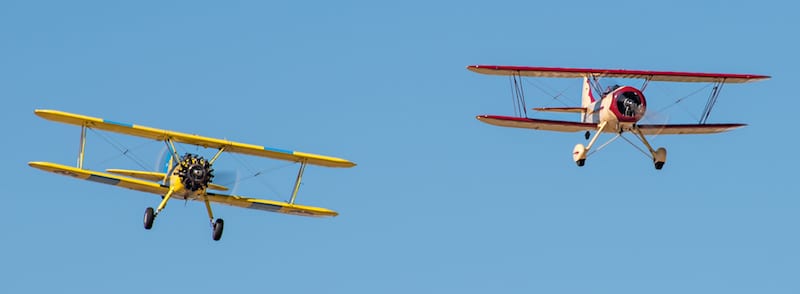
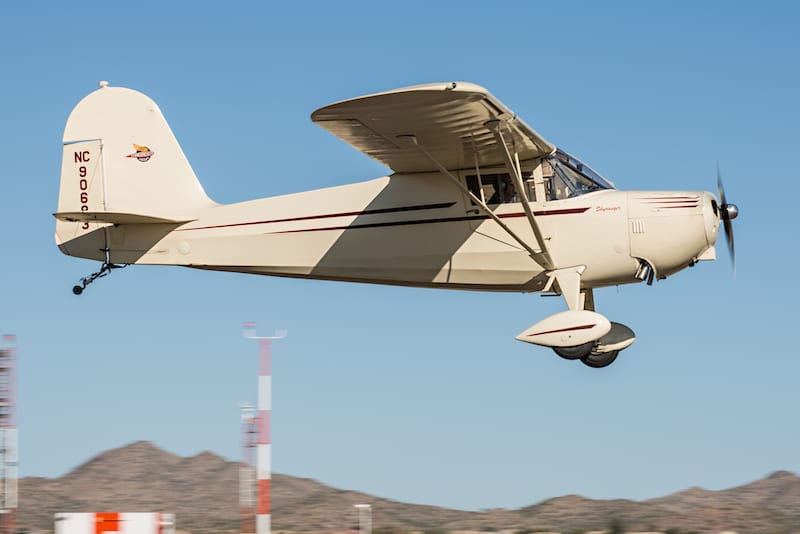
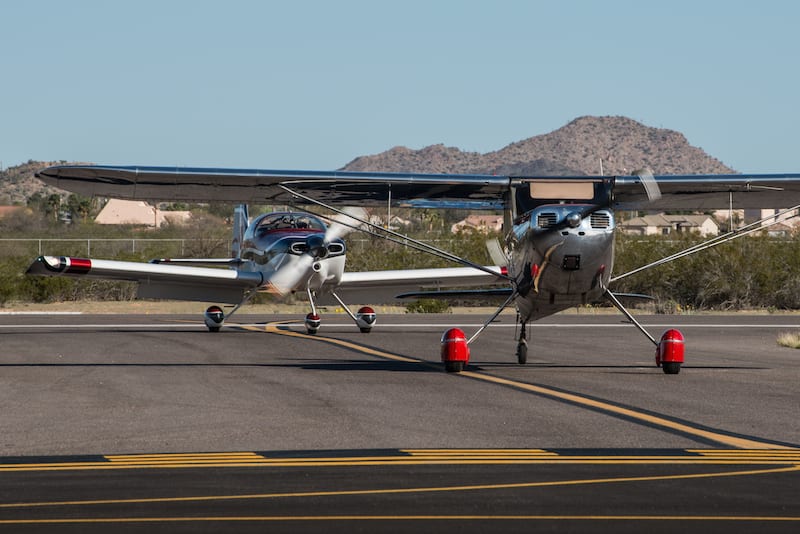

The weather for the 2015 Cactus Fly-In averaged a perfect 78° with mostly-clear skies.
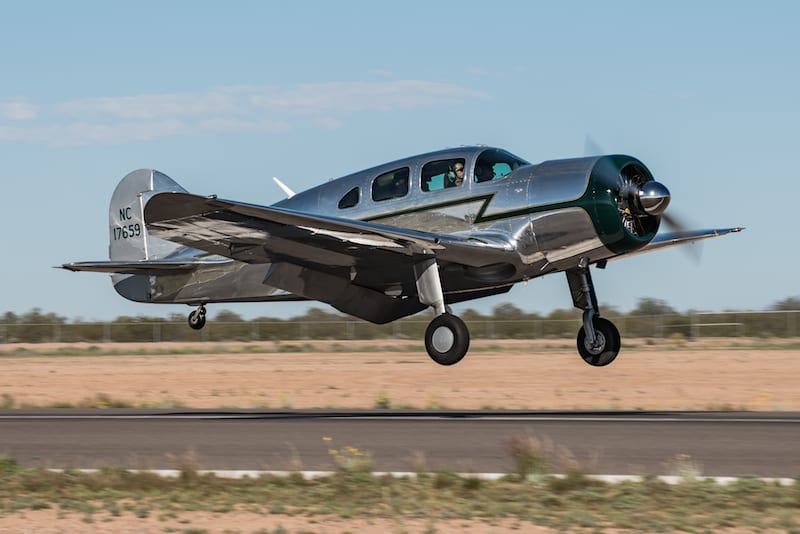
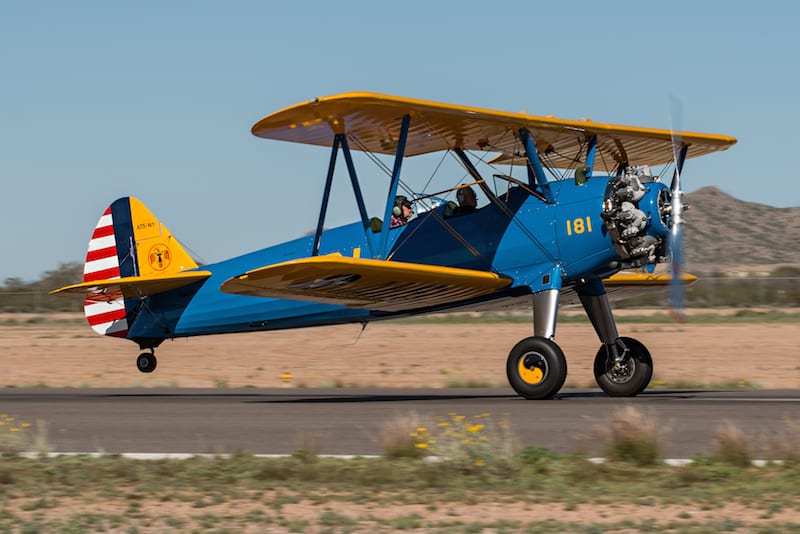
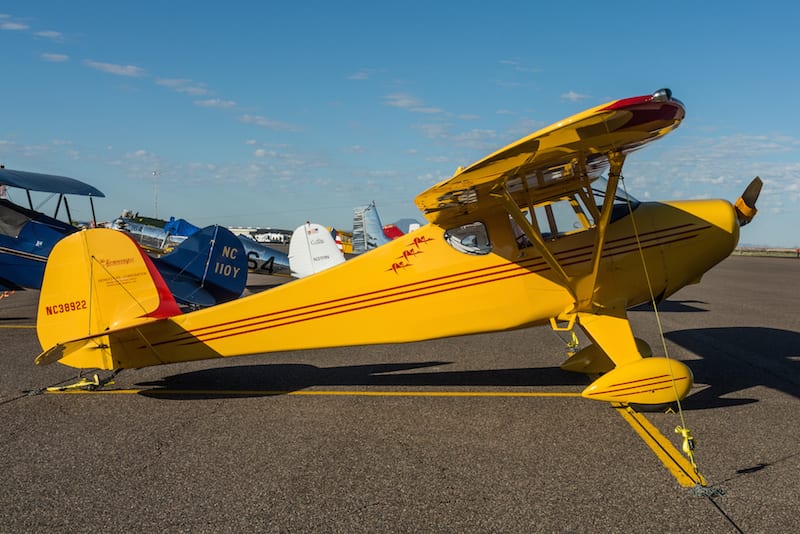
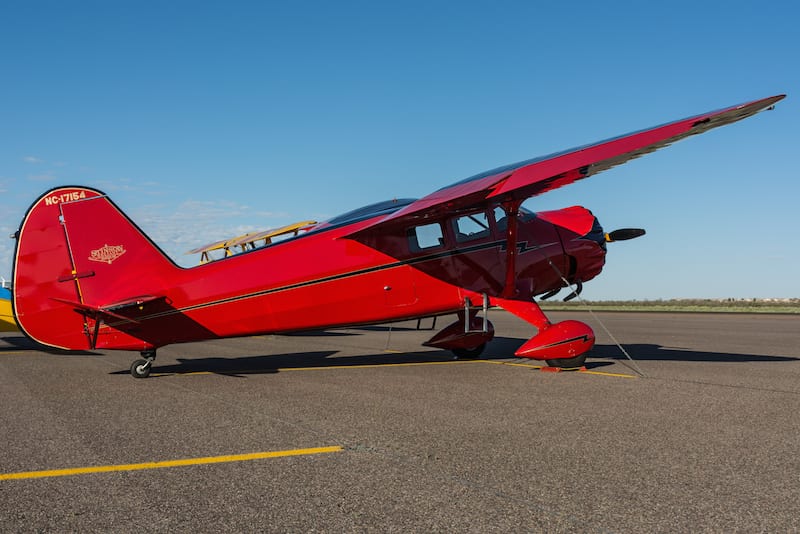
The variety of antique and classic aircraft that attended was impressive. Some highlights included a 1930 and 1931 Waco, 1938 Aeronca Chief, 1938 and 1940 Spartan Executive, 1941 Monocoupe 90, 1941 Stinson Reliant, 1946 Buecker AERO Z, a pair of 1946 Ercoupes, 1946 Fairchild 24R, 1946 McClish Funk, 1946 Taylorcraft B, 1947 Luscombe 8, 1948 Cessna 140, 1956 Beech G35, 1956 DeHavilland DHC-1, several Boeing A75-N1s, a Beech C-45, and many more.
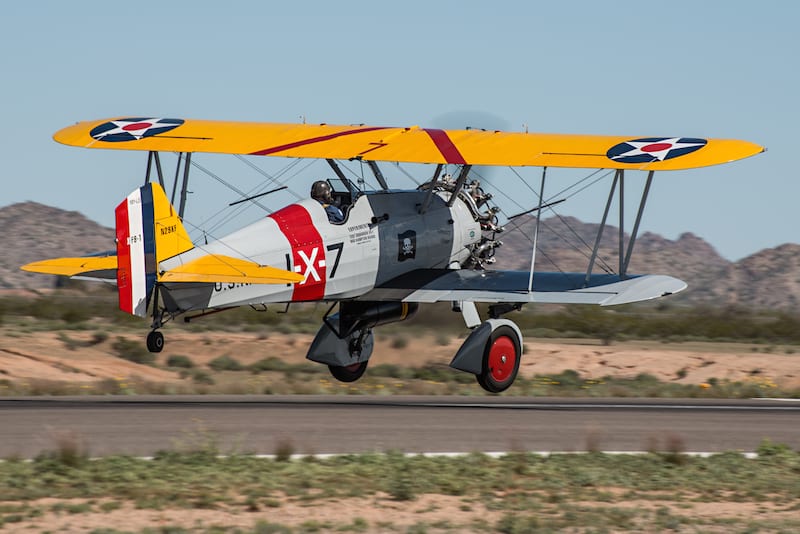
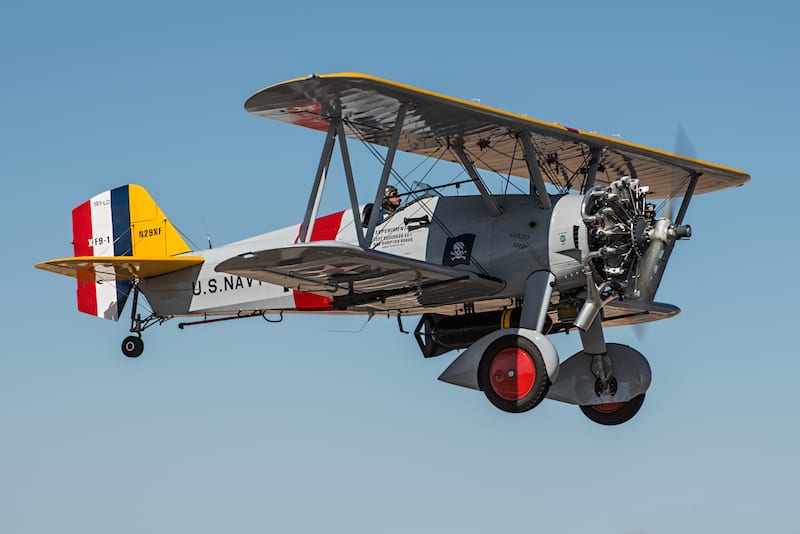
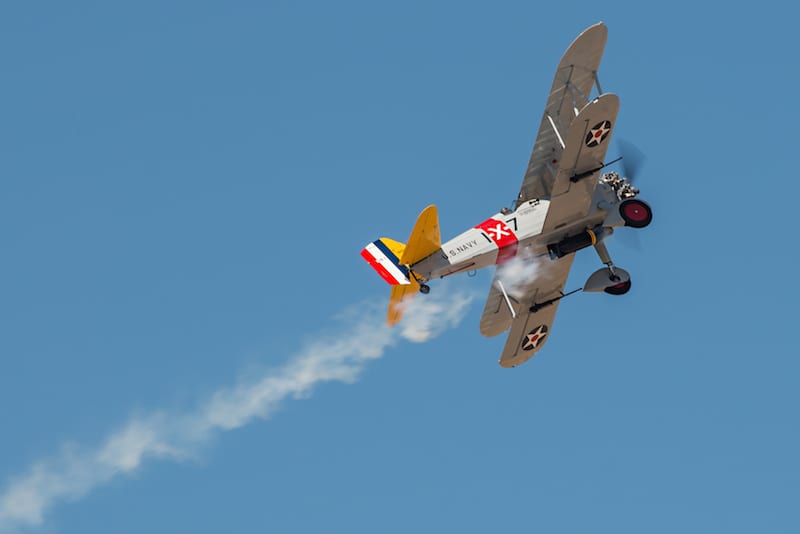
Some modern aircraft also stopped by. One of highlights was a 1929XF kit aircraft built by John Pike as a replica 1920’s Navy fighter bi-plane (pictured below). Labeled “Ghost Ship” this aircraft put on a show for spectators with its 600 hp Pratt & Whitney R-1340 Wasp engine.


For future Cactus Fly-Ins, one of the challenges is reaching today’s youth to not only get them interested in aviation, but also to grow an appreciation for these antique and classic aircraft, according to Schultz.

“It’s an aging pilot population but, at the same token, we are trying to encourage young people to take an interest in these airplanes and keep them flying as long as we can,” he said. “Eventually, they are all going to be museum pieces, but I hope, in my lifetime, we continue to see them to fly.”
The fly-in was a great opportunity for aviators and aviation enthusiasts to interact and work together to promote aviation. For an aviation enthusiast, where else in late-winter can you add sunscreen and a camera and have this much fun?
The Cactus Fly In has been going for over 30 years. It is a very laid back, relaxed fly in with no temporary tower, and no vendors pushing their wares and no acrobatic air show. It’s just planes and pilots. The show is all the planes coming and going. It’s an opportunity to catch a ride in a Stearman, or watch the huge flight of Yaks arrive, or get a look at a unique antique you’ll likely never see again and have time to talk to the owner about the story behind the plane. Keep your eyes open in the pattern as there are still planes arriving with no electric and no radio.