

OSHKOSH — Aspen Avionics is expanding beyond the manufacturer sales channel to deliver its NexNav Micro-i GPS receiver/sensor through Aspen’s authorized dealer network.
The aftermarket sales channel will offer experimental aircraft owners a compliant GPS position source for ADS-B Out, company officials noted at this year’s AirVenture.
The Micro-i is part of the GPS product line acquired through the Aspen Avionics-Accord Technology transaction finalized in June 2015. The Micro-i GPS sensor is expected to be available through Aspen’s dealer network in the fourth quarter of 2016.
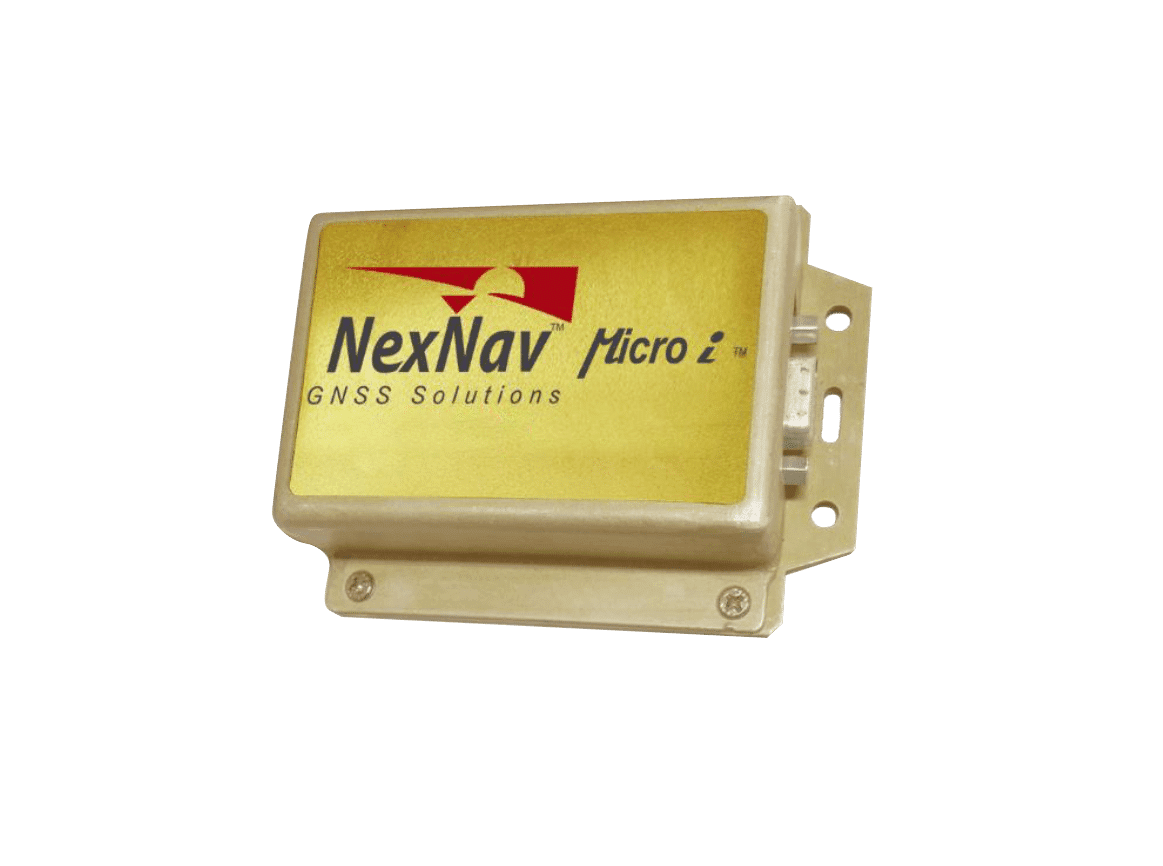
Priced at $800, Aspen’s NexNav Micro-i is compliant to 14 CFR 91.225 and 91.27 for ADS-B GPS performance and meets FAA AC 90-114 Change 1 for experimental aircraft in ADS-B-ruled air space.
Features include:
- Meets position source performance requirements of 14 CFR §91.227(c) for ADS-B Out;
- TSO C199, Class B (pending);
- GPS L1 C/A code sensor with SBAS capability (10 GPS +2 SBAS channels);
- Compatible with WAAS, EGNOS, MSAS and GAGAN;
- Receiver autonomous integrity monitoring (RAIM);
- Fault detection and exclusion (FDE); and
- Lightning protection, EMI/EMC protection.
Specifications:
- Dimensions: 4.3 x 3.1 x 1.1 inches
- Weight: < 0.4 pounds
- Power Input: 8 to 36 VDC, < 1.0 watt
- RF Connector: MCX Female
- I/O Connector: D Type, 9 Pin
- I/O Data Format: RS-232, NMEA 0183
Yeah … but there’s ANOTHER fly in the ointment, boys. I went to Airventure to buy a single box ADS-B transponder and even authorized a major hit on my credit card. Problem is, the 800 pound gorilla of avionics won’t sell you even the STC’ed but not TSO’ed equipment unless its installed by their dealer network. While I’m not capable of doing the final check and certification because I don’t have that equipment, I AM an A&P with considerable avionics experience; they don’t care. If you want a G5 installed in your Cessna … go to one of their dealers. Same thing with the transponders.
If you own an RV, you can buy and install the equipment. If you own a certificated airplane … fuhgetaboutit !
I walked and didn’t spend my money. I’m now on Plan B which does not include an Company which demands installation by its dealer network.
Making matters worse, I found that I could buy everything I want through one of the large sellers of airplane parts for FAR less than what I’d pay through a dealer network.
One step forward, two steps back … personally, I think the same thing is going to happen with the ‘new’ third class medical. One way or another, the FAA will find a way to throw rocks into our gearboxes.
John O is correct. Mr. Huerta has publicly supported the installation of non TSOd equipment in certified aircraft. Both Garmin and Dynon have jumped on this recently and are taking advantage of this change. That being said, as time goes on we’ll be seeing more experimental and light sport aircraft components available for certified aircraft.
That’s one reason I am waiting until 2019 to install adsb.
What I would like the FAA to explain to me and my fellow aviators is why this unit, and others like it, are satisfactory to use in our airspace as long as they are installed in an experimental or LSA aircraft, but are not satisfactory to use in the same airspace in a certificated aircraft? Do they all of a sudden not transmit the same information? The FAA is bogged down by rules instead of common sense in my opinion.
And those archaic rules are largely there because they are self serving for the FAA which is to say they represent employment security. While there are doubtless many dedicated public servants in the FAA, it like all other federal agencies is filled with drift wood that goes along to get along until retirement and none of them want to see the boat rocked.
Paul,
I agree with everything you say, but it looks like the dam is starting to break in regards to uncertified avionics in certified aircraft. Only time will tell, but I am hopeful that in the near future we will see even more uncertified avionics in certified aircraft.