

Like many high schools, Westosha Central High School in Paddock Lock, Wisconsin, struggled to make science, technology, engineering, and math (STEM) studies relevant and exciting.
“Unfortunately, a lot of programs misuse the term STEM,” said James Senft, a pilot for the last 30 years who taught high school physics and is now a college administrator. “Kids are losing that connection to applied STEM knowledge because many schools have eliminated hands-on courses like shop and auto mechanics.”
At the same time, people in the aviation community are complaining about the shortage of pilots and mechanics, so Senft — who has also built and restored airplanes — decided to do something about it.
In 2014, the year his daughter Rachel entered high school, he called the people running the Eagle’s Nest Projects in Texas to ask a barrage of questions about how they started their high school aviation program. They invited him to join. Armed with enthusiasm, information, and materials, he sent emails to the school superintendent.
“They ignored me, probably because they expected me to ask for money. All I wanted was access to students and space to work in,” said Senft. “I asked for 15 minutes to show the plans and 15 minutes turned into an hour and a half.”
He chuckled. “With no cost to the kids and no cost to the school, the school board approved it.”

Central High’s STEM Aviation Program began through funding from the Eagle’s Nest Projects, a non-profit organization, to build a light-sport aircraft.
The initial funding helps the program become self-sustaining, explain officials with Eagle’s Nest Projects. Once a school builds a plane and trains students on it, it then sells it while students build the next plane. The money from the sold aircraft is used to buy materials to build the next aircraft, and on it goes.
Schools in Florida, Indiana, and Texas participate in the Eagle’s Nest Projects.
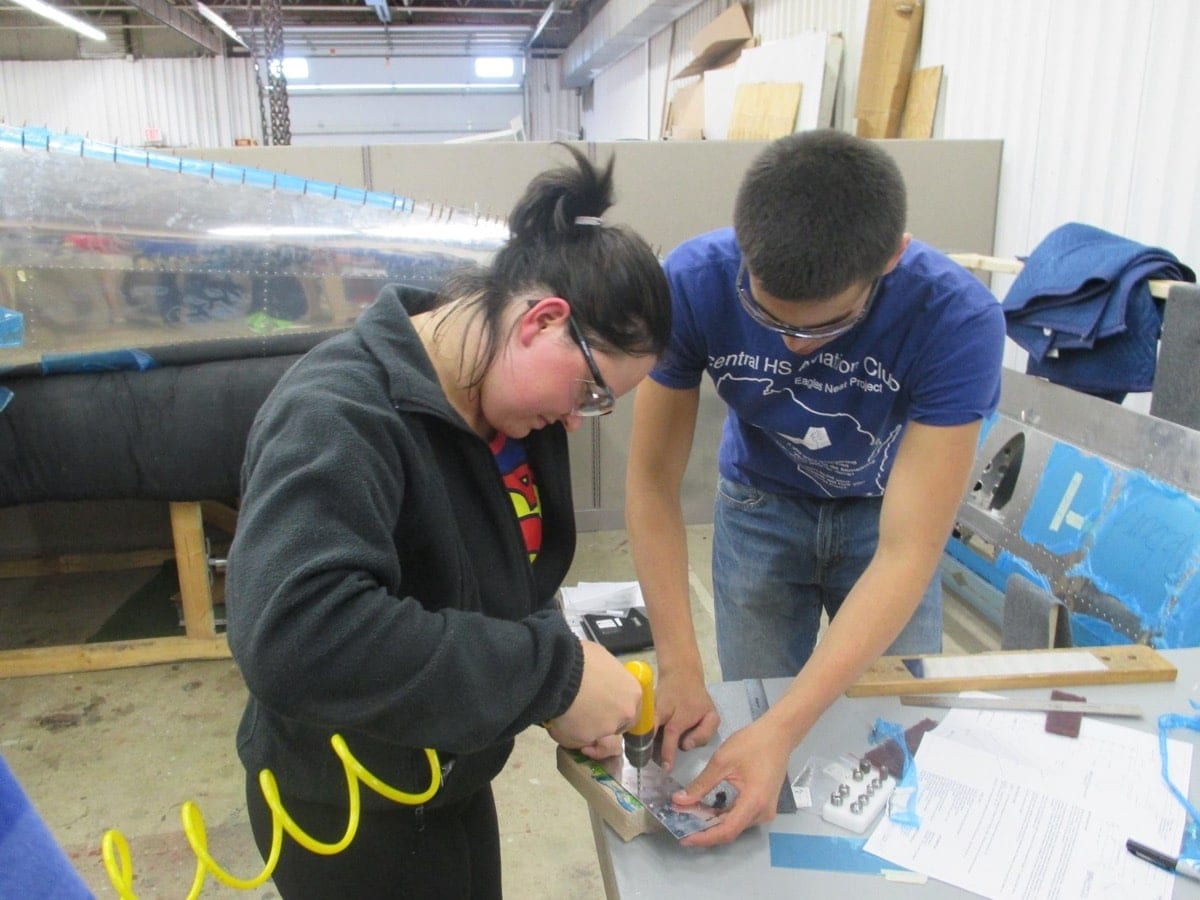
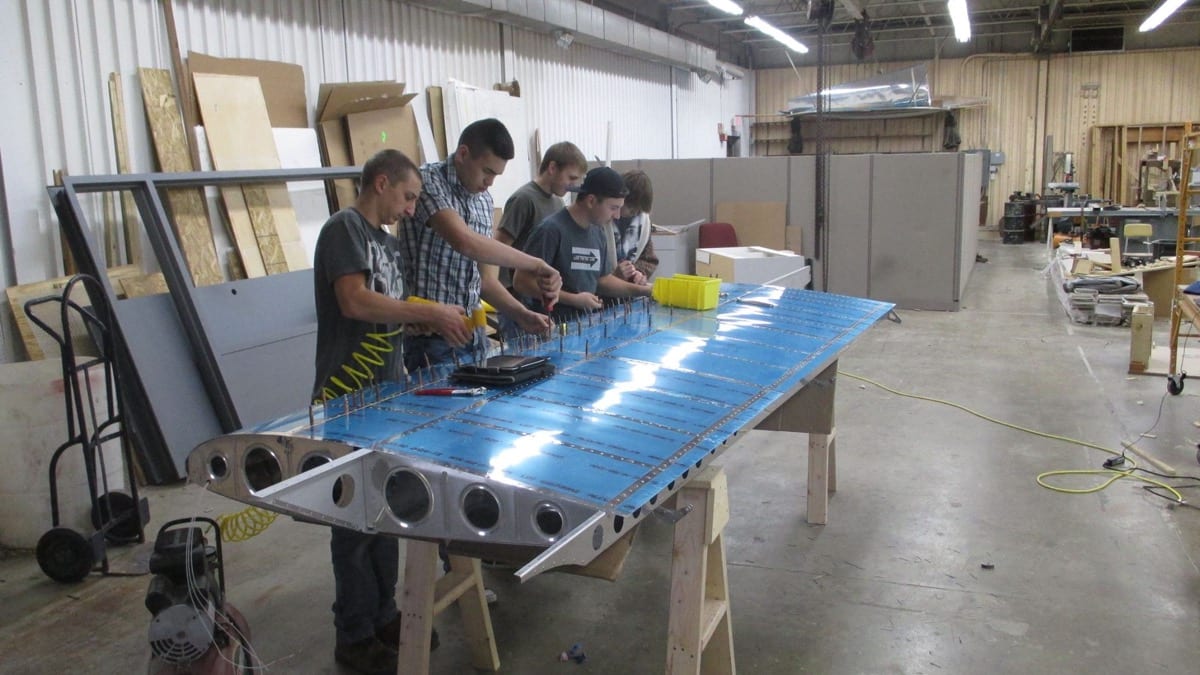
With seed money from Eagle’s Nest Projects, Central High students built a Vans RV-12 aircraft and named it Falcon One. Senft has experience building the RV-12. He’s on his third.
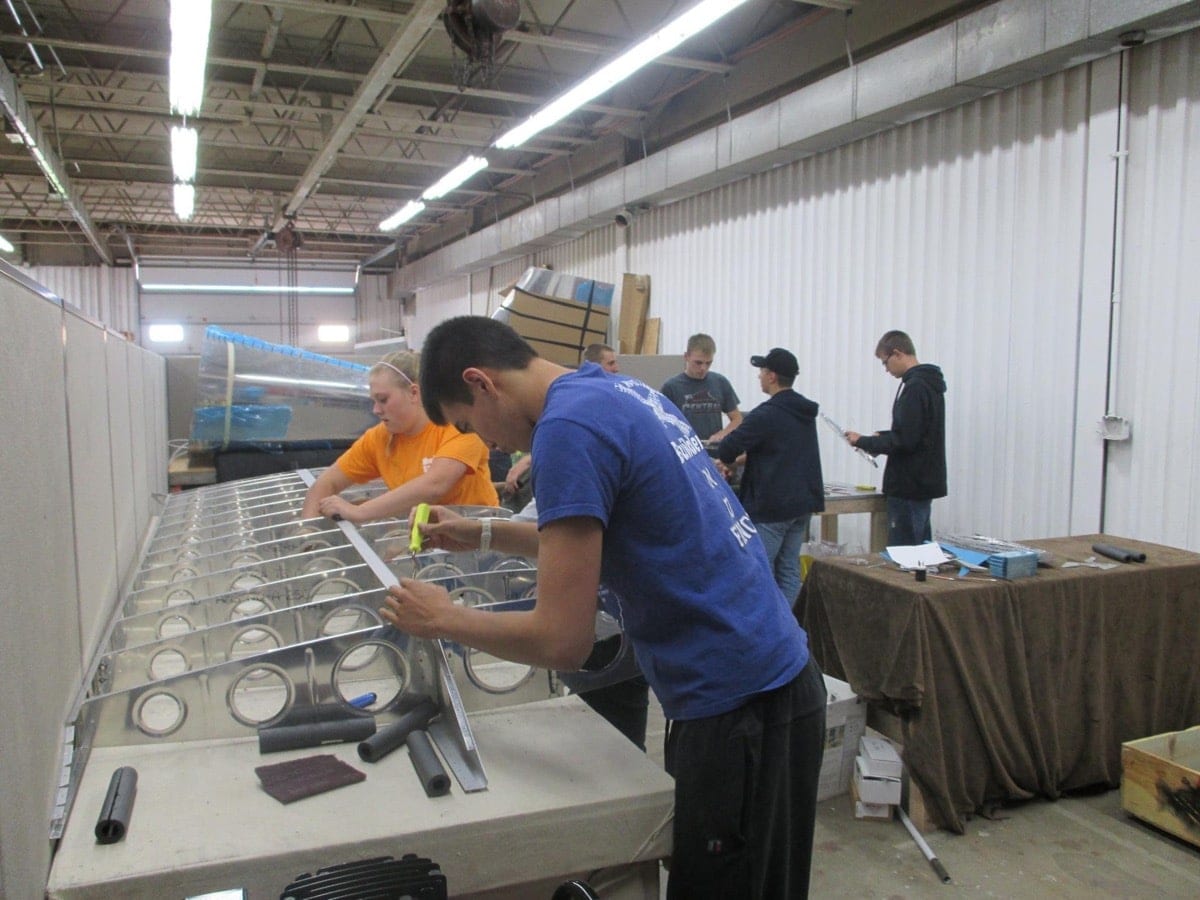
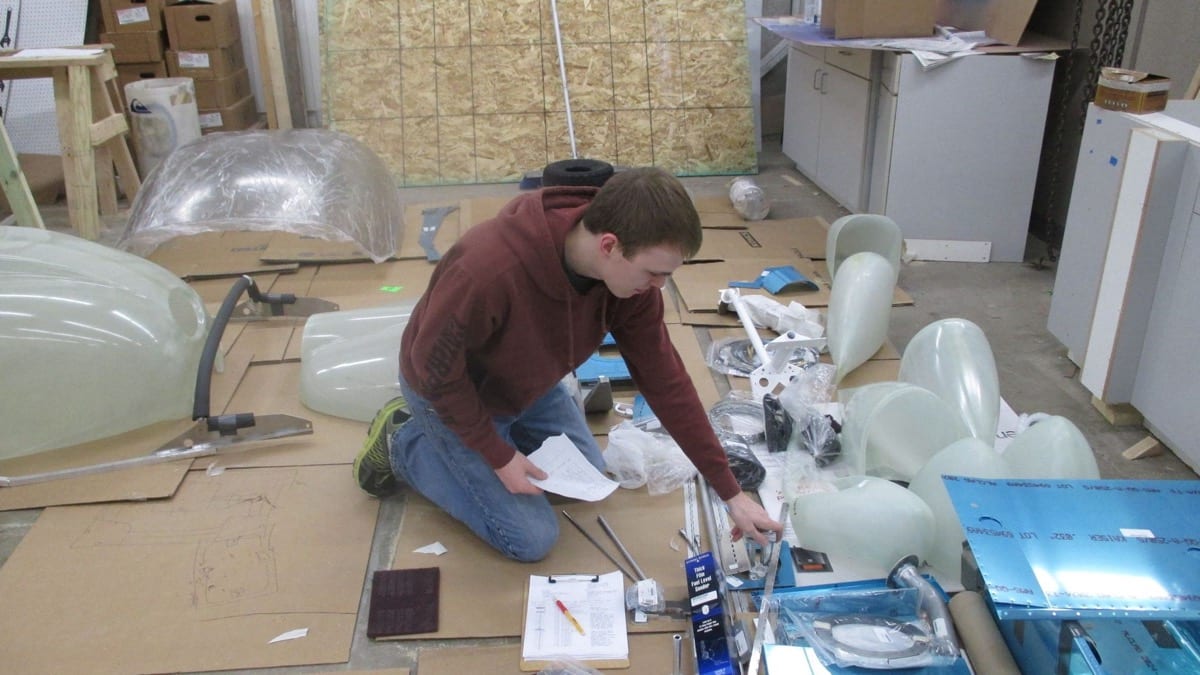
The school group works in a donated hangar at Burlington Municipal Airport (KBUU). Students who build the plane earn 20 hours of free flight instruction.
“I thought the students would be attracted to the program to fly,” said Senft, “but some join to build something of value. Our students get to take a box of parts and build it and fly it. In the process they learn teamwork. They also learn that the standards to build have to be perfect, because good-enough won’t fly.”
The program continues even through summer. In 2015 and 2016, students participated in trips to SUN ‘n FUN in Lakeland, Florida, and EAA AirVenture Oshkosh in Wisconsin.
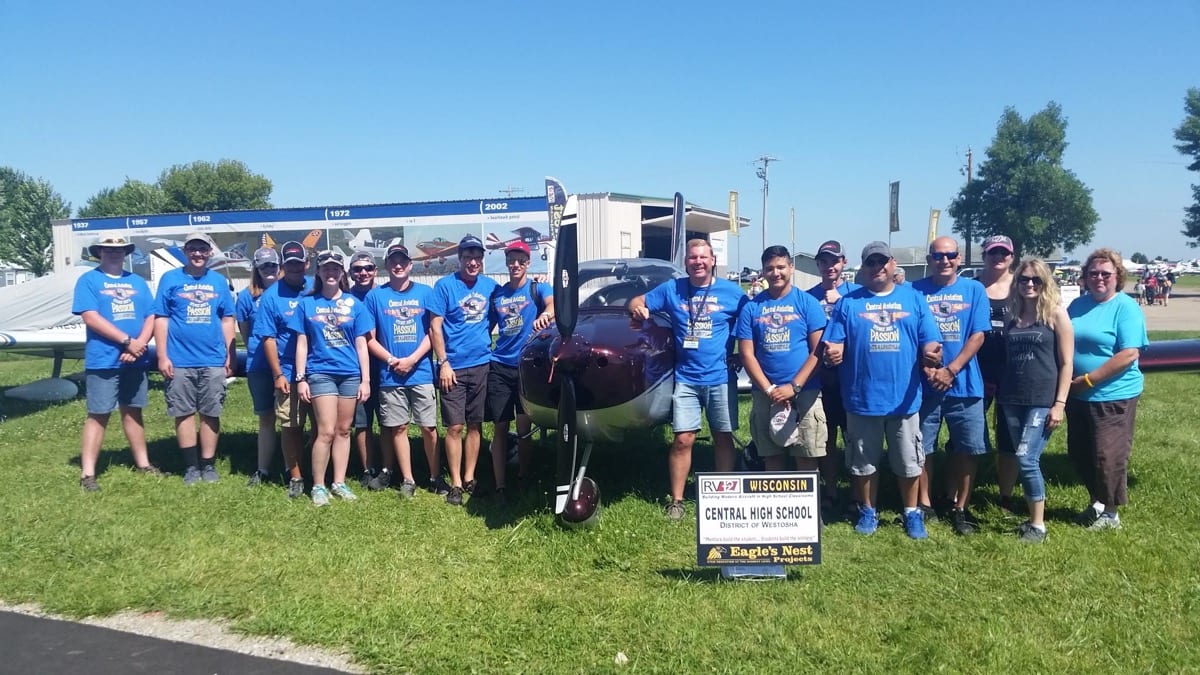
“Last year, Josh Engberg flew the plane to AirVenture and I was with him. The students camped out for the week and parents came along,” said Senft.
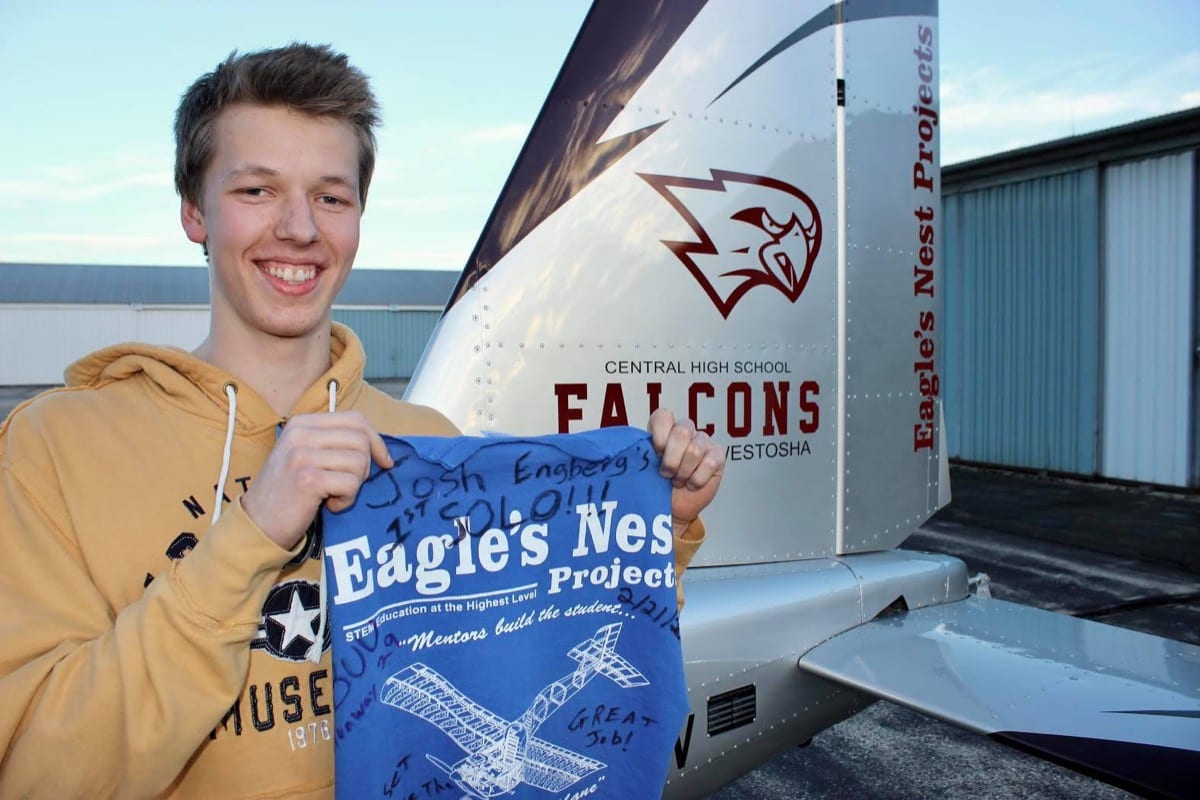
So far, seven student pilots have soloed: Anthony Medina, Alex McGonegal, Declan Steinke, Rachel Senft, Olivia Rasmussen, Nicole Jackson, and Joshua Engberg. Four students have earned their private pilot certificate. Billy Bablitz is studying at Lewis University to become a commercial pilot. Joshua Engberg, Olivia Rasmussen, and Nicole Jackson will soon head off to college.
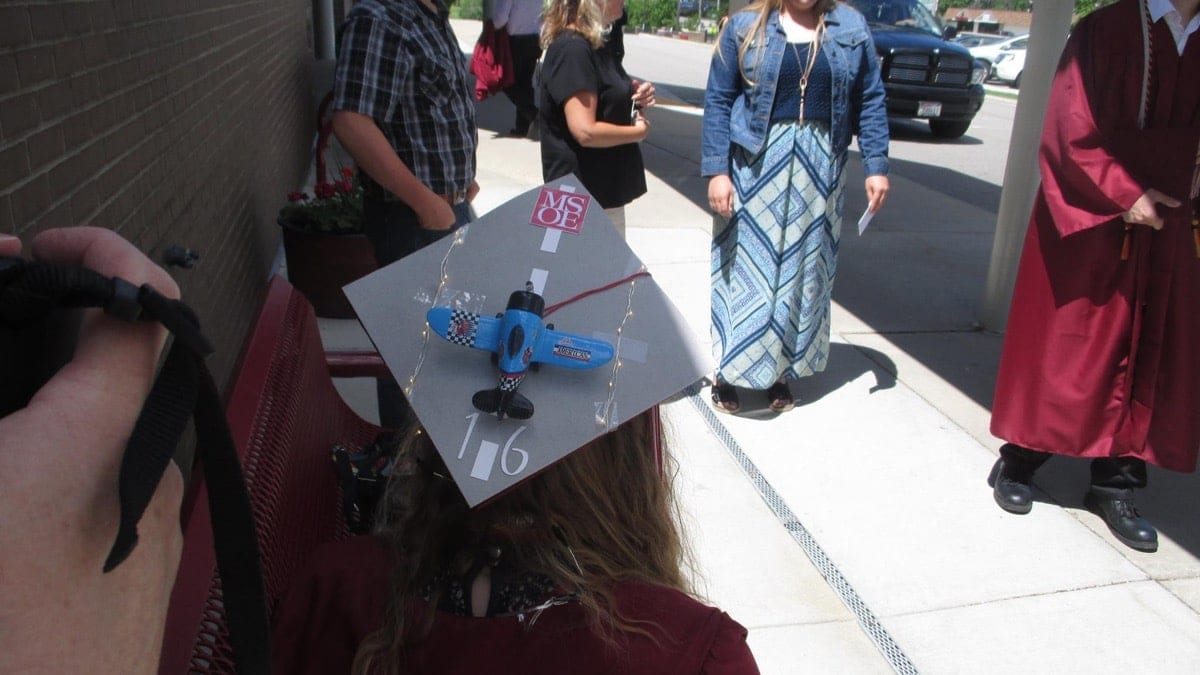
“Josh graduates this year and he’s going to Liberty University with a $16,500 scholarship and 12 credit hours for having his pilot’s license,” said Senft. “Olivia Rasmussen and Nicole Jackson each got a $2,000 scholarship for college.”
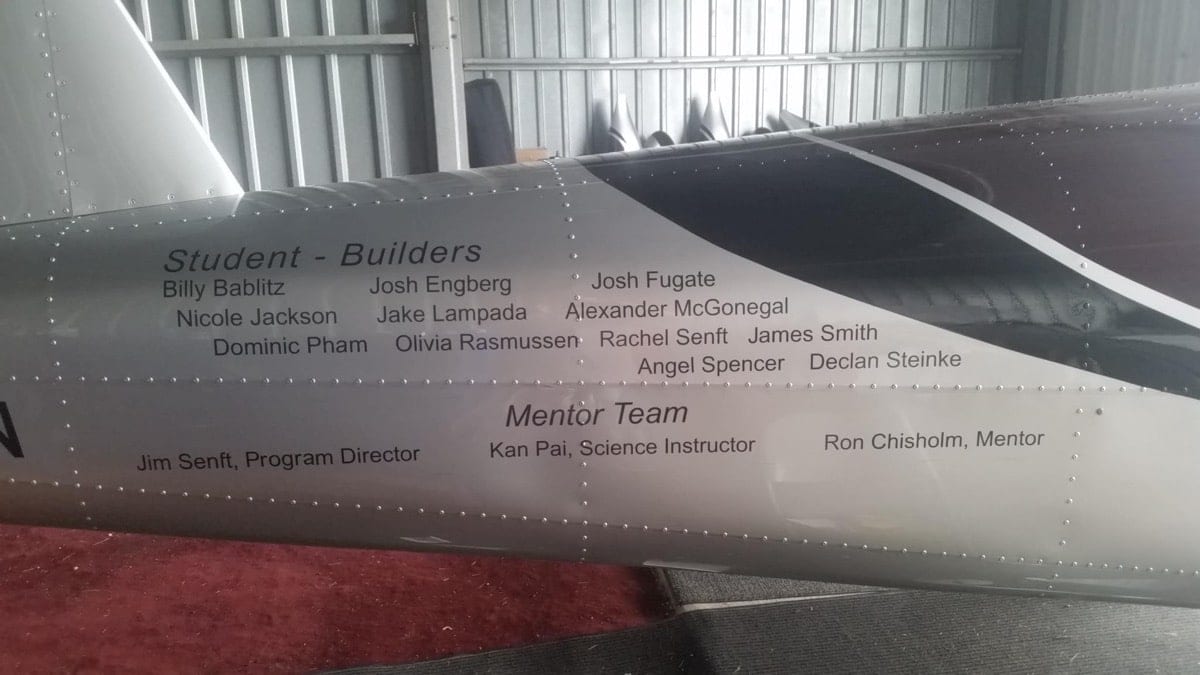
“We paint the kid’s names on the tail of the plane they built. I tell you, a picture of a kid with his name painted on an airplane is a conversation starter and a door-opener,” said Senft. “It’s bigger than pulling rivets. It’s a long-term legacy. These students also learn the importance of giving back to the community and the donors who support us.”
Major sponsors and education partners in the Eagle’s Nest Projects include Embry-Riddle Aeronautical University, Project Learn the Way, the Aircraft Owners and Pilots Association (AOPA), Space Center Houston, NASA, the Experimental Aircraft Association (EAA) and JetBlue Airways.
Using the student-built airplane, 12 teachers received Teacher Appreciation flights and 30 other people experienced Young Eagle flights. Eight flights were donated for fund-raising activities at the school. Senft mentioned that they also do flyovers for homecoming.
“Through a NASA grant, we purchased a Redbird flight simulator. We keep that at the school and any students can use it,” added Senft.
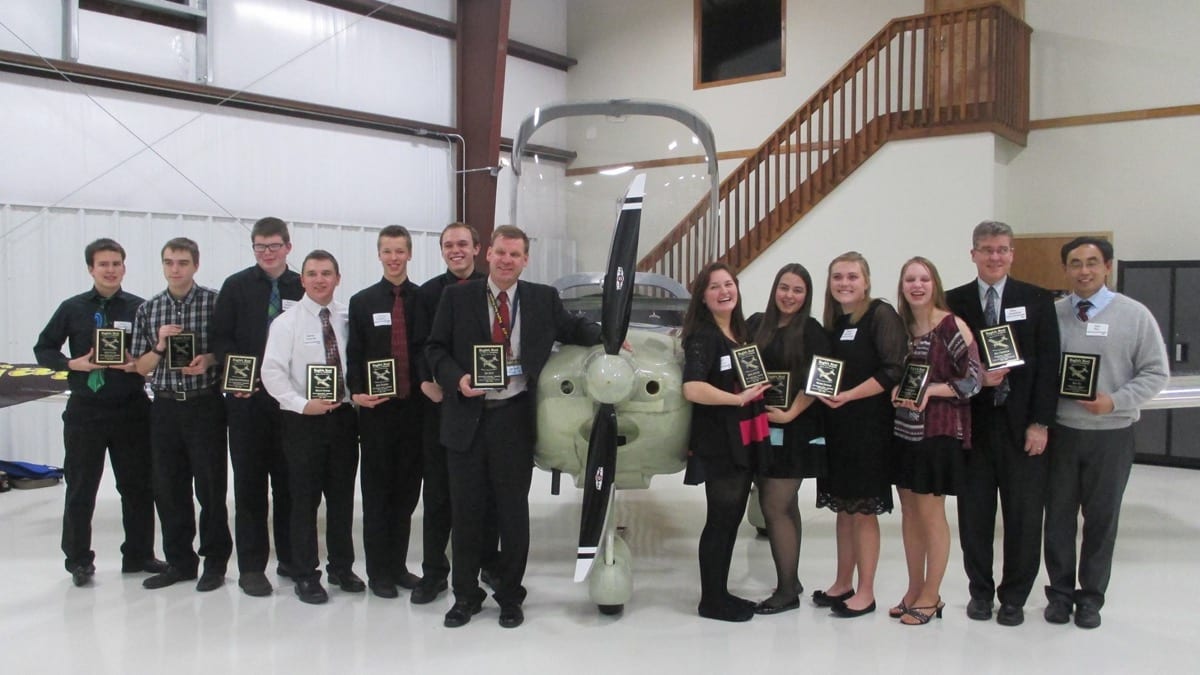
The flight instructors participating in the Central High program are John Putra, Dan Lund, Jim Farm, and Michael Ferguson.
This school year 16 students are building Falcon Two. Falcon One is for sale and proceeds from the sale will go to buy parts for Falcon Three.
Anyone interested in buying Falcon One can contact James Senft through [email protected].
He also encourages other communities to reach out to the next generation.
“We need more mentors and sponsors to establish programs like ours,” said Senft.
More Photos

This is an incredibly amazing thing. I want a do over and go back but to an aviation high school myself. Kudos to all involved for a job well done. I would like to start a program like that around my neck of the woods if possible….
I am interested in this program for the Loudoun County Public Schools (LCPS) in Loudoun County, VA.