

WASHINGTON, D.C. — The National Transportation Safety Board has issued an investigative update on its investigation of the April 4, 2018, crash of a Piper PA-28R-201 near Daytona Beach, Florida.
Two people suffered fatal injuries following an in-flight separation of the airplane’s left wing shortly after takeoff. The airplane subsequently collided with terrain and was destroyed.
The airplane was registered to and operated by Embry-Riddle Aeronautical University as an instructional flight under the provisions of Title 14, Code of Federal Regulations, Part 91.
The preliminary report for this accident was published April 16. Parties to this investigation include the FAA, Piper Aircraft and Embry-Riddle Aeronautical University.
Initial examination of the left wing main spar at the NTSB Materials Laboratory revealed more than 80 percent of the lower spar cap and portions of the forward and aft spar web doublers exhibited fracture features consistent with metal fatigue. The fatigue features originated at or near the outboard forward wing spar attachment bolt hole.
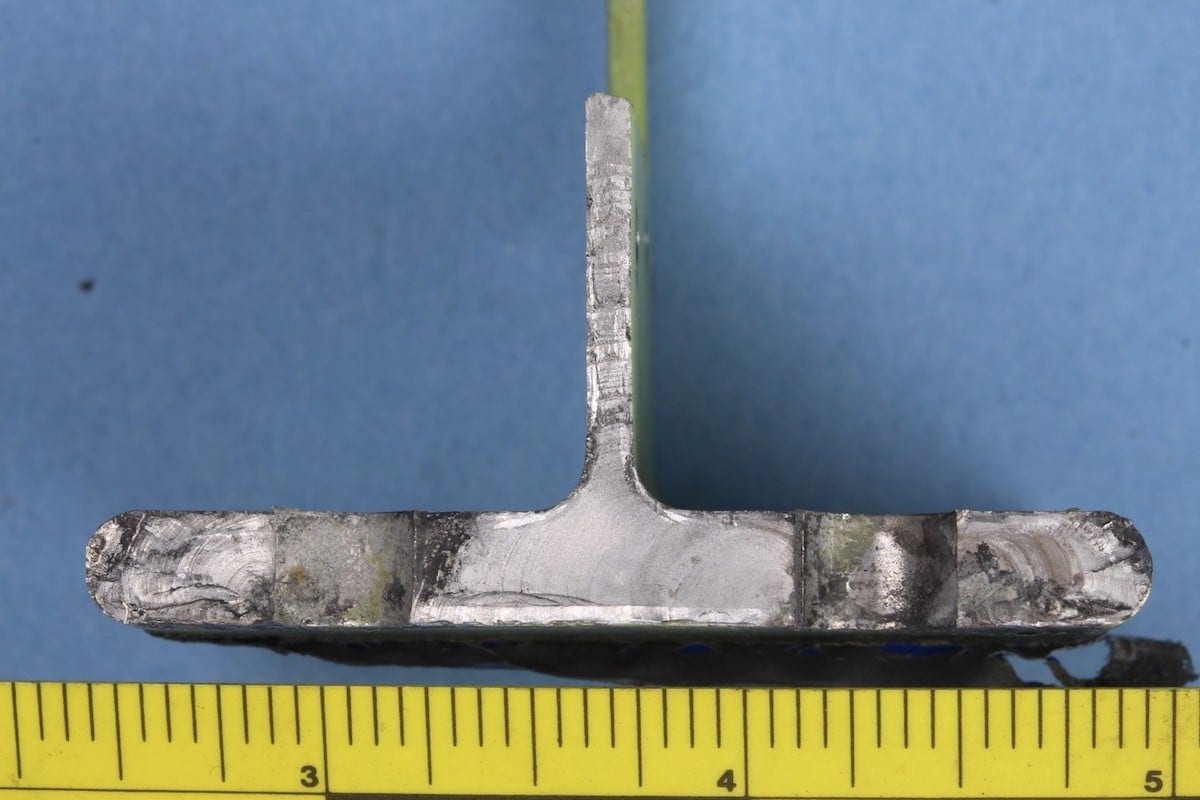
None of the surfaces exhibited visible evidence of corrosion or other preexisting damage. The right wing also exhibited fatigue cracks in the lower spar cap at the same hole location extending up to 0.047-inch deep.
The remainder of the lower spar cap, spar web doublers, and upper spar cap displayed fracture features consistent with overstress.
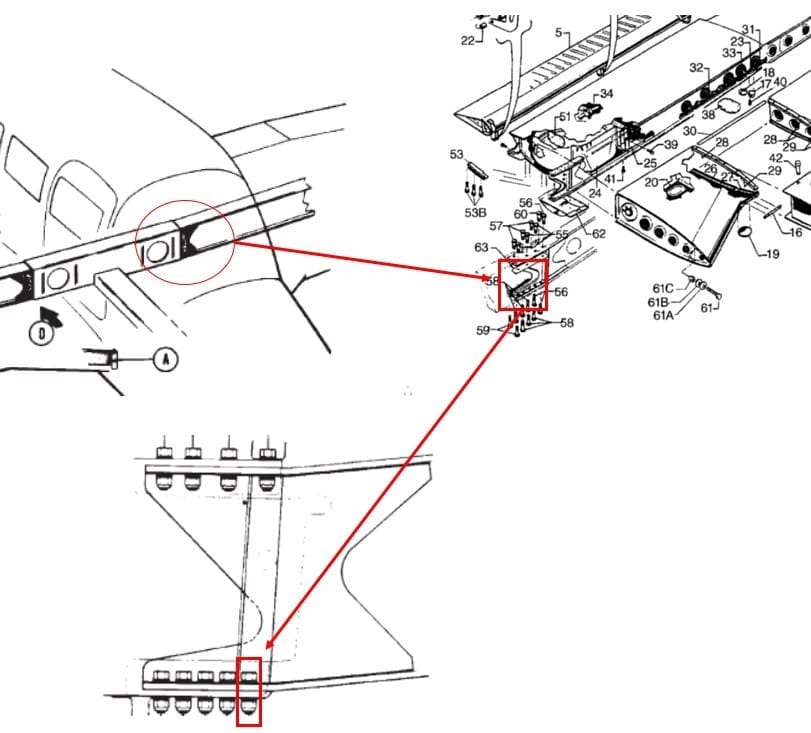
The structures group of the NTSB’s investigation conducted an inspection of another Piper PA-28R-201 April 18 and 19. That plane had a similar number of total airframe hours and cycles and was used exclusively for flight training of students.
That inspection revealed a crack indication at the left lower outboard forward wing spar attachment bolt hole. The crack measured about 0.040″ long and deep. The airplane’s wings were subsequently reinstalled and examined using new inspection procedures developed by Piper Aircraft. A bolt-hole eddy current inspection probe was used to confirm the location and size of the previously identified crack.
Nine additional PA-28R-201 airplanes have been inspected using ECI techniques under NTSB supervision. No crack indications were detected in these nine inspections.
The NTSB investigative team is examining corrective actions taken in response to the March 30, 1987, Piper PA-28-181 in-flight wing separation which resulted in three recommendations to the FAA and a subsequent Airworthiness Directive, which has since been rescinded.
The NTSB’s investigation of this crash is ongoing and as such, no conclusions about probable cause should be drawn from this investigative update or the preliminary report, NTSB officials said.
The complete investigative update is available at NTSB.gov.

What is taking so long to complete this analysis? And what precautions are being taken to prevent future failures.
Thirty one years and still nothing to verify the integrity of these planes. Do we have cause to worry?
Regarding the metal fatigue in the Piper, are there any similar reports on older Cessna 150’s having structural metal fatigue … I am the owner of one