

By DAVID McCONNELL
In this modern world, it’s not what you know — it’s what you can do with what you know.
With this in mind, the Gnoss Field Community Association, an aviation community development and education organization based at Gnoss Field (KDVO) in Marin County, California, has joined forces with San Marin High School, in Novato, California.
The goal is to use the practical experience of building an RV-12 light-sport airplane to give students disciplined practical experience using skills learned during their academic career, according to association officials.
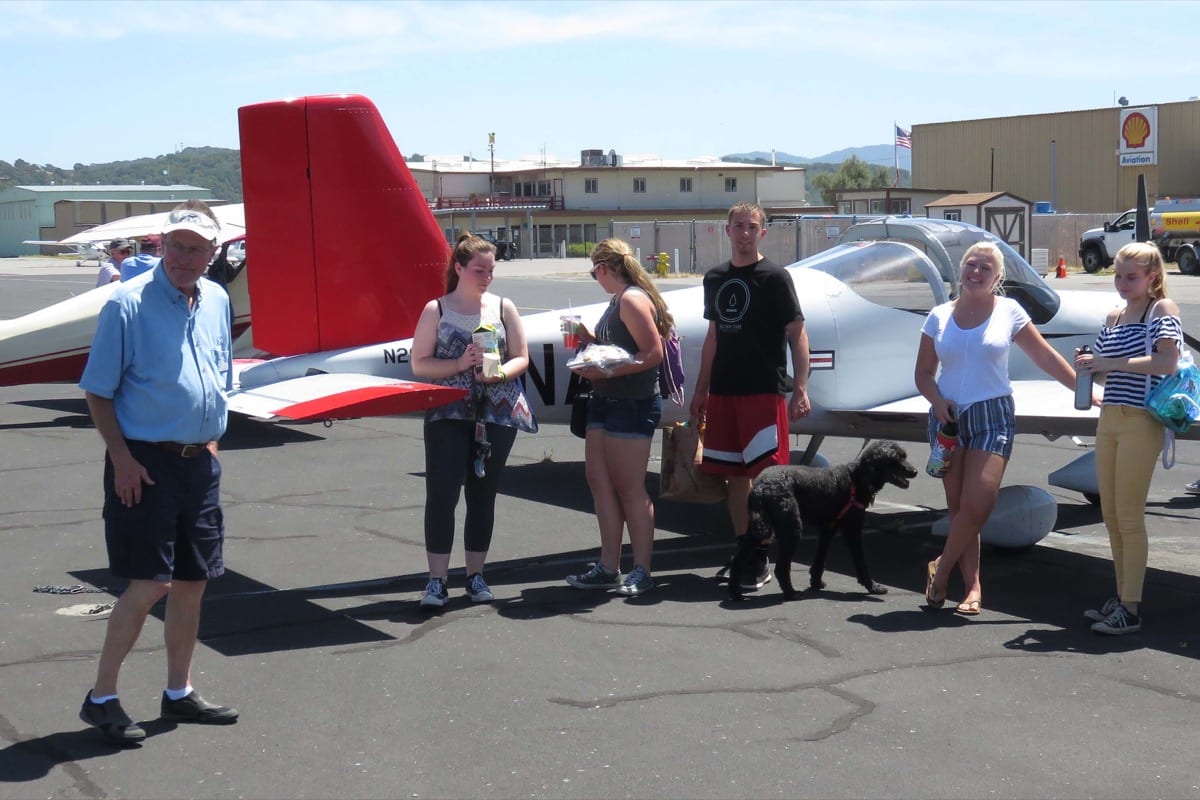
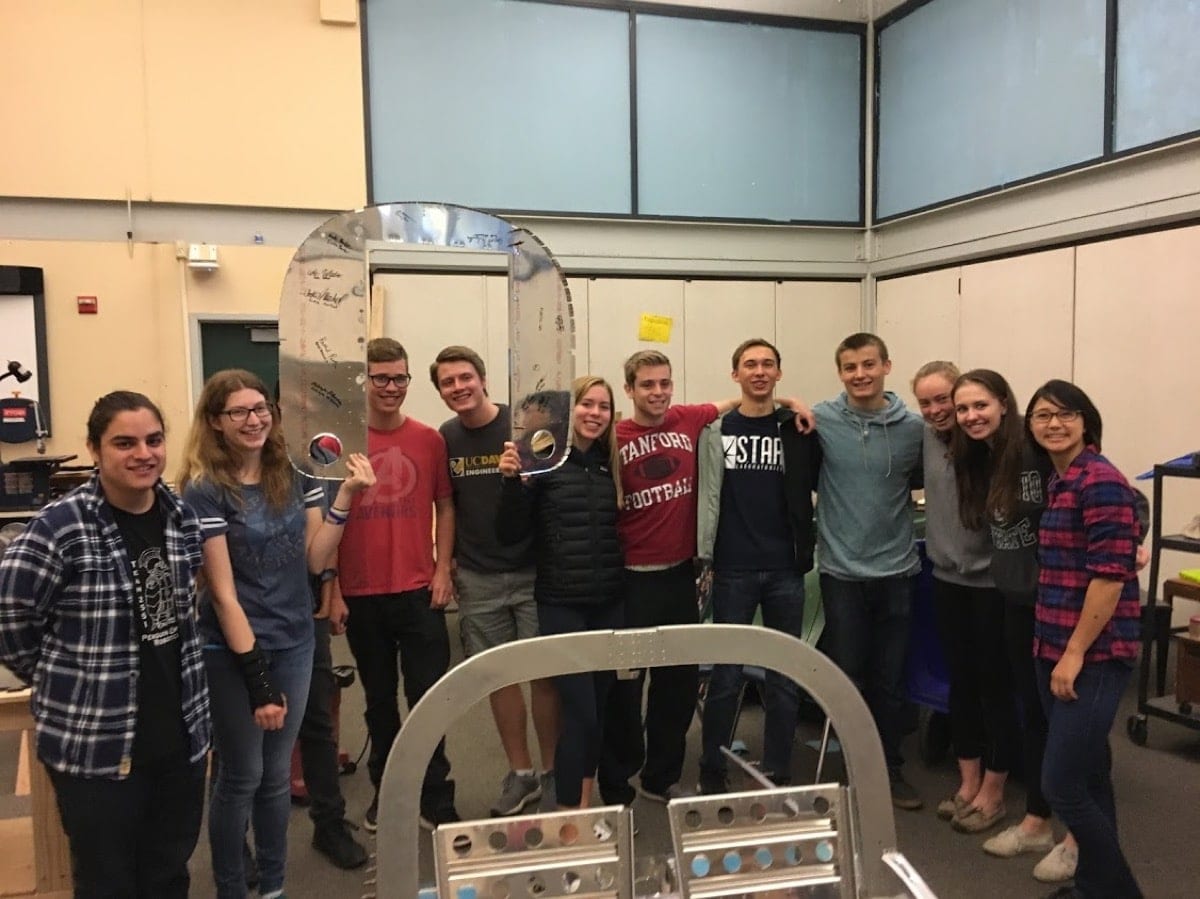
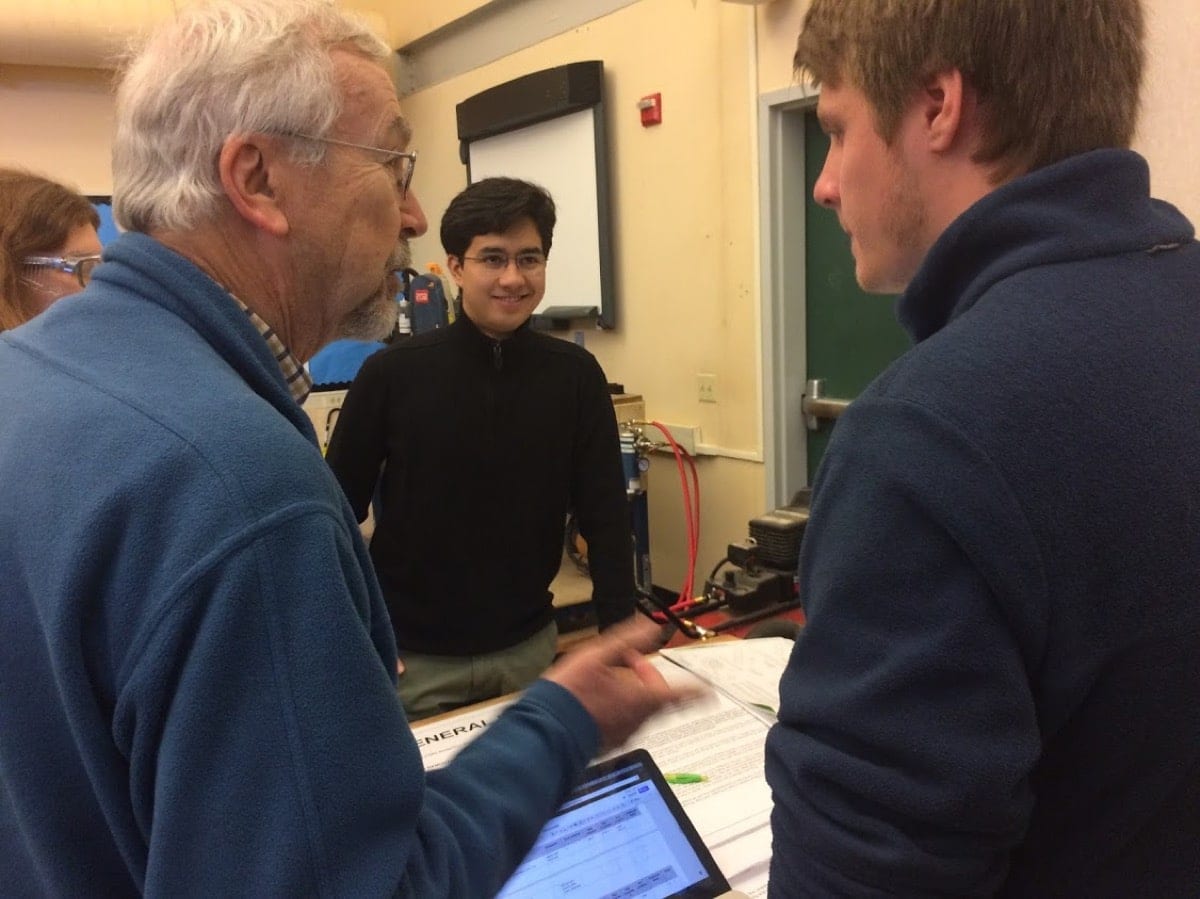
Under the close supervision of builder-mentors from three local airports, a group of high school Science, Technology, Engineering, and Math (STEM) students are not only building the airplane, they are developing a work ethic while managing the project — laying out the plans, assigning the specific tasks within the group, coordinating long-term planning with the purchasing of the needed parts and kits, raising funds, laying out the build-room to accommodate each sub assembly as it is built, and checking each other to ensure high quality work.
The project is called Pegasus, representing the mythical winged horse that combines the power and stability of the horse with the high aspirations of flight.

The volunteer mentors are all pilots who are retired from a variety of professions. Most of them have built one or more aircraft of their own and are personally invested in the Pegasus project.
“Our membership is intrigued with the Pegasus project and many are supporting the project with money, time, or both,” noted Ken Mercer, Gnoss Field Community Association president.
When asked why he participates, one-time Navy test pilot Rich Gaines said, “The future of aviation will come from these kids.”
Retired IT professional Jim Swanson echoed that thought.
“These kids are our future — and besides, it’s fun!” he said.
Retired chemist and builder of his own RV-12, Frank Woolard noted that the project is an “alternative to involvement in their cell phones and social media — this gives the kids an insight into how things are actually built.”
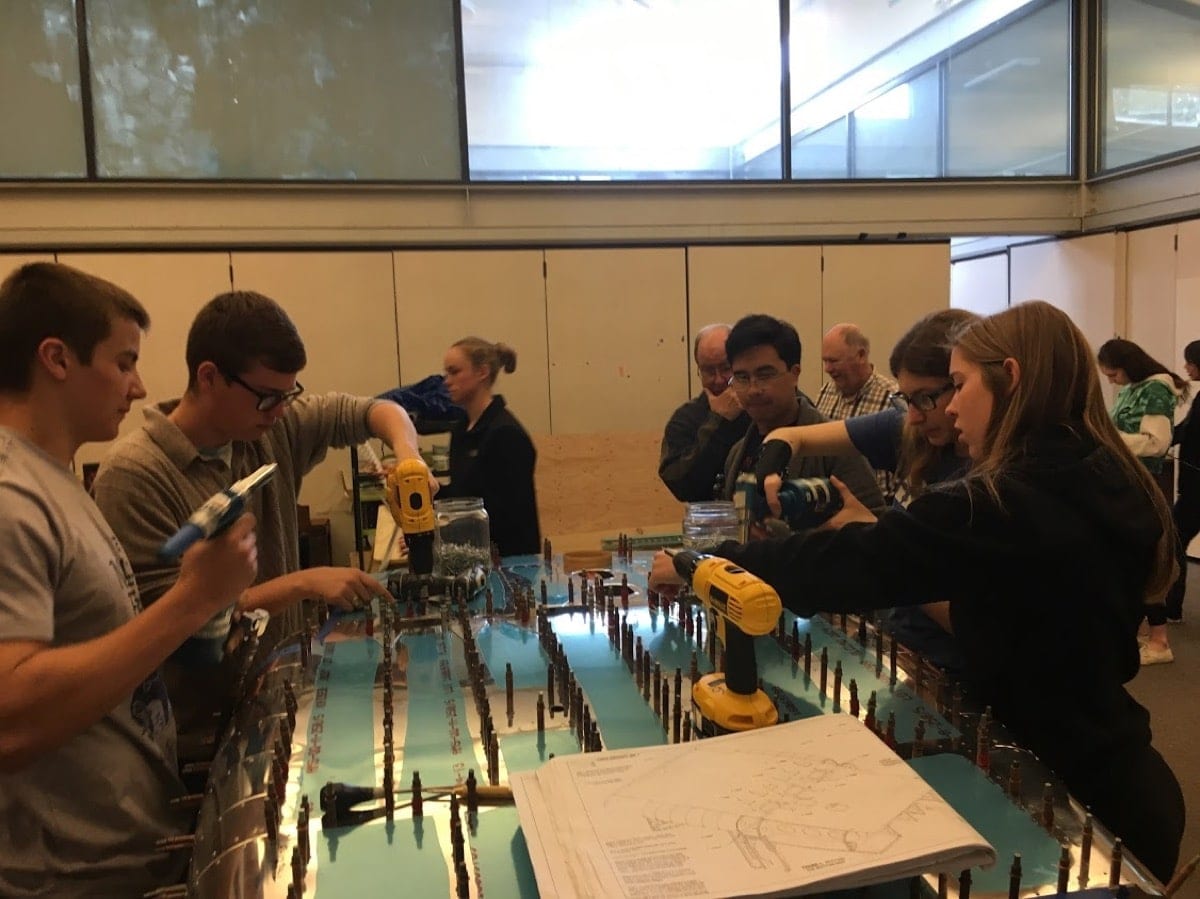
One of the unique aspects of project Pegasus is that the work is done on school time in school facilities, so actual time on the project is limited each day to the length of a normal class period.
The key to the success of the Pegasus program has been the willingness of the mentors to each donate a minimum of a morning a week to work with the students. This gives the students the unusual opportunity to work shoulder to shoulder with adults who have not only built their own airplanes, but have had a wide variety of successful careers and are willing to share experiences from their own lives — what worked, what did not, and what they wish someone had told them when they were high school students.
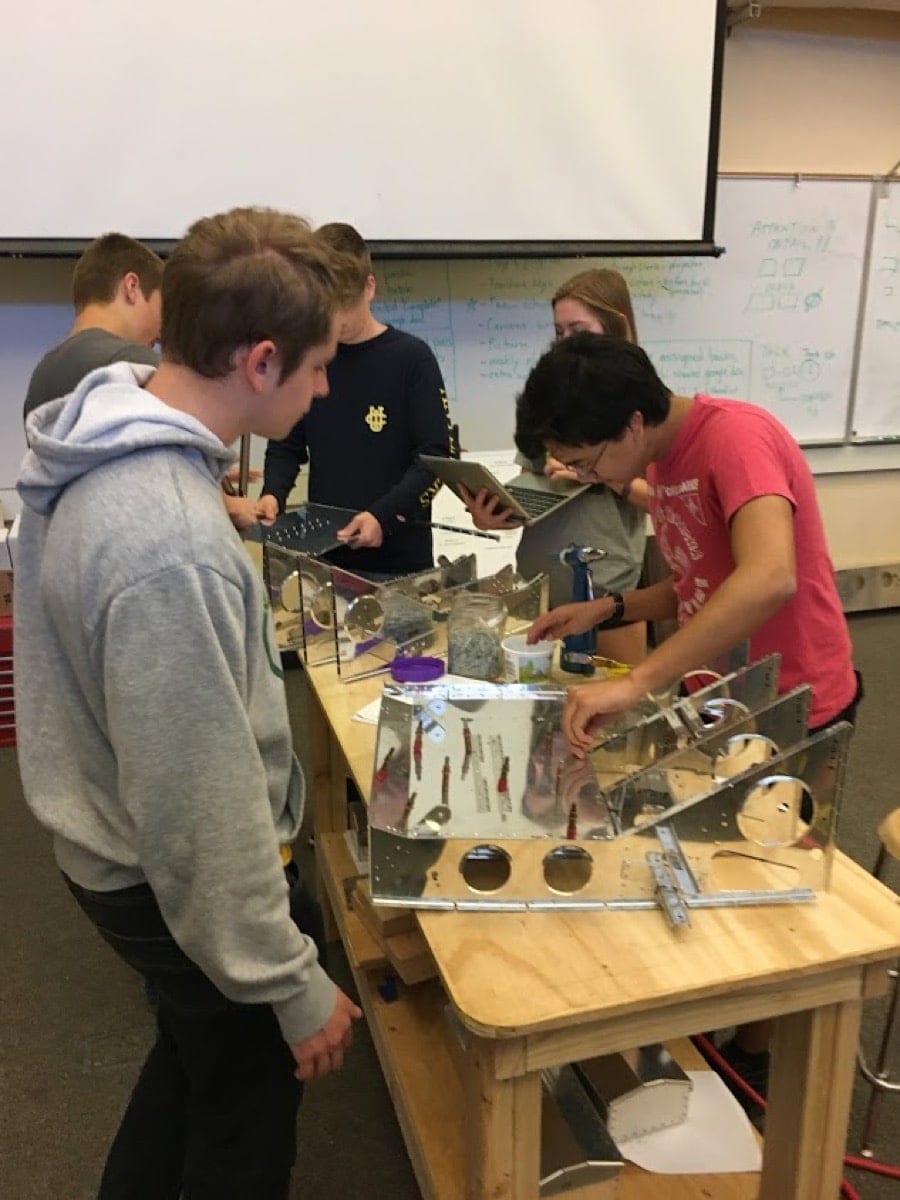
Still, even while developing their project management skills and doing their normal school assignments, with 21 students participating, many hours a week are spent on the actual building.
In the almost three semesters of work so far, the students have completed much of the fuselage, much of the tail cone, and significant progress has been made on the wings as well.
It is expected that it will take at least two more years to complete the project, after which each of the students who have participated in building the airplane will be offered an opportunity to ride in it.

Then it will be sold to finance the next airplane project, according to association officials, who note that an important aspect of the Pegasus project is that once the first airplane is financed and completed, the program will be financially self-sustaining.
Meanwhile, the students working on the project will move forward with their lives, having had the experience of being an integral part of something important and real.
David McConnell is a retired business executive and the Pegasus project manager. He can be reached at [email protected]
Thanks for the attention!