

As part of its “Fly Safe: Prevent Loss of Control Accidents” initiative, the FAA routinely issues “best practices” for pilots.
The latest is all about pilots and medication, both prescribed and over the counter.

It begins: “Medicine, whether it’s prescribed or bought over-the-counter, is designed to solve a problem. However, used incorrectly, medicine may create real hazards for pilots. Some drugs can compromise your ability to control the aircraft. These meds can affect your ability to think clearly and make critical decisions quickly and accurately.
The FAA is concerned with a medication’s side effects in you as well as whether your underlying medical condition allows you to be fit for flight.
“Level with your doctor, and your Aviation Medical Examiner (AME), and tell him or her about your condition. He or she may be able to treat you in a way that will keep you safe and in the cockpit.”
Don’t Be “That Pilot”
A pilot may decide that he or she can control a medicine’s effects on the body, and decide to fly anyway. Since a medicine’s effects can be exaggerated at higher altitudes, that plan could be disastrous, FAA officials note.
Another pilot may choose to withhold information, and not tell his or her AME, that he or he has a condition that could compromise safety. Not only could the undisclosed condition endanger the pilot, but the treatment could also create problems through drugs that limit peak performance in the cockpit.
You must ensure you are fit for flight, and that means being alert, ready, and free from any limiting medications.
You must be honest with your AME and tell him or her about any medical conditions you may have, and any medications you are taking. In some cases, he or she can recommend alternative treatment options that could keep you in the air.
Common Meds to Watch For
The FAA is often asked for a list of “approved medications,” but the FAA does not publish such a list. The reason is that medications change frequently, and while the FAA may approve medications for some diagnoses, those same medications are not approved for others.
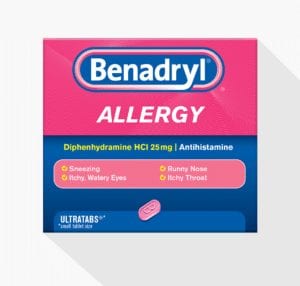 What types of side effects should you look out for in medications?
One of the most common side effects is drowsiness, which you’ll often see in antihistamines, a medication used to control allergies. These meds can have powerful sedating effects. In fact, one of them — Benadryl — is often used as a sedative.
The NTSB has found that sedating antihistamines are the most common medications found in the bodies of pilots killed in accidents.
The second most common sedating drugs are cardiovascular drugs, which include medications for high blood pressure.
Some less common drugs include those used to treat diarrhea, seizures, smoking addiction, and depression.
Avoid opioids at all times.
If you are taking any of these drugs, work with your doctor and/or AME to see if you can find an alternative.
Don’t fly while using a medication with which you’ve previously experienced a negative side effect.
If you are using an FAA-approved medication for the first time, see how it affects you before taking flight. Wait 48 hours after taking it and see if you are fit for flight.
For additional information visit the FAA website.
More about Loss of Control
Contributing factors may include:
- Poor judgment or aeronautical decision making
- Failure to recognize an aerodynamic stall or spin and execute corrective action
- Intentional failure to comply with regulations
- Failure to maintain airspeed
- Failure to follow procedure
- Pilot inexperience and proficiency
- Use of prohibited or over-the-counter drugs, illegal drugs, or alcohol
Did you know?
- From October 2016 through September 2017, 247 people died in 209 general aviation accidents.
- Loss of Control (LOC) was the number one cause of these accidents.
- LOC happens in all phases of flight. It can happen anywhere and at any time.
- There is one fatal accident involving LOC every four days.
Learn more
This FAA Safety Team (FAASTeam) Fact Sheet has more information about pilots and medications.
Learn more about the possible side effects of common allergy medications in this AOPA bulletin.
This Skybrary article discusses the effects of drugs and alcohol on pilot performance.
Wow! No comments.
Now we have the Mary Jane problem, not even mentioned.
Just before I retired from a large part 135 operation, I was always picked to drug test because they knew they older exmilitary pilots were never on drugs. I’m sure this was done to protect other that were suspect.
LOC = lack of training, the rest is grasping at straws.