

By CARA CURTIN
Most teenagers who want to fly struggle to find the time — and the money — for flight training.
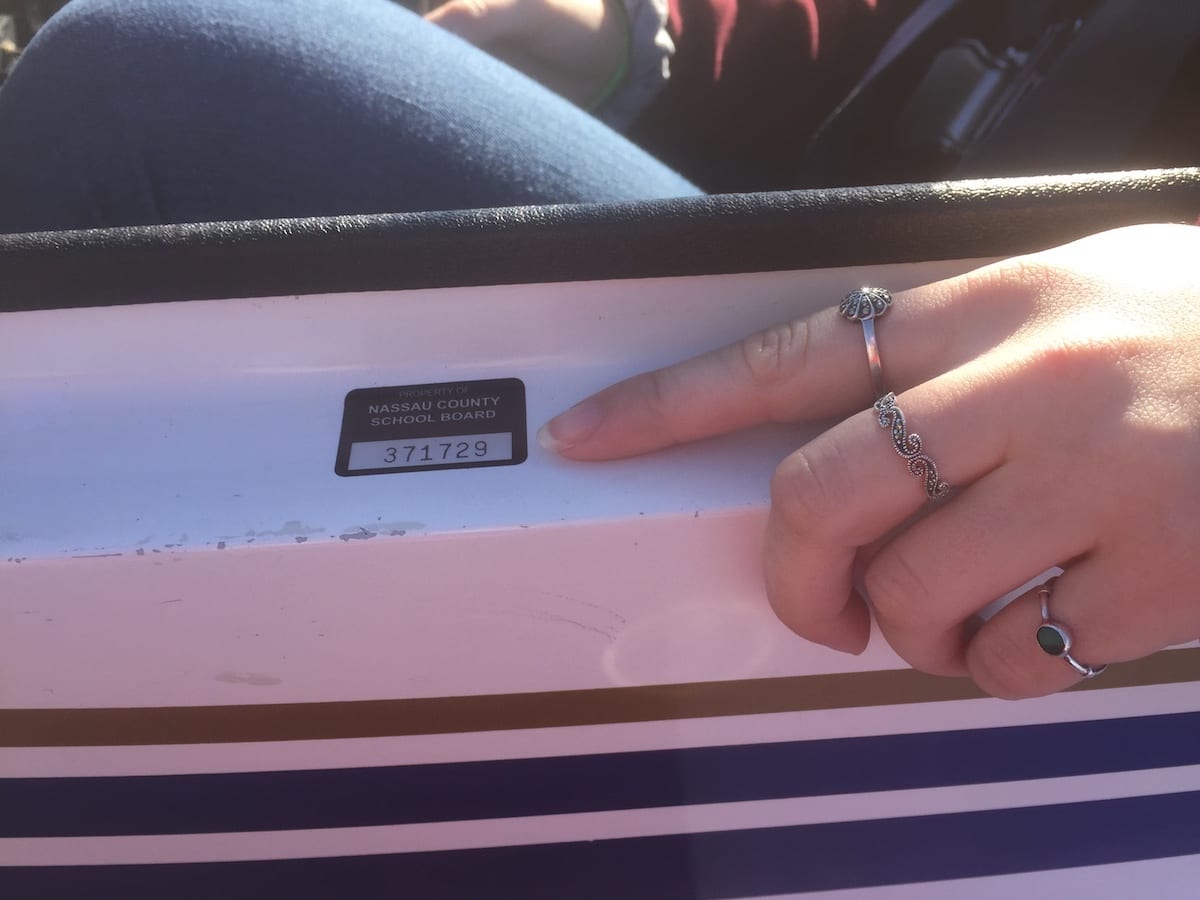
Not so for a few, chosen teens in Northeast Florida who attend Fernandina Beach High School — the only high school in the state that owns its own airplane, complete with the school district’s ubiquitous inventory control sticker.
It all began several years ago when the Nassau County School District began to build a high school curriculum centered on aviation. The board enlisted the help of Keoki Gray, a pilot with over 12,000 hours who is an FAA Certified Flight Instructor, airframe and power plant mechanic, as well as a veteran air show performer. The result is a curriculum that is compatible with the local junior college’s aviation career program.
The program Gray and the school district devised is not for the lazy.

It centers on an FAA-approved ground school, and includes aircraft design, rocketry, drones, and training in a flight simulator. It also requires a three-year commitment of academic excellence and an overwhelming desire to fly.
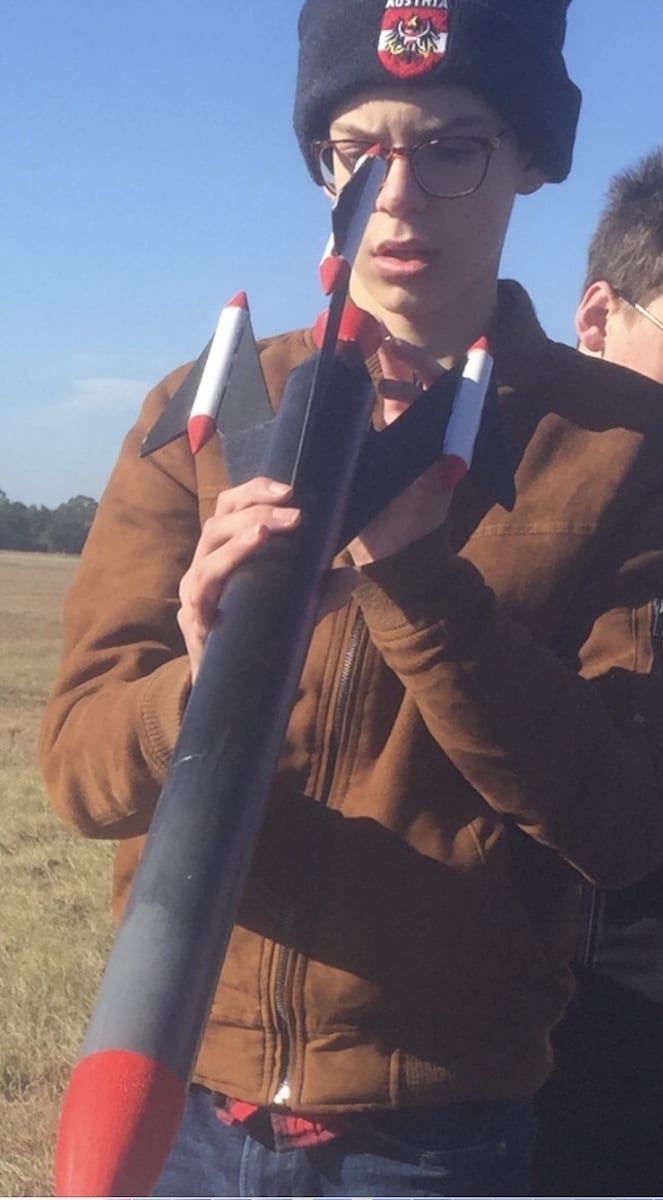
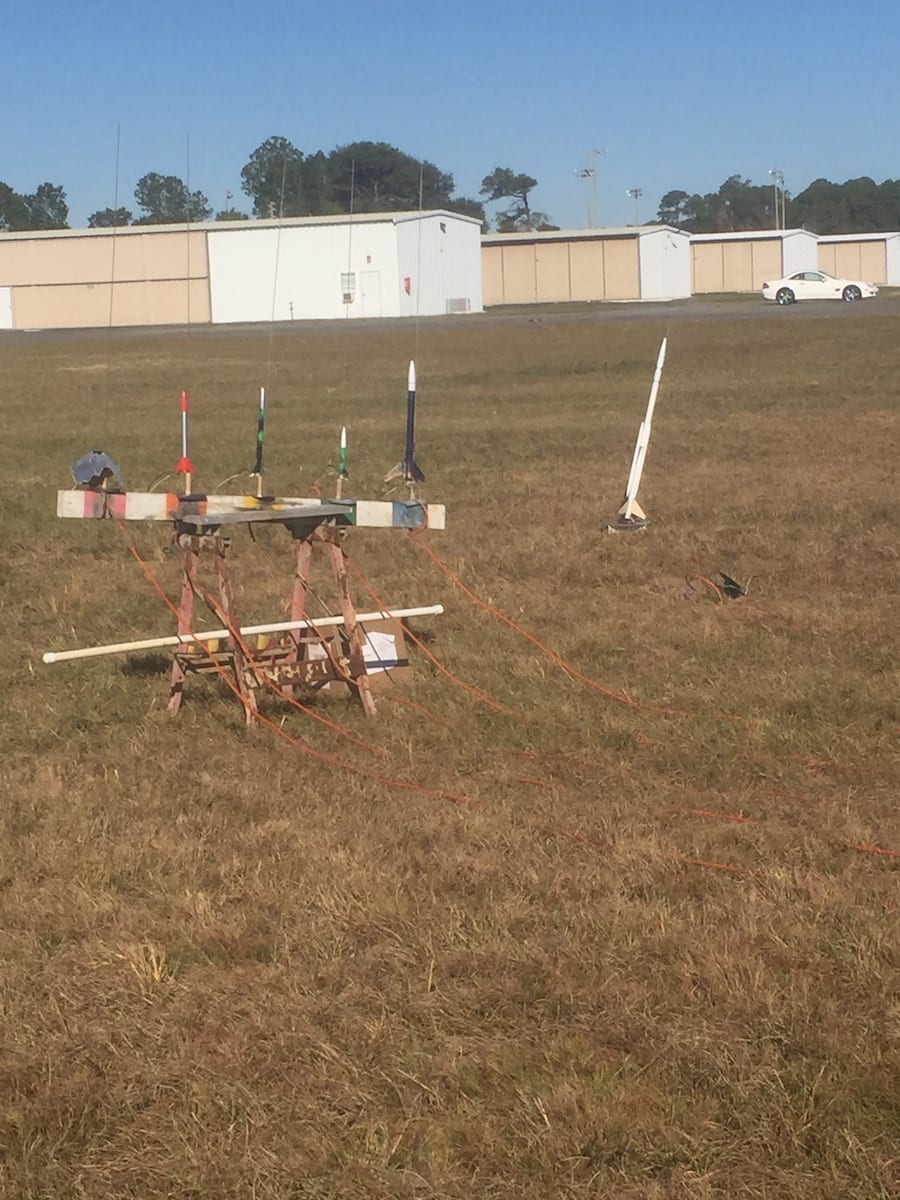
Freshmen and sophomores enter the program by studying basic model rocketry and radio-controlled airplanes their first year. The second year they design and build more advanced rockets and remote-controlled aircraft, and the third year, they take the written exam for their private pilot certificates and receive flight lessons in the school’s airplane.
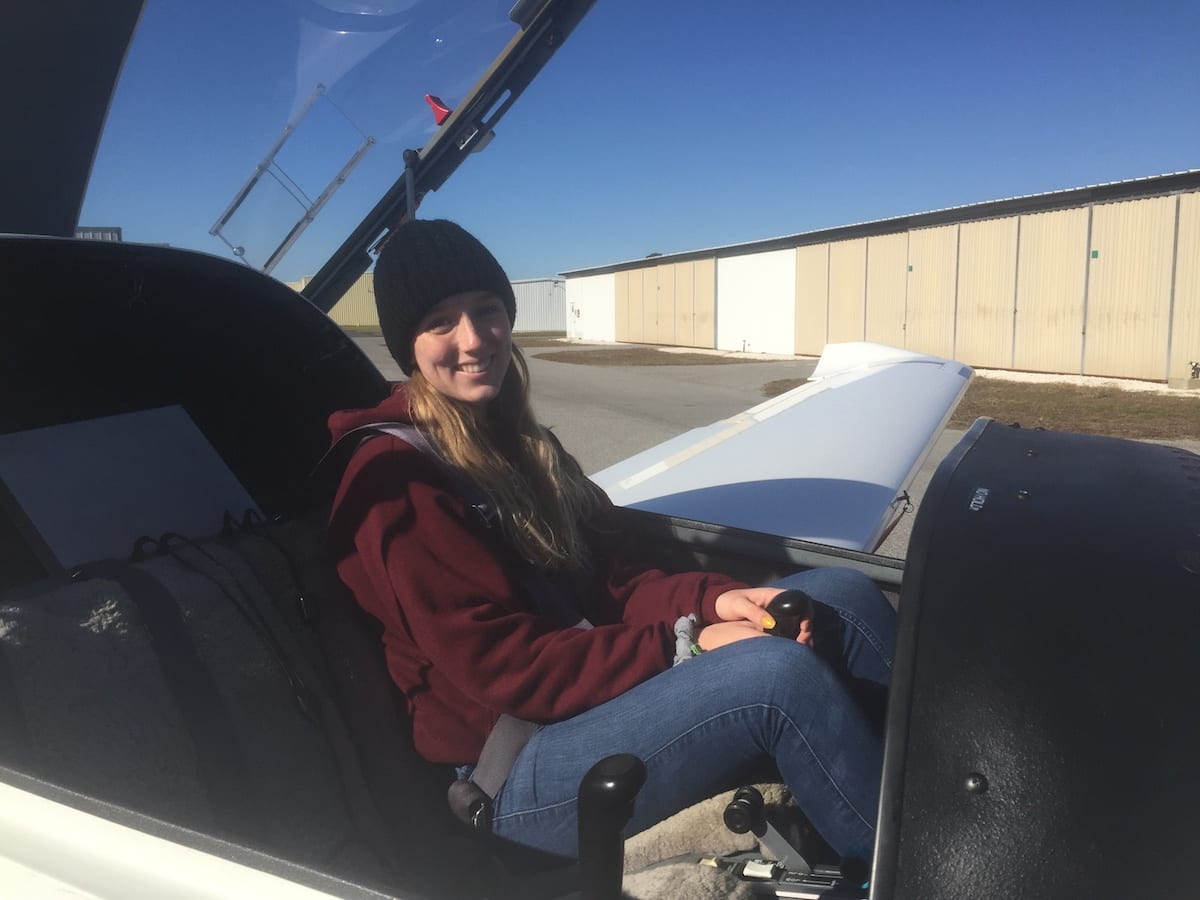
The Diamond A20-A1 Katana was first owned by a local flying club at Fernandina Beach Municipal Airport (KFHB) on Amelia Island, Florida. The flying club sold it to the FBO, which eventually sold it to an airline pilot so his son could learn to fly. When the son began flying for an airline, the family donated the Katana to the Nassau County School Board for the Aerospace Technologies Program.
A critical piece of the program is the participation of EAA Chapter 943, also based at KFHB. The chapter had an empty hangar just waiting for the Katana.
The chapter also offers a greatly reduced rate to use the flight simulator it maintains. It bought the FAA-approved basic aviation training device several years before, and it is a perfect way to help budding pilots attain their goals, according to chapter members.
EAA Chapter 943’s Aerospace Education Fund underwrites much of the cost of post-solo flight training to make it more affordable — and therefore more accessible — to students and their families. The chapter will continue to provide this financial assistance as long as the student is eligible to fly under the school district’s program.
On graduation day, students who have completed the Aerospace Technologies Program walk out with a high school diploma in one hand and a pilot logbook in the other.
Oh the things I got away with at that airport when I worked there when I was in High School…
Congrats, Amelie. Wonderful career.