

Building your own airport is an often-heard aviation goal that is achieved more often than you might imagine.
Of the more than 19,000 airports listed in the U.S., more than 14,000 are privately owned.
Knowing I wanted to build my own airstrip, I interviewed several individuals who owned or maintained grass airports in the Carolinas area where I fly, seeking their suggestions on building and maintaining my own airport.
Their advice covered everything from the best grass to choose to how to take care of the grass airstrip once it’s complete.

The runway construction experience of veteran aviator Glen Gleason of Timmonsville, S.C., is typical.
“I always wanted to have my own landing strip,” Gleason recalled. “When I was still in the Air Force I found a 50-acre farm near Darlington, S.C., that had a 3,000-foot straight stretch on it. I went to see the owner that day and eventually bought the property. After that I went to work on my own with a small John Deere tractor, a scraper blade, and a metal tractor rake and began leveling things out.”
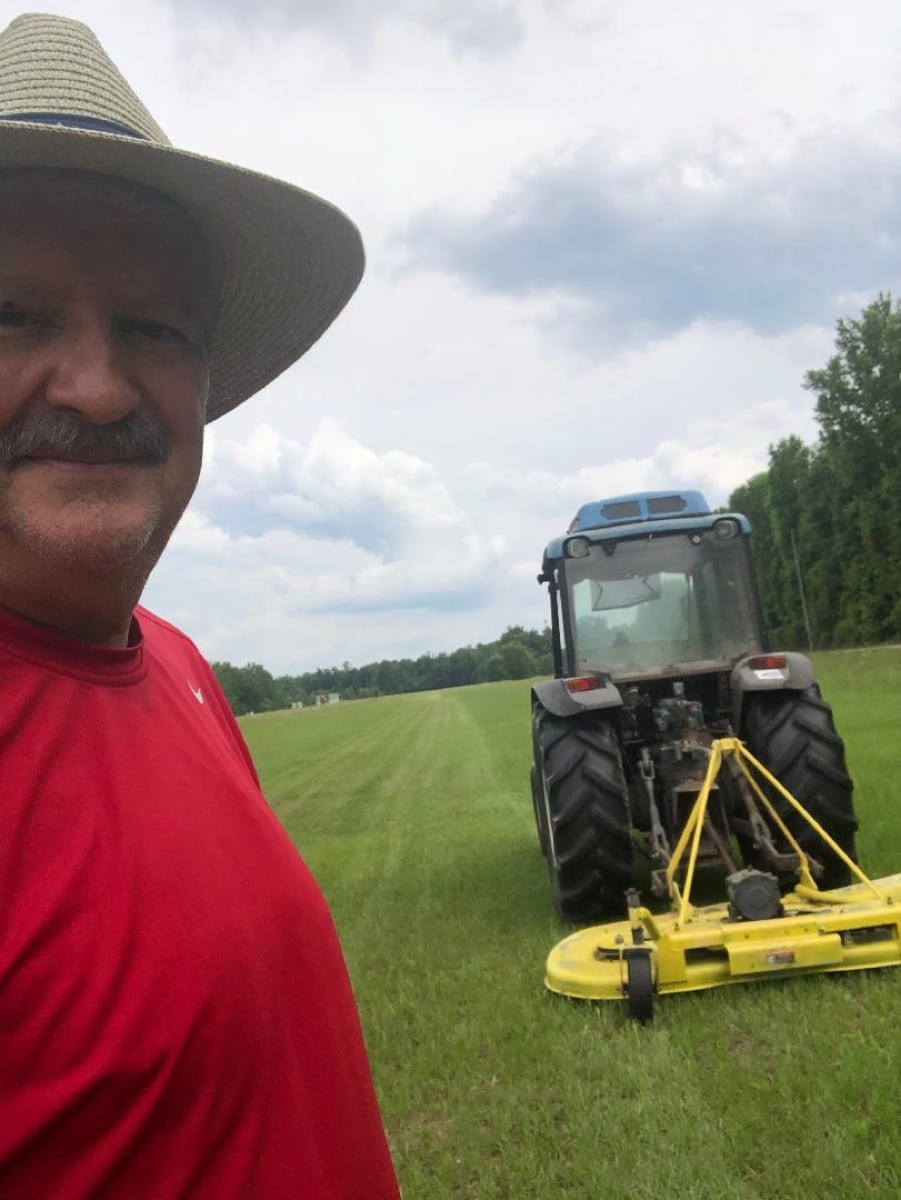
After several months of work, which included knocking down trees with a bulldozer and tiling and covering a ditch that crossed the new runway, Gleason had his 3,000-by-75-foot landing strip roughed out. For grass he chose Bermuda. For difficult areas, he added Centipede.
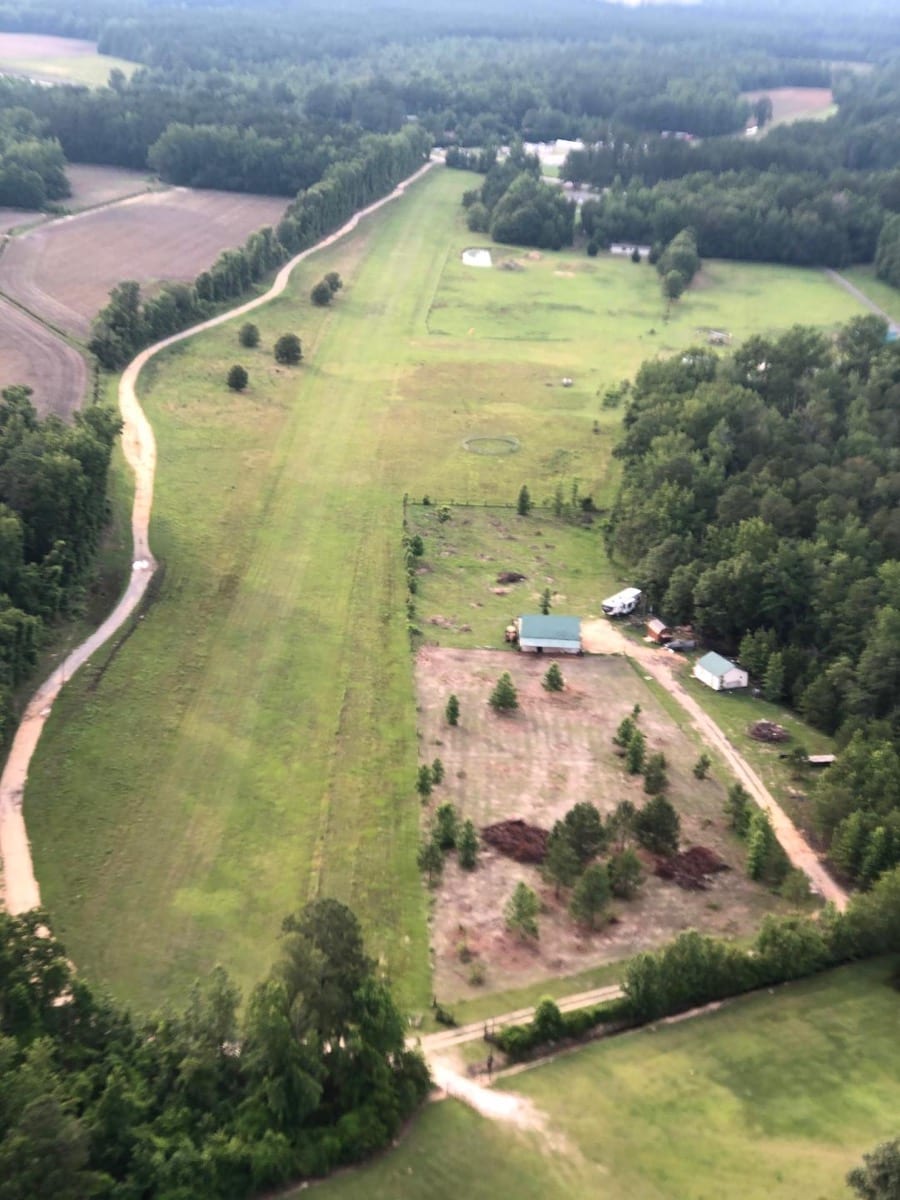
Gleason flies his 1940 J-3 Cub and 1966 Cessna 172 from the field and houses the aircraft in a 44-by-44-foot hangar he built.
“I built my airfield because I didn’t want to drive to the airport,” he said. “I wanted to walk out the door of the house to the hangar and to come and go with my airplane as I please.”
A Labor of Love
Jim Adams is a farmer, businessman, and commercially-rated pilot who built an airport on his family farm near Rowland, N.C.
“The first phase quite a few years ago was 2,300 feet,” Adams said. “At the time I was building an ultralight. Remaking a big pasture into a runway was enjoyable work. I enjoyed taking my box blade implement and Massey Ferguson tractor and leveling the land out. I had a good friend who had a motor grader and the last work was with that. It was a labor of love.”
Adams later bought a twin Comanche and extended the runway to 3,600 feet.

“I seeded the whole thing with Bermuda using a seed spreader pulled behind a lawnmower,” he said.
He now flies a Cessna 172 from his airfield.
“I’m on the sectional as 8NC and not too long ago I decided to switch over from a strictly private use airport to a public use airport,” Adams said. “I enjoy my airstrip as much as anything in the sense that I can go out anytime. It is a magnet for all kinds of wildlife.”
A Boyhood Dream Becomes Reality
Retired Piedmont and U.S. Air pilot Jim Hall walks out of his house and down to his hangar 100 yards away practically every day. His airport, 32NC, represents the fulfillment of an aviation dream he had since he was a boy.
“My dad had an airstrip when I was a kid and I wanted one also,” Hall said.
He found a 20-acre tract outside Parkton, N.C., and built his 2,000-by-200-foot runway in 1989 before building his home on the property.
“I had to have a motor grader come and level it out,” he said. “And I had to have some trees taken down.”
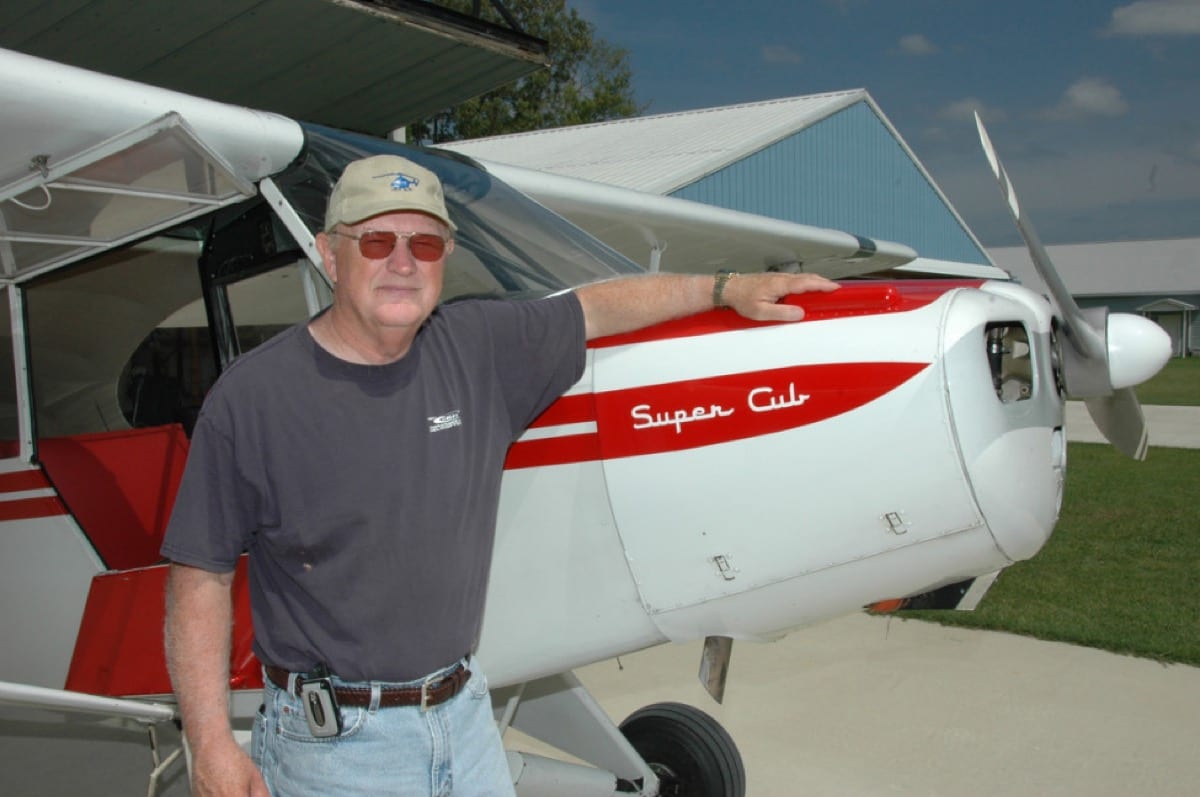
Hall flies a Super Cub and finds the 2,000-foot runway well beyond his landing and takeoff needs.
“I love being able to walk down to the hangar and take off,” Hall added.
His hangar is one of two on the property. He sold an acre of land to fellow U.S. Air retiree Vic Carnevale, who keeps his Stearman at 32NC.
Contrary to the others interviewed, Hall didn’t do any special seeding.
“The grass just came up,” he said. “It is Bermuda and some Centipede.”
A Tailor-Made Runway
Super Cub pilot Dawson Simmons, a longtime package delivery specialist, has perhaps the most unique airport. Simmons’ 2Dawg Field is a 1,400 by 80-foot lighted grass strip near Council, N.C.
“It was originally a crop field,” Simmons said. “It wasn’t that hard to build. I had to put down a culvert to cover one ditch and went in with the tractor and a box blade. I put in a little trench on each side.”

He paid the power company to bury an electric line at one end.
“That improved the approach a lot,” he added.
“I tailored the airstrip to the amount of property I had,” Simmons said. “I wanted a tailwheel style airplane and got a Super Cub, a 1950 with a 160 horsepower Lycoming engine. This runway is tailor-made for the Super Cub. Now when I get to a longer field it just doesn’t look right to land.”
Simmons upgraded his lighting system in early 2020.
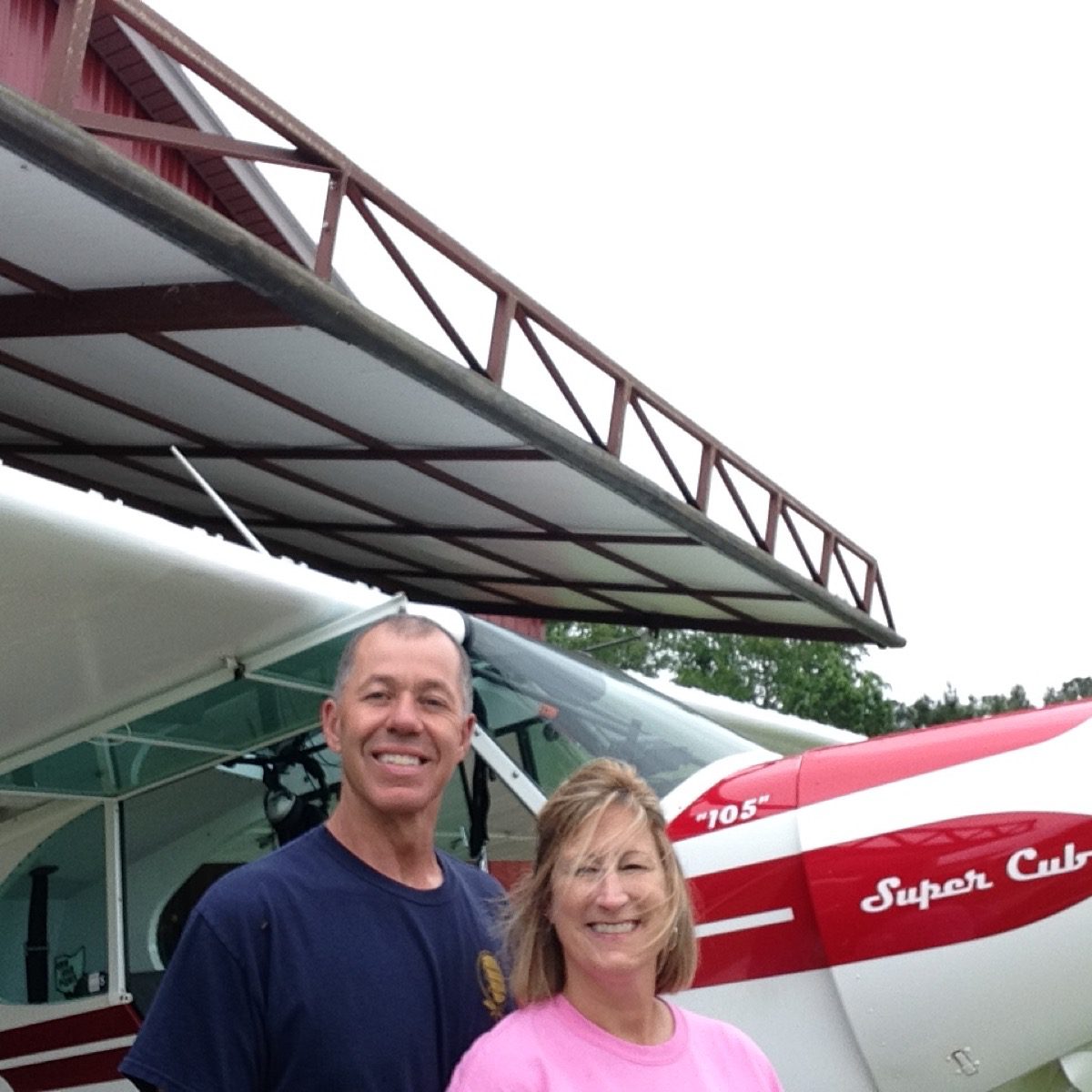
“I now have LEDs, all hardwired with a buried conduit,” he said. “Now I am staying night current at the house. It gives me pleasure to take off right at the house. I fly more because the airplane is by the house. When my wife Debbie and I go on a trip we don’t have to pack and go to the airport. We just put it in and take off.”
What about grass?
“We put down Bermuda, but we have some Centipede in there also,” he said. “We have a local turf farm and I got scraps and sprigged it. I cut it with a regular finish mower and with a zero-turn radius 48-inch mower and it takes me about an hour. It is actually a joy to cut.”
Triple Tree Aerodrome
Triple Tree Aerodrome near Woodruff in the South Carolina upstate is a manicured 7,000-foot grass airport that hosts a variety of aviation events each year. It was founded by former business executive Pat Hartness who established the aerodrome as a 501c3 non-profit and donated the land as his gift to aviation. Matt Crain is in charge of the facilities, including grass maintenance.
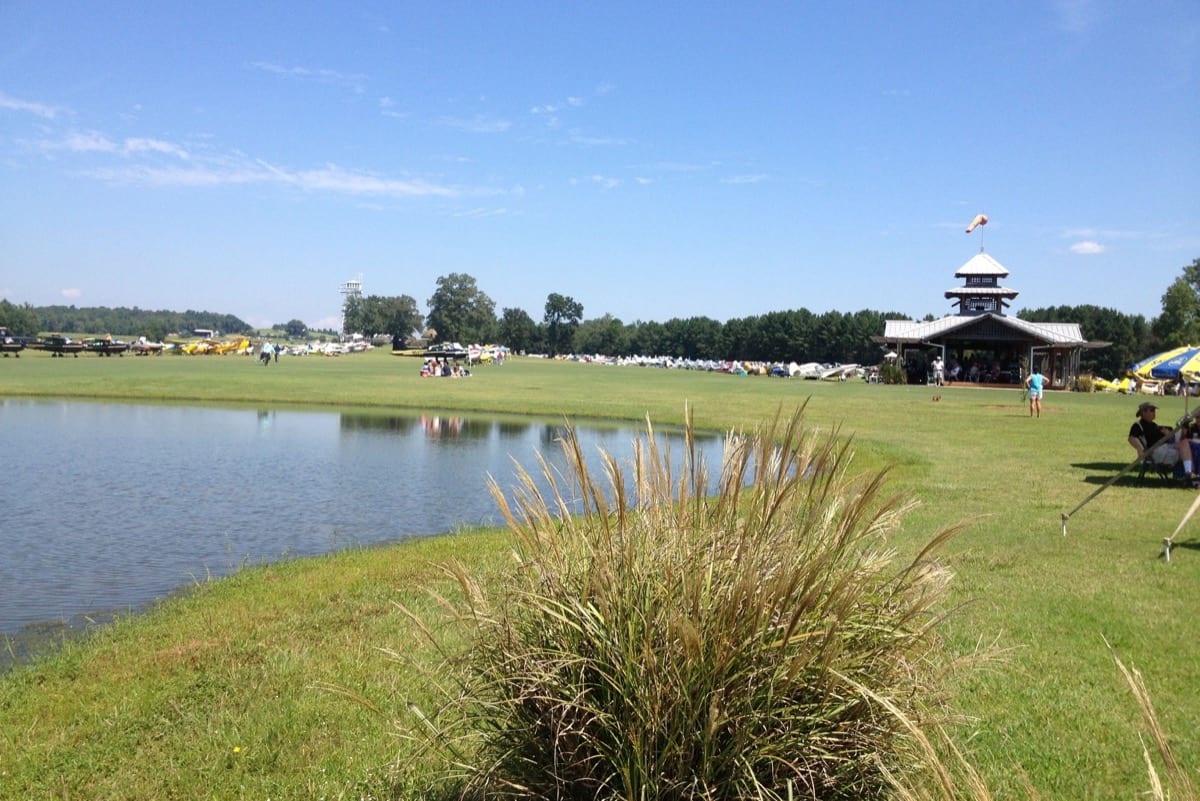
“Pat Hartness started on the runway pre 2007,” Crain said. “This was the year they put the tower in. We had a lot of tree removal and dirt moved to get the crown so the water would run off. That was probably an eight- or nine-year process from start to finish. The runway slopes from 3 to 21 going uphill slightly. The length of our full-scale runway is 7,000 feet and it is about 75-feet wide.”
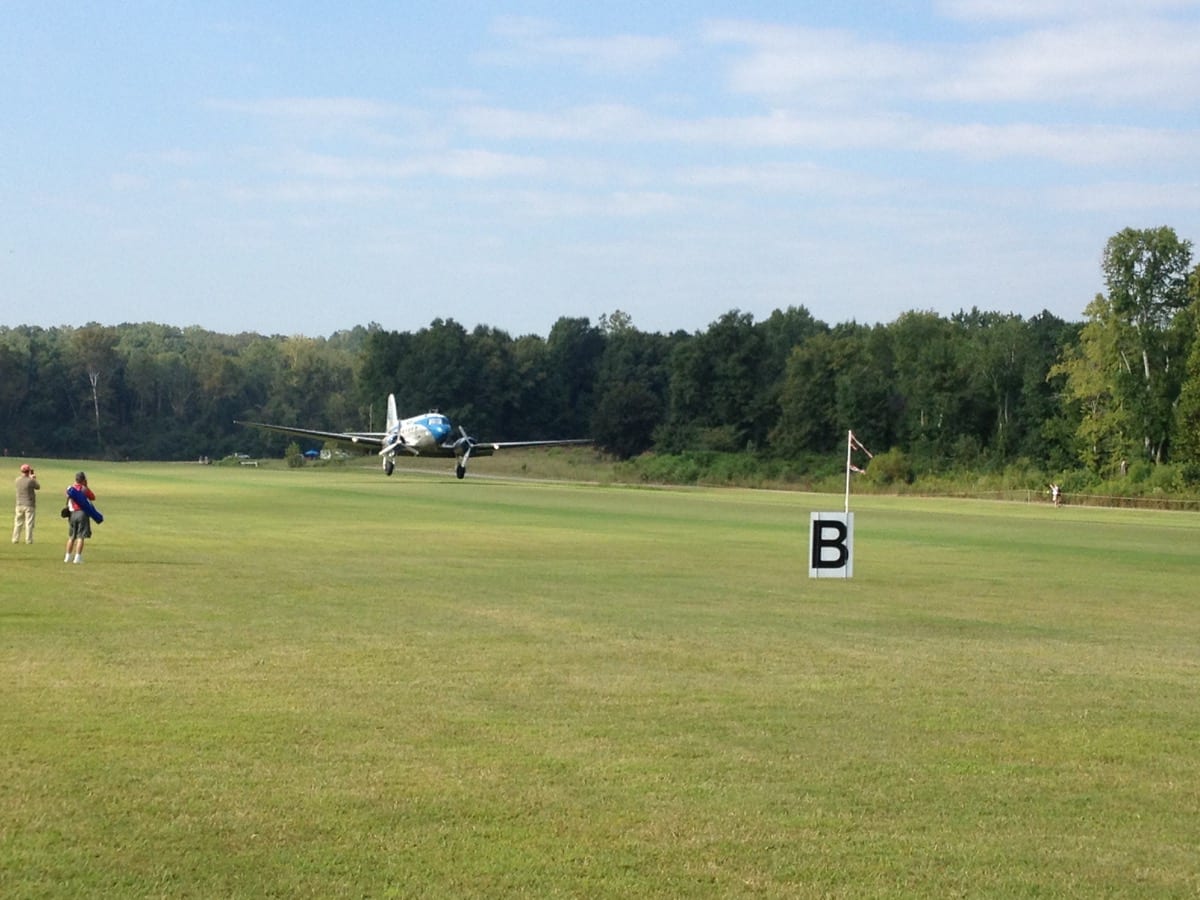
“The grass is 419 Tifton Bermuda,” he continued. “This is a fairway golf grass. It cannot be seeded. It has to be sodded or sprigged. We have an irrigation system in place. We cut the grass during the growing season about every three days. We cut the model aircraft field with a reel type mower to about three-quarters of an inch. The main runway is cut to an inch and a half. We water it probably twice a week. We spray herbicide here for weeds.”
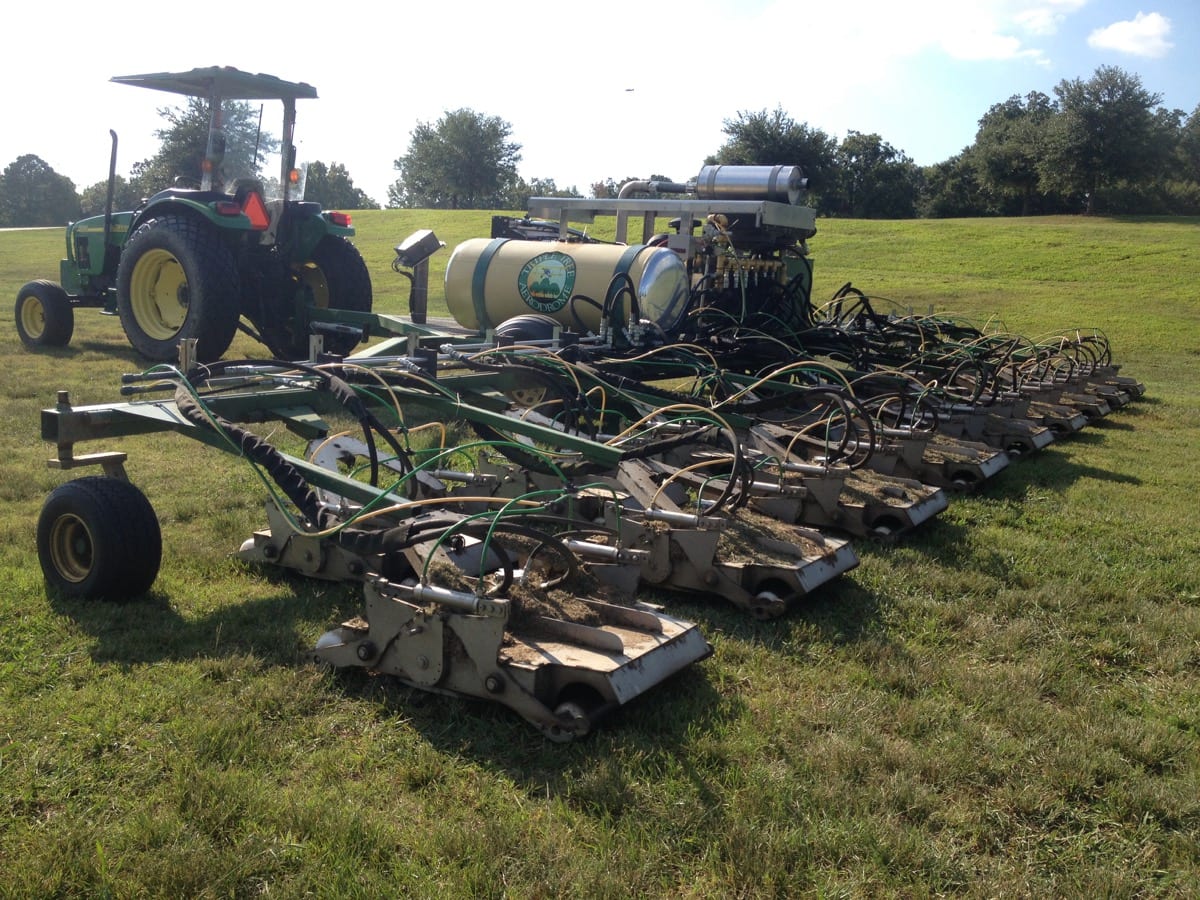
“We have our own mower that we built,” Crain said. “It’s a rotary deck mower with 18 decks and it cuts a 38-foot swath. It’s one trip down and one back and takes about 12 minutes.”
“My advice for the person who is laying out an airport is get a tractor and a drag,” Crain said. “When you’re ready to seed, borrow or rent a grain drill to drag behind the tractor. It cuts the ditch and puts the seed down in the ground. Get the seed down in late spring or early summer. Irrigate it the best you can and put a little fertilizer on it.”
Ruby’s Landing
Corporate pilot Ken Cox reestablished a ploughed-over airstrip at the family farm near Newton Grove, N.C., in 2008.
“One of my neighbors had his own grading equipment and put it in for me,” said Cox, a retired U.S. Air pilot. “It is 2,750-by-60-feet between the drainage ditches. Total width is 80 feet. The runway was crowned and packed. It’s solid.”

“I seeded it with common Bermuda,” Cox said. “I used a seed spreader and put it down.”
“I do have occasional fire ants,” he adds. “But I treat it every year. I’ve got a tractor with a seven-foot finishing mower that I use to cut the airstrip. I enjoy getting out there and cutting the grass. It’s pretty cool. The only upkeep now is the cost of the tractor and the mower.”
His airfield is listed on the sectional as 70NR: Ruby’s Landing.
Start With A Chain Saw
Jimmy Dean began a career in aviation as a line attendant while still in high school. He learned to work on aircraft, earned an A&P certificate, and later became an airline pilot.
“Back in the 1970s when I started, I always wanted my own airfield,” Dean said. “It was so aggravating going to the airport every time I wanted to do something on a plane.
He found a 30-acre property near Cameron, N.C., and bought it — as well as a chain saw.
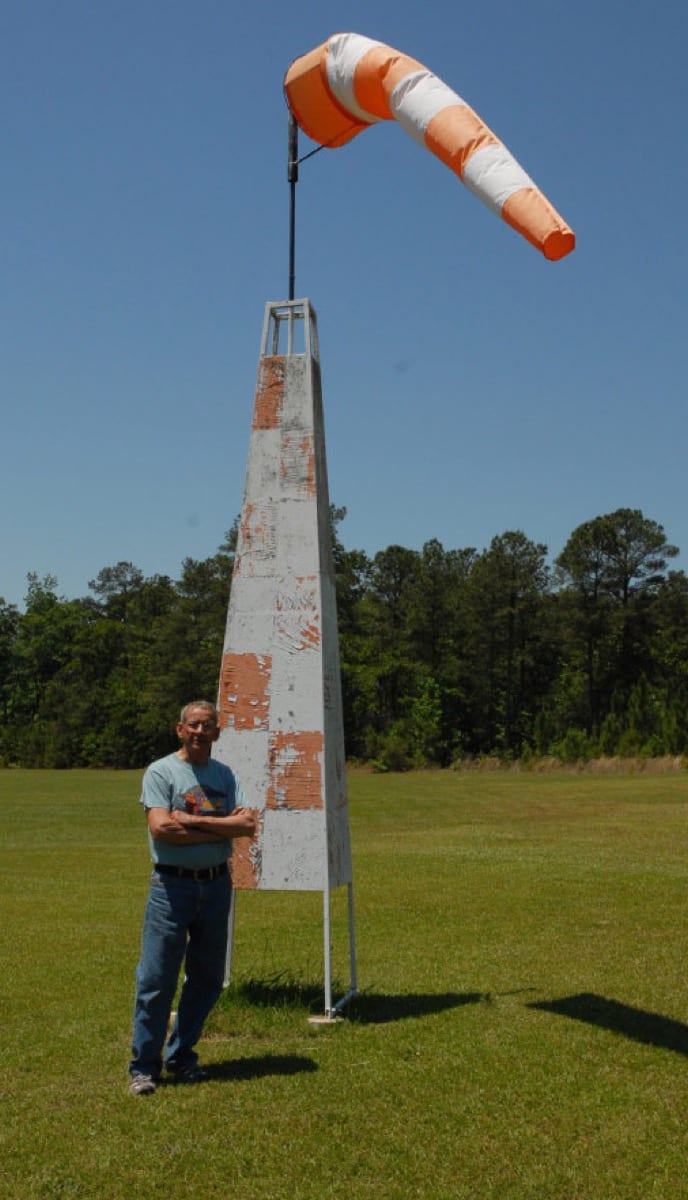
“I cut down trees and then had a bulldozer take out the stumps,” he said. “I seeded it with Bermuda. The Centipede is not good for an airport because you get little washes in it. I used to fertilize once a year, but it comes up on its own now. I have a six-foot bush hog for rougher cutting and a six-foot finishing mower that I pull behind the tractor.”
The airfield is 2,400 by 150-feet.
Dean Field, 8NC1, is somewhat unusual because it is built on the side of a hill.
“We are 24 and 6 on an incline,” he said. “Runway 6 comes uphill and plateaus, then goes up again. It works to your advantage to land uphill.”
Dean flies a 1936 J-2 Taylor Cub from his airfield and is restoring a 1928 Waco ASO in his hangar workshop.
Tips From the Experts
An airport project begins with finding the right property, those interviewed said.
Your runway must match the performance capabilities of your aircraft.
And a runway need not take a great deal of space on a property. An acre is 43,560 square feet so a 2,000-by-75-foot field takes only about 3.5 acres.
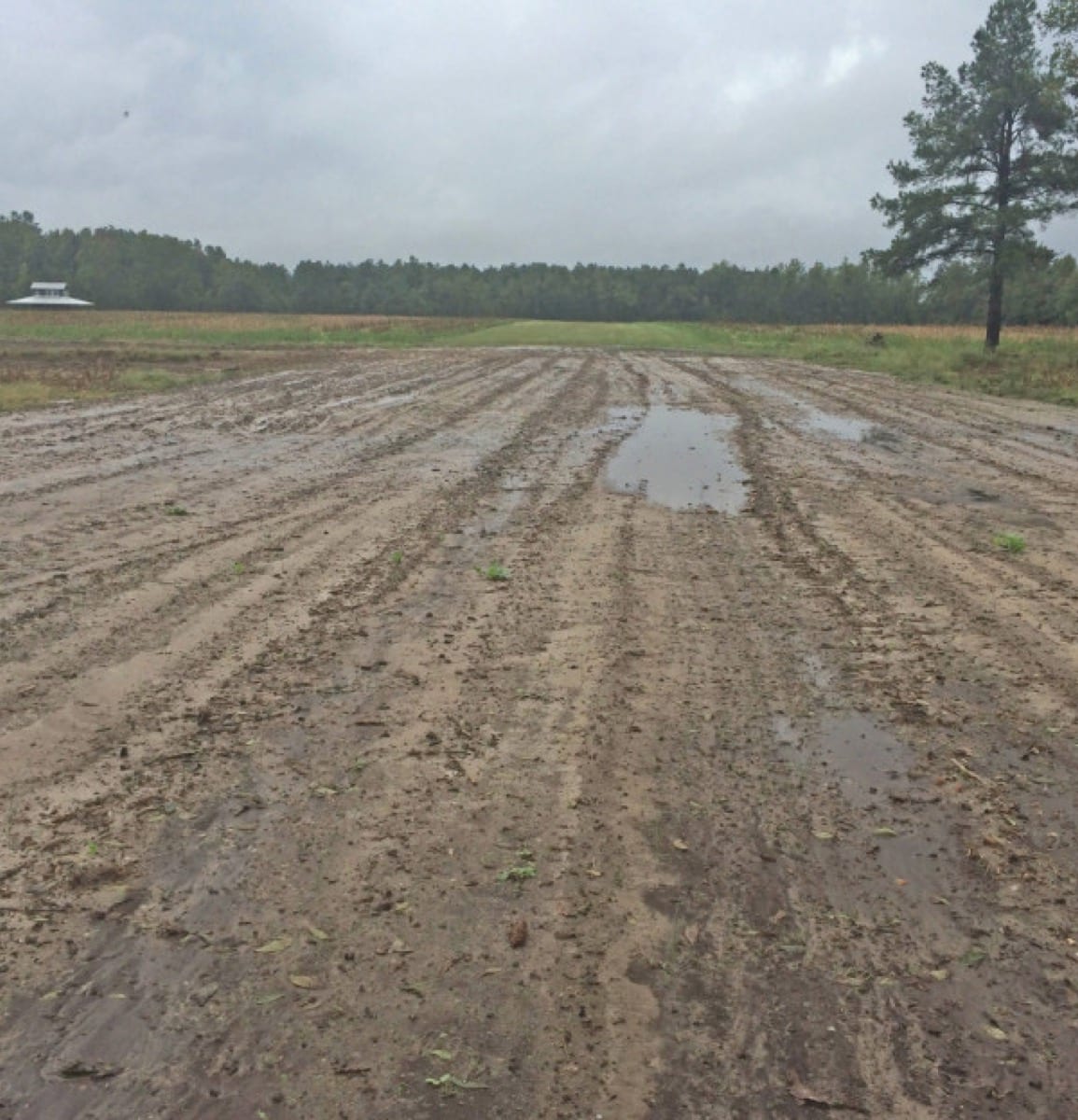
An important consideration in evaluating the property for an airport is the approaches. Powerlines and cellphone towers along or near the approaches can be deal breakers. And homeowners under the proposed takeoff and landing flight path are not always happy about aircraft noise.
“I get complaints from people who built their houses nearby long after I had the airport,” Jimmy Dean said.
Do it all yourself, or as much as you can, the owners advised. Buy, borrow or rent a tractor and get proficient at pulling a box blade, they say. For rougher surfaces with rocks, a tracked skid steer loader such as a Bobcat, Kubota or Cat is often a better choice.
And if you have a fairly smooth plot of land with a pasture or a large open space, one suggestion for tailwheel pilots is to go with larger tires, such as bush or tundra tires, and land with minimal surface preparation.
Also, prior to construction review FAA Part 157, which involves notice of construction, alteration, activation, and deactivation of an airport. FAA Form 7480-1 is the required form.
State and county regulations should also be consulted to ensure compliance with state and local rules on establishing an airport.
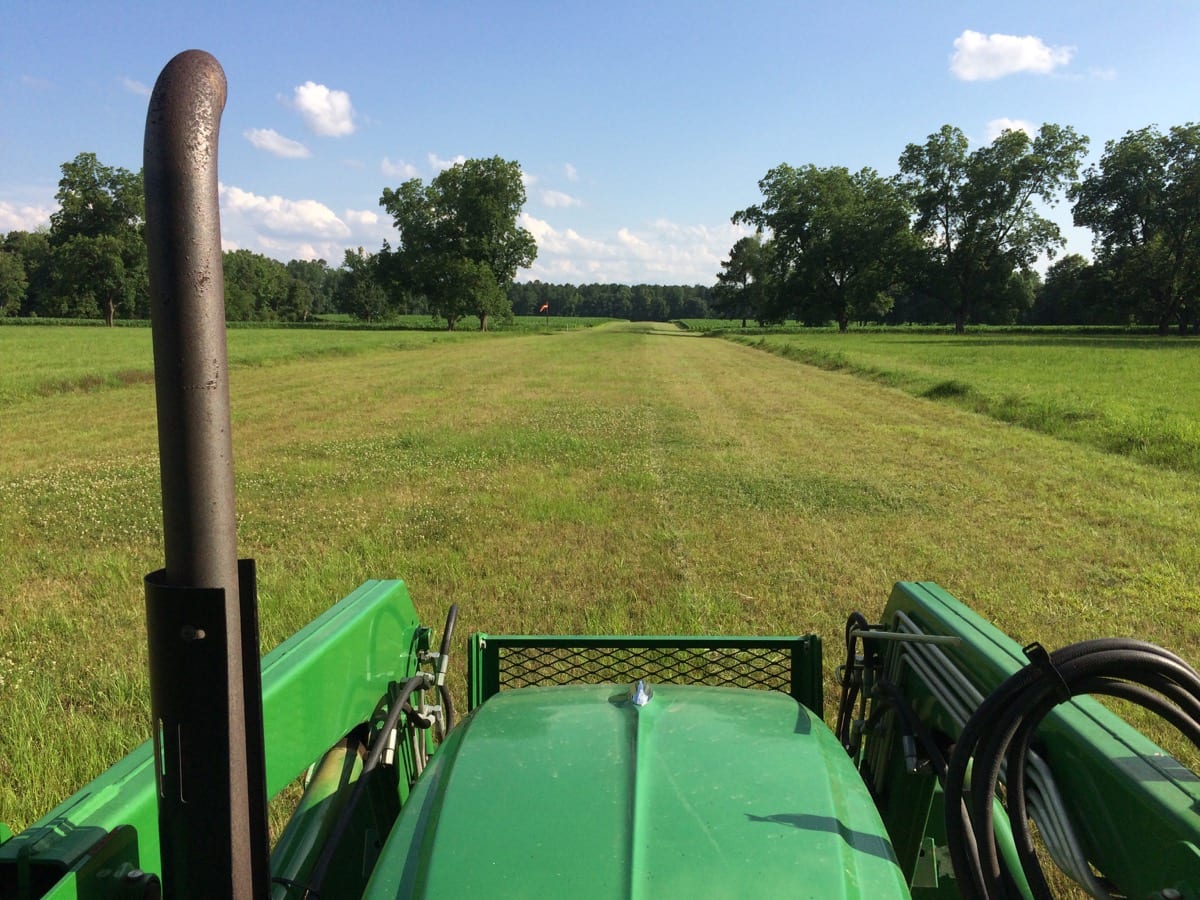
As noted, Bermuda seems by far the best choice for grass for airstrips in the Southeast. It handles heat well and prospers in the humidity.
A friend from New England recommended Kentucky Blue Grass for his region. That is also popular in the upper Midwest and in Washington State and Oregon and many other areas of the west.
I lived in Florida for a while and I love the beauty and spongy nature of St. Augustine grass. A friend in Texas said he planted Zoysia grass seeds.
The county extension office staff in your area is the place to start for expert, free advice on the right grass for your location.
Time And Money
From personal experience I know you can plan on at least 100 hours of tractor time working on a 2,000-foot strip that is being constructed from cleared land. Add 40 hours if stump clearing and burning or burying are necessary.
And don’t bury stumps on or near the runway. The covered area will eventually sink as the wood disintegrates.
Unless you can borrow a box blade, expect to spend at least $300 for a used one or at least $650 for a new five-footer. I already had a tractor and my diesel fuel costs were about $300 for the 2,000-foot strip.
If you have drainage problems or a ditch crossing your runway, you’ll need several lengths of 20-foot heavy duty plastic culvert pipe totaling $300 to $400.
Also, if you put down seeds, expect to pay $200 to $300 to cover your 2,000 to 3,000-foot surface.
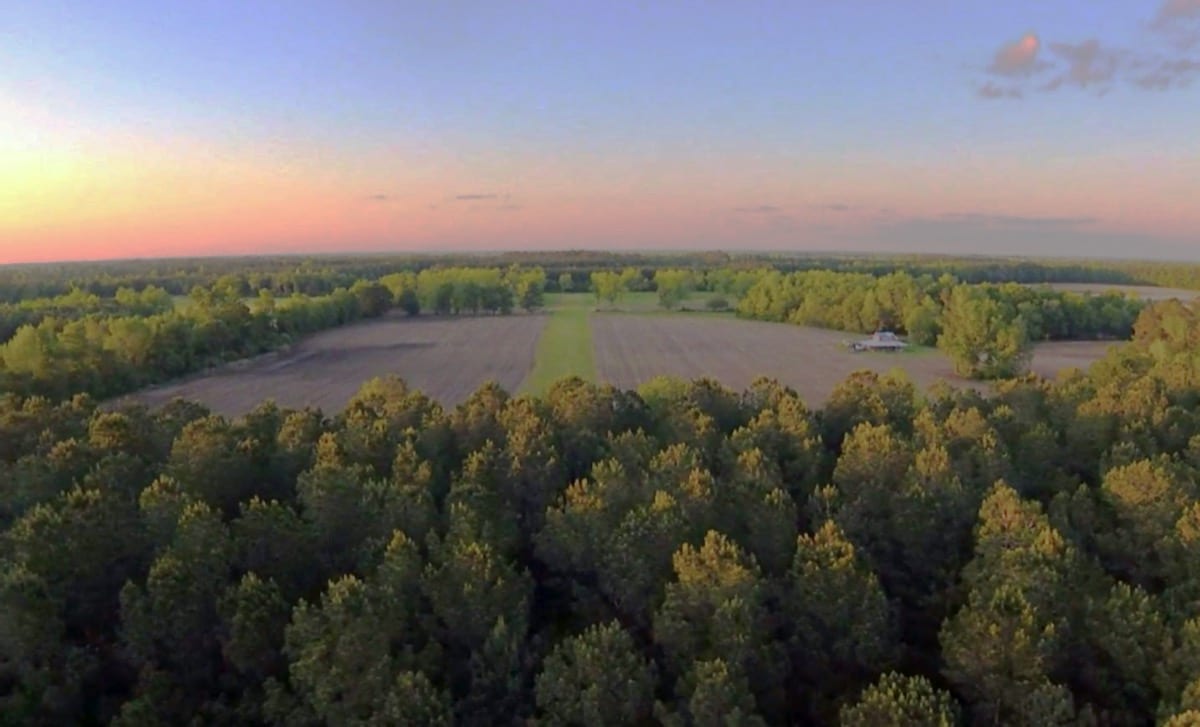
If you want a superior carpet of grass, opt for machine sprigging by a turf specialist. That will add $2,000 or more to the cost of your airport.
If you want a quick-draining runway, have it shaped and crowned by a motor grader. Prices are negotiable and vary seasonally, but in the Carolinas the quotes came out to approximately $1,000 per thousand feet for a motor grader hire.
I’ve wanted to do this for a while but it’s always been a daydream. Anyone know where I can find affordable land for such a project?
That is the coolest thing ever.
Check your zoning and land use regulations, and contact your state government’s aviation administration. The state gang will help you. The local government will throw up barriers.
I eagerly read this article hoping to find the cure for Crayfish chimneys on my runway. Very informative but, alas, I did not so if anyone has found a way to keep those evil creatures away please let me know.
One strong word of advice for private airstrip operators: MAKE FRIENDS WITH YOUR NEIGHBORS. For countless response:
1.) Acceptance of your operation: There are ALL KINDS of ways your neighbors can mess with you legally, if they’re unhappy with your presence, or are just offended by not being included in its development and use. Zoning, environmental regs, noise abatements, easements, groundwater / surface water issues, road access and maintenance costs, etc. etc. If they LIKE you, they’ll likely ignore these issues. If they don’t….uh-oh.
2.) Availability for emergency assistance: Country strips are far from most people, and your neighbors may be the only people who may be aware of a crash on your strip, in time to do anything about it. The more they care, the more likely they are to be alert, interested and responsive. In a crash, seconds often make a life-or-death difference. Even injured survivors who emerge from the crash, crippled but not critically injured, may not get medical help in time.
A fire on the field, in a hangar, etc., may require resources faster than the fire department can get there. Country neighbors sometimes are quite helpful in that.
3.) Availability for casual assistance. Your tractor breaks down, you need to borrow a bush-hog to mow, your phone isn’t working, etc. Maybe you just need an odd tool, that only they are likely to have. Out in the country, your friendly neighbors are your most valuable daily resource.
4.) Security. You can’t always be at your field. A caring, watchful neighbor might save your facility and aircraft from a VERY costly intrusion — even if only by calling the sheriff (or you) to respond.
5.) Social development. Yeah, I know. Private aviators are not always seeking social contact at their private strips. But, frankly, at some point, flying is just more fun with others.
HOW to MAKE FRIENDS WITH NEIGHBORS:
A.) ATTITUDE:
Decide that they matter, and deserve your respect and friendship. The right attitude is critical. Be understanding, patient and courteous — all the things you’d want them to be with you.
B.) BE NICE:
Act in ways that are considerate of them. Don’t make unnecessary problems for your neighbors. If they ask a favor of you, make an honest effort to accommodate. What goes around, comes around.
C.) COURT THEM:
No, I don’t mean dating your neighbors — or maybe i do. Invite them over for an occasional free airplane ride around the pattern or area (OK, if you must, make them sign a liability waiver, but make it worth their time and perceived risk). Have ’em over for a barbeque / weenie roast (safely clear of aircraft and fuel). Make them feel included and welcome. Approach such engagement gingerly, of course, with just an invitation for a hot dog, or (if not flying) a beer. See how it goes, over time. If they’re not likely to take too much advantage of the friendship, carry it a bit further. Give them REASONS to be your allies.
~RH
Thank you for a very thoughtful comment!
An EXCELLENT article — well researched, richly documented and concisely put — on an original and highly relevant topic !
It amazes me to think that there are thousands of articles on how to get/build an airplane — but virtually nothing published on how to build the airstrip you need to use it, comfortably and safely. What a smart topic to cover !
If you find this topic interesting, and want to get into more sophisticated airport topics, you might enjoy reading “Airport Journals” magazine, online at AirportJournals.com — also often found in FBO lounges and airport offices. It’s aimed at a more professional/commercial segment of the airport industry, but usually has articles of some relevance to small airports or airstrips — and lots of ads for airport equipment.
Don’t forget that your state aviation commission or office or director (usually affiliated with the state’s Department of Transportation) may have some authority, advice or even assistance, in airport development.
Just beware any opportunities to get government money to help with your airport development. Take even a penny of FAA money, for instance, and the FAA may have some PERPETUAL rights to regulate/control/restrict it in ways you won’t expect, won’t like, and may not even be able to afford.
Definitely think carefully about trees and structures around the strip. They can cause dangerous changes in airflow / crosswinds, etc., and are serious hazards to be taken VERY seriously. Among the very most common accidents at private strips are running into the trees — and not just the ones at the end of the field. (A friend of mine, when towing a glider, had a power failure and had to turn to get clear of the glider. He was forced to turn towards a row of trees alongside the strip, mid-field, and died.)
Don’t forget to give careful thought to drainage, wildlife wandering across the field, and critters burrowing underneath. Gophers and moles can make a minefield for very small craft. Wandering deer can total a light twin. Frequent flocks of flying fellows can clobber your craft in flight — at the most critical moment: take off or landing .
Also consider carefully the environmental ethics and regulations. For instance, casually draining your sumps into the soil of a dirt/grass strip can eventually pollute/poison the groundwater or surface water runoff — affecting not only you, but your neighbors. Ditto a sloppy fueling station. You do NOT want to be stuck with the fines and (far, far worse) court-ordered remediation costs of such a blunder.
Finally, state, county, and city laws may affect what you can/can’t do, where, and when. The city/county planning office, or county manager, may have some advice, rules, regs and protocols. Zoning, noise ordinances, drainage requirements, easements, etc. can all mess up the situation.