

When you fly into an airport, are you ever confused about where to park your plane?
A new coalition of 300 pilot and aviation organizations is working to end that confusion.
According to officials with the Aircraft Owners and Pilots Association, there are not standard terms used for general aviation aircraft parking at airports across the United States.
An AOPA review of airport diagrams found as many as 30 different parking terms for the same type of ramp in Southern California alone, according to association officials.
“Many airports currently have transient GA parking areas that are available to pilots, but are either not labeled or labeled in a way that is not clear or relevant to the ramp’s purpose,” AOPA officials noted. “Standardized terms will eliminate confusion for pilots, better identify parking options for pilots where they exist, and assist pilots in preflight planning.”
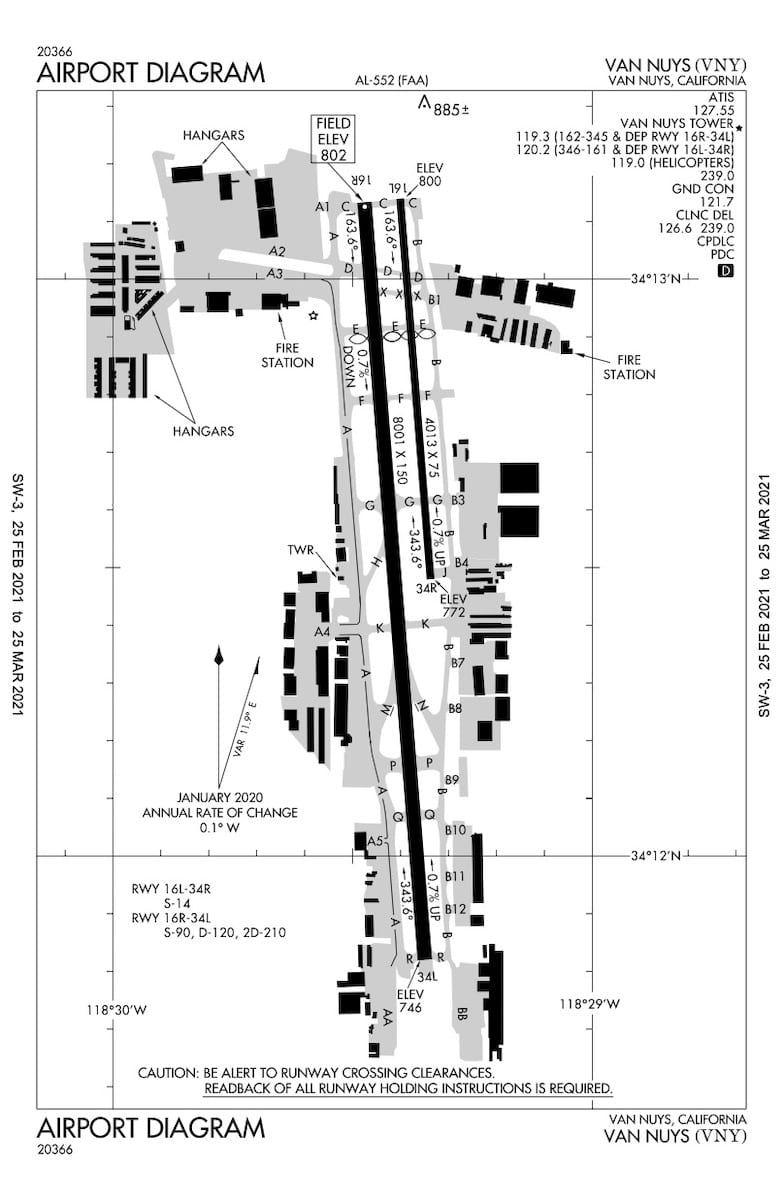
The coalition recommends three terms for parking areas:
- FBO RAMP: An apron where itinerant general aviation pilots can park their aircraft and expect to have access to traditional FBO services
- GA TRANSIENT RAMP: An apron where itinerant general aviation pilots can park their aircraft without FBO services
- GA TENANT RAMP: An area designated for parking of based general aviation aircraft, such as the tie-down area.
“There is very strong support in the pilot community for transparency at our nation’s airports, whether it be FBO fees or airport ramps. The use of these standard parking terms, if applicable to an airport, will be very helpful to pilots by indicating parking options to fit their particular needs. We understand airports have different situations, but we will certainly do everything we can to encourage them to participate in this industry-led effort,” said AOPA President Mark Baker.
Standardizing the terms for airport diagrams will become increasingly important for pilots because the FAA plans to expand the number of airports required to provide an airport diagram from about 700 today to nearly 3,000 in the not-too-distant future, AOPA officials said.
Making the switch to the new terminology could happen quickly should an airport decide to submit changes — possibly as soon as the next FAA diagram publication cycle, because the FAA would not be required to conduct an engineering review before approving the revisions.
Idea: Where GA aircraft parking lines on the ramp/asphalt are in YELLOW paint, why not make the
FBO/TRANSIENT/TEMPORARY parking area stripes RED or ORANGE or some other distinguishing color that is easily recognizable and identifiable both from the air and at ground level? Some directional signs
to these areas would also help.
More info for flight planning is always good. However avoiding the FBO on the field is not good. FBOs operate on thin margins. It costs money to keep clean restrooms stocked, and convenient facilities open daily. Majority of aviators are aware of this and support their FBOs with a fuel purchase or ramp fee.
Just like the local convenience store/gas station. If you expect to use their facilities, but never buy anything, they won’t be around when you need them.
Hear Hear!! This is sorely needed on diagrams, and if possible, in markings on the tarmac. How can I tell where to park and who to pay? It is a currently practically impossible without calling ahead and getting specific instructions from an airport management office or FBO.
Need to know exactly where self service gas pumps are and parking and access related to the self serve pumps. Access points for guest meeting the plane at parking without being charged by FBO.