

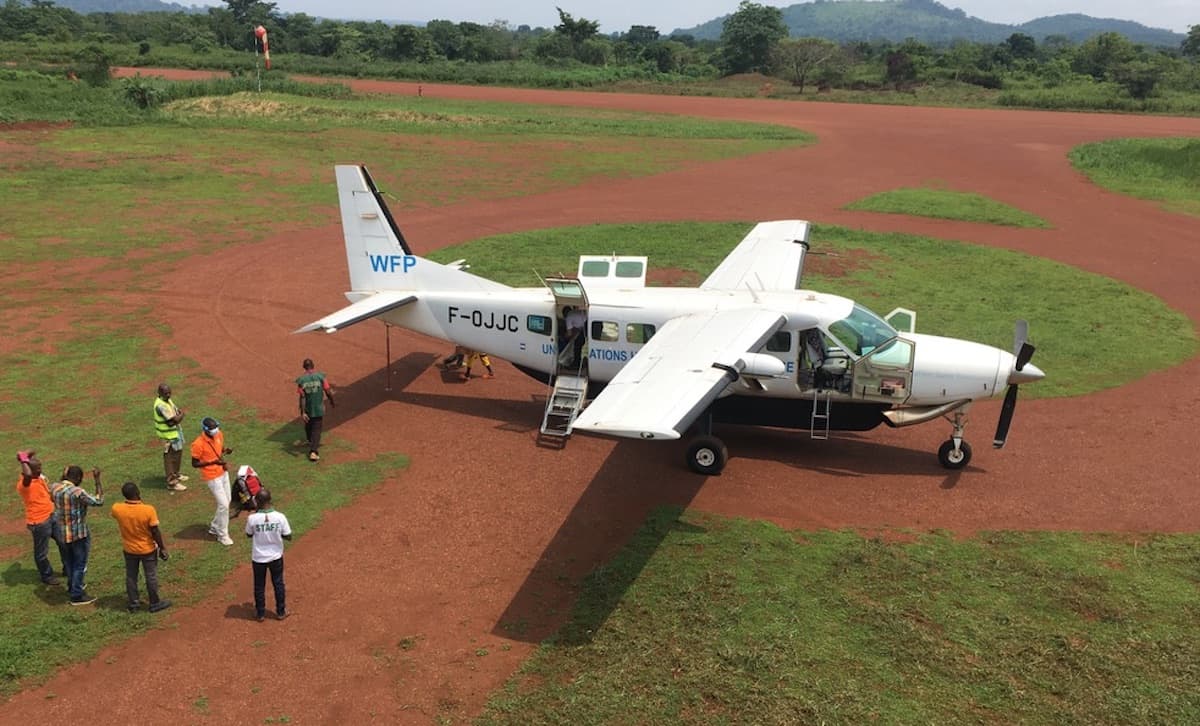
Aviation Without Borders, founded in 1968 by a group of Air France pilots and engineers, has expanded into the United States.
Based in Bethesda, Maryland, Aviation Without Borders USA was started in 2019 and is run completely by volunteers.
It is one of 11 organizations under the network of Aviation Sans Frontières (ASF), which has a mission “to improve the quality of life of populations affected by natural and social disasters through aviation expertise.”
The first ASF chapter was Aviation Sans Frontières France (ASF-France), which specializes in flying last-mile humanitarian missions around the globe. It remains the DNA of the ASF network, officials note.
ASF, which has carried out more than 80,000 hours of life-saving last-mile flights in the most isolated regions in the world, currently has operations in Madagascar, Central African Republic (CAF), the Democratic Republic of the Congo (DRC), and Iraq.
Pilots fly daily “bringing hope to those most in need,” officials noted.
For example, the DRC operation is working directly with 2018 Nobel Peace Prize winner Dr. Denis Mukwege, a Congolese gynecologist who specializes in the treatment of women who have been raped by armed rebels.
“This program helps survivors of sexual violence get the healing, justice, community, and future they deserve,” ASF officials said.
Closer to home, AWB-USA has punched way above its weight since its inception in late 2019, USA officials noted.
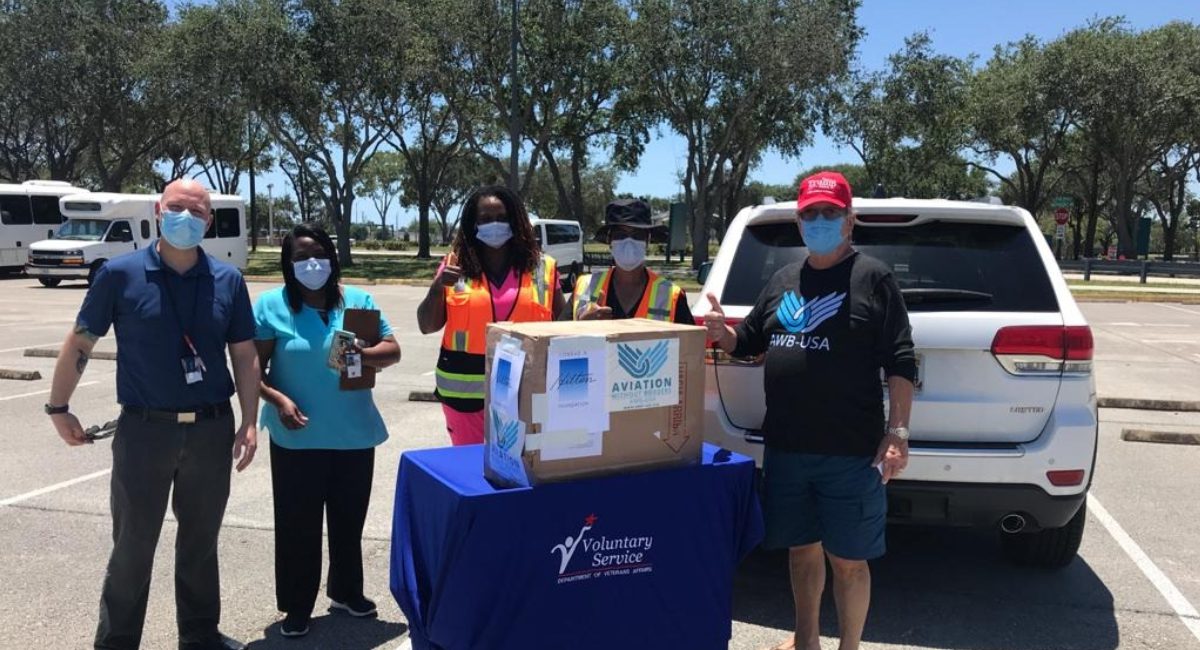
Some of its missions included connecting concerned groups in the U.S. with air operators for the evacuation of refugees from Kabul, Afghanistan; providing masks and PPE for veterans in Florida and homeless centers in Montgomery County, Maryland, during the pandemic; as well as providing COVID prevention posters in 28 languages.

On another front, the organization worked to provide assistance to families displaced by wildfires on the West Coast with cash and basic support.
It also has an outreach to high school students to provide an overview of the many areas of aviation where there are career opportunities.
“AWB-USA provides information on aviation career growth strategies from some of the most seasoned aviation professionals and enables high school students to receive top-flight guidance on how to navigate challenges and carve out the best path to success within the broader aviation sector,” officials noted.
AWB-USA is entirely staffed and supported by volunteers drawn from all walks of life, including professionals versed in aviation, logistics and supply chain, humanitarian, education, and more.
How Can You Help?
As a volunteer-only organization, AWB-USA officials say it needs the “continued support of donors, great and small.”
For instance, you could become a volunteer. Or donate money. Or donate your aircraft.
“We accept donations of all types of aircraft, new or used, including seaplanes, helicopters, private or commercial jets, certified, experimental, ultralights, aircraft kits, as well as aircraft parts and tools,” officials said.
If your aircraft is suited to AWB-USA’s missions, it will be put into service immediately in the organization’s humanitarian missions. If it can’t be used in the organization’s mission, it will be sold and the proceeds will be used to support its operations.
At this time, AWB-USA does not have its own aircraft for deployment, so it is not looking for volunteer pilots.
However, officials note that “discussions are underway for future national and regional-wide collaboration.”
What’s it like to be a pilot for Aviation Without Borders?
The chapter in France operates two Cessna Caravans. Pilots who volunteer with that chapter must have commercial, instrument, and multi-crew ratings, and have logged at least 850 hours. Pilots must undergo training before they can begin flying for the chapter, and then go through mandatory recurrent training every year. Beyond that, United Nations Humanitarian Air Service requires at least 50 flight hours on the type of aircraft the pilot is going to operate, officials note.
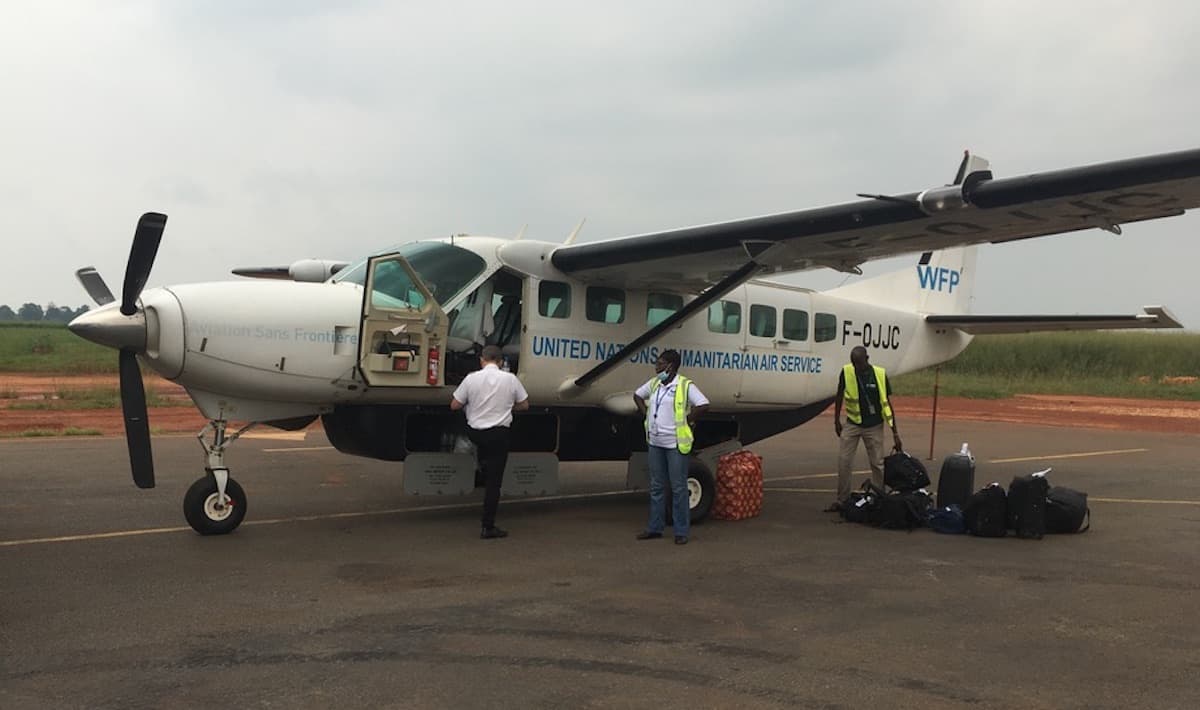
Eric Majou, a French volunteer who flies missions in the Central African Republic, shares his story of what it’s like to fly for ASF:
I have been a private pilot for many years since obtaining my private pilot license in 1979. At the time, it was impossible for someone like me with eye problems, however minor, to become a professional pilot. It was a great disappointment because I was really passionate about becoming a professional pilot.
However, over the years, my passion for flying only intensified. I wanted to fly more, so I went to Canada in 1996 to train and qualified to fly seaplanes. Later, I gained an instrument rating and flew many hours all over France in C172s and BE33s.
I also had a desire to impart to others my passion for aviation. In 2016, I went to the ENAC school in Toulouse to train and become a flight instructor. Afterwards, I volunteered to teach in several flying clubs.
Over time, with technological advancements, the medical prerequisites to become a professional pilot changed, and with that, I was finally able to get a Class 1 medical certificate.
With this in hand, I was able to train and obtain my commercial pilots license and multi-crew cockpit certificates, exactly 40 years after I received my private pilot license.
Because I am fascinated with aviation humanitarian missions, I had already been a member and supporter of ASF France for many years. Then, in mid-2018, I decided to apply. I thought that it was the right time in my life to give time and energy to a humanitarian cause.
After several interviews, I was selected. The journey to my first mission took some time. I had to obtain the qualification to fly ASF France’s Cessna Caravans. Additionally, I had to have at least 50 flight hours on a Cessna Caravan, which I completed by piloting skydivers in France.
About 10 months after I applied, after the last In-Flight Proficiency Checks, I started my first mission. I went to the Central African Republic as a first officer (FO). Several months later, after completing the required number of hours as an FO and captain training, I became a captain.
A Day in the Life As a Humanitarian Pilot in Africa
The days in the Central African Republic are busy. Depending on the scheduled time for the first takeoff, wake up is often very early in the morning. The crew, which includes a captain, first officer, and base manager, arrive at the Bangui M’Poko International Airport one hour before the first flight.
Our passengers are usually the staff of various NGOs, which are nonprofit organizations that operate independently of government, typically to address a social or political issue.
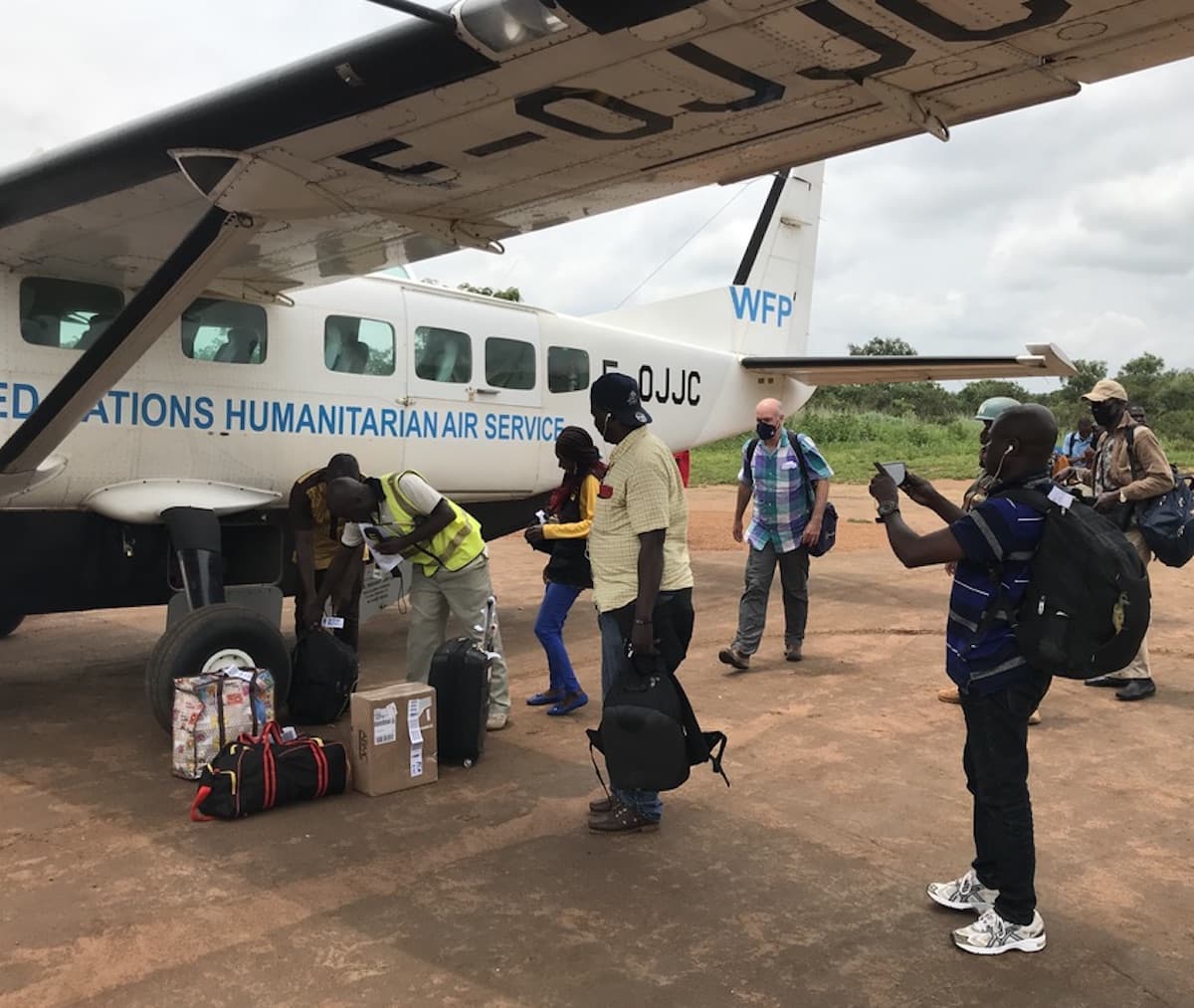
Cargo can be anything from pharmaceuticals to essential supplies. People in the bush have almost nothing.
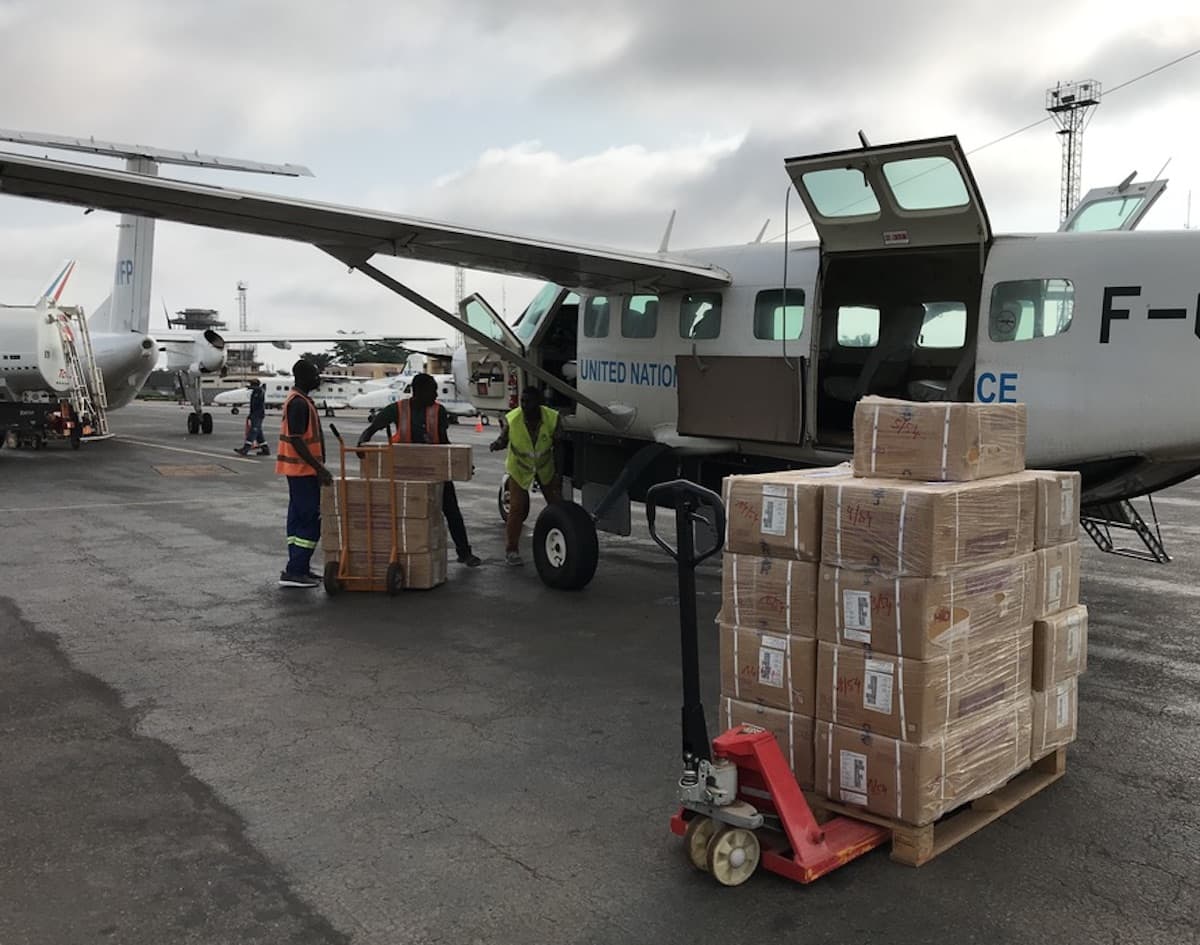
Flights can range anywhere from 40 minutes to 2.5 hours.
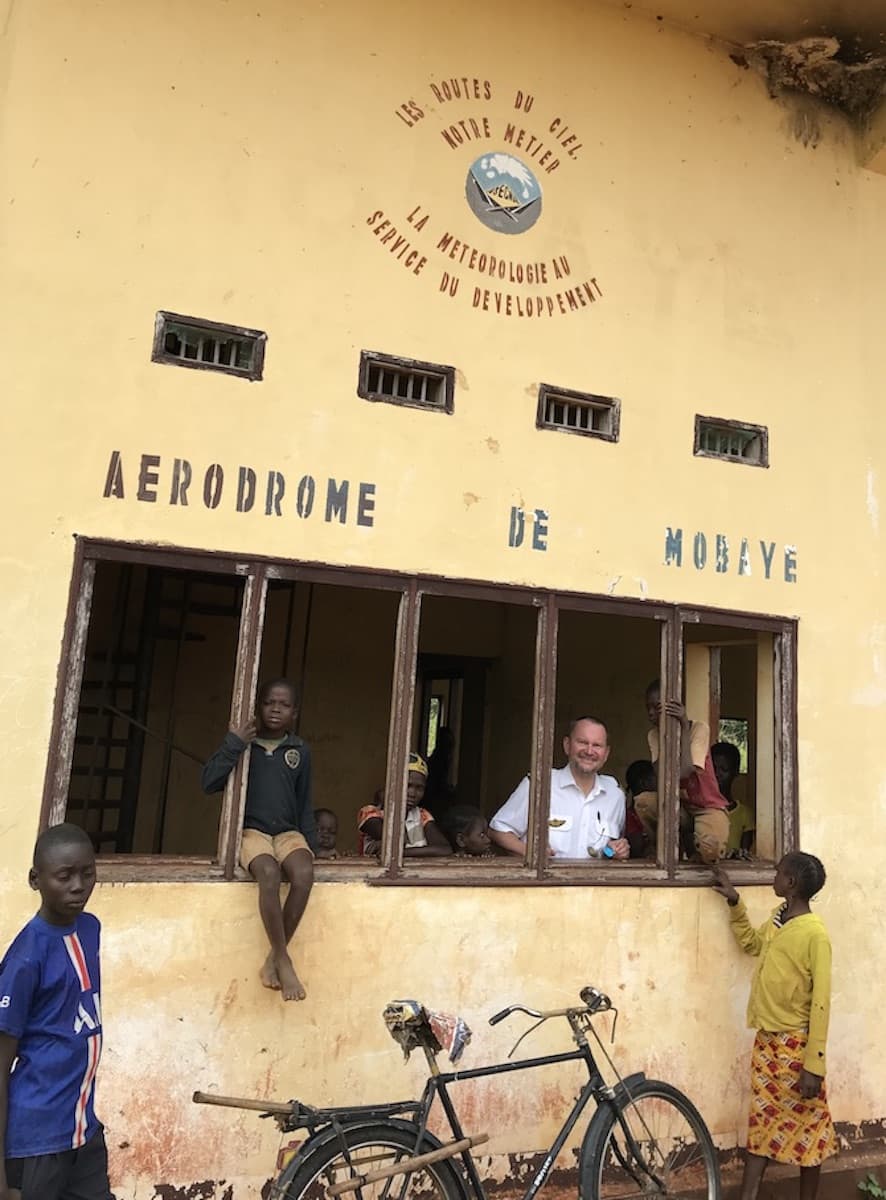
Landing in the bush is a great experience. Even though I landed on grass strips in France before, I had never landed on a road in the middle of a village or on a short lateral runway surrounded by huge trees.
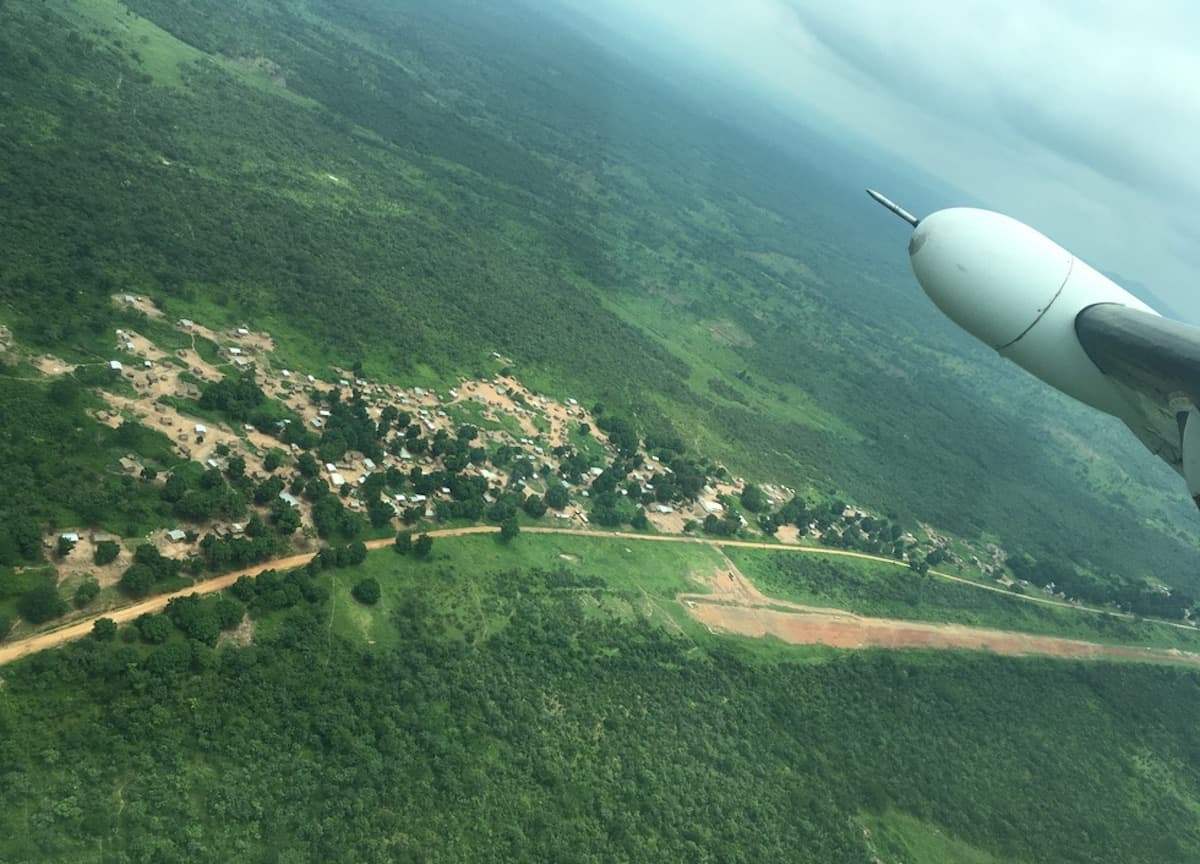
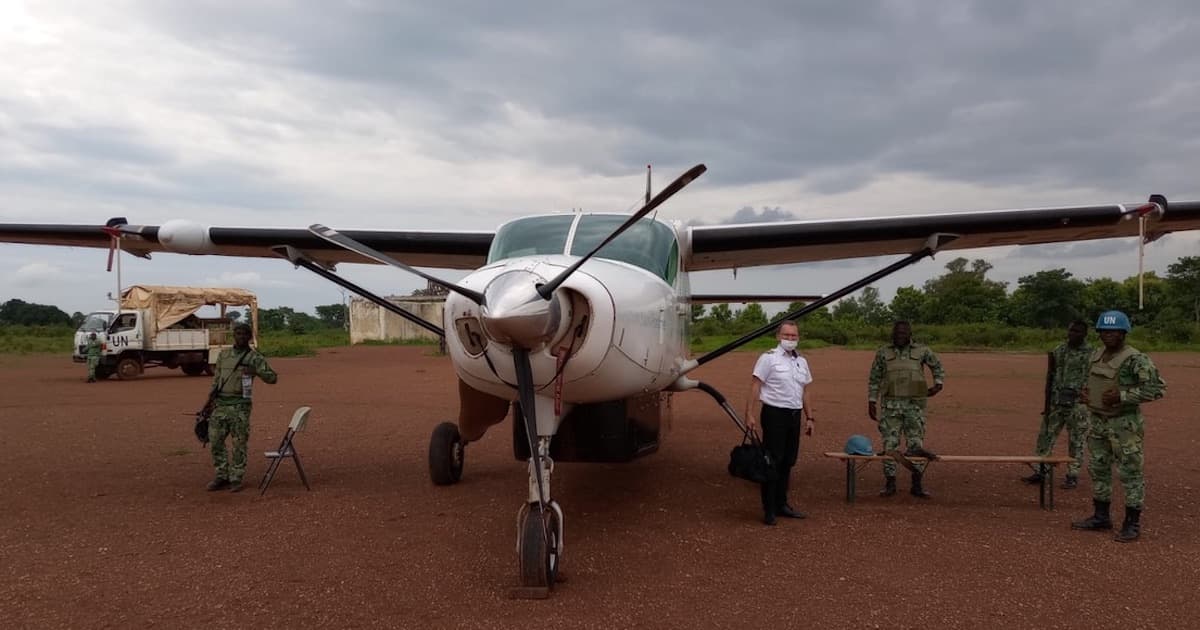
We land only when we are sure — after a lowpass — that UN Peacekeepers are in place because security is a massive concern in the bush.
When we land in the bush, the stopover time is very short — about 20 minutes — and we have little time to meet the locals. Sometimes, we get to stay longer if our passengers are on a round-trip mission and scheduled to return to Bangui on the same day.
On one of my stopovers, I was able to visit a child malnutrition unit at the local hospital. I was profoundly moved by that experience and will never forget the eyes of the children I saw there.
The state of clothing of people on the edge of the bush trails is also noteworthy, especially the children. I would love to find ways to help facilitate shipments of clothing from France on my next mission.
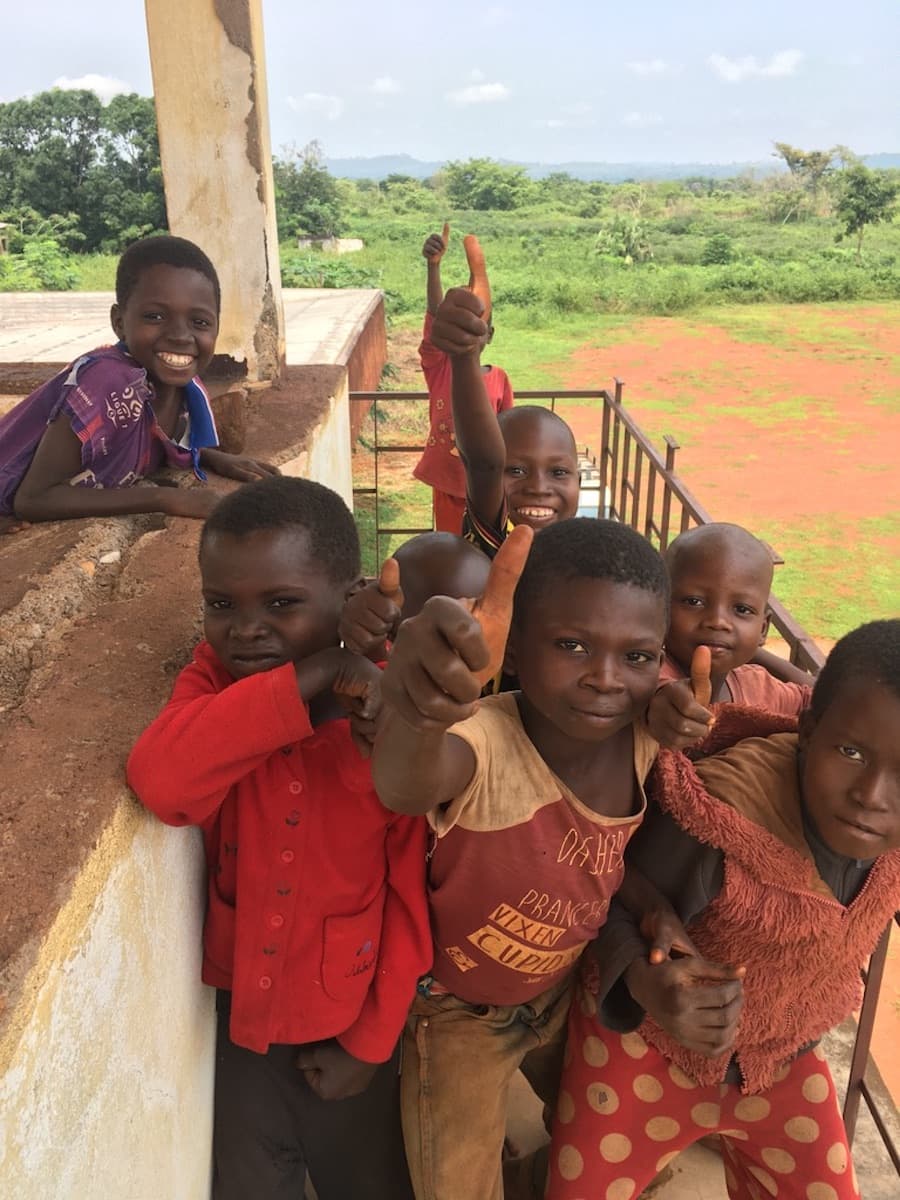
But usually our stopovers are very short and a day includes stops at several bush airstrips. We usually return to Bangui in the early afternoon.
When we return to the office, we must record the information related to the day’s flights, both for the regulatory monitoring of our airline activity – we have an Air Operator’s Certificate – and for the contractual monitoring of our relationship with United Nations Humanitarian Air Services (UNHAS).

By mid-afternoon, we receive the next day’s flight schedule. We use the details from that schedule to prepare our flight plans, weight and balance calculations, limitations, etc. By the time we are finished, we just have enough time to grab a meal and hit the sack.
Usually, we don’t fly on Sundays. However, we are on stand-by in case of any urgent flight, such as a medical evacuation.
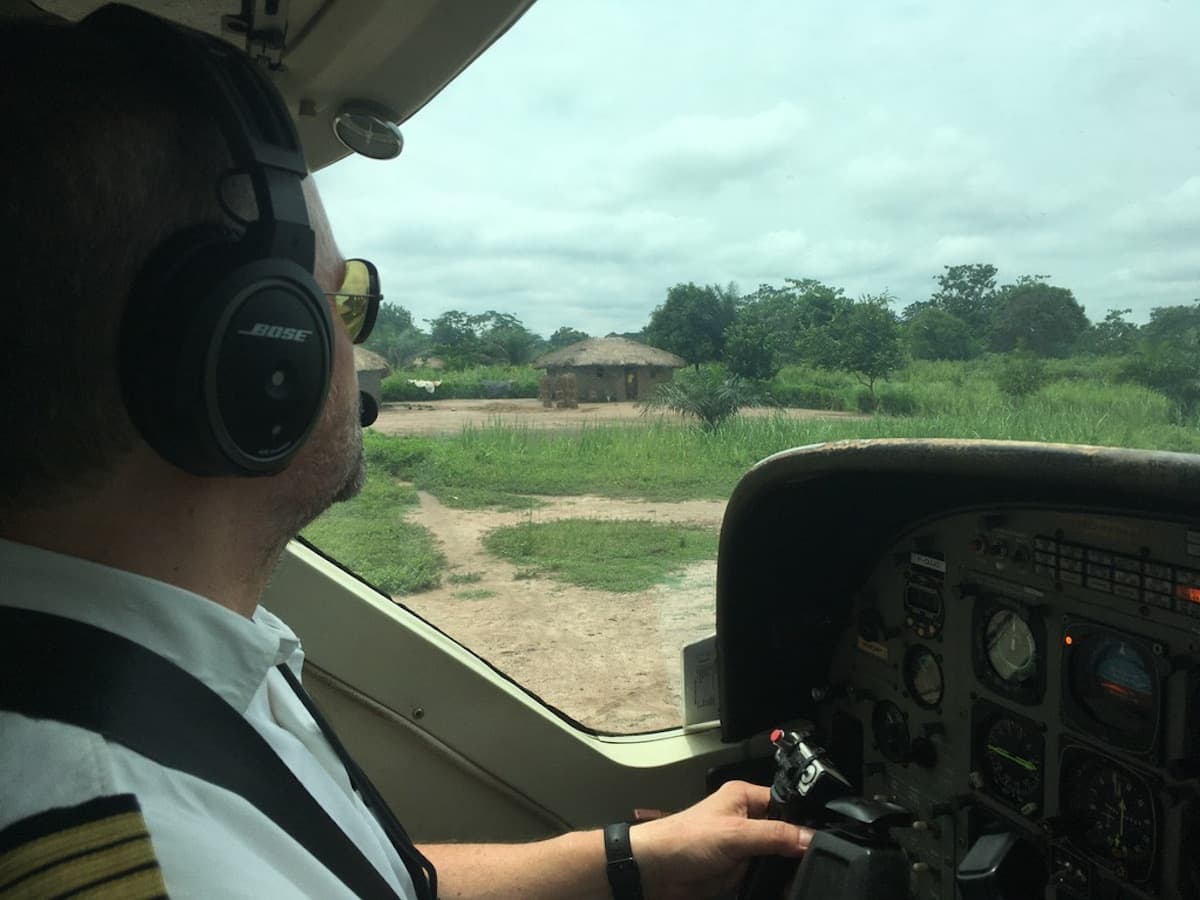
I generally carry out two to three missions a year, with a mission lasting four to five weeks. I try my best to fit my deployments around vacation time, but ultimately it is dependent on the schedules of other ASF France’s pilots.
My day job is as a key account manager at CBRE where I have worked for over 22 years. CBRE, a global commercial real estate firm, encourages charity actions and civic engagements involving the employees. My employer and colleagues are highly supportive, and they help set up a provisional operation during my deployments.
I also am very lucky my partner is very supportive. She is an independent nurse. We try to align her working weeks with my mission in Africa as best as we can.
I am impressed and glad that this life saving organization is here in the USA.
I will love to serve as a volunteer, and a Chaplain to lists members here and abroad.
I also love the idea of flying. I can definitely be an administrative partner and help in fund raising.
David Lembo