


By PAUL BREVARD
A buddy of mine earned his way through college collecting the deceased and depositing them at a funeral home owned by his employer. It was a part-time gig with no upside to speak of, but it paid the bills.
After graduation, his sterling resume in hand, he finagled a berth with the Navy and managed to find a slot in naval aviator training.
Many years later and Vietnam behind him, he joined the airlines and began another career, all the while courting a blushing beauty and building a life around flying and family. His accomplishments adorn a wall dedicated to, and in honor of, the Distinguished Flying Cross occupying the center of the display.
After a long stretch with the majors and kids grown and gone, he timed out, sulked his way into retirement, and wedged a motorhome into a shared space with his aging Beech Baron.
I met him on a hot, muggy ramp in Florida where he rushed up puffing “Hey! Can I borrow a volt/ohm meter and a crowbar?”
Well, of course. Never get in the way of a man on a mission, I always say.
He’s an interesting guy and wonderful pilot. A true natural, if there is such a thing.
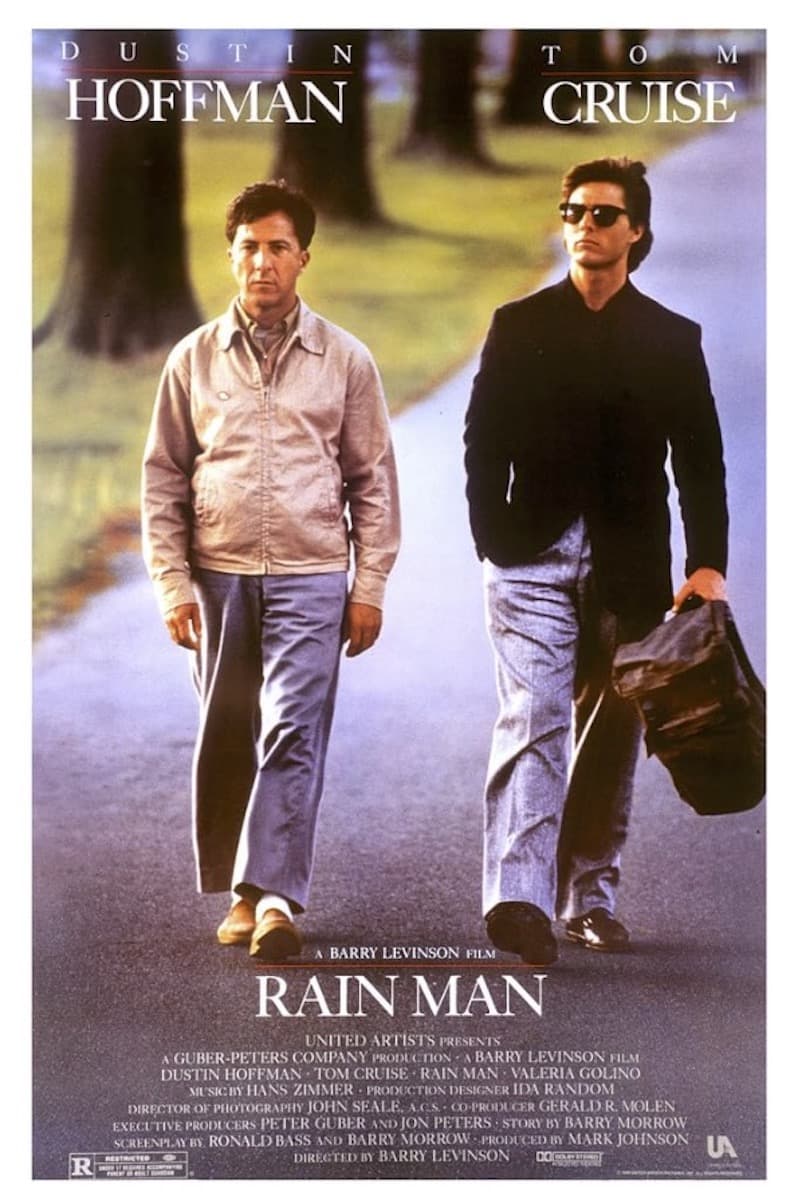
But what truly sets him apart from the rest of us mortal aviators is his clinical aversion to doubt. He preflights an airplane with a routine worthy of Dustin Hoffman’s character in the 1988 movie “Rain Man.”
In the movie, Hoffman’s character, Raymond, is an autistic savant with superb recall who adheres to strict routines.
FAR 91.103 (a)(b)(1)(2) states, in part, “Each pilot in command shall, before beginning a flight, become familiar with all available information concerning that flight.”
It goes on to detail the necessity of familiarizing yourself with runway lengths, performance expectations, winds, and so on. Another section spells out pilot in command obligations to airworthiness and overall safety of each flight for which the PIC is designated.
For general aviation’s Rain Man, this begins days — sometimes weeks — before a flight, as he fidgets and squirrels his way through routes, weather, alternates, terminal procedures, more weather, TFRs, arrival and departure routes, approach plates, frequencies, and more. All this before he ever leaves the house.
Then, there’s the airplane. A plain-Jane short-body workhorse as standard as the day it left Wichita with few bells or whistles and simplicity beyond measure. Start it, it runs. Point it, it flies. Land it, it parks.
But for all its simple lines and honest behavior, Rain Man attacks the beast like it’s trying to kill him.

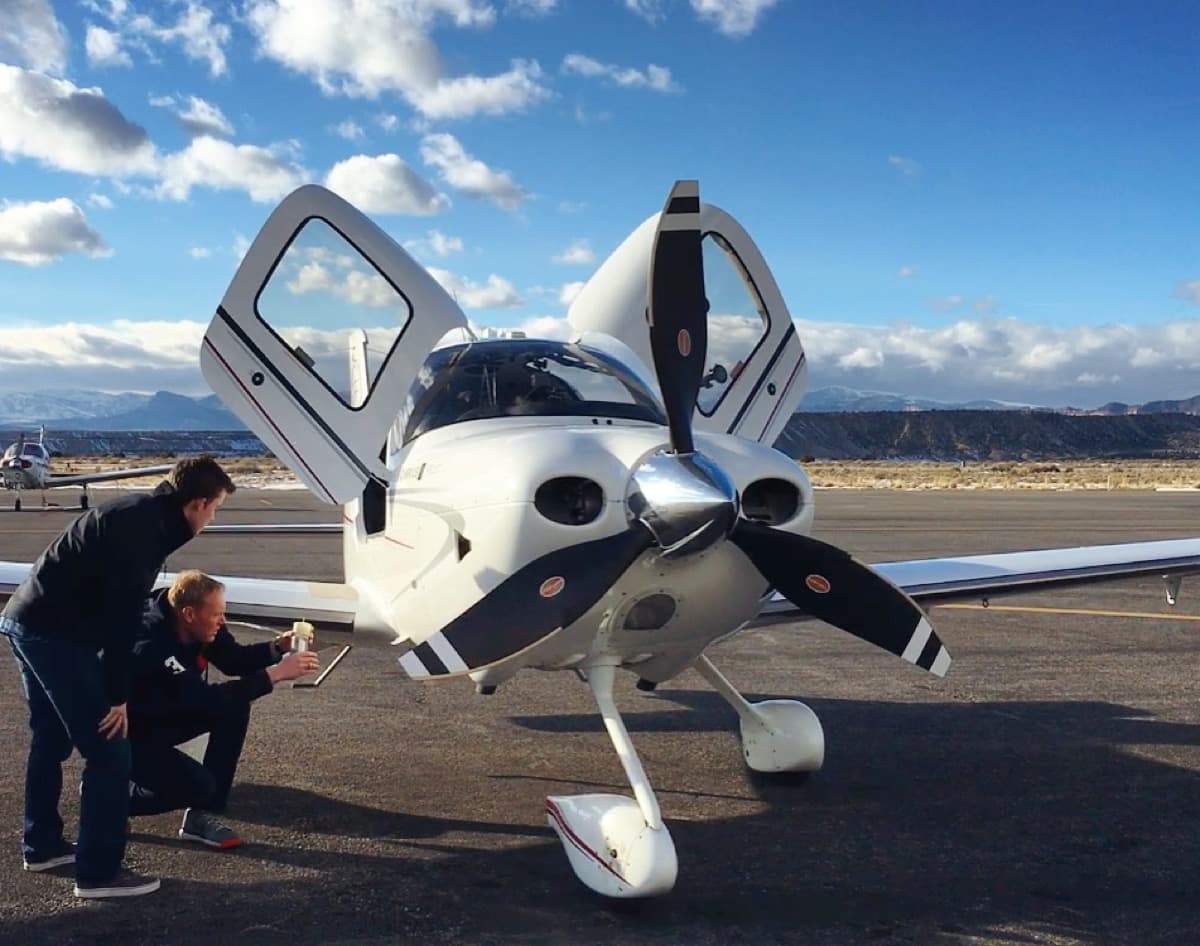
Clutching tools and implements meant to tweak and twist and pick and jab, he begins his preflight with ferocious intensity. Start at the nose, around to the right, under the wing, back to the tail…and on it goes. Same routine. Every time. No talking, no distractions, and — whatever you do — do not interrupt.
If someone is contracted to work on the beast, Rain Man hovers over the attending personnel. Skulking through and around holes and panels, he’ll look where you look. Feel what you feel.
If satisfied, he’ll move on to the next thing. If not, he’ll huff and fret and get red in the face until critical mass is reached. Then he’ll stew, arms crossed, until clarity is achieved and consensus is made. It may be a beast, but it’s his beast.
When the trauma is over, the attending physician is expected to ride the first flight after the airplane is deemed airworthy. This is not optional.
And that preflight begins with a level of scrutiny usually reserved for the IRS.
Properly maintained airplanes, flown regularly and within published parameters, will generally be very predictable in the air and in the hangar. This predictability, over a period of time, will influence and induce a bias in the level of certainty about airworthiness without the diligence and discipline required to ensure its validity. It’s a normal reaction to a good, honest airplane.
And it contributes to — and is partner in — a preflight abbreviated by complacency. Rain Man hates it. He knows it exists but he’s unwilling to accept doubt as part of the flight. If uncertainty exists, doubt follows, and neither are welcome.
Advisory Circular 60-22, dated Dec. 13, 1991, is titled Aeronautical Decision Making. It provides tools for pilots to use in everyday decision-making efforts.
One such example is found in Chapter 5, Risk Management. It is the concept of The Decide Model.
Grammatical oddity aside, it is a continuous loop in thought of six critical elements in decision making intended to ensure the human condition is protected from human nature. And it works.
The elements are:
- Detect: The decision maker detects the fact that change has occurred.
- Estimate: The decision maker estimates the need to counter or react to the change.
- Choose: The decision maker chooses a desirable outcome (in terms of success) for the flight.
- Identify: The decision maker identifies actions which could successfully control the change.
- Do: The decision maker takes the necessary action.
- Evaluate: The decision maker evaluates the affect of his action(s) countering the change.
This guidance is intended to address risk management and cockpit safety, but it can apply to pilots at every skill and experience level. Yes, it’s dated a bit and some of the language is obsolete, but it gets the point across.
I don’t know if Rain Man ever referenced this AC. Probably not. Pilots that stow pencils in one particular side panel and pens in another don’t get that way by contemplation. They’re born with it.
The first time I flew with him, I witnessed his preflight routine with some fascination. He was very thorough.
When he reached the tail, I decided to help and removed the nose chocks and placed them under the left wing at the tie-down rope. Just a way of contributing to the duty.
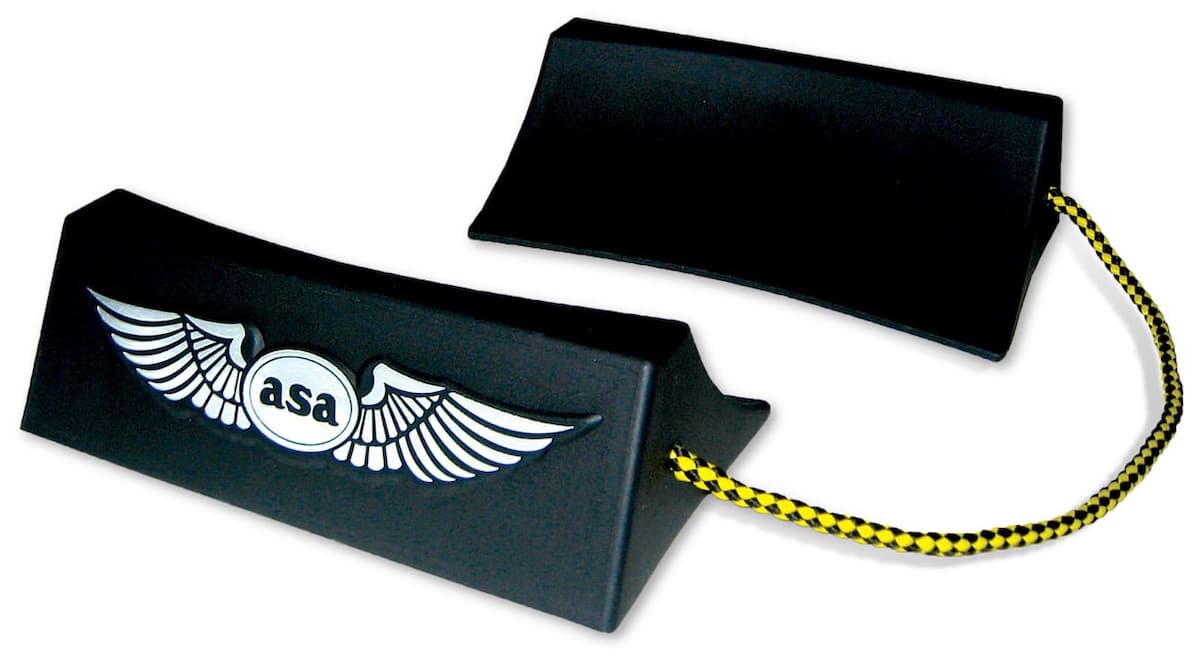
As he moved his way up the right wing toward the engine, he glanced at the nose gear, eyeballing my removal of the chocks. The stop was abrupt and brought me up short.
Irritated, he retrieved the chocks, put them in place under the nosewheel, and began the preflight sequence all over again.
Never, ever get in the way of a man on a mission, I always say.
Sounds like he may be on the spectrum.
Strange?
Someone else flew the aircraft and the student believes the aircraft is ready for flight.
The blame here is on the instructor!
Sounds like me
(and I constantly have to explain why my preflights take 30-45 minutes….)
Don’t interrupt the preflight . . .
Had a student pilot get ready to go, I asked him if he had done the preflight. “Yes, about two hours ago but I got called away.” “Well, why is the cowling hot?” Seems someone had flown the airplane for just under two hours in his absence (22 gallon tank Cessna 150) and there might have been 45 minutes of fuel remaining. He was about to leave on a cross country.
Don’t interrupt the preflight . . . yours or anyone elses.