• Skip to primary navigation
  • Skip to main content
General Aviation News

General Aviation News

Because flying is cool

  • Pictures of the Day
    • Submit Picture of the Day
  • Stories
    • News
    • Features
    • Opinion
    • Products
    • NTSB Accidents
    • ASRS Reports
  • Comments
  • Classifieds
    • Place Classified Ad
  • Events
  • Print Archives
  • Subscribe
  • Show Search
Hide Search

Air show Italian Style

By Hayman Tam · August 8, 2024 ·

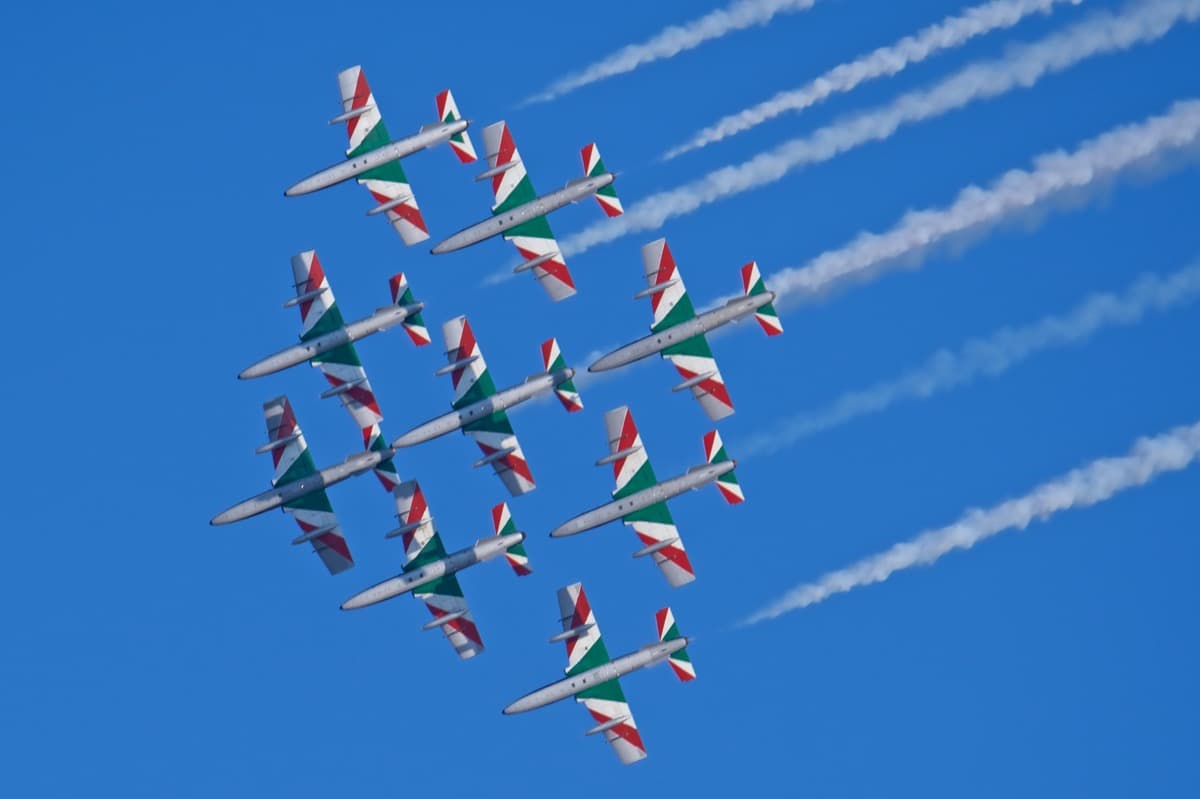
The Frecce Tricolori at the 2024 California Capital Airshow. (All Photos by Hayman Tam)

Sacramento, the capital of California, typically has triple-digit temperatures in the summer, which is why the California Capital Airshow is usually held in the fall.

So why was I at Sacramento Mather Airport (KMHR) baking in the mid-July heat for the 2024 show? The answer: The arrival of the Italians!

The Italian Air Force’s flight demonstration team, the “Frecce Tricolori,” is touring North America for the first time in 32 years. I saw them perform in 1985, their last West Coast appearance.

The opportunity to book the team for the 2024 show was a good enough reason for organizers to shift the date. In deference to the summer heat, the 18th annual California Capital Airshow was also a twilight show.
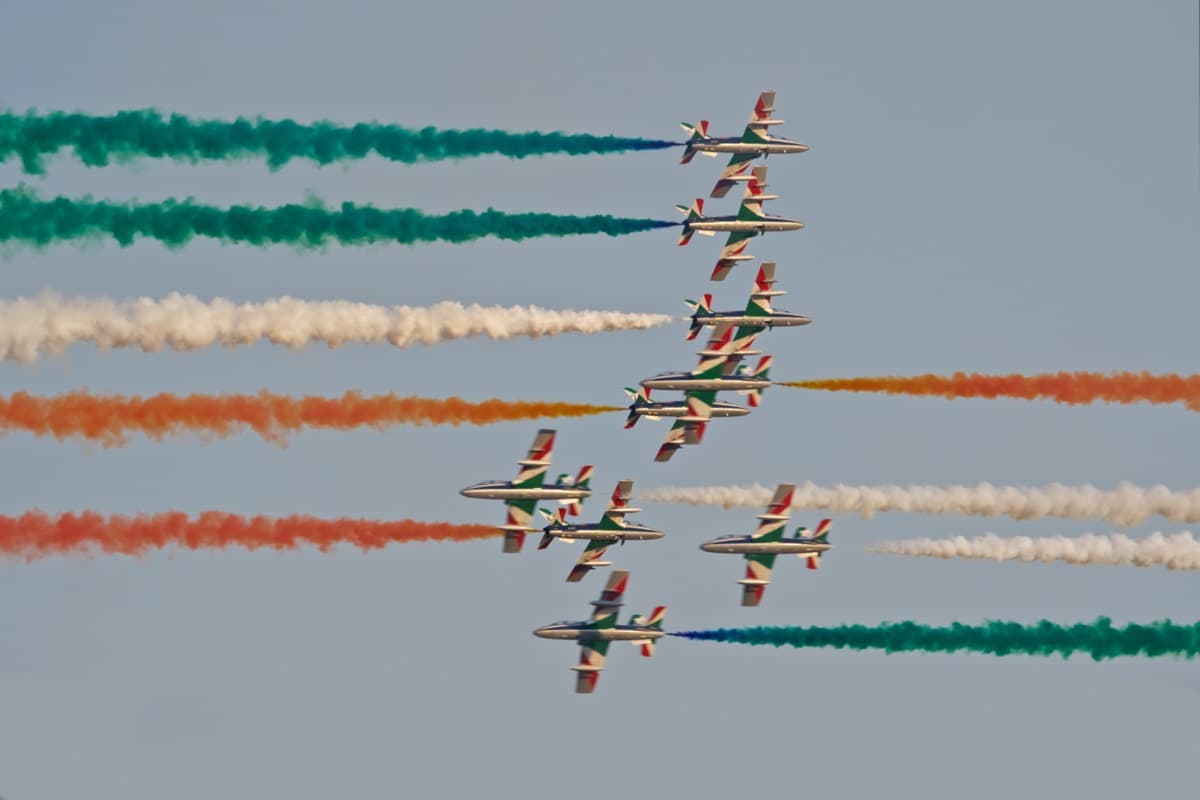
Accented with colored smoke, nine jets of the Frecce Tricolori execute a formation crossing maneuver.

I haven’t attended many twilight shows and was looking forward to the experience. The gates opened at 3:30 p.m. with four hours of flight performances starting at 5:30.

Unlike your typical daylight show, the U.S. Air Force Thunderbirds performed near the start, followed by the Frecce Tricolori.
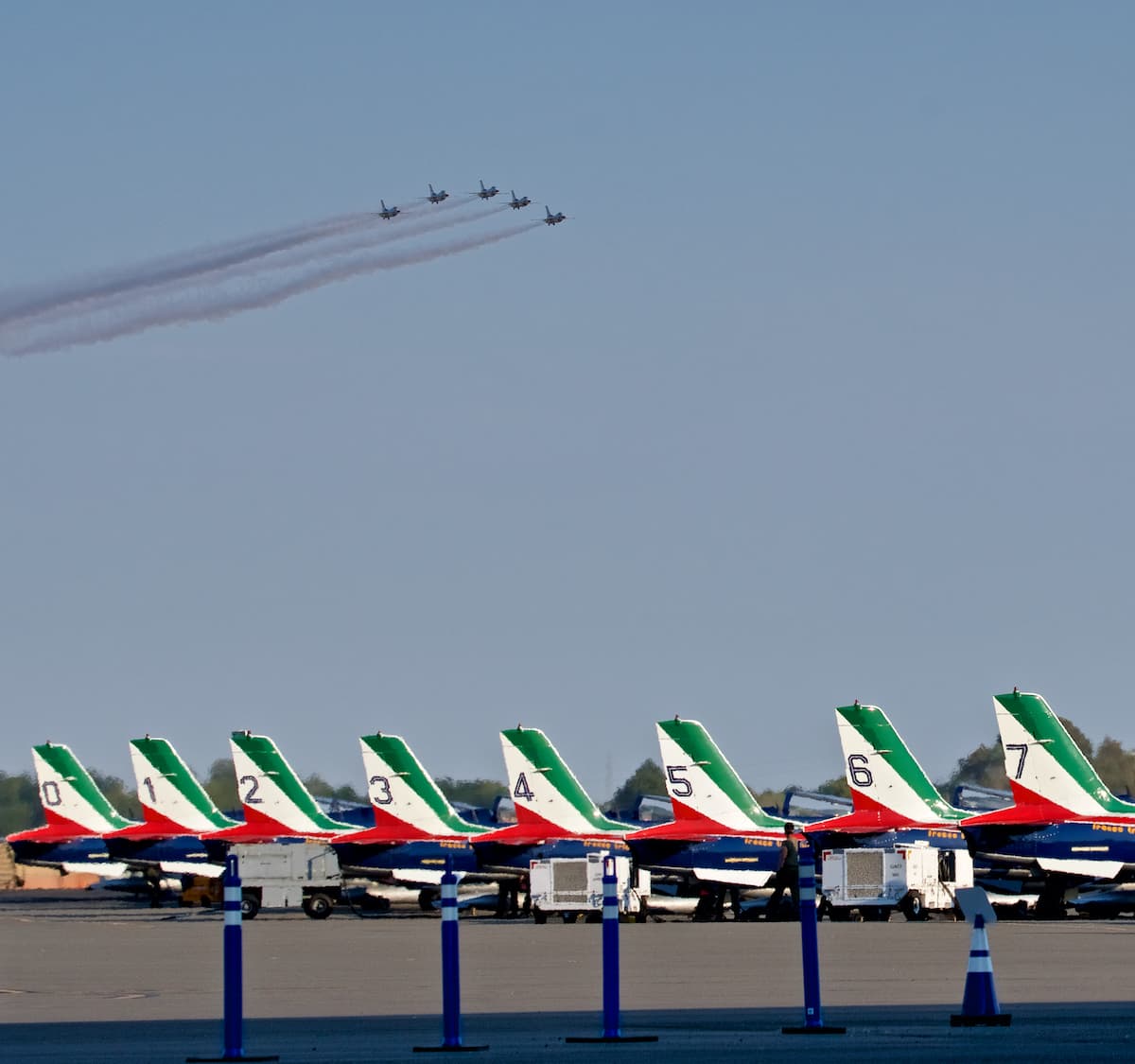
During practice, the USAF Thunderbirds make a nice backdrop for the Italian lineup.
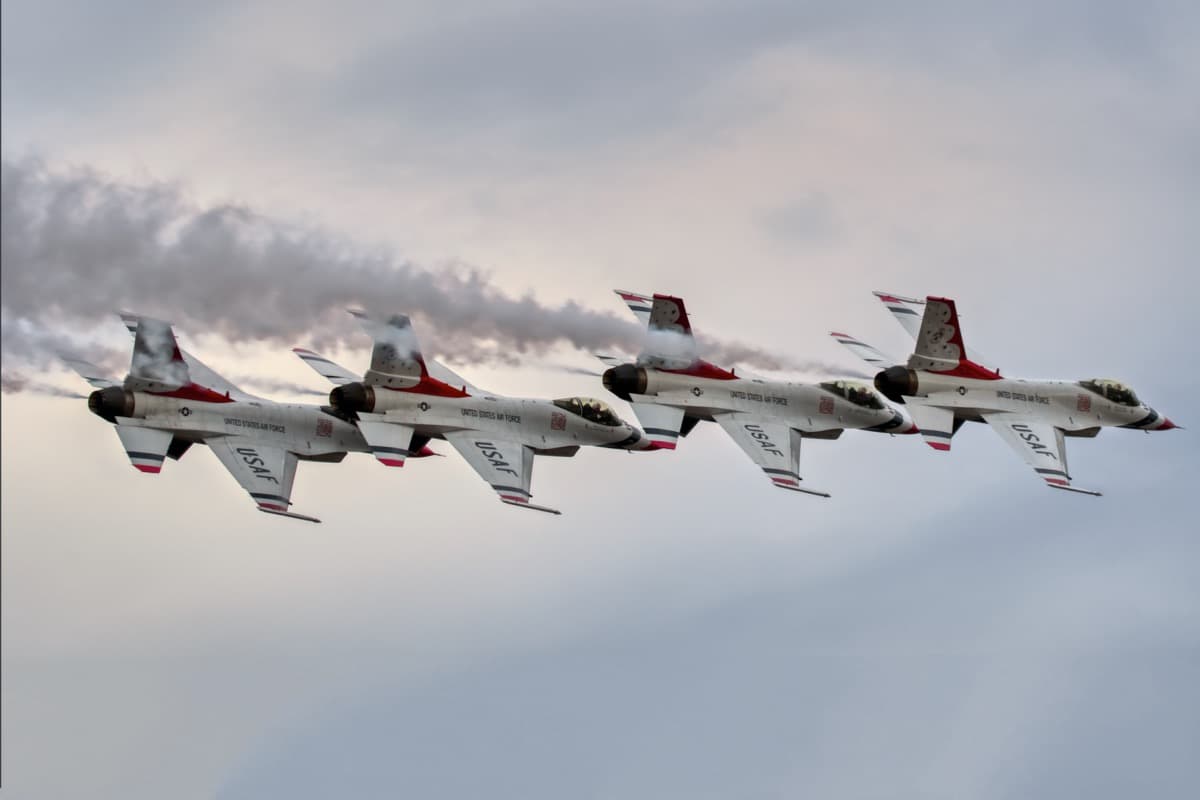
Lockheed Martin F-16C Fighting Falcons of the USAF Thunderbirds in trail formation. The team upgraded to the F-16C Block 52 in 2009, matching the worldwide fleet.
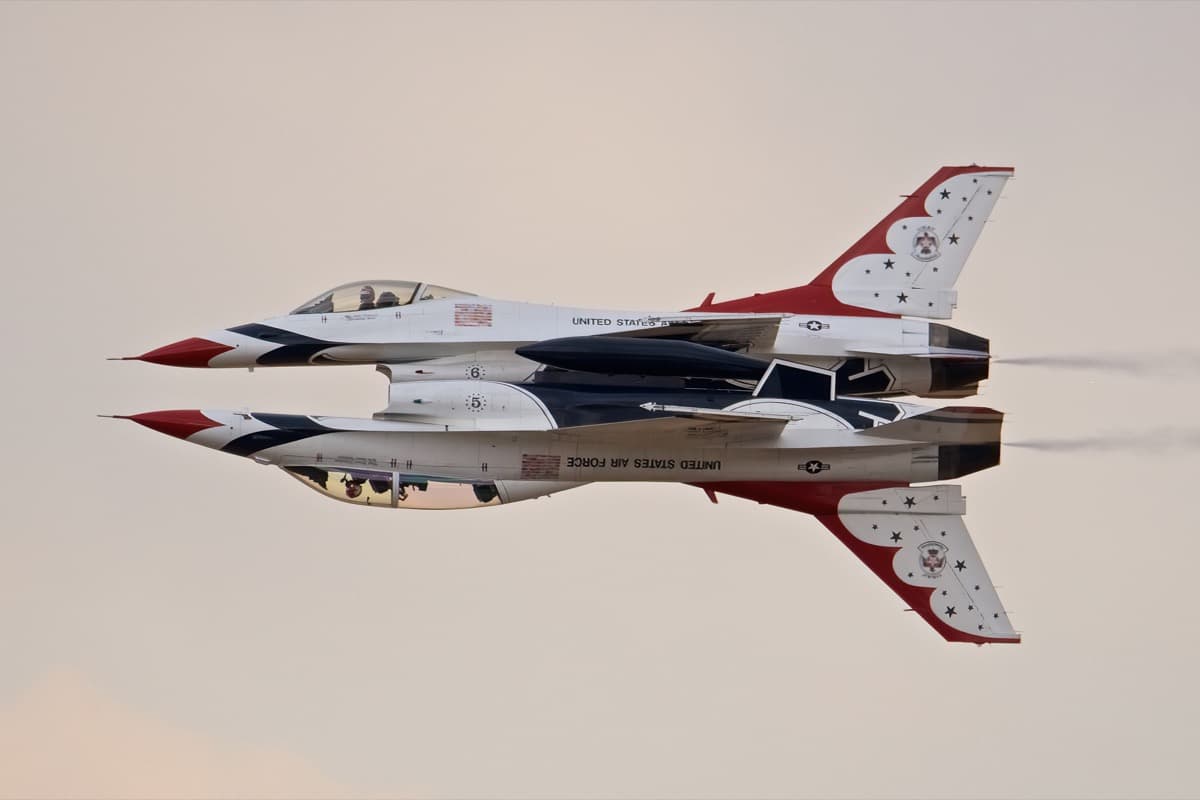
The two Thunderbirds solo pilots make a mirror pass in their Lockheed Martin F-16C Fighting Falcons.

Sporting 10 aircraft, the Frecce Tricolori holds the Guinness World Record for the most jet aircraft in a military aerobatic display team. As awesome as seeing 10 aircraft in close formation can be, watching them trailing colored smoke brings the visual experience to a whole new level.
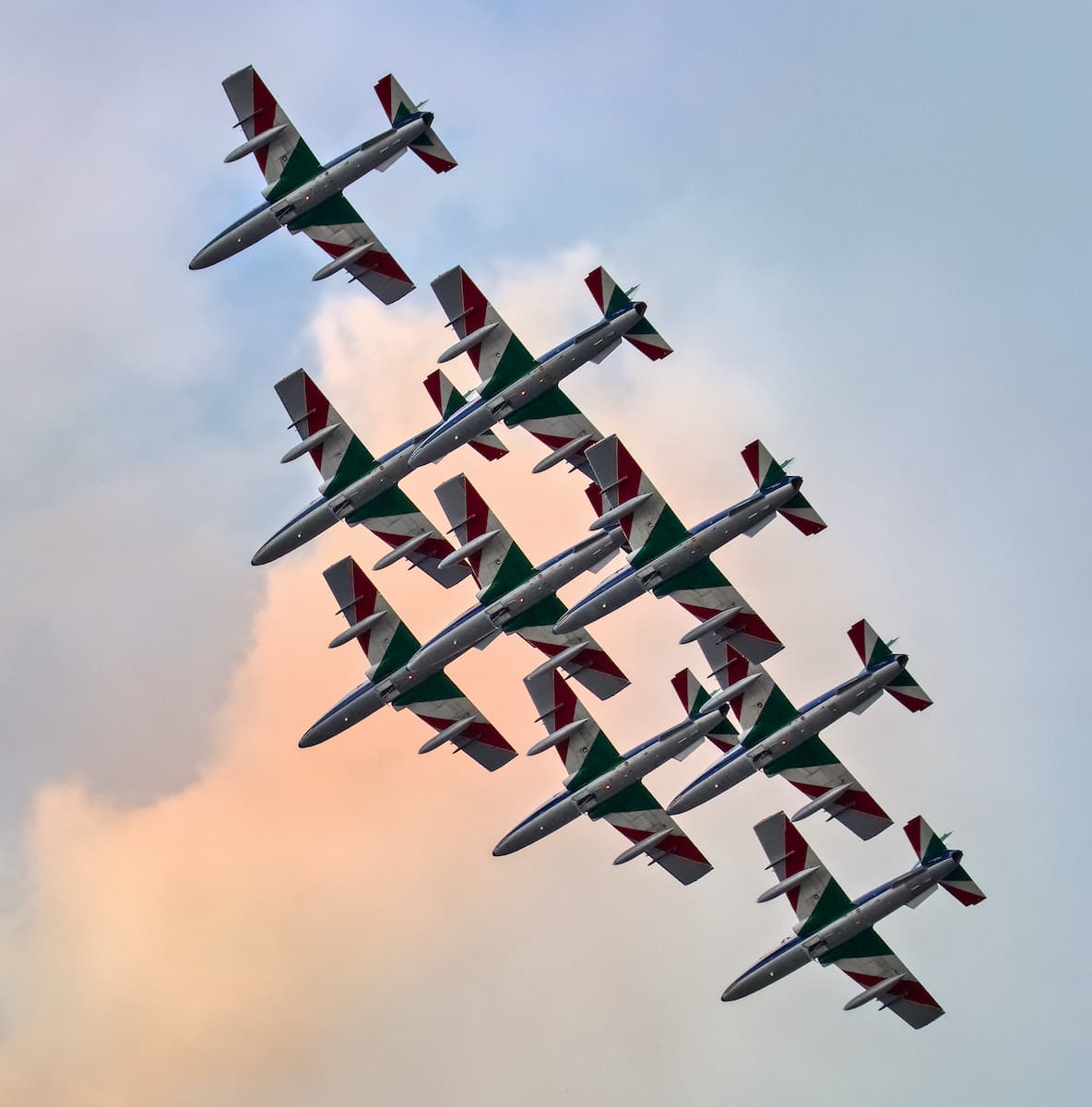
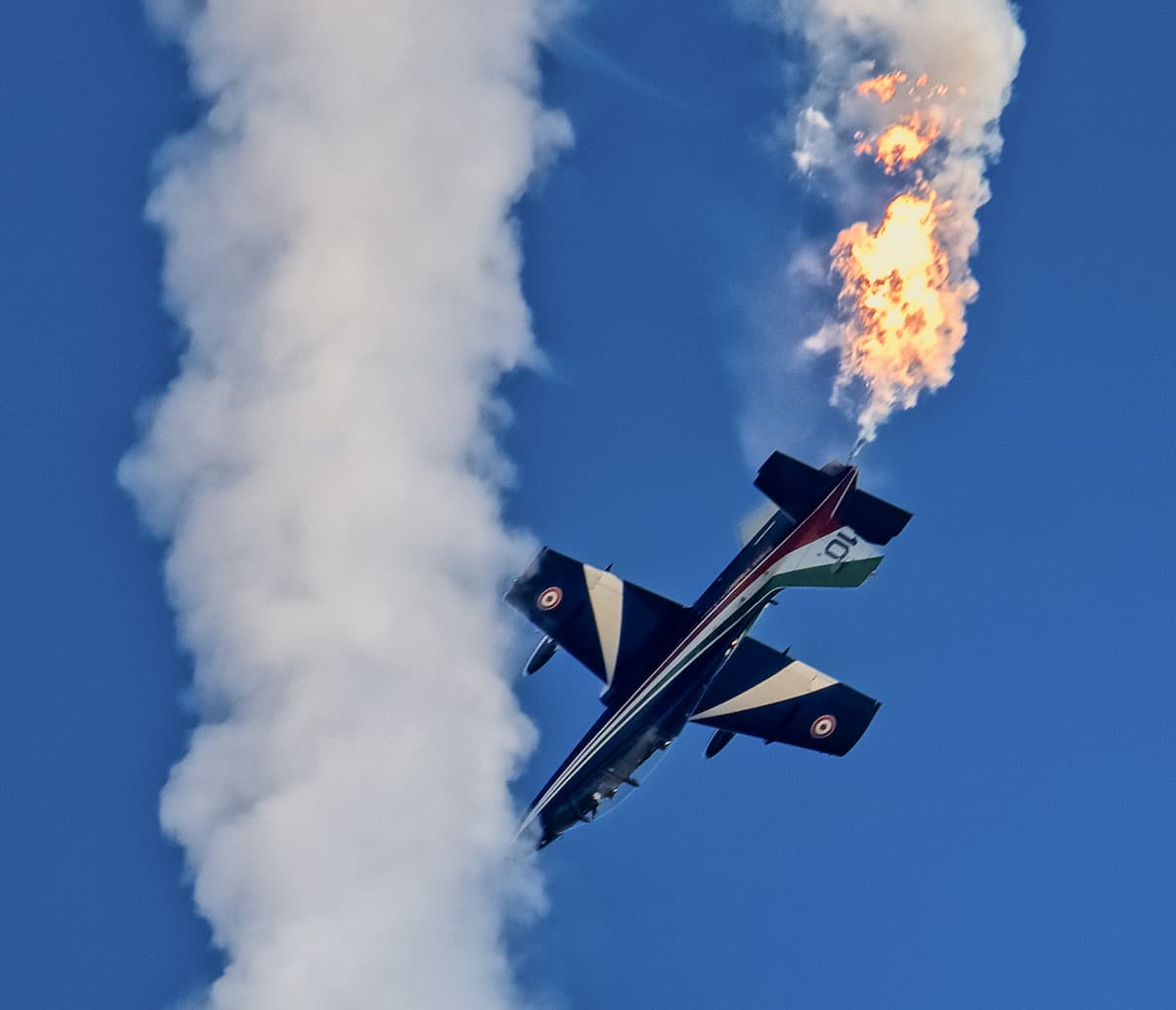
The Frecce Tricolori climb after a maneuver. Unlike U.S. teams, the Italian team only has one solo pilot.
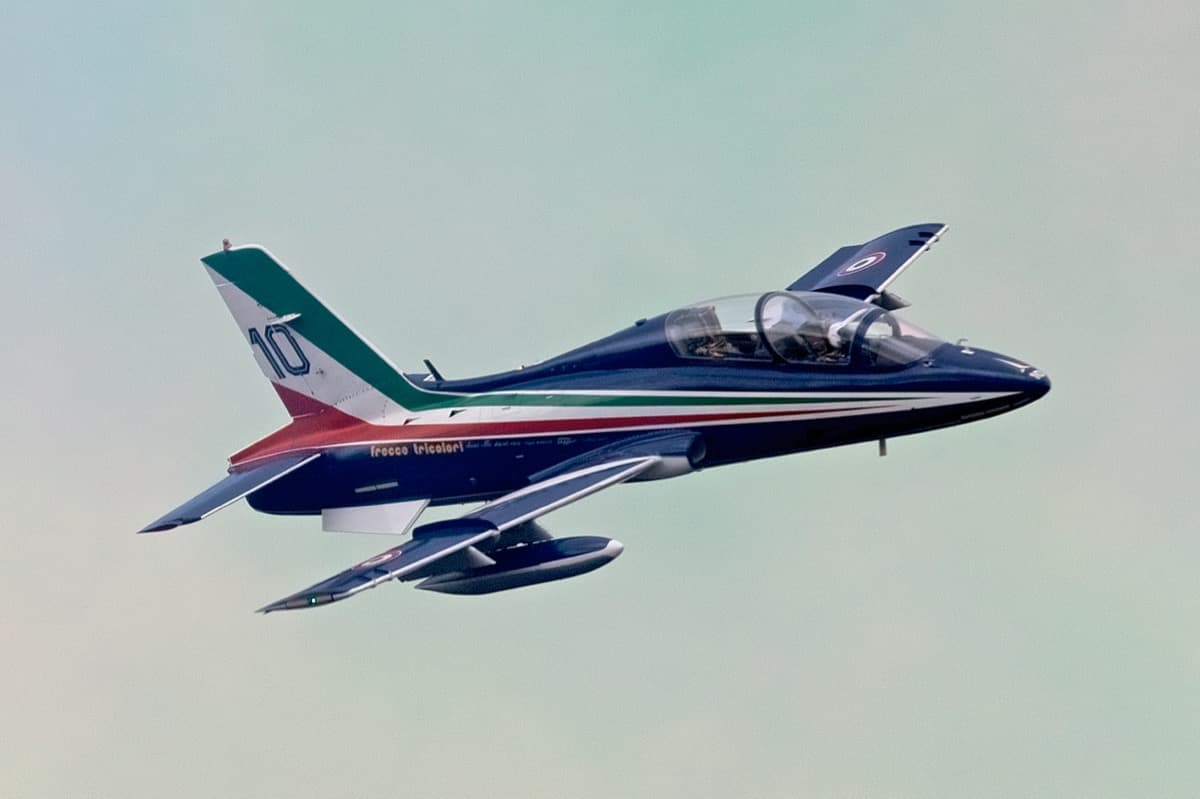
Frecce Tricolori solo pilot #10 recovers after a tailslide maneuver, hiccuping a fireball in the process.

A U-2 Dragon Lady spyplane from nearby Beale Air Force Base was the first to fly, followed by a C-17 Globemaster III flight demo.
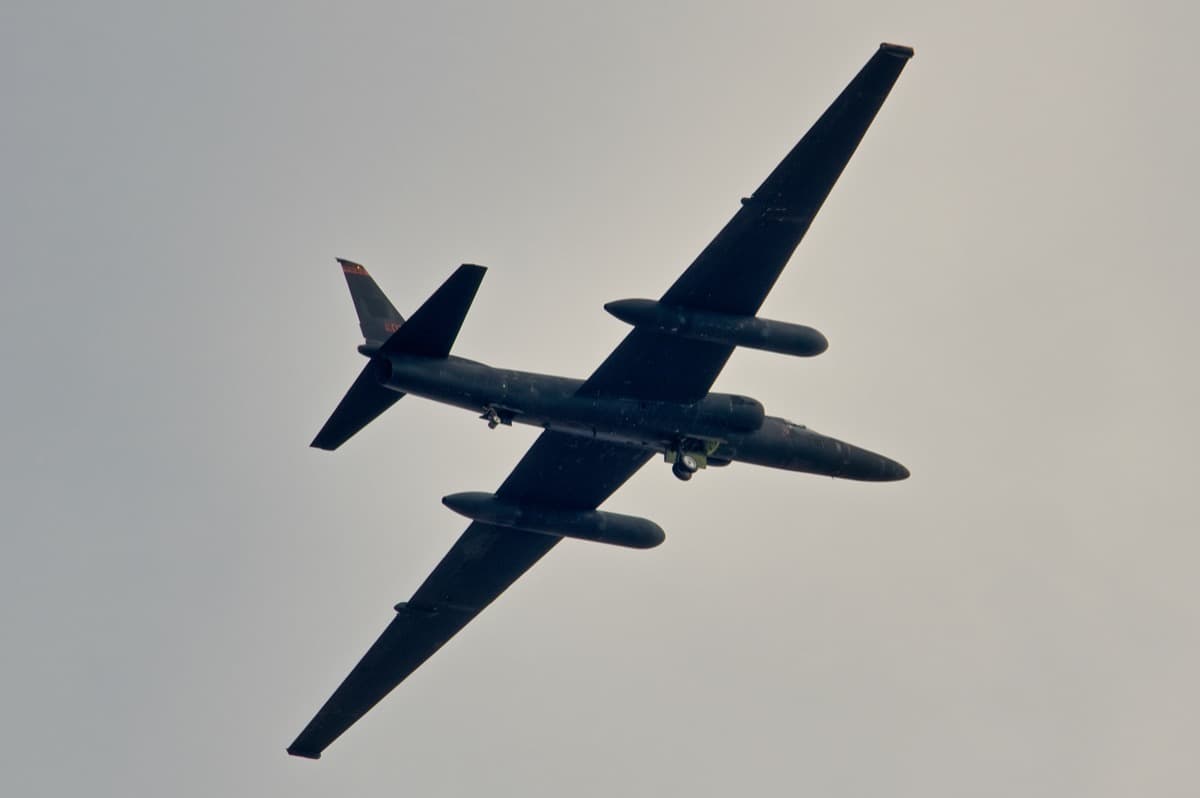
A Lockheed U-2S Dragon Lady climbs out after takeoff. Introduced in 1956, only 104 of these spy planes were produced and only 31 were upgraded to the U-2S.

Following the two team performances, as the light began to fade, the U.S. Navy took to the sky for an F/A-18 Super Hornet demo which then morphed into a Navy Legacy Flight when a F8F Bearcat formed up for several passes.
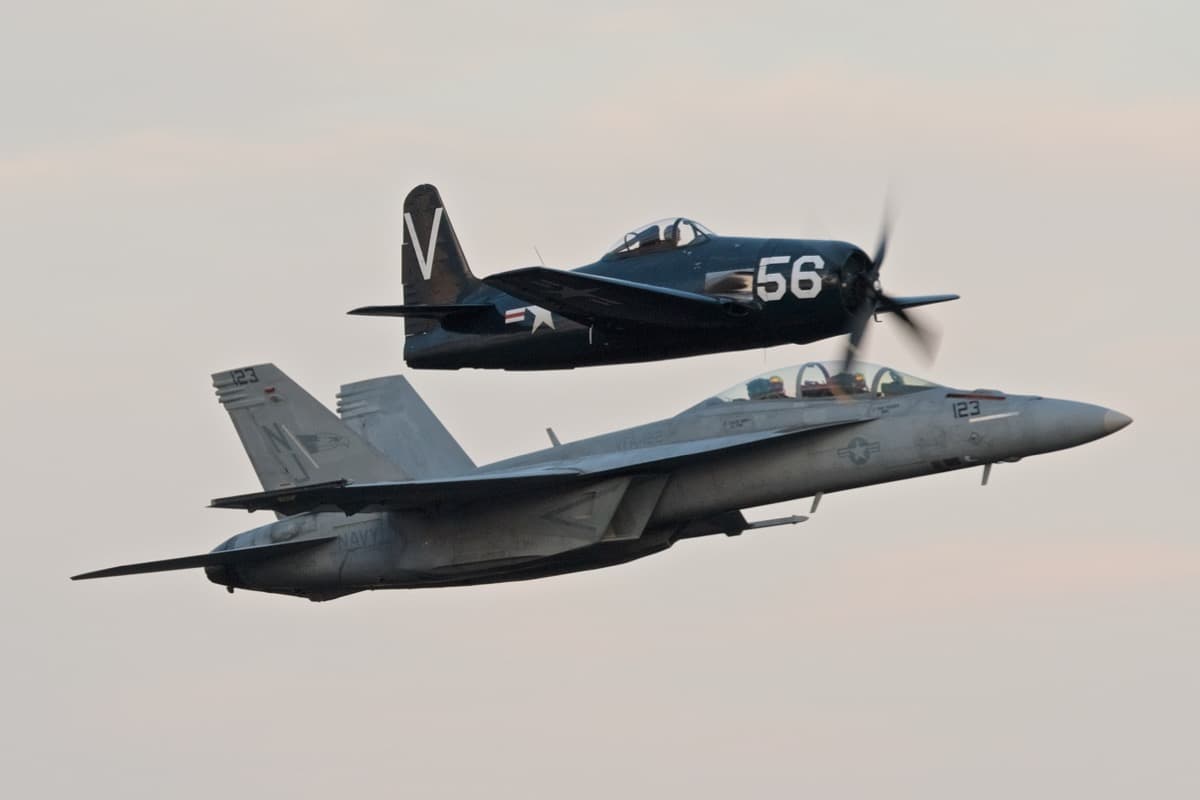
A Boeing F/A-18F Super Hornet teamed up with e Grumman F8F Bearcat for the U.S. Navy Legacy Flight.

One advantage of twilight shows is that jet afterburners really become a dramatic sight, as the F-35 Lightning II Demo Team clearly demonstrated with an afterburner takeoff to kick off a full performance in the dusky sky.
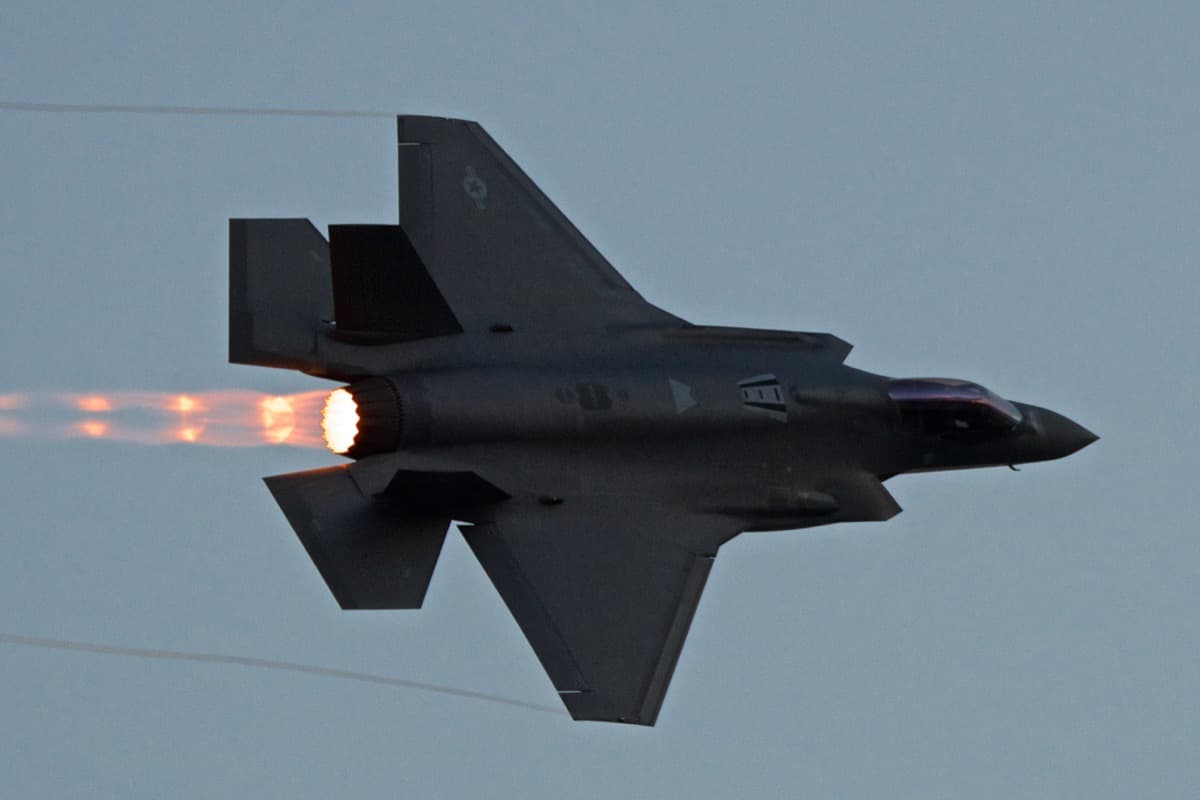
Shock diamonds are clearly visible in the exhaust plume as Capt. Melanie “MACH” Kluesner makes a twilight photo pass in her Lockheed Martin F-35A Lightning II.

Piston-powered warbirds also took to the air, including a pair of Lockheed P-38 Lightnings, a Curtiss P-40 Tomahawk, and a trio of North American P-51 Mustangs.
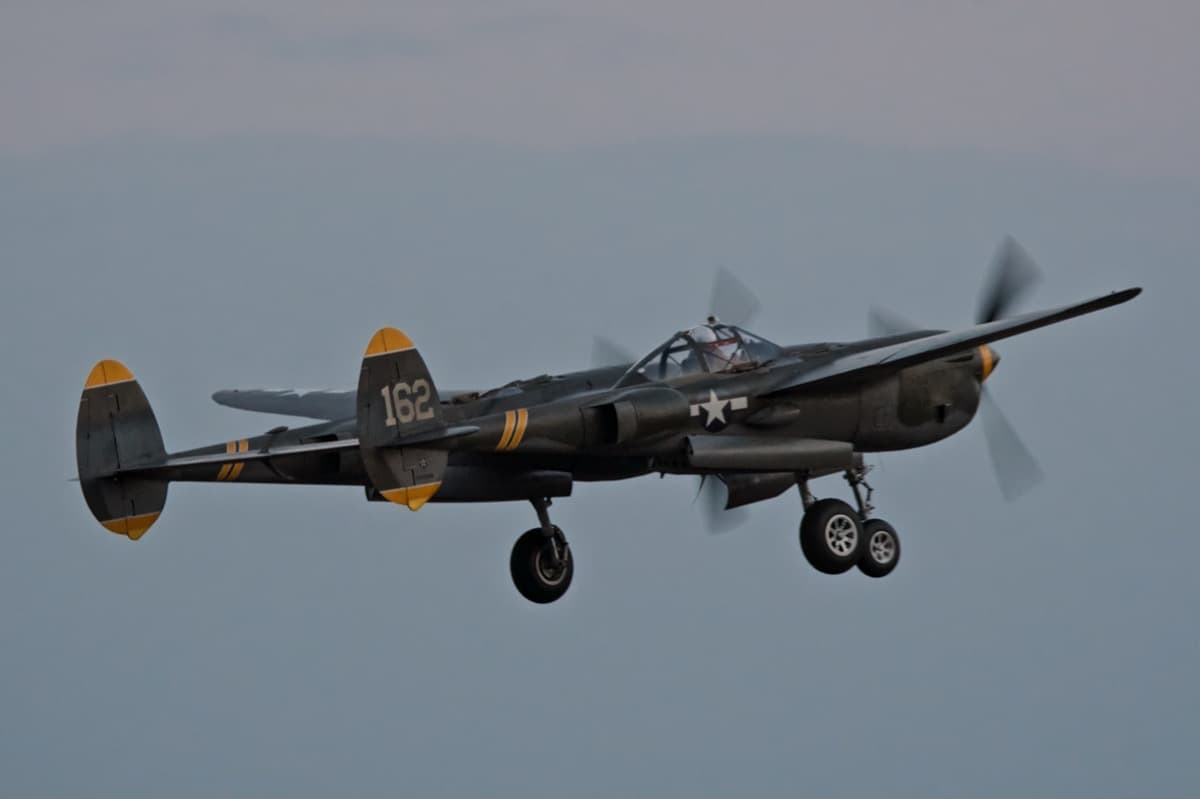
The Planes of Fame Lockheed P-38 Lightning takes to the air to be part of a memorial fly-past.

One of the Mustangs, a beautiful early model P-51A, kept the crowd’s attention while the others assembled for a “Missing Man” tribute to honor the late Brig. Gen. Clarence E. “Bud” Anderson, who lived in near-by Auburn.
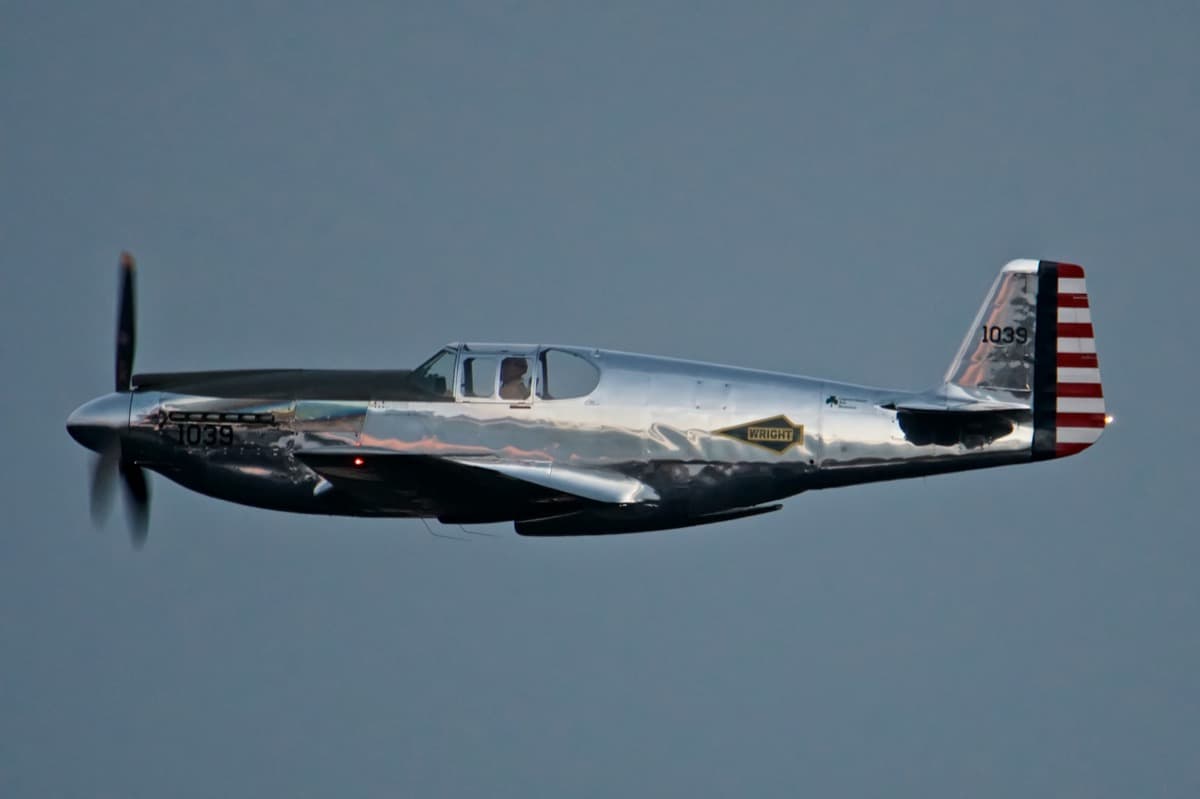
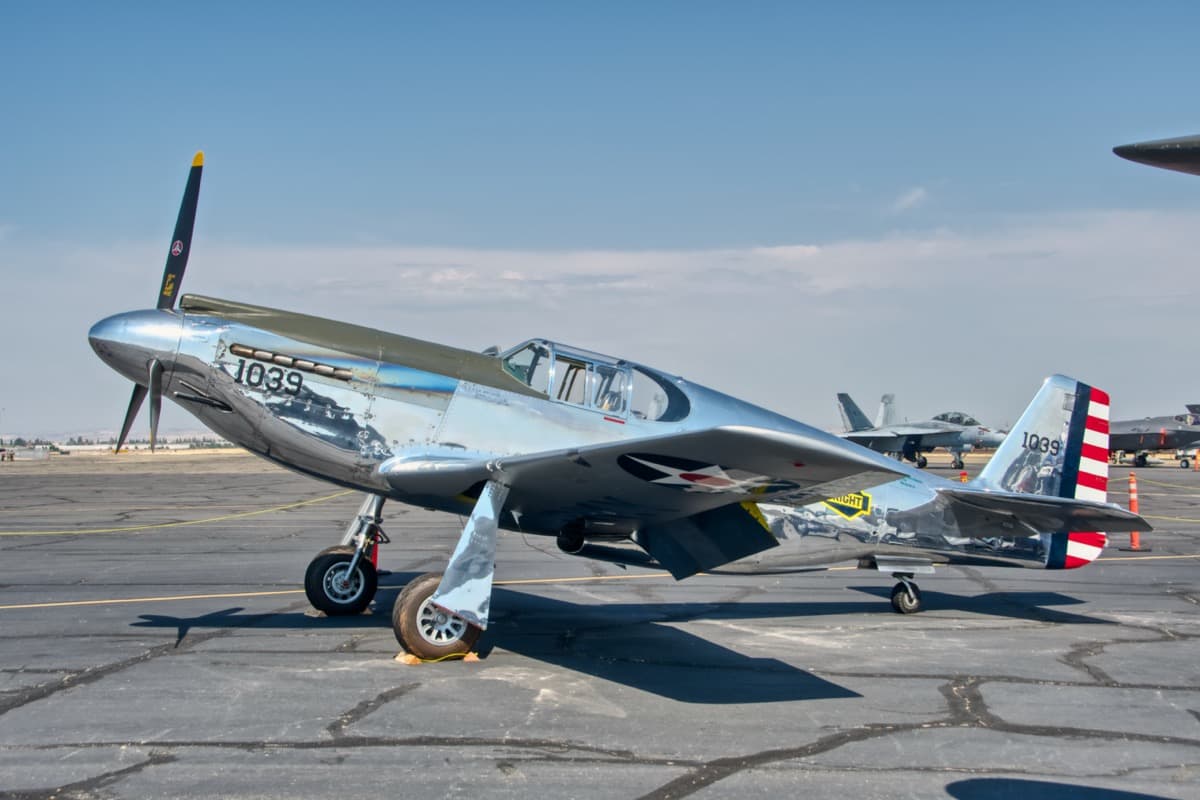
A last bit of sunset is reflected on the polished side of this lovely North American P-51A Mustang.
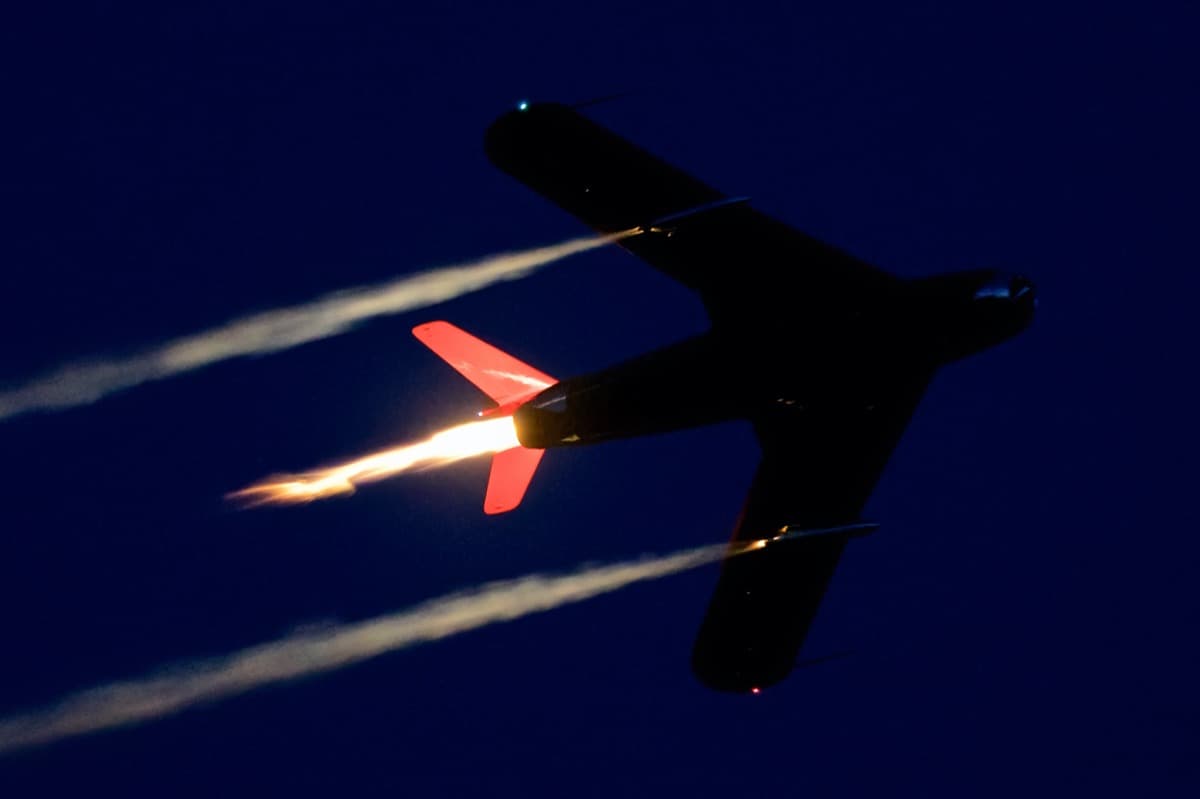
Jason Somes had way too much fun performing multiple afterburner passes in his Polish-built MiG-17F.

Civilian acts on the schedule included Jason Somes flying his after-burning MiG-17, Dennis Sanders with his lovely Hawker Sea Fury, and the Sukhoi West Demo Team, featuring Randy Howell and Cory Lovell, flying their Sukhoi SU-26 aerobatic aircraft.
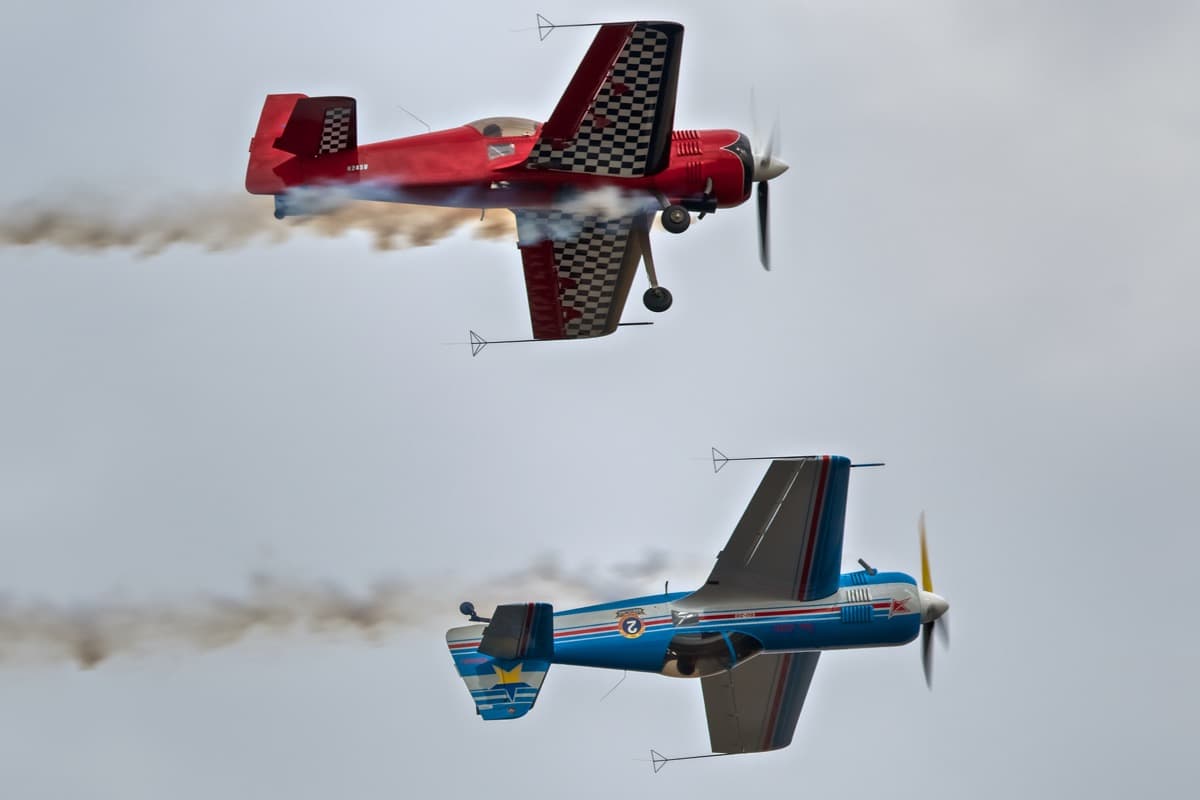
The Sukhoi West Demo Team make a formation pass past show center in their Sukhoi Su-26 aerobatic aircraft. The sight gauges on the wingtips help pilots fly vertically up/down and 45° referencing the horizon.

The closer was Nathan Hammond in his heavily modified de Havilland Chipmunk, flying among bursting fireworks and 500 synchronized drones in the air show’s final act.
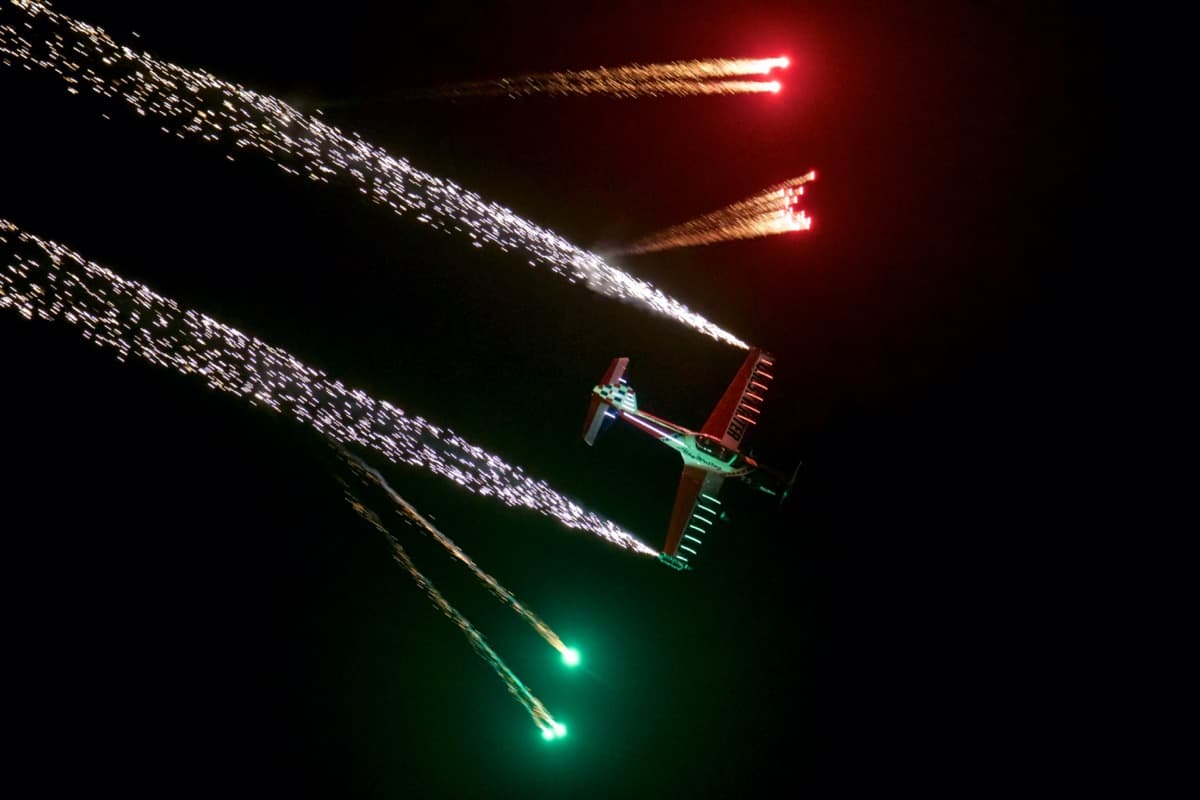
Nathan Hammond flies GhostWriter, a modified de Havilland Canada DHC-1B Chipmunk during the finale of the 2024 California Capital Airshow.
The finale of the 2024 California Capital Airshow featured fireworks, synchronized drones, and one brave pilot dispensing pyros as he flew through it all.

The static display lineup was dominated by the usual U.S. Air Force heavies like the C-5 Super Galaxy, KC-135 Stratotanker, C-17 Globemaster II, and a spiffy new KC-46 Pegasus tanker that replaced the now retired KC-10 Extender.
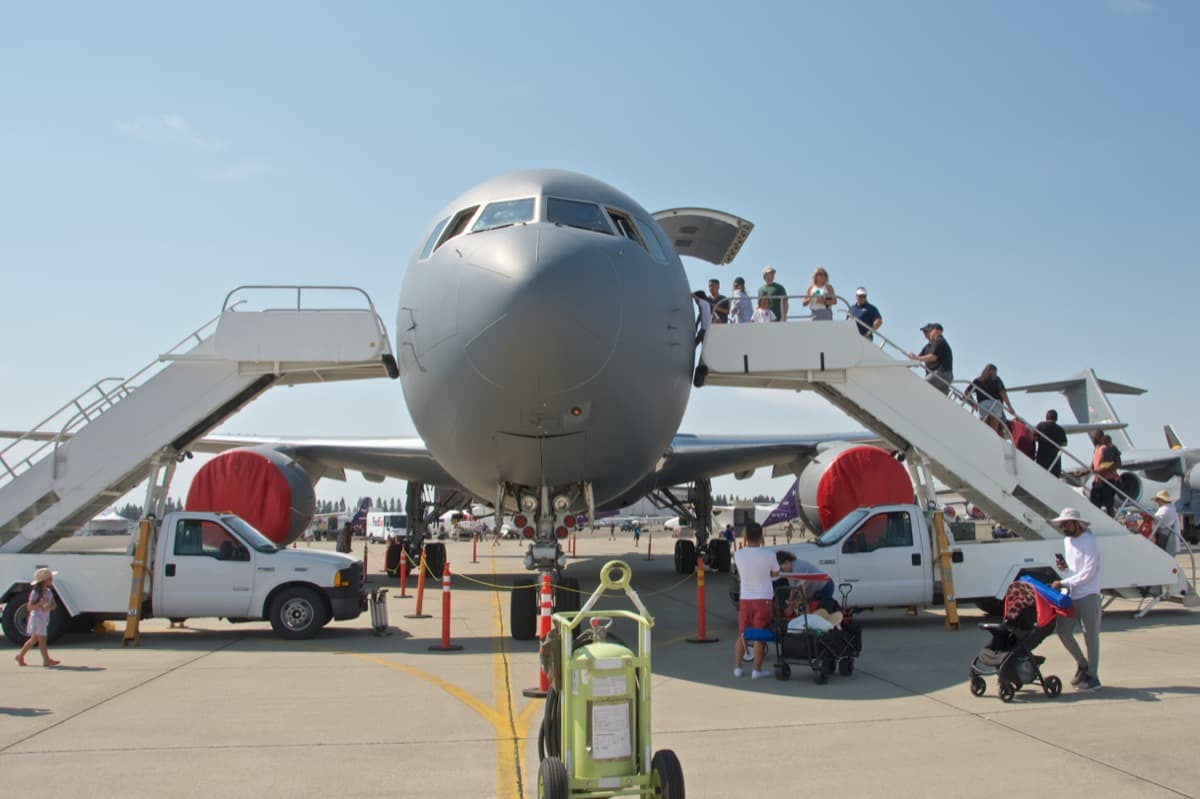
Folks lined up to experience the new plane smell of this Boeing KC-46A Pegasus on display at the 2024 California Capital Airshow. The KC-46 was developed from the 767 airliner.

The U.S. Marine Corps brought one of its Bell Boeing MV-22B Osprey, recently cleared for flight duty after a fleet-wide grounding.
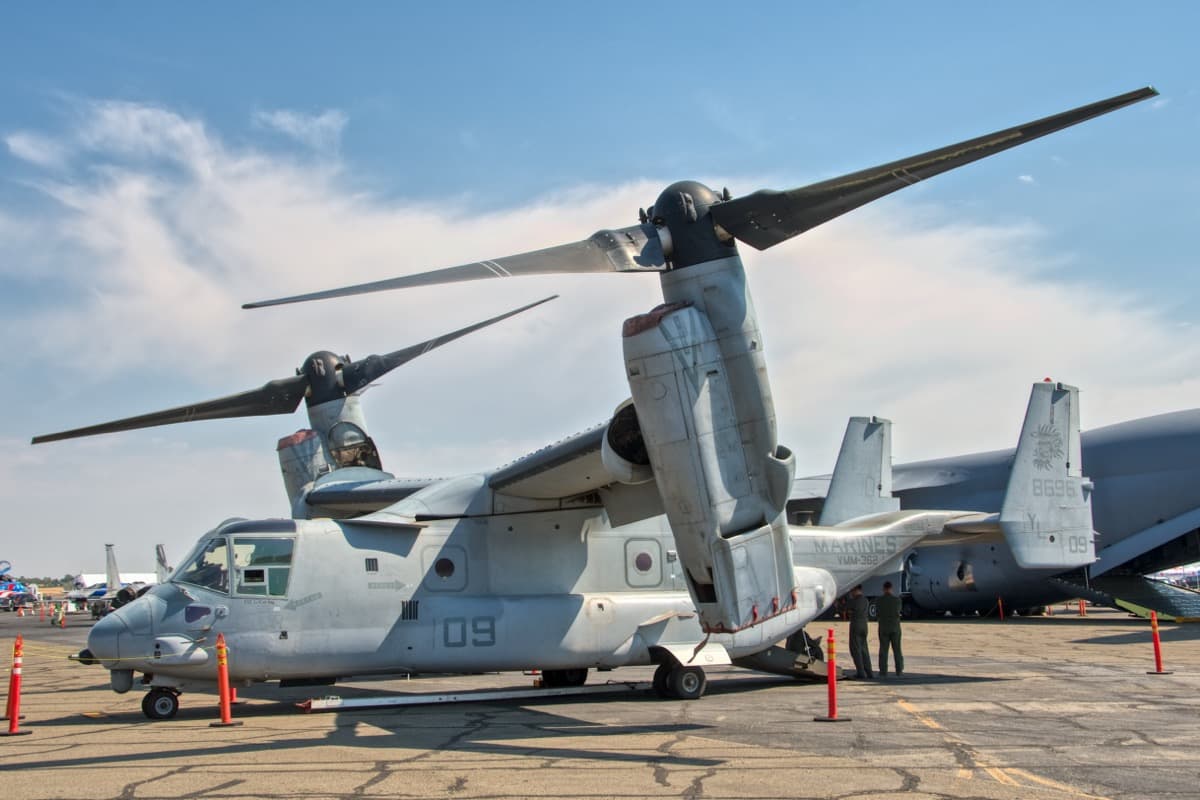
The U.S. Marine Corps was represented by this Bell Boeing MV-22B Osprey.

The primary residents of KMHR, UPS and FedEx, had several of their aircraft opened up for visitors, along with a limited turnout of private aircraft on static display.
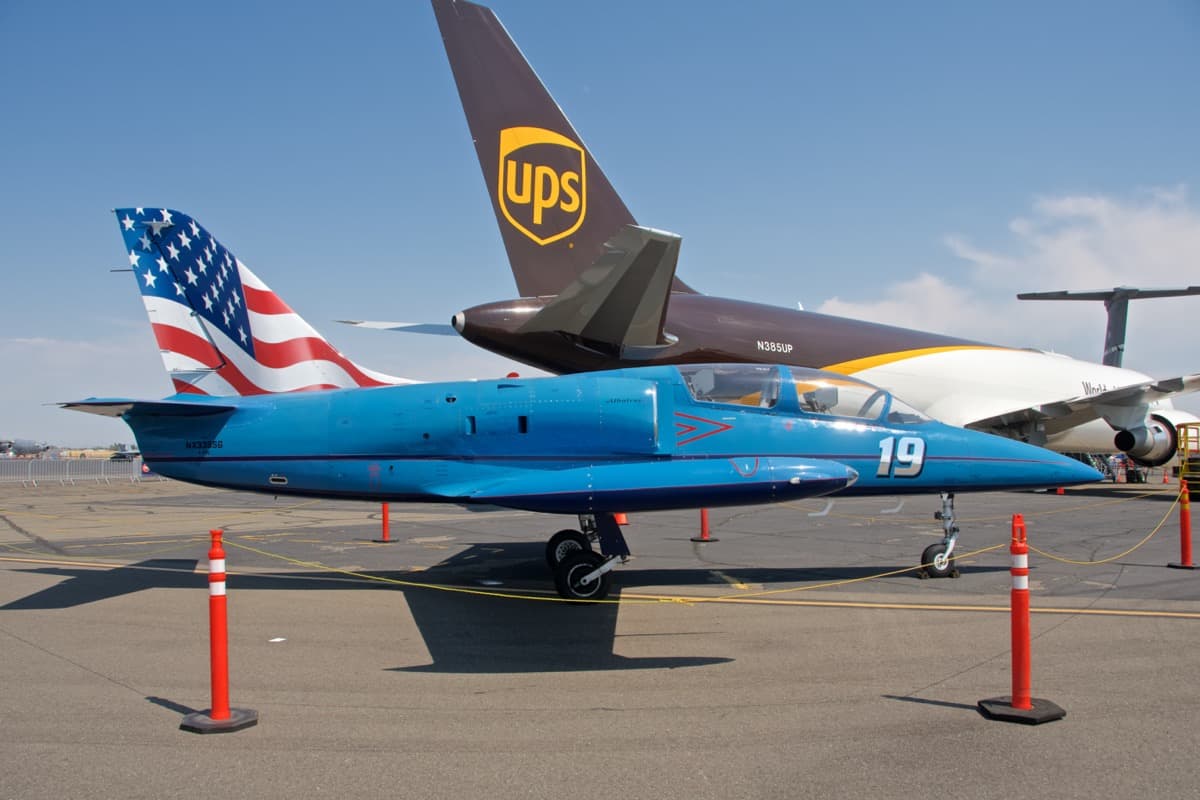
A patriotic Czech-built Aero Vodochody L-39C Albatros shares ramp space with a UPS 767 freighter.

Taiwan-based airline EVA Air showed aircraft from its flight academy, which is based at Mather.
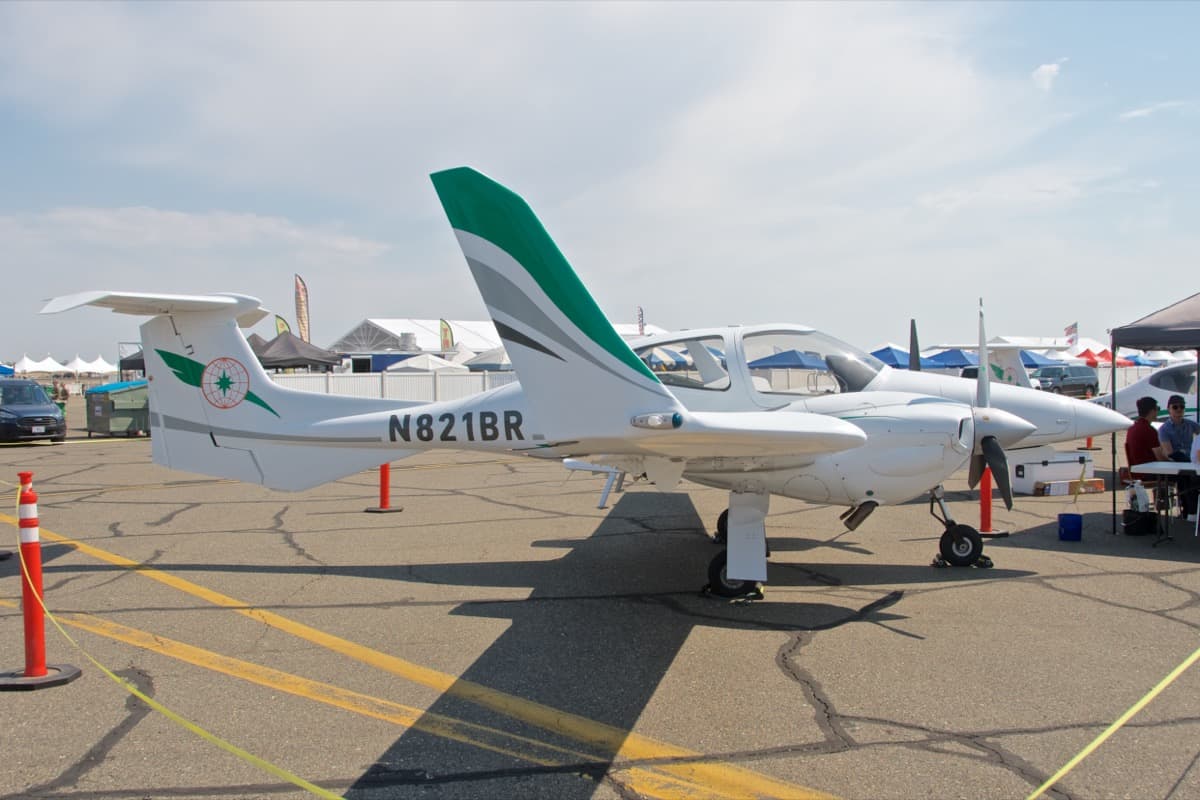
EVA Air operates a pilot academy at Mather using aircraft like this Diamond DA-42-NG Twin Star.

This show was deemed a huge success, drawing a weekend turnout of more than 90,000 air show fans. The twilight format was a welcome change of pace, though the photography became much more challenging as the light faded away to nothing. The drone show was very creative and entertaining, especially coupled with the fireworks and Nathan Hammond’s GhostWriter performance.

Sacramento Mather Airport is on the site of Mather Air Force Base, which closed in 1993. Established in 2004, the California Capital Airshow honors the region’s aviation heritage and veterans and supports the community through STEM scholarships, charitable group donations, and educational youth programs.

For more information: CaliforniaCapitalAirshow.com

More Photos From The Show
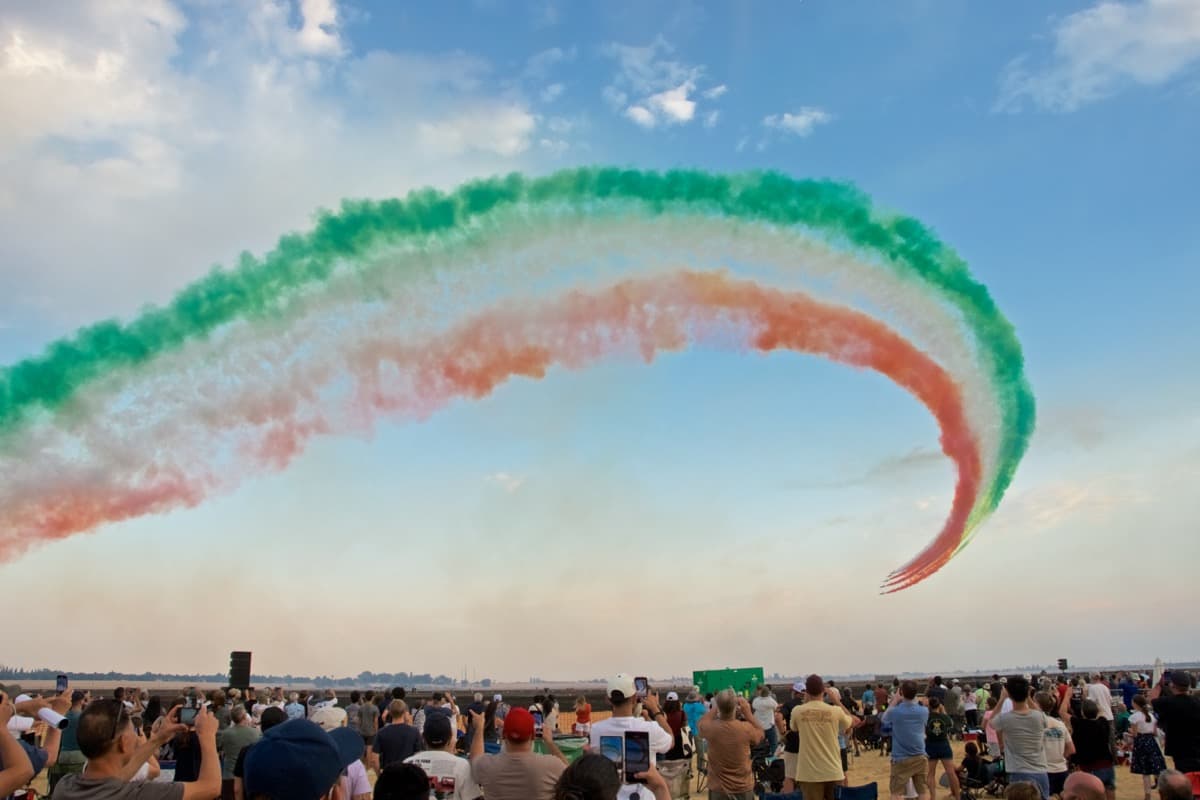
The Frecce Tricolori created this mile-long Italian flag during the only West Coast performance of their tour.
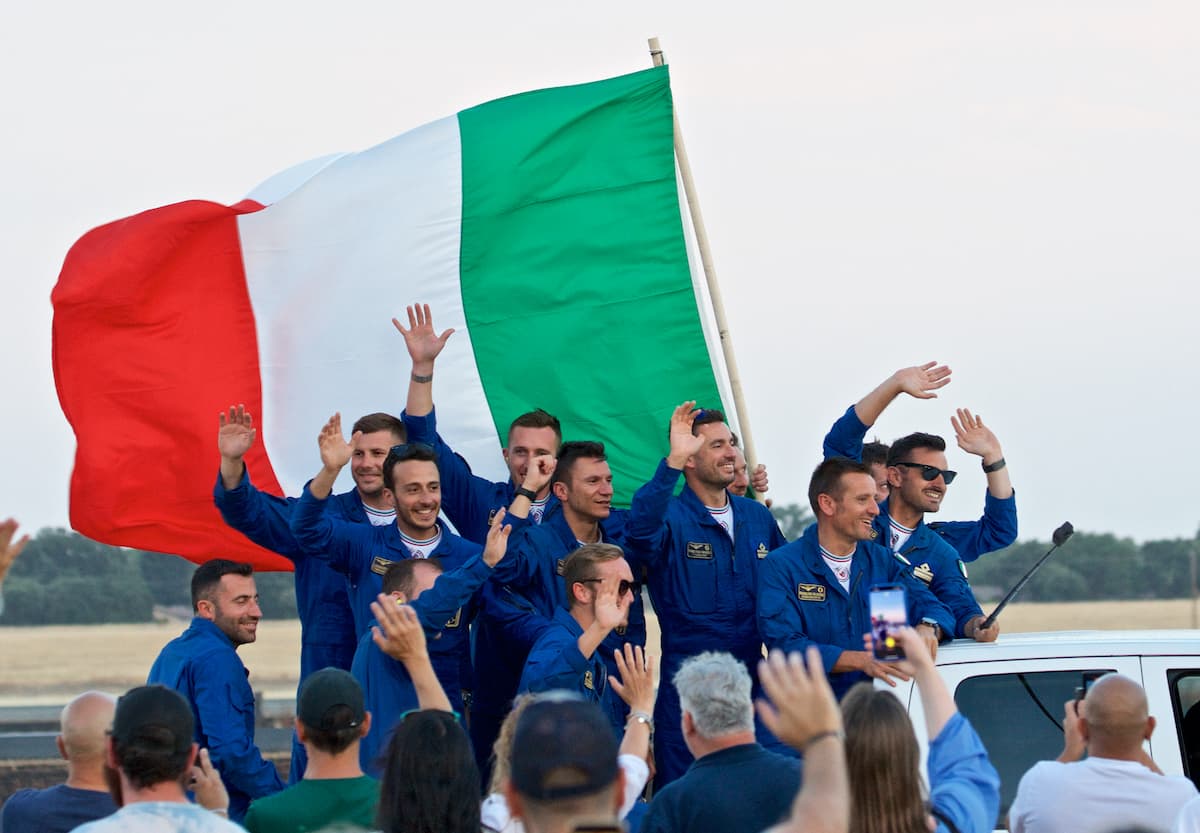
These guys might need a bigger truck: The pilots of the Frecce Tricolori greet a new generation of fans.
The Frecce Tricolori fly the Aermacchi MB-339-A/PAN jet trainer/light attack aircraft.
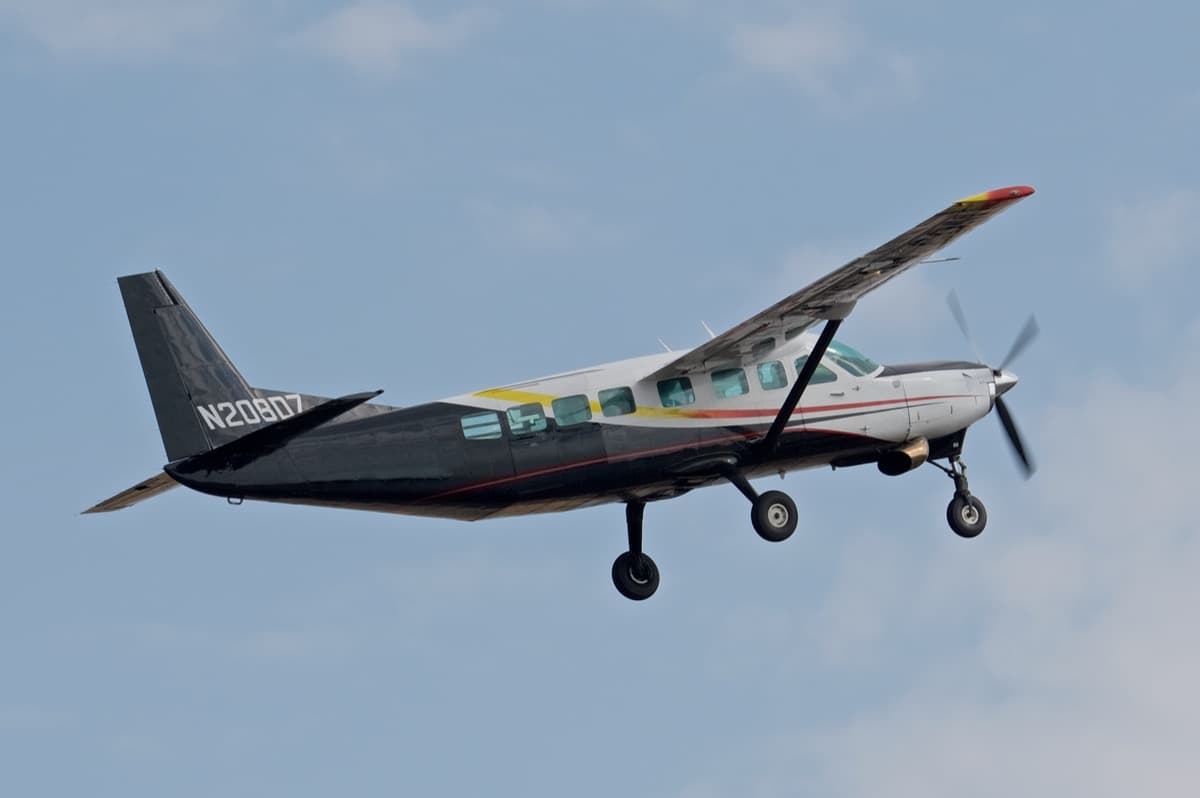
This Cessna 208B Grand Caravan served as the jump plane for the Patriot Parachute Team during the 2024 California Capital Airshow.
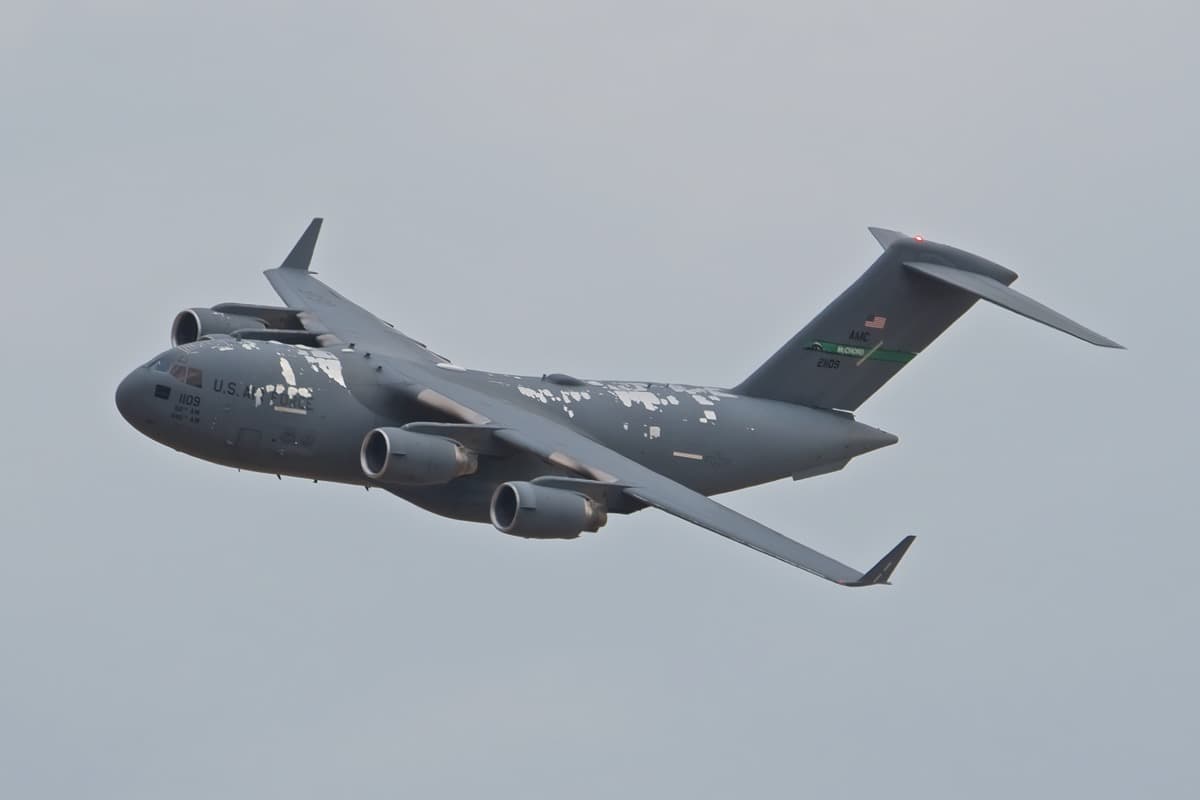
This Boeing C-17A Globemaster III wears a well worn paint job, highlighting the fact that this aircraft came to perform only a few days after returning from an overseas deployment.
This early production model North American P-51A Mustang wears the civilian livery of an XP-51. Note the early gun installation that included two in the nose under the engine.
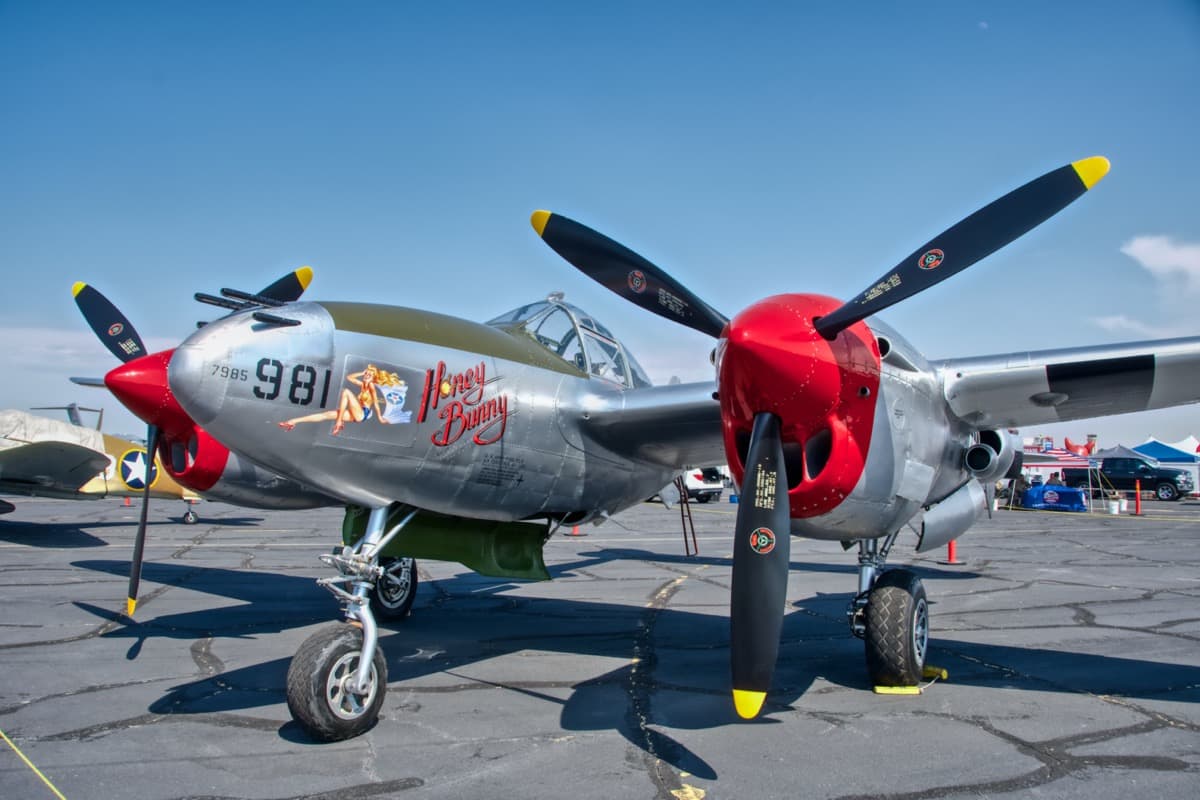
The Lockheed P-38L Lightning “Honey Bunny” is one of nine flying survivors. More than 10,000 were built during the war.
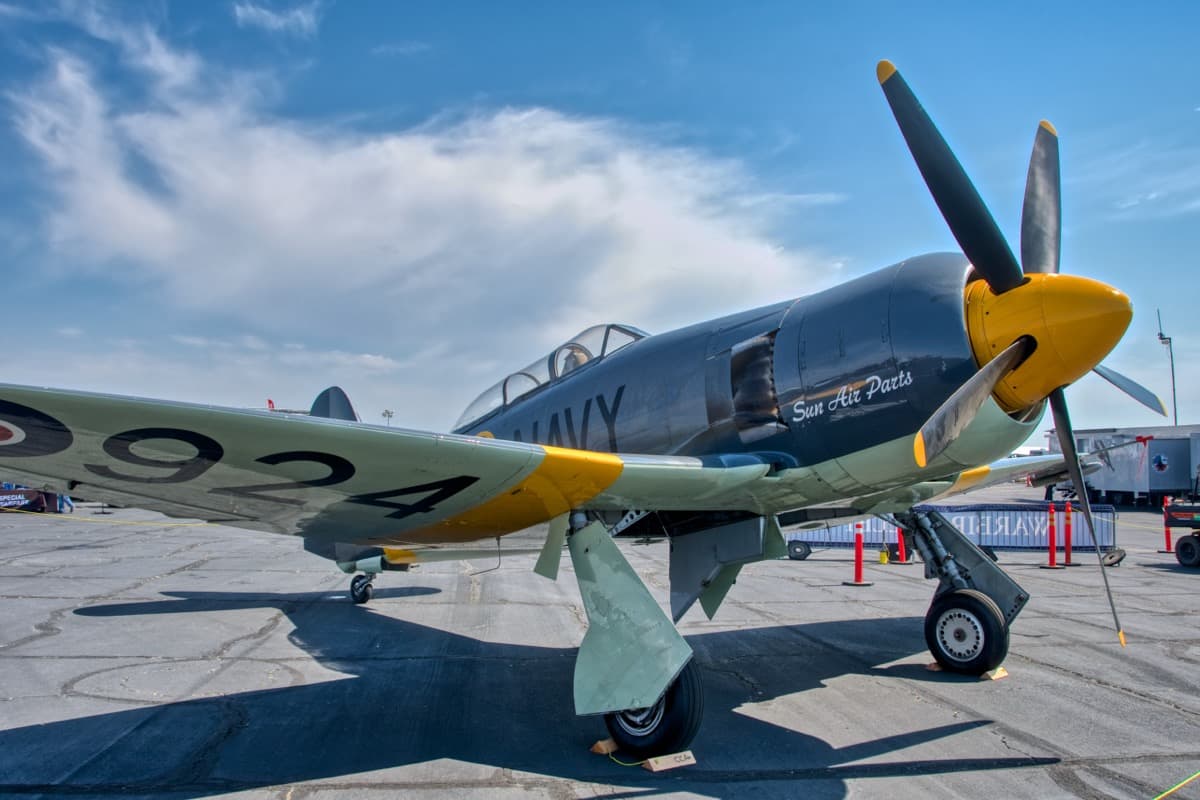
The giant five-bladed prop is an obvious sign that this Hawker Sea Fury is powered by an Bristol Centaurus engine. The Sea Fury was the last propeller-driven fighter to serve with the Royal Navy.
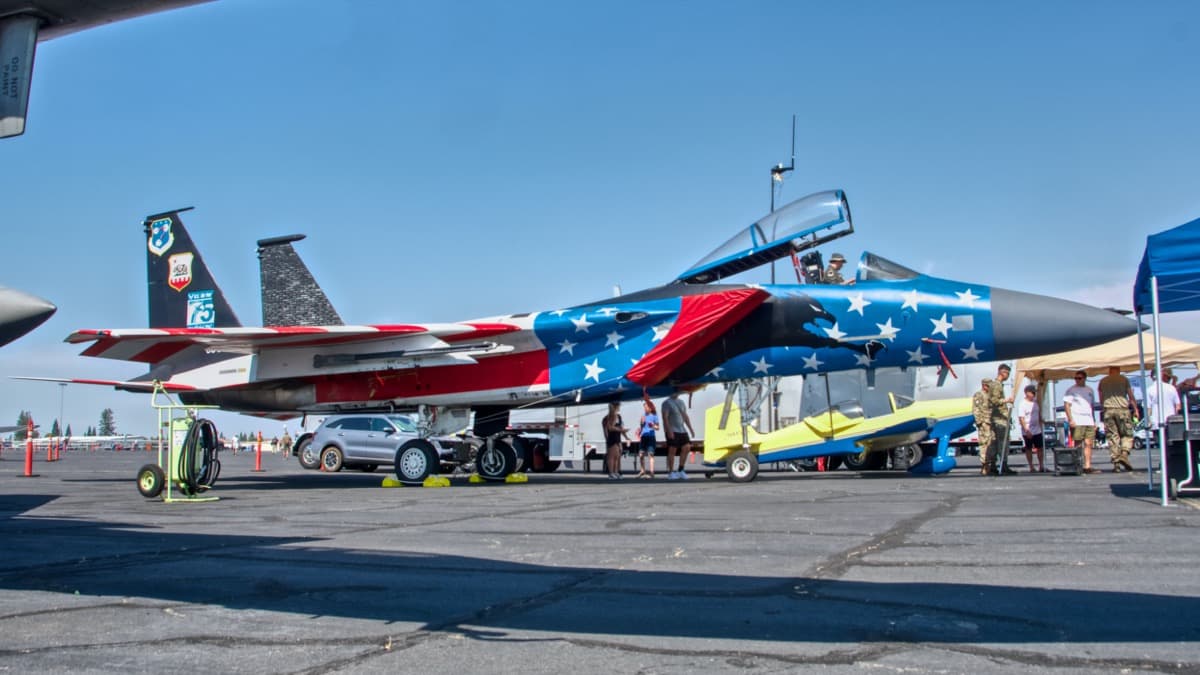
This California ANG McDonnell Douglas F-15C Eagle wears custom paint commemorating 10,000 flight hours on this airframe. The 144th Fighter Wing mascot, the Griffin, adorns the fuselage.
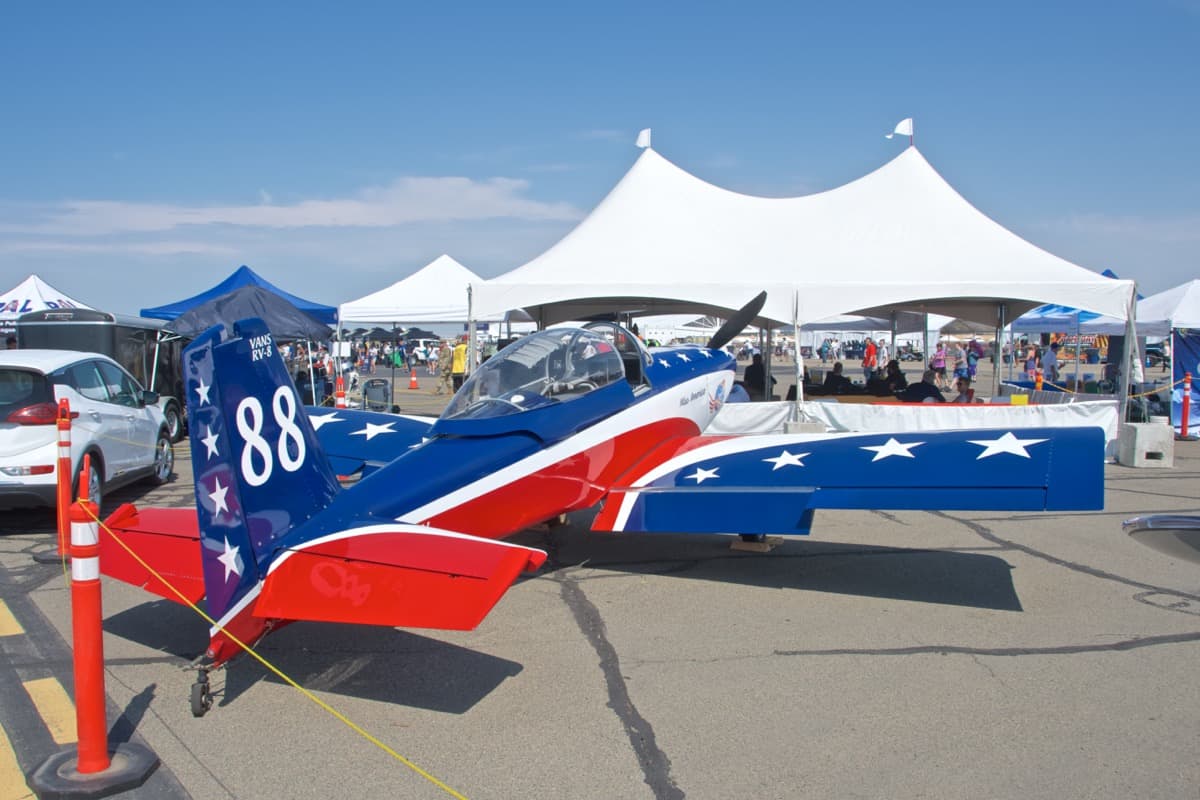
This Van’s RV-8 honors the original “Miss America,” arguably the most famous P-51 of all time.
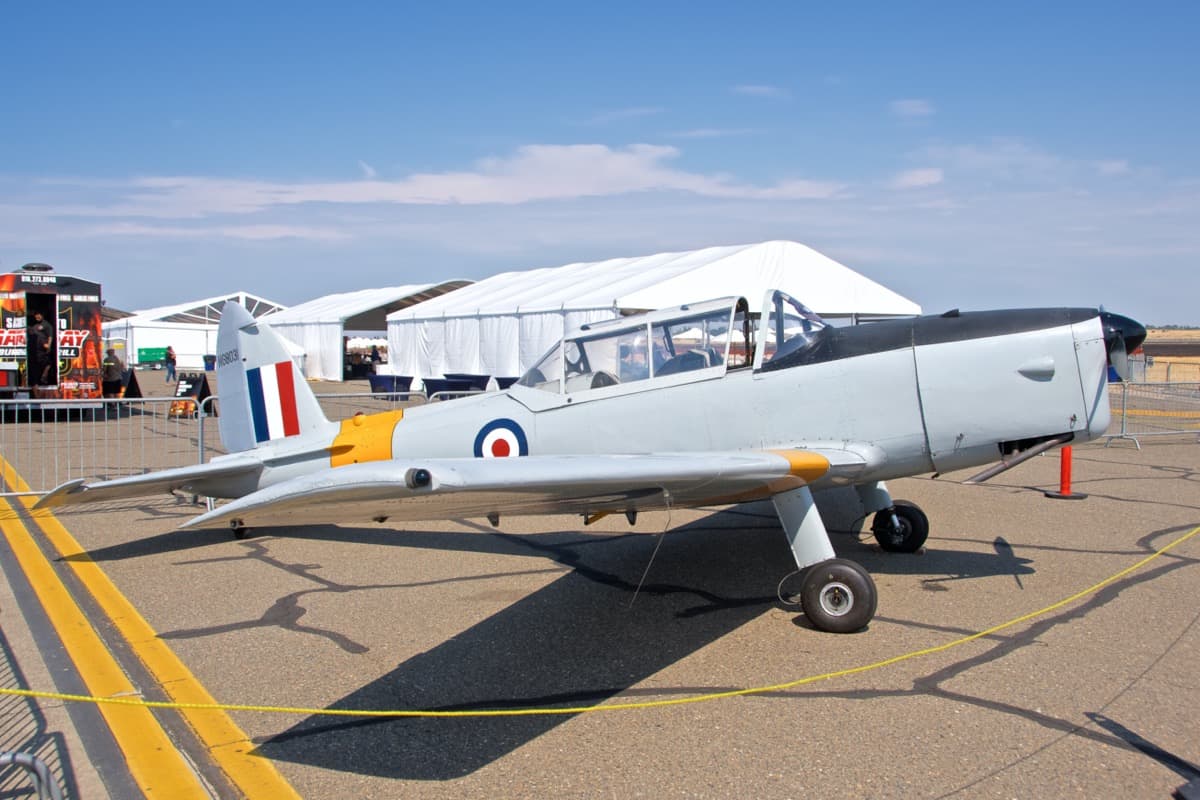
A de Havilland Canada Chipmunk primary trainer. First flown in 1946, the Royal Air Force used theirs until 1996.

Reader Interactions

Share this story

  • Share on Twitter Share on Twitter
  • Share on Facebook Share on Facebook
  • Share on LinkedIn Share on LinkedIn
  • Share on Reddit Share on Reddit
  • Share via Email Share via Email

Become a better informed pilot.

Join 110,000 readers each month and get the latest news and entertainment from the world of general aviation direct to your inbox, daily.

This field is for validation purposes and should be left unchanged.

Curious to know what fellow pilots think on random stories on the General Aviation News website? Click on our Recent Comments page to find out. Read our Comment Policy here.

Comments

  1. Barney says

    August 9, 2024 at 7:15 pm

    I was looking at the mirror image with the Thunderbirds and it looks to me that they are two different planes. One a training model, the lower one.
    Maybe my old eyes are failing.

    • Hayman Tam says

      August 10, 2024 at 12:43 am

      There is nothing wrong with your eyes. The one on top is a single seat F-16C while the inverted one is a two-seater F-16D model. The T-Birds have a few D-models that fill in as replacement aircraft as needed.

  2. MICHAEL A CROGNALE says

    August 9, 2024 at 9:15 am

    Flying a Lear35 crossing Rochester NY when I heard the controller say, “Delta 1234 you have the Italian Air Force at your 11 o’clock high.” The pilot replied, “ALL OF THEM!” The freq erupted in laughter. Controller said “its the frecce tricolori”.

© 2026 Flyer Media, Inc. All rights reserved. Privacy Policy.

  • About
  • Advertise
  • Comment Policy
  • Submit Press Release
  • Contact Us
  • Privacy Policy
  • Writer’s Guidelines
  • Photographer’s Guidelines