


Some pilots share a misconception of airport finances. Comments run along the lines of “Why should I be charged for that? The government funds airports, doesn’t it?” Well, yes and no.
Or “They can’t charge for that. There’s an FAA grant assurance against that!” Well, maybe.
As a pilot, I’ve been an airport customer for over five decades, and as the former operations director for a commercial service airport I got a take on the airport’s perspective. The short answer to explaining airport finances is “It’s complicated.”
Airports range in size and shape from rural grass strips to concrete mazes like O’Hare. There’s a saying in the airport industry: “If you’ve seen one airport, you’ve seen one airport.” But regardless of their diverse characteristics, most airports play by some common financial rules.
A well-managed airport will have an operating budget and a capital improvement budget. As any airplane owner knows, you make recurring payments for fuel, insurance, and aircraft storage, and you should stash away some cash for the inevitable engine overhaul — that’s operating and capital budgeting.
Examples of airport operating expenses include utility payments, maintenance on grounds, buildings, and vehicles, insurance, supplies, and wages and benefits (usually the largest chunk of expenses).

Added to these are “non-operating expenses,” such as debt service, depreciation, losses or damages, etc.
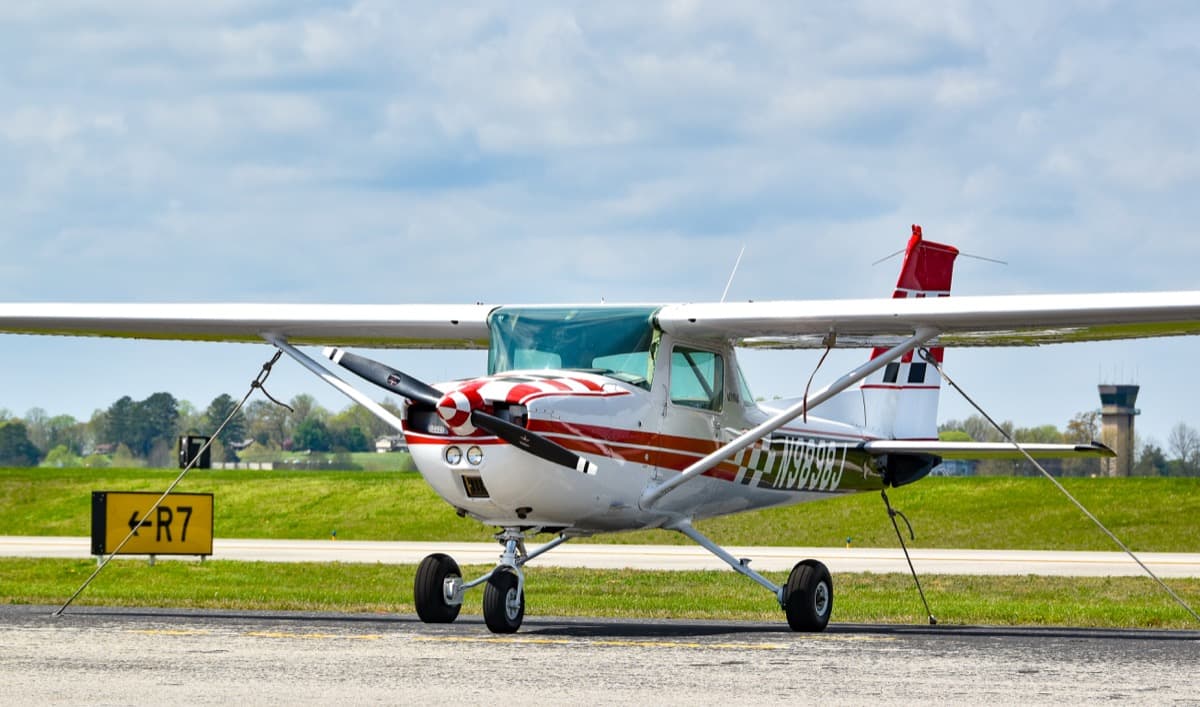
To cover expenses, airports depend on many revenue sources. Fuel sales, rent on shop or office space, and hangar and tie-down rent comprise the majority of revenue for most GA airports.
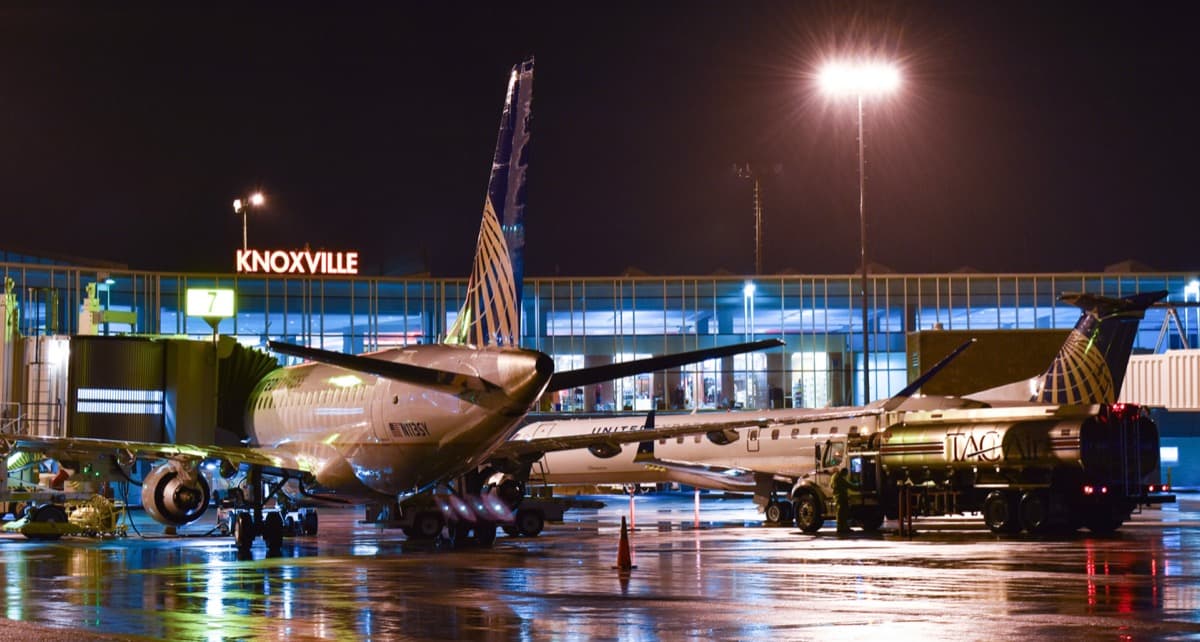
Air-carrier airports enjoy a much wider range of revenue sources, including airline landing fees and gate leases, fuel-flowage fees (a percentage of an FBO’s fuel sales to the airlines), leases to concessionaires, and parking fees (often the airport’s largest source of income).
Notice the absence of “FAA funding” as a revenue source — more on that to follow.
In summary, an airport’s income has to support its expenses, or something’s going to give.
On a recent flight, a friend and I refueled at an airport with the cheapest fuel for miles around. To our surprise, we were met with a useless windsock (it was so torn and faded as to be invisible), cracked asphalt taxiways, and a self-serve pump with overflowing trash barrels and a grounding wire missing its clip — clearly an example of income not meeting expenses, to the detriment of safety.
You get what you pay for, and as pilots we should be willing to pay our fair share for a safe airport.
Examples of capital budget expenses are long-range improvements to facilities, or costs to upgrade equipment. Here’s where the FAA and state aviation departments enter the picture, providing the airport is in the NPIAS (National Plan of Integrated Airport Systems).
Administered by the FAA and updated every two years, the NPIAS identifies nearly 3,300 public-use airports, the roles they serve, and the amounts and types of airport development eligible for federal funding under the Airport Improvement Program (AIP). According to the FAA, general aviation airports comprise approximately 88% of airports in the NPIAS.
While NPIAS airports are eligible for grants under the AIP, funding is generally limited to projects that enhance airport safety, capacity, security, and environmental compliance.
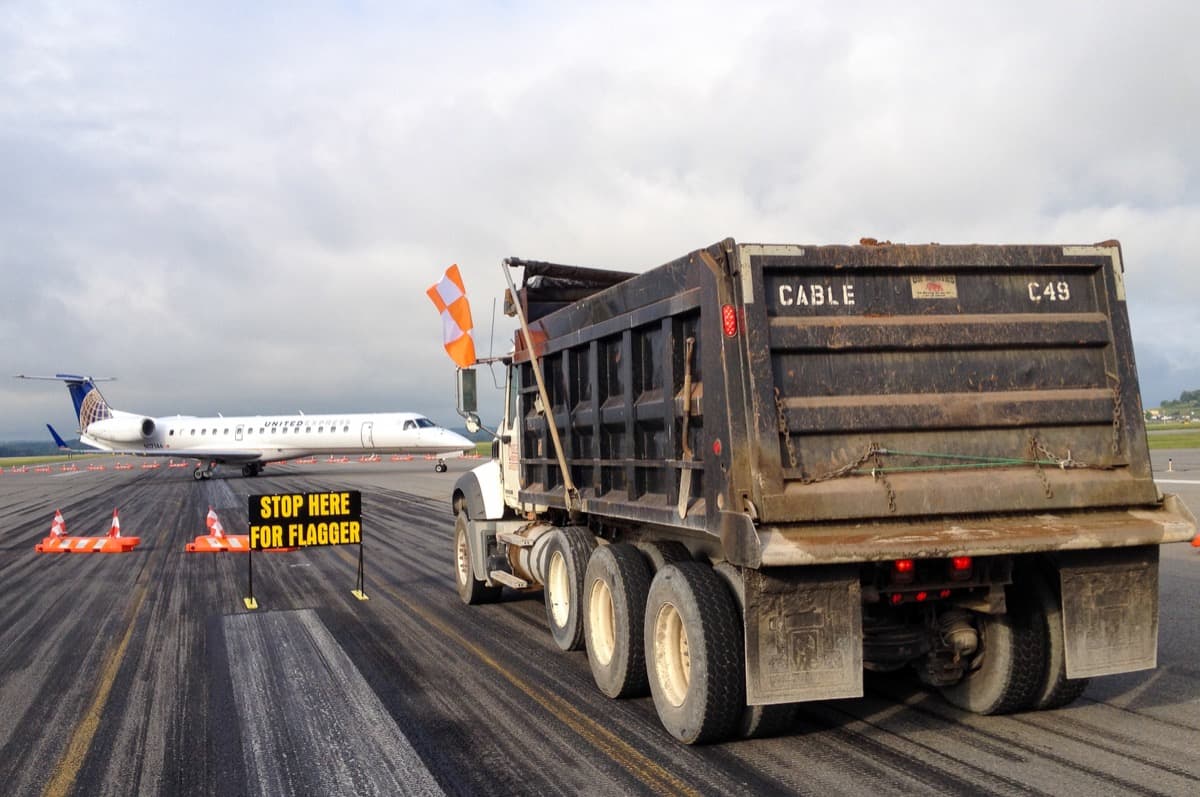
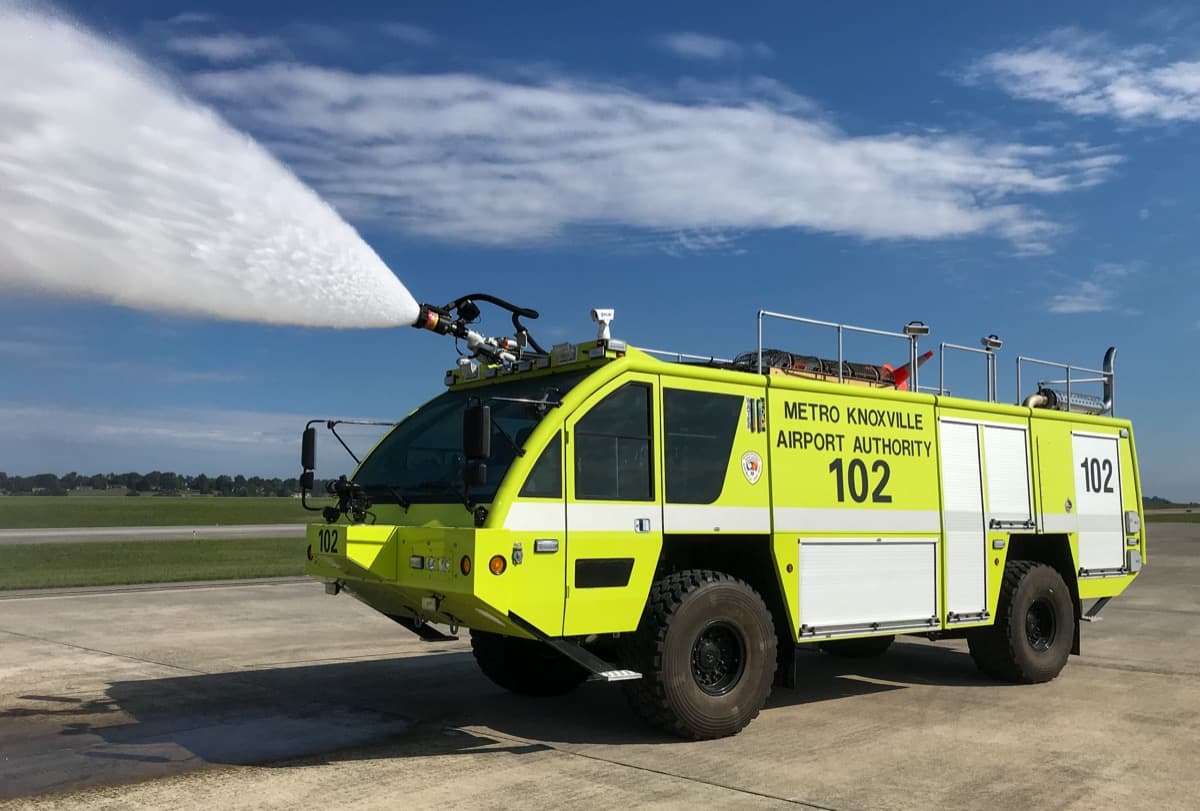
Examples include: Constructing or improving runways, taxiways or aprons; installing airfield lighting, signage, navaids or weather reporting equipment; purchasing safety or security equipment; acquiring airfield maintenance and snow removal equipment; and the biggie, land acquisition.
For large air carrier airports, the AIP will fund up to 75% of project costs (80% for noise abatement projects). At smaller airports, including GA fields, projects are funded up to 95%.
A hot topic for years has been, “Why doesn’t the FAA pay for hangar development?”
According to the FAA, “Projects related to revenue producing facilities may be eligible at non-primary airports if the airport has already satisfactorily addressed all airside needs and the improvement will increase revenue for the airport.”
Translated, a GA airport may be eligible for AIP funds to develop hangars, though my local airport manager says that hangar development is at the bottom of the FAA’s list. Higher-priority, safety-related projects usually trump a grant request for hangars.
Often the marketplace settles the question of hangar development, though we can debate the wisdom of that all day.
And while, for example, AIP funds can be used to build runways or acquire vehicles and equipment, the airport is responsible to maintain those runways and its vehicle fleet. AIP funds can’t be used for outlays such as landscaping, public parking facilities, airport operational costs, marketing, or personnel expenses.
So where does Uncle Sam find the bucks for AIP grants?
Contrary to popular belief, the answer is not simply “taxpayer dollars.” AIP funds are drawn from the Airport and Airway Trust Fund, which is supported by user taxes on items like airline fares, air freight, and aviation fuel. Those that use the system support its improvements.
But those federal dollars come with strings attached. In essence, the airport sponsor (owner or management) “assures” the FAA that the airport will abide by certain conditions tied to the grant. Most grant assurances (there are 39 in all) last up to 20 years, though there’s no expiration for those tied to land acquisition for airport development. This has protected numerous airports from closure.
Examples of grant assurances include: Maintain the airport in a safe and serviceable condition, including operating the airport whenever required; mark and light hazards on the airport, and issue airport-related NOTAMs; keep the airport open to all types of aeronautical activities, with the exception of those that might compromise the safe and efficient operation of the airport; charge reasonable and not unjustly discriminatory prices; and maintain a fee and rental structure that will make the airport as self-sustaining as possible under existing circumstances.
In the current battle to prevent airports from using ADS-B data to charge landing fees, federal grant assurances may prove helpful.
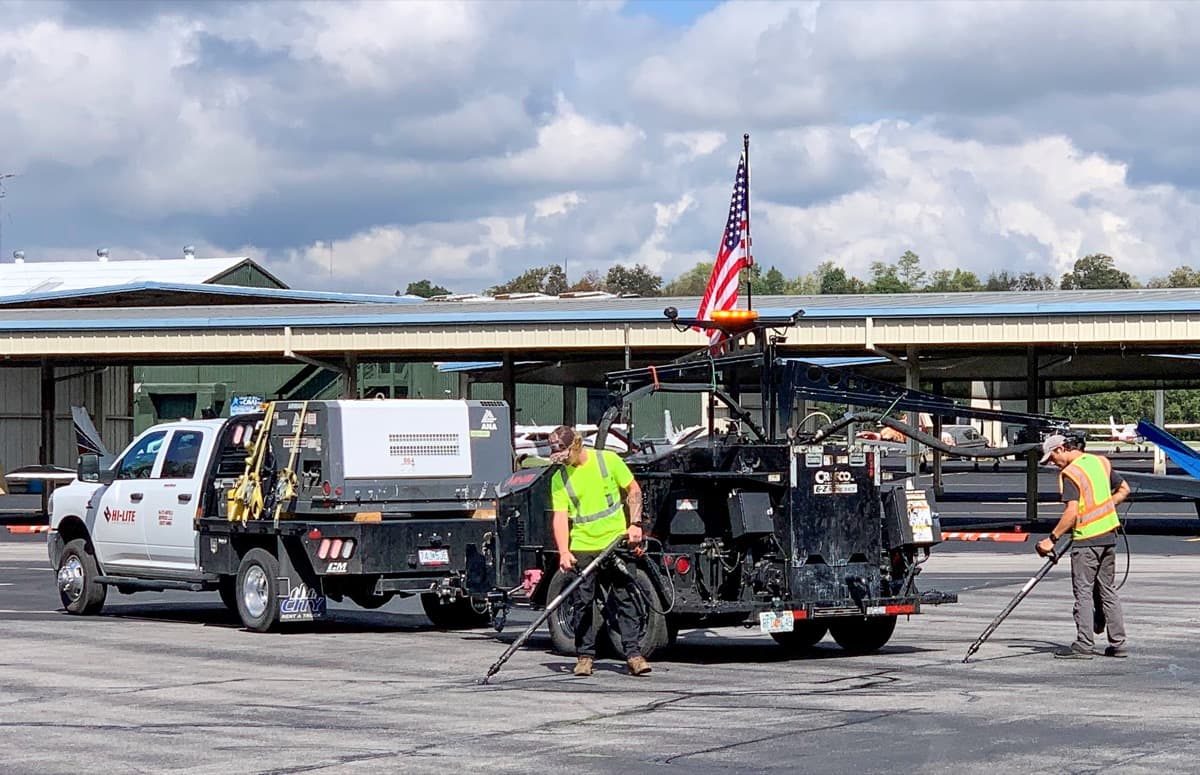
In addition to federal dollars, states often fund capital improvements. My home base, Knoxville Downtown Island Airport, is benefitting from a pavement rehabilitation project funded by the state with proceeds from aviation fuel taxes and aircraft sales tax.
And what about privately-owned, public-use airports that are not in the NPIAS?
I was once based at a small field where a private corporation owned the airfield and its common facilities (office building, fuel pumps, etc.). Airport tenants (each a shareholder in the corporation) rented the land beneath their privately-owned hangars.
A friend and former board member at the airport relates, “We set the ground rent at a level that would cover the ongoing personnel and maintenance expenses and allow us to put about $50,000 annually into the capital improvement account. We would then have the cash on hand for paving and other large expenses.”
When unexpected expenses arose, it would be necessary to levy a special assessment on the shareholders.
He sums it up well: “An airport should be run as a business, with sound planning and adequate income to cover the daily expenses as well as long-term needs.”
And that’s the bottom line.
Jim, Great insight to airport financing!
Excellent article! It comes at a time when there is much misinformation being published on airport financial operations. When an airport is considered “self-sufficient,” it simply means good management met the expenses with the revenue at their disposal. However, how much more (deferred maintenance) could have been accomplished with additional revenue? With limited revenue sources at general aviation airports, user-fees to ensure safe, well-maintained efficient airports are appreciated.
I think GA’s single biggest complaint is about ramp fees. I know of no other compliant that has gotten more lip service in recent years. Ramp fees vary from $10 to $35 dollars. Not all airport FBOs charge a ramp fee. I gather those who charge a ramp fee do so to cover line crew expense. Line crew, although sometime very helpful, are nothing more than gas station attendants working for minimum wage. Ramp fees are NOT collected by the airport to support airport expenses. I don’t necessarily have a problem paying a reasonable ramp fee, say $10, providing I receive some level of service. That is, I am met at the ramp and marshalled to parking, the plane is chocked, and tied down. If a fuel order is submitted, I expect the plane to be fueled before I return. All reasonable expectations for a fee. When no service is provided but yet the pilot is asked to pay a ramp fee or pay an expensive price for fuel they may or may not need, the question is, who owns the ramp at a public use facility? One can look at the funding of pubic airports in a variety of ways but it all boils down to money that has been generate by a system of taxation. Not all FBOs charge a ramp fee, many do not. I had the wonderful experience of flying into Aspen, CO in my 182 expecting to pay an outlandish ramp fee, landing fee, and overnight tie down. I was marshalled to parking. The line crew secured my plane, and my rental car was brought out to me at my plane. When I returned to depart several days later, the FBO attendant at the counter looked at me and said he was going to waive all fees despite I didn’t buy any fuel. I wanted to stay light on my toes at that elevation. The attendant pointed out they make it up on the private jets. The ramp was saturated jets.
The FAA should require (shall) require any airport receiving tax payer funds to have a Qualified airport manager and set those qualifications.
Be careful what you wish for. This org is best positioned to write those regs, but they have little interest in piston powered GA
https://aaae.org/
Yes many airports have politically appointed managers and that is where a big problem lies.
I have seen waste and corruption with many town owned airports and no body cares…..
Airports can be self sufficient and give back to the taxpayer, but until there is a change in attitude……nothing will change.
A really good article. Best I have seen on airports of all sizes in a long time.
One thing was missing though. A manager who CARES. Many airports have that person, but then they retire, quit or are replaced by a new politically motivated person. The new person sadly can even have NO Aviation knowledge. If they are willing to learn, that is good, but many seem to only know how to look at the budget.
Almost every airport (including the one shown above with trash cans running over) probably used to have a manager that cared, probably not one now otherwise the easy inexpensive fixes would have been done.
Excellent article. It should be a mandatory reading for all pilots, specially for those that are always commenting that “it’s all paid by tax payers and that money goes to pay the charges with bureaucratic personal working in DC or other agencies belonging to states or federal ones”.
Thank you for taking the time and effort to write this article. You covered a lot of topics. As someone who helped start a regional pilot’s group, I’m slowly learning more and more about how the sausage is made.
For communities where the airport is not self-sustaining, I think a good metaphor is a county road that connects two larger thoroughfares. The residents along the road are few. The taxes they pay and the fuel taxes “produced” by the level of traffic that use the road are insufficient to support road maintenance. Yet, the road must be maintained as part of an overall system. The money required to make up the budget shortfall at a well-managed airport is no different.
The rules and standards for airport maintenance and infrastructure are probably both more complicated and less granular than they need to be.
I’ll add that the fences and other security measures don’t help convince the public that the airport is one of THEIR resources.
You write:
“maintain a fee and rental structure that will make the airport as self-sustaining as possible under existing circumstances.”
This IS the tough one. On the one hand, high rent that drives away tenants is self defeating. On the other hand, low rent and insufficiently active management that allows non aviation use is also a death spiral.
There are no easy answers. Most people don’t want to be involved until the problem affects them personally. However, constant communication and involvement is so important. Exhausting, frustrating, and thankless, but important nonetheless.