

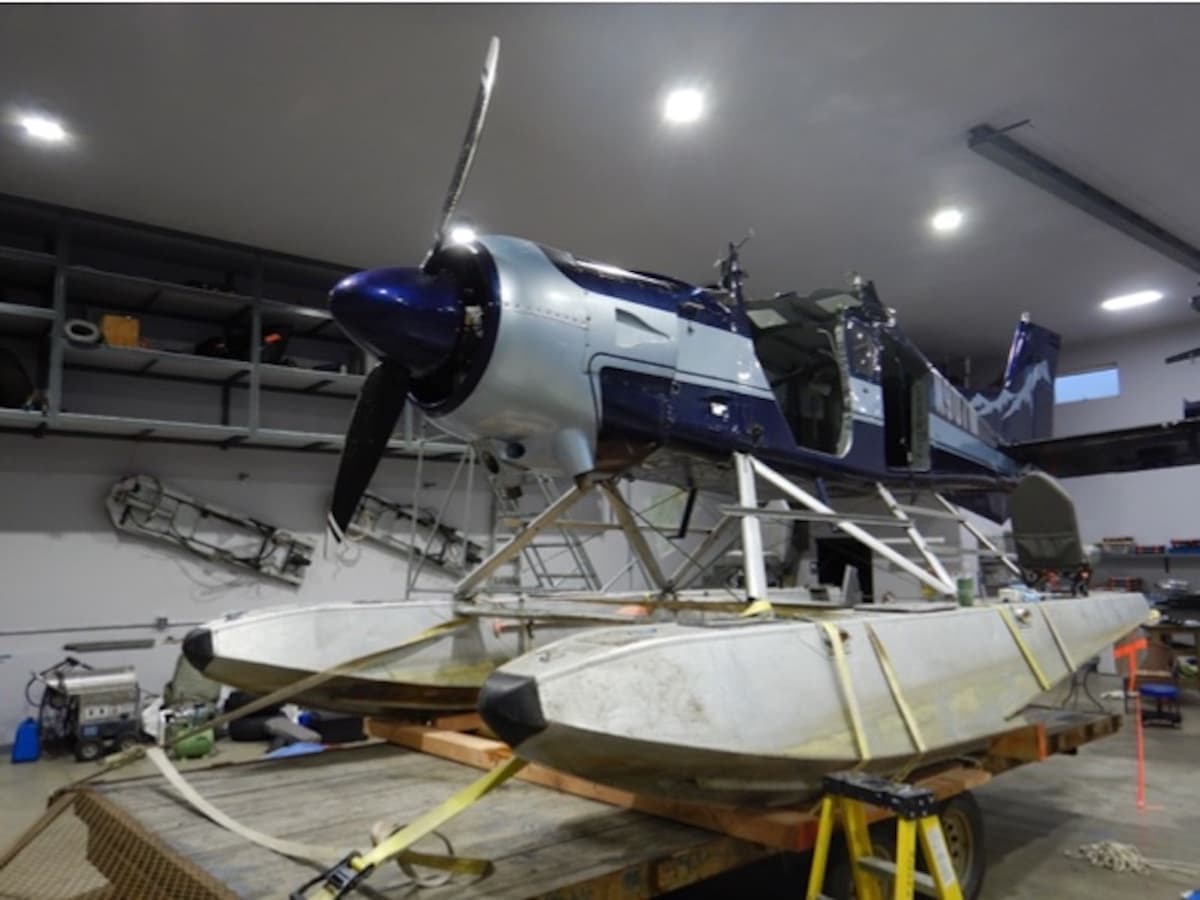
The pilot reported that, while en route in the float-equipped Murphy Moose SR 3500, he noticed a slight rise in EGT with a slight decrease in fuel consumption.
He told investigators the engine was operating normally, but he noted at a slight reduction in power output.
Then the engine power began to surge, followed by a rapid decrease in power.
The pilot made a left turn into the wind and towards a large lake near Nenana, Alaska, to perform an emergency landing.
About 200 feet above ground level the engine lost total power.
The pilot told investigators he did not have sufficient altitude to land on the lake so he elected to perform a forced landing to the tundra.
After touchdown, the airplane slid for about 75 feet and then nosed over, sustaining substantial damage to the fuselage and wings.
Post-accident examination of the airplane revealed all the fuel lines from the gascolator to the engine fuel control unit contained fuel. The fuel inlet screen into the fuel control unit was clogged with fine nonmetallic debris that prevented fuel from entering the engine. The filter was installed about 12 to 13 years before the accident.
According to the service manual, the filter should be cleaned after a break-in period, and then after every 50 hours of operation. The manual also recommends removing and cleaning the fuel filters during condition and annual inspections.
The pilot, who was also the owner/builder of the airplane, told investigators that he was unaware of the requirements to inspect and clean the fuel control inlet filter.
Probable Cause: A total loss of engine power due to fuel starvation. Contributing was the owner/builder’s inadequate maintenance.
To download the final report. Click here. This will trigger a PDF download to your device.
This September 2023 accident report is provided by the National Transportation Safety Board. Published as an educational tool, it is intended to help pilots learn from the misfortunes of others.