


The two-seat Bristell B23 from BRM AERO has received Type Certification from the FAA under Part 23 regulations, “marking the first certified variant in the company’s B23 series and opening new opportunities in the rapidly expanding U.S. pilot training market,” said officials with the Czech Republic-based company.
The B23 already holds EASA CS-23 certification in Europe, where more than 1,100 Bristell aircraft have been delivered since 2009, according to company officials.
Nearly 100 Bristell aircraft are already operating in the United States, owned by private pilots and flight schools, officials added.
“This first FAA certification enables us to address the pilot shortage crisis with modern training solutions,” said Martin Bříštěla, CEO and Co-founder of Bristell Aircraft. “Flight schools need alternatives to aging fleets with 40-year-old designs. Additional B23 variants will follow this initial certification as we expand our certified portfolio.”
The company plans to grow its North American dealer network by 50% within 18 months while pursuing certification for the complete B23 lineup, including Rotax 912iS, 915iS, 916iS, and IFR variants, company officials added.
The certified B23, powered by the 100-hp Rotax 912S3 engine, features 2,000-hour TBO intervals and 4.5 gallons per hour fuel consumption, certified for both 100LL avgas and unleaded automotive fuel.
Specifications include:
- 1,654 pounds MTOW
- 662 pounds useful load
- 51-inch cockpit
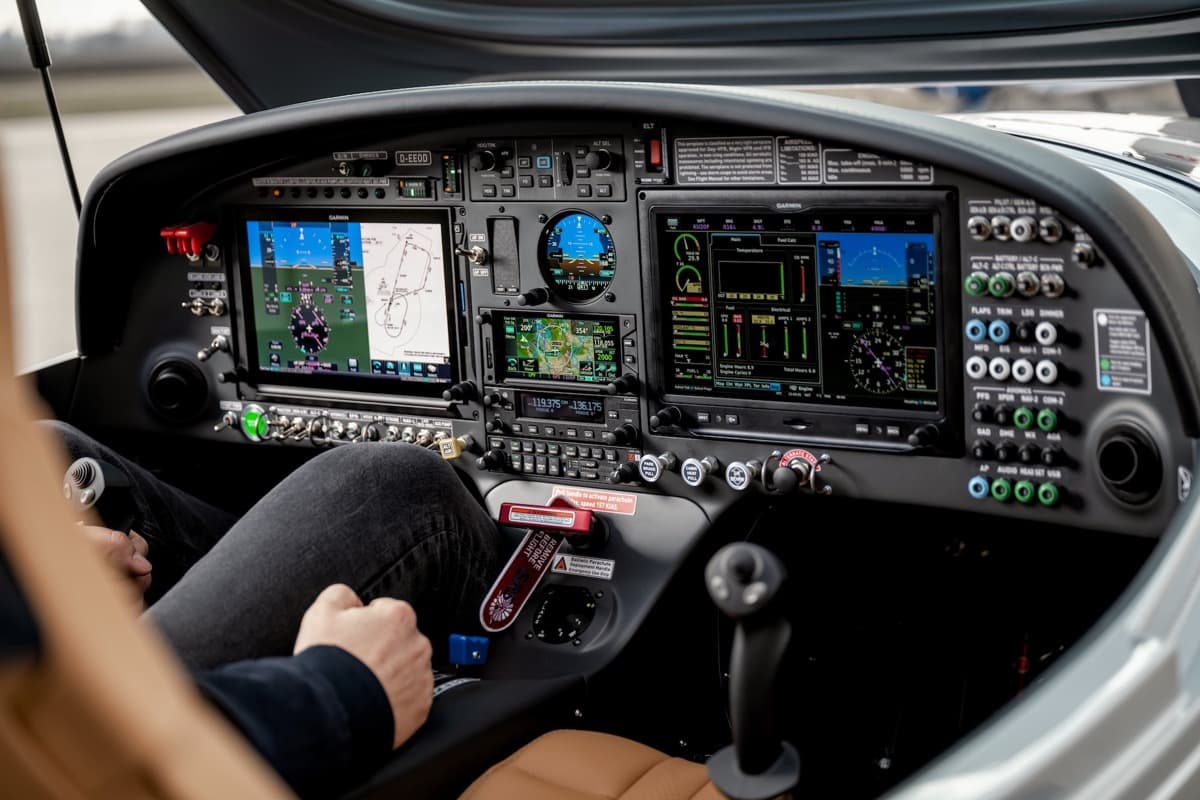
Deliveries of the FAA-certified B23-912 are expected to begin in the fourth quarter of 2025 through Bristell’s North American dealer network.
For more information: Bristell.com
A certified , 2 seat aircraft costing up to $400,000, might be tough to justify when a Cessna , Mooney, and others can be bought for 1/4 of that.!!
Looks like a really neat airplane only wish I could afford one so I could teach my granddaughter how to fly and she would then be the prettiest pilot on the planet!
I noticed that the weight of the aircraft was increased over 300 pounds compared to the original 1320 weight class.
I wonder if the manufacturing is using 40 instead of the 20 thousand thickness aluminum in the original non certified aircraft. They should have beefed up the landing gear and strengthened the floor also.
The original design was weak and constantly failed under the riggers of flight training…..???