

In my last column, “A warning from the past for unleaded avgas,” I discussed the differences in the three major grades of avgas.
And before you call me out, I know there is a 91/96 grade avgas. In fact in the past there were 12 to 15 different grades of avgas.
That last column raised questions among readers about 115/145 grade avgas and whether aircraft certified on this fuel will be able to use the new unleaded 100 octane fuel.
As in so many things in aviation — and life — the answer is “yes and no.“
Almost all of the aircraft used in World War II were certified on both 100/130 and 115/145, with the only difference in their certification being the boost pressure specified.
This meant that in aerial combat, if the pilot was flying on the 115/145 purple fuel, he could use a higher boost pressure and, therefore, more power. The increased boost with 115/145 did help Allied pilots have a performance edge over the opposition. This is why some people say that leaded avgas helped win the war.
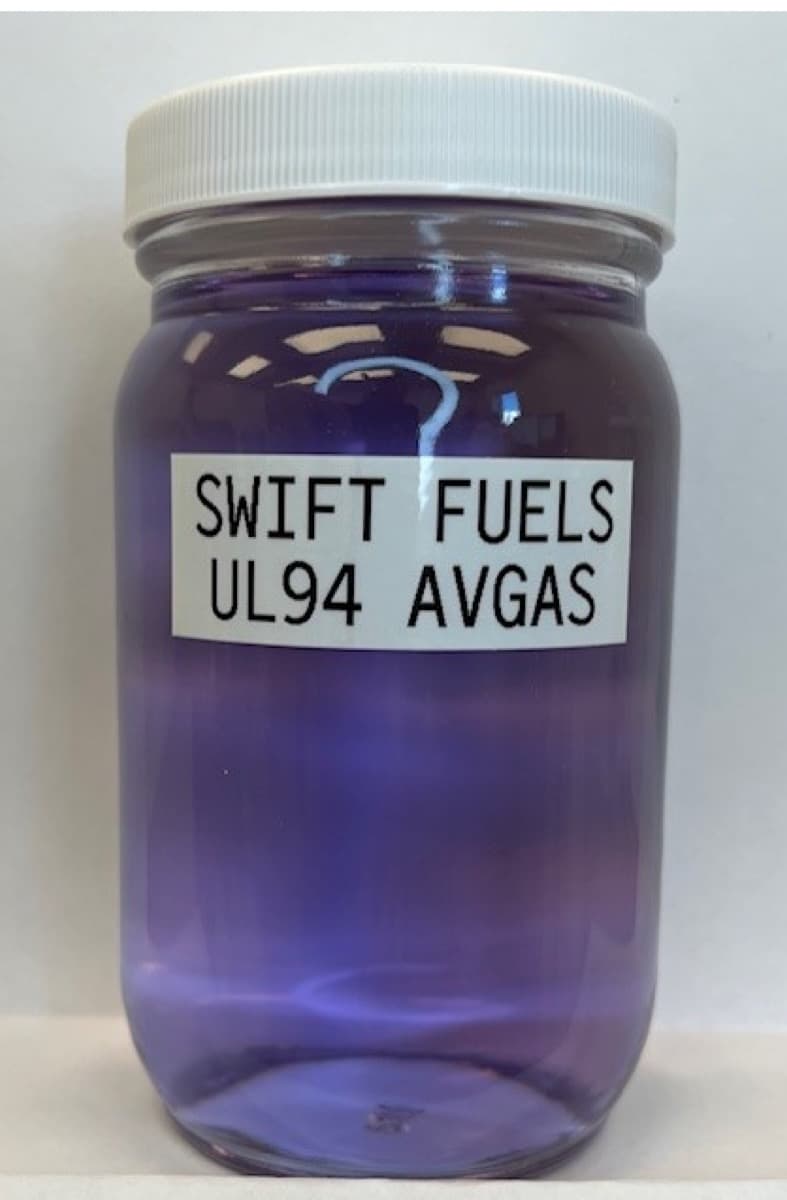
If these aircraft are forced to use 100 octane unleaded fuel, they will be able to operate at the lower boost pressure — or even lower if need be. However, it may make some of the cargo aircraft still in use today almost worthless if the boost is lowered very much.
This brings up another question: Why not fuel the entire fleet on 115/145 if it was so much better?
There are two reasons.
First, it costs more.
Second, the higher lead level would shorten spark plug life, especially for bombers and transport aircraft.
100/130 avgas normally contains around 4 grams of tetraethyl lead (TEL) per gallon, while 115/145 usually contained around 6 grams per gallon — or even more.
Fighter aircraft were usually flown at higher RPMs and inlet boost pressures. This kept the spark plug core tip temperatures high enough to burn off the lead.
Bombers and transport aircraft were flown at reduced loads to ensure they had enough fuel for their entire mission. This lower power setting would usually mean lower spark plug core tip temperature so they would be more prone to spark plug fouling.
For example, the B-36 never completed a mission without fouling a spark plug until TCP was introduced as a supplemental lead scavenger in avgas.
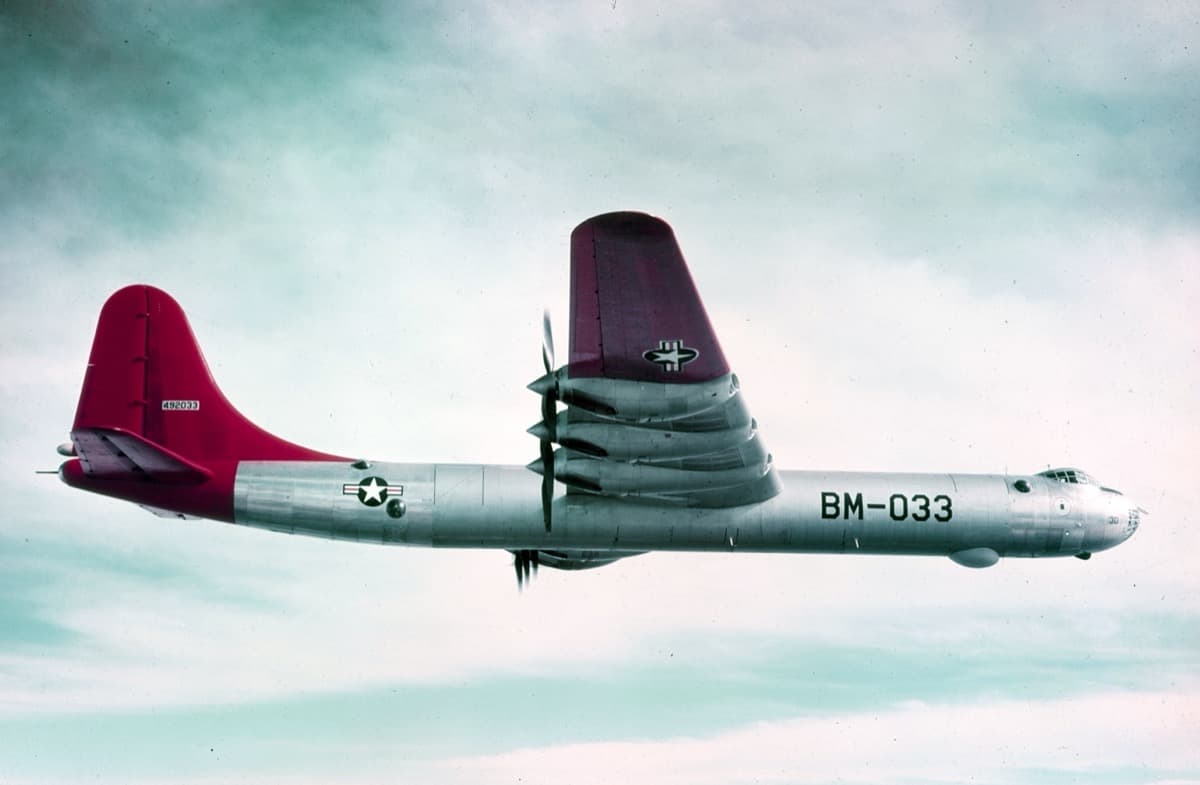
These are the reasons, along with the switch to jet aircraft, that 115/145 more or less disappeared in the late 1950s and early 1960s.
There were a few aircraft that were certified only on 115/145 avgas. These were mostly specialty aircraft.
For example, the racers at the Reno Air Races (now Roswell) would have a specialty fuel company blend a batch of 115/145 and all of the unlimited racers were required to use this fuel.

I am not sure what these aircraft will do in the future.
The Reno Air Racing Association may be able to get a variance to allow a specialty fuel supplier make a leaded fuel for the race. But, if not, racers not only have to worry about exhaust valve recession, they will probably need to detune their engine to operate on the unleaded fuel.
At Reno, there was a story of a race pilot who was always looking at his gauges and instruments and not always watching where he was going.
The aircraft owner had a sign made that covered the instrument panel that said “Fly Fast, Turn Left.” They may need to replace that sign with one that says “Fly as Fast as You Can, Then Turn Left.”

I flew and worked on the S2 E TRACKER and we used 115-145 avgas on fil full rich. We flew low and full power. Hunting subs. When you are flying 6-8 ‘ off the water you can’t make a mistake..
I was at Oshkosh. I asked the Swift guys how many hours they had on one of the engines. They said 400 hours. They haven’t even run one up to 2000 yet. University of North Dakota gave the stuff a shot. Burned up the valves in their engines, so they got rid of Swift Fuels. They do everything right with their engines and they don’t want to use this fuel. Why do I have a feeling that this is going to burn up a lot of valves in our engines?
The aeronautical university you’re talking about did not burn up any valves. I don’t know where you got that from. You shouldn’t spread that type of information like that when it’s not true. They did however, have some valve seat, recession problems. That was the reason they gave for not continuing with the UL 94 Fuel that Swift makes.
I called the Ram engine modifying company that does modifications on the continental TSIO 520 engines. I asked how do you get the engine to go to 335 hp From 310 hp. He said in general, it is done by installing a better more efficient inner cooler. He said that the increase in horsepower was achieved at the same manifold pressure. I asked if they reduce the manifold pressure to the point where it put out the original 310 hp. Would it be able to use the UL94 that is made by Swift. He told me that it should be able to use that lower octane fuel because the octane requirement would be much lower in that scenario.
How many Unlimited Racers are certified in Standard Category? I’d surmise none. Therefore it isn’t a certification issue but a detonation issue as they aren’t tied to a specific fuel grade as are Standard Certified aircraft.
I’m not a believer in all the green stuff going on in the USA.
The lead in aircraft fuel is miniscule? 6 grams per gallon is about a teaspoon..
So if my aircraft burns 8 gallon per hour and I have covered 80 miles or more that means I have spread 48 grams or 8 tea spoons of lead over the distance.. By the time it reaches ground level it has spread over a great distance with no major concentration on the ground..
No body is going to go around and dig up some dirt and eat it!!
There’s not that many piston engines running around the USA compared to jet engine aircraft..
Someone tell me how these green folks figure it out that lead in piston aircraft are killing people???
I’m 83 years old and been around aircraft a long time in my life…
Mitch
The amount of lead in aircraft avgas is not minuscule by any means, at least four times more than was used in the car gas in the 60s. And there are lots of groups in Aviation. That want to lead out because it’s very damaging to the engine and these groups are definitely not green groups.
RIGHT-ON MITCH! I agree wholeheartedly. These greenies are a bunch of goofies!
Some notes and questions:
The unlimiteds did not race in Roswell this year (neither did the sports class).
I took a look at the special fuel supplied to the Reno Unlimiteds in the past. The 55G drum was labeled Oct. 150+ . I was told that they could not measure anything with a knock rating >150.
What does the automotive world do to prevent valve seat recession (or do they?).
Is it just the lower valve seat temp due to water-cooling or does mixture and timing optimization have a significant effect on seat temp/recession?
All the above. Water cooling (many motor cycles now also being water cooled), fuel and spark timing optimization and a change to a much harder exhaust valve seat and valve. I’ve spent many years rebuilding auto and motorcycle engines and if rebuilding older ones have had to have the exhaust valves and seats “up graded” to the harder ones to use the new unleaded fuels. As I understand aircraft regs you can’t do that without FAA approval, and they haven’t wanted to do the testing necessary. Could also be cost prohibitive for the small number needed to make them, I have had that issue with some “rare” engines I’ve worked on.