


The Creve Coeur Historic Aircraft Restoration Museum in suburban St. Louis, Missouri, offers visitors an exciting window into what is often called the Golden Age of Aviation from 1920 to 1941.
The museum in Maryland Heights, a short drive from downtown St. Louis, is on the grounds of Creve Coeur Airport (1H0). The 300-acre private airport is only six miles from Lambert International Airport (KSTL) under the Class B ring.
The field’s main concrete runway (16-34) is 4,500 by 75-feet, while the 3,079 by 220-foot grass runway (7-25) is a favorite with tailwheel pilots. A second grass runway parallels the paved runway. The Missouri River is nearby, only 1,200 feet from the side boundary of Runway 7-25.
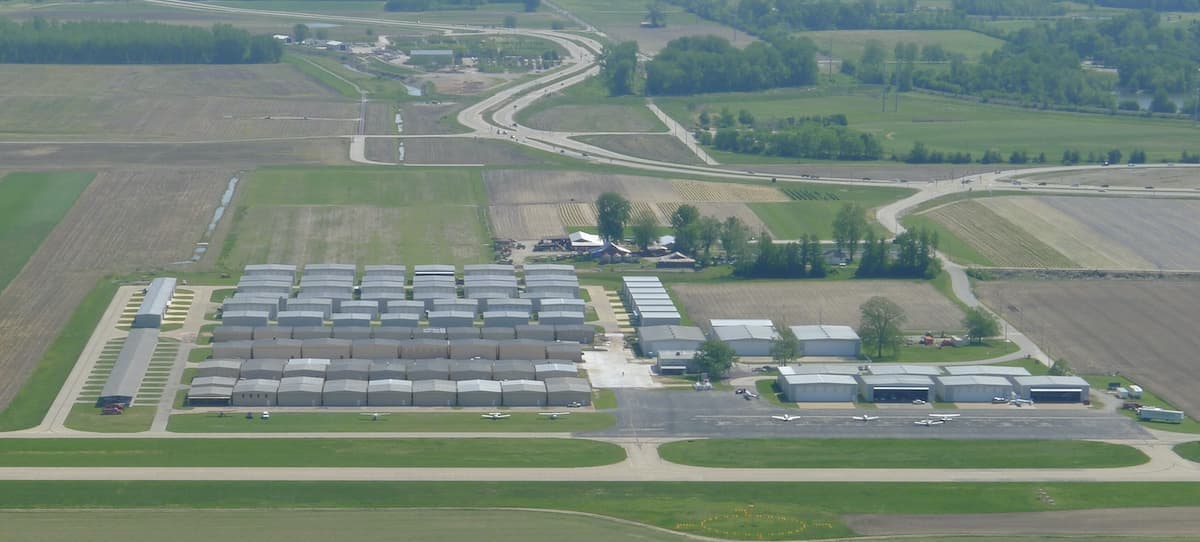
The museum currently displays 58 aircraft in four hangars, according to Albert Stix IV, the director of new acquisitions and head of the museum.
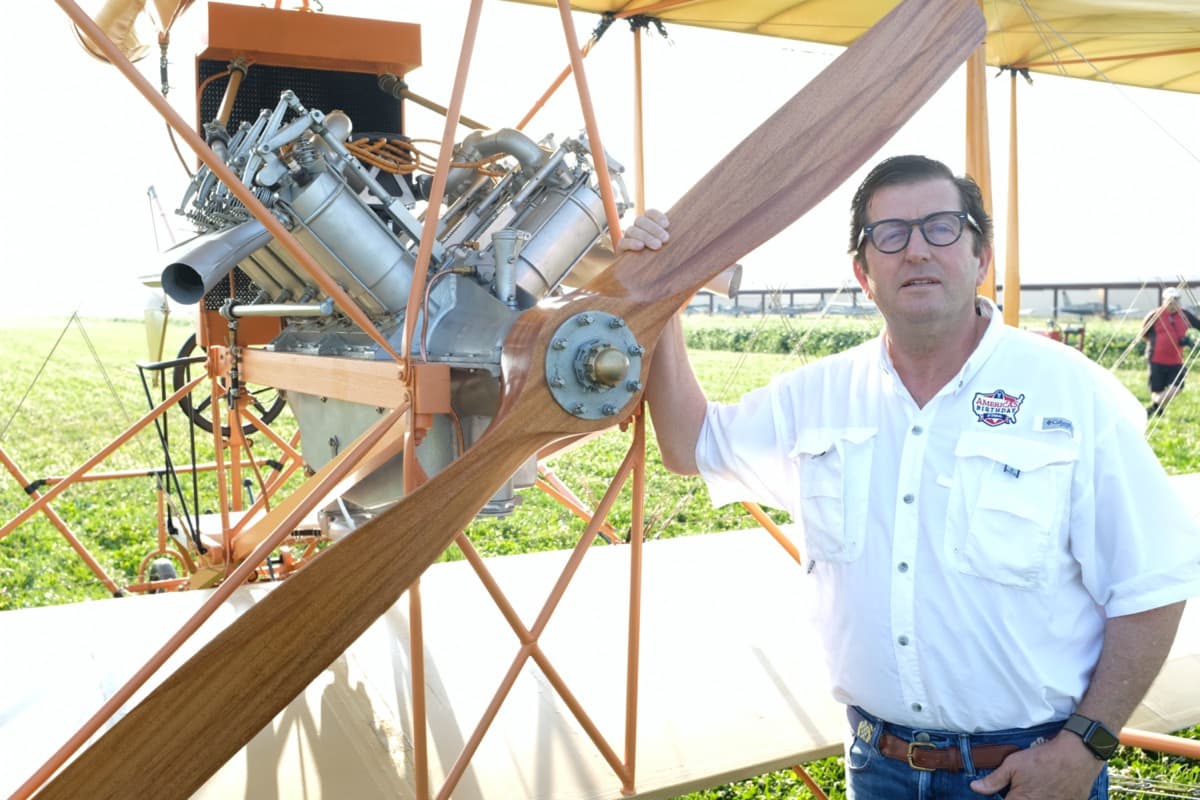
“Besides the museum aircraft there are other classic and vintage aircraft hangared on the field,” he said. “We have two very active flight schools here, also two flying clubs, plus the Gateway Youth Aeronautical Foundation non-profit and the Gateway Chapter of the Army Aviation Heritage Foundation, a Vietnam era non-profit. Altogether there are 115 hangars on the field and approximately 300 aircraft.”
“I grew up at this airport,” Stix continued. “The airport started officially in 1959 and it was scheduled to be turned into a golf course when my father and two other men, John Cournoyer and John Mullen, bought the property in 1983.”
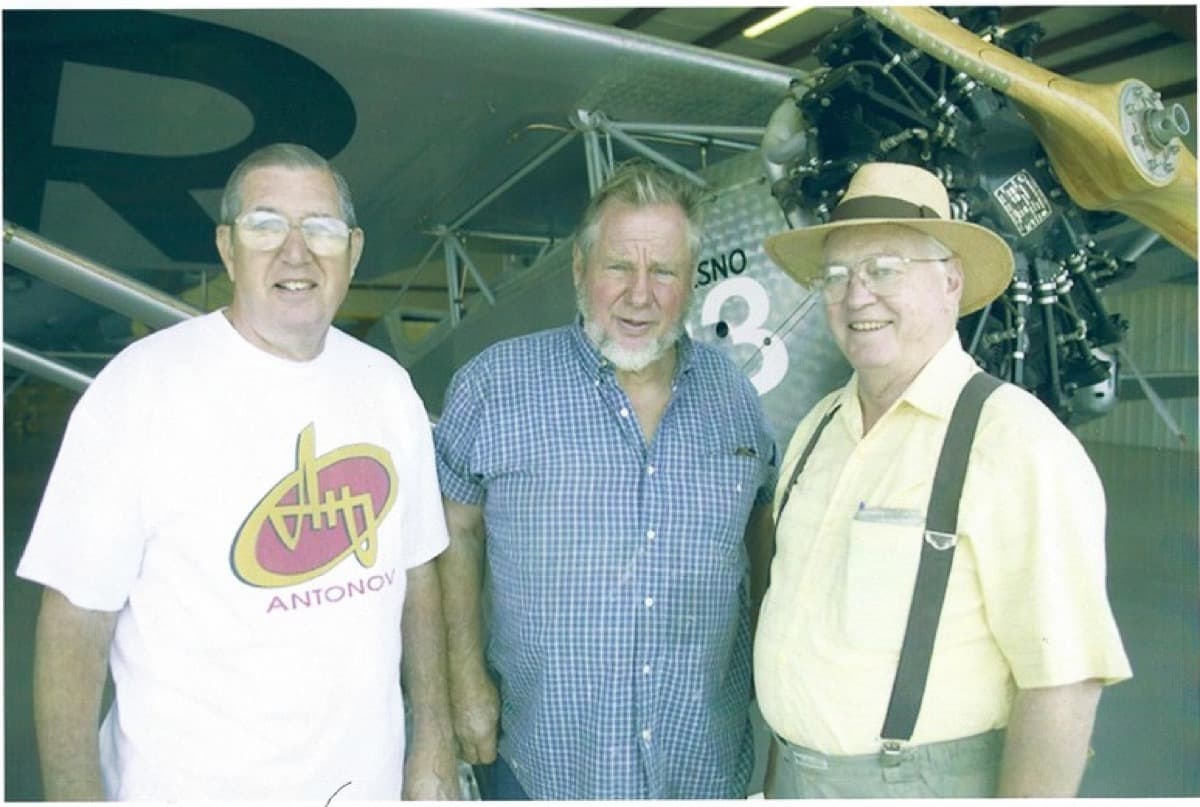
He said his father and the other two owners have since passed and the airport is now owned by his mother, Connie Stix, and John Cournoyer’s widow, Connie.

“These two women, both named Connie, are the only female owners of a privately-owned reliever category airport in the country,” Stix said. “And they are actively involved in the operation of the airport. Also, my mom actually soloed here.”
“My dad served in the Army from 1954 to 1958 and was eventually assigned to a base in England,” he continued. “That’s where he met and married my mom. When he came back, he decided to learn how to fly. His first plane in the early 1960s was a Fairchild PT-26. His partner John Cournoyer had been flying aircraft in the late 1950s. The third partner was John Mullen, a nuclear physicist with McDonnell Douglas. He died in 2004 and they bought his share. They were all interested in vintage and antique airplanes and collected them. I call it a hobby that got out of control.”
The non-profit museum houses that collection and continues to grow.
“Our primary goal is the acquisition, restoration, display, and operation of antique and vintage aircraft,” Stix said.
Touring The Museum
A museum tour involves walking through four hangars.
Hangar 1 showcases many of the most beautiful of John Cournoyer’s outstanding collection of 40 Waco aircraft.
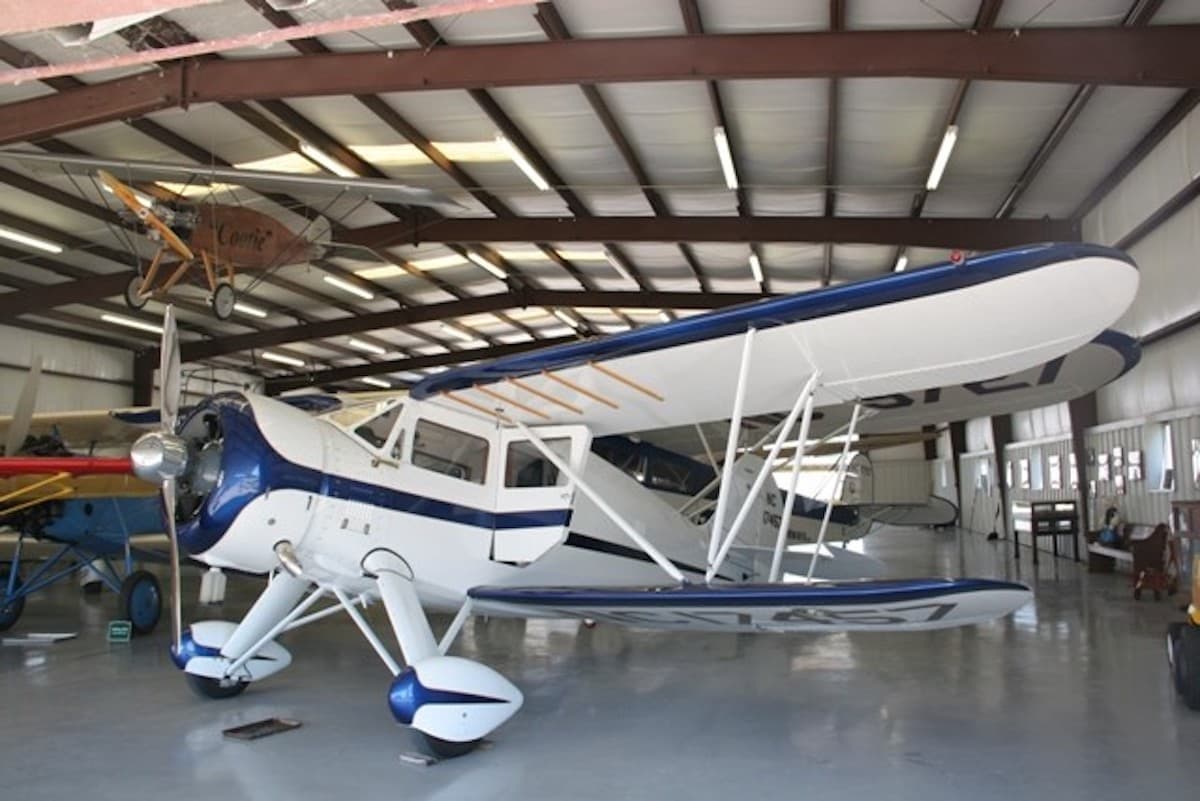
“His Wacos have been called the greatest collection of these aircraft in the world,” Stix noted.
Hangar 2 houses St. Louis and Missouri-built aircraft and a local interest collection.

Hangar 3 offers a wide-ranging collection of aircraft, including eye-catching designs like the de Havilland Dragon Rapide DH-89A, the sleek 1941 Ryan ST3KR 200-horsepower Ranger, and the 1936 Rearwin 7000 Sportster.

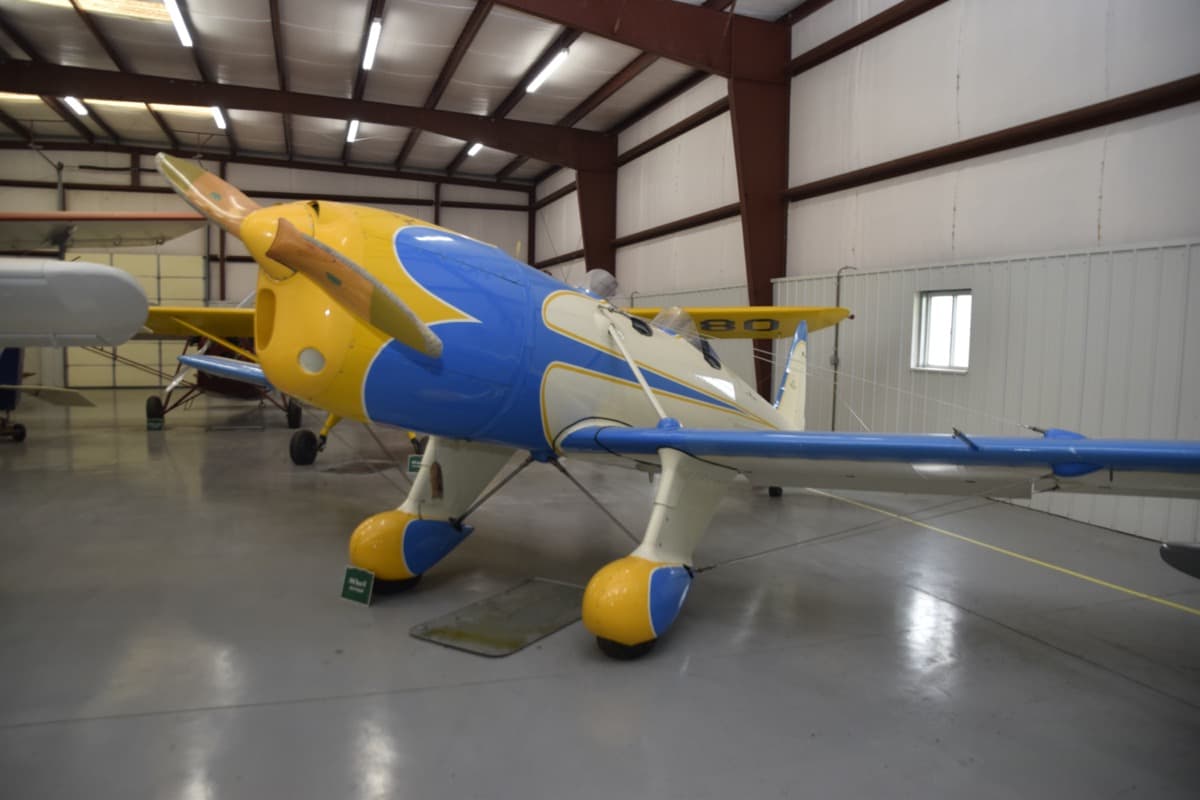
Hangar 4 is labeled the special collections group and is highlighted by the Standard J-1 biplane in its original colors from the movie The Great Waldo Pepper.
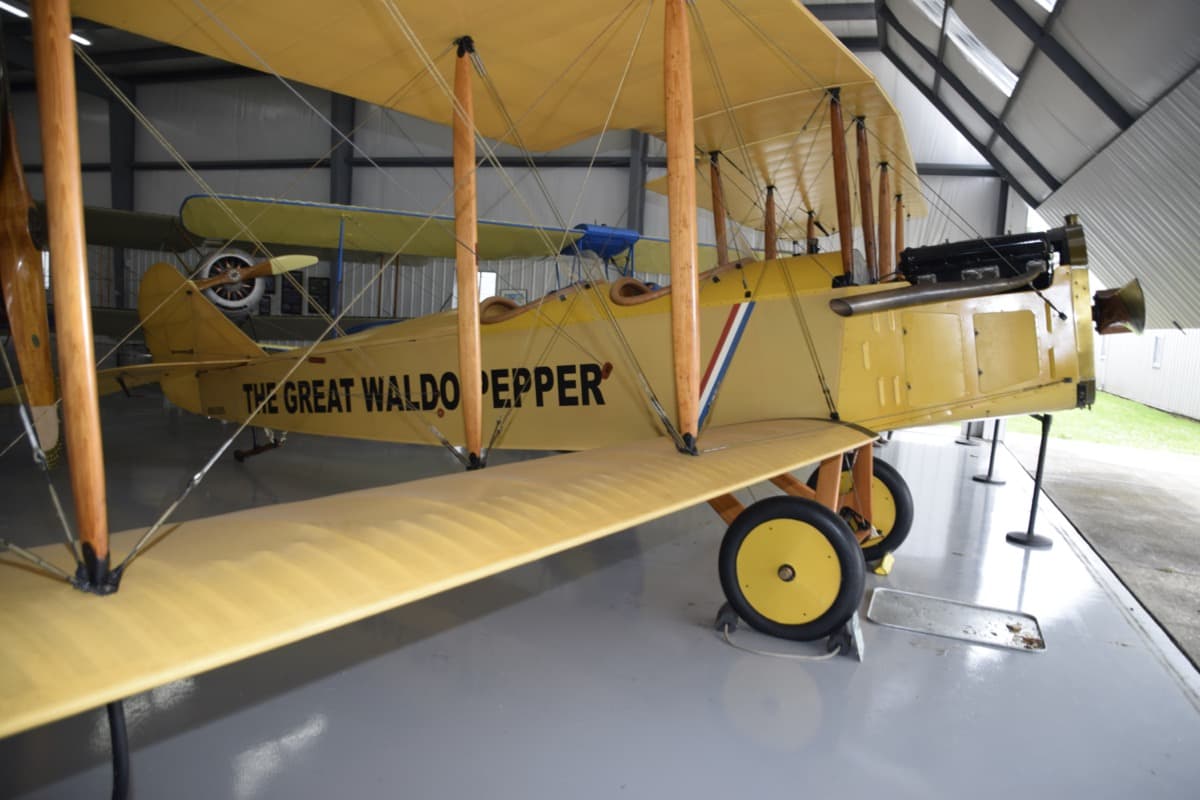
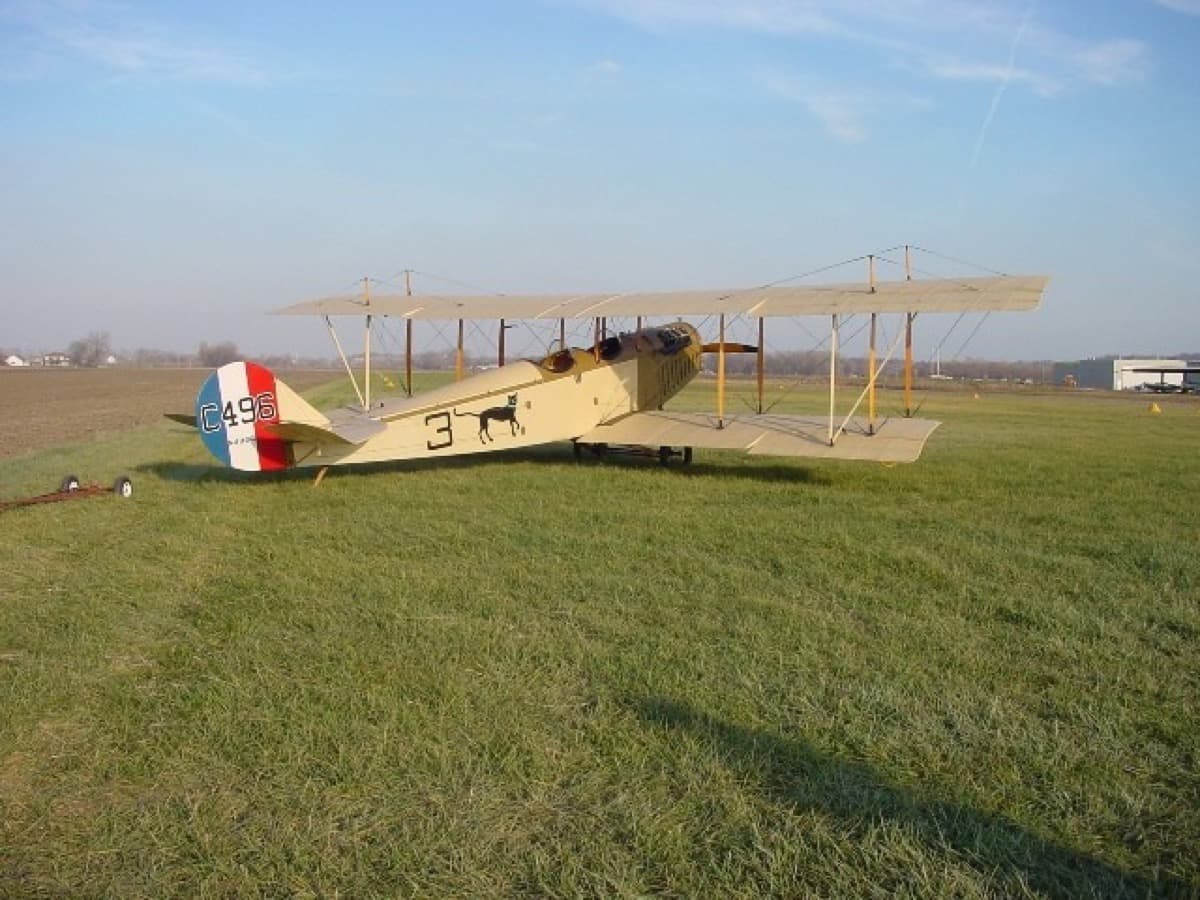
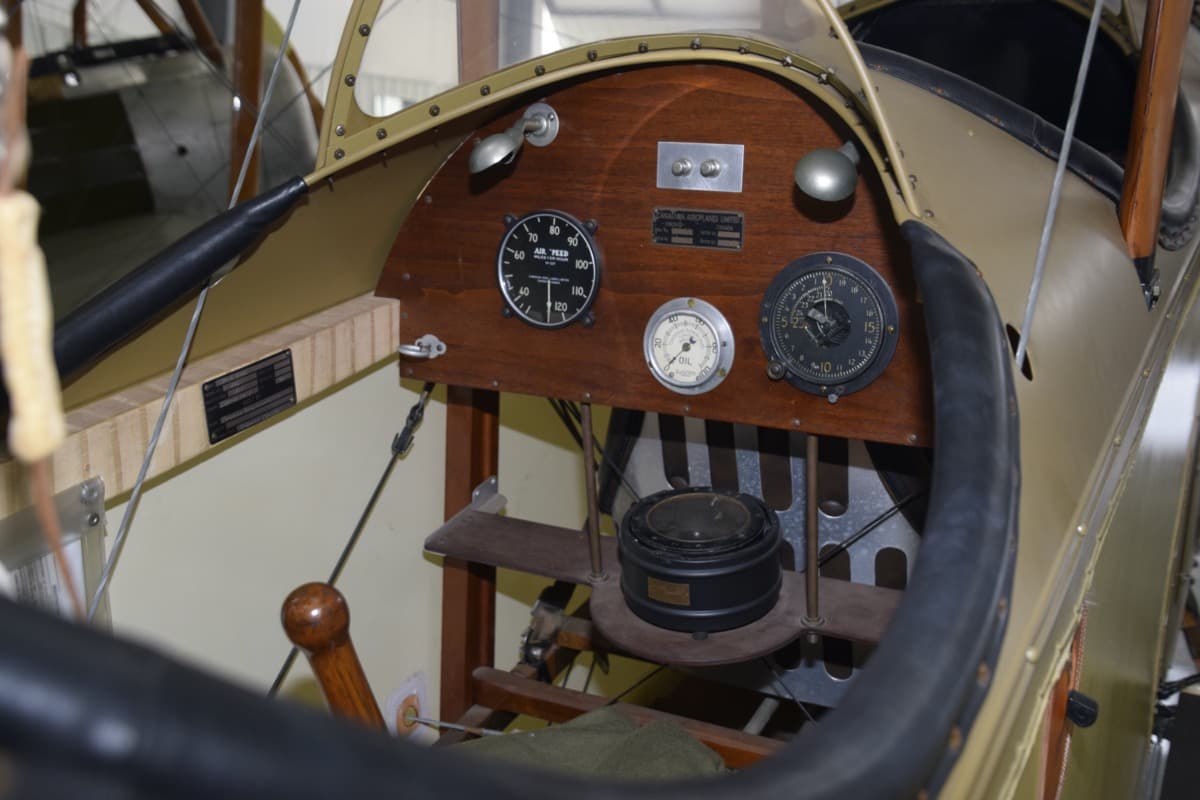
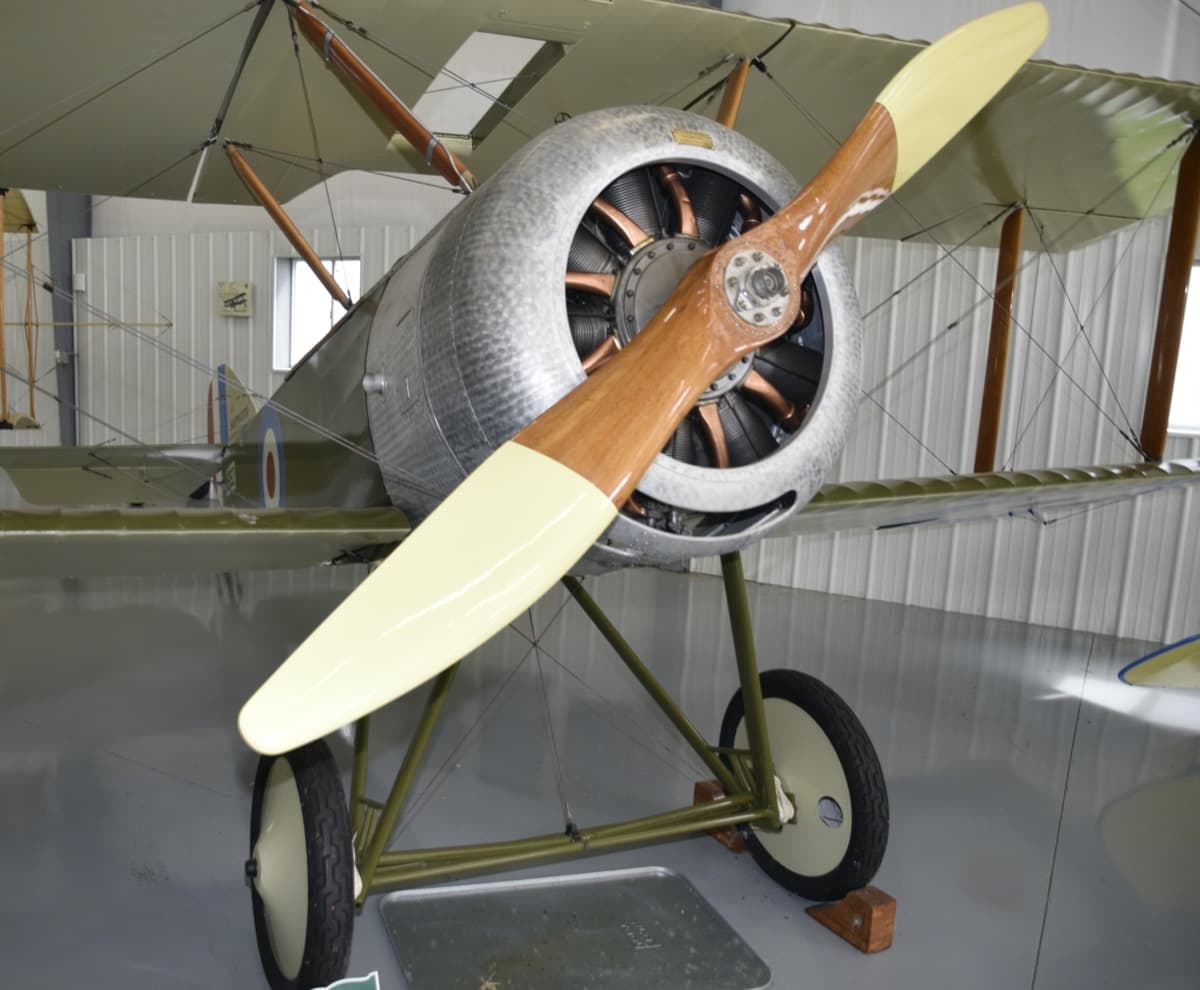
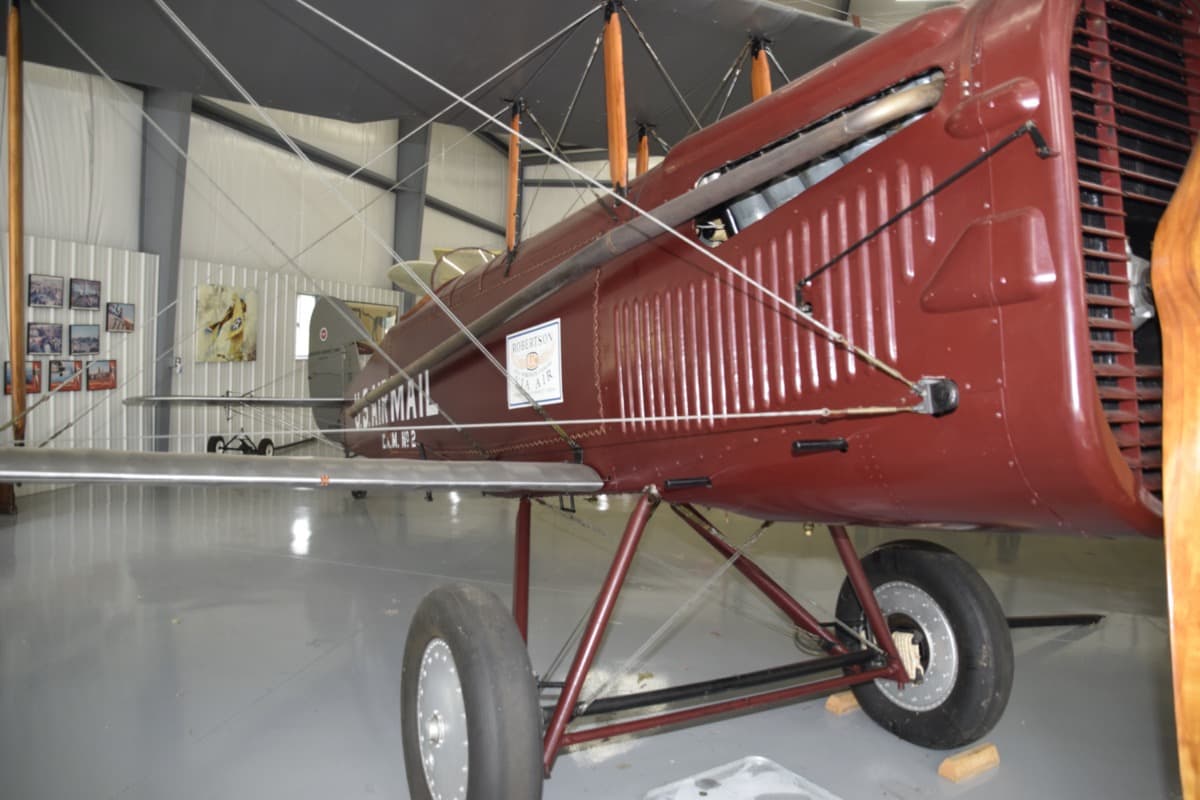
Other Hangar 4 aircraft include a 1916 Canuck, the Canadian-built version of the Curtiss Jenny, a 1917 Sopwith Pup replica with original 80-horsepower Le Rhȏne rotary engine, and a 1919 U.S. Postal Service de Havilland DH4 M2 once flown by air mail pilots as part of the transcontinental airmail service established in 1924.
Stix was bitten by the aviation bug early on and earned his private pilot’s certificate when he was 17.
“I got my license in a Citabria and my favorite aircraft is a Stearman,” he said. “But I never flew for a living. I tried to make it a hobby. I never intended to do it full-time.”
He had a successful business career outside aviation when his mother talked him into coming back to lead the museum.
“It is full-time now,” he said. “Seven days a week. The runway never closes. I live about five minutes from here and mother is about three or four minutes away. She and Connie Cournoyer have been best friends for over four decades. And between the two of them they own a lot of antique airplanes.”
According to Stix, the museum is usually closed Mondays.
“Tuesday, Wednesday and Thursday visits are by appointment,” he said. “Friday, Saturday and Sunday our hours are 10 to 4 with guided tours only. Because we don’t have climate control, we are closed December through March because it’s too cold for visitors.”
Admission is $10 for adults, $5 for children 5 to 12, and free for youth under 5.
For more information: 314-434-3368 or HistoricAircraftRestorationMuseum.org
O Lord, please keep the vision fresh in the soul of Mr. Stix, for his passion blesses us all. If I myself never make the pilgrimage out to St. Louis, yet I am gratified immensely just knowing such a place exists! I’m so glad that your hobby spilled over the banks,
Jim Lumbert, an ardent admirer
This is a great post. Love the old aircraft
Spent a month in St Louis back in 2011. Discovered the airport & museum and was totally mesmerized. So many examples, so little time. Even better was being allowed to roam the airport (privately held / no FAA lockdown), meandering around all the hangers, talking to owners, and revelling in the fact that such a place exist. Went back several times in that month, but alas, just never enough time.
Beautiful hope I get to see it one day.