

The pilot told investigators that during the landing rollout on a 3,001-foot-long, asphalt runway at Franklin County State Airport (KFSO) in Highgate, Vermont, he intended to retract the Piper PA-39’s flaps, but instead he retracted the landing gear.
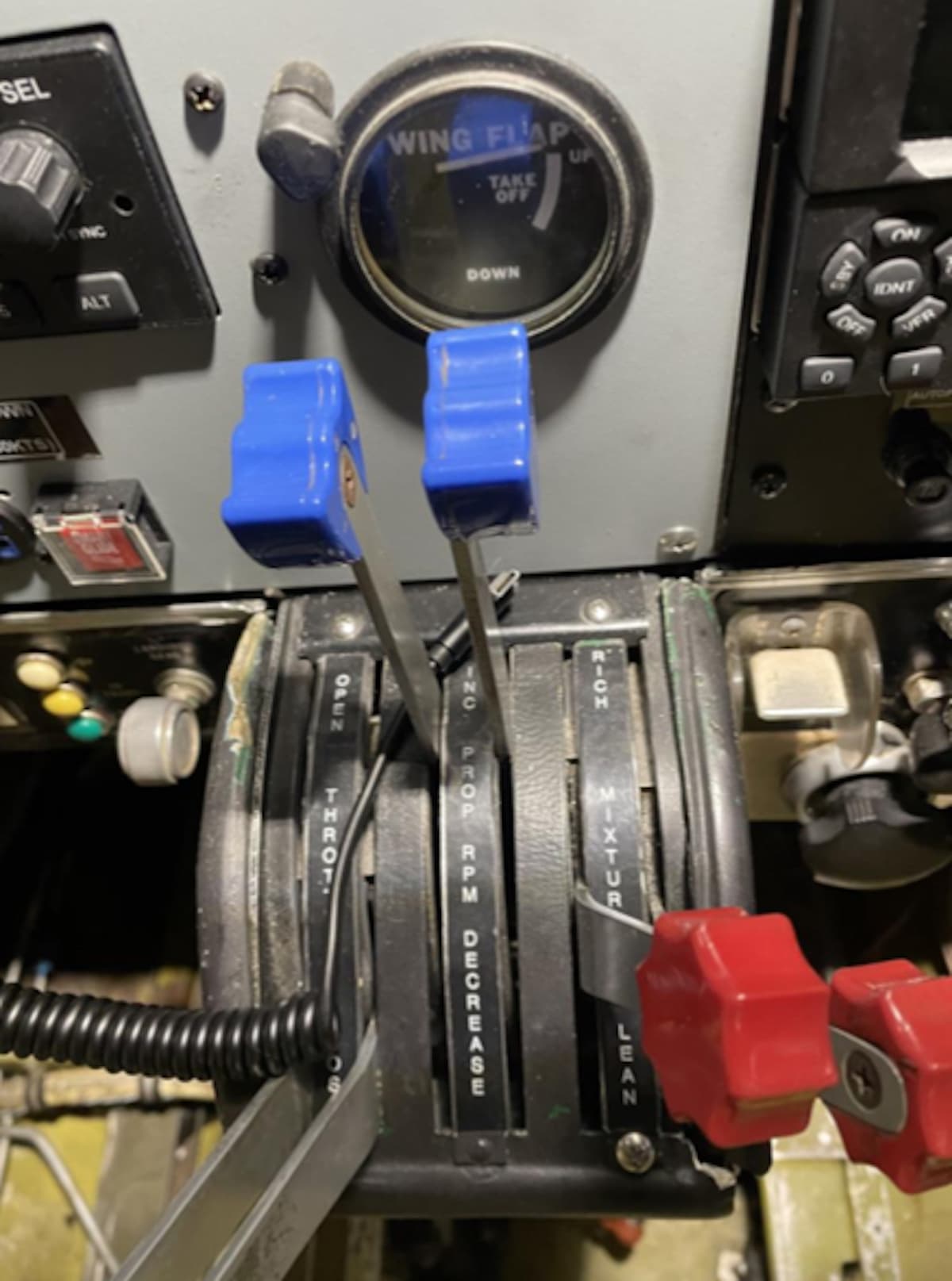
The result was that all three of the landing gear assemblies retracted into their respective wheel wells during the landing roll.
The lower fuselage stringers were substantially damaged.
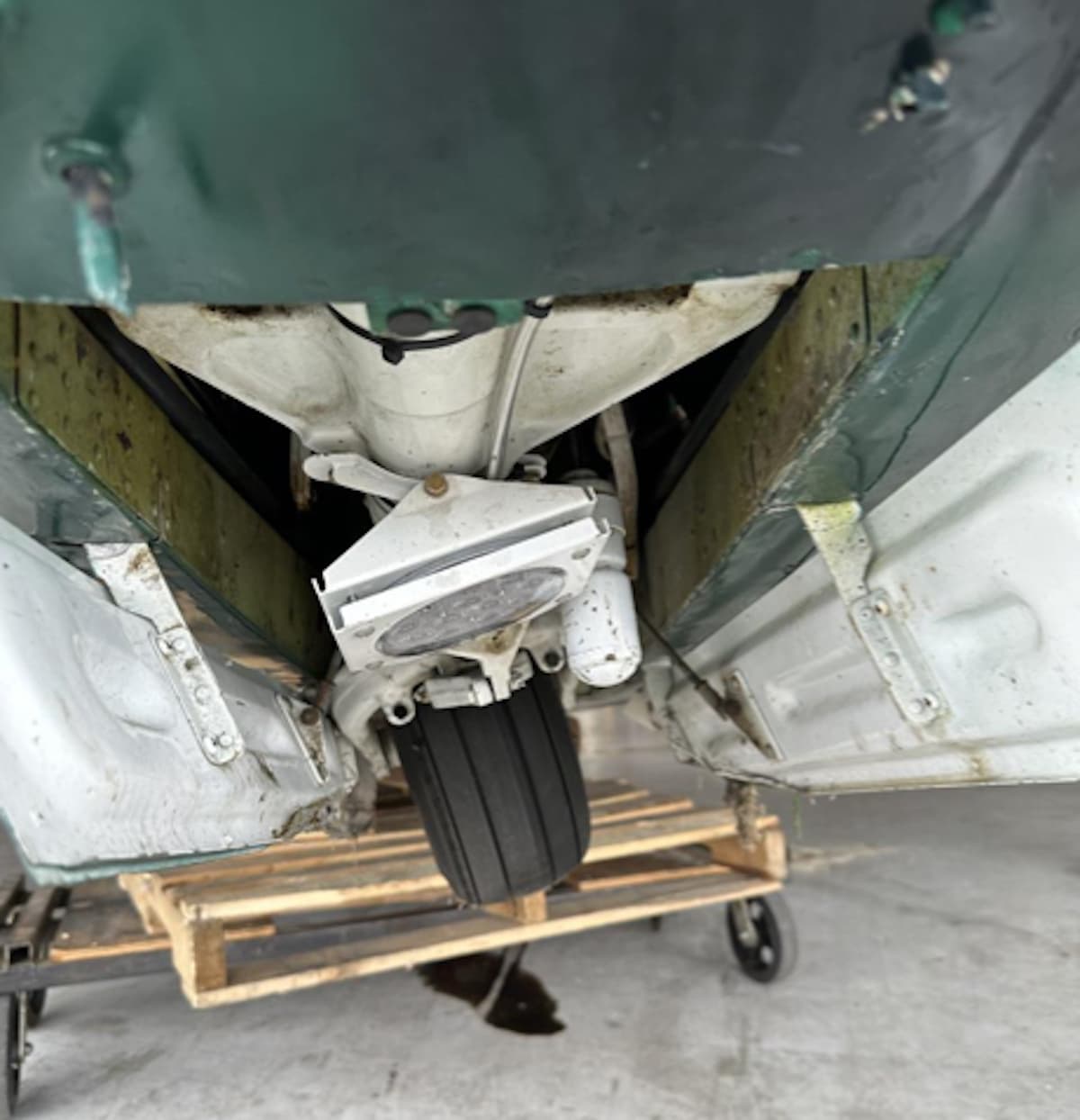
The airplane was equipped with a squat switch on the left main landing gear that was designed to prevent the landing gear from inadvertently retracting. However, the switch required that sufficient weight be on the landing gear in order to work effectively.
The pilot told investigators, and a video of the landing confirmed, that the airplane was still moving at a relatively high speed when he selected the landing gear handle to the retracted position.
The pilot added the squat switch was tested at the last annual inspection and that it operated normally during the inspection.
Based on this information, it is likely that the airplane’s wings were still generating lift when the landing gear handle was selected to the retracted position and the gear struts was not compressed enough to activate the squat switch.
Probable Cause: The pilot’s inadvertent retraction of the landing gear during landing rollout, which resulted in a landing gear collapse.
To download the final report. Click here. This will trigger a PDF download to your device.
This October 2023 accident report is provided by the National Transportation Safety Board. Published as an educational tool, it is intended to help pilots learn from the misfortunes of others.
Incidents and accidents like these have happened many times. Some had sad endings. A case in Taiwan where one of the pilots shut down a live engine instead of the failed one. That resulted in a crash with the loss of lives. A few years ago in Nepal, an ATR-72/500 was flying from Kathmandu to Pokhara. It was an airfield clearance check ride for a newly released captain. The right seat was occupied the instructor who had 23000 hours total time. At the end of downwind, flaps fifteen and landing gear down was selected. At the base leg, the trainee captain asked for land flap. Instead of the land flap, the PM pulled the ‘Condition Levers’ to feather. The unmistakeable change in noise was not noticed by both the pilots. AC Wild generators are located at the engine’s reduction gearbox and they operate when the condition levers are in the ‘auto’ position and the engine speed NH is above 68 %. Bringing the condition levers to feather position will give a caution alert and a chime. In the Crew Alert Panel (CAP), an amber light ‘ELEC’ is displayed. Looking overhead at the electrical panel, a local alert says ‘ACW GEN’. The crew missed these alert lights and the chimes too. If not, they would have looked into the position of the condition levers and corrected. They had time. From the moment the condition was selected to the point of impact, a total of 52 seconds had elapsed. The ATR-72 stalled and crashed into a gorge on the final approach. Post impact fire. No survivors.
For a short-field landing in a Skyhawk, the last checklist item is ‘Wing Flaps – RETRACT’. Is the DPE going to require that? Understandable if required, but it could establish a dangerous practice. I would never do it in a retractable.
I had an instructor some fifty years ago who taught his students to raise the flaps during the rollout, Haven’t seen anyone do it since though. I don’t think any professional pilots use that method anymore – and for the obvious reason…
The proper method would be leave the active runways and finish your after landing checklist on the taxiway at a slow comfortable speed.
Previous owner did that in my Bonanza. Expensive. Jim says it all. Don’t touch nothing until you are on the taxiway at a stop or very slow speed. Then locate, identify and select.
I have a cure for that. First, don’t touch any controls until exiting the runway, preferably at a full stop. I know sometimes you might want to raise the flaps to get weight on the wheel to aid braking, but tread carefully. In all cases, when I raise the flaps on my retractable gear airplane, I look at flap handle and spell out F-L-A-P-S before moving the control. So far so good.