


By AMARA LISOWE and ALI AKBAR
Connecting music and aviation may seem unusual at first, but wasn’t the idea of humans flying originally an outlandish thought?
When John Zapp founded the Flying Musicians Association in 2009 he began with the premise that there are specific skills and characteristics of successful musicians that also are evident in good pilots, such as practice, timing, hand-eye coordination, multi-tasking, listening, and working closely with others.
“The skills required to play an instrument and fly an aircraft have marked similarities, from precision and multitasking to listening and fine motor skills,” he says. “But that is not all. By educating others about these common attributes, we hope to further interest in both.”
A group of students at the University of North Dakota (UND) agree, starting a Flying Musicians Association chapter at the school in 2023.
Currently the only collegiate chapter of the association, the students have discovered that there are numerous key skills that greatly benefit both endeavors.
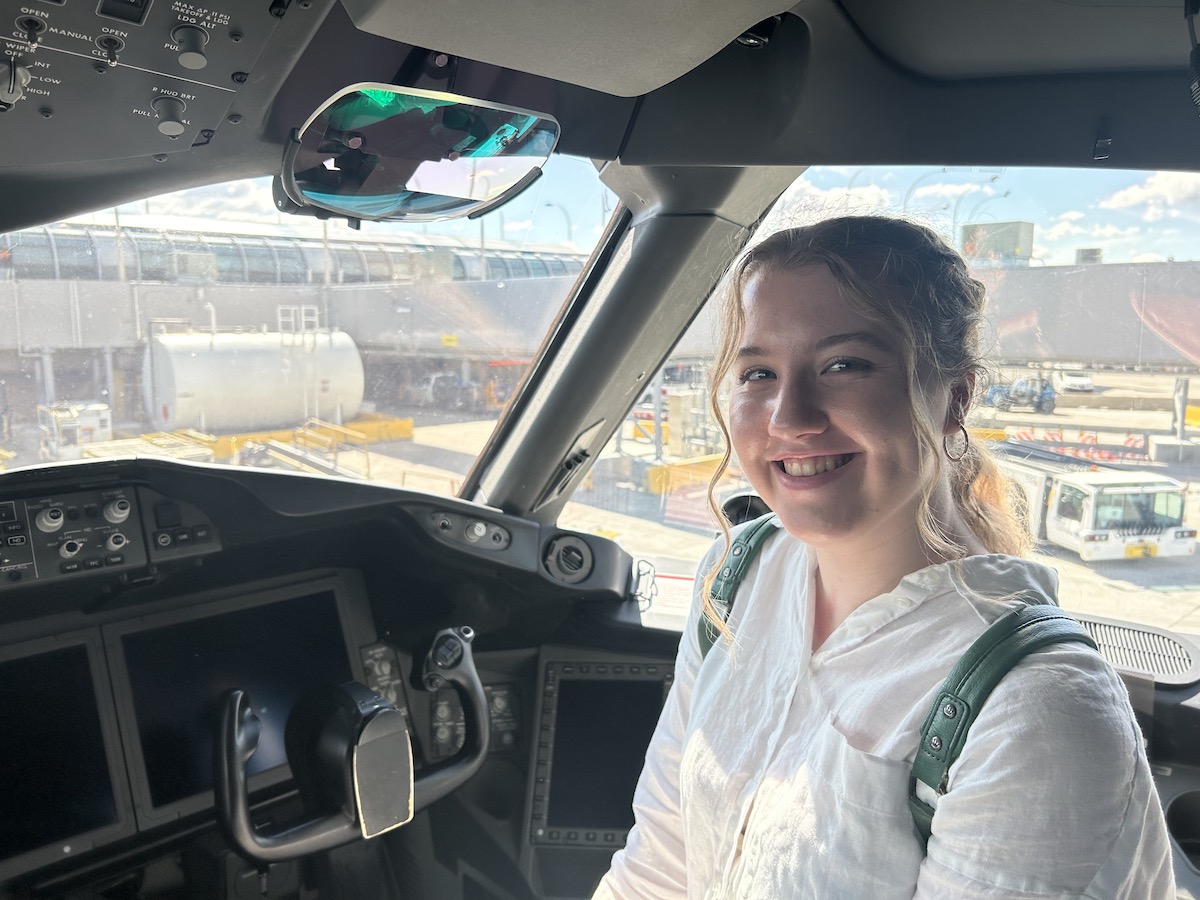
Advanced Listening Skills
Musicians often boast the skill of hearing a specific note, chord, or key, and identifying it.
While pilots do not need to be able to identify the key at which a person is speaking over frequency, being able to pick out a specific call sign out of several similar ones is important.
With more than 100 flights that can happen on a VFR day at UND, the call sign “Sioux” for all aircraft poses a challenge. With the only difference being a tail number, students occasionally miss radio calls.
Imagine a band performing together and playing the same note to conclude the piece. Even though the note is the same for all instruments, each section must play their part in conjunction with one another, emphasizing how listening skills are critical.
These are the precise values that pilots would benefit from to better designate calls from ATC, even when similar call signs are used.
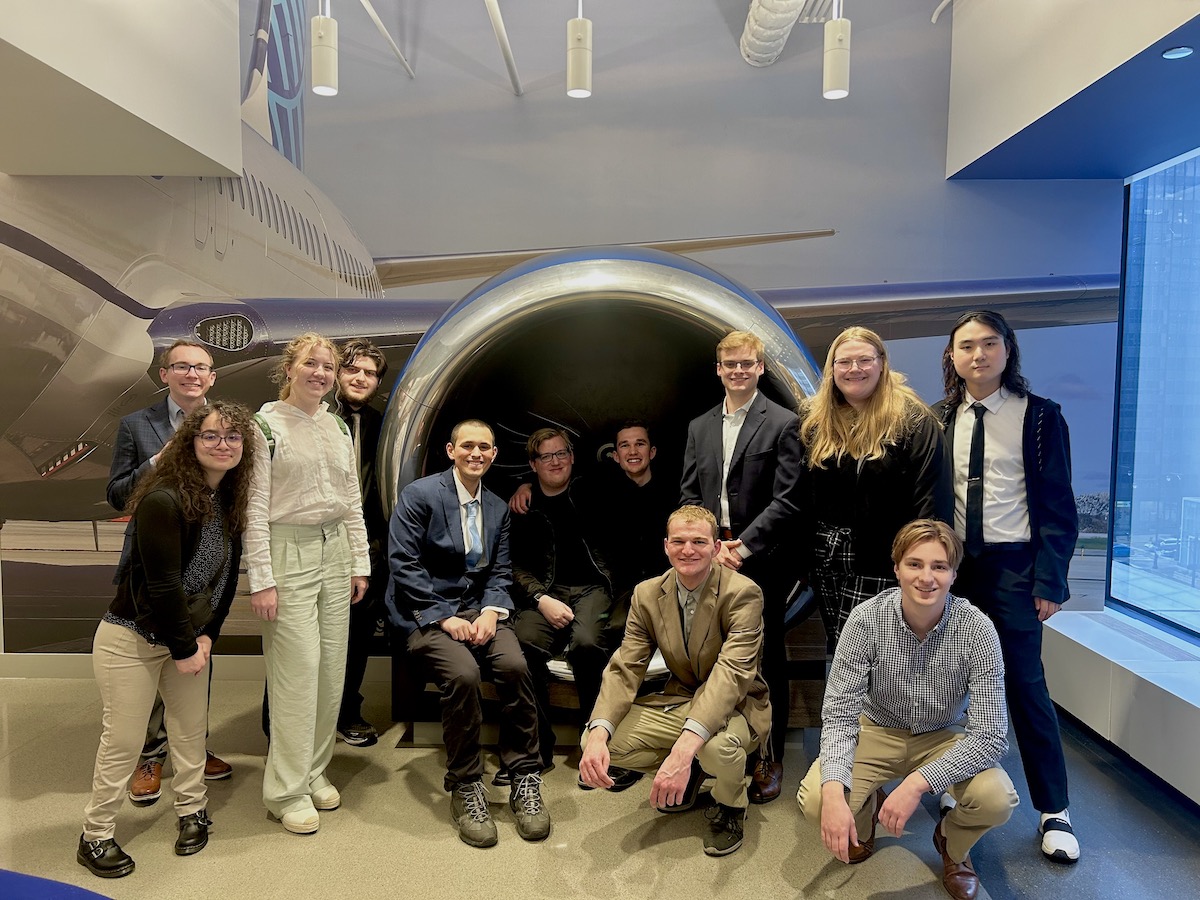
Memorization and Pattern Recognition
Memorizing music is a common activity for musicians. On top of that, music often has repeated melodies where identifying those patterns and knowing how to replicate them is a valuable talent for performers.
Similar to musicians, pilots also have a multitude of items to memorize, such as checklists, emergency preparation, and locations of switches, just to name a few. Having an adequate background and knowledge of memorization techniques is critical for efficient flight training and situational awareness.
Recognizing patterns and striving for precise timing is critical for both playing music and flying.
Through each wave of their hand a conductor controls performers. This can be replicated within the cockpit as each individual gesture controls the aircraft.
For instance, following the visual flow patterns of UND checklists can be seen as similar to what a conductor does through the same process of directing the flow of music.
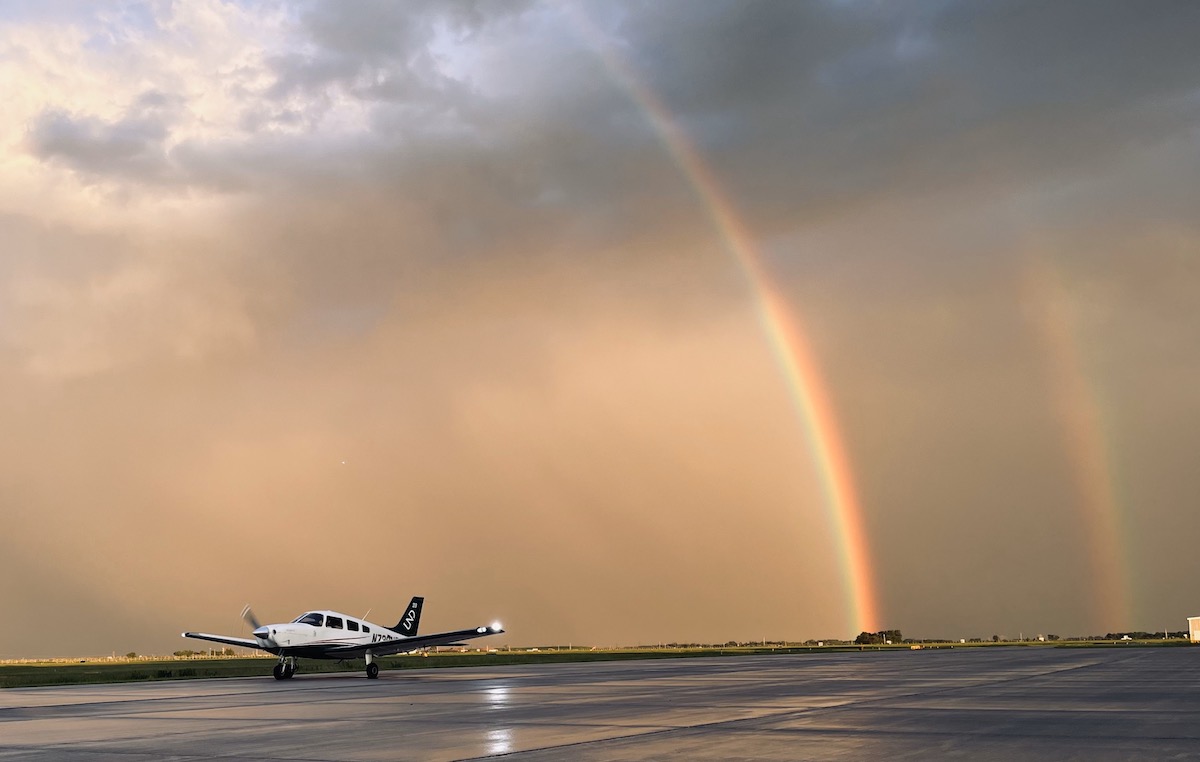
Calm Under Distress
Musicians know the amplified pressure of performing live and practice keeping calm.
In aviation, major scenarios such as emergencies, frightened passengers, or even weather diversions can alter decisions made. Therefore, a musician’s talent for remaining calm under pressure is greatly beneficial for a pilot.
A commonly discussed problem for every pilot is how to manage their mental health. The FMA chapter created a safe network for members to openly converse with one another and share common stressors.
Dealing with feelings can bring up a plethora of emotions that may be hard to deal with on your own. But it helps to talk about it.
And don’t forget that famous saying: “Music is good for the soul.”
Dynamics: Musicians v. Pilots
Commercial pilots focus heavily on Crew Resource Management (CRM). For example, captains are the Pilot In Command (PIC), and are responsible for making decisions regarding the flight. This is a part of what makes up the dynamics in a cockpit.
In music, dynamics are all about working together to achieve a similar goal: Producing beautiful music.
Being the loudest doesn’t help during a performance, just as being the loudest when talking to ATC doesn’t allow you to cut the line and depart first.
Learning to work together keeps things flowing safely in both a concert hall and at the airport.
To grow this skill, members of the Flying Musician Association hold jam sessions, which capitalize on the ideas of dynamics. Members join together without any prior rehearsal and after only an hour of learning and mentoring from more experienced members successfully play together. This spurs growth in all members of the chapter.
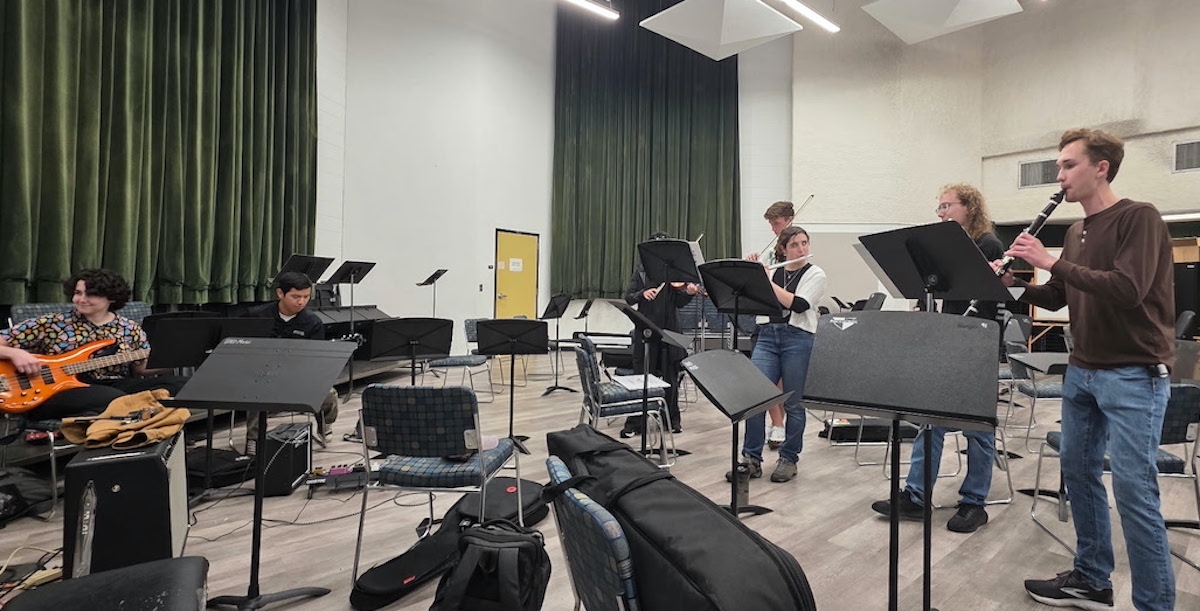
This positive dynamic between members is one of the best things about the Flying Musicians Association.
This ties directly with CRM due to the dynamics of working together, even though aviation usually follows more standardized procedures whereas music breaks the barriers of emotions through intensity and calmness.
The Next Generation
Zapp’s initial goal in starting the Flying Musicians Association was “inspiring, educating, and assisting both youth and adults in the art of aeronautics and music.”
“We, as musicians, learn early on to welcome and assist younger students,” he explains.
He strove to bring that mindset from music and connect it with his flying background, welcoming and mentoring new people into the aviation world.
One way the organization does that is through its scholarship program, including the FMA Solo Program for high school students, which covers the cost from first lesson to first solo, and the Swing Wing Scholarship, which pays for members to attend the annual New York Hot Jazz Camp.
At UND, members of the Flying Musicians Chapter encourage and support incoming aviators who also have a love of music. Through jam sessions, monthly meetings, and creative events, we continue to build a community where everyone has a place.
For more information: FlyingMusicians.org, [email protected], on Instagram: @und_fma
They should perform at OSH next year.
Add to that pitch recognition – when listening to my engine I’m very aware of the pitch in the sound. Dropping a semitone gets my attention quickly.
Stevie Wonder is a fabulous musician!
This is a great article. I love the association of being a musician and being a pilot. I’m so happy to see this positive result of John Zapp’s effort come to this UND campus. I hope other aviation oriented colleges and universities can take this example and run with it. It will be good for musicians and for future pilots. Thank you to the authors and to GA news for publishing this. I hope it gets wide distribution.
Great article,
Go Sioux!