

DAYTON, Ohio — The National Aviation Hall of Fame (NAHF) has revealed the Class of 2026, which includes inventors, astronauts, educators, record-setters, and the “Miracle on the Hudson” pilot.
“We are honored to recognize the extraordinary achievements of the Class of 2026,” said Aimee Maruyama, President and CEO of the National Aviation Hall of Fame. “From pioneering stealth technology and aerospace education to redefining human spaceflight and aviation safety, this year’s class reflects the full spectrum of innovation and leadership in aerospace. Their contributions have shaped history and continue to inspire future generations.”
Class of 2026
(The Late) William F. Bahret
Radar engineer at Wright Field’s Avionics Lab, Bahret is often called “the father of stealth.” He developed groundbreaking methods to measure and predict radar signatures based on shape and materials — without the need for physical models.
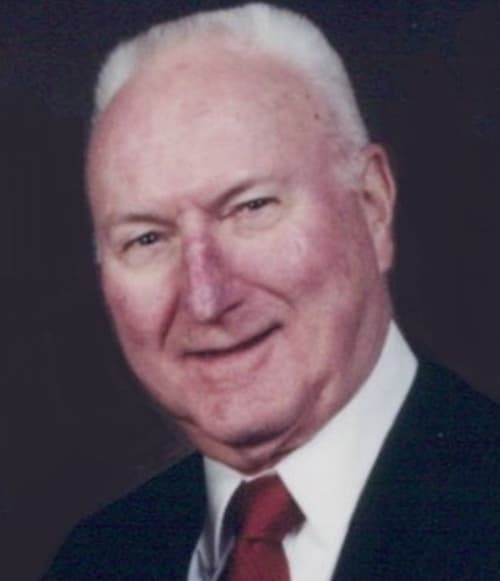
His work identified key contributors to radar reflection, such as curved surfaces, jet turbines, and antennas. By the 1960s, his theories had been applied to stealth-enhancing designs, such as the Hound Dog missile, placing the U.S. decades ahead in radar evasion technology and laying the foundation for modern low-observable aircraft.
(The Late) Leonard Michael Greene
Inventor and aerodynamics engineer, Greene held more than 200 patents to improve aviation safety and performance. He is best known for inventing the Aircraft Stall Warning device, a critical advancement that has saved countless lives. To bring his innovations to market, he founded Safe Flight Instrument Corporation in 1946, which became a developer of aircraft safety systems.
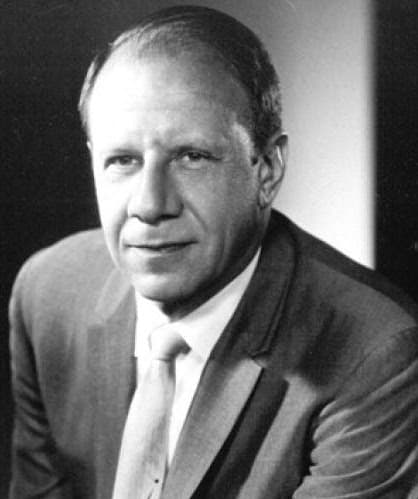
Greene was also an humanitarian. In 1981, he co-founded the Corporate Angel Network, which uses the empty seats on corporate aircraft to fly cancer patients to treatment at no cost.
Dr. Shannon Lucid
A NASA astronaut and biochemist who logged over 5,300 hours in space across five missions, Lucid had a record-setting 188-day stay aboard Russia’s Mir Space Station. Selected as an astronaut in 1978, she was among the first women to join NASA’s astronaut corps and later served as NASA’s Chief Scientist.
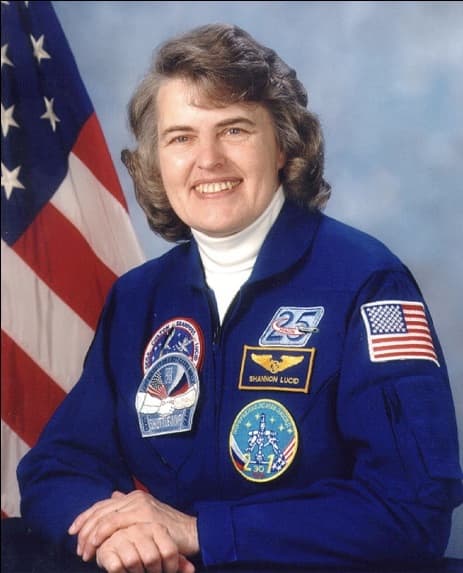
Her pioneering achievements in spaceflight and science have inspired generations and earned her international recognition as a leader in human space exploration.
(The Late) John D. Odegard
Born and raised in Minot, North Dakota, Odegard was the founder of the University of North Dakota’s School of Aerospace Sciences. He transformed a small flight program into one of the world’s leading collegiate aviation schools. Starting with two aircraft and a handful of students, he grew UND into a global leader in pilot education, aerospace research, and space studies.
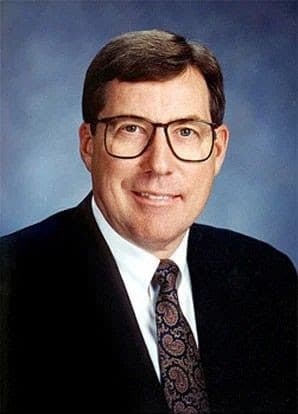
He pioneered FAA‑accredited degree programs, helped develop international training standards, and expanded UND’s work in weather, atmospheric science, and space exploration, leaving a legacy that continues to shape aviation education worldwide.
Captain Ross Perot Jr.
A business leader and aviation pioneer, Perot made history as the first person to circumnavigate the globe in a helicopter at age 23, co-piloting the Bell 206L-2 “Spirit of Texas” in 1982. He also developed the nation’s first purely industrial airport — Fort Worth Alliance Airport — and continues to break records, most recently setting multiple speed records in the Gulfstream G650ER.
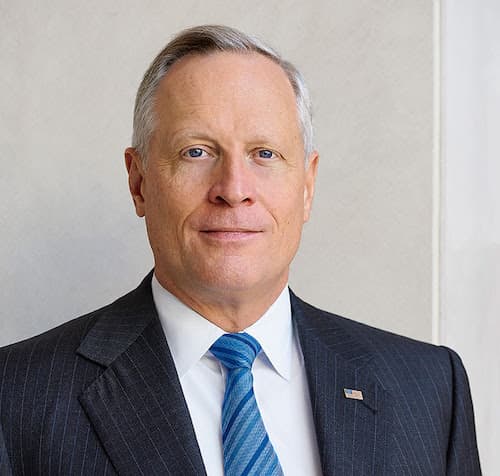
As Chairman of The Perot Group and Hillwood, he is advancing next-generation aviation technologies while supporting programs that inspire young people to pursue careers in flight and engineering, ensuring a strong future for the industry he has helped shape.
Captain C. B. “Sully” Sullenberger
An airline captain, Sullenberger’s quick thinking and calm leadership during the emergency landing of US Airways Flight 1549 on the Hudson River in 2009 saved all 155 people on board. The event, known as the “Miracle on the Hudson,” made him a global symbol of aviation heroism.
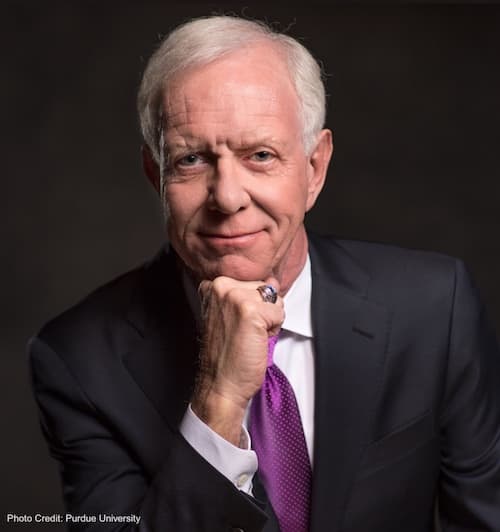
In the years since, he has become an advocate for aviation safety, pilot training, and public service, including serving as U.S. Ambassador to the International Civil Aviation Organization.
Dr. Peggy Whitson
A biochemist and astronaut whose career spans both NASA and commercial human spaceflight, Whitson flew three long-duration missions aboard the International Space Station, became the first woman to command the ISS, and later commanded two Axiom Space missions. In 2009, she was appointed NASA’s Chief of the Astronaut Office, the first woman and first non-pilot ever to hold the role.
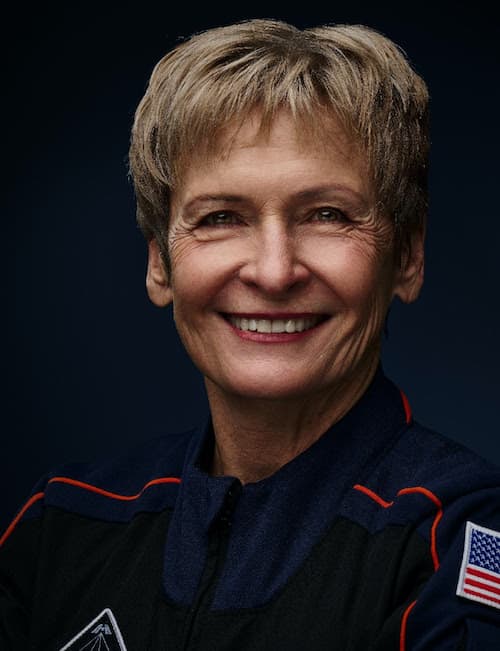
With a U.S. record for the most cumulative days in space and more than 60 hours of Extravehicular Activity (EVA) or spacewalking, she continues to advance spaceflight as a leader at Axiom Space.
The induction ceremony will take place on Sept. 24, 2026, in Washington, D.C.
For more information: NationalAviation.org