

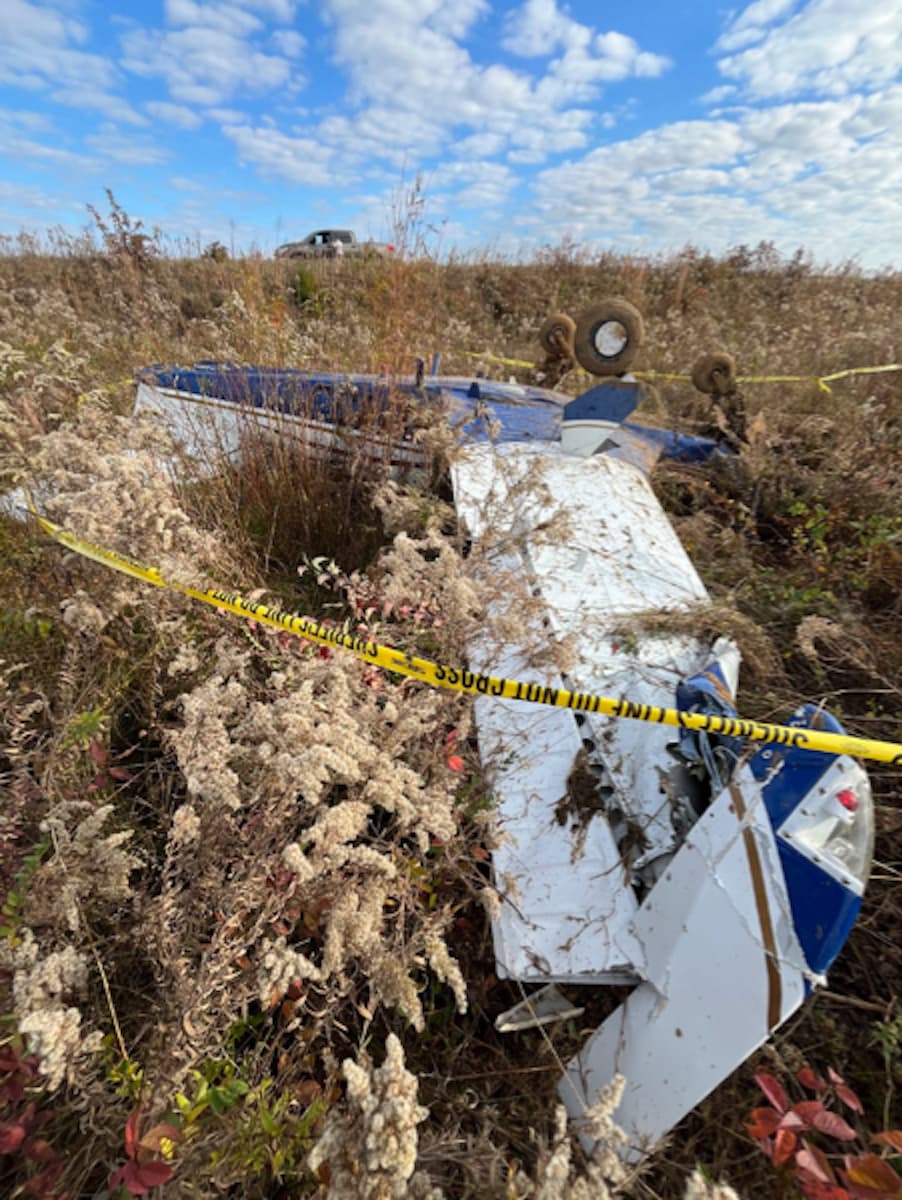
The pilot and the flight instructor planned a flight itinerary that included multiple stops with the aim of the pilot receiving seven hours of training in the Aero Commander 112.
Prior to the accident, the flight instructor learned that the pilot had not performed go-arounds or touch-and-go landings in the airplane make and model.
Upon flying the airplane into the airport in Saluda, South Carolina, the favorable weather conditions and lack of air traffic led them to decide to conduct the training in the traffic pattern there.
The first landing was made by the pilot to a full stop with taxi back.
The second landing, which was a touch-and-go, was performed by the flight instructor.
The third, followed by the fourth and final landing, was performed by the pilot.
During the fourth landing, with the wing flaps fully extended, the pilot lost directional control of the airplane and attempted to abort the landing as the airplane veered to the left (a right crosswind prevailed at that time).
The pilot tried to correct back toward to the runway centerline, but the airplane went off the left side of the runway. The airplane touched down in the grass, traveled down an embankment, nosed over, and came to rest inverted.
The airframe was substantially damaged, while both men sustained minor injuries.
Probable Cause: The pilot’s failure to maintain directional control of the airplane during an aborted landing in crosswind conditions. Contributing to the accident was the flight instructor’s inadequate remedial action.
To download the final report. Click here. This will trigger a PDF download to your device.
This November 2023 accident report is provided by the National Transportation Safety Board. Published as an educational tool, it is intended to help pilots learn from the misfortunes of others.
Yet another CFI who should be de-certified for dereliction of duty. He should have grabbed the controls and saved the flight. That’s what they get paid for in part. Guess he taught that pilot a lesson! Shame.
Regards/J