


The Civil Air Patrol has made the “difficult decision” to discontinue its national glider program.
CAP officials cited the organization’s “aging fleet, limited instructor pipeline, and increasing maintenance demands,” as well as the fact that the program was reaching less than 6% of cadets annually as the reasons behind the decision.
In a letter to CAP leaders across the nation, top officials noted that over the past eight months, the Glider Program Working Group conducted a “comprehensive, data-driven analysis of the program’s maintenance, safety, instructor availability, fleet condition, and alignment with Civil Air Patrol’s mission.”
It found that it would take significant additional resources, including funding, to keep the program afloat.
“The most responsible course is an intentional, well-planned deactivation that preserves safety, honors the contributions of our members, and positions CAP to focus resources where they can have the greatest impact,” the letter notes.
A timeline has not yet been established for that deactivation, with top officials asking leaders across the country to “please continue to care for the assets as you normally would.”
According to an executive summary from the Glider Program Working Group, which took eight months for its review, as of December 2024, CAP maintained 154 current glider pilots (42% of all ever-qualified), of whom 130 (84%) were also Orientation Pilots and 84 (54%) were CFIGs.
“The pilot pool is aging, with a median age of 62,” the review stated.
The program also has 190 qualified tow pilots, “but several wings lack a balanced distribution of pilots and equipment, resulting in operational challenges.”
The program’s fleet includes 41 aircraft with an average age 33 years, including 12 Schweizer 2-33s, 24 L-23 Super Blaniks, and five Schleicher ASK-21s.
“All face challenges of aging, maintenance complexity, and part scarcity,” the review noted.
The average age of the 48 tow planes is 25 years, with the fleet made up primarily of Cessna 172s and Cessna 182s, with two Maule MT-7-235s.
“Maintenance is decentralized and on an as-needed basis, with significant logistical challenges posed by glider disassembly, shop experience, and insurance requirements,” the review continued. “Parts scarcity and maintenance challenges impact operational performance.”
There is no funding available for replacing gliders, with the program costing the organization $500,000 a year in direct annual costs, plus the indirect costs of maintenance, transportation, insurance, and tow costs.
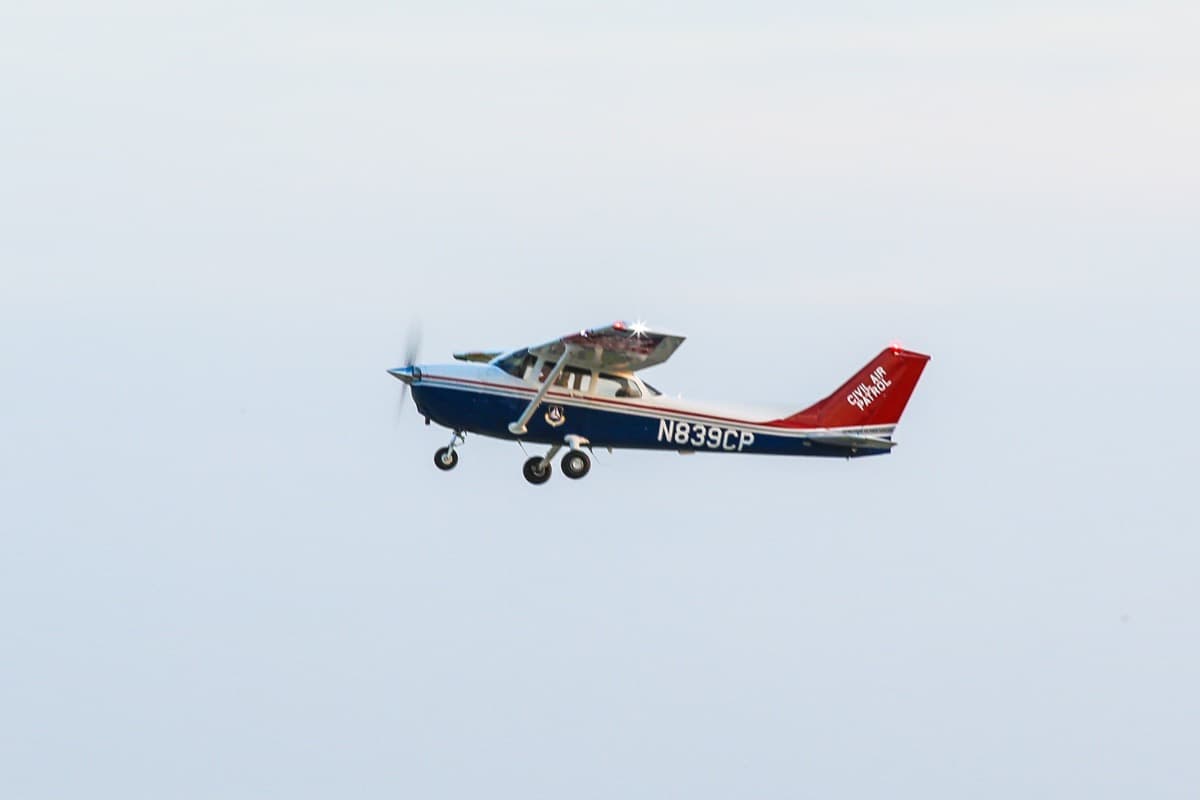
The review also noted that most of CAP’s cadets are gaining flight experiences in CAP’s powered aircraft. CAP operates one of the largest fleets of Cessnas in the world, with more than 550 aircraft, including Cessna 172s, Cessna 182s, and Cessna 206s.
For more information: GoCivilAirPatrol.com
Leave a Reply