

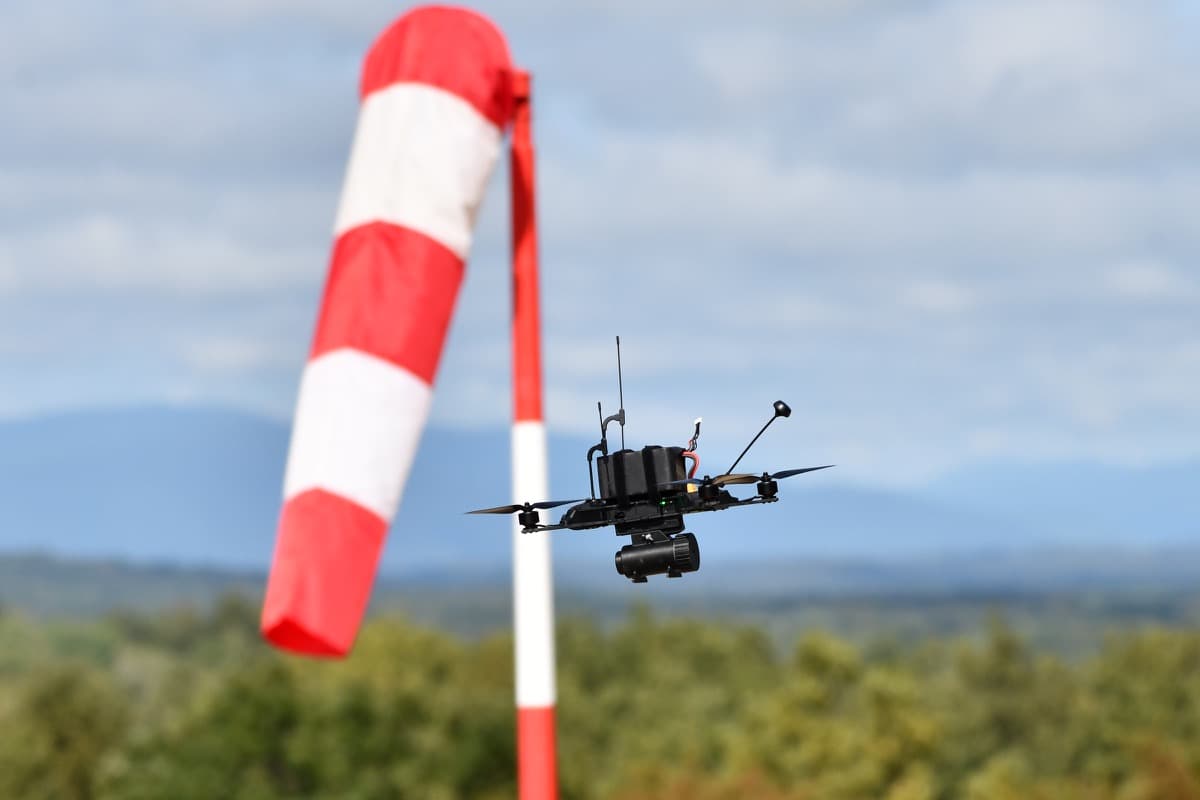
If you’ve flown into a busy area lately, you’ve likely seen a “wasp nest” of targets on your ADS-B In display. But according to a report from the U.S. Government Accountability Office (GAO) released Feb. 9, 2026, the real challenge for a general aviation pilot isn’t the traffic you can see — it’s the ones you can’t.
As the commercial drone fleet scales toward an estimated 1.18 million drones by 2029 — with the recreational fleet expected to top 1.9 million at the same time — the FAA is under pressure to figure out how these uncrewed systems will share the National Airspace System with general aviation aircraft.
GA pilots also will feel that pressure as the next few years will bring a massive shift in how we share the air.
The “Electronic Conspicuity” Gap
Right now, drone integration is a one-way street. Most professional drones use ADS-B In to see you, but they are generally prohibited from using ADS-B Out to let you see them.
According to FAA officials, allowing millions of drones to broadcast on 978 MHz or 1090 MHz would “saturate” the frequencies, potentially blinding Air Traffic Control and cockpit traffic displays.
This creates a safety deficit. While you’re broadcasting, drones are often “non-cooperative” targets, relying on cameras or acoustic sensors to get out of your way. The GAO found that these sensors struggle with background noise, clouds, and even birds, making them less reliable than the technology in your panel.
ADS-B Plus
Aviation advocates interviewed for the report, including officials with the Aircraft Owners and Pilots Association (AOPA) and Vertical Aviation International, are pushing for an “ADS-B Plus” approach. The goal is to ensure drones have a secondary way to detect “stealth” traffic — the gliders, balloons, and vintage aircraft without electrical systems that frequent low-altitude Class G airspace.
“Drones and other aircraft need to be able to see and communicate with each other electronically,” according to officials in the Department of Transportation’s response to the report.
The report highlights three moves that will affect the National Airspace System:
- Portable ADS-B for All: The FAA is testing low-cost, portable ADS-B Out devices for aircraft without electrical systems so they can retain right of way over drones.
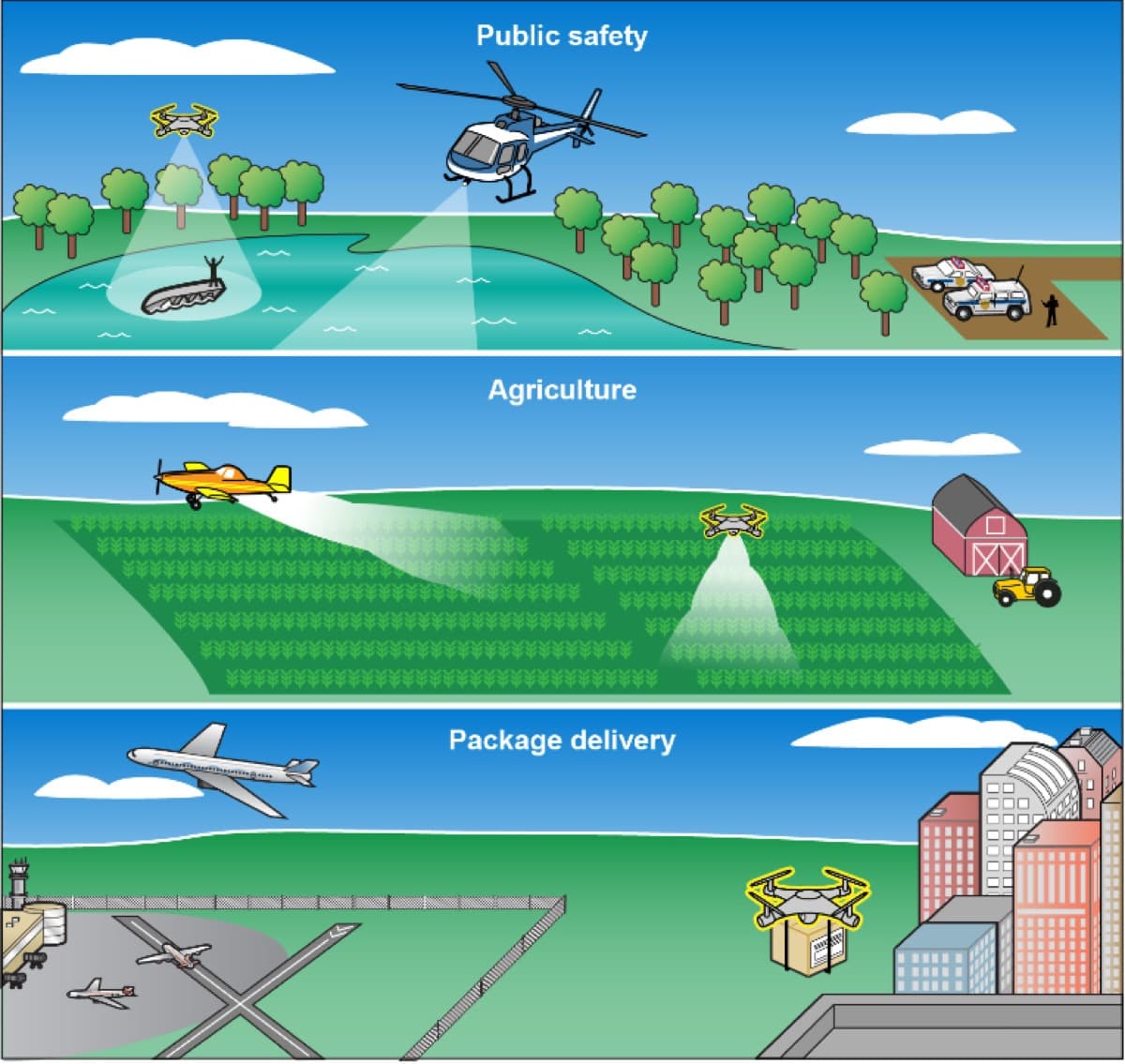
- The “Info-Centric” National Airspace System: By 2035, the FAA envisions a system where every user — from a Piper Cub to a package-delivery drone — shares location data via a networked “integrated information environment.”
- Revised Right-of-Way: Proposed rules suggest that drones broadcasting their position may eventually have right-of-way over manned aircraft that choose to remain “dark” (non-broadcasting).
The GAO’s Verdict: Move Faster
While the FAA has taken some action, such as proposing new regulations that would require drones flying Beyond Visual Line of Sight (BVLOS) of the operator to detect and avoid other aircraft in August 2025, it’s moving too slowly, according to the GAO report.
“FAA has not identified specific actions such as clear roles or technical milestones timelines, which could help FAA and industry move toward two-way communication between drones and other aircraft,” the report noted. “Congress tasked FAA with the responsibility to develop an information-centric National Airspace System and develop an integrated plan for the future National Airspace System by May 2027. Developing specific actions could build upon FAA’s drone integration efforts and help ensure safety for all airspace users in the future National Airspace System.”
The GAO recommended that the FAA set hard technical milestones and clear roles for industry partners to ensure that as drones move to BVLOS operations, they aren’t becoming a mid-air hazard.
For general aviation pilots, “see and avoid” needs to be augmented with “detect and avoid” to ensure safe flight operations as the FAA works towards its 2027 deadline.
You can read the full GAO report here.
Leave a Reply