

By STEVE SCHAPIRO
If you fly long enough, you’ll hear something over ATC that catches your attention. Flying over the southern portion of the Chesapeake Bay in June 2025 was one of those moments: “98 Kilo Quebec. Radar contact. Patuxent Altimeter 29.72. What kind of animals are you saving?”
“We’ve got 30 dogs and cats.”
“You’re doing the Lord’s work.”
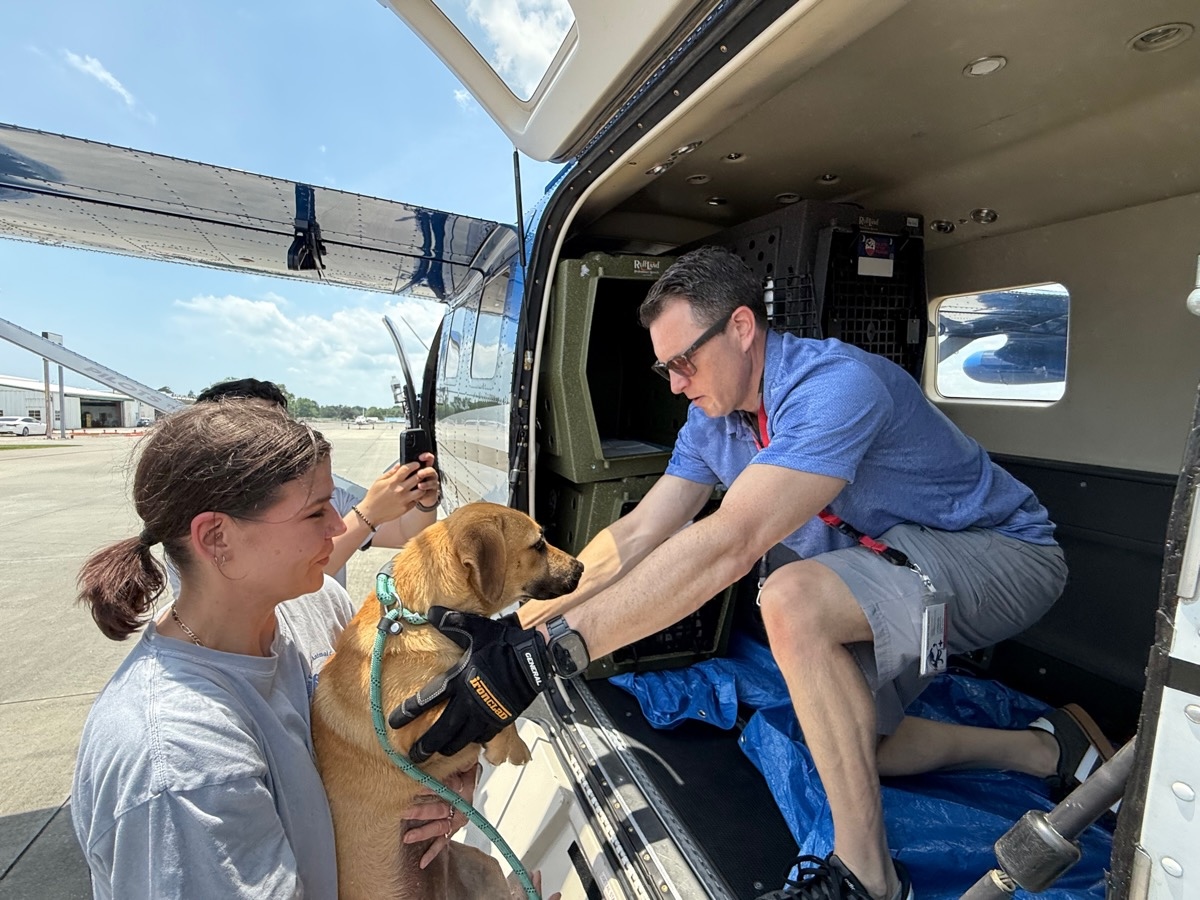
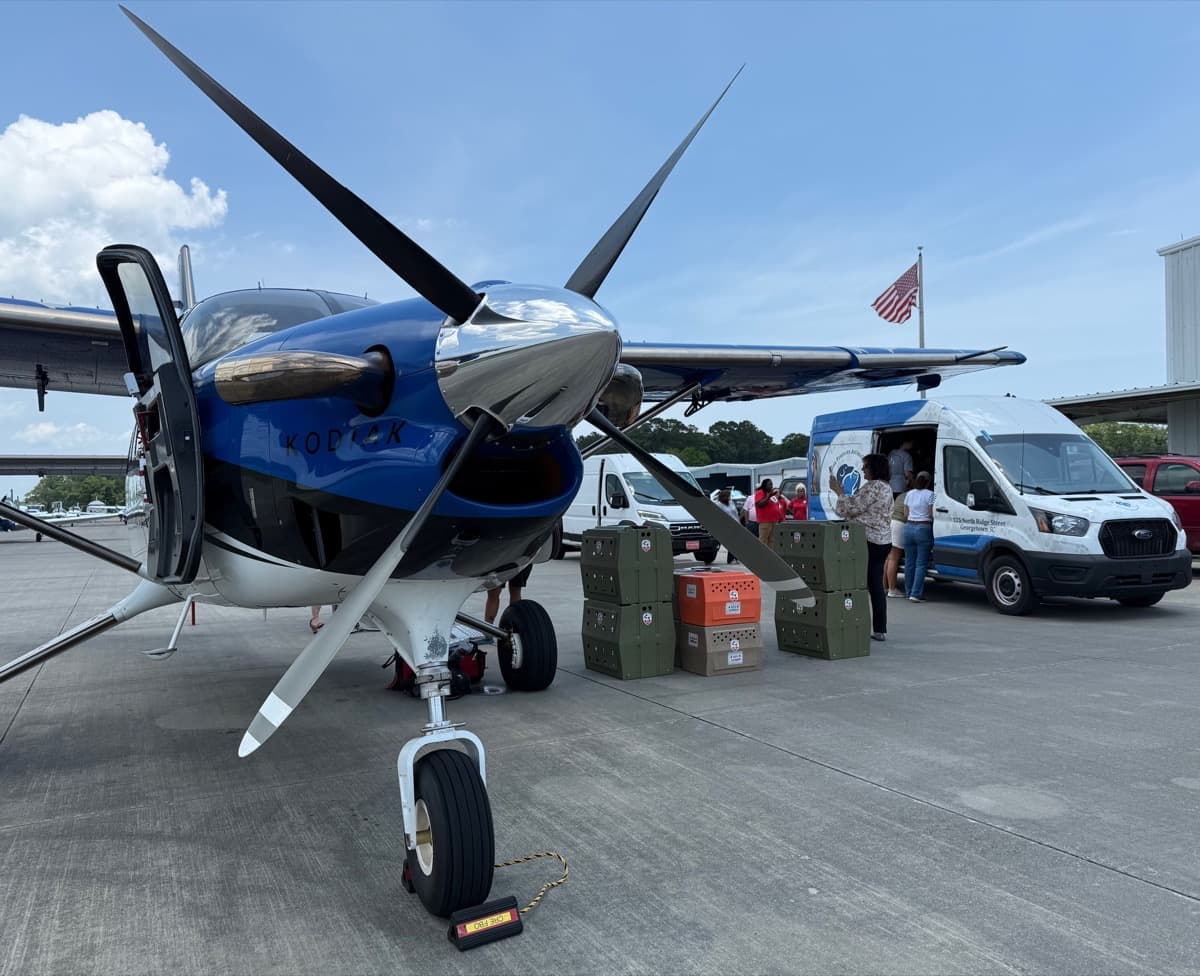
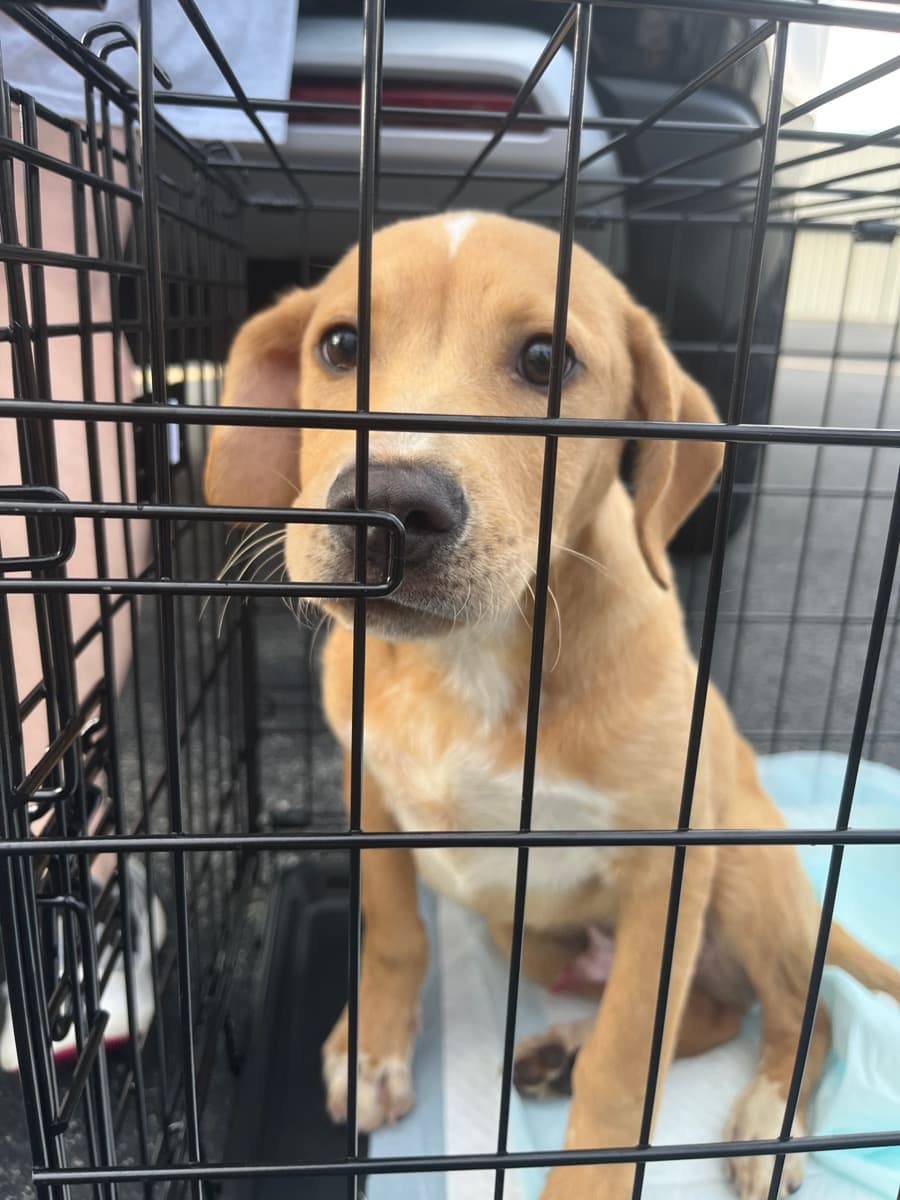
The angel’s wings came in the form of a Kodiak 100 with Michael Schneider at the controls and Daniel Baumel flying as co-pilot. The mission departed Essex County Airport (KCDW) in Fairfield, N.J., where Pilots To The Rescue is based, and headed to Grand Stand Airport (KCRE) in North Myrtle Beach, S.C., to rescue 23 dogs and seven cats.
Michael is the founder, executive director, and chief pilot for Pilots To The Rescue. He created the organization 11 years ago, but it took a few years before he realized animal rescue is his life’s calling.
“I’m 48 years old and it took me 45 years to figure out my purpose,” Michael said. “I do this because I love aviation and flying. The icing on the cake is I get to use flying to give back to something. Rescuing animals is very rewarding.”
Michael has an entrepreneurial background and he brings that experience to the non-profit animal rescue arena with an evangelical zeal. Combining his passion for flying and animals, he created Pilots To The Rescue, which is unlike most other non-profit organizations. It is a hybrid model that combines owning and operating aircraft, a ground transportation fleet, and a transport board, similar to Pilots N Paws. While the core mission is to save dogs and cats that would otherwise be euthanized, Pilots To The Rescue also transports endangered species like red wolves and sea turtles.
How It All Started
Pilots to the Rescue was founded in 2015, but it had its roots in Briarcliff Manor, N.Y., where Michael’s entrepreneurial instincts emerged at a young age. He loved animals and started a pet sitting business where he would walk dogs and take care of them while their owners were away.
“I always had an affinity for rescue animals,” he said, noting his love of aviation came later.
After going skydiving for his birthday, Michael spoke to the pilot about flying. “He told me to take a discovery flight. I did and I was hooked.”
Once he earned his pilot’s certificate in 2009, Michael began looking for ways to give back. He heard about people transporting animals with airplanes.
“I did a few of those with another group and being the entrepreneur that I am, I started my own non-profit organization, Pilots To The Rescue.”
They raised some money — in part by using a GoFundMe campaign that brought in $12,000 in 48 hours — and bought a Piper Lance. In late 2015, Pilots To The Rescue flew its first two missions and saved 17 dogs. At the time, Michael had a corporate events business and Pilots To The Rescue was a charitable “side hustle” or, more accurately, a “side passion,” he said. Almost all of the flying he did during this period was rescuing animals.
That all changed during the pandemic. With the world shut down because of COVID-19, Michael’s event planning business didn’t make it. So in 2021, he made running Pilots To The Rescue his full-time job.
“Things have really taken off since I put my heart and soul into it and took it seriously,” he said. “Working on it full-time, it has grown a lot.”
Pilots To The Rescue sold the Lance and bought a turbocharged Piper Saratoga and added two Cherokee 6XTs to its fleet. With several pilots flying missions, they were putting 500 hours a year on the aircraft. All that flying created significant maintenance needs, including having to overhaul an engine before TBO. Add to that a difficulty in finding maintenance shops that had the availability to complete the necessary work, and the planes were spending more time on the ground than in the air. That’s when Michael started thinking about getting a turbine.
Big Bear
“We were aircraft rich, but cash poor for owning three planes,” he said. “And it’s a bad position for a charity to be in because all charities need sufficient reserves.”
They sold the three PA-32s, and thanks to a gift from a wealthy donor, they had enough money to buy a used Kodiak 100.
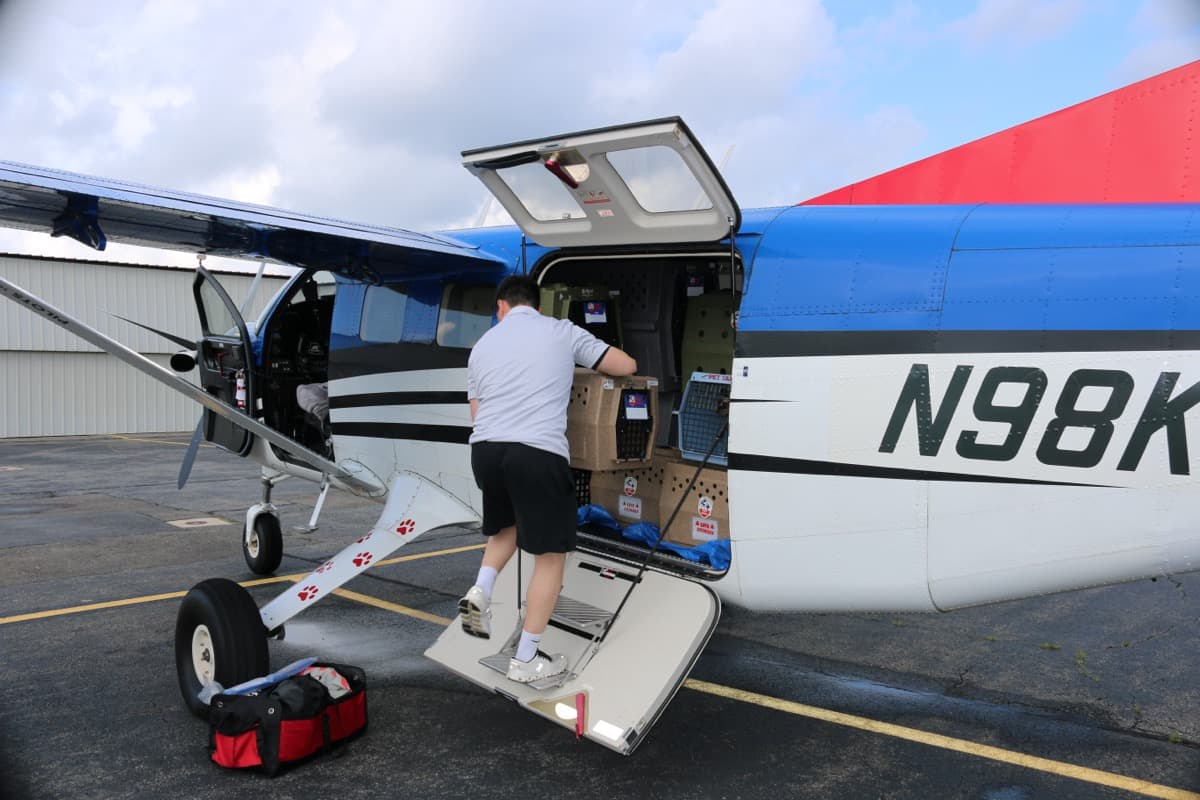
The Kodiak provides several advantages for the organization. First, it is much larger than a PA-32, so it can carry more animals. It has a useful load of 3,530 pounds compared with 1,340 pounds for the Cherokee 6XT. Its large cargo door makes loading animal crates even easier than it is on a Saratoga or Cherokee Six.
The Kodiak cruises at 174 knots, which is 13 knots faster than the Cherokee 6XT, and its 1,000-mile range is about 175 nm greater, meaning Pilots To The Rescue can go farther to rescue animals and get them to safety in less time than with the Cherokees. This results in quicker transport for the animals and a larger footprint where Pilots To The Rescue can complete rescue missions.
“The obvious reason why this plane is a game changer for the organization is the size. We can rescue double the number of animals,” Michael said. “The other reason is its safety and reliability. The dispatch reliability on a turbine is very high.”
That reliability, along with the extra capacity, immediately paid dividends. In 2025, Pilots To The Rescue flew 85 missions and saved 2,325 animals — a dramatic increase from the 52 missions and 950 saved in 2024. Since the organization was founded, they have flown 370 missions, saving 6,170 animals. The Mission Stats page on Pilots To The Rescue’s website documents all of the missions listed by year with photos, videos, and a description of the animals saved.
One challenge is the availability of parts. About 350 Kodiaks have been made, and although they are still being produced, “they don’t have a lot of parts sitting in the shop,” Michael said. If a part is needed, they can make it or pull it off the assembly line.
Another downside of the Kodiak is insuring a $2 million aircraft and the requirements to get the volunteer pilots checked out. The insurance requires pilots to have a minimum of 750 hours total flight time or there is an additional premium, and then 10 hours in make and model. To become a PIC, the insurance requires 35 hours flying with a mentor, which is a pilot who has at least 100 hours in type.
Pilots To The Rescue has five pilots checked out as PIC and three more in training, but only one has enough hours to serve as a mentor. Michael also works with pilots to train them to interact with the animals and handle the ground operations of a rescue flight.
Flying a Mission
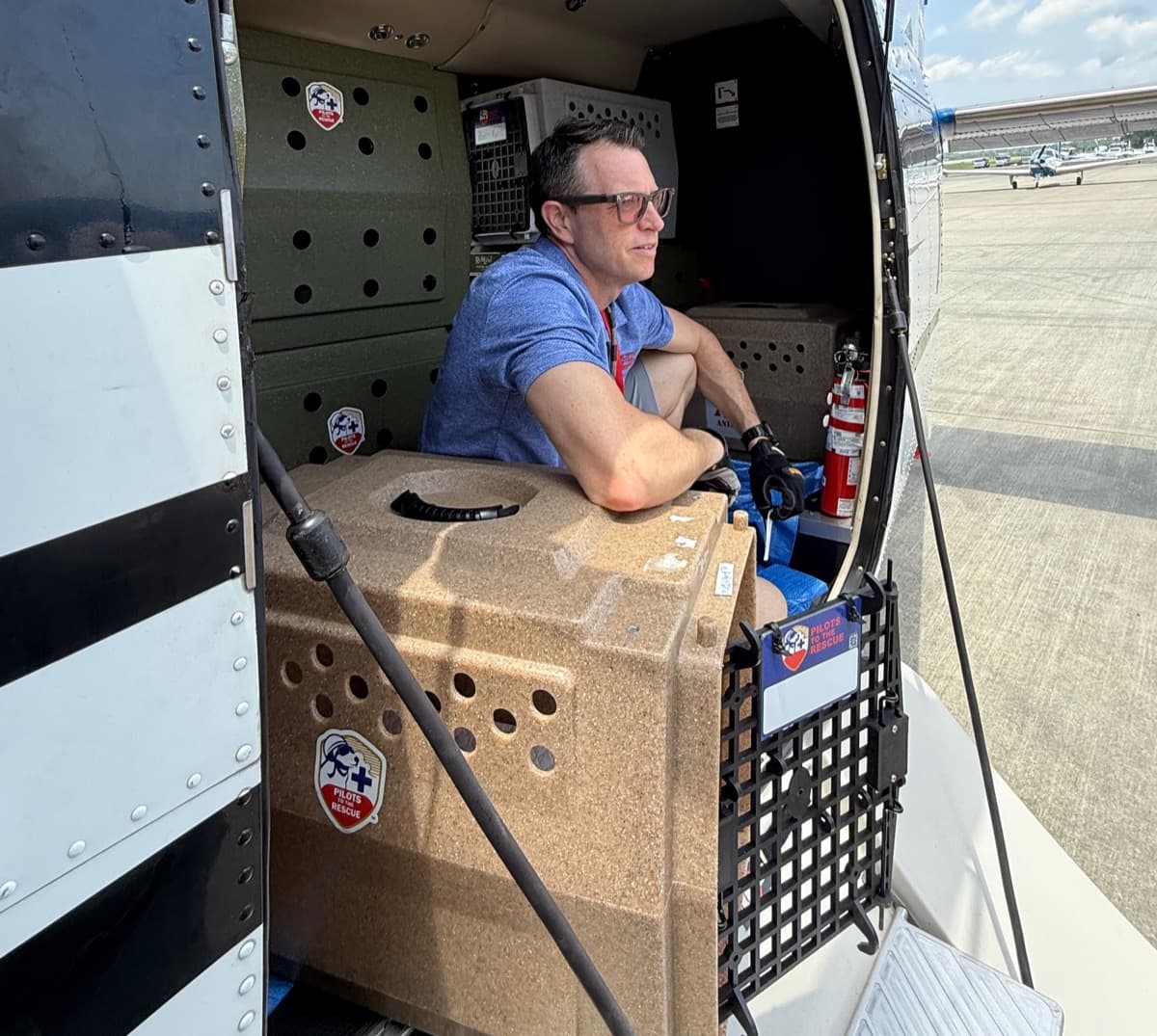
Planning and flying a mission begins early at Essex County Airport. The first challenge is getting the Kodiak out of the hangar, which is packed with animal carriers of all sizes.
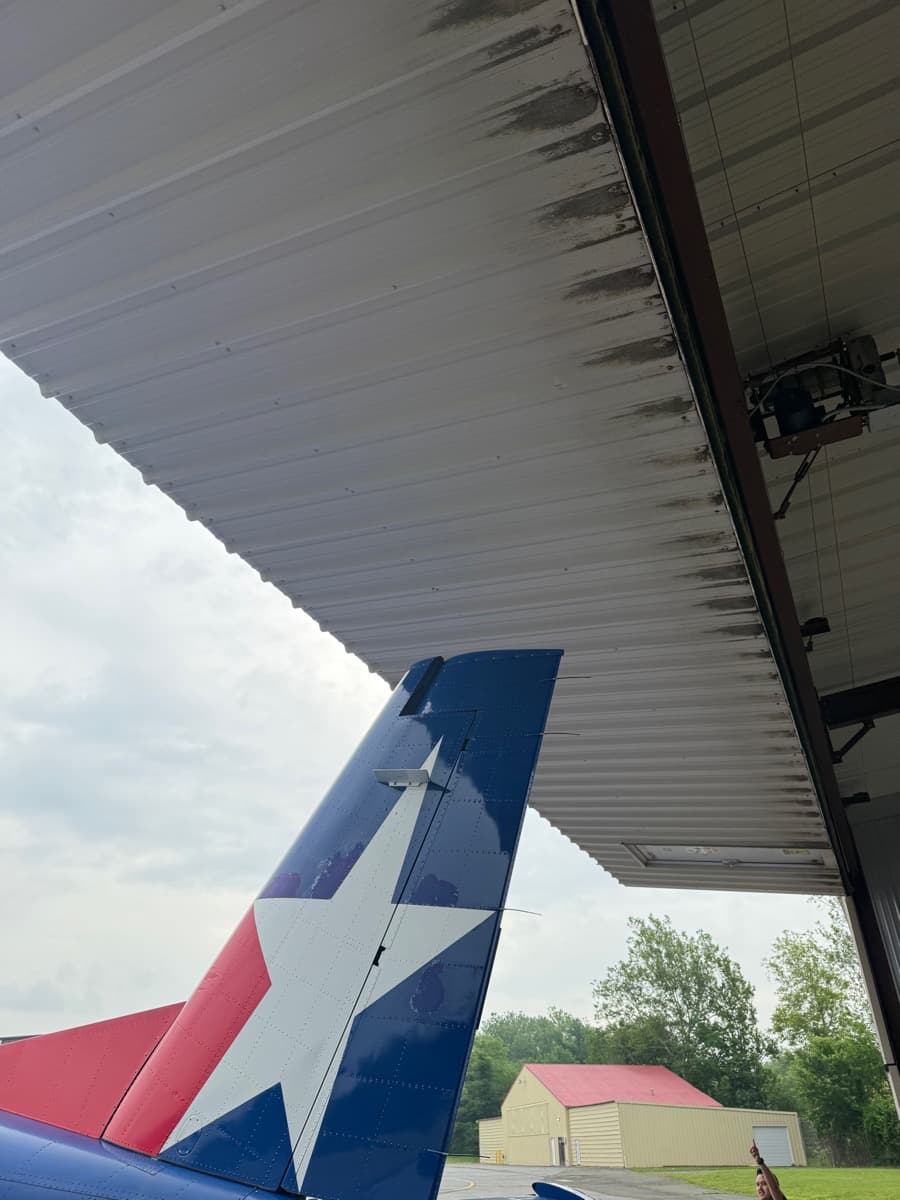
With a wingspan of 45 feet and a tail height of a little more than 15 feet, the Kodiak is a tight fit with just a few inches clearance on each wingtip. The tail is actually higher than the door, so Michael has to use the tug to lift the nose wheel up and tilt the Kodiak back on the main gear. This lowers the tail just enough to gain the clearance to get out.
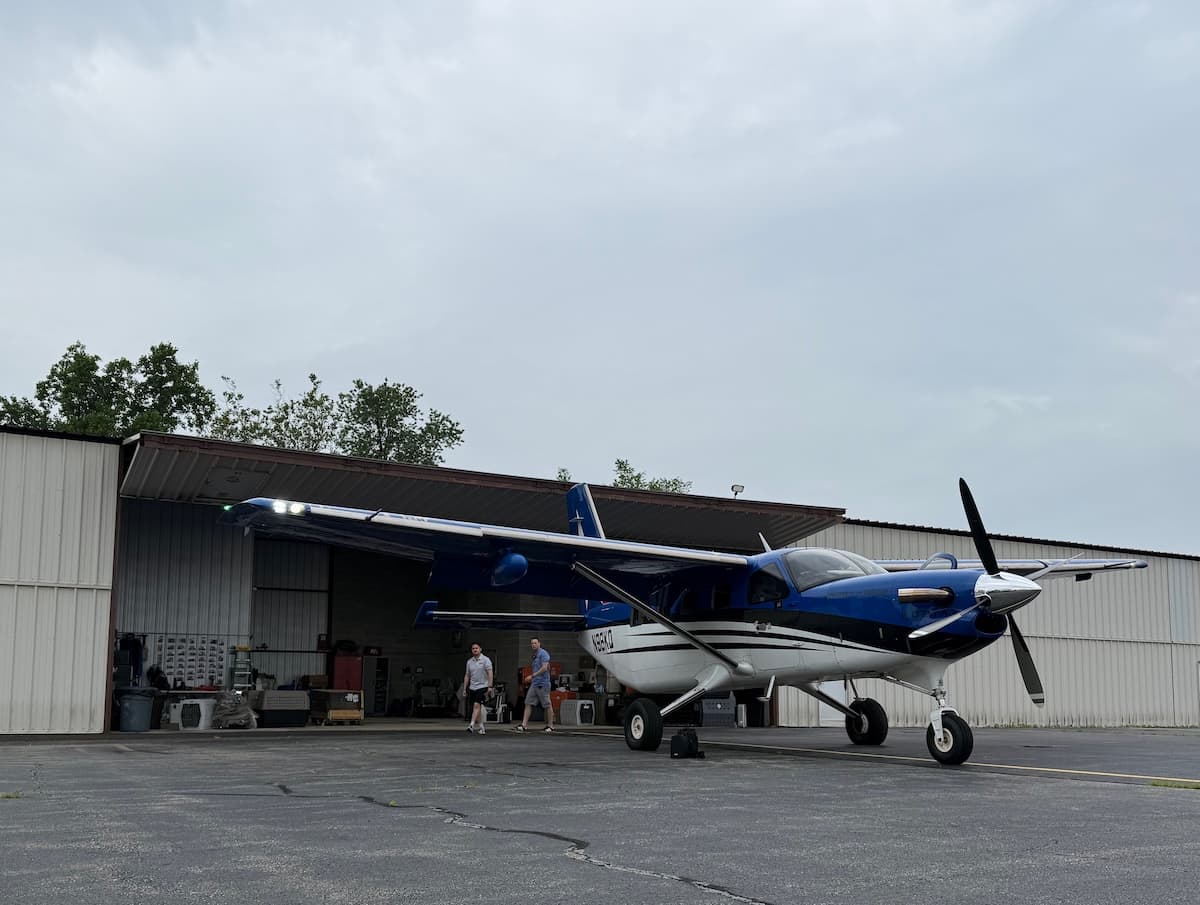
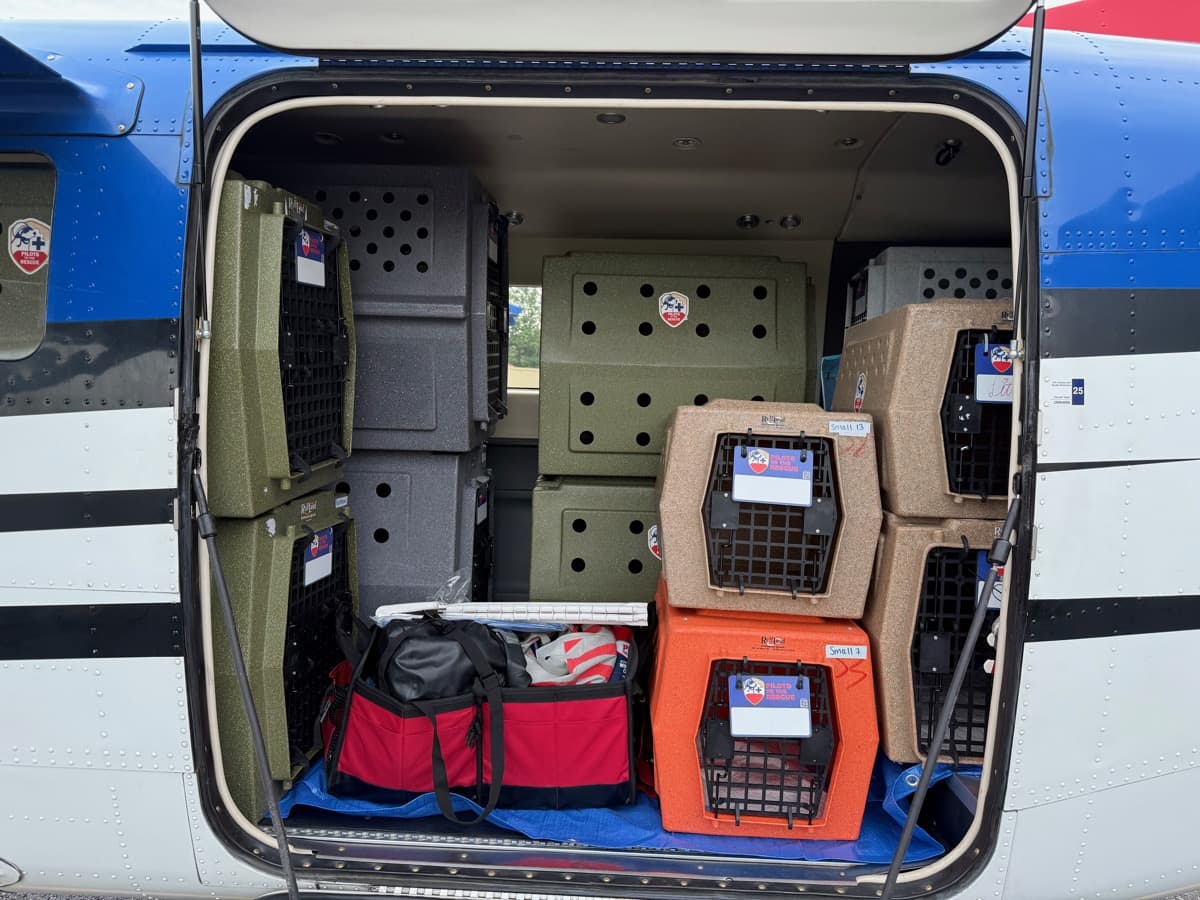
The Kodiak can be outfitted with up to 10 seats. For our flight, the aircraft only had three seats, leaving as much space as possible to carry animals. Before the flight, Michael works with the rescue organizations to develop a manifest with the number of animals and their weights so he can plan what crates to bring and do a weight and balance.
After taking off on an IFR flight plan, we climbed to 7,000 feet and headed south. Once at altitude, Michael used his Starlink Internet connection to provide a livestream mission update from the cockpit on Facebook, as well as real-time updates to staff on the ground.
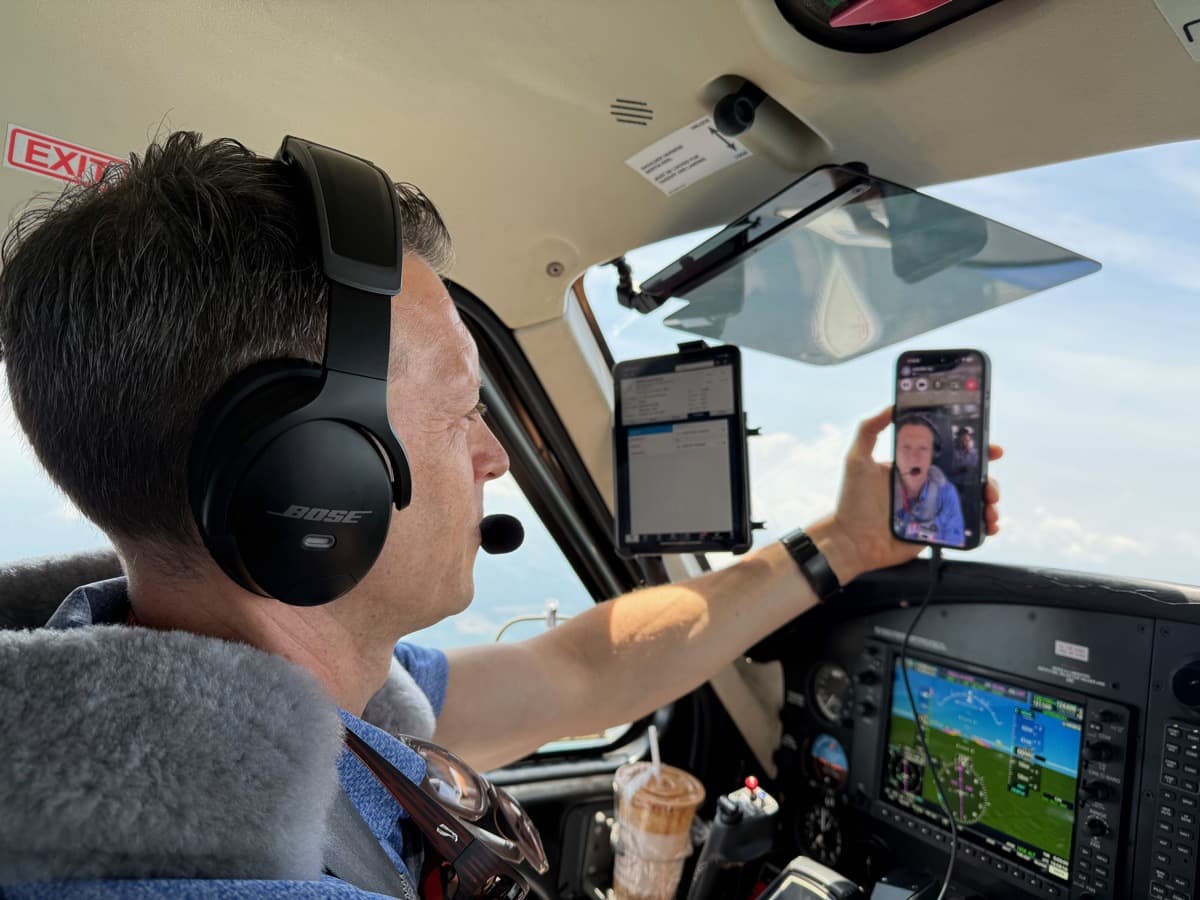
Entrepreneurs are problem solvers, and it helps if you know how to get attention, which is one of Michael’s strengths. Pilots To The Rescue understands the power of social media and utilizes the platform to increase awareness for the organization, the need for animal rescue, and the usefulness of general aviation.
“We’re lucky. Aviation’s cool,” Michael said. “It gets people’s attention, right?”
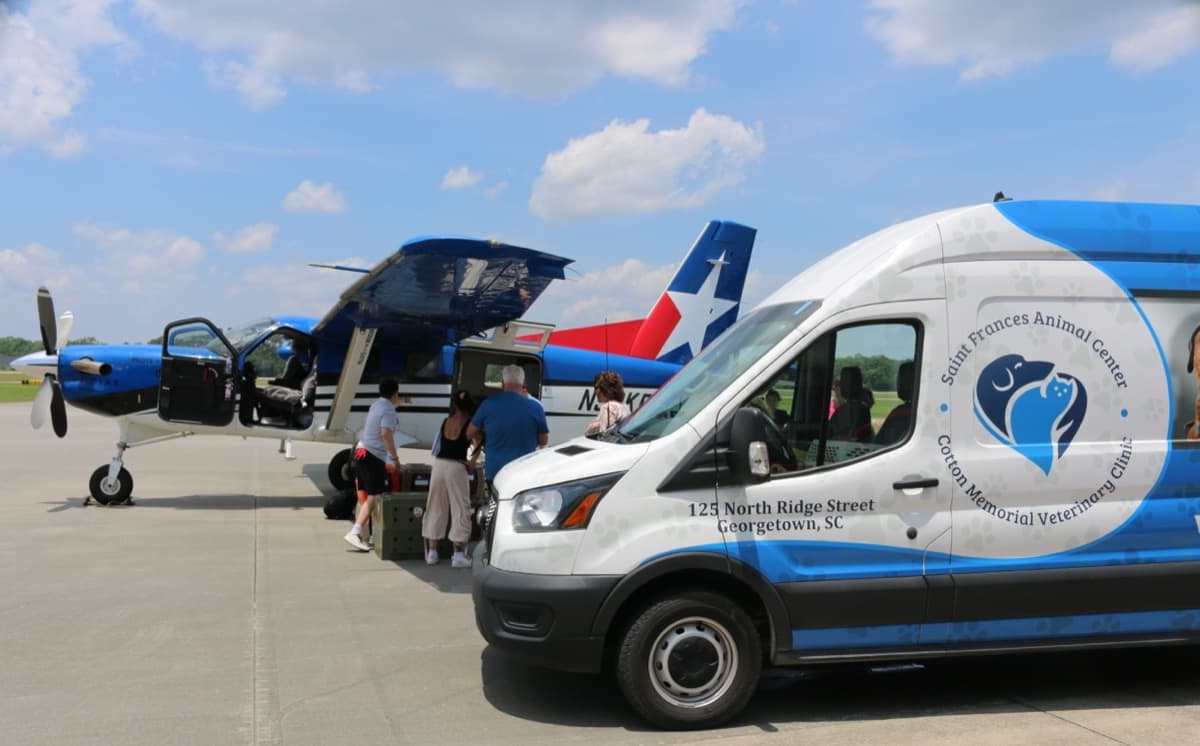
When we landed in Myrtle Beach, there were vans from the various rescues with the dogs and cats to be transported to their “furever” homes, as well as reporters from the local newspaper and TV station.
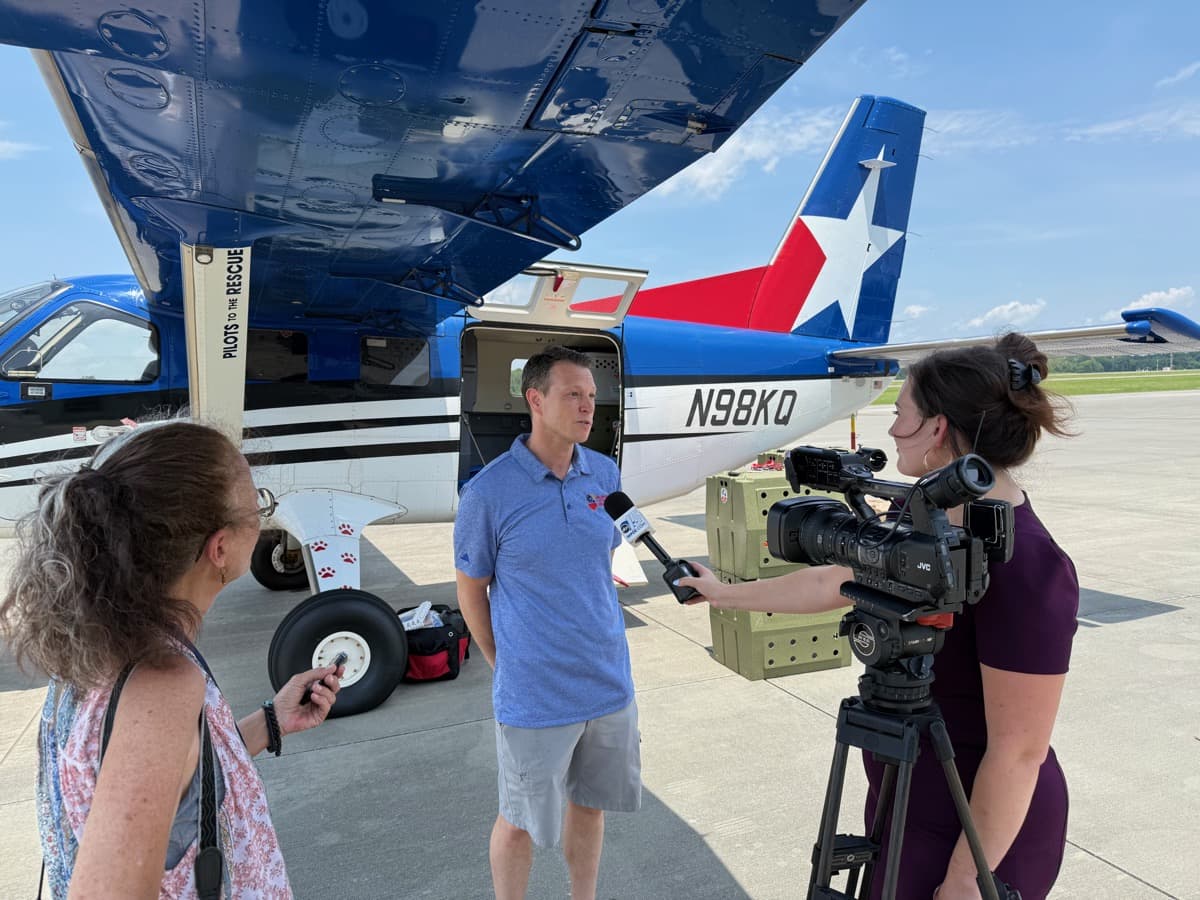
That media savviness, through both social media and traditional news coverage, results in a lot of rescues and pilots reaching out.
Rather than say no and turn away people who want to help, Michael felt the organization needed a way to keep them engaged, so they created a transport board similar to Pilots N Paws.
Animal Rescue by Air
Pilots N Paws is another non-profit organization that saves animals with volunteer pilots. It features a discussion board where people or organizations can request a transport and volunteer pilots can post availability. The animal rescue organization and pilots then coordinate directly. Pilots N Paws was founded in 2008 and is often credited with formalizing the use of general aviation for animal rescues.
As Pilots N Paws grew, individual organizations that work directly with shelters began forming, such as Wings of Rescue in 2009, FlyPups in 2011, and Pilots to the Rescue in 2015.
Michael is a fan of Pilots N Paws, but Pilots To The Rescue isn’t trying to emulate or compete with them. Having a transport board allows pilots to sign up to get notifications when there is a rescue request so they can do the rescue on their own, which helps the overall mission of saving animals. Pilots To The Rescue has more than 1,000 pilots in its database, but it doesn’t have nearly the number of requests that Pilots N Paws does.
One key difference of the Pilots To The Rescue transport board is that Amy, the transport coordinator, vets requests. Unfortunately, some people say they have animals in need of rescue when they are just trying to transport pets. Since not everyone understands that, Pilots To The Rescue verifies the requests.
Besides having a transport board, Pilots To The Rescue is willing to work with other rescue organizations as well.
“I don’t think of ourselves as competitors,” Michael said. “I think we’re in a category of our own, but we want to be generous. We are willing to make room for everybody who wants to save animals.”
Pilots To The Rescue has partnered and flown missions with Seuk’s Army, an animal rescue organization formed to honor Seuk Kim, a volunteer pilot who died in November 2024 while flying rescue animals to safety.
“We don’t mind collaborating. We’re all in this for the same purpose to save animals,” Michael said. “We’ve been doing a lot of stuff with Seuk’s Army, like using the van. It’s a great working relationship.”
Ground Transportation
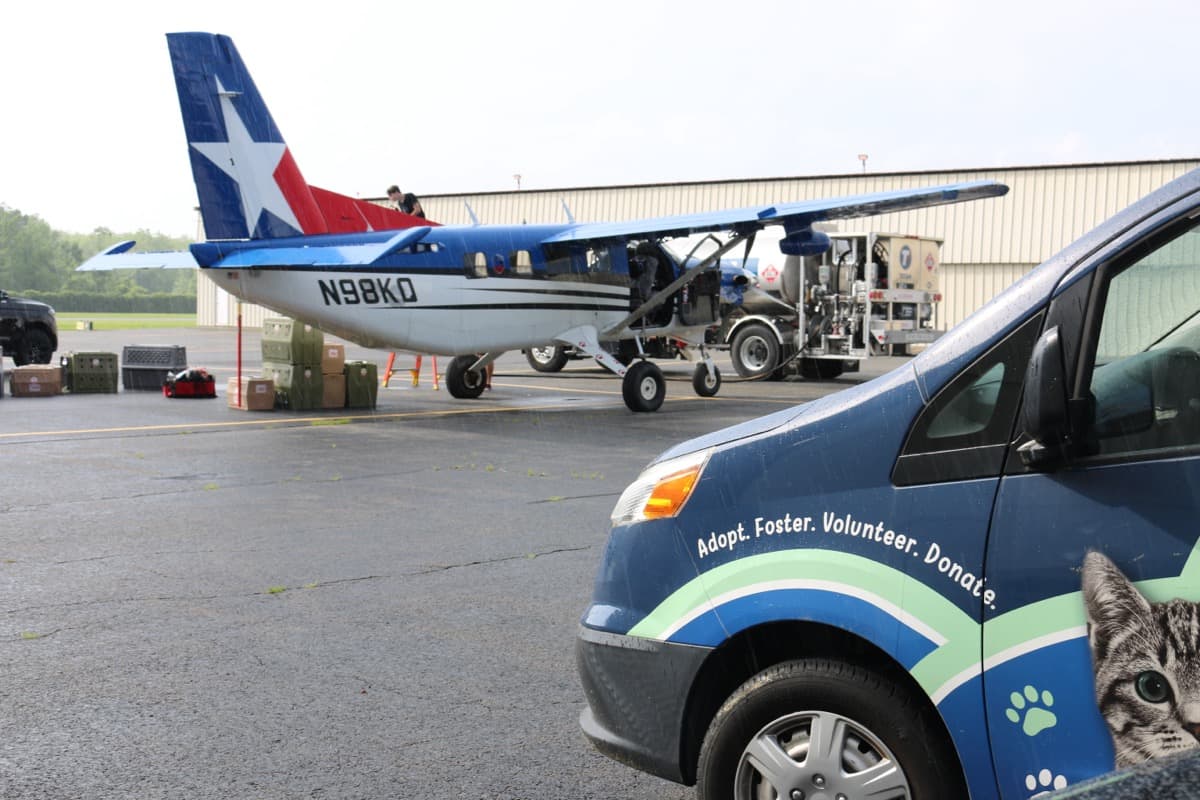
The van is actually a fleet of four Diesel Sprinter Vans that are used if Pilots To The Rescue can’t fly or as alternative means of transportation. The vans have high roofs, custom HVAC, and special floors that can be easily washed in case the animals pee and poop.
“We’ve been in situations where we thought we could fly, but for whatever reason, we couldn’t,” Michael said. “Whether it was maintenance, weather, or otherwise, we can put them in the van for transport.”
The organization has six paid drivers to ensure reliability. “It’s very difficult to find a volunteer driver willing to drive that kind of distance,” he said.
The goal is to add more vans to have nationwide coverage. Right now, Pilots To The Rescue operates mostly on the East Coast, but Michael envisions a future in which the organization has vans in California, Texas, Florida, and many other states. The idea is to create a network where animals might be driven overnight and then transferred to a plane to fly the rest of the way.
Fundraising
Running a nonprofit as diverse as Pilots To The Rescue with its own aircraft, vans, and staff takes money.
“Aviation is ridiculously expensive,” Michael said.
One of the biggest challenges is fundraising and sustainability.
Michael noted that a lot of charities don’t think about long-term sustainability, and that’s where his business acumen comes to play.
“Sustainability is about revenue. It’s about having sufficient reserves and developing a strategic plan that enables you to scale without this huge cost,” Michael said. “Where do these charities make the biggest mistakes? They have too high of a payroll, too many people working for them. They don’t focus enough on fundraising. They don’t focus enough on marketing.”
Michael explained that Pilots To The Rescue’s target fundraising market is older women.
“Most of the people supporting us are seniors and female,” he said. “Seniors are amazing for adopting animals. They have discretionary income and they have time to care for the animals.”
Pilots To The Rescue has used a three-pronged strategy for fundraising — direct mail, family foundations, and online fundraising. It’s a model that is hard to duplicate because most aviation animal rescue organizations can’t afford direct mail and, frankly, neither can Pilots To The Rescue.
“Our direct mail is like a unicorn. The direct mail house chose us as a charity eight years ago as a test to see if we would perform,” Michael said. “At first, they told us we didn’t, and later some donations came in and then they took us on as a client. Most mail houses today, if you go to them to set up this type of program, they are going to charge you, and it’s very expensive.”
Direct mail is the top revenue generator for Pilots To The Rescue, with family foundations that do charitable giving as the second major source of income. The third piece, “contrary to what most people would think, is online fundraising — digital and social media — which pales in comparison to our direct mail,” Michael said.
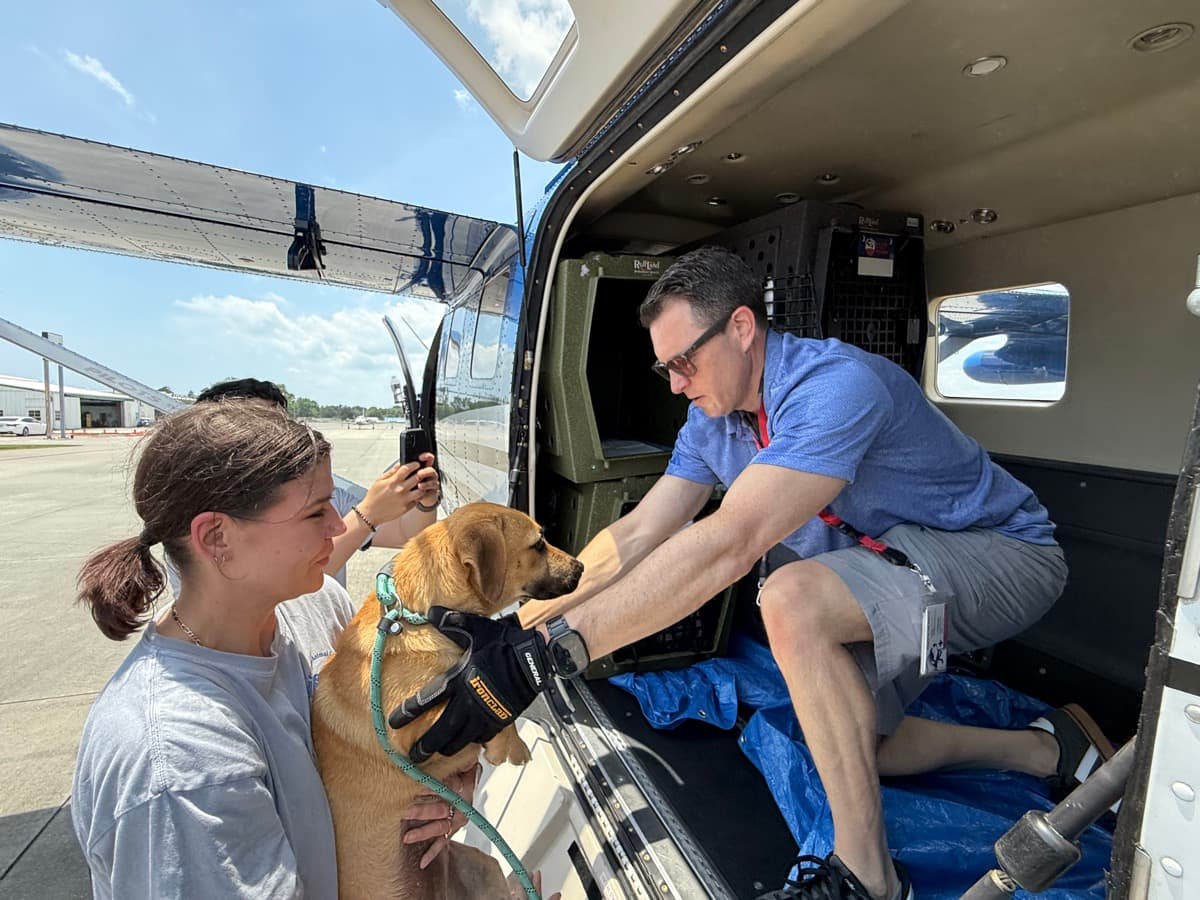
Raising Awareness
Besides bringing in revenue, the fundraising, marketing, and media outreach raises awareness for the need for animal rescue. In interviews, Michael talks about why it’s important to adopt animals and provides statistics on the overpopulation crisis.
“Rescuing animals with airplanes is a very novel concept. One of the things that we do is we create a lot of content and stories,” Michael said. “What that does is create awareness about this problem we still have in our country, where we’re euthanizing nearly a million animals a year.”
In addition to raising awareness about animal rescue and adoption, Pilots to the Rescue also serves as a champion for general aviation.
“The other thing that we promote, whether people recognize it or not, is GA,” Michael said. “Aviation is such an elusive thing to the public. We need our champions. We need more cheerleaders. And that’s a great side benefit of what we do. We’re bringing along a lot of people who don’t fly and exposing them to one of the amazing case uses of GA by doing this work.”
Animal rescue gives the non-aviation public, which normally doesn’t have the ability to fly in a small plane, a path to be intimately involved with general aviation. When given the opportunity, Pilots To The Rescue encourages people to go to their local airport to take a discovery flight, just like Michael did.
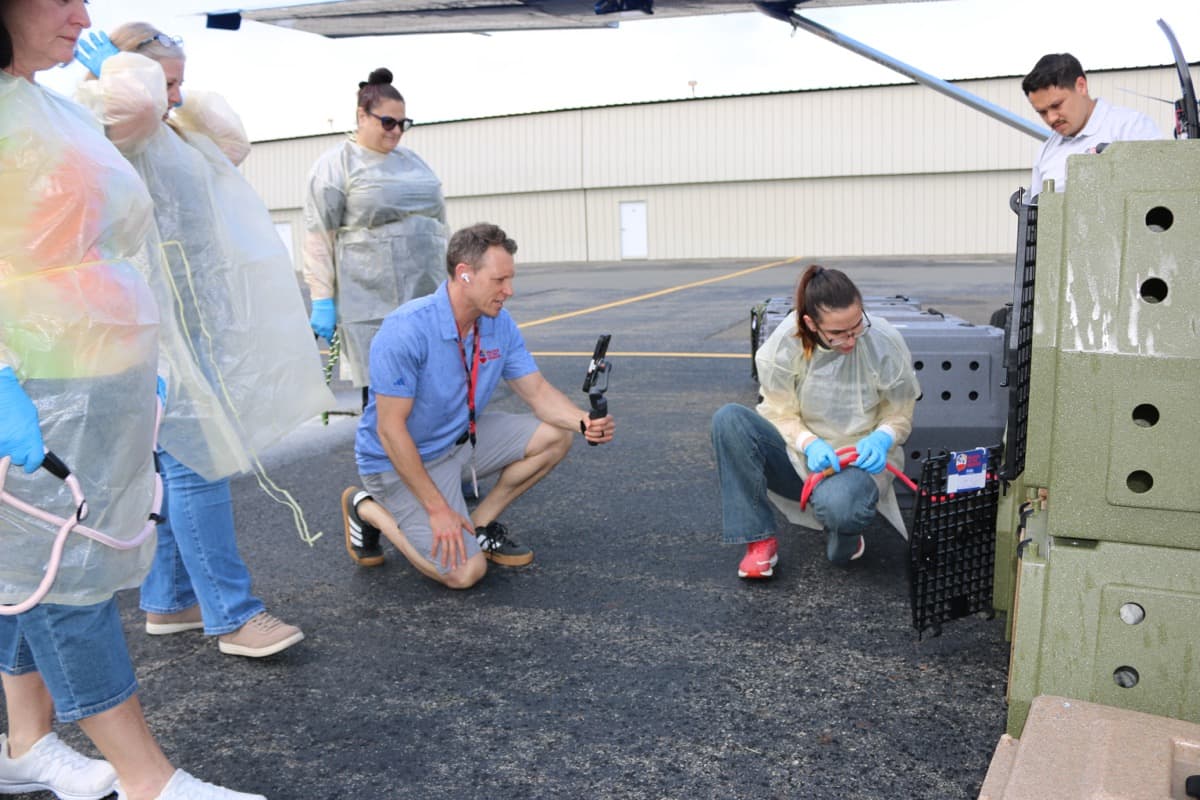
Upon arrival back at Essex County Airport, a handful of cars, vans, and volunteers from various rescue organizations were waiting to meet the Kodiak on the ramp in front of the hangar. Many of the volunteers will foster these animals or care for them in local shelters until the animals find their furever homes.
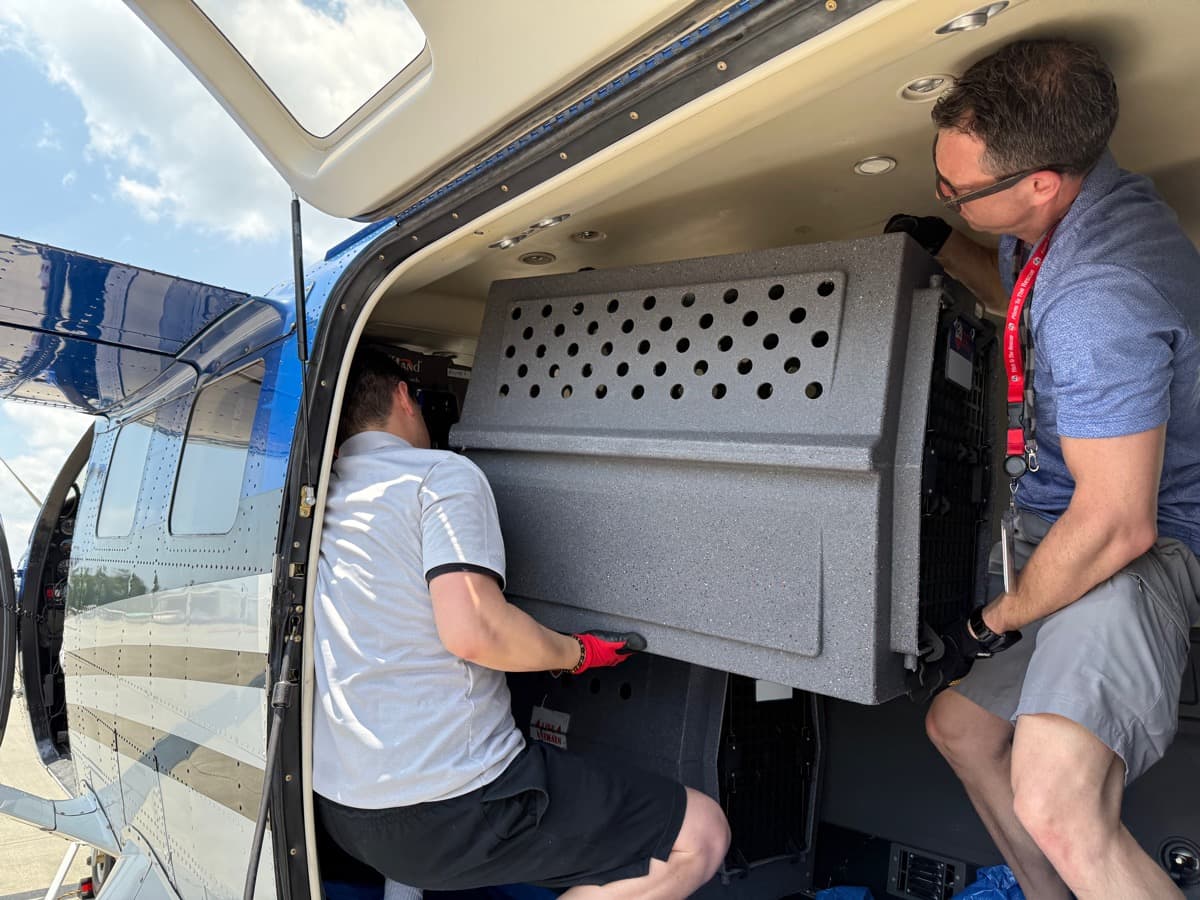
“Running this organization gives me a tremendous sense of purpose and fulfillment. Every day I wake up and get excited about my job,” Michael said. “It’s no longer about me, the organization has grown so much. I’m just in awe of what we’ve accomplished and how many animals we’ve saved.
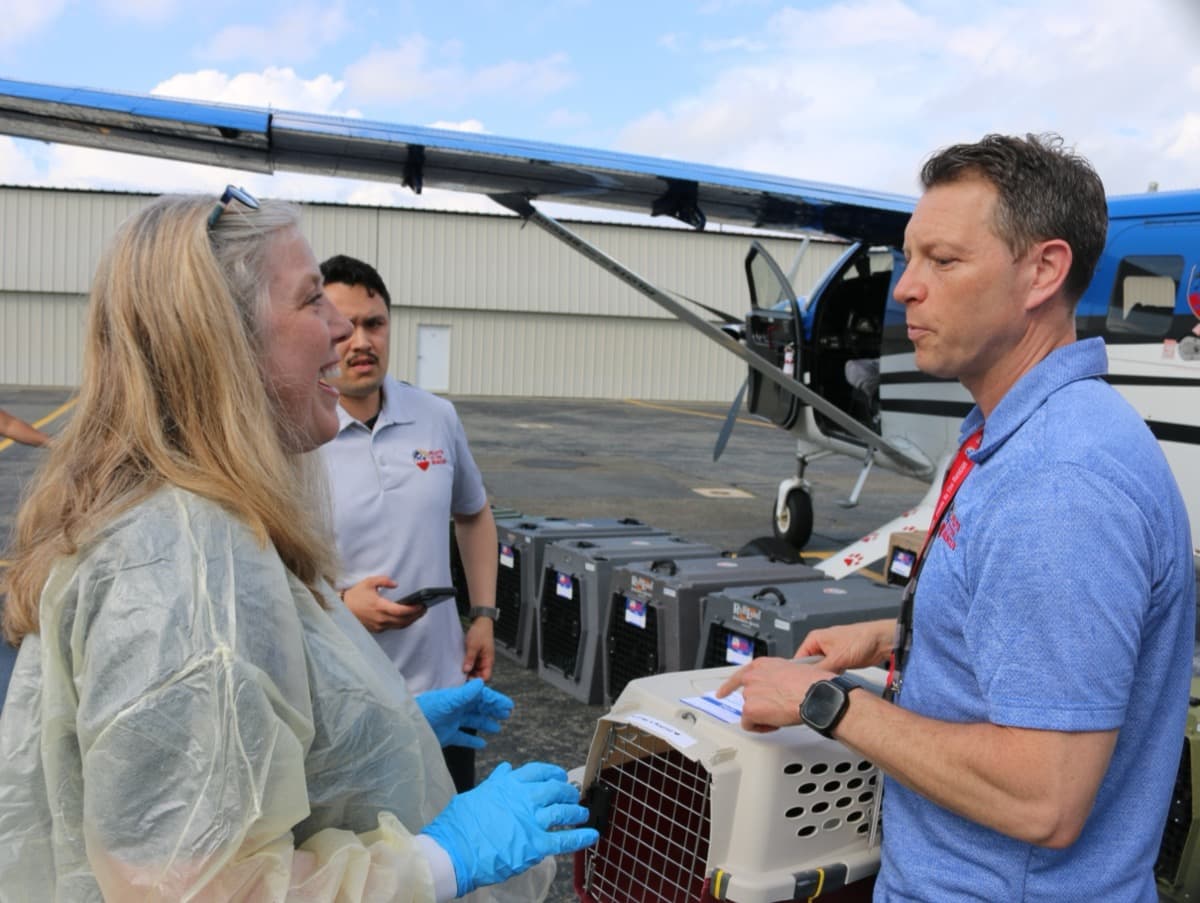
“Giving back is way more fulfilling than just buying something. It is one of the best things you can do for yourself. When you serve, you open your arms, you open your home, and you make the world a little better. I feel like we’re just getting started.”
For more information: PilotsToTheRescue.org
What a wonderful mission, I commend you for helping the animals that are simply victims of circumstances, with no way of helping themselves!
We couldn’t agree more — they have no voice in the situations they’re born into. That’s why we fly. Every mission is about giving them safety, dignity, and a path to a loving home. Thank you for standing with us.