

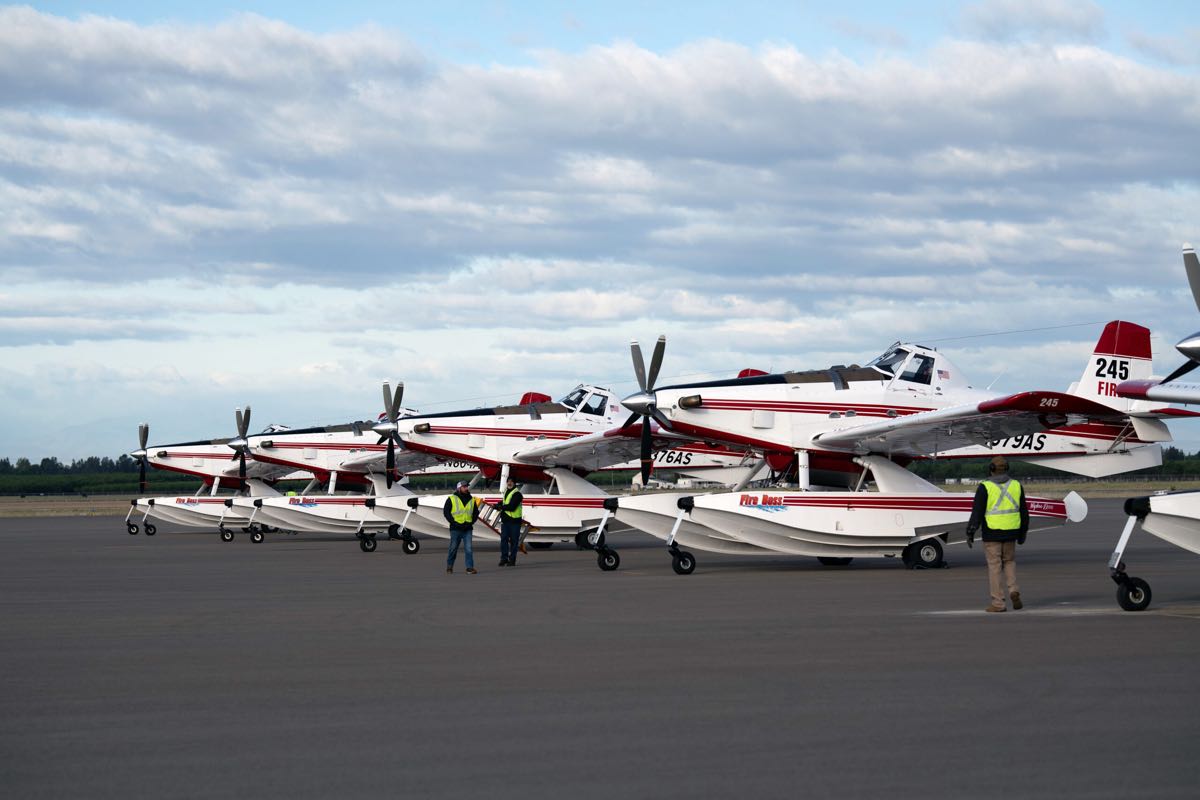
Aviation is a world of niches within niches. Take aerial firefighting with modified ag aircraft — specifically, the Fire Boss.
It’s a hybrid: An Air Tractor AT-802 outfitted with a Wipaire amphibious scooping system. Paired with a veteran pilot, it’s a pure firefighter. By mid-2025, the global Fire Boss fleet grew to 200 aircraft across 12 operators.
According to Shanti Lakhan, Wipaire’s Marketing and Communications Manager, Canada’s Conair Aerial Firefighting and Minnesota-based Dauntless Air each operate 20 of the aircraft. Some operators even lease their fleets internationally, moving between Australia and Europe as fire seasons shift.
How Do You Land A Seat In A Fire Boss?
“Most pilots are independent contractors,” Shanti says. “And they mostly come from the ag spray industry.”
However, Advanced Flight Training and Leasing, Wipaire’s training arm, notes that successful pilots often bring experience from single-engine air tankers, taildraggers, or ordnance dispersal.
“As you’d imagine, it’s mostly stick-and-rudder flying,” Shanti adds.
For a closer look at the life, Shanti points to Éder Navacerrada’s LinkedIn page. It’s packed with dispatches and photos from the front lines. If you visit, clear your schedule — his stories are as educational as they are interesting.
You can also check out Dauntless Air’s guide, “How to become an aerial firefighter,” for more details.
Performance
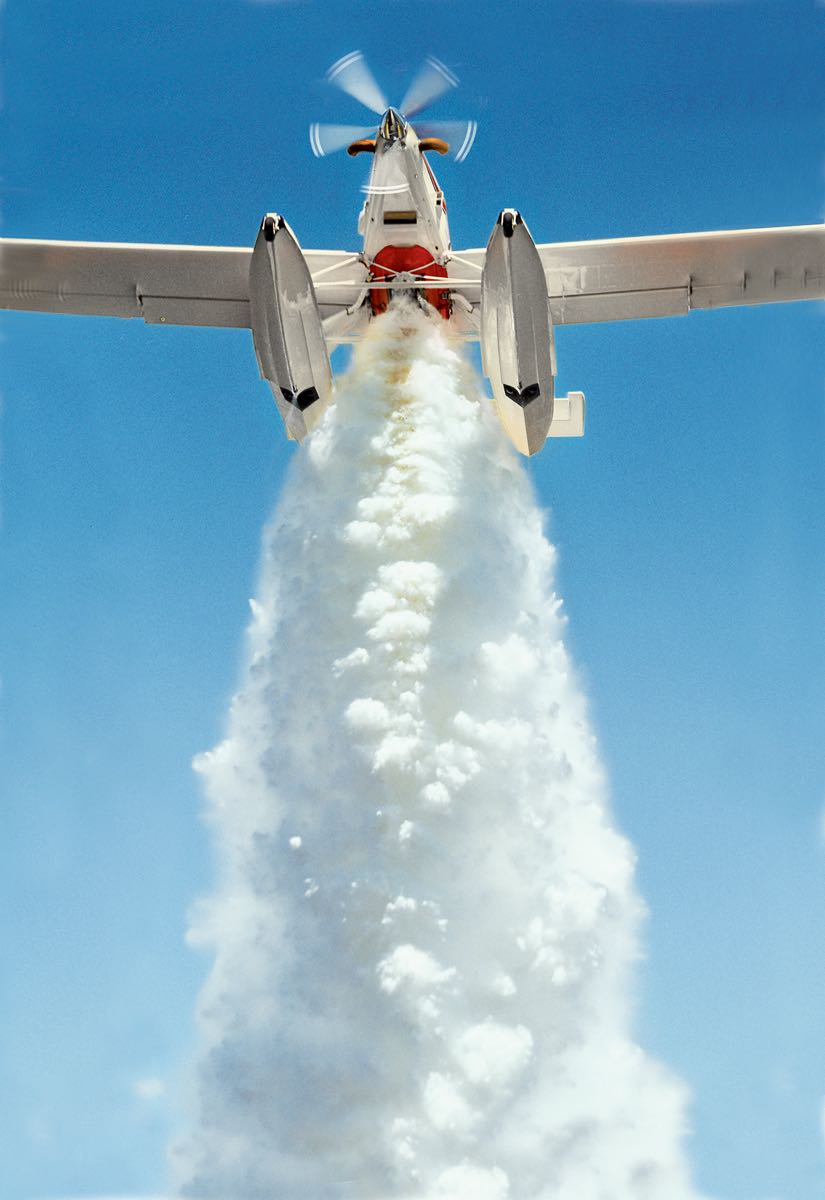
The Fire Boss scoops 820 gallons of water — roughly 6,838 pounds — in just 15 seconds. With a nearby water source, it can deliver 50,000 gallons to a fire in just 3.5 hours.
It’s likely one hell of a ride.
Of all the niches, this one is pretty incredible.

You don’t mention the risks in this work. From the reports I see in aerial firefighting there seems to be a number of accidents with fatalities in the last couple of years in aircraft of all types. Maybe an extra paragraph or two about safety and training would not go amiss.