

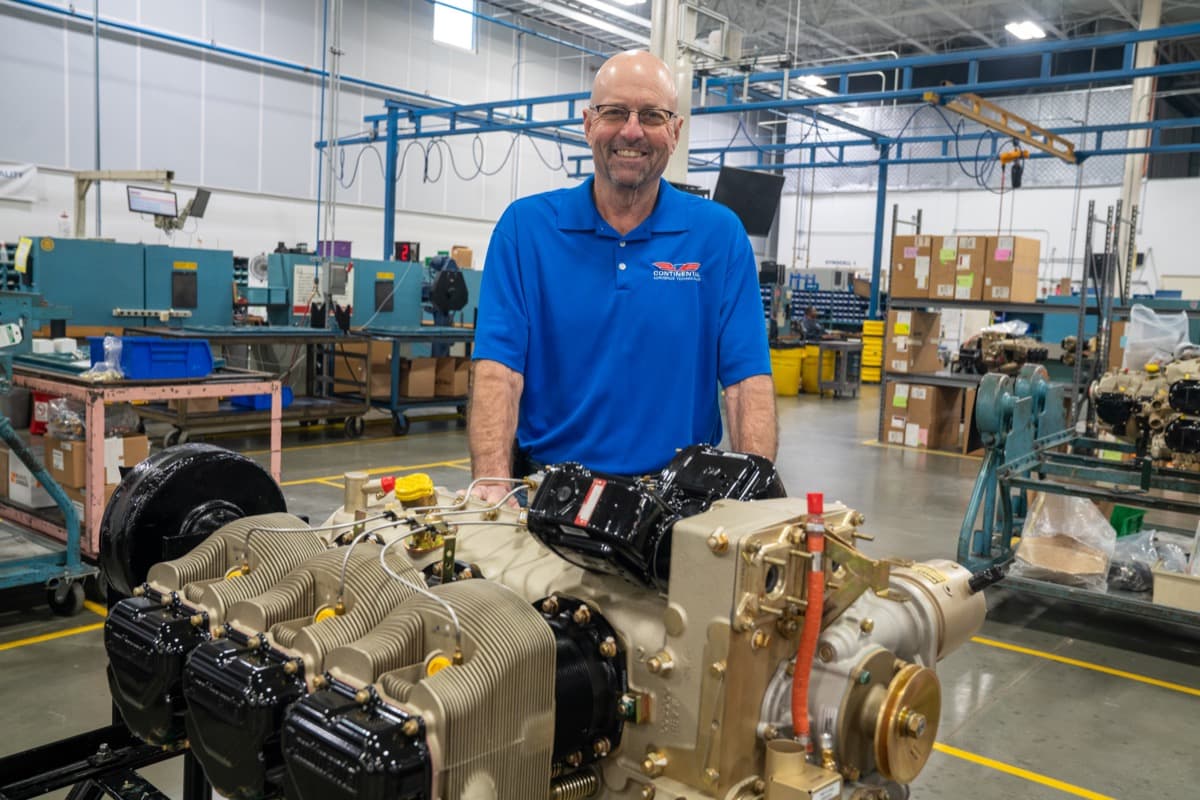
For Phillip Grice, an engine is more than just a collection of pistons and valves — it is a story waiting to be told.
As the Manager of Product Field Performance at Continental Aerospace Technologies, Grice has spent more than three decades ensuring that the heart of general aviation keeps beating reliably.
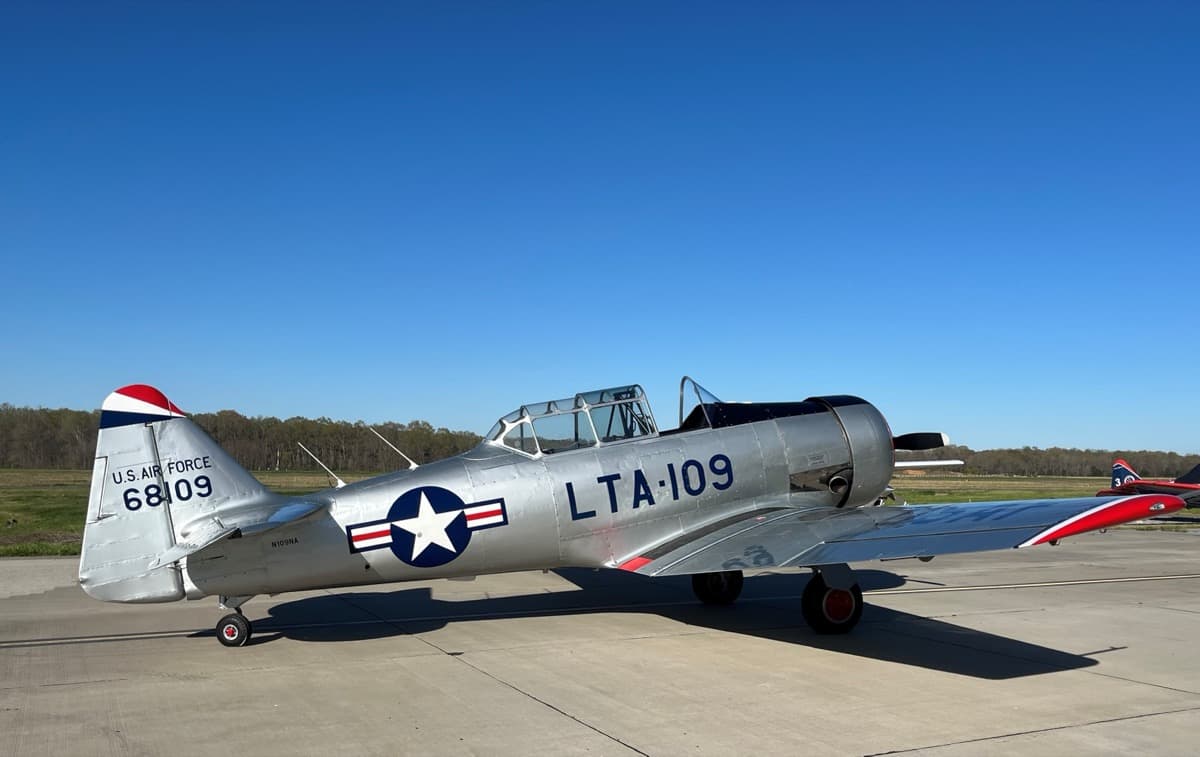
Grice’s journey into the skies began long before he could even reach the rudder pedals. In a “circle of life” moment, he took his private pilot check ride at age 17 with the same Designated Pilot Examiner (DPE) who tested his mother while she was eight months pregnant with him. Growing up on a family-owned private airport, aviation wasn’t just a career path, it was home.
Tearing Down the Clues
Grice’s day-to-day role involves a lot of technical sleuthing. When the NTSB sends an engine to the factory for inspection, Grice and his analytical team are the ones who tear it down to determine what transpired. The most common culprit?
Improper maintenance and neglect, he says. It may be something as simple as missed oil changes. Or it may be that a mechanic misses something like a leaking exhaust valve.
“An engine will run quite a while with a leaking exhaust valve and the pilot really has no indication of that,” he says. “It is found through a borescope inspection or a compression test. If it’s not taken care of, then the valve continues to leak to the point where it’ll get hot enough where it will fail, and when it fails, it puts a big chunk of metal through the engine — and that’s not a good thing.”
How can an aircraft owner protect their engine — and their lives?
“Take care of your engine like you are supposed to and follow the manufacturer’s instructions,” he advises. “A&Ps need to follow the manufacturer’s instructions to a T.”
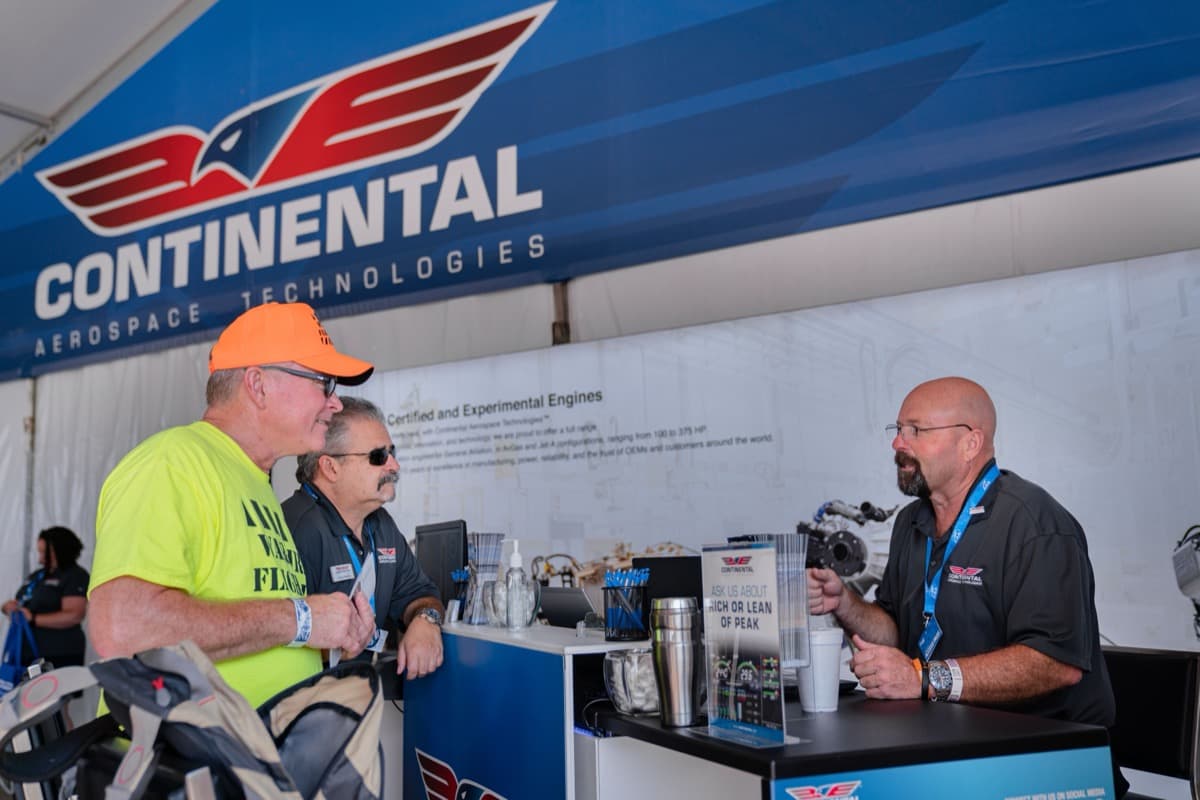
After analyzing so many engines with problems, Grice notes that a common theme are the wrong settings on the through-bolt torque, something a lot of mechanics miss.
“The through bolt torque is the most important torque because it holds the whole engine together and keeps anything inside from moving around,” he explains.
To help pilots better understand their engines, Continental offers a series of two-week classes. The Level One AvGas Class covers engine theory, teaching the operating parameters of the engine and how it works. The Level Two Class is hands-on, giving aircraft owners a chance to “actually tear some of the components apart and put them back together,” according to Grice.
During the classes the instructor emphasizes how important it is to use the manuals to ensure operations stay safe.
“When you understand what’s going on in the front of your airplane, it helps you to be a better pilot,” he said, noting it also helps you “recognize potential areas that may need adjustments before they impact performance.”
Grice, who has been a pilot since he was 17, believes being a pilot gives him an advantage as a mechanic.
“There are some very sharp A&Ps who understand how the engine operates, but being a pilot and a mechanic, it helps when you’re operating an engine that you’ve worked on,” he says. “I’ve had issues in airplanes — and while not right 100% of the time — had a pretty good idea of what was going on when I was flying. When I get on the ground, I know what to look for.”
Grice knows that some of today’s pilots aren’t interested in the mechanics of flying.
“They just want to get from Point A to Point B,” he says. “They don’t want to learn how to operate the engine properly. However, a good instructor will teach them the systems, engine leaning, and other methods that support engine operations.”
That lack of interest or a background in taking care of engines is why today’s technology, such as FADEC, is so important, he says. FADEC, which stands for Full Authority Digital Engine Control, manages all aspects of aircraft engine performance, from ignition to fuel flow, without requiring input from a pilot.
Optimizing engine parameters in real time leads to enhanced efficiency and safety. But it’s not just controlling the fuel flows and other engine settings, according to Grice. The systems can also warn a pilot “if something is out of its normal parameters.”
“That certainly is going a long way towards safety,” he says. “If they get a warning light or message that they need to get the engine serviced, they’ll get that done rather than just keep operating it until failure.”
120 Years of Innovation
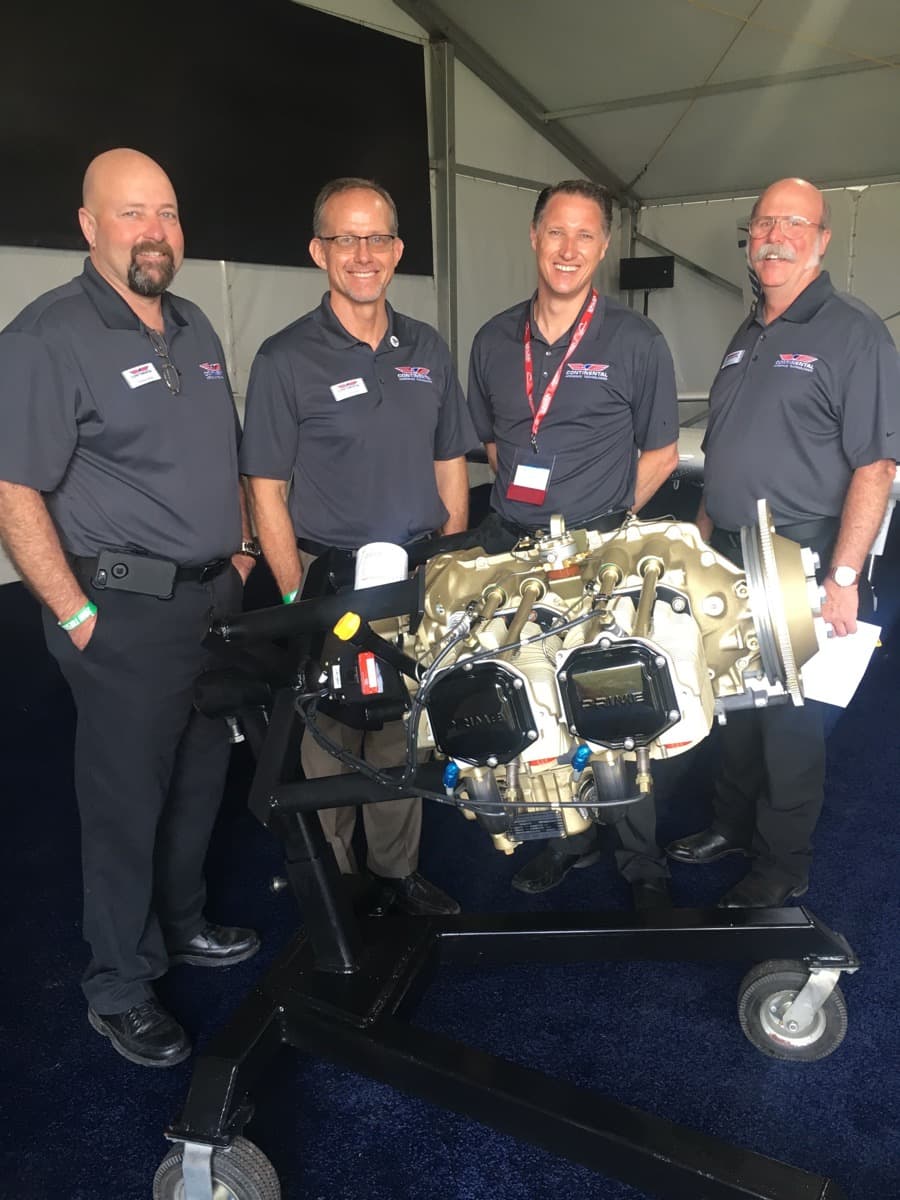
Grice, who joined Continental in 1990, has seen a lot of changes in general aviation engine technology in that time. The emphasis these days at Continental — which celebrated its 120th anniversary in 2025 — is on developing powerplants that will take GA into the future.
The company’s CD series of Jet-A piston engines has now surpassed 12 million flight hours. These engines, like the CD-155 and CD-300, offer a bridge for pilots in regions where 100LL is scarce or expensive. The liquid-cooled, turbocharged diesel engines offer up to 40% fuel savings compared to gasoline counterparts.
As the industry prepares to phase out leaded fuels by 2030, Continental is investing heavily in Research & Development, including:
- Unleaded Solutions: Continental has already authorized the use of 91UL and 94UL fuel in more than 100 engine models, including select O-200s and IO-360s.
- Zero Emissions: A recent partnership with APUS Zero Emissions aims to explore cutting-edge technology to further reduce aviation’s climate impact.
Lifelong Learning
After 36 years, Grice still finds every day to be a “new adventure.”
Whether he’s mentoring the next generation of A&Ps through Continental’s scholarship programs or inspecting an engine at the factory, his philosophy remains simple: Do it right.
“If you do your best to do it the proper way, you never have to lie awake at night and worry about what you did,” he said. “I’ve had that happen to me where I worked on an engine and something just didn’t feel right. I went back and checked it the next day, and sure enough, something was off. Your gut feeling will help you get things right.”
But that’s just the beginning. The system of checks and balances in place throughout Continental keeps the focus on safety and getting things right, he adds.
“It’s important to have somebody come behind you and inspect what you’ve done before you close the engine up,” he says.
And that’s not just important in maintenance. It’s a checks and balances process that’s used extensively on the manufacturing floor. He notes that the company has inspectors all along the manufacturing line. After a worker puts together a crankcase and crankshaft — and before they assemble the other side of the crankcase — an inspector “comes along and checks it off to make sure they did it right,” Grice says.
Another part of the checks and balances is the use of smart tools, he adds.
Going back to the importance of the torque of the engine, he explained that the smart tools record the torques by serial number.
“If we ever have an issue, we can go back and review the build information, such as the day it was assembled and what the torque value was,” he says. “Any tests that we do, the test parameters are recorded. If we ever have an issue, we can go back and verify that. That data is always there.”
Another important check: The smart tools won’t let the worker move to the next step until everything is done properly, he says.
“That helps take the human error out of it, but it’s still not foolproof,” he says.
Even after three decades at his job, Grice says he learns something new every day.
“You never walk in thinking you know everything,” he said. “I don’t care how long I’ve been doing this, I’m always striving to learn something every chance I get to apply that to whatever job I’m doing — so I know it’s done right.”
For more information: Continental.aero

Can you imagine how many lives and airplanes might have been saved over time were every airplane mechanic ad diligent as Grice?
Regards/J