

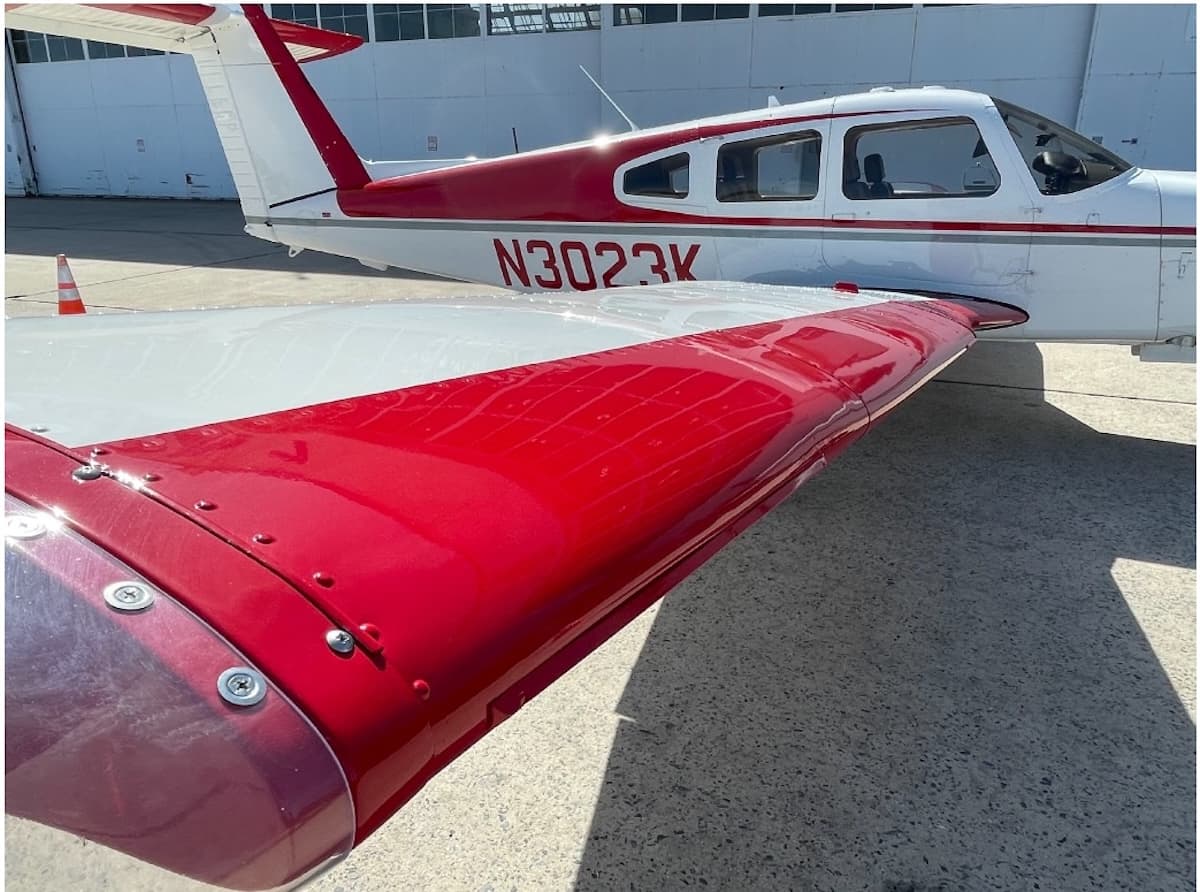
The pilot was on short final for landing at the airport in Allentown, Pennsylvania, when he encountered a windshear. The Piper PA-28RT-201 started to sink toward the runway. He added power, however it was too late due to his altitude.
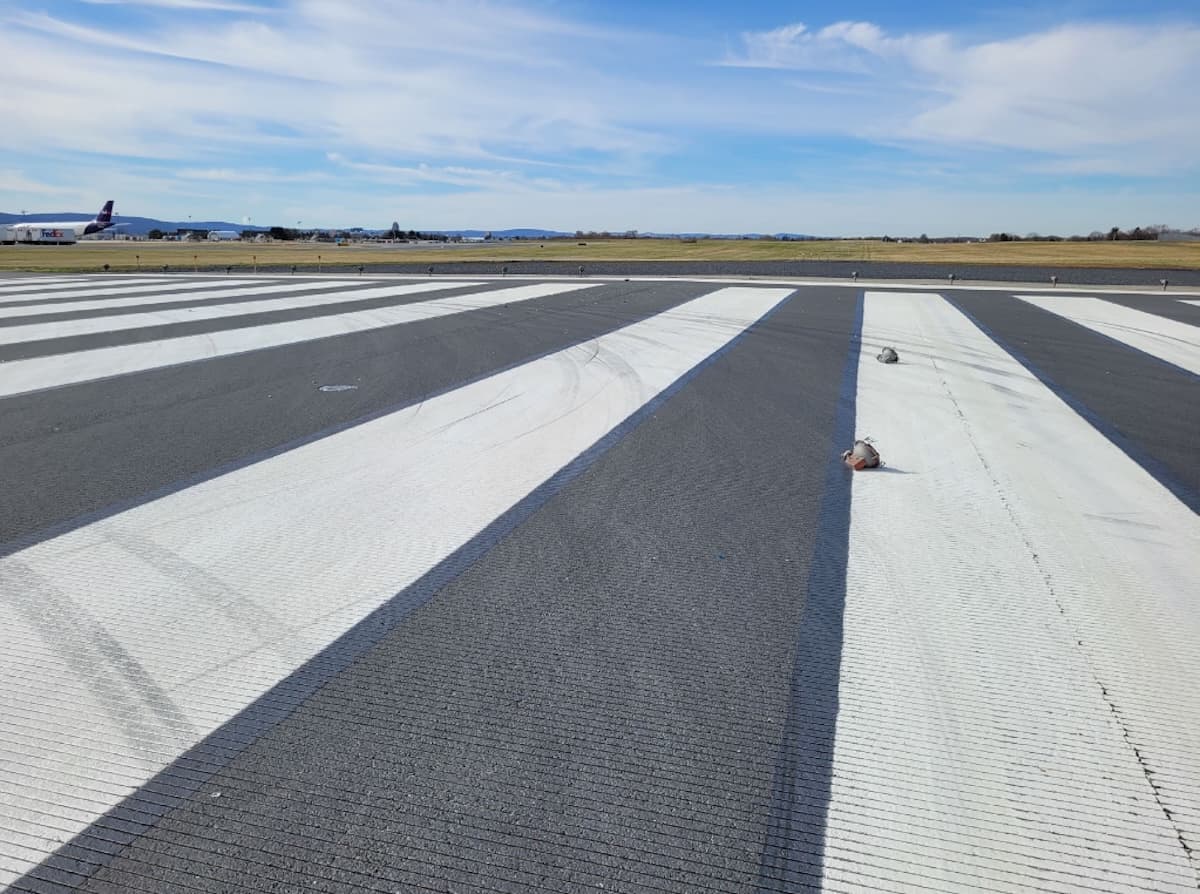
Upon touchdown, the airplane landed hard, breaking two runway threshold lights from their mounts.
An examination of the wreckage by an FAA inspector revealed substantial damage to the right wing.
The pilot reported that there were no preaccident mechanical malfunctions or failures with the airplane that would have precluded normal operation. A review of the airport surface weather observations revealed no reports of wind gusts or variable wind before or after the accident.
Probable Cause: The pilot’s failure to maintain a proper descent rate during the final approach, resulting in a hard landing and collision with runway edge lights.
To download the final report. Click here. This will trigger a PDF download to your device.
This March 2024 accident report is provided by the National Transportation Safety Board. Published as an educational tool, it is intended to help pilots learn from the misfortunes of others.
T-tails need to be flown onto the runway. Getting too slow does not work out well.
Things happen, yes, but the real damage will be the latent potential to lose a wing some years distant. The coming disaster will fester until then.
The pilot flying was a CFI. Everyone has a bad day and things happen…..
So pilot error wrecks another Piper Arrow and fortunately no one injured.
Failing to give full attention to the job in hand. Prevailing conditions make wind shear sound like an excuse for not paying proper attention to the priority job – landing.
According to the report, the pilot responded, with power. However to correct for a loss of altitude, per the PHAK, more lift is necessary.