

The pilot and his passenger were preparing for a cross-country flight in the Beech F35. After a routine preflight inspection and engine start, the pilot taxied to Runway 27 at the airport in McAlpin, Florida, which was turf and 2,644 feet long. The grass was “mid height” and wet from the morning dew.
The pilot commonly used a “hump” in the runway as a go/no-go decision point, which was about midfield. During the takeoff roll, he scanned his tablet for speed and noted 47 knots; 52 knots was stall speed, configured.
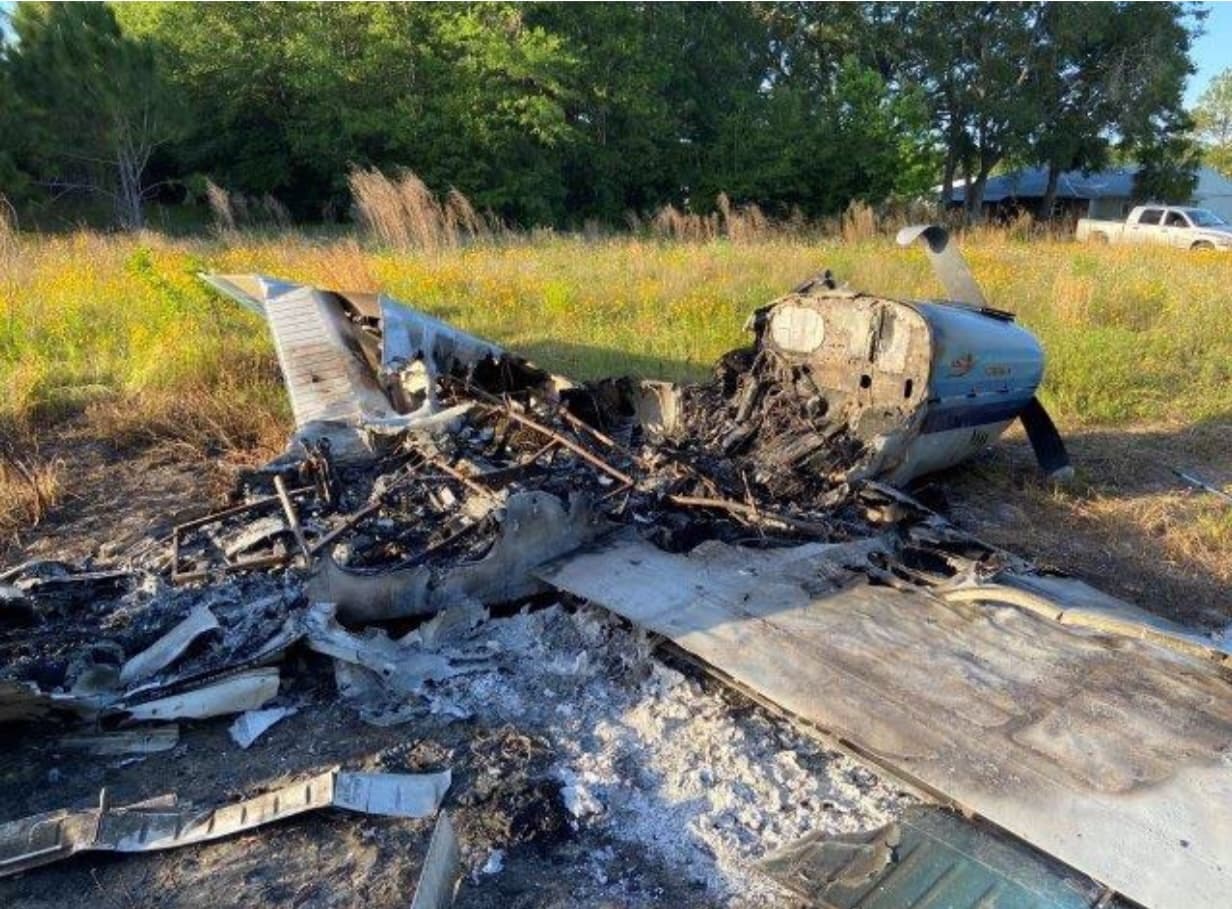
As the takeoff roll continued, he tried to “pop” the airplane off the ground and into ground effect, but this attempt was unsuccessful. He realized that the airplane would not become airborne and it departed the end of the runway, collided with a berm, and spun around to a stop. A post-accident fire ensued. The pilot and passenger were able to get out of the airplane without injuries.
Despite attempts to extinguish the fire, it progressed and eventually consumed the fuselage. An FAA inspector reported that the airplane was destroyed.
The pilot reported that there were no preaccident mechanical malfunctions or failures with the airplane that would have precluded normal operation. He also reported that performing the “no go” decision at the hump in the runway would have prevented the accident.
Probable Cause: The pilot’s inadequate preflight planning and failure to abort the takeoff at the predetermined decision point.
To download the final report. Click here. This will trigger a PDF download to your device.
This April 2024 accident report is provided by the National Transportation Safety Board. Published as an educational tool, it is intended to help pilots learn from the misfortunes of others.
It looks like the firewall did a good job protecting the engine from the fire.
Pulling a plane into the air will normally end this way! You must let it fly when it’s ready.
Any time your pulling on the yoke or stick your headed for trouble, stall/spin.