

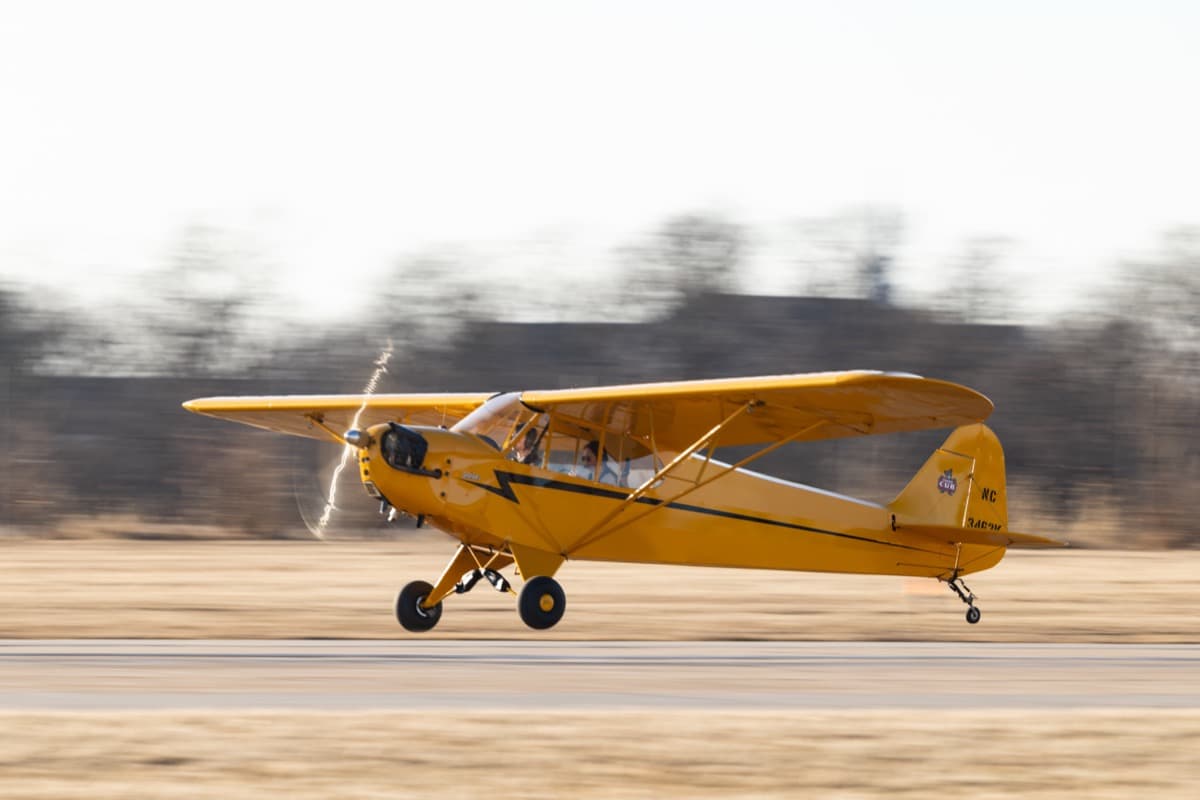
I’ve long believed tailwheel flying is more than just a gear configuration. It is a discipline, a mindset and, in many ways, its own culture within aviation.
That is why I created Taildraggers.com, a tailwheel-only marketplace and home of the Tailwheel Pilots Association.
I want to do whatever I can to help advance that culture, encourage more pilots to pursue the endorsement, and remind people that there is real value in learning to fly an airplane that asks more of you.
If you fly tailwheel regularly, you already know what I mean. I was fortunate to begin flying tailwheel 33 years ago at age 17 in a J-3 Cub, and I never stopped.
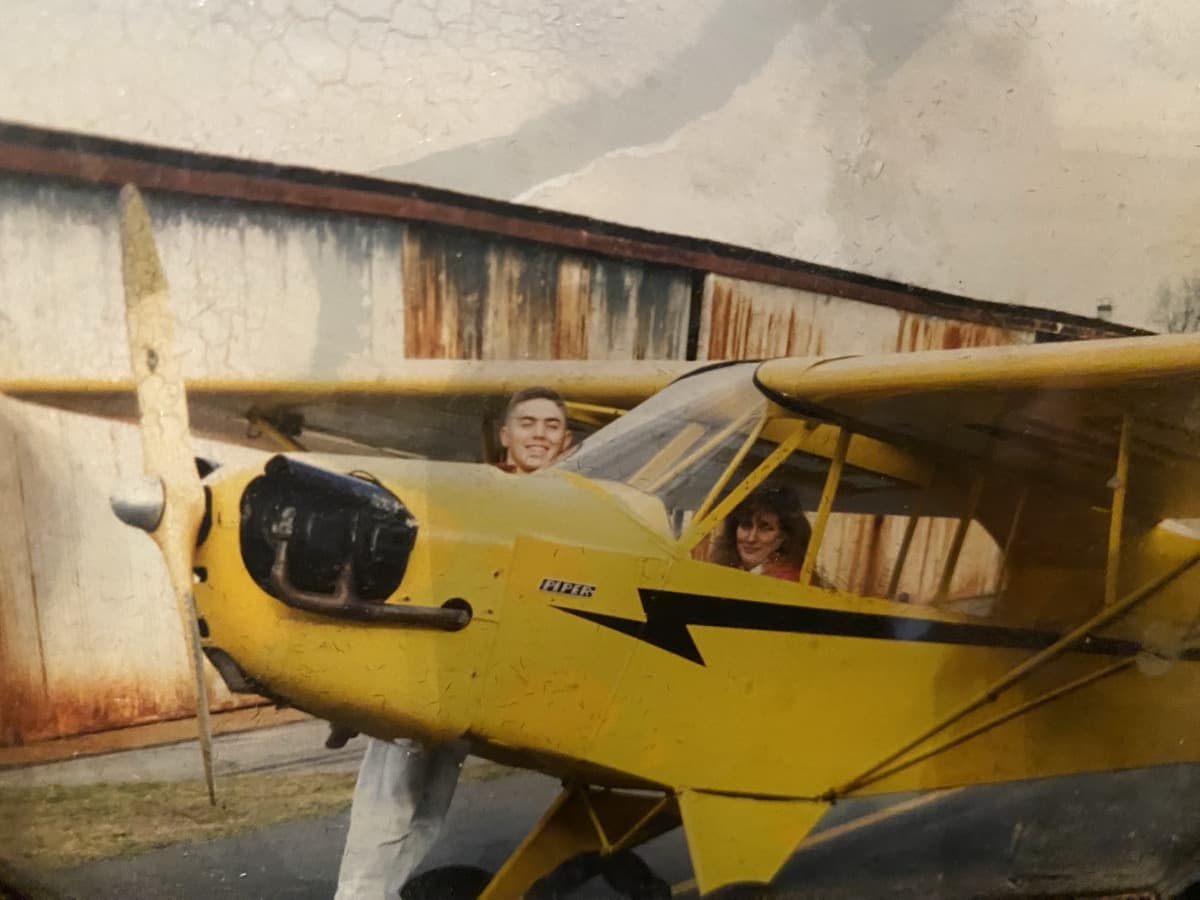
From the beginning, I was struck by how demanding it was. Tailwheel flying is not passive. It asks you to be present. It asks you to participate. It challenges you. And, for me, that was part of the attraction from the start.
Back when I was that 17-year-old kid, I read everything about taildraggers that I could get my hands on to better understand the art of it — and I do consider it an art form.
One book stood out above the rest: “The Compleat Tailwheel Pilot” by Harvey Plourde. If you’re an aspiring tailwheel pilot, it’s a must read in my opinion.
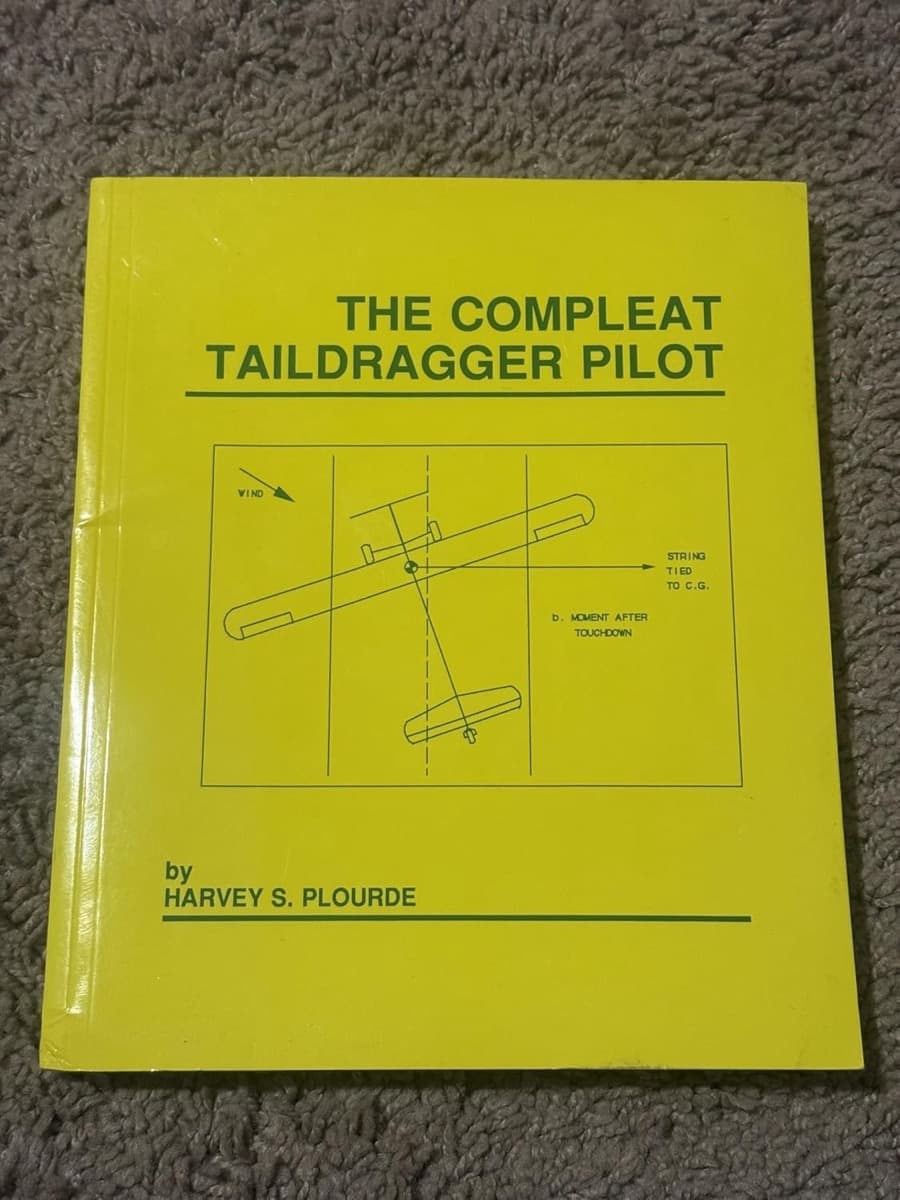
Plourde had a gift for taking lessons that were clearly earned the hard way and boiling them down into simple truths. One observation of his has stayed with me for decades: The more forgiving the airplane, the greater the sin it allows. That idea stuck because it captured something essential. Ease can breed complacency. Tailwheel airplanes tend not to let that happen.
That, for me, is a big part of the appeal. Flying a tailwheel aircraft with precision asks more from you. This is not about being better than someone flying a nosewheel airplane — and it is certainly not about romanticizing difficulty for its own sake. It is about involvement.
A tailwheel airplane asks you to stay engaged from the moment it starts rolling until it is shut down and tied down. Especially during landings, it asks more of your feet, more of your attention, and more of your judgment. And in return, it gives you something harder to define but easy to recognize: A stronger connection to the airplane and the environment and a sharper awareness of what you are doing.
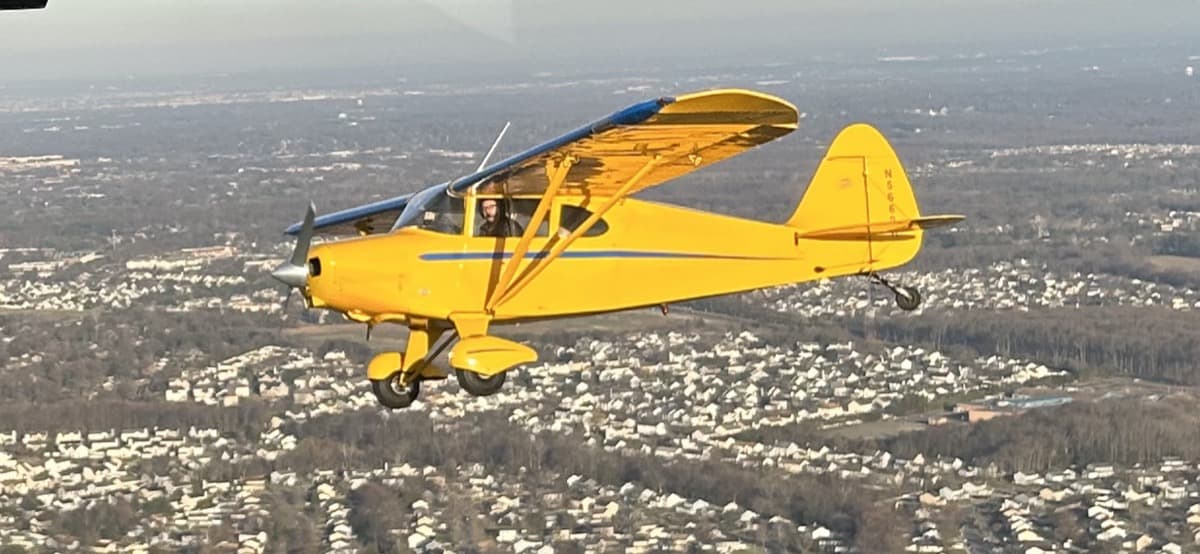
It also keeps you honest. Tailwheel airplanes have a way of exposing weak habits, vague control inputs, and gaps in discipline with remarkable efficiency. On the ground, especially, they remind you that flying does not end at touchdown. In many ways, that is when it starts counting the most.
A good landing rollout is not implied. It is earned. You keep flying the airplane until it is completely done being flown. When it goes well, it may look smooth and effortless, but anyone who flies tailwheel knows that what looks effortless is usually the product of constant attention and deliberate control.
That discipline carries over. It sharpens you in every other airplane you fly (even the shiny new Gulfstream I fly for a living). It reminds you that physics have not changed just because technology has improved. Rudder matters. Wind matters. Surface matters. Judgment matters. The less forgiving the airplane, the less sin it allows. Tailwheel flying has a way of reinforcing those truths every time the wheels meet the ground.
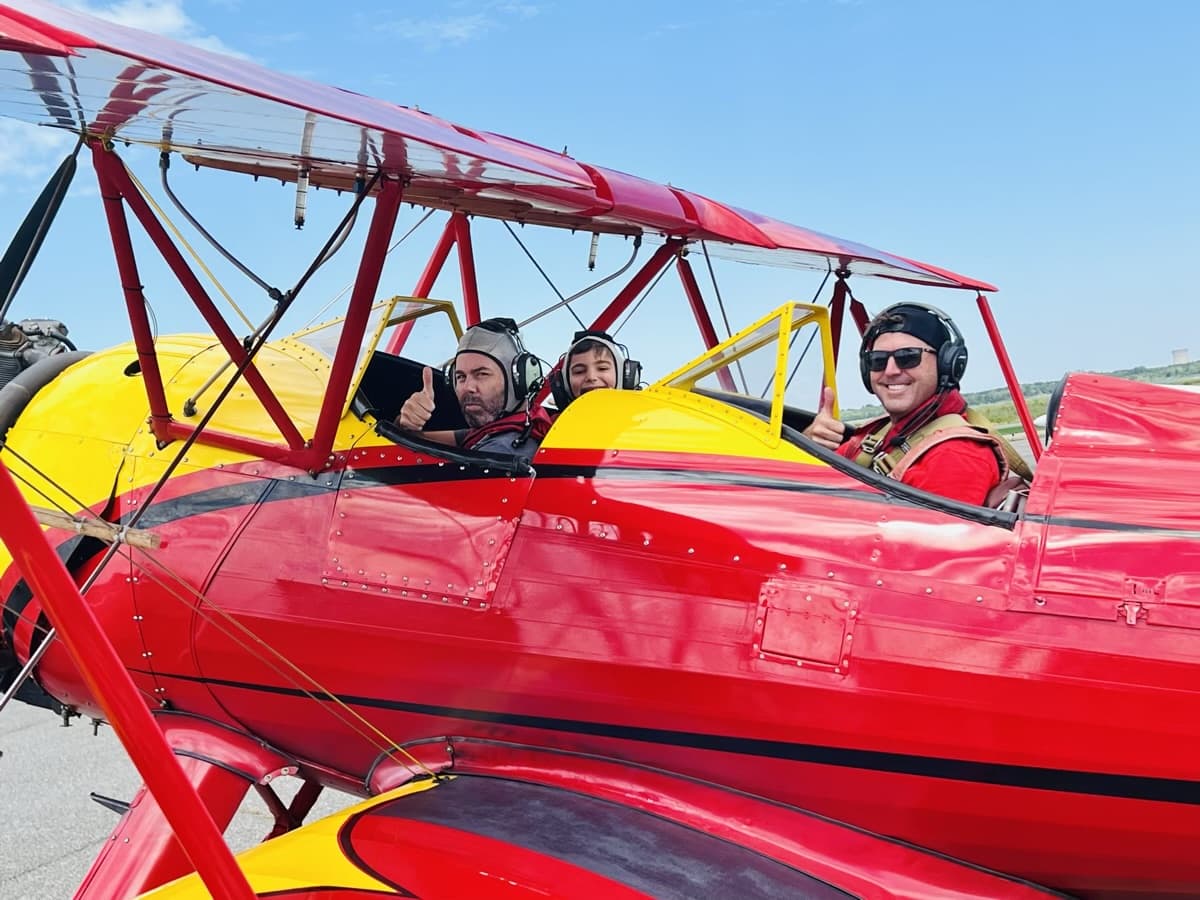
But as important as the skill is, that is only part of the story. The other part is the people.
The tailwheel world has always felt like its own little community inside the larger aviation community. It is the friendships formed on grass strips, in hangars, around tied-down airplanes at Oshkosh and SUN ’n FUN, and in the stories swapped between pilots who understand exactly why a certain kind of flying gets in your blood and never really leaves. That camaraderie is real, and it’s hard not to want to be a part of it.
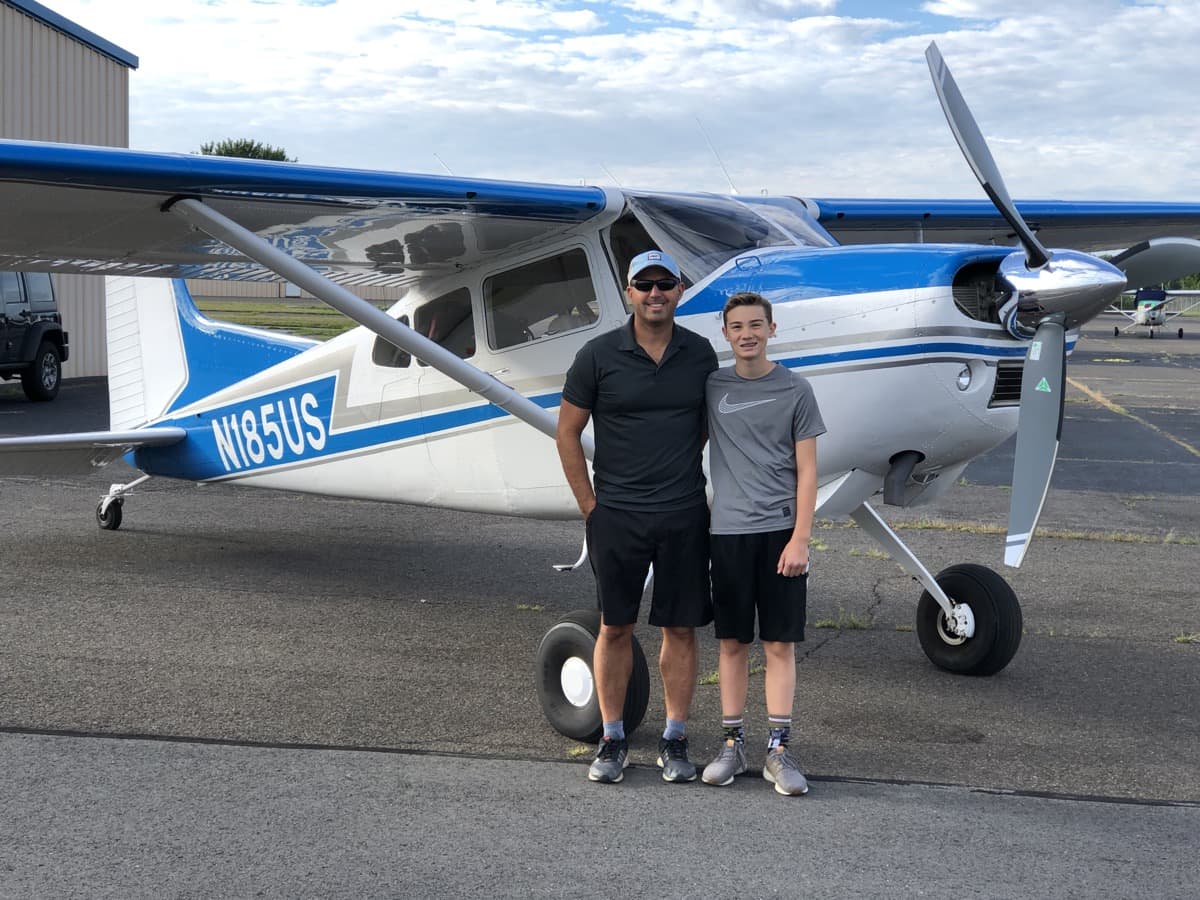
So, my upcoming series of articles will not be just about technique, though some of that will surely find its way in. It is not just about airplanes either, though there will be plenty of those. It is also about the people, the lessons, the culture, the adventures, and the reasons so many of us remain drawn to tailwheel flying long after the endorsement is earned.
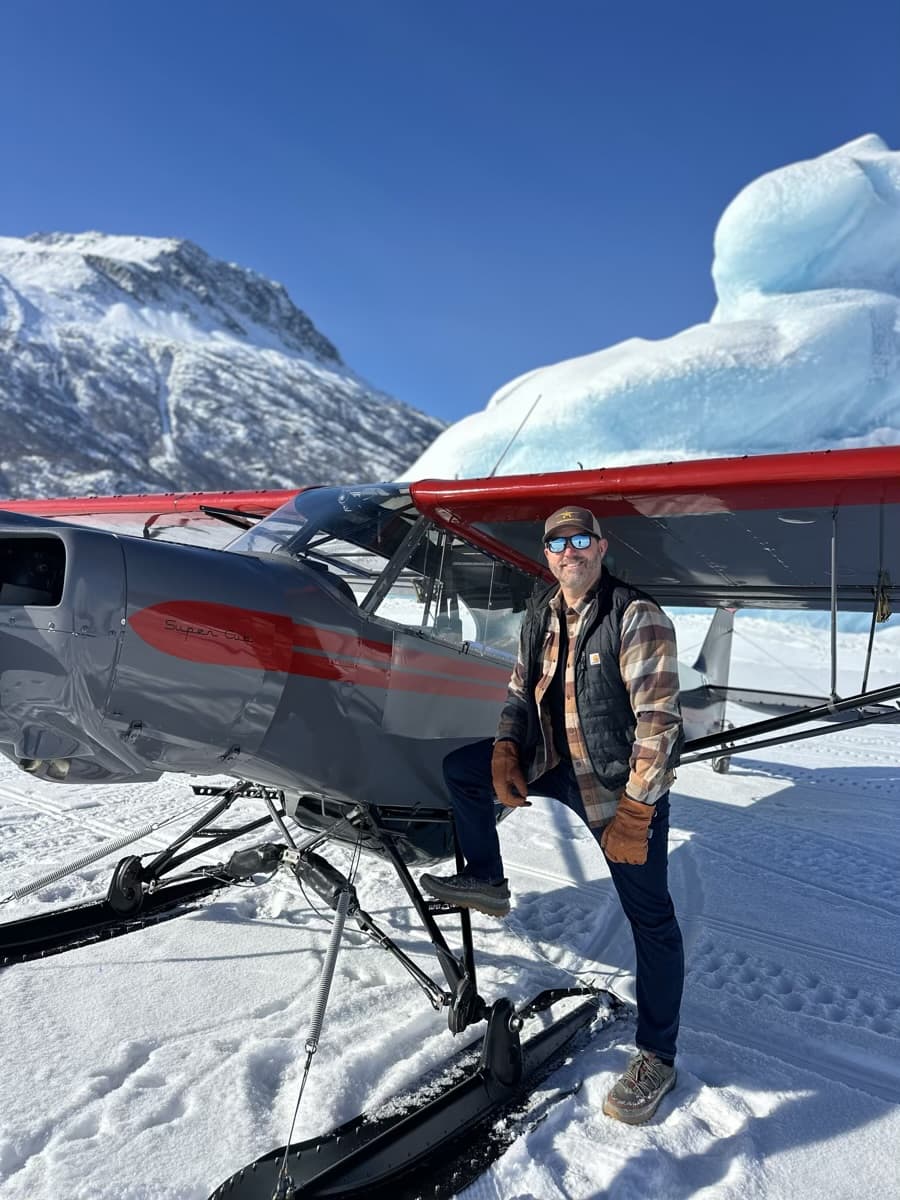
For me, tailwheel flying has always represented engagement, humility, precision, and joy. That is why I never left it. That is why I built Taildraggers.com. That’s why I love tailwheel flying.
You’re invited to join the community at Taildraggers.com or email me at [email protected].

Hi Kevin, thank you for such nice article, and specially the recommendation for the book I’ll immediatelly buy. Your website is also a very good idea, I just signed in.
I own a Supercub, and one of my hobbies is to introduce young pilots to the taildragger. I use to start talking in the same way you did in this article, I mean creating consciousness they are entering in something different. I always start asking the student “how do you communicate with the airplane?” they look at me like asking if I am crazy, but they understand my question when I explain there is a special connection between the taildragger plane and the pilot that requires communication. Other tools like this also helps, and I am happy to see the way they learn and enjoy their new way of flying.
Hi Kevin,
I agree!! I love tailwheel airplanes!! Shortly after earning my PPL back in ’78 i had a chance to fly a J-3 Cub with a friend. He asked me one question before we got in; ‘do you dance?’ i was quite surprised and before i could answer, he told me, ‘you’ll be dancing on the rudders!” we both laughed!! Over the years i’ve been fortunate to be have the opportunity to fly a number of tailwheel aircraft. Now i am a partner in an older 1953 Cessna 180, based on the west coast in Long Beach, CA! Very capable and so much fun to fly! 🙂 An aerial pick-up truck! But she’s showing signs of aging and is in need of maintenance for one thing or another. Anyway, a great article on flying tailwheel! I’ll go to the website….
John Mahany
Truthful and concise. I fly a Tri Pacer but earned my tailwheel endorsement in a Champ. The lessons learned in that aircraft carry over every time I fly my PA 22.