


By Carley Walker
In the late 1980s, a young fighter pilot walked into a classroom in rural Indiana. He was not there to recruit or deliver a polished presentation. He simply talked with students about aviation, service, and the many pathways that could lead someone into a cockpit. For the students in that room, it was an ordinary school day. No one knew that a brief visit would quietly alter the trajectory of at least one life.
Stories like this have long been part of aviation culture, but they are becoming increasingly important as communities look for ways to connect students with real world opportunities, especially in STEM fields.
Research consistently shows that career exposure during middle and high school improves student engagement, confidence, and the ability to connect classroom learning to future possibilities. Aviation, however, often remains invisible to young people unless someone brings it directly to them.
Jason Van Heukelum, Superintendent of Winchester Public Schools in Virginia, sees the impact of career visitors every day. When professionals step into classrooms, he says, the shift in student engagement is immediate.
“Student engagement increases when learning connects to the real world,” Van Heukelum said. “Career visitors help students see relevance and purpose in what they are doing in school.”
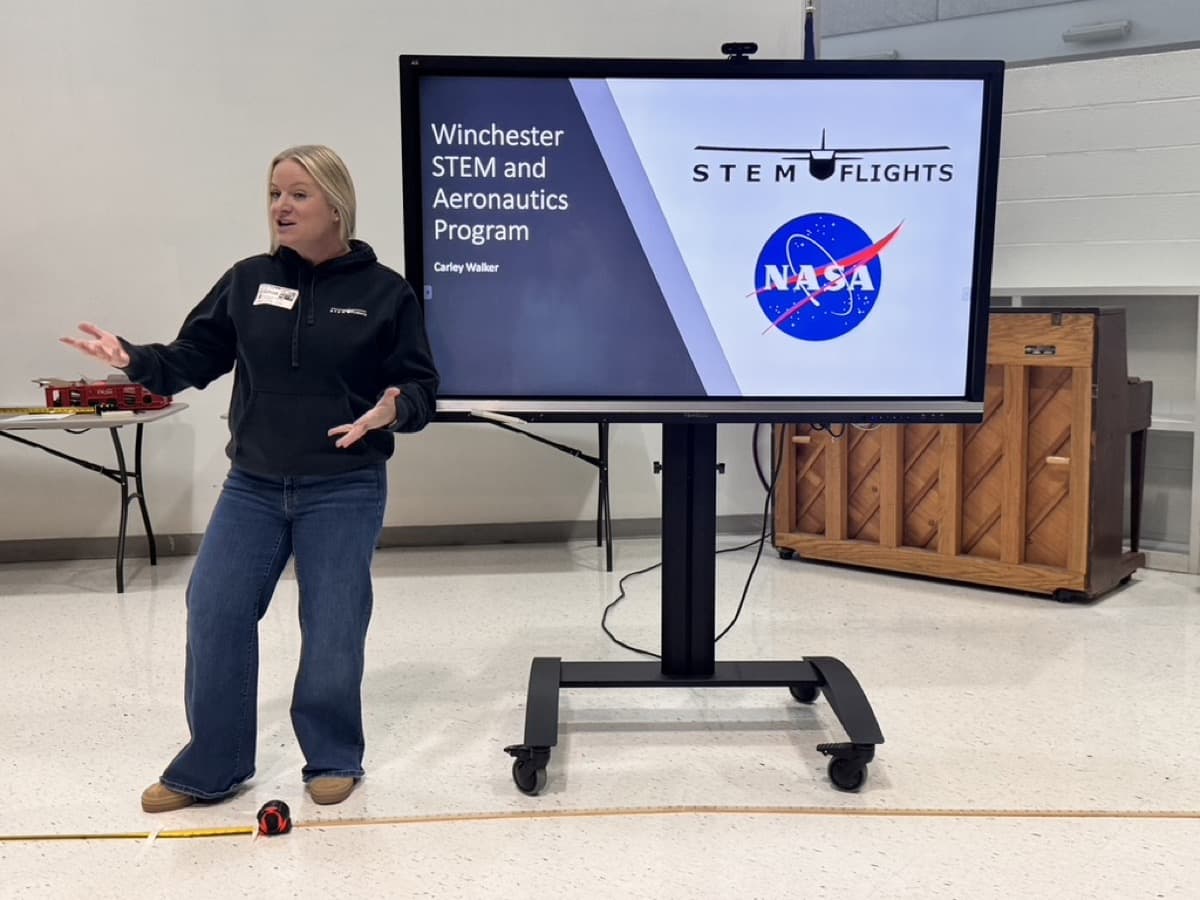
For many students, aviation and aerospace are not even considerations until they meet someone who works in the field. When pilots and aviation professionals share their stories, careers stop being abstract ideas and become real possibilities. Students begin to envision themselves in roles they may never have considered, particularly when professionals talk honestly about how they got there.
Van Heukelum believes those honest conversations matter just as much as technical knowledge. When students hear about challenges, detours, and non-linear paths, it changes how they view success.
“When professionals share not just their successes, but their pathways and challenges, it helps students understand there are many ways to arrive at a meaningful career,” he said.
Those stories normalize persistence and help students see that setbacks do not define outcomes.
What students remember most are not titles or résumés, but experiences. The most effective classroom visits are grounded in authenticity. Personal narratives, hands-on elements, and open conversations about training, failure, perseverance, and opportunity resonate far more than polished presentations.
It is also important for students to see the breadth of careers within aviation. Pilots are only one part of a much larger ecosystem that includes engineers, mechanics, air traffic controllers, cybersecurity specialists, designers, logisticians, and health and safety professionals.
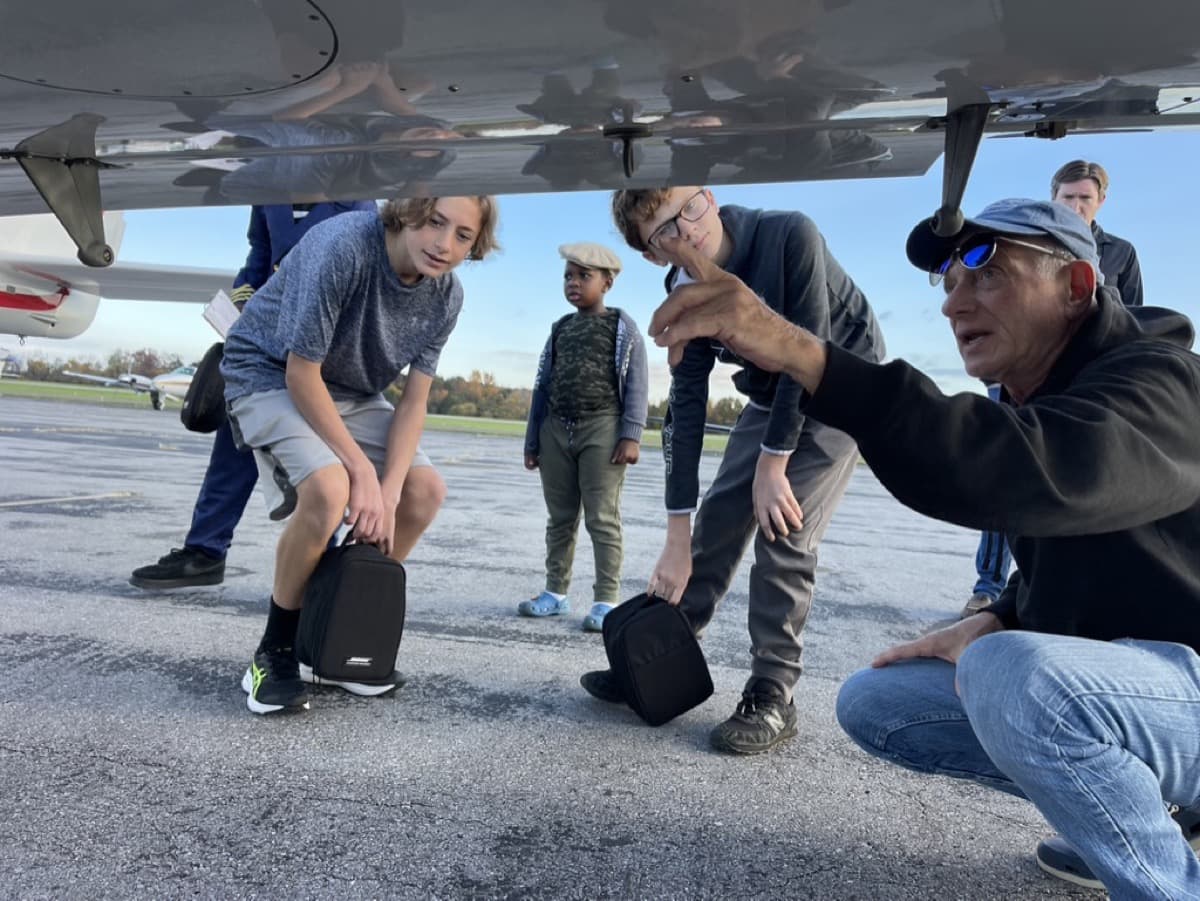
On-site experiences deepen that impact even further. Airport visits, hangar tours, and simulation experiences transform curiosity into understanding. When students can see aircraft up close and talk with the people who operate and maintain them, learning becomes immersive and real in a way no textbook can replicate.
For pilots who wonder whether taking time to visit a classroom truly makes a difference, Van Heukelum’s message is simple and reassuring: “Adults in the real world always come away from these experiences enriched and inspired by our young people,” he said.
Pilots often expect to give something, but instead leave energized, reminded of their own purpose, and impressed by students’ curiosity and insight.
Getting involved does not require a formal program or a large investment of time. Often, it begins with a simple email or phone call to a local school. Principals, counselors, and STEM coordinators are actively looking for authentic voices to help connect classroom learning to life beyond school walls.
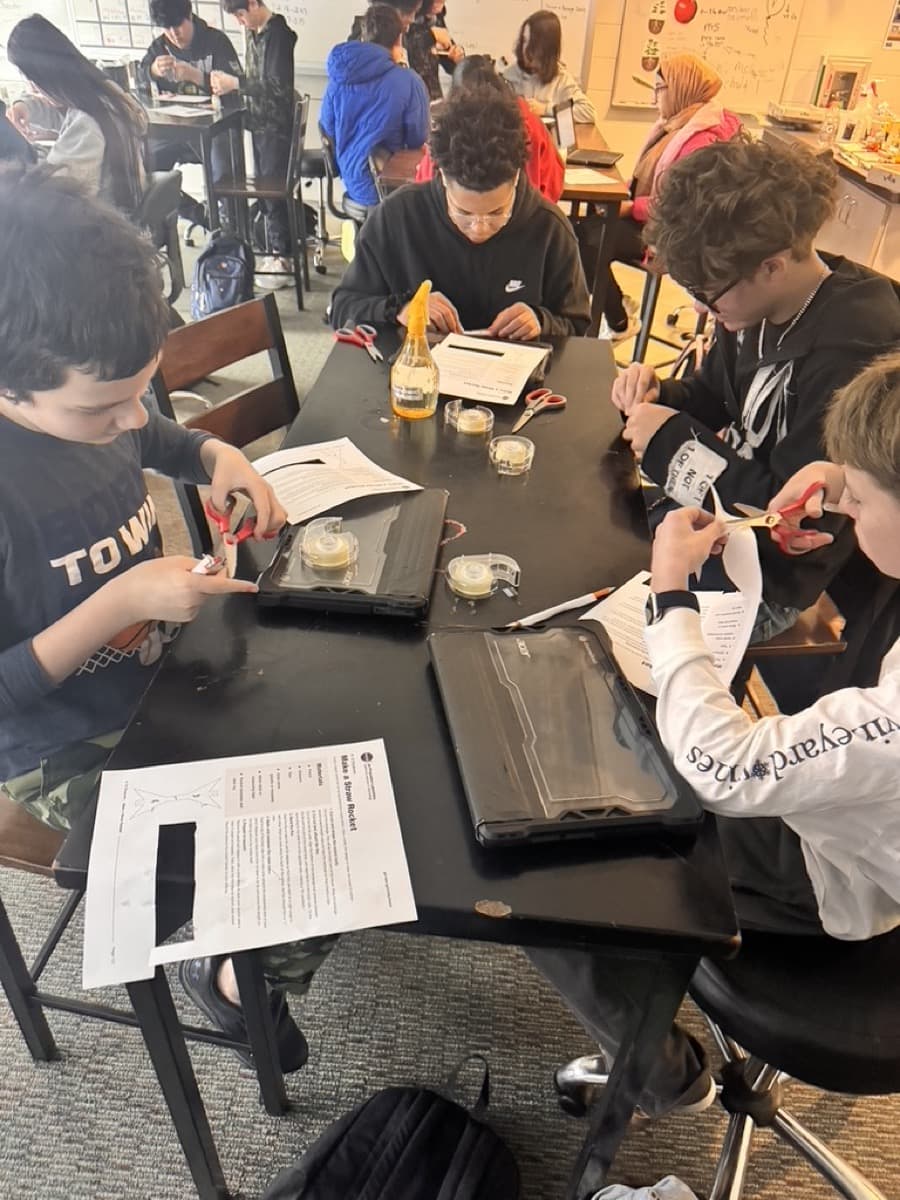
Once inside the classroom, the goal is not to teach everything about aviation in one visit. It is to spark curiosity. Simple activities like paper airplane challenges, discussions about lift or weather, or reviewing an airport diagram invite questions and conversation.
The most powerful visits also include an invitation to take the next step. An airport tour. An aviation day. A chance to walk onto the ramp and see aviation in action. When that happens, aviation becomes real.
These efforts extend beyond individual students. When young people go home excited about aviation, families begin to understand the role airports play in their communities. Outreach builds awareness of why general aviation matters for emergency response, business, education, and connection.
Decades after that classroom visit in the 1980s, the pilot who walked into that room, retired F-16 aviator and Brigadier General Dave Brubaker, received an unexpected email. It was from a current military pilot who wanted to say thank you.
He remembered that classroom visit and shared that it sparked an interest that never faded. That single conversation helped shape his path. That student went on to become a Colonel in the United States Air Force and a B-1 Bomber pilot. One classroom visit. One conversation. A lifetime impact.
Reflecting on that moment helped shape Brubaker’s own commitment to giving back. In 2018, he founded STEM Flights around a simple idea: Connect students with aviation through real people and real experiences.
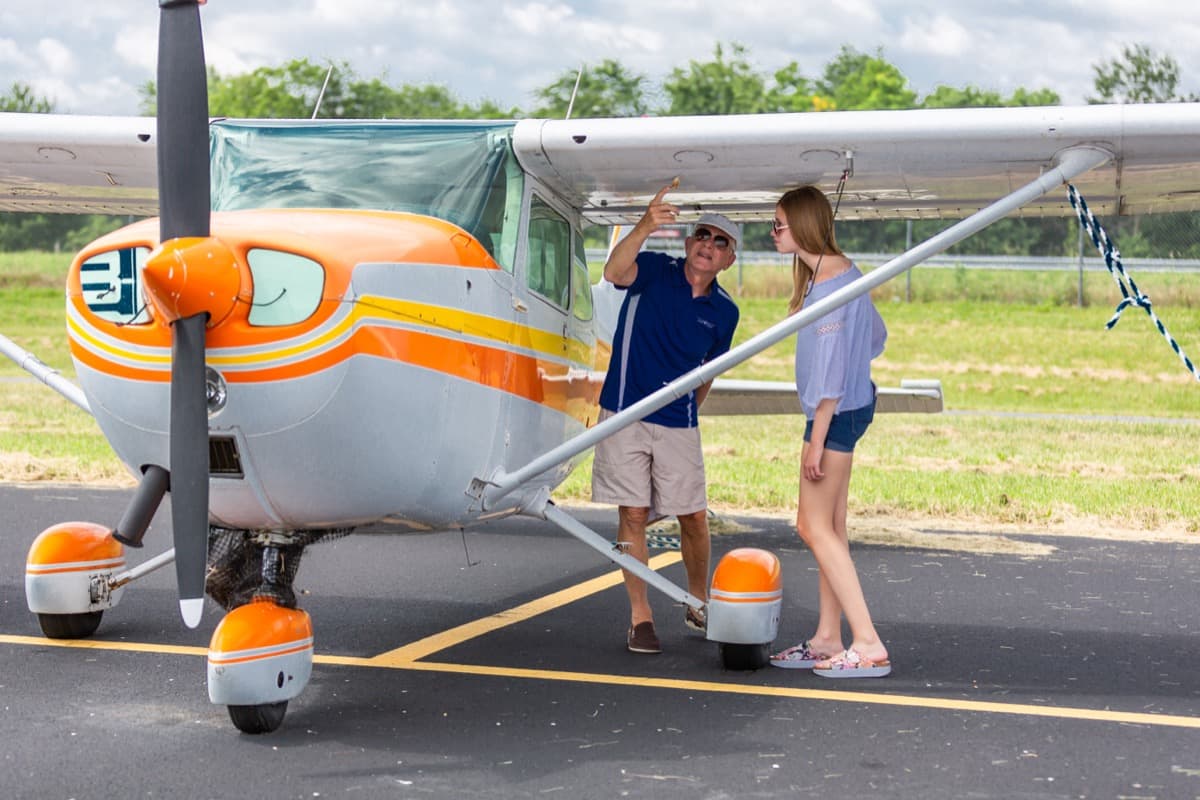
Today, more than 500 volunteer pilots across the country donate their time through STEM Flights by visiting schools, hosting airport tours, supporting Girls in Aviation Day events, and providing first flight experiences to students who have never been in a small airplane.
Most pilots will never hear the full story of the lives they touch. But those stories are happening quietly every day. Sometimes, all it takes is showing up.
Learn more about how pilots are getting involved in their communities at STEMFlights.org.
Leave a Reply