

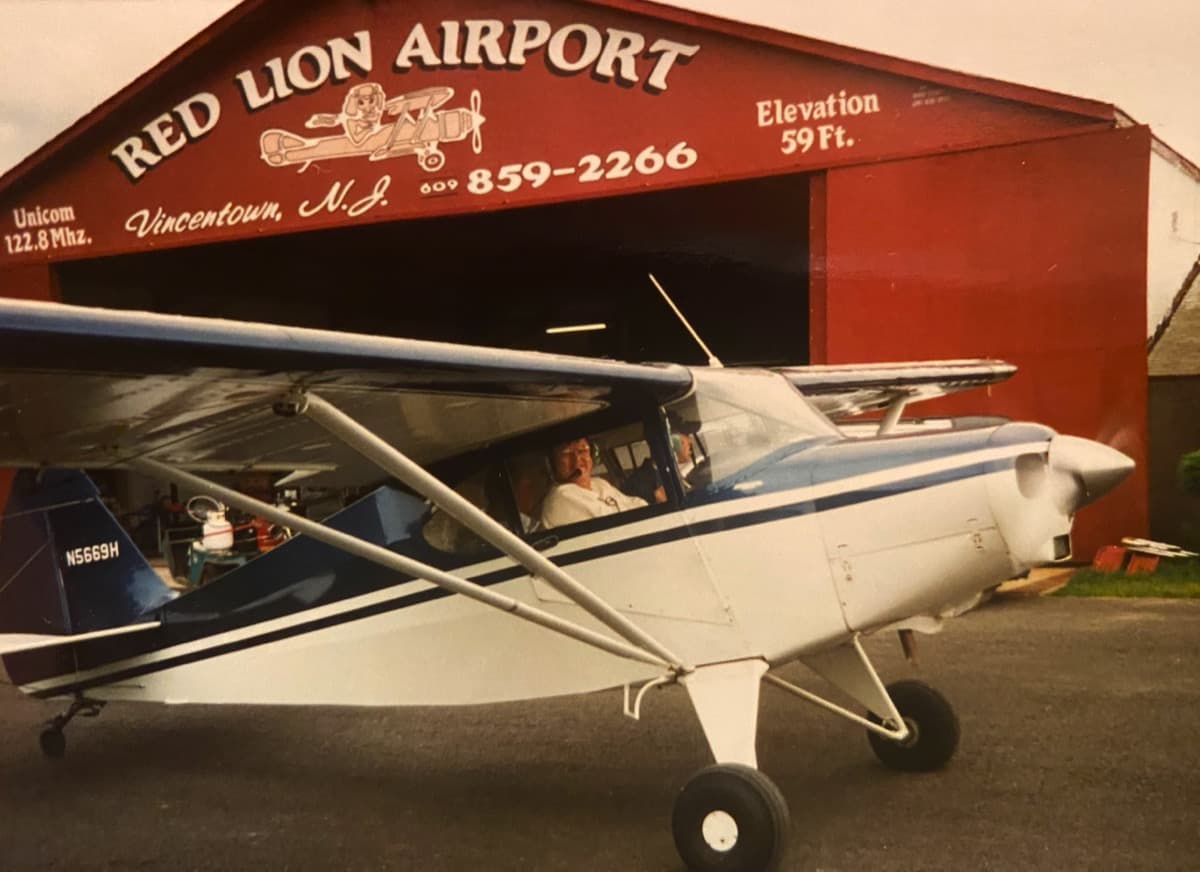
We hear a lot today about influencers. Every segment of society seems to have them, including aviation. The photos and videos they post on social media are breathtaking, and I love how they promote and bring tailwheel culture to the masses.
But aviation has always had influencers, even if nobody called them that. I’m not talking about the ones building a brand or trying to gather followers, however. The original aviation influencers were just people who cared enough to take a younger pilot under their wing, pass along what mattered, and leave a mark that lasted. That was certainly true in my case.
I had wanted to fly for as long as I could remember. By the time I was 11, it was already an obsession. That was 1986, the year “Top Gun” came out and my best friend’s father was flying F-4s out of McGuire Air Force Base in New Jersey. Between those two large sparks and everything I could get my hands on about aviation, the hook was set early.
When I turned 16, I finally got my shot. My parents did not have much money, but my father knew how much flying meant to me. He jump-started me with $500 at a local flight school, something I have always been grateful for. It bought about eight hours in a Cessna 150 and it went quickly. But it was enough to confirm what I already suspected — I had found my calling. When the money was gone, he told me something that has always stuck with me: If I wanted to keep going, I would have to find a way.
That may have been the most important lesson of all.
In the fall of 1992, I turned 17 and got my driver’s license. Following my father’s advice to find a way, I started hanging around the local airport as much as I could. One afternoon, I caught a break, or created one, depending on how you look at it. With a small white lie about being 18 years old, I convinced the airport manager to let me work a Tuesday night line service shift driving the fuel truck.
I was in.
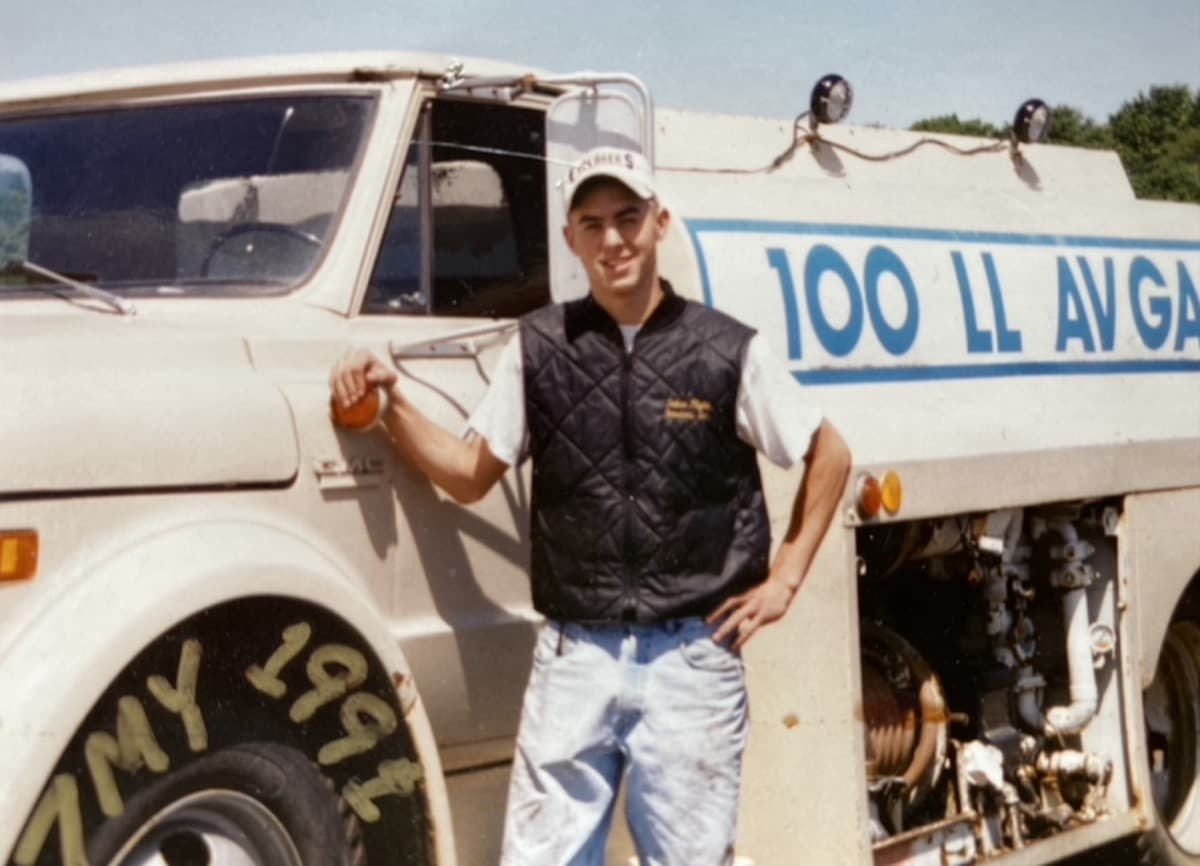
One shift turned into two. Then weekends. Before long, I was spending more time at the airport than anywhere else. I met a local charter pilot who was also an instructor, cut a deal to finish my private pilot certificate, and slowly became part of the fabric of the place.
Looking back, that was my first real introduction to the term “airport kid.” Every airport seems to have one. It describes the kid who would rather spend all day in a hangar, around the ramp, or in the pilot lounge than anywhere else. I had become one. I was drawn to that world immediately, and the hangar flying that came with it taught me lessons no flight training syllabus ever could.
One early morning that spring, the airport manager’s husband pulled up to the FBO in a Winnebago and came inside for a coffee. I noticed he had a deep tan and asked where he had been. “SUN ’n FUN,” he said. I had never heard of it, but that short exchange became the start of a friendship that would influence the rest of my aviation life.
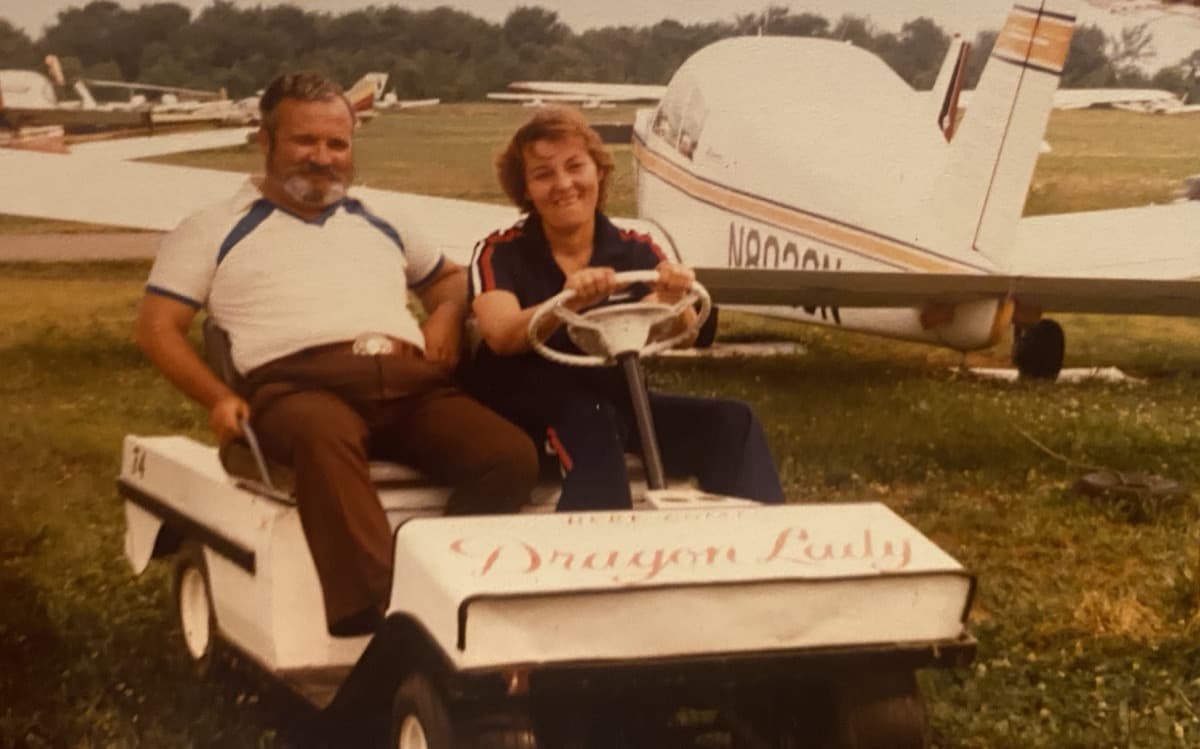
His name was Jay Worth and he was an old-school tailwheel guy in the purest sense. His father had been an Aeronca dealer after the war and Jay had grown up around conventional gear airplanes his entire life. He didn’t just fly them — it was his religion.
In his mind, even the language mattered. He hated the term “taildragger.”
“That’s a yuppie term,” he’d say. “It’s a tailwheel or conventional gear airplane.”
I’m sure he is looking down and shaking his head knowing I built a website called Taildraggers.com. Sorry, Jay.
I started spending time with Jay, helping him around the airport. He was a New Jersey State Aeronautics inspector, but you were more likely to find him mowing, plowing, or taking care of the grounds at South Jersey Regional Airport (KVAY). That was Jay.
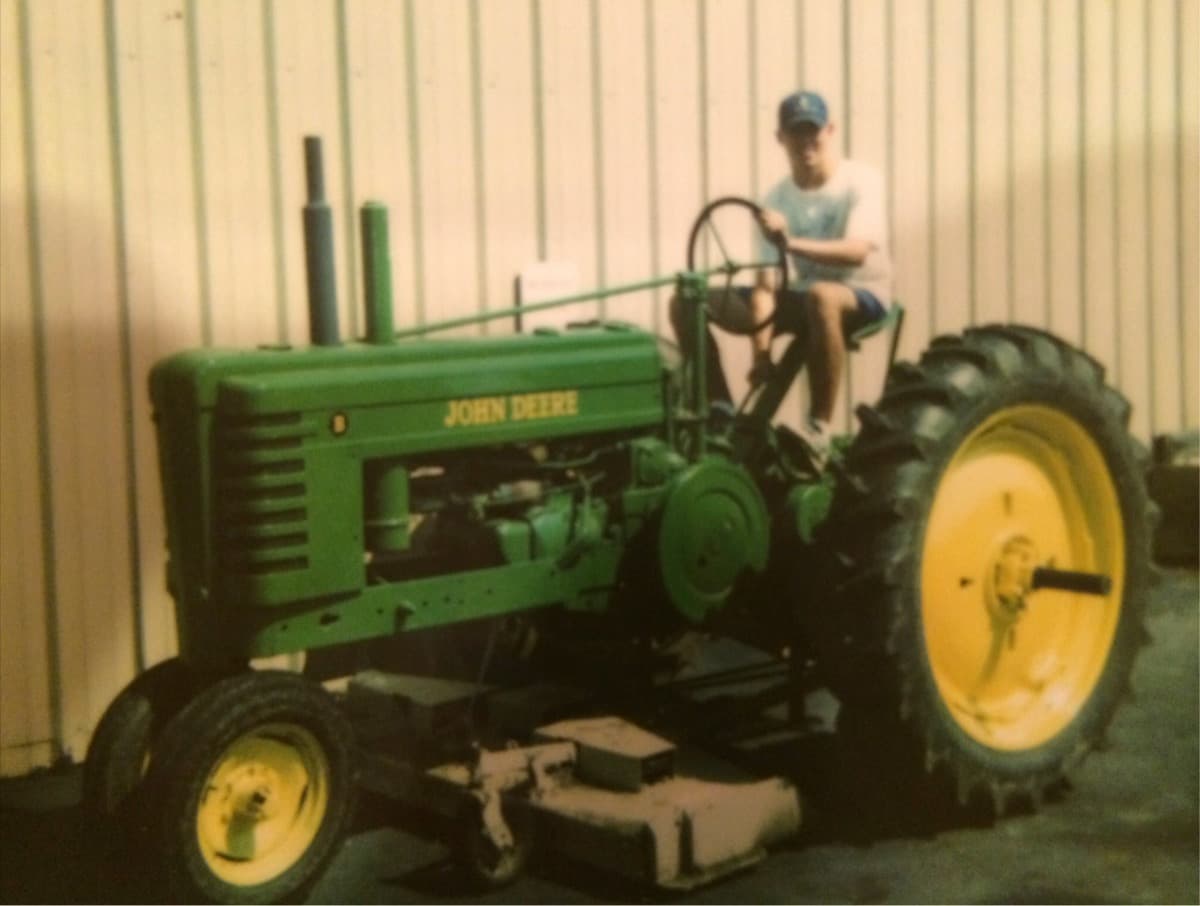
At one point we were restoring an old John Deere Model B tractor together in one of the community hangars. It had a flywheel starter, so I became his starter when he wanted to mow. That was how it worked with Jay. You learned by doing and you earned your place by showing up.
Jay had two daughters. One had passed away years earlier in a car accident and, somewhere along the way, I think I became the son he never had. His younger daughter told me that once. I didn’t fully understand it at the time, but I do now.
What I did understand was that Jay was investing his time in me for the best reason there is: A genuine love of tailwheel flying and a desire to pass it along to the next generation. The only strings attached were that I someday pay it forward.
Jay had previously paid a local airline pilot (another one of my heroes who will be a story for another day) for 10 hours of instruction in a J-3 Cub for his daughter, but she never continued past the first lesson. One day, Jay told me he had worked it out with the instructor that I could use those hours.
In the summer of 1993, I climbed into the back seat of a Piper Cub for the first time.
The difference from the Cessna 150 I had been flying was immediate.
I couldn’t see forward. I had to use different sight pictures and senses. It required a different kind of attention. Coordinated flight seemed to matter more. It didn’t tolerate casual inputs, especially on the ground. It demanded that you stay ahead of it or it would quickly get away from you.
I was all in.
A few weeks later, in late July, Jay pointed the Winnebago west toward Oshkosh and invited me along. He obviously had some pull with my boss, the airport manager, so getting the time off was no problem. I had no idea what I was about to experience. There were no cell phones, no internet, no videos, and no social media back then. You heard about Oshkosh from other people and then you went and saw it for yourself.
What I found there felt instantly familiar, even though I had never seen anything like it before. It was an aviation event like no other. A campground turned into an aviation city, hundreds of thousands of people brought together by a common bond, and an air show on steroids.
But what grabbed me most were the vast rows of antique and classic tailwheel airplanes: Howards, Wacos, Stearmans, Fairchilds, Travel Airs, Staggerwings. Don’t even get me started on the warbirds.
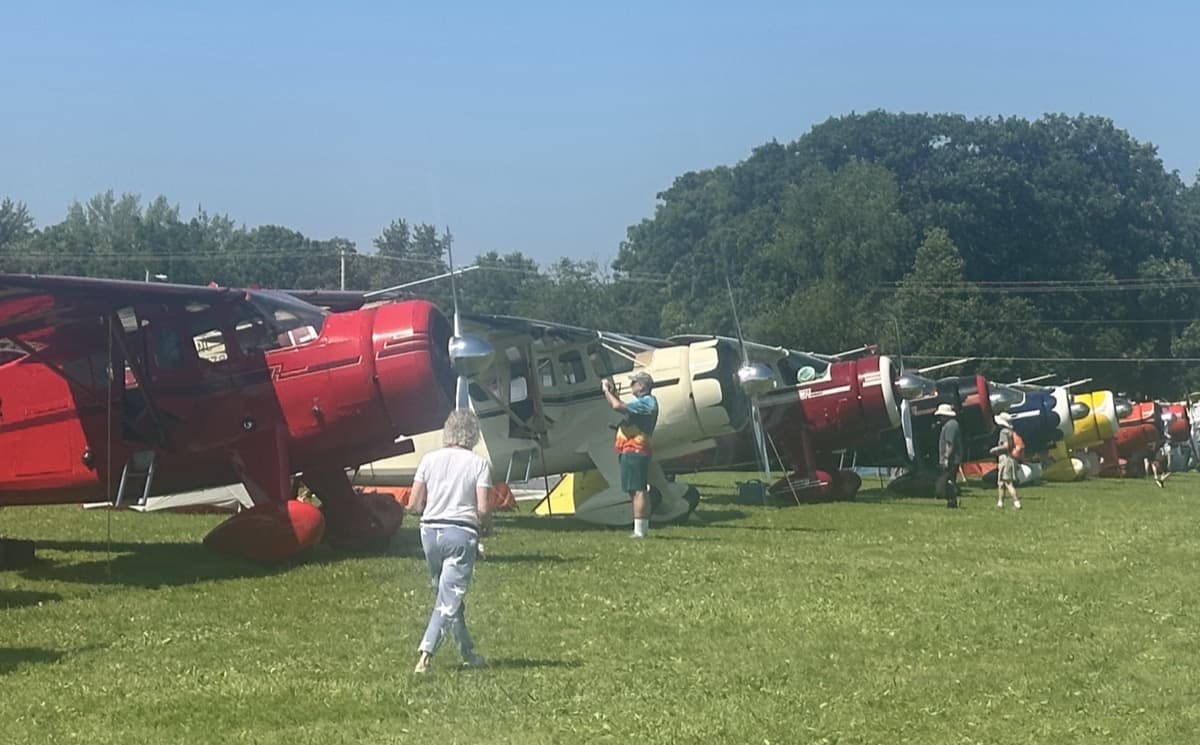
Walking through the rows of tailwheel airplanes with Jay made it even better. He was a walking, talking tailwheel encyclopedia. He would stop at each airplane and talk not just about what it was, but about its story, its history, and the people behind it. The owners were the same way. They were not guarded or rushed. They were proud of what they had and happy to share it with anyone who cared enough to ask. I stayed close to Jay the whole time, soaking it all in and listening.
That was when it clicked for me. This was not just flying. It was a community, a culture, and a group of people who understood something that was hard to explain, but easy to recognize once you were around it. I wanted to be a part of it. It felt like home and the week went by way too fast.
Not long after we got back, I completed my tailwheel endorsement in the Cub, just shy of my “real” 18th birthday. By then I was working line service full-time, fully embedded at South Jersey Airport, and already looking ahead to the next step: Beginning college locally, finishing my ratings, and finding a way to buy my first tailwheel airplane.
Jay helped with that too. The next spring, he chipped in to help me buy a 1949 PA-16 Clipper, an act of generosity I never forgot. A year later, I flew that airplane to SUN ’n FUN and stayed in his Winnebago.
It was a full-circle moment, even if I did not fully appreciate it at the time.
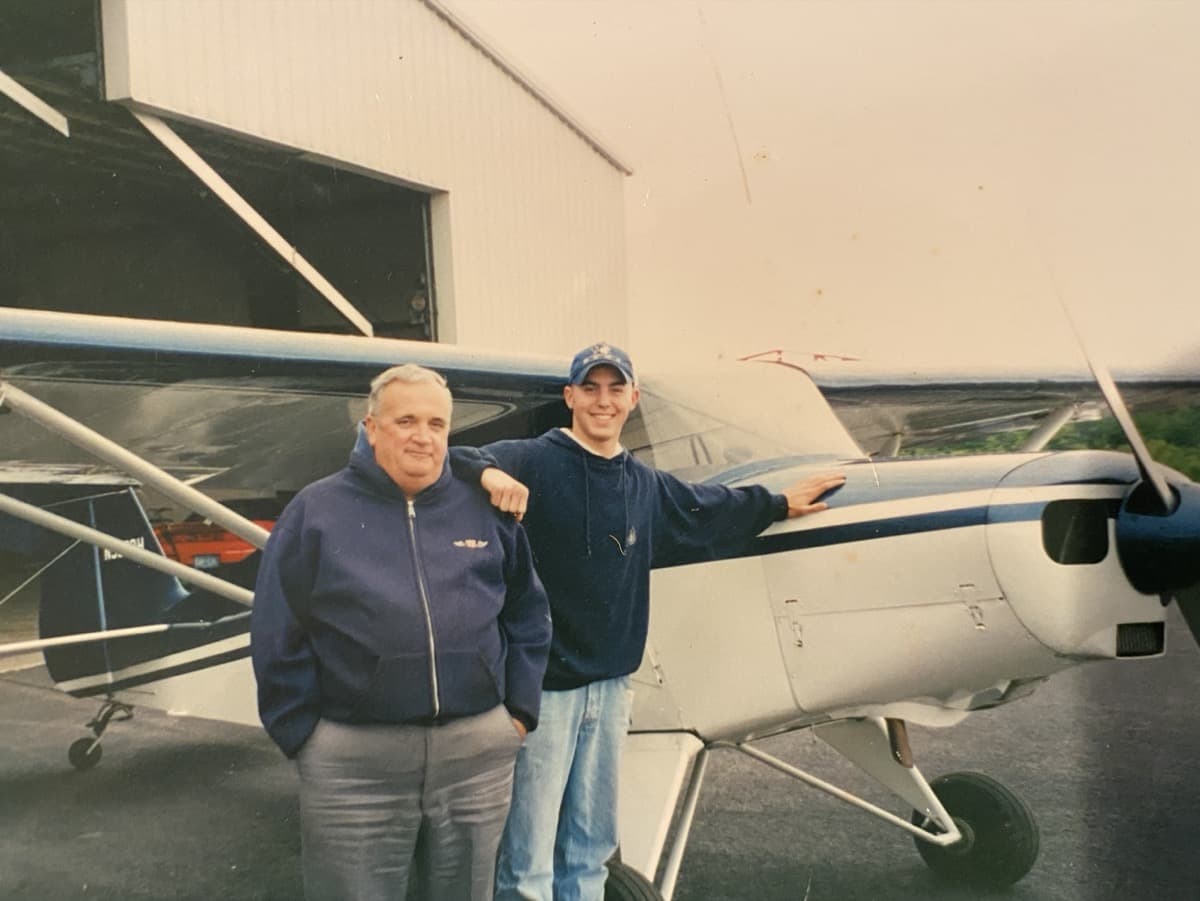
Jay flew west in 2014, but his influence never left me. He used to say, “Pay it forward. Do the same for some deserving kid.” That was Jay. He was the real kind of influencer long before that word came to mean something else. He was not trying to build a following, promote himself, or create an image. He simply took the time to invest in a younger pilot, passed along what mattered, and helped shape the direction of my aviation life.
The way he talked about tailwheel airplanes, the way he approached flying them, and the standards he carried and expected others to carry left a permanent mark on me. When I think about why I fly tailwheel, a big part of that answer traces back to him. Not just because he introduced me to tailwheel airplanes or taught me about their history, but because he showed me what this part of aviation could be. That is what tailwheel influence was to me and it is a big part of why I love flying tailwheel aircraft.

Great story, and comments.
I too had a great influencer. Learning to fly at age 71 I had a difficult time relating to the “kids”, new CFI’s. Thankfully I was referred to Johnny Henley, CFII, A&P with AI, DPE, NASCAR Pilot. Suspenders, cigarettes, gray hair & patience. He loved to educate, not just instruct.
I still hear his wisdom in my head, even tho I am not now flying, 12 years later. And I just visited Johnny at home.
He is full time DPE.
I much enjoyed your narrative, Kevin. Similar to my own story, that started in 1969 at age 15. Numerous “old guys” (one or even two generations ahead of me) at Columbia Airport (O22) in California, went out of their way, to help me realize my dream and “pave my path” to becoming a pilot, flying for a living, for 30 plus years, and still active in GA today, flying weekly.
Some of those guys:
Sterling Bigbee, Howard Recek, Dick Torrance, Jack Courtney, Al Richardson, Joe Pfeiffer, Mike Brown, Martin Larson, Bob Hoffman, Al Pereira, and Royce Rickman. Each of them heavily invested their time and resources into influencing my future, and provided advancement opportunities, for which I will always be grateful.
That was a great story! All of us fortunate enough to spend a lifetime aloft did so because of the “influencers” you speak of. You made a wonderful tribute to some of yours! Can’t stress enough how significant the old “no man is an island” adage is in a flying career!
In addition, in this day of pilots shelling out huge sums to fast track to an airline career by following a carefully crafted, quite expensive, curriculum it’s nice to remember the time building line boy path that progressed to Flight Instructing, part 135 and beyond. I traveled that road too and also benefited from the same important foundation you received. My parents agreed to pay for my Private and the rest was on me. It was financially doable when, in1971, a Private License was well less than a $1000 and as a line boy I could fly the schools Champ and Citabria for about the same money that kids drop in Starbucks today….and I could fly the schools Piper Apache for not much more than what they have to pay for lunch!
Scratching for flight time meant a lot of different flying in a lot of different aircraft. As you said, you learned by showing up and doing. This resulted in finding myself in the right seat of a DC 3 at age 19 and progressing through the story of the Deregulation Era before retiring from an A330 just before Covid turned the industry upside down. It was a great ride and I’ll never forget( I hope, I eat a Mediterranean Diet and exercise!) the many “influencers” who did so much for me.
Well done Kevin.
“… but his influence never left me. He used to say, “Pay it forward. Do the same for some deserving kid.” Great story, Kevin. Especially this line. I’ve spent the past decade raising funds for aspiring young aviators through our local EAA Chapter 1088. We ask three things of the recipients in return for our support: 1) 100% commitment to the goal, whatever it may be. 2) Gratitude and feedback to any and all who help them reach the goal and my favorite, 3) Be ready, willing and able to pass it forward!
Kevin, thank you for sharing such a beautifully written and deeply personal story. In today’s hyper-digital age where the term ‘influencer’ is so casually thrown around, it is incredibly refreshing to read about a true mentor like Jay Worth.
While my daily work revolves around building digital platforms and web solutions rather than flying airplanes, the core message of your article resonates strongly. Whether we are preserving the history of classic tailwheels or building modern digital communities, the foundation is always the same: genuine human connection and the willingness to ‘pay it forward’ to the next generation.
It’s wonderful to see how Jay’s legacy lives on through your passion and the Taildraggers community you’ve built. A truly inspiring read!