

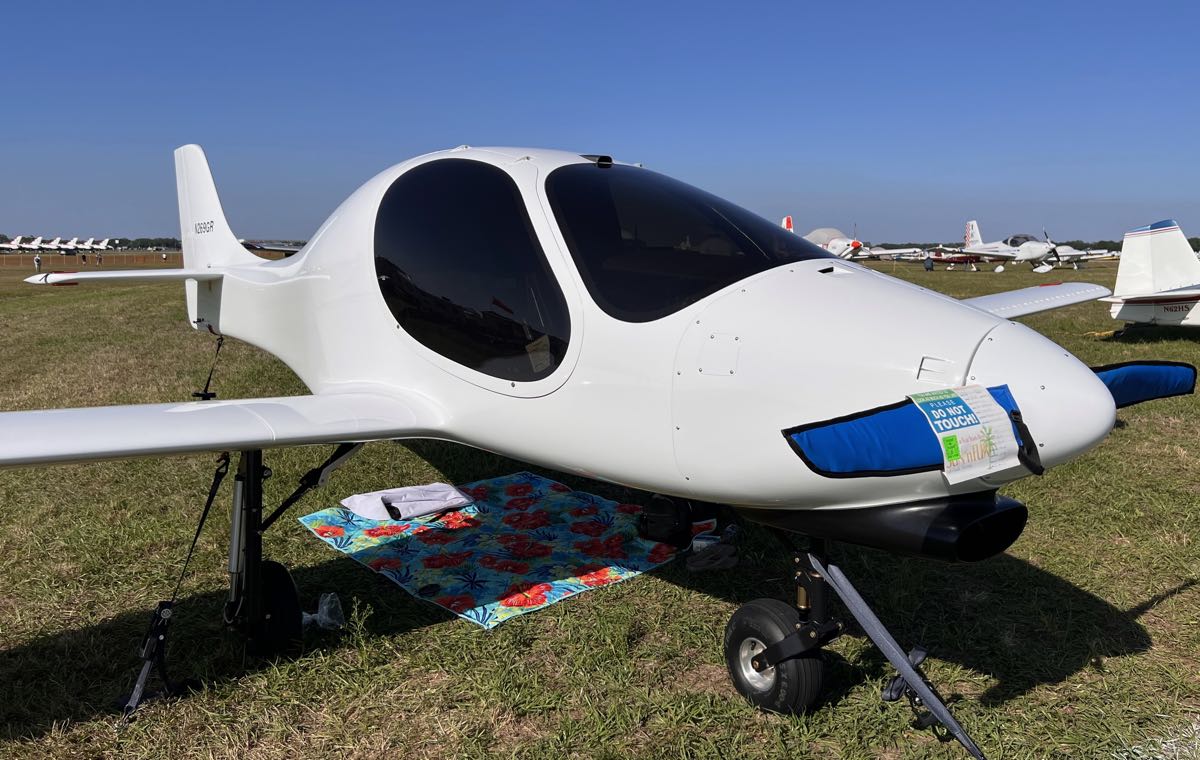
I spotted Gyrfalkn from across the taxiway at the 2026 SUN ’n FUN Aerospace Expo.
From a distance, it looked like a smaller version of a Lancair Evolution.
As I got closer, there was no mistaking the airplane for an Evolution. This was something I’d never seen before.
My first stop at Gyrfalkn was at the propeller to read the prop tag. When I saw Chris Christiansen listed as the owner, I was immediately overcome by a flashback.
Back in 2009, while walking among the aircraft on the ramp at the Copperstate Fly-In in Arizona, I happened upon an aircraft I’d never seen before. It was a tandem two-seater, with a fixed tricycle gear and a high wing the owner named Savor. Its owner was also named Chris Christiansen.
As it turned out, it was the same Chris Christiansen. Just 17 years later. I don’t think I’ve seen Chris since.
I walked around to the pilot side of the plane and found Chris sitting in the shade of the wing. We exchanged greetings and quickly confirmed knowing, and remembering, each other from 2009.
The name, Gyrfalkn, is a nod to his Danish heritage. Always the designer, Chris designed his own spelling for the word.
From start to finish, it took Chris and his girlfriend Leila eight years to complete the carbon fiber bird. They finished in 2022.
After Gyrfalkn was completed it took Chris a year to complete the 40-hour fly-off. Why? “Life got in the way.”
I nodded. Life has a way of doing that.
Chris is a fabricator. Leila is an aircraft coverer. They are also very nice.
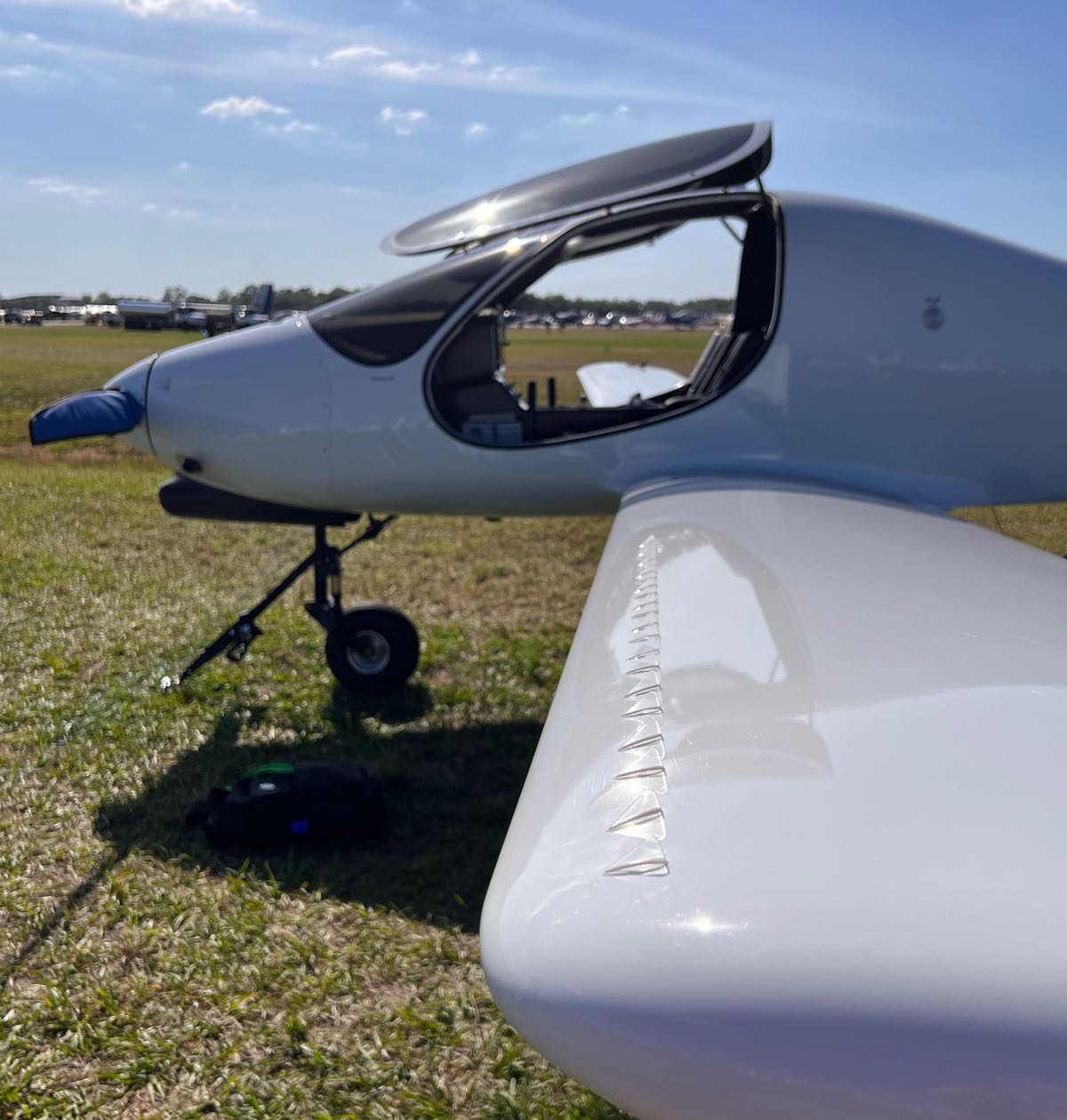
I pointed at the windows, which are huge.
“The visibility is amazing,” said Chris as we looked at the front and side windows.
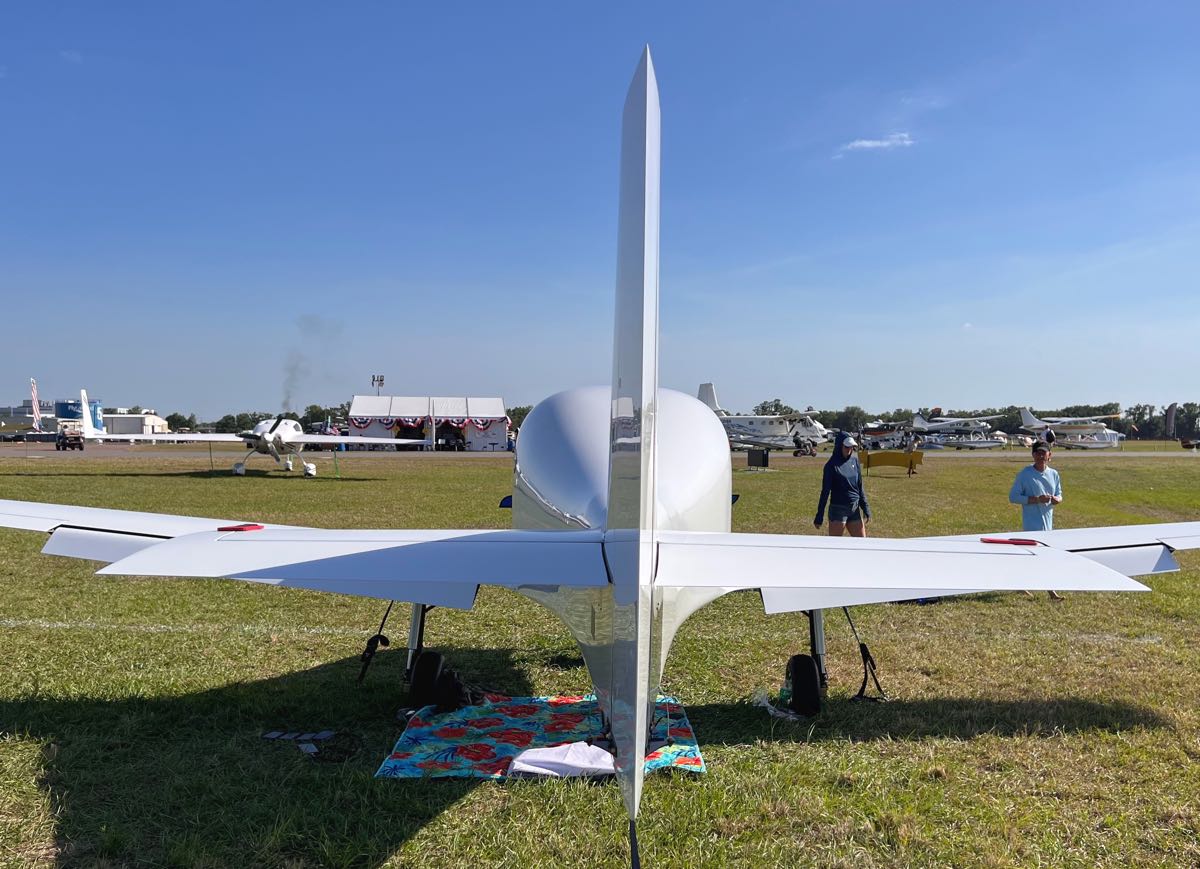
The 5° forward sweep of the wing also helps with tremendous downward visibility for a low-wing aircraft. The forward sweep allows the spar to run through the fuselage behind the seats instead of under and helps with the center of gravity.
Up front is a Rotax 912 ULS. He added an air scoop that makes it look like a turboprop could be hiding behind the cowling.
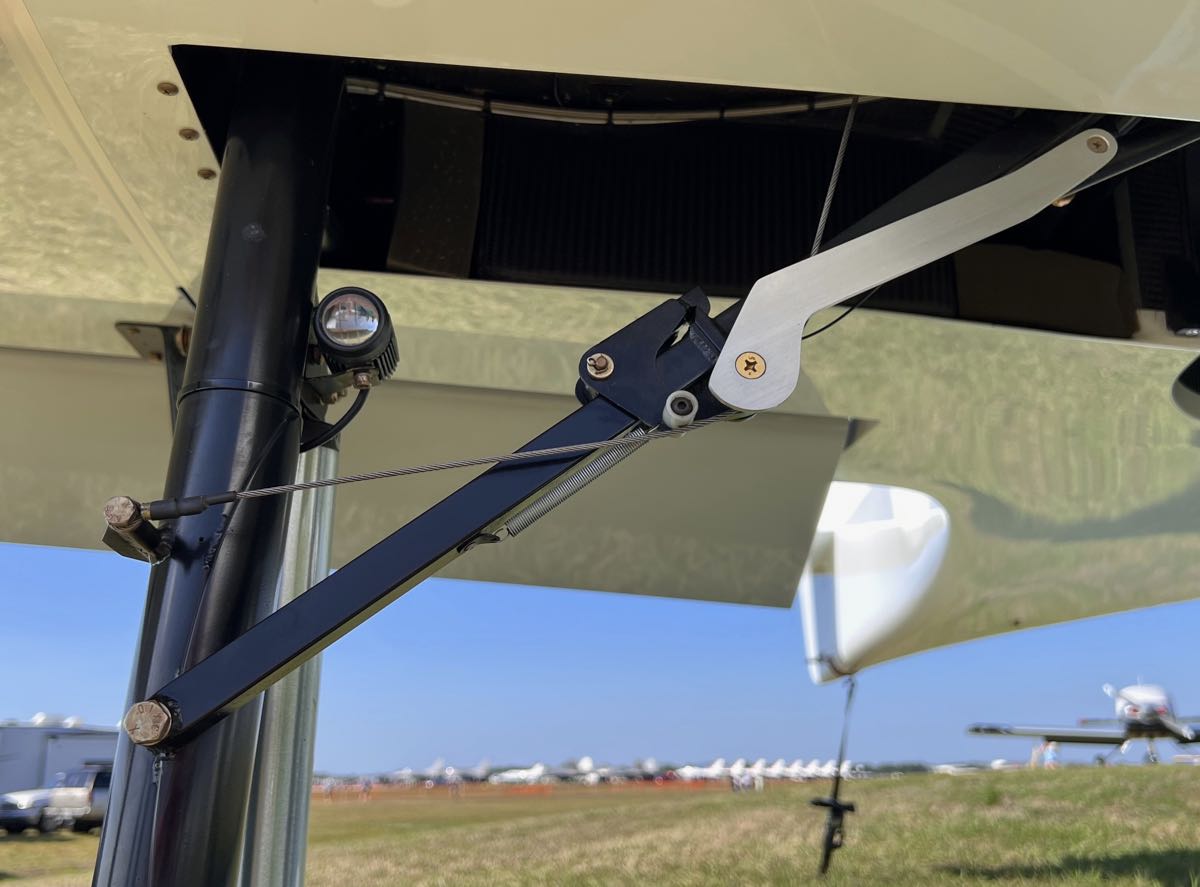
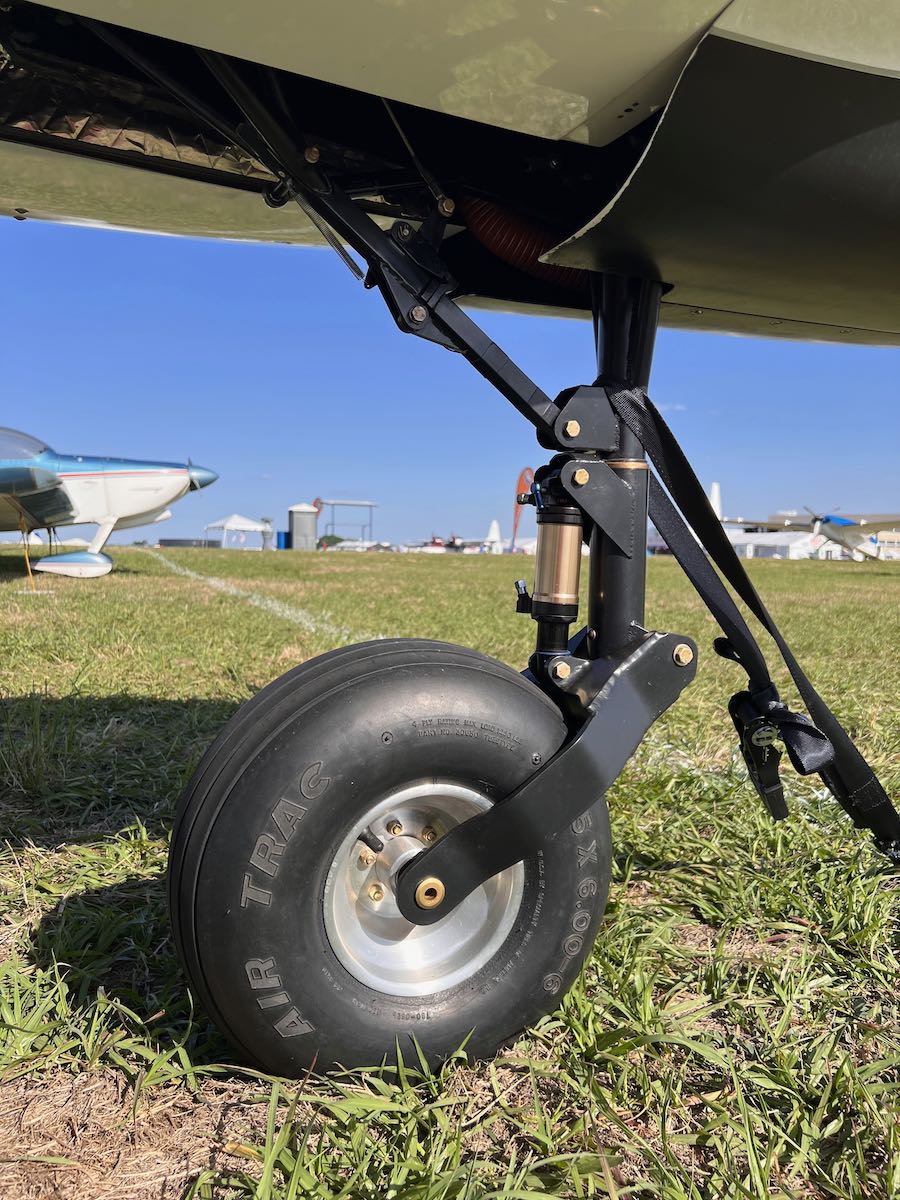
The landing gear and flaps are both mechanical. No hydraulics or motors needed. Just a pair of levers in the cockpit.
Cruising speed is 150 mph and it lands at 60.
Gross weight is 1,300 pounds, while the empty weight is just 806 pounds.
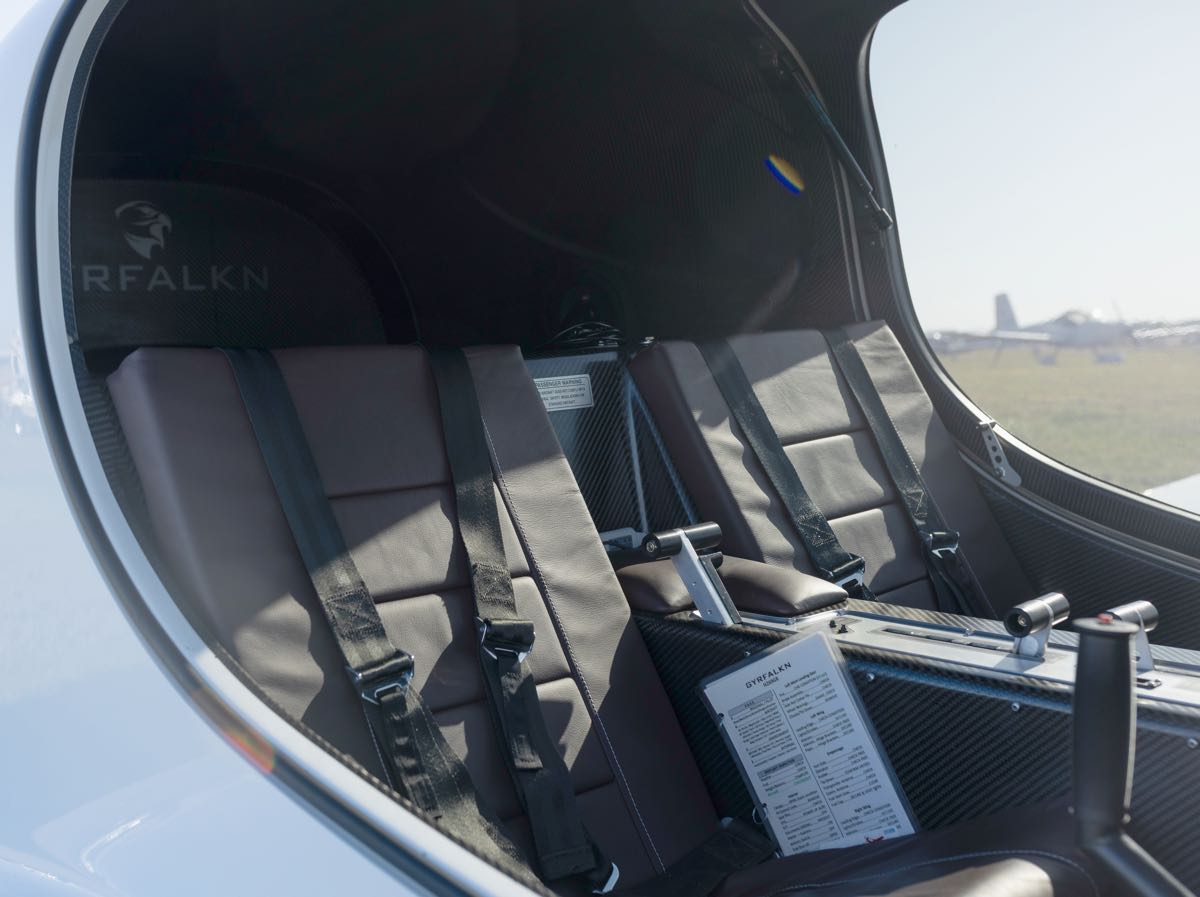
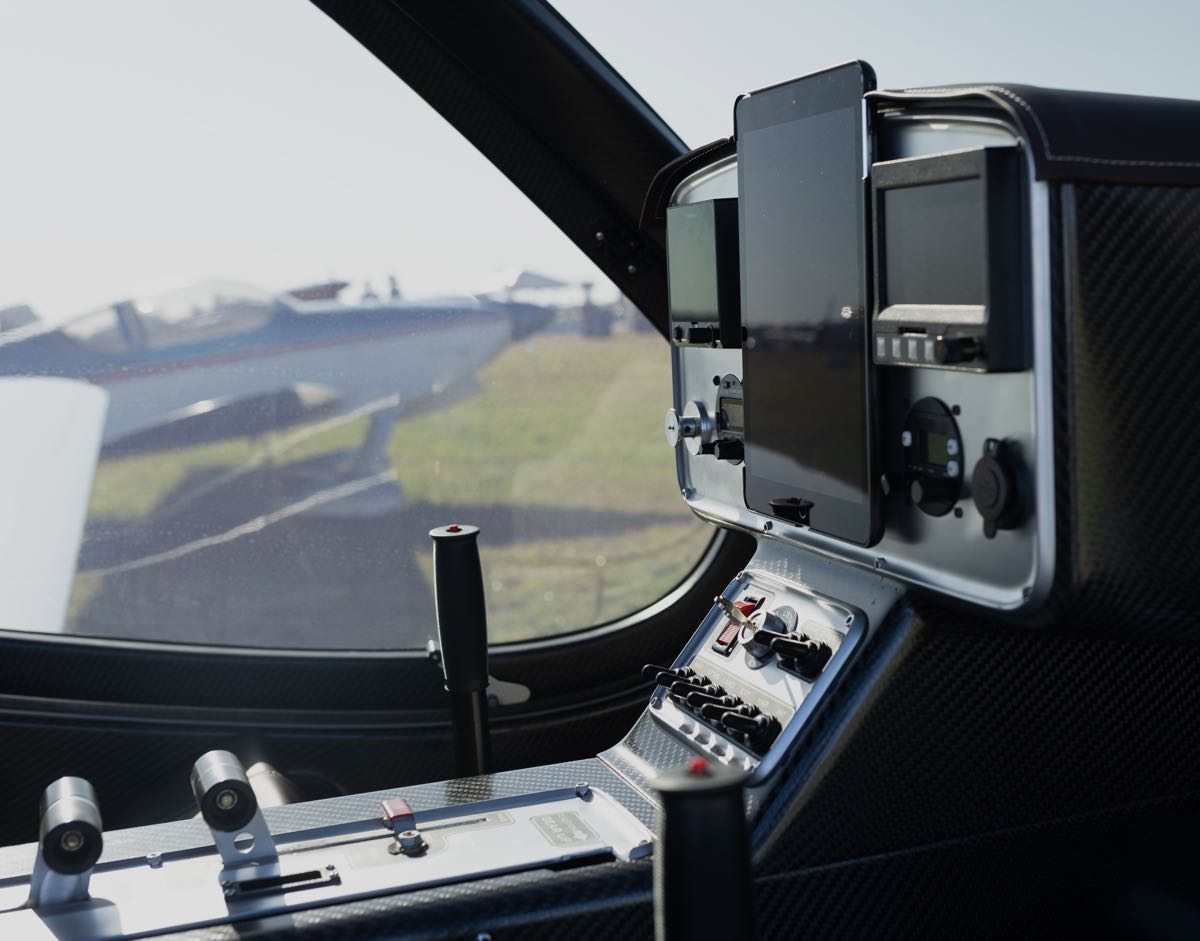
The panel is nicely appointed, if sparse. A Garmin, a Dynon, an iPad, a few switches, and other assorted do-dads. This is a plane you fly to look out the windows, not the panel. You know, fun flying.
I asked Chris if he was going to make it into a kit or offer plans. Not likely, but he hadn’t yet made that decision. If I had to guess, I’d go with no. But you never know.
What happened to Savor?
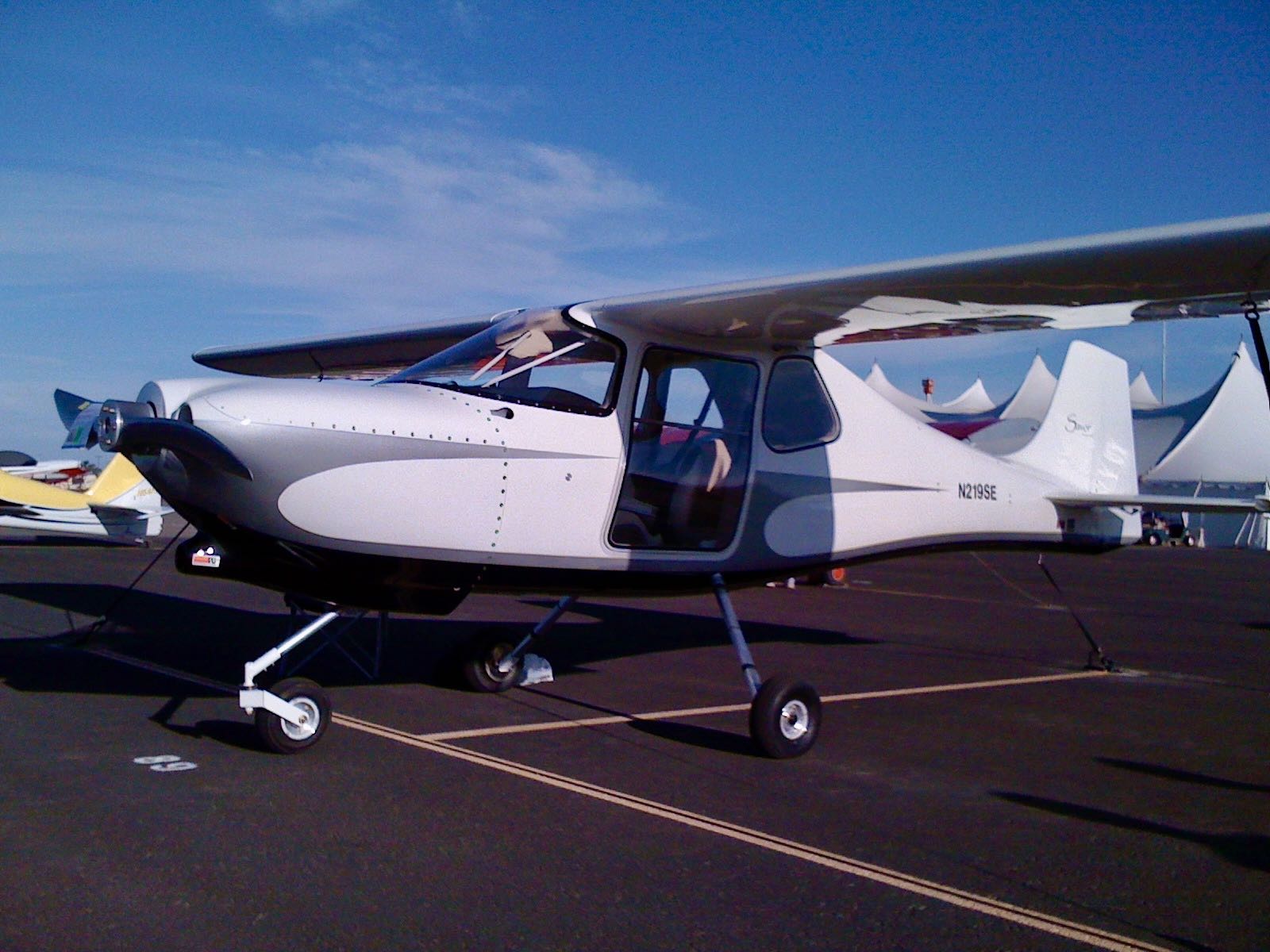
“I chopped it up,” said Chris.
He just couldn’t sell it. He couldn’t support it. Not to mention the ever-present worry of “what if” all factored into his decision, he explained.
Designing an aircraft can’t be easy. Building it is another issue altogether. To have done both twice is truly impressive.

Leave a Reply