

The flight instructor and student pilot completed flight maneuvers in the Piper PA-28-180 as part of an instructional flight before returning from the practice area to the airport for a visual approach and landing. The flight instructor told investigators that the student pilot made a fuel tank selection change while they performed the descent checklist.
The student pilot was flying the approach when the flight instructor told the student pilot to add engine power, but the engine exhibited a total loss of engine power. The flight instructor took over the flight controls and the airplane hit a vacant area in a residential neighborhood.
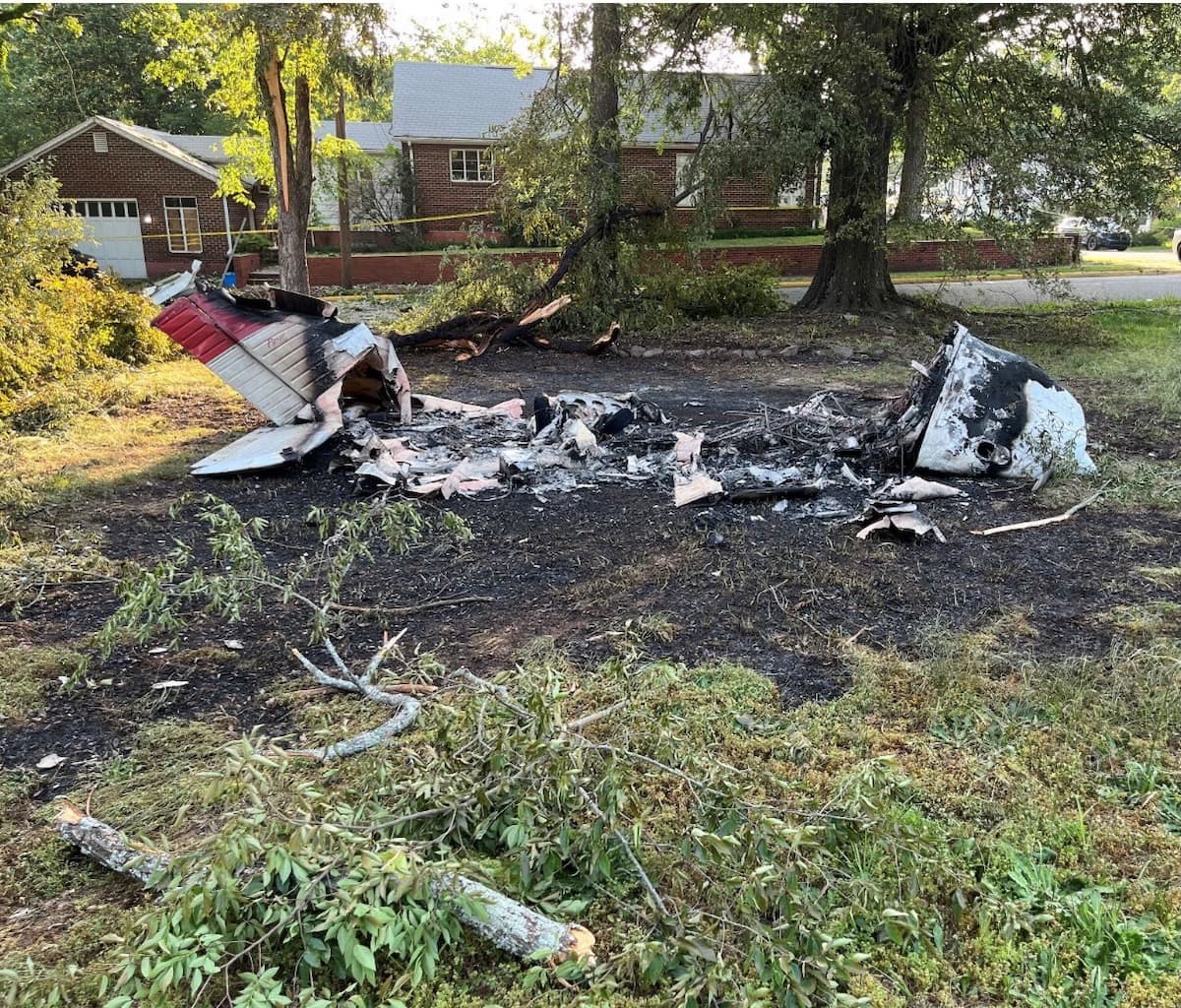
The airplane was destroyed by impact forces and post-crash fire. The flight instructor sustained serious injuries in the crash, while the student pilot sustained minor injuries.
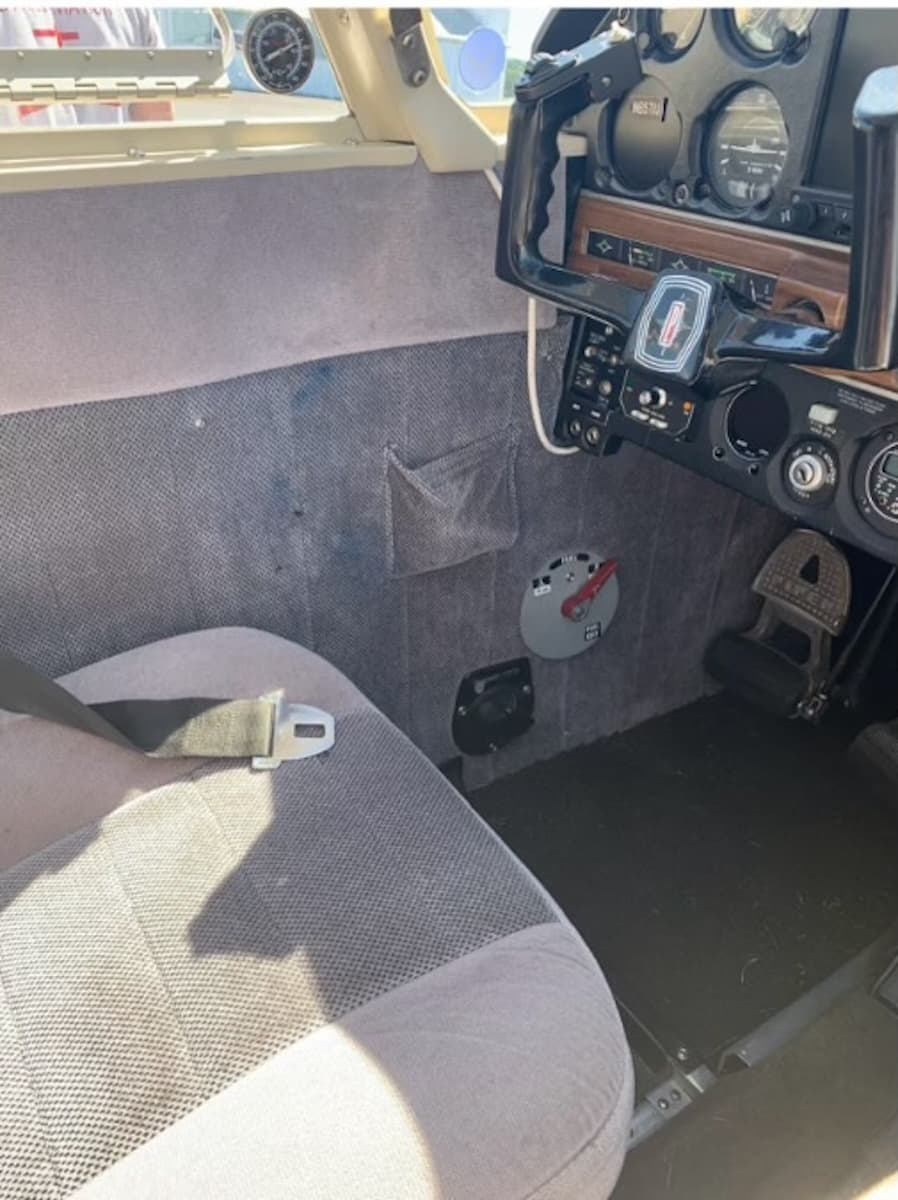
Post-accident examination of the airplane revealed that the fuel selector valve did not intersect any of the valve body ports. With the fuel selector valve between port positions, fuel was unable to flow downstream to the engine.
There were no other pre-accident mechanical failures or malfunctions with the airplane that would have precluded normal operation.
Probable Cause: The student pilot’s selection of an improper fuel tank selector position, which resulted in fuel starvation and a total loss of engine power. Contributing to the accident was the instructor’s inadequate oversight.
To download the final report. Click here. This will trigger a PDF download to your device.
This May 2024 accident report is provided by the National Transportation Safety Board. Published as an educational tool, it is intended to help pilots learn from the misfortunes of others.
One day about 40 years ago while working line service, I was out on the tie-down ramp and heard a pilot call mayday with an engine out on downwind. I watched as the pilot made a tight turn toward the runway, but came up South of the E-W runway, making a perfect landing in the grass South of the runway. The unfortunate part of the event was that there was a ditch running perpendicular to the landing direction, and the right landing gear strut was torn out and did considerable damage to the wing. The pilot was shaken up, but fortunately unhurt. The pilot had switched tanks just before entering downwind, but missed the detent and had shut off the fuel. Very poor design in my opinion, and the only thing I really didn’t like about Cherokees.
It’s hard to fathom how an experienced, reputable airplane manufacturer could release a design which is both visually inaccessible and functionally deficient. You could excuse that for a homemade go-cart, but not quarter-$million flying machines. Sheesh!
Regards/J
The newer selector designs can not be put in the off position without depressing a tab, …..this prevents inadvertently shutting of the fuel…..
The NTSB noted that the selector was between the left and right settings, blocking any fuel flow.!
a very poor design.
It’s a lack of what, why and completion comprehension instead of rote checklist recitals. Most pilots have it, including this instructor.
a few thoughts;
– why would Piper put the fuel selector is such a poor, hard to see and verify position ?
My Cessna fuel selector is on the floor, between the seats, easy to see by both front seats, as well as the rear seats !
– if the valve had the left and right tank fittings 90 degrees apart, vs the 180, the valve could be configured to be able to flow fuel while rotated between the 2 settings, and still have an ‘off’ position.
If only the engine would falter immediately when you do something like that, maybe then you would realize your mistake and fix it before it’s too late.
With the engine at idle for landing , they would not know if it was running or just windmilling.
With the fuel cut off, an idling engine will run for about 1 minute on the fuel in the carb and gascolator.!