

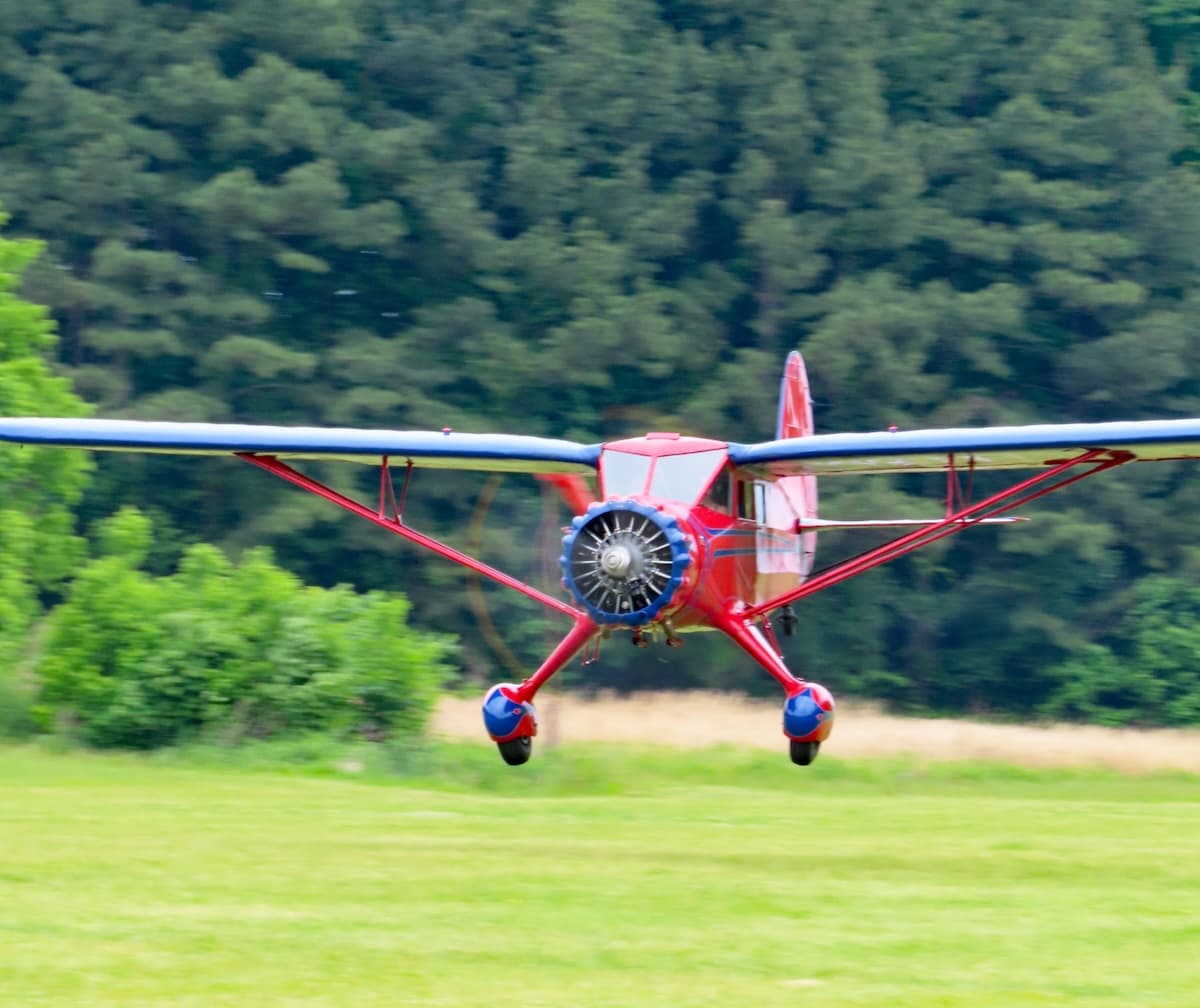
Early morning rain showers and low ceilings lifted just before midday May 9, 2026, to allow around three dozen aircraft to alight on Bradford Field (NC05) in Huntersville, North Carolina, for the 2026 Spring Fly-In hosted by Dee and Cynthia Bradford.
Each year, the couple invites aviators to fly in for the day, serving them a hot dog lunch and plenty of smiles and laughter.
“We had a blast — we are still talking about the fly-in!” said Dee.
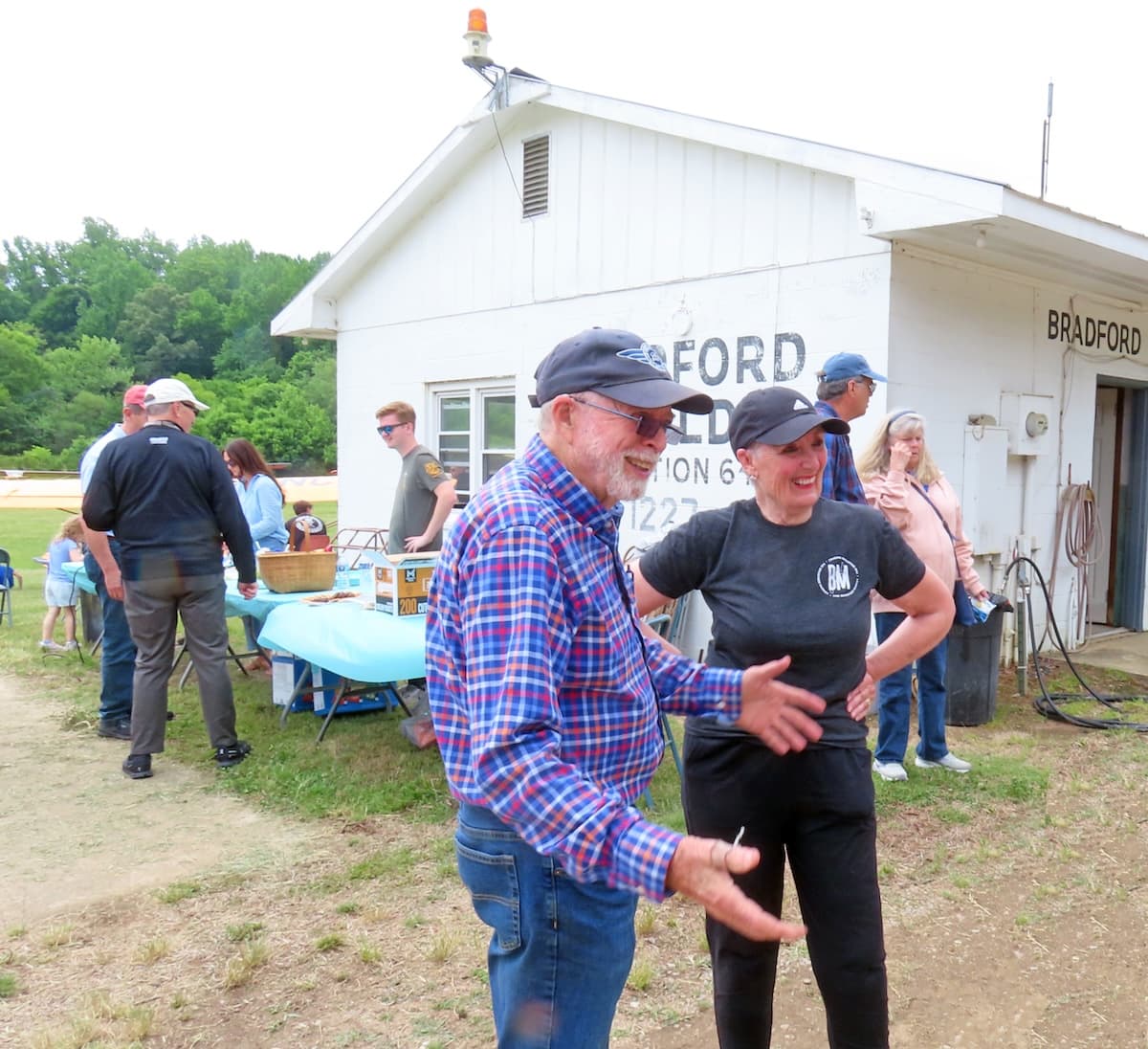
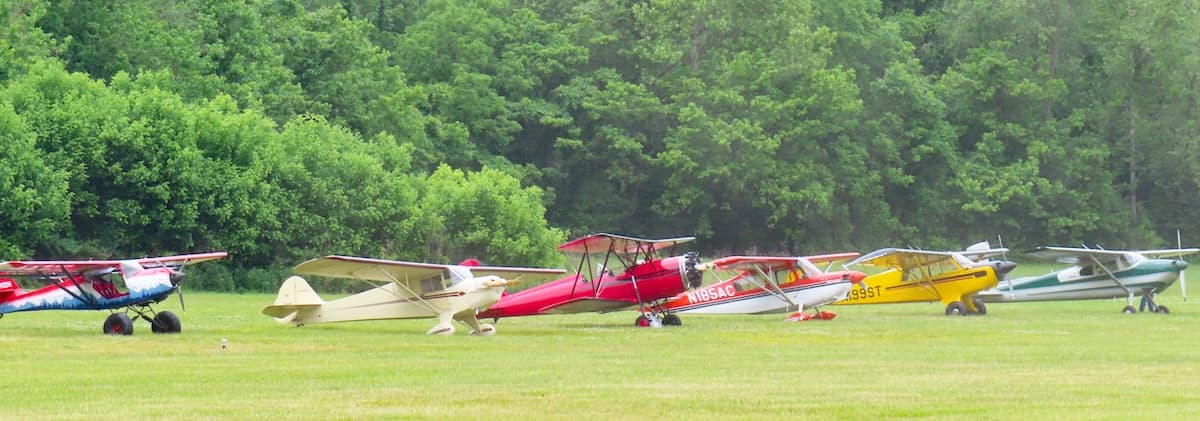
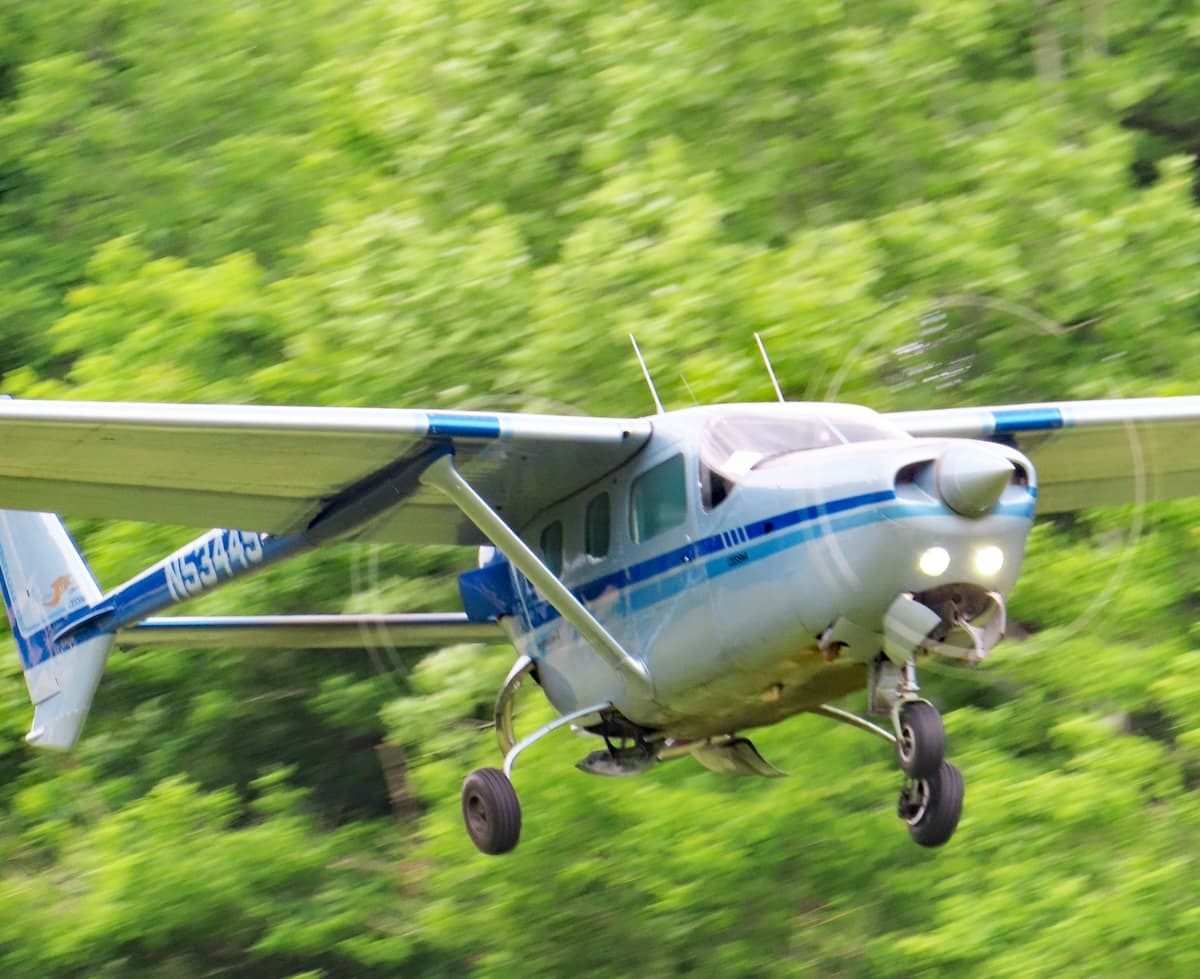
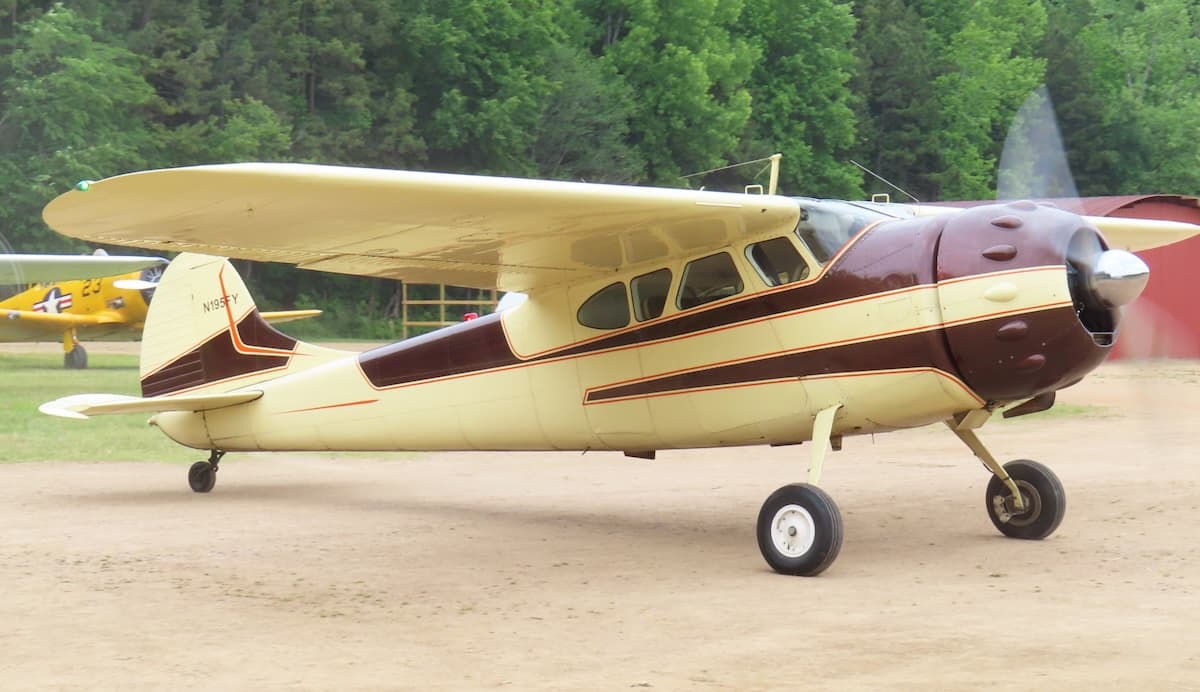
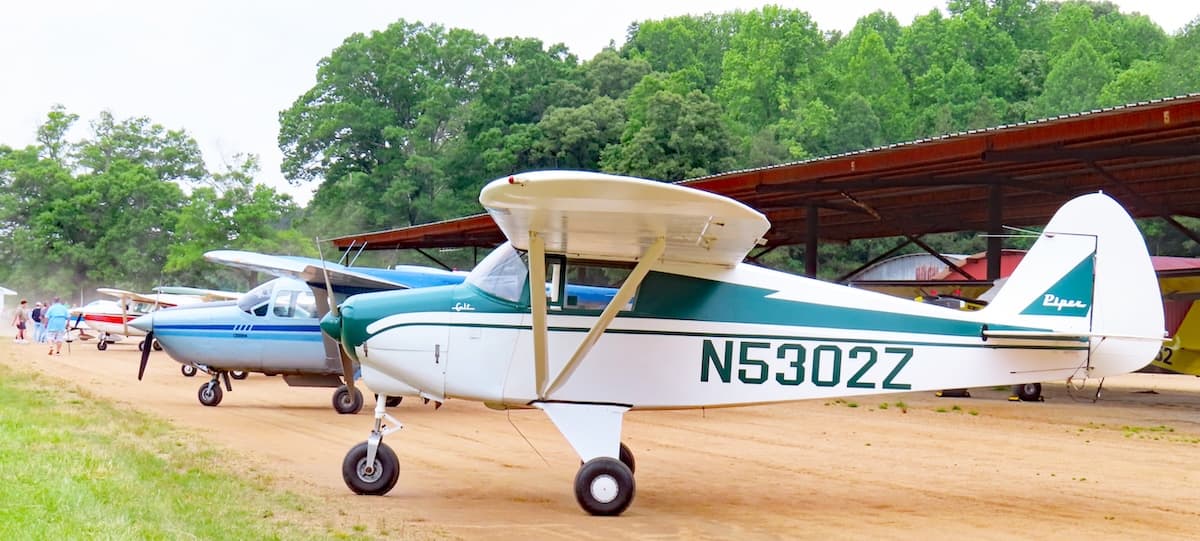
Heads were turning constantly as a steady stream of aircraft flew from the field during the 2026 fly-in. Some of the aircraft stirred up a “what is that?” type of guessing game among the crowd. They were makes and models that are seldom seen, such as Rallye Minervas (yes, plural!), a tailwheel Varga, Meyers OTWs, and a Cessna Skymaster.
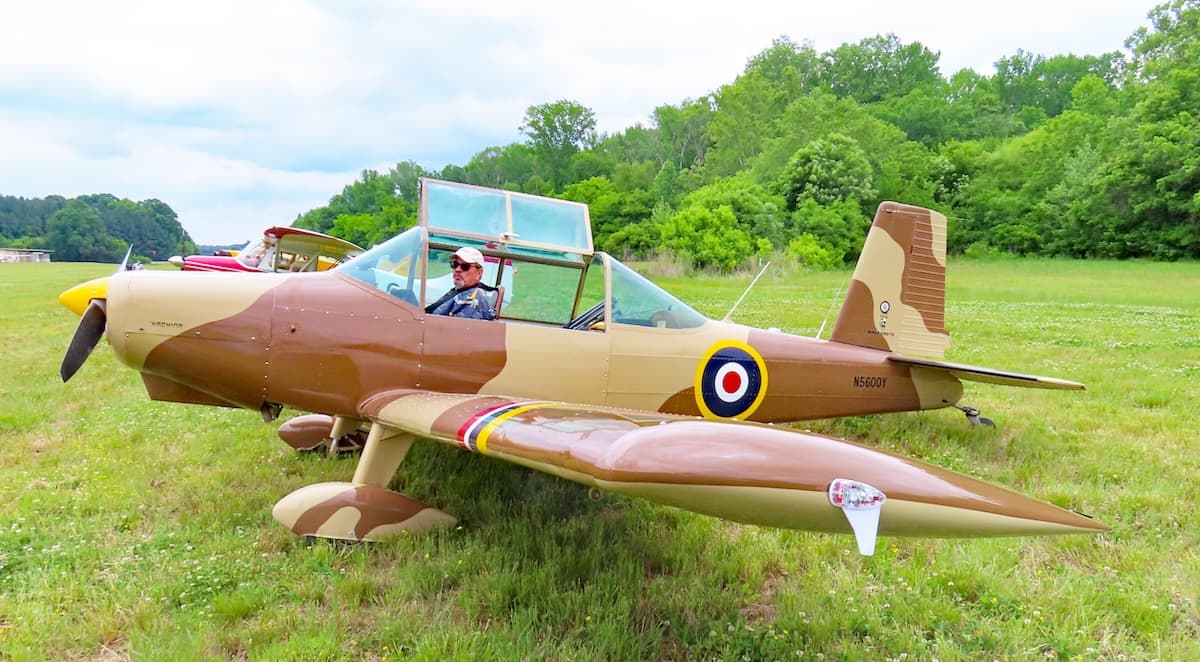
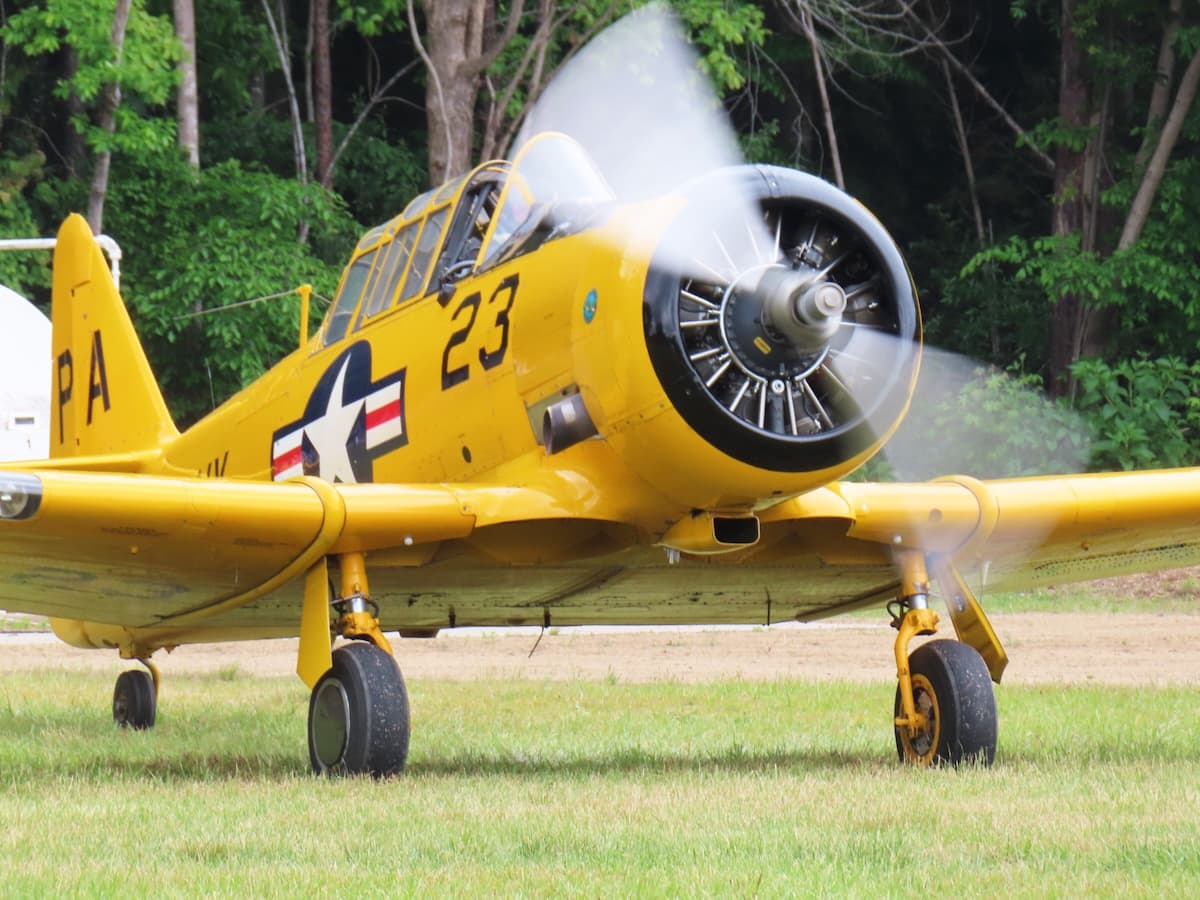
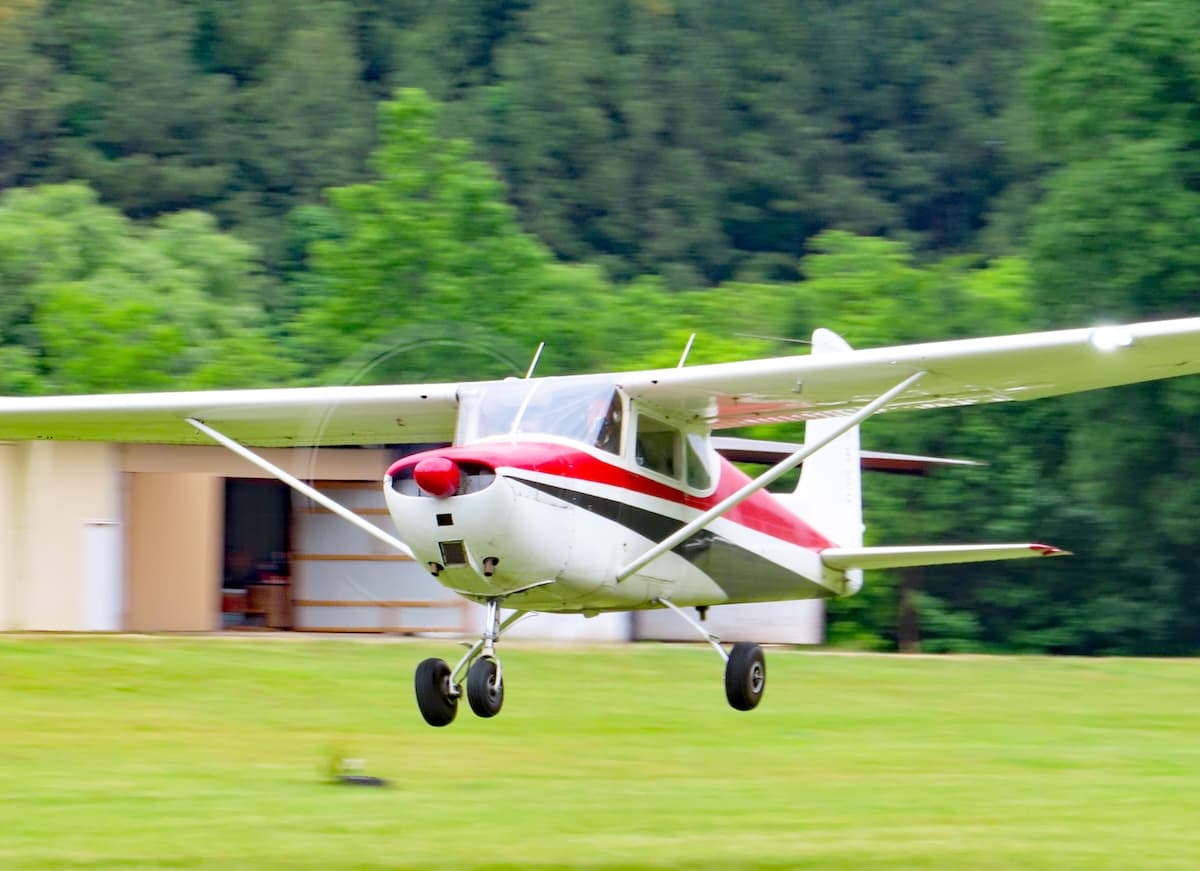
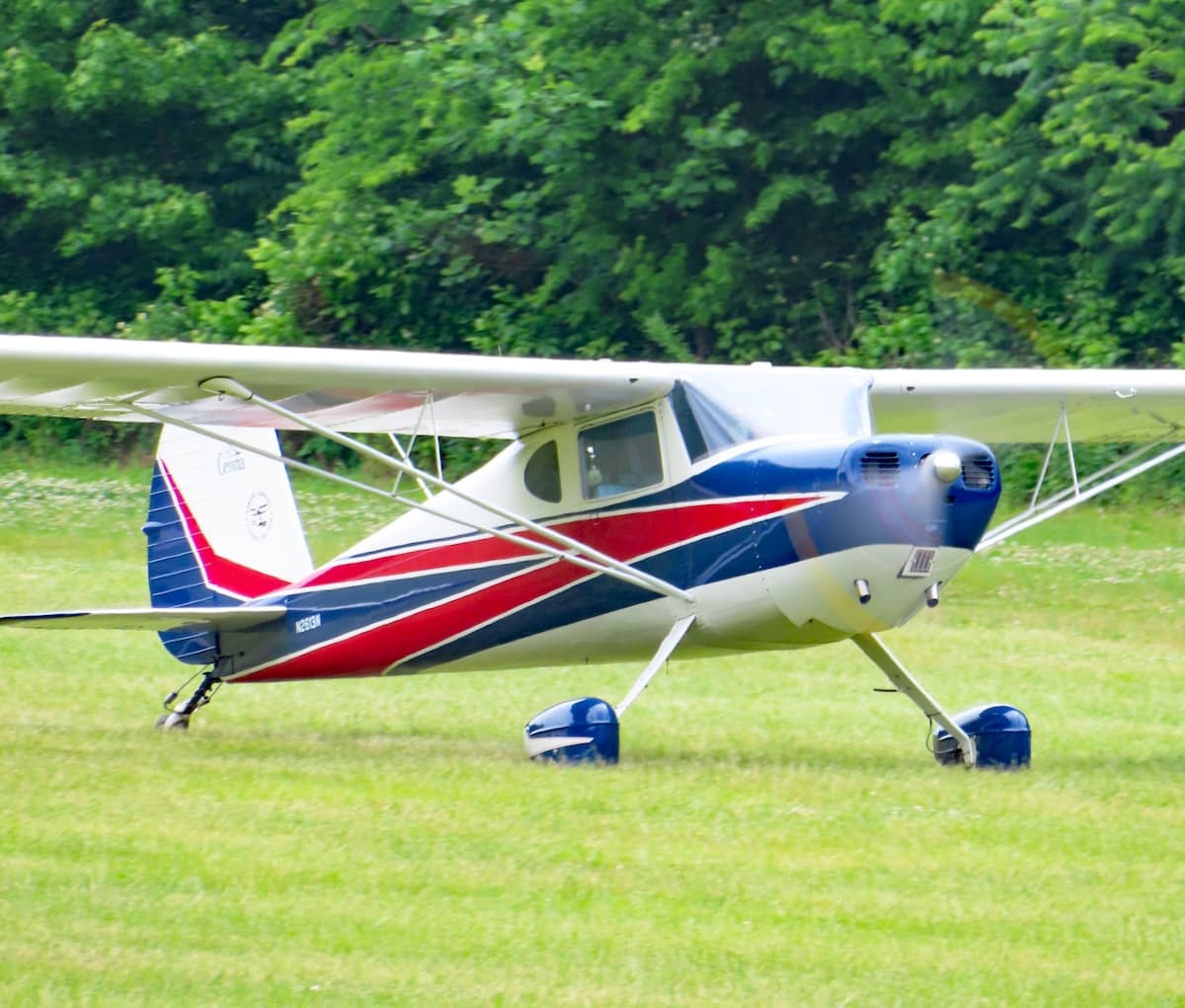
Other aircraft included an SNJ-5, a Zodiac, a Lake amphibian, an Xtremeair GMBH, a Swift, a Vashon Ranger R7, a helicopter, a Colt, as well as Cessnas, Bellancas, ultralights, and more.
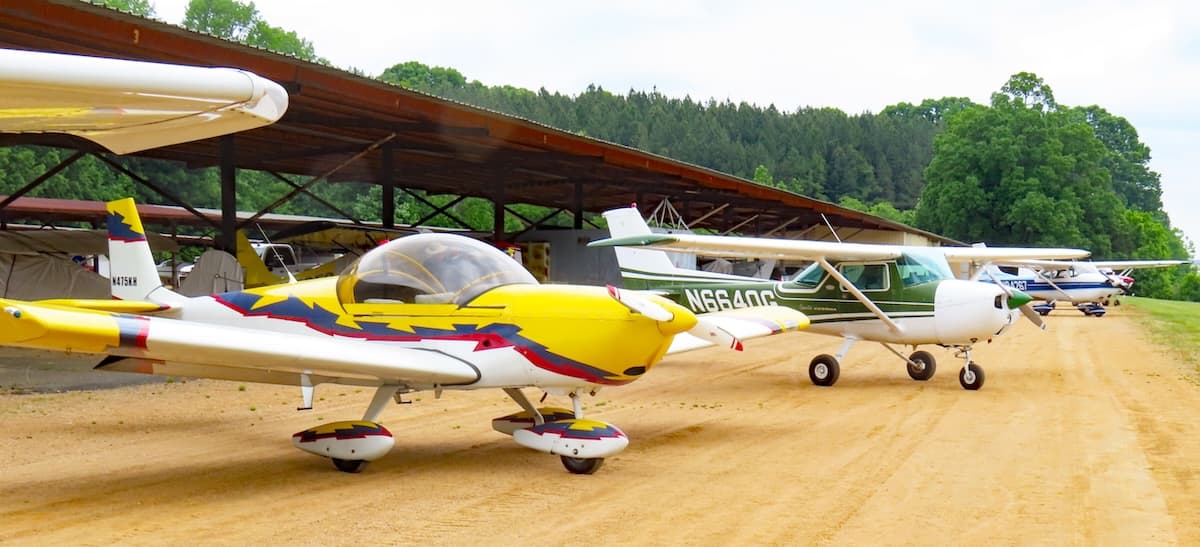
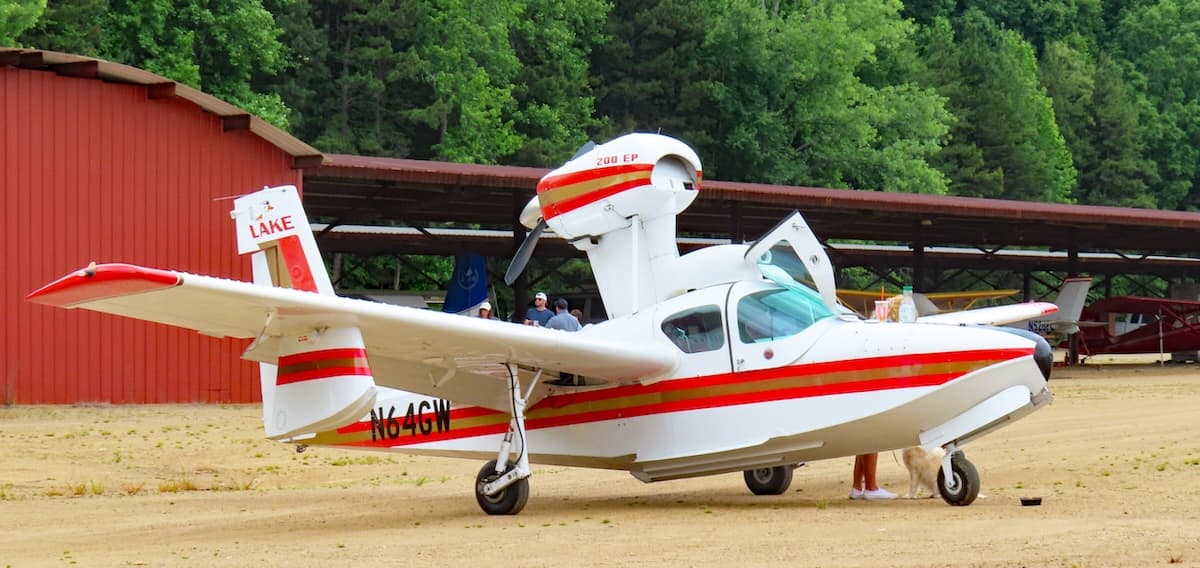
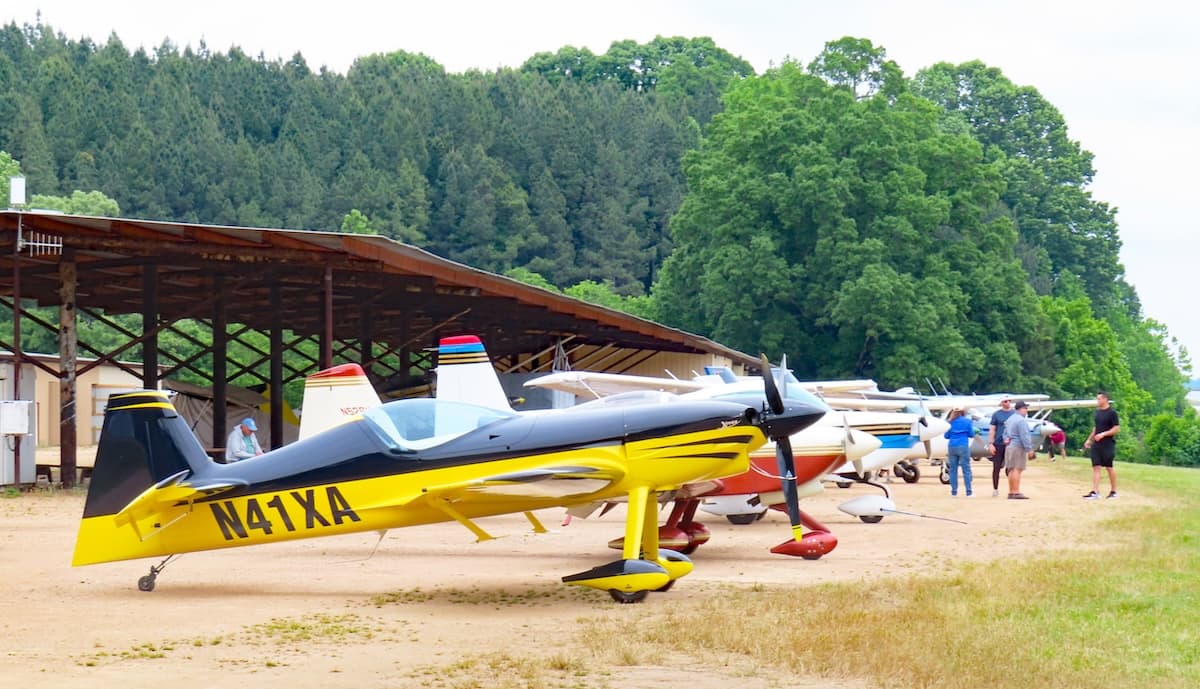
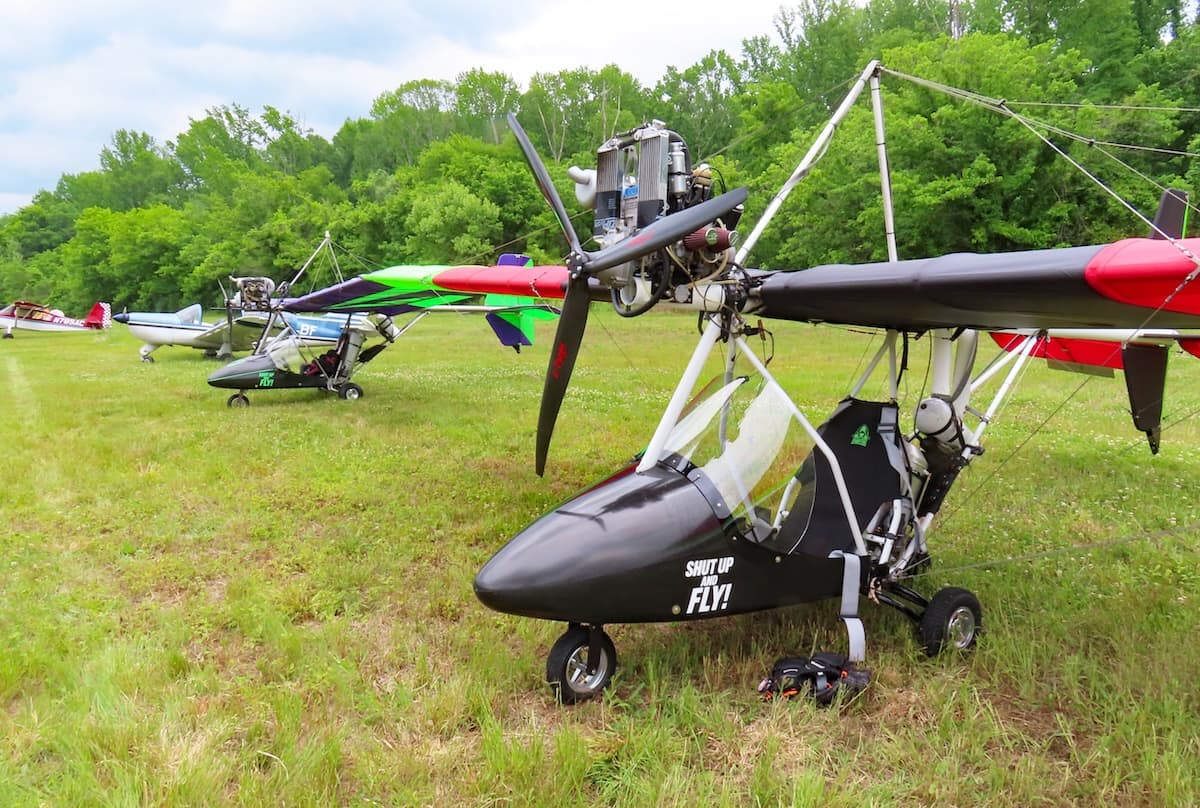
The 3,850-foot x 150-foot strip the Bradford family built decades ago is a small slice of paradise. It’s situated just below the Class B airspace of Charlotte/Douglas International Airport (KCLT) and adjacent to the Class D airspace of Concord-Padgett Regional Airport (KJQF).
Rallye Minerva
It’s unusual to see a SOCATA Rallye Minerva — also known as the Waco Minerva — and even more so to see two at the same fly-in.
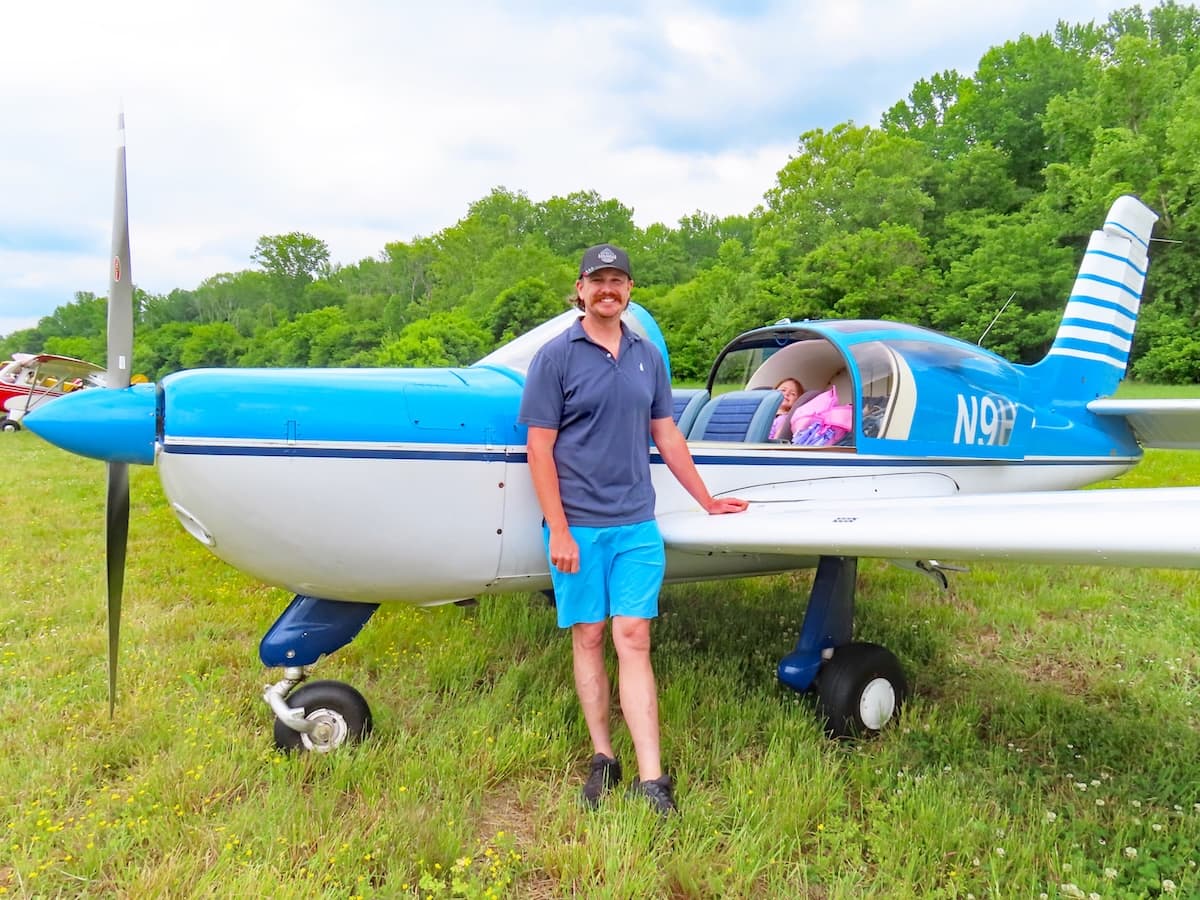
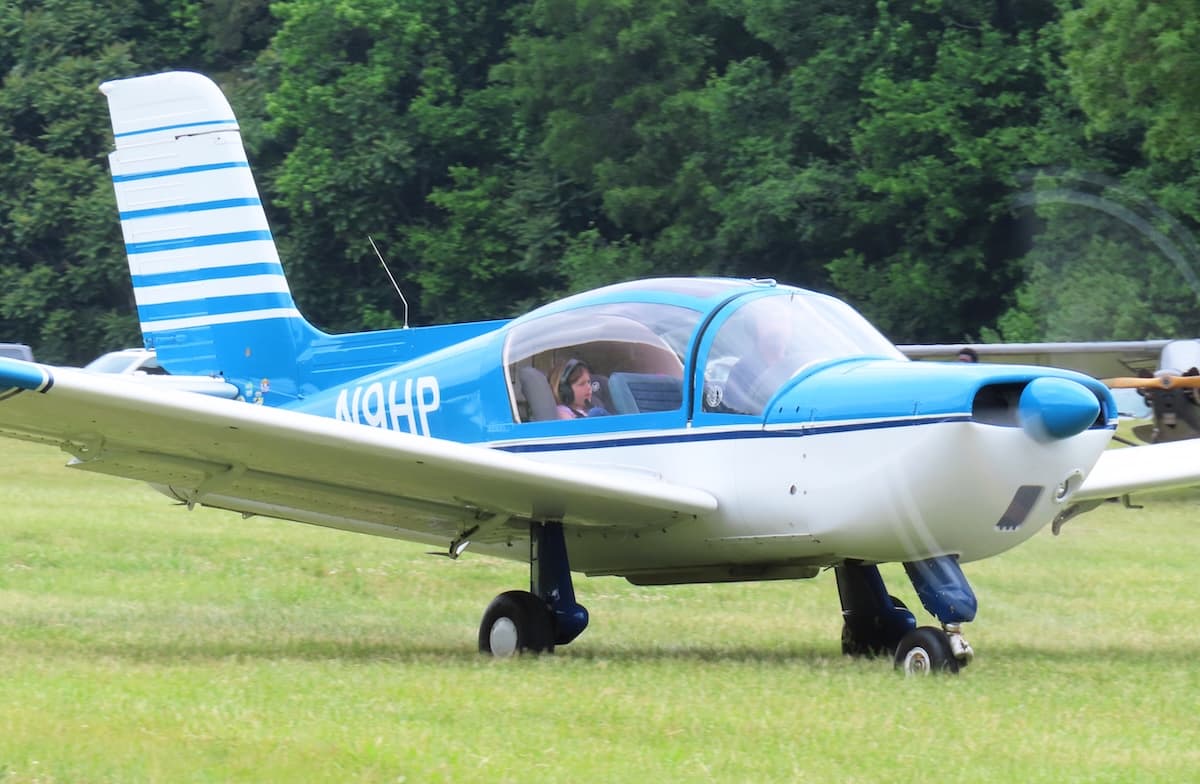
Taber Hyde of Lake Norman Airpark near Mooresville, N.C., has a unique connection to the airplane. His father soloed one at 16 and Taber soloed the same one. He arrived at Bradford Field in N9HP with Margot, his young daughter, who clearly enjoyed being around all the airplanes. Taber owns another Rallye (N85TH), but was flying his friend’s N9HP.
“I found the aircraft for him and we went through it at my father’s shop,” he said, referencing Russell Hyde’s Plane Werks at Rutherford County Airport/Marchman Field (KFQD).
Describing the Rallye Minerva, Taber shared: “It’s built to be very utilitarian and field serviceable, because all the panels open up on it. It’s got a robust trailing-link landing gear and N9HP has a 220-hp Franklin on it, which is super lightweight. The leading edge slats are very helpful with short field performance and it also has Fowler flaps, which makes a huge difference. The later generation, the 235 GT, were actually a heavier airframe and they had yokes instead of sticks. They’re a little bit quicker, but their short field performance isn’t as good. There are a few unicorns out there that have the lighter airframe like this one, with the sticks and a Lycoming O-540. Those aircraft are the true performers.”
A four-place airplane, the Rallye has a useful load of around 1,000 pounds. Standard fuel capacity is 45 gallons (but some carry 60 gallons).
“It is so cool to hold the stick full back, pull it to idle, and watch it come down out of the sky without the wings stalling,” said Taber. “It’s slower than a 182 by 15 to 20 knots. It will outperform the 182 STOL-wise. It’s absolutely more fun to fly and you can pick them up for a third of the price.”
“Let’s be honest, they are not the best looking plane out there,” he continued. “They are not fast. They are cold in the winter and hot in the summer. But if you ever get the chance to fly a Rallye and push them to their envelope, they will hold a special place in any pilot’s heart forever.”
Silas Dickerson and his brother, Cape, of Rutherfordton, N.C., arrived at the field in N32BF. They have an unusual connection to the airplane type as well.
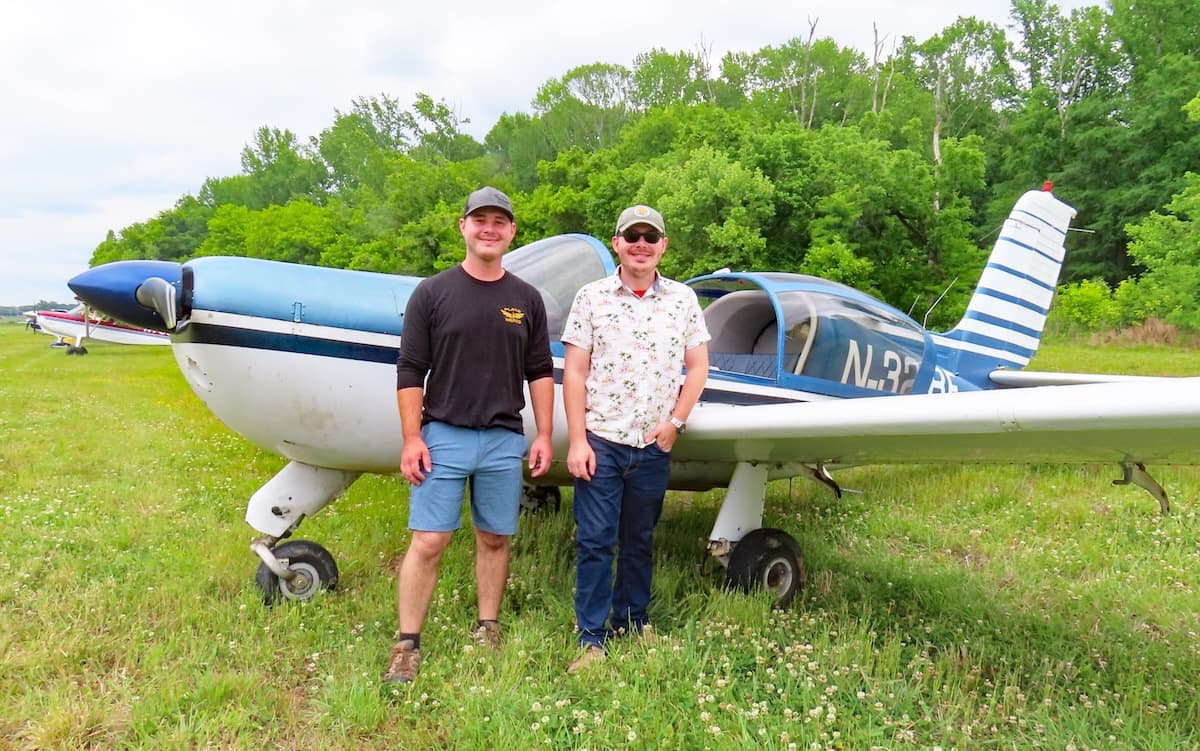
“Our grandmother, Penelope Nall, then Dickerson, flew a Rallye Minerva in air shows around the country in the 1970s,” said Cape.
Silas just acquired N32BF a few months ago.
“I bought it in New Mexico and flew it home,” he said. “That was an interesting 10-½ hour flight!”
Meyers OTW
Jim Jones of Honea Path, S.C., arrived in his award-winning 1942 Meyers OTW-165. He and his wife, Becky, lived in Newton, Iowa, when they purchased N34323, serial number 67. That was March 1992 and they took the project airplane home in boxes. After 3,000 hours of labor over more than seven years, the restored airplane flew again in June 1999.
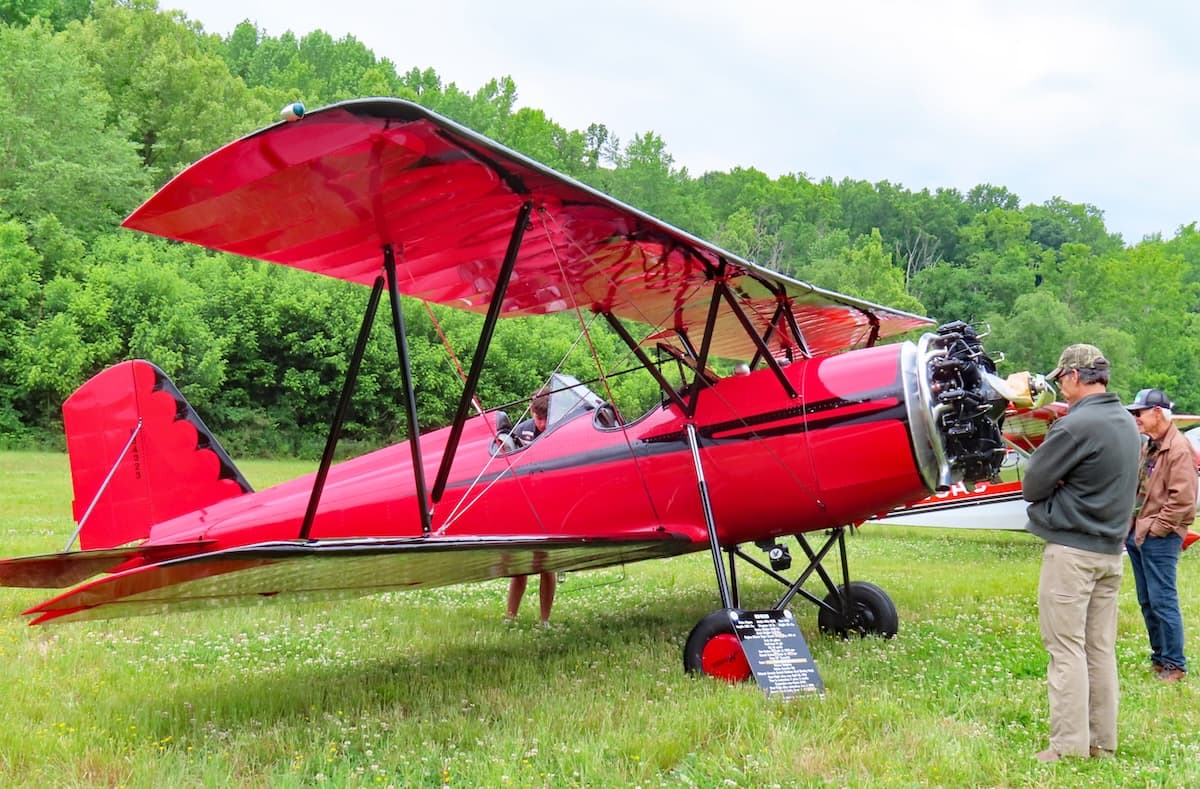
According to Jim, the biggest challenge they faced in the restoration was figuring out how to put the plane back together. The manuals they had only illustrated the major components and how to do such things as install the wings and rig the aircraft. So Jim sought out airworthy OTWs to help him identify some of the myriad parts. He carefully photographed them, took measurements, and made drawings. It was all worth the effort as N34323 is a beauty and still looks like it’s fresh out of restoration.
“Since we moved to Honea Path about eight years ago, I’ve been helping OTW owners with acquiring parts and handing out advice as needed on restoration,” shared Jim. “We’re doing all we can to support the small fleet of OTWs that still exist.”
The couple are part of the small covey of Meyers OTWs and caretakers who converged at Honea Path close to a decade ago. They have several flyable OTWs, as well as more OTW projects in the works.
Bradford’s New Bird
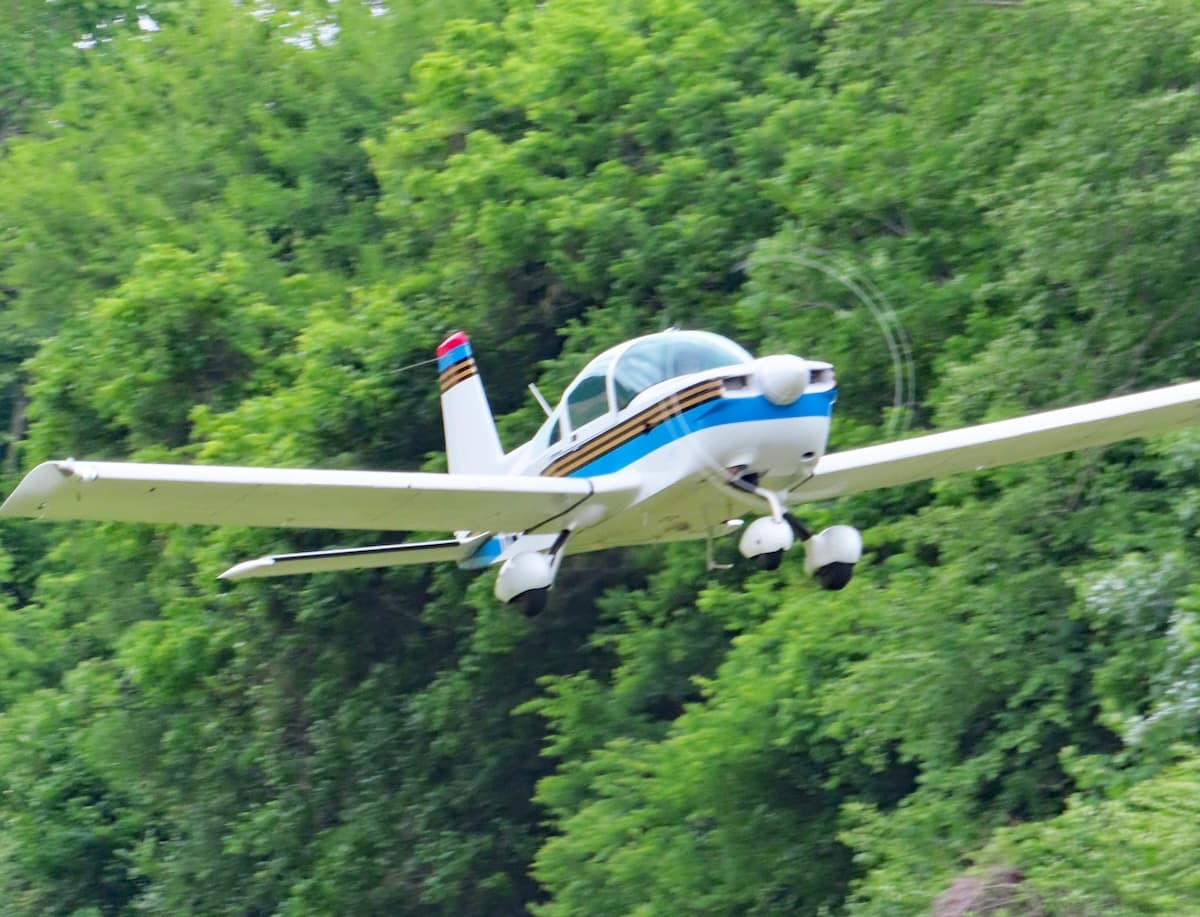
Naturally, the Bradford’s own an award-winning 1939 Piper J-3 Cub — restored to its original livery of black with a yellow lightning stripe — as well as their 1942 Piper L-4B and Meyers OTW, were on display.
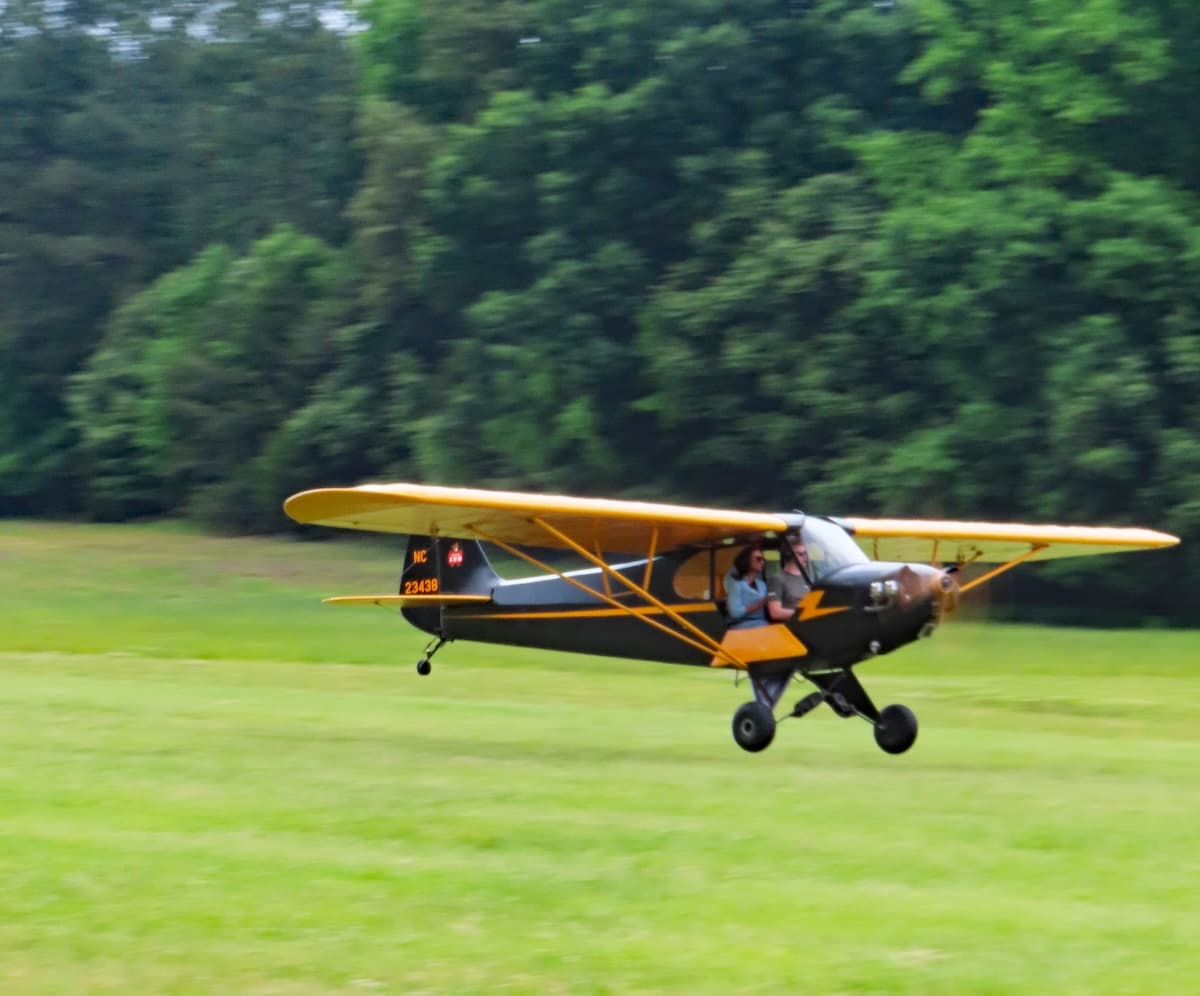
The Bradfords, who have always wanted a cabin-class antique airplane, recently acquired a rare, golden age 1935 Stinson SR-6B. Its topcoat had become chalky from sitting outside prior to their purchase, and Dee, along with many helping hands, worked hard to bring back its luster.
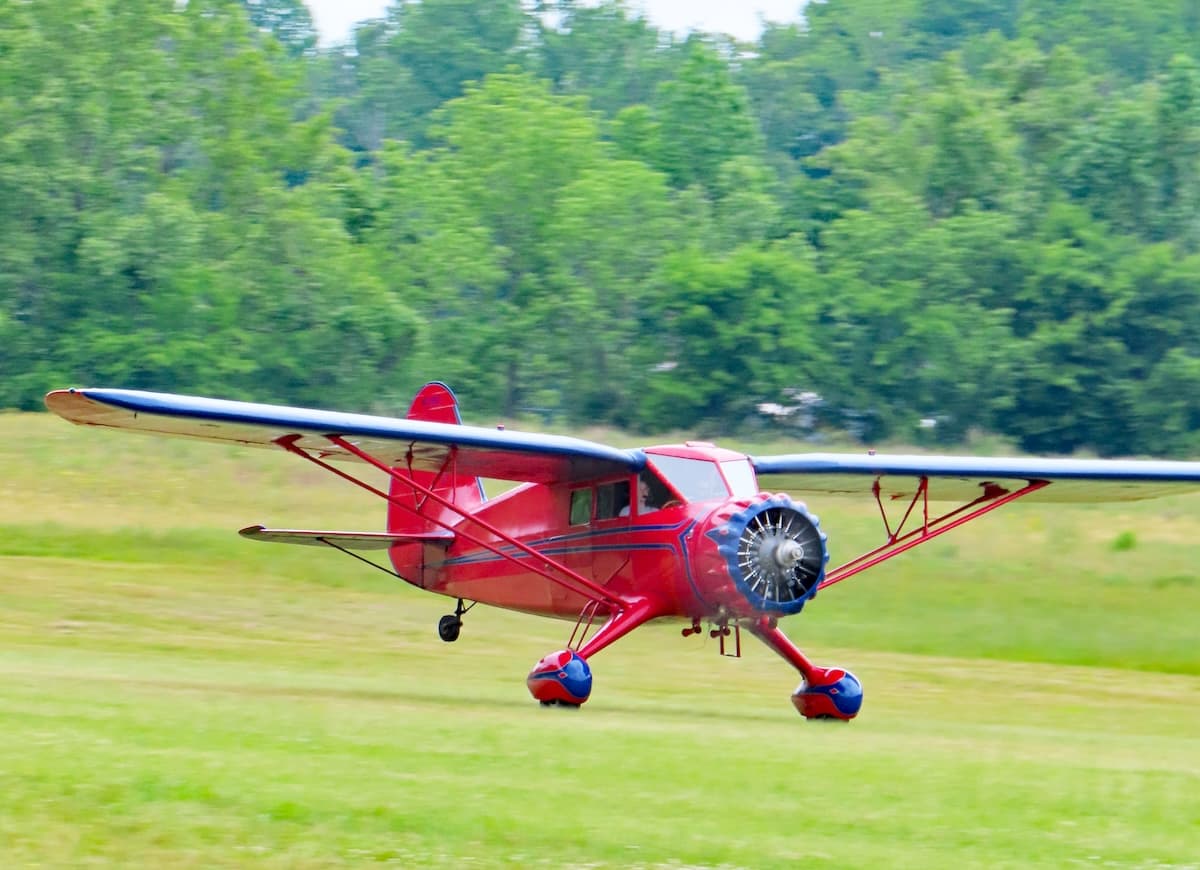
As with all their airplanes, Dee is excited to share its history. There are only five of the SR-6 models currently listed on the FAA Registry and NC15117 is believed to be the only one flying. There are two SR-6s, one SR-6A, and two SR-6Bs. NC15117 is a four-place airplane, powered by a 300-hp Lycoming.
Turning back the dusty pages of history, Dee learned that the Stinson’s first owner was Charles J. Correll, who purchased it in August 1935. Though Correll didn’t own it very long, he made history for the airplane and they both wound up in many news accounts.
If you’re wondering why that would be, it’s because Correll was best known as Andy of the highly successful Amos ’n’ Andy comedy radio show, which aired from 1928 to 1960. The show was sponsored by such companies as Pepsodent and Campbell Soup. One news account in September 1935 noted: “Charles J. Correll and Freeman Gosden, the Amos and Andy of the air, have found a new pastime — flying. Each has bought a new Stinson plane.”
Young Aviators, Old Airplanes
While Dee and Cynthia love flying their airplanes, they generously allow young pilots, ranging in age from their late teens to mid-20s, to fly their treasured aerial steeds. Those young pilots are, of course, well-vetted before they have sole control of the stick or yoke and take off into the Carolina skies.
One of those lucky young pilots is Aubrey Clark, a 21-year-old CFI who flew the Bradford’s 1939 Cub (NC23438) and 1942 Meyers OTW solo to a handful of out-of-state fly-ins in 2023 and 2024.
Also in 2024, 22-year-old Andrew Montambo (now ATP rated), accompanied by Charlie Sparks (now a CFI), flew the L-4B Cub to Sentimental Journey. Next up was 19-year-old Luke Hedin, who flew the L-4B solo to EAA AirVenture Oshkosh. In 2025. Aubrey and her student, Kristen Laney, flew the L-4B to the SUN ’n FUN Aerospace Expo, while their friend, 22-year-old Mikenzy Andersen played sherpa for them and flew a Cherokee 140 loaded with all their camping gear. Mikenzy and Kristen flew the Meyers OTW to AirVenture that year.
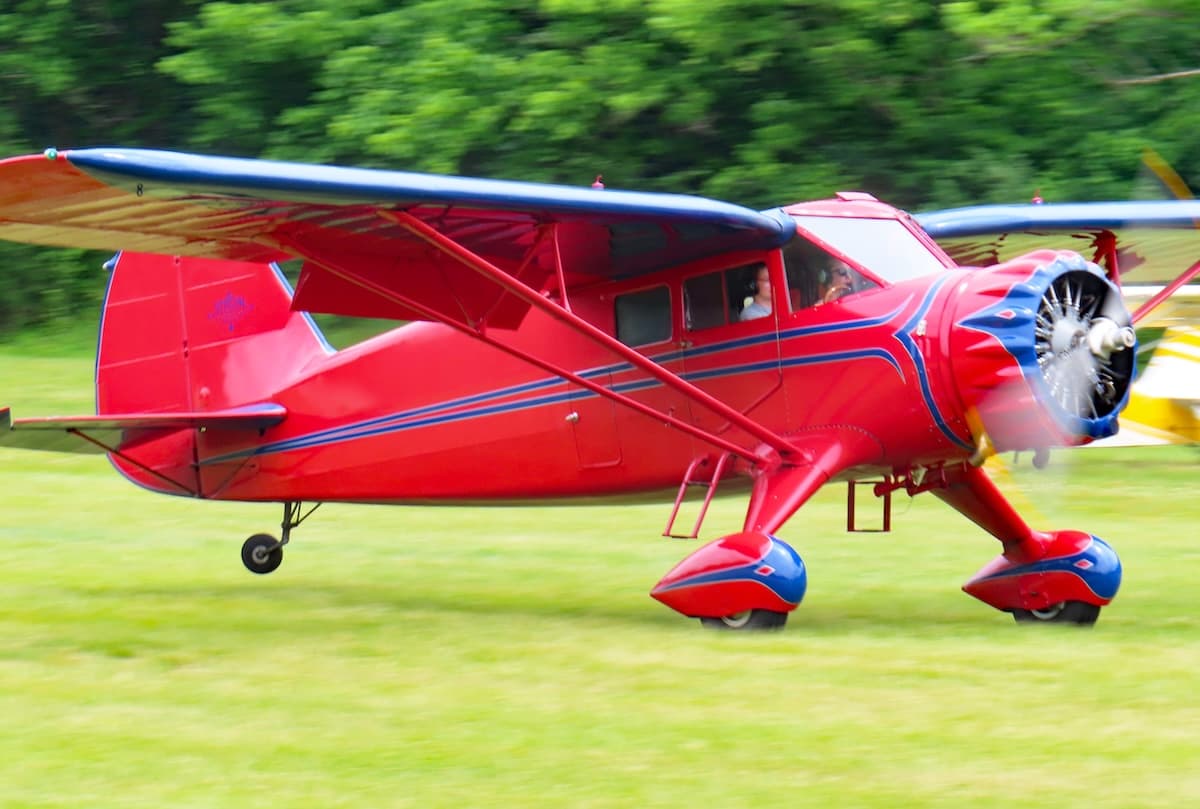
During the Bradford fly-in, Mikenzy, now a CFII, was busy flying the 1935 Stinson around the patch, and Luke, a commercial pilot with DC-3 SIC privileges, was riding along with 20-year-old Ariel Johnson, a Citation 525 PIC, while she flew the 1939 Cub.
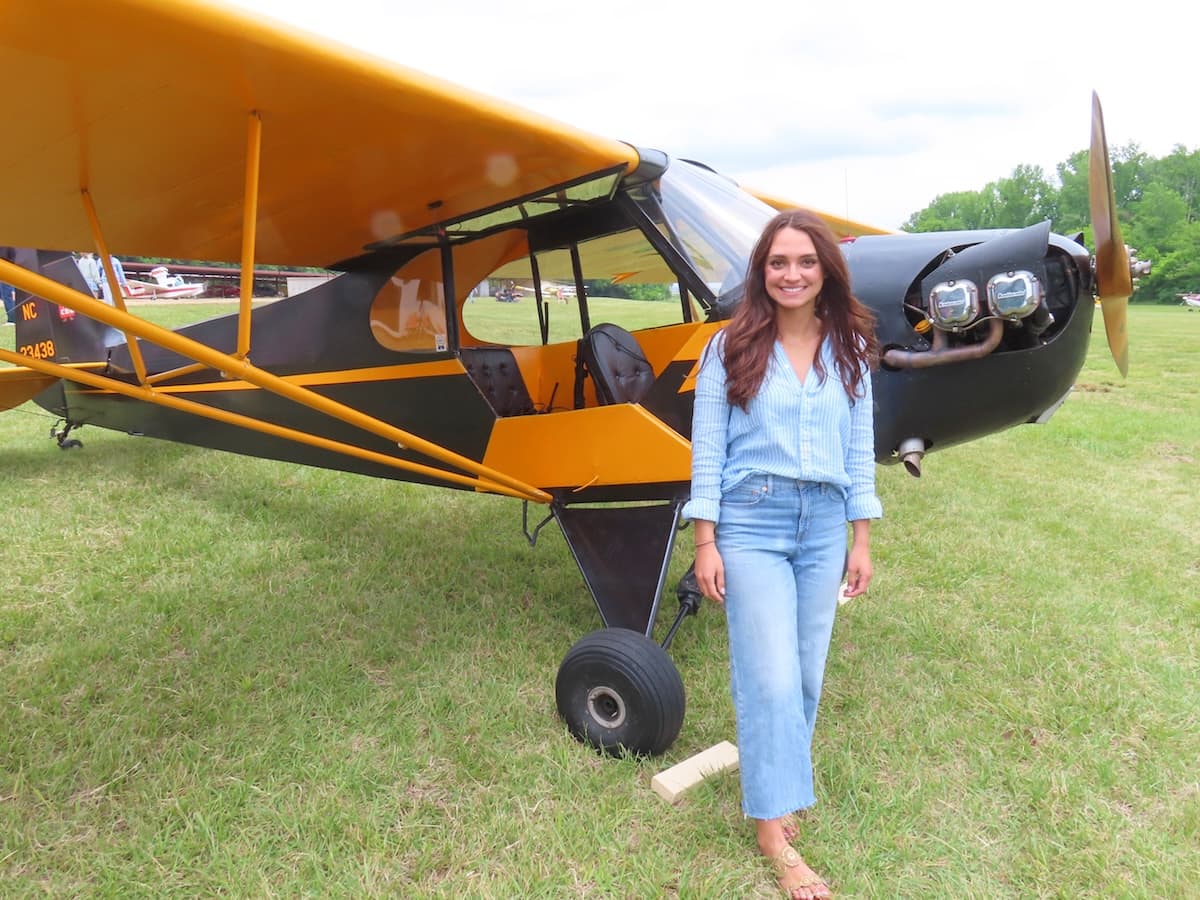
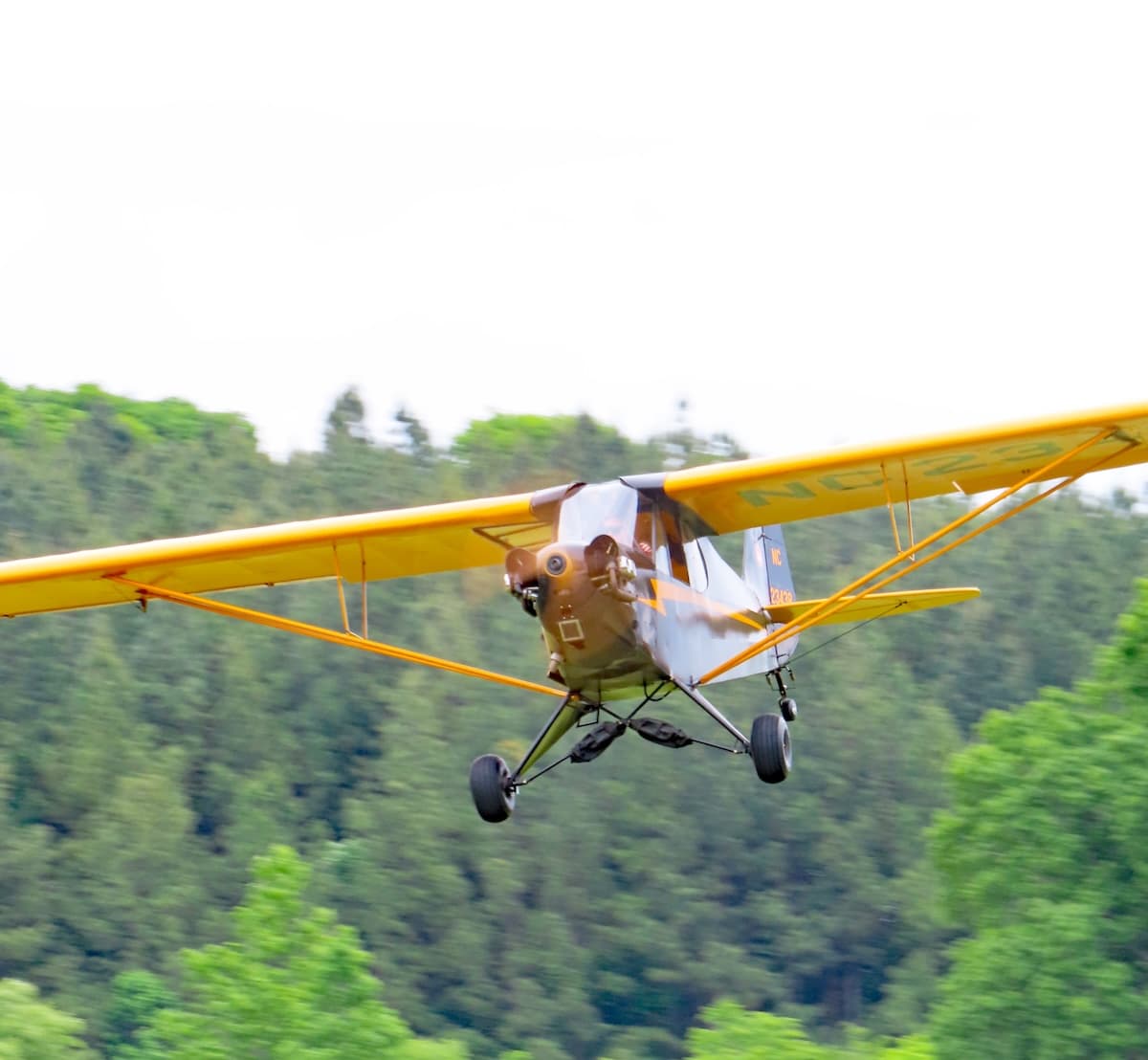
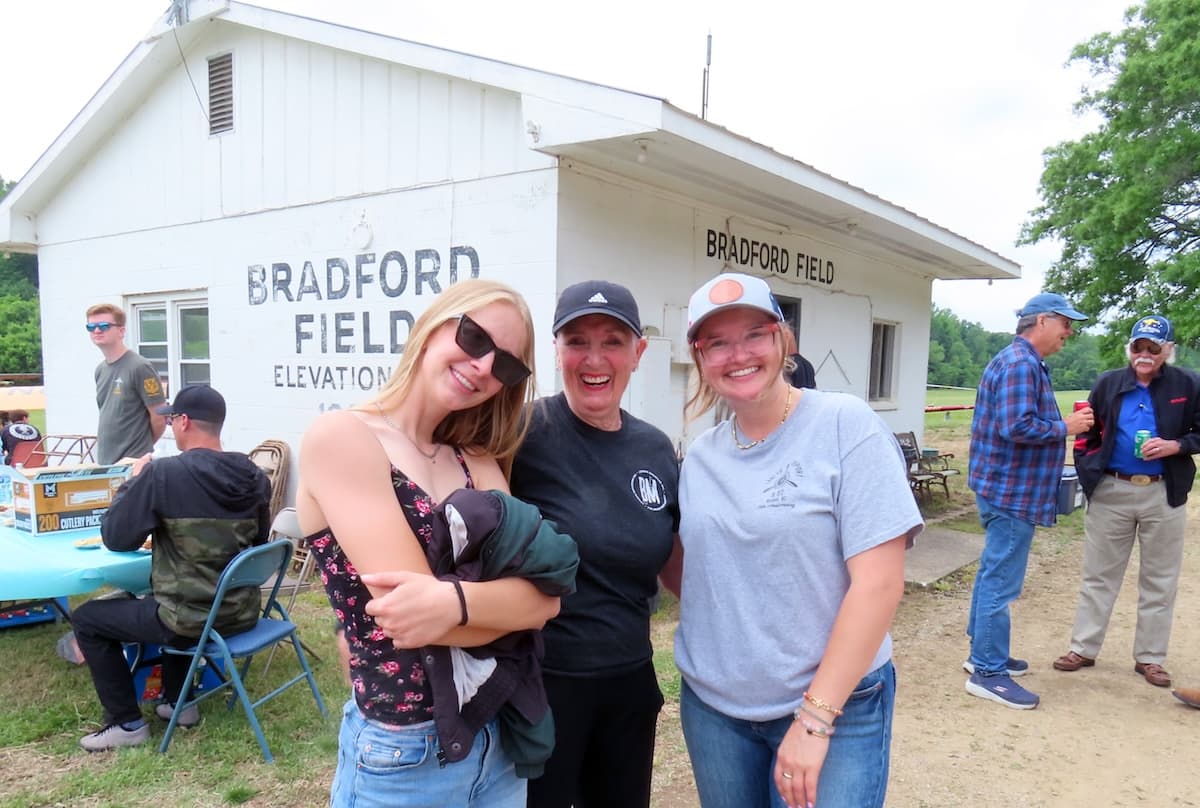
The Bradford’s annual fly-in is a great old-fashioned grassroots event, with hosts who make all attendees welcome. It was refreshing to mingle with the cadre of young pilots the Bradfords have embraced. Their nouveau mission is simply stated: Find young pilots to fly old airplanes! It all just happens naturally, by word of mouth.
The Bradfords are “all in” to aviation and welcome aviators of all ages to their aviation network.
More Photos From The Fly-In
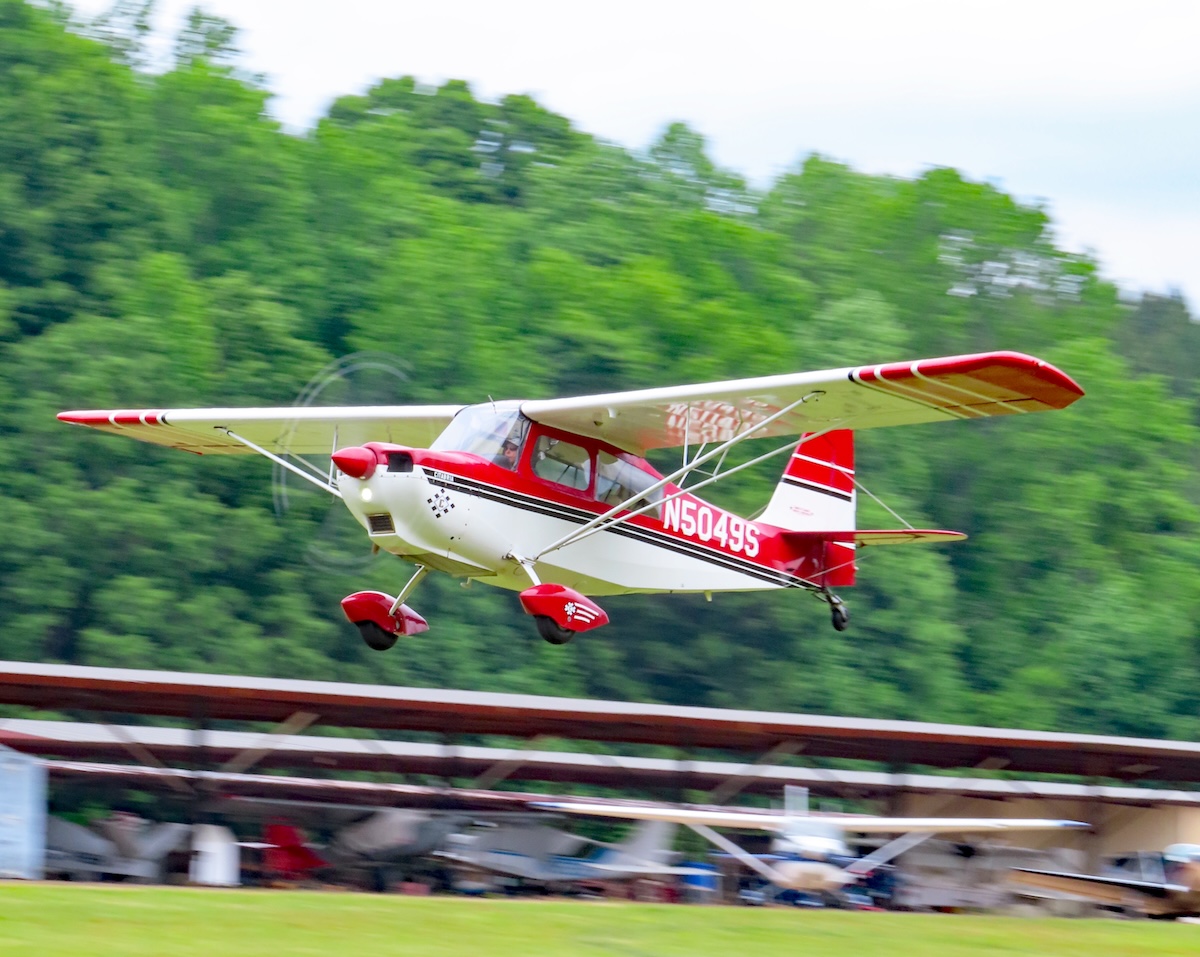
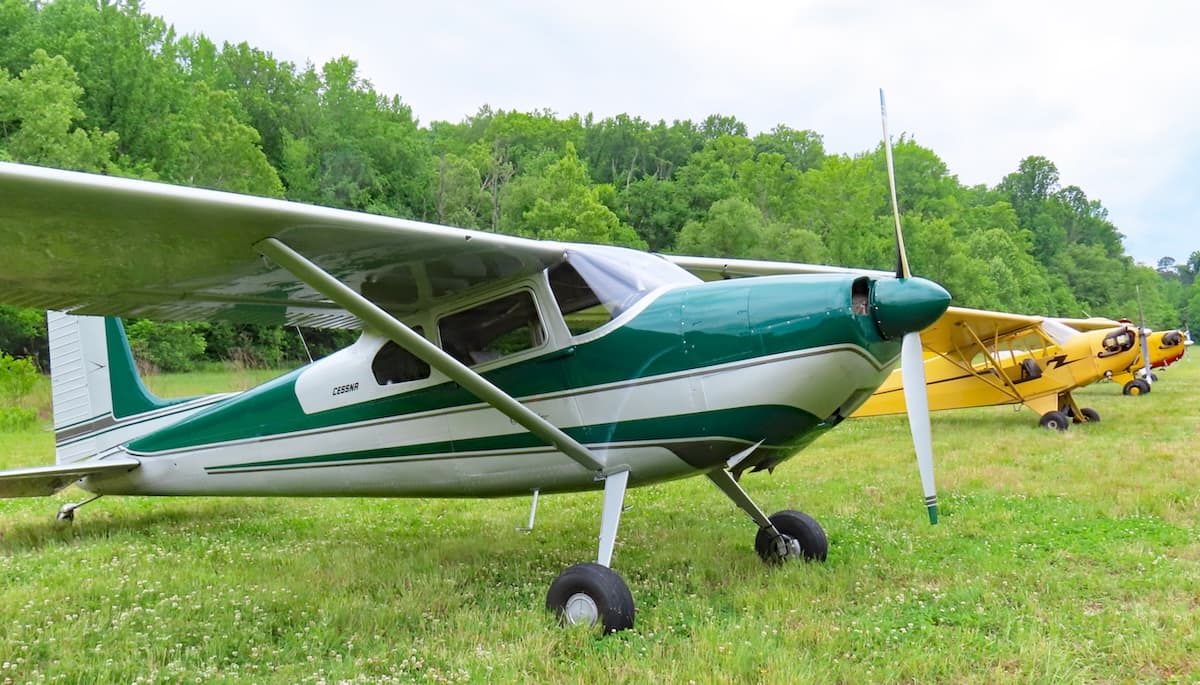
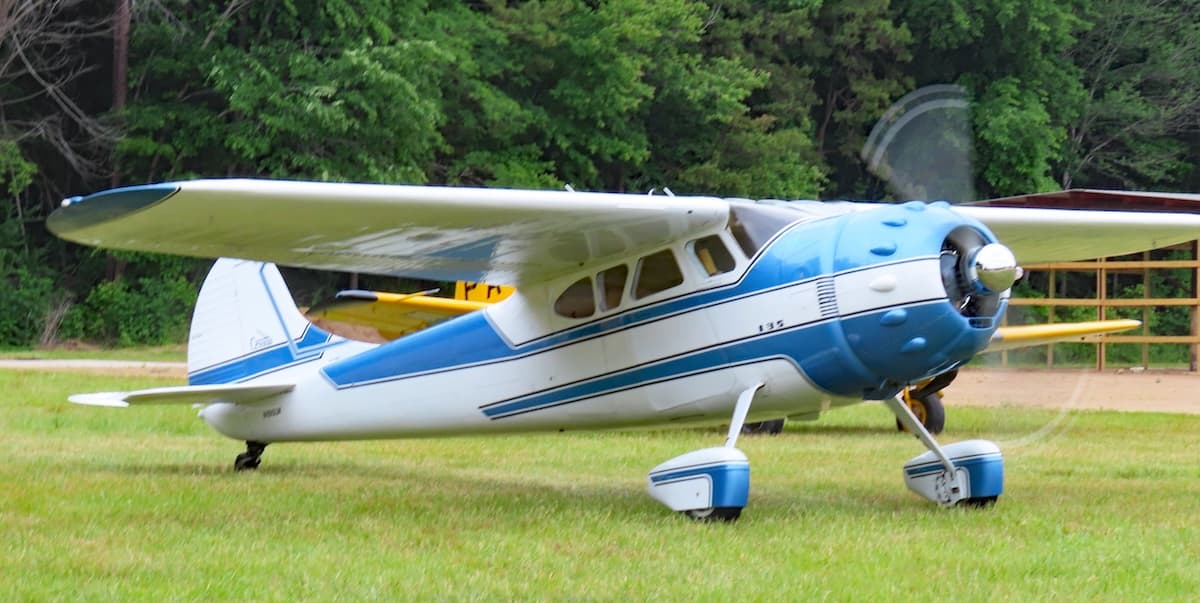
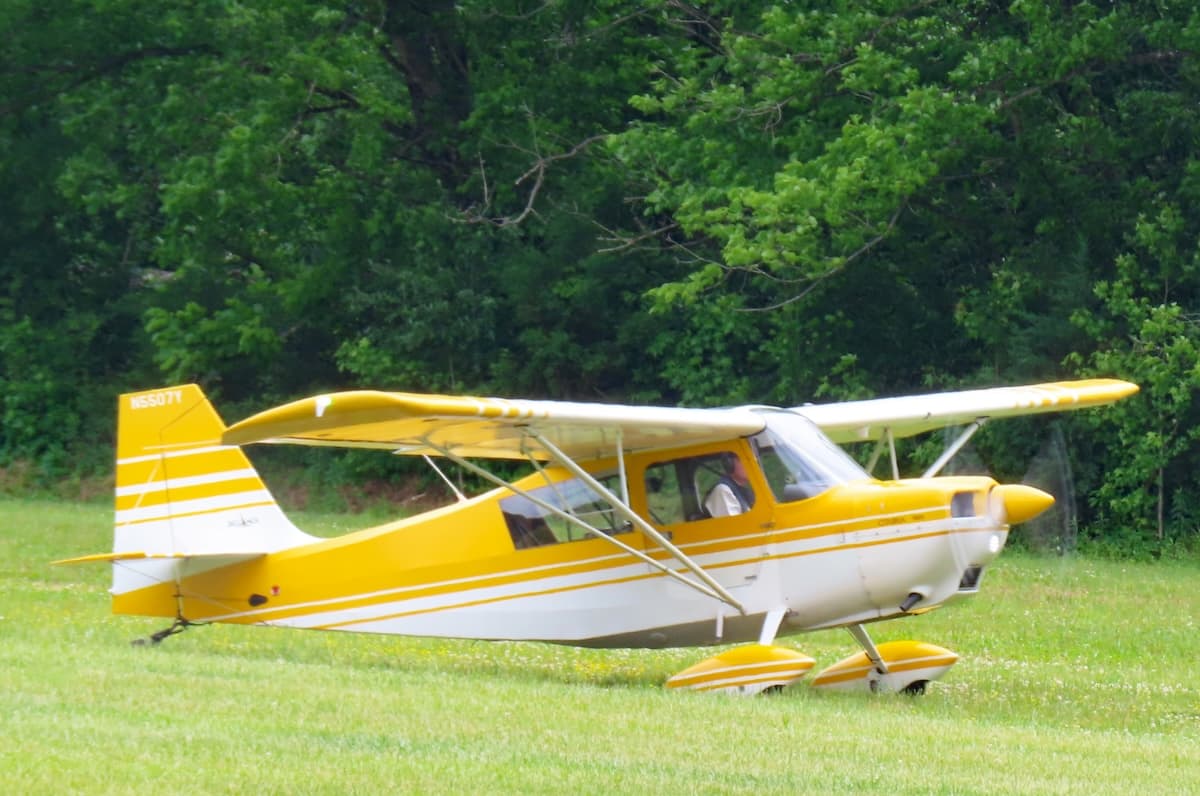
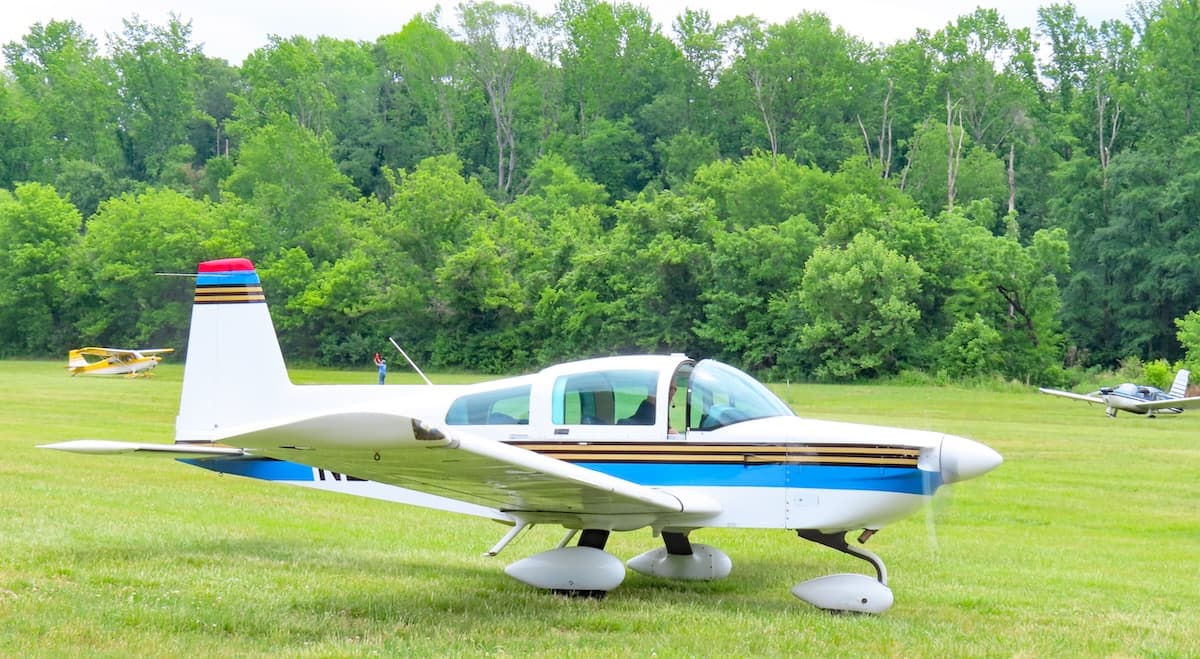
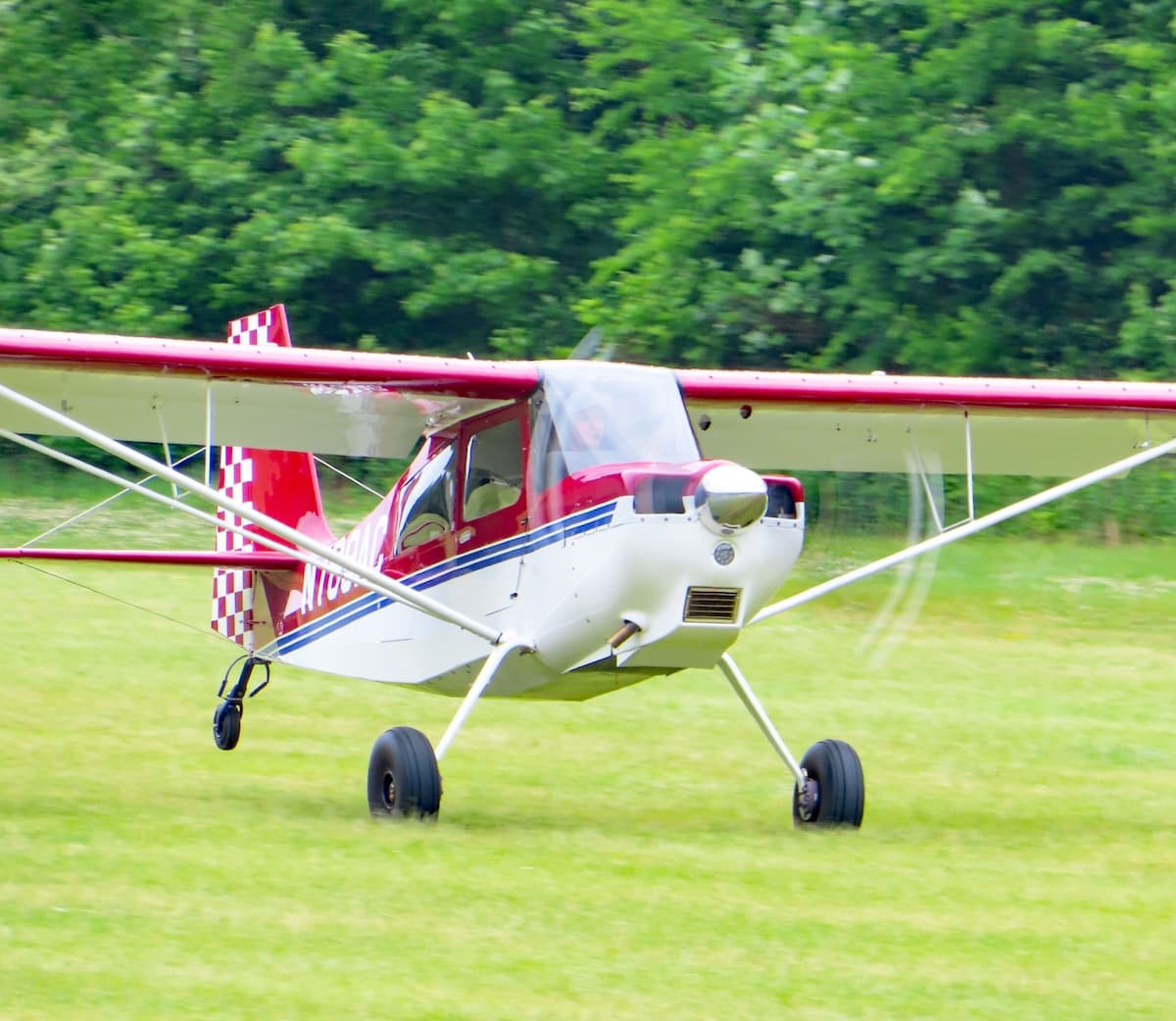
My first time every flying was in that Vashon Ranger on May 9th! What a blast!
This was my first ever time attending a fly-in and it was a great time!
May every community be so lucky to have hosts like Dee & Cynthia, and plenty of great company who will show up!