

In preparation for a local revenue sightseeing flight with two passengers, the pilot performed a preflight inspection of the Cessna 172 and used a generic fuel quantity dipstick that required converting the observed quantity to an actual quantity using a conversion chart.
The pilot told investigators that he inadvertently arrived at an inaccurate quantity. Instead of the 12 gallons of fuel he believed was on board, the airplane likely only had 6 to 7 gallons.
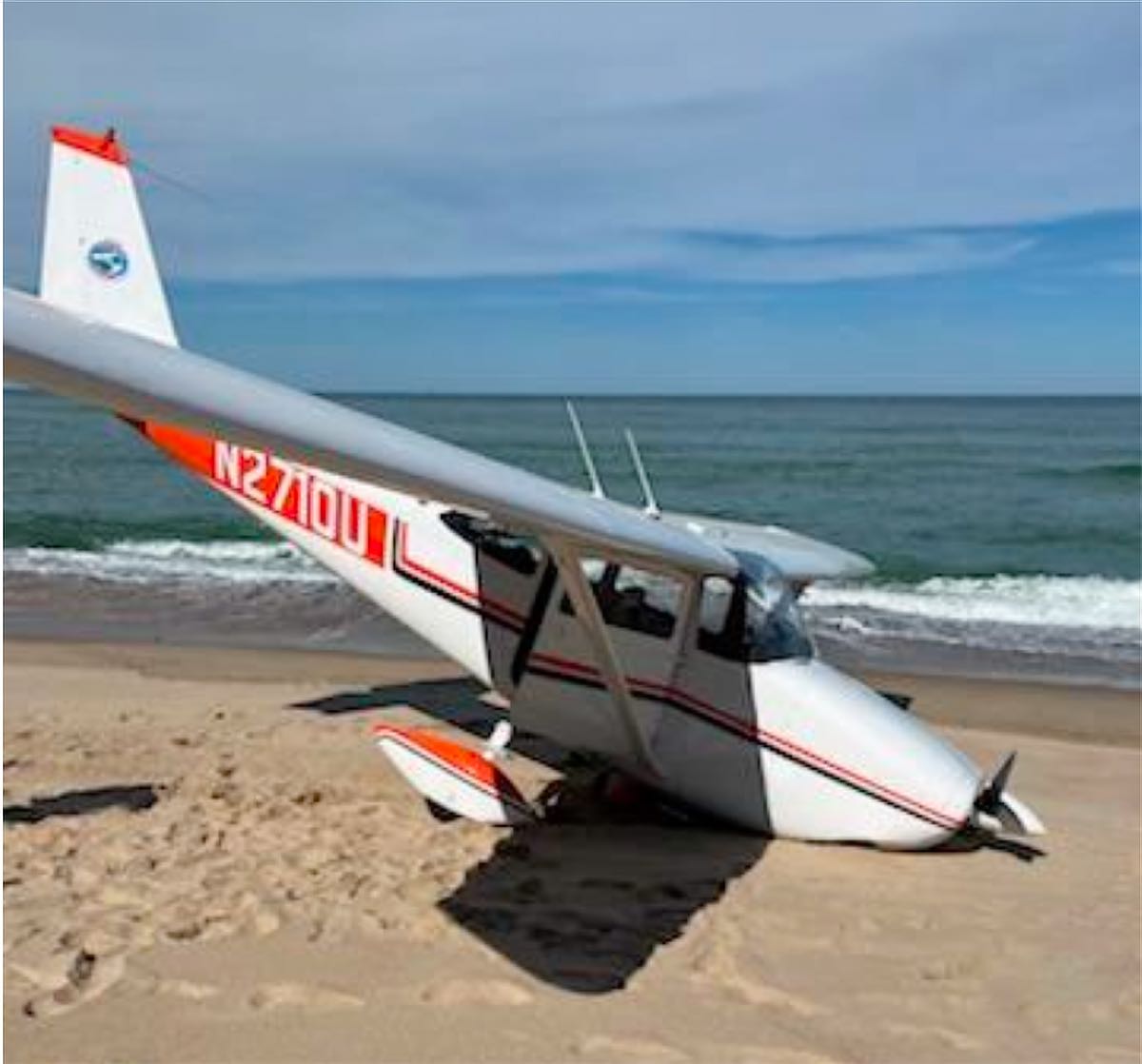
About 20 minutes into the scheduled 30-minute flight, the engine lost power completely. The pilot made a forced landing to a beach near Eastham, Massachusetts.
During the landing roll the nose landing gear collapsed, resulting in substantial damage to an engine mount tube.
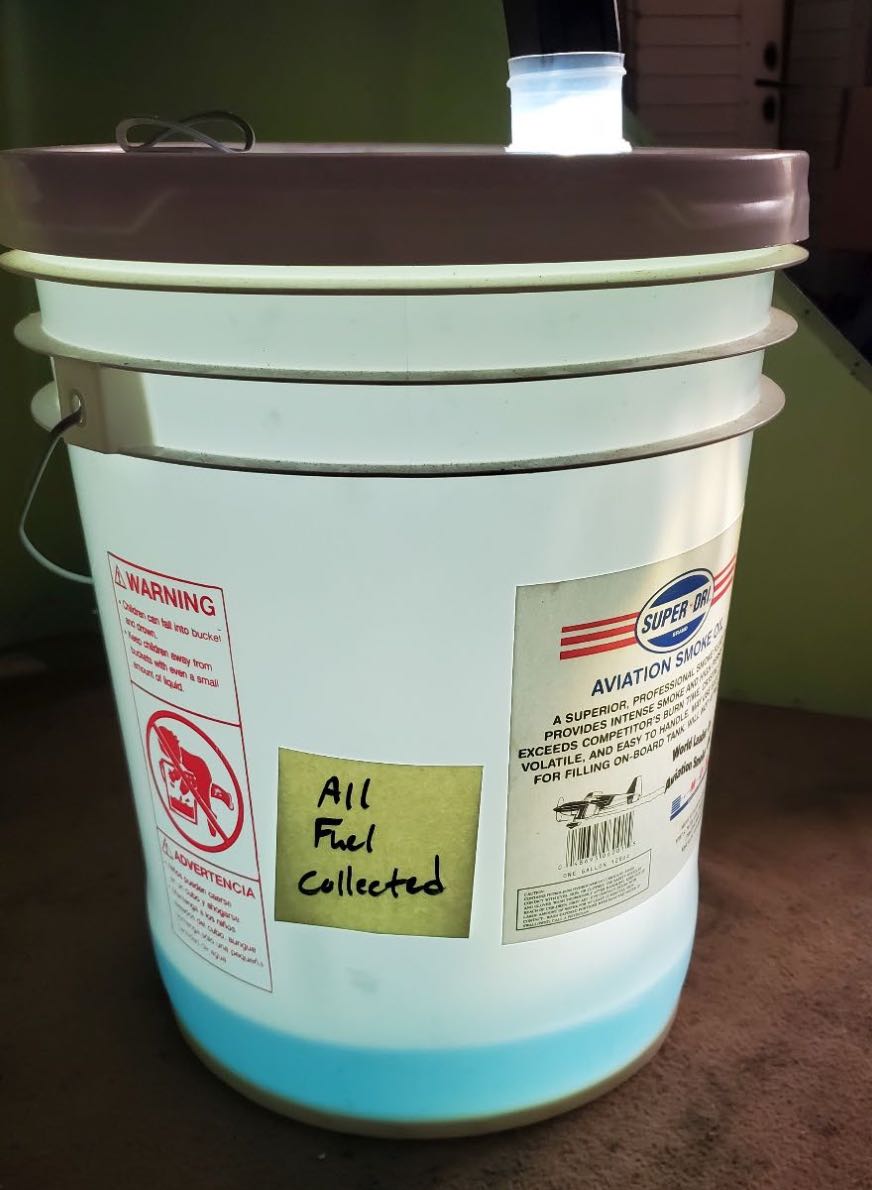
As part of the recovery from the beach, less than 1.5 gallons of fuel were drained from both of the airplane’s intact fuel tanks. A post-accident check of each fuel quantity indicating system revealed each gauge indicated empty with the fuel sending unit fully extended.
Probable Cause: The pilot’s inadequate preflight inspection of the airplane’s fuel quantity, which resulted in total loss of engine power due to fuel exhaustion.
To download the final report. Click here. This will trigger a PDF download to your device.
This June 2024 accident report is provided by the National Transportation Safety Board. Published as an educational tool, it is intended to help pilots learn from the misfortunes of others.
I was camping at a small airport in Gulkana Alaska. A young fellow flew I to get fuel so I went over to to talk. He was only putting 20 bucks of fuel in a Cessna 150. He told me he had a hundred miles to go which I thought the four gallons was cutting it close. So maybe I was hoodwinked or he was young and dumb , I gave him 50 bucks extra for fuel so he could safely make it to his destination.
Even though I’m the only one to fly my PA22, I always verify fuel quantity and make sure tanks are topped off. Makes me scratch my head when I read reports like this.
Why anyone leaves the ground without full tanks escapes me? If someone tells me they can’t fill the tanks and carry the passengers they have then they need a bigger airplane. There is absolutely no excuse for running out of fuel. John Wayne is quoted as saying, “life is tough and it’s even tougher if you’re stupid.” “Flying” could be substituted for “life” and fit this situation.
The only time you can have too much fuel is when you’re on fire.
This amazes me. Why not fill up before a flight? Makes all the math easier. I get nervous with half tanks for local touch and goes and make it a habit to top off.
Tired of commenting……….as to why pilots continue to land with no fuel in the aircraft….
Scratch another legacy aircraft……
Fill the tanks first. Or, calculate fuel use for the flight and plan to add that to the existing fuel in the tanks for reserve. If there is little reserve, add the appropriate amount to the calculated amount for the flight with at least a one hour reserve. Or, skip all that annoying math, and fill the tanks.
After the plane is fixed, will he have any cash left over from the fuel saving vs. repairs? If I were the insurance company, I would charge less to insure pilots for accidents only – stupidity should pay for itself.
I cannot believe how many pilots are adherents to the false economy of “fuel savings”.
No math needed. The standard 19 gallon 172 tank is about 8.5 inches deep at the filler. So, there is 2 gallons per inch of fuel.
If it had 6-7 gallons total, 3 gallons per tank, that’s 1.5 inches on any dip stick….no calibration needed.
Also, the gauges should be reading between 1/4 to ‘E’ when he started up….another indication of little fuel.!
BTW, the US dollar bill is 6.1 inches wide. So, folded twice it’s 1.5 inches.
Yeah – maybe there’s another lesson here on the hazards of gadgets. I don’t remember a report of a fuel problem where the pilot LOOKED into the tanks, and MONITORED the FUEL GAUGES during the flight.
As a “prudent student” I think what
Delbert Aerford, and Warren Webb Jr said pretty much tell it all. I shall take their advice as a personal gift to me, and keep it in my wallet; but only when I’m within 24,000 mile Radius of any controlled Airport, uncontrolled Airport, Aerodrome, Private Landing Strip, or Farm (to pay for the crops I might ruin after a bird strike and ride to the nearest FBO).