

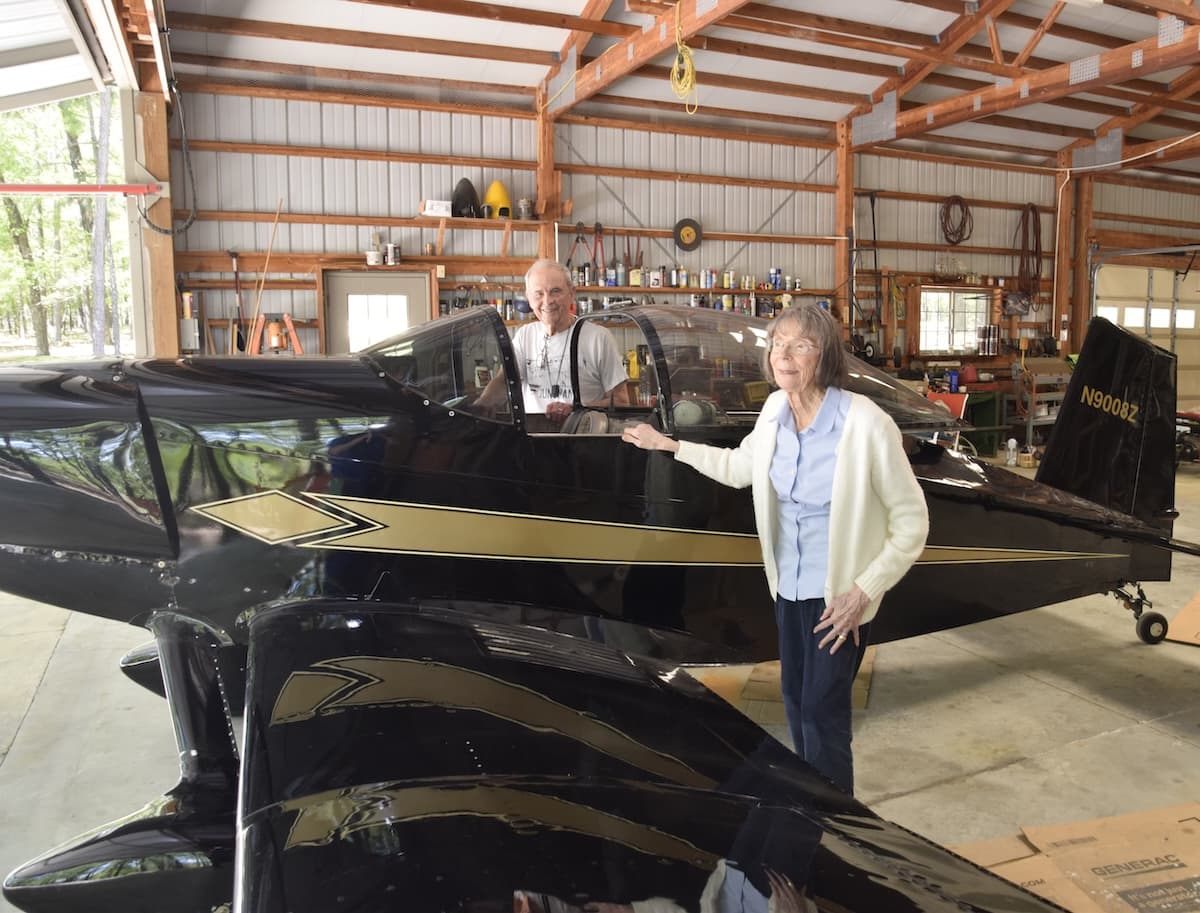
When he was just 3 years old, Steve Hawley was already pretending to fly airplanes. Now, 85 years later, the South Carolina aviator lives that childhood dream every day, maintaining and flying two of his three aircraft and meticulously restoring the third.
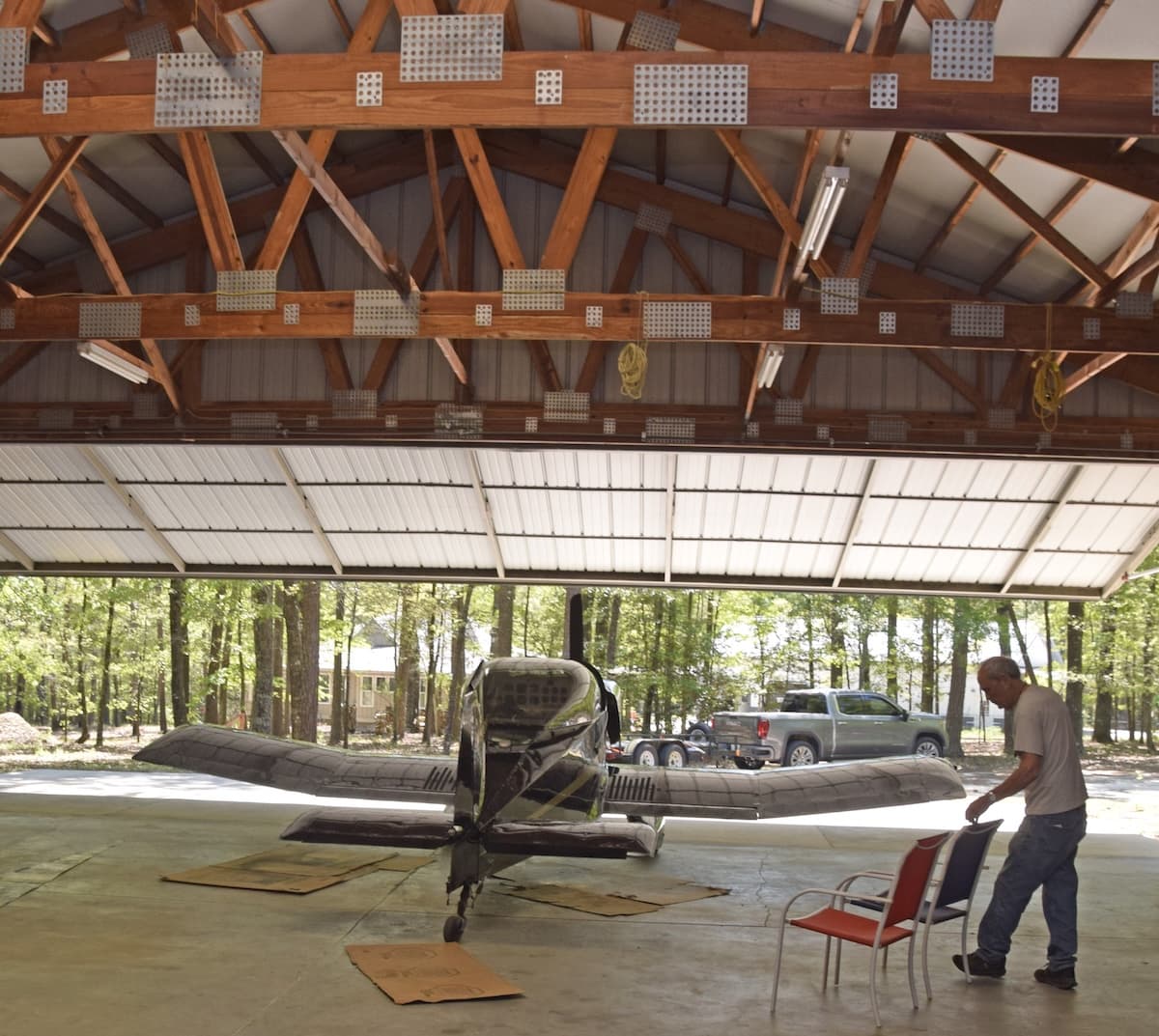
And despite more than seven decades of flying, Hawley shows little sign of slowing down as he plans his next airborne adventure.
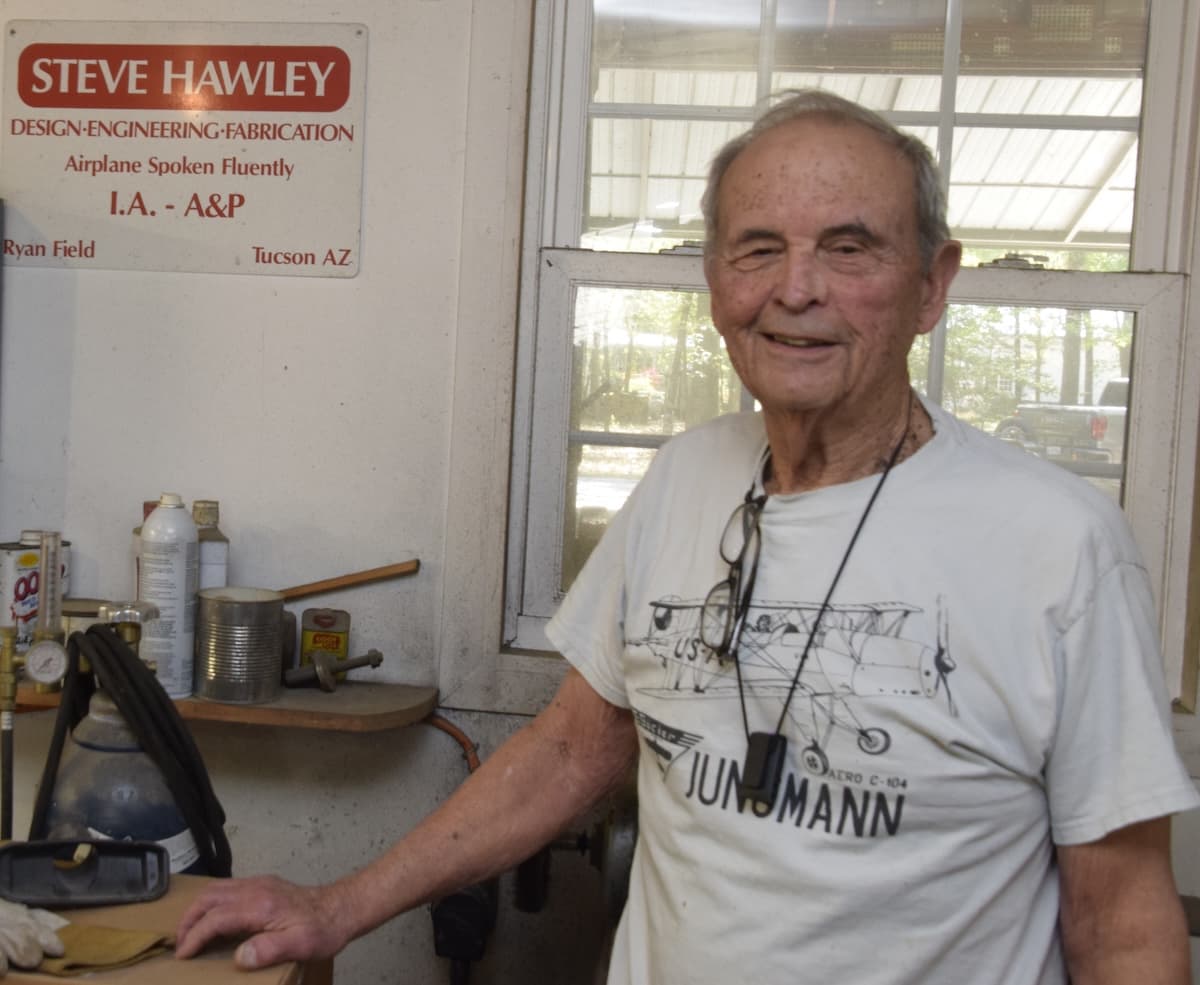
Hawley, 88, flies from SC90, Do-Little Field, near St. Matthews, S.C. His chosen ride is the Thorp T-18 he built from plans 46 years ago. And his favorite passenger is Adele, his wife of 67 years. It’s the same Adele he sneaked into the front seat of the Hawley family WACO biplane for a flight with him when she was 14. Steve was already an older guy, all of 16.
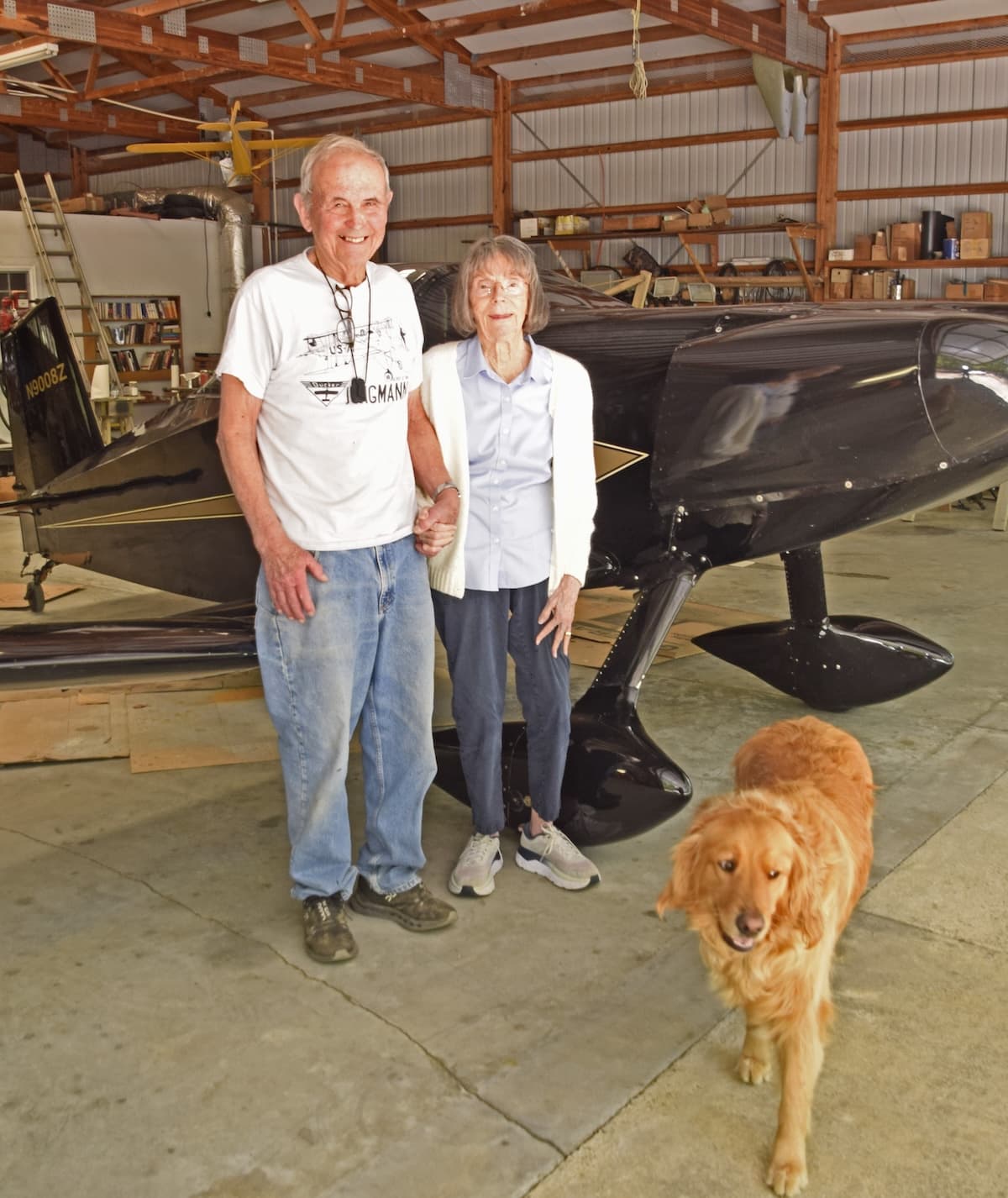
Airplanes have been a major part of Hawley’s life since his dad bartered ploughing a 40-acre field in exchange for a war-surplus Boeing Stearman PT-17. Steve was a California farm boy then, working part-time at the local airport to pay for flight lessons. Eventually he got his private pilot certificate, served in the Navy, married Adele, and became a civil engineer. On the side, he earned his Airframe and Powerplant ratings and later added the Inspection Authorization credential.
“After college I turned down a job with Boeing and went into heavy construction, but I was working on airplanes almost from the beginning,” Hawley said. “I’ve owned 13 aircraft in my lifetime and not a one was airworthy when I brought it home. To me it is a tremendous sense of accomplishment to take something old and broken and bring it back to airworthy status.”
Hawley is long retired from his construction career and today continues to hone his repair and restoration skills working on his and other pilots’ aircraft. In fact, he is never without an aircraft project at his hangar workshop at Do-Little Field.
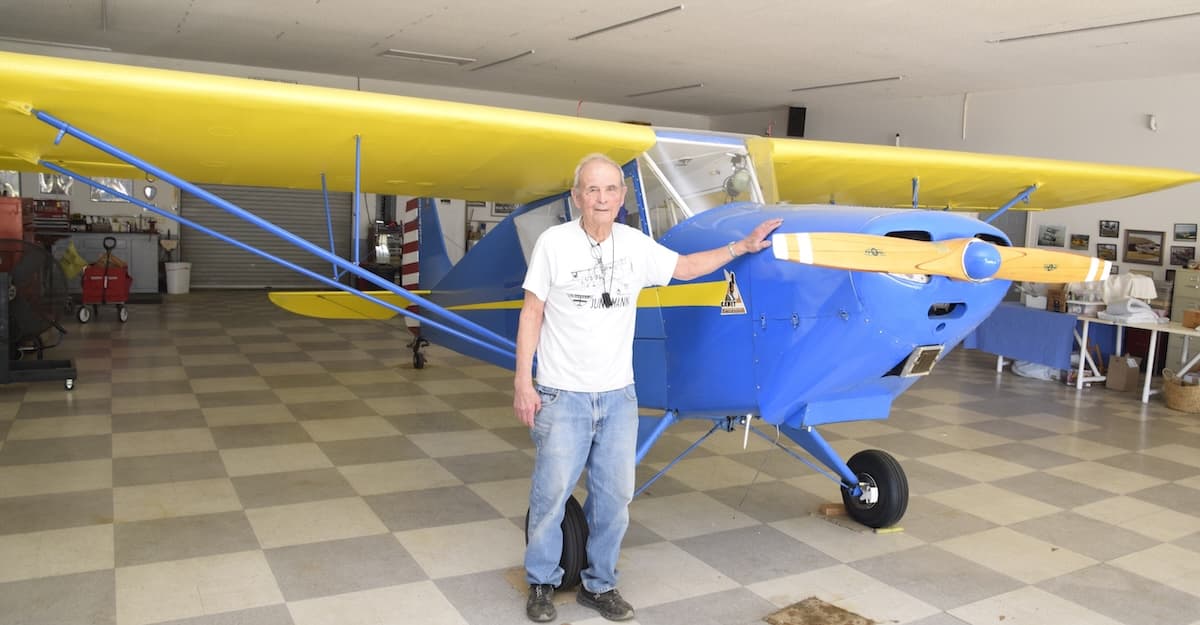
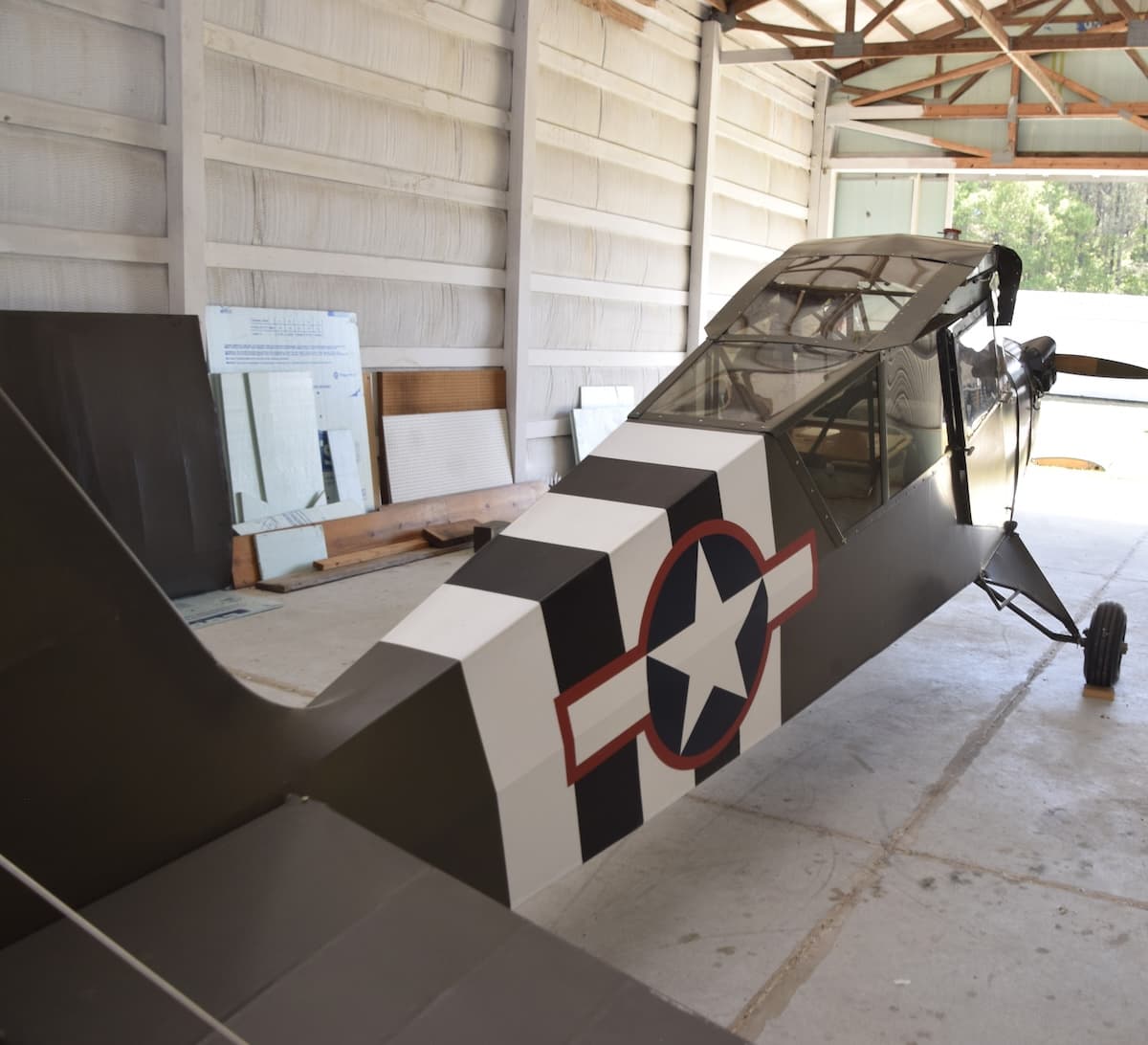
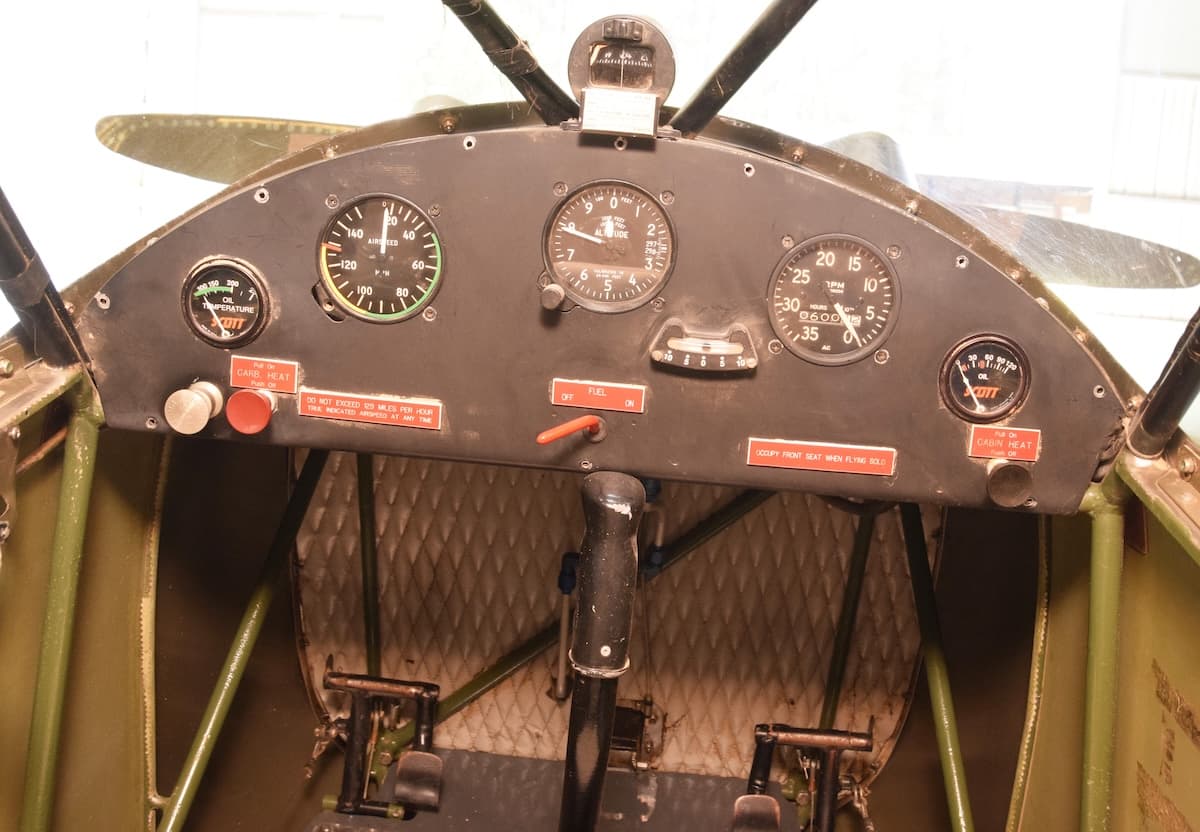
Two of his three planes are currently airworthy. His favorite is the Thorp T-18. He also flies a 1943 Interstate Cadet that was used in the World War II pilot training program. The third is an Aeronca Defender L3/O-58.
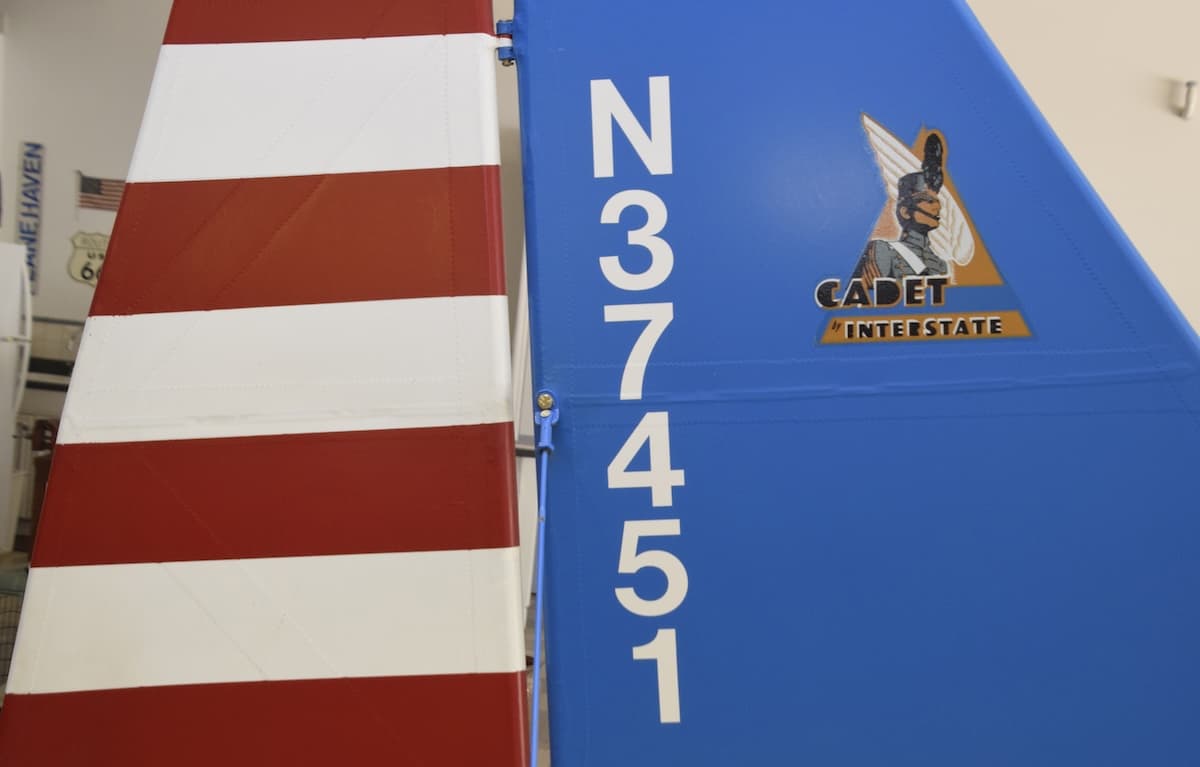
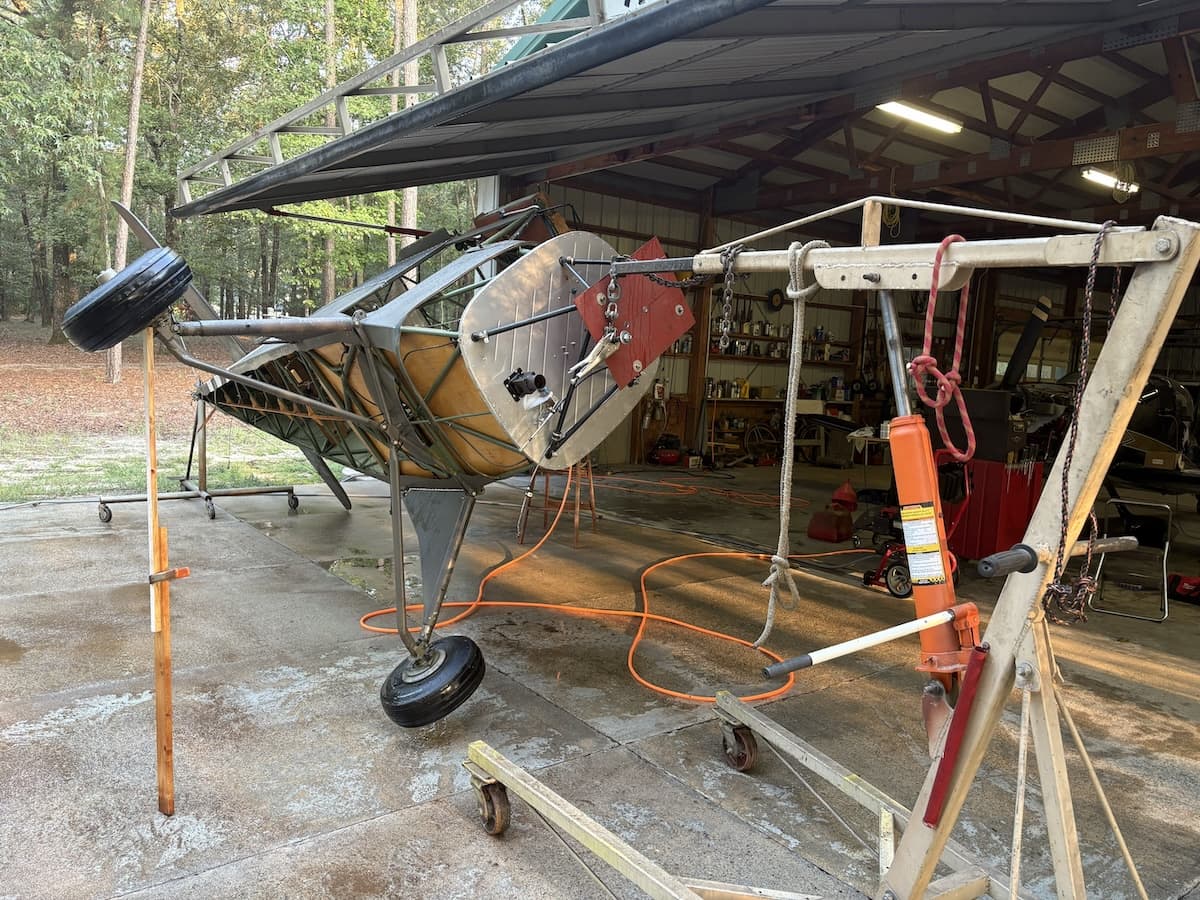
“It is a salvage aircraft from the North Carolina floods of 2024,” Hawley said. “It was used by the Civil Air Patrol to discourage German U-boats off the coast of Florida in 1943. The Aeronca will be the 29th aircraft I have restored.”
Steve’s aviation story began for real in 1946 in Hanford, California, when he was 9.
“Our San Joaquin Valley neighbor Jack Primrose bought 13 Stearman PT-17s from the War Assets Administration,” Hawley explained. “He had also leased 40 acres and needed someone to plow that field for a cotton crop. My dad agreed to do the job for $10 per acre and then asked how much one of the Stearmans would cost. They settled on $400, which was the amount he charged for the plowing. That’s how the Hawley family got its first airplane.”
Later, his father loaned the Stearman to a friend who was opening a crop spraying business.
“My dad took a WACO UPF-7 biplane in trade,” he recalled. “I learned to fly in that plane and took Adele on our secret flight in it.”
“We fly everywhere together,” he said. “She has been flying with me practically all of her life. But to this day, after 67 years of marriage, she’s still not interested in learning to fly. She just views an airplane as the best and quickest way for us to get from Point A to Point B. We’ve been all over the U.S. in the Thorp, from one side to the other multiple times.”
Adele gave him the plans for the Thorp for Christmas in 1971.
“I started bending metal and driving rivets early in 1972,” Hawley said. “I flew the airplane first in October 1979.”
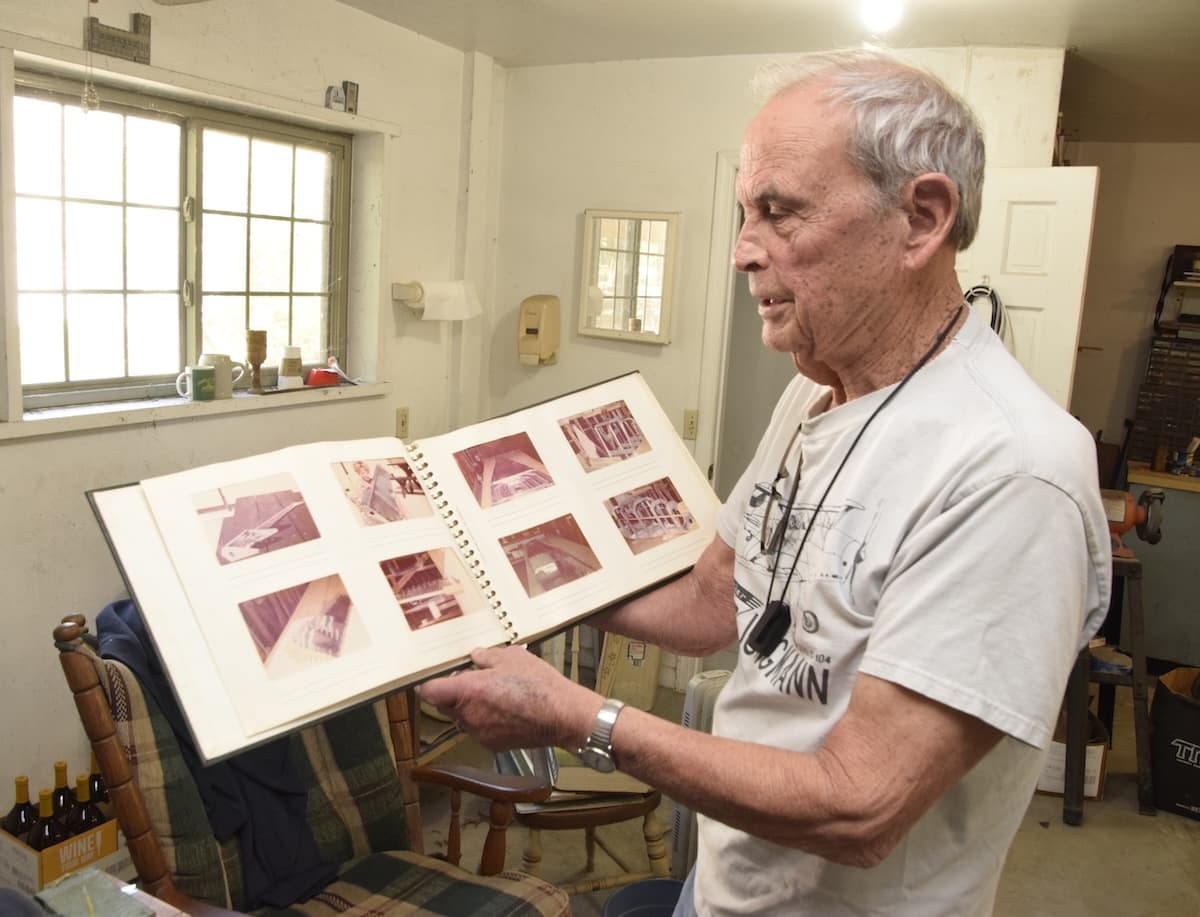
“The Thorp 18 is a simple airplane,” he said. “With no avionics, no radios, no communications, it was just a bare airframe with a starter. I had $7,600 in it as a complete airplane, including the O-360-A3A engine and fixed pitch propeller. I’ve never had more than basic flight instruments. I have just strobes and navigation lights.”
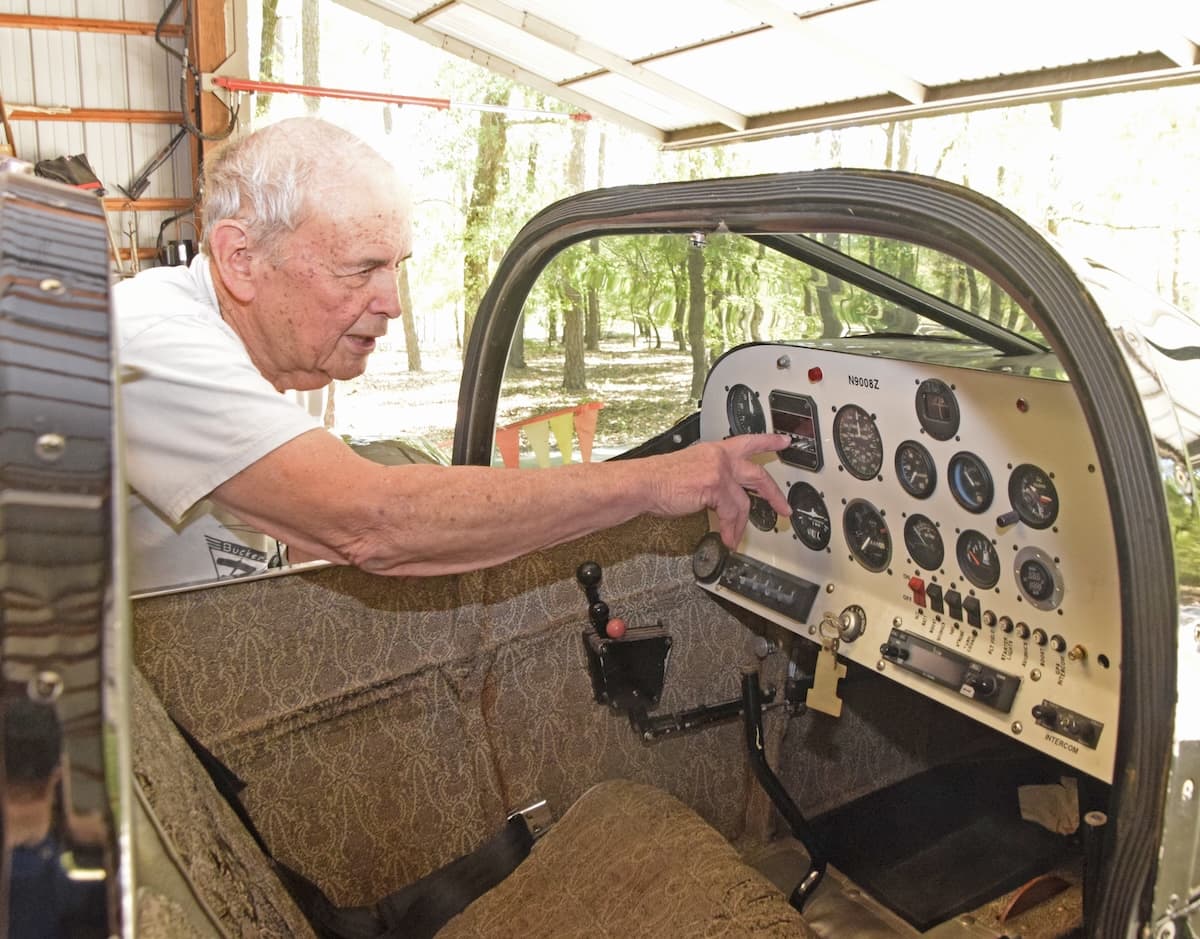
“I’ve never had a minute’s instrument flight instruction so I don’t have all those instruments in the panel that you can get yourself into trouble with,” he continued. “I have an older 720-channel Japanese radio and a NARCO transponder hooked to my altimeter so ATC can see me. I don’t have ADS-B In. I do have a GPS. And I just replaced both magnetos with the SureFly Electronic Ignition system.”
He noted the Thorp cruises at 175 miles per hour “so you get there quick.”
“At 175 I burn 8.7 gallons per hour and at 200 it is around 10.5,” he noted. “You don’t travel any faster, you just land more often and pump more expensive gas in it!”
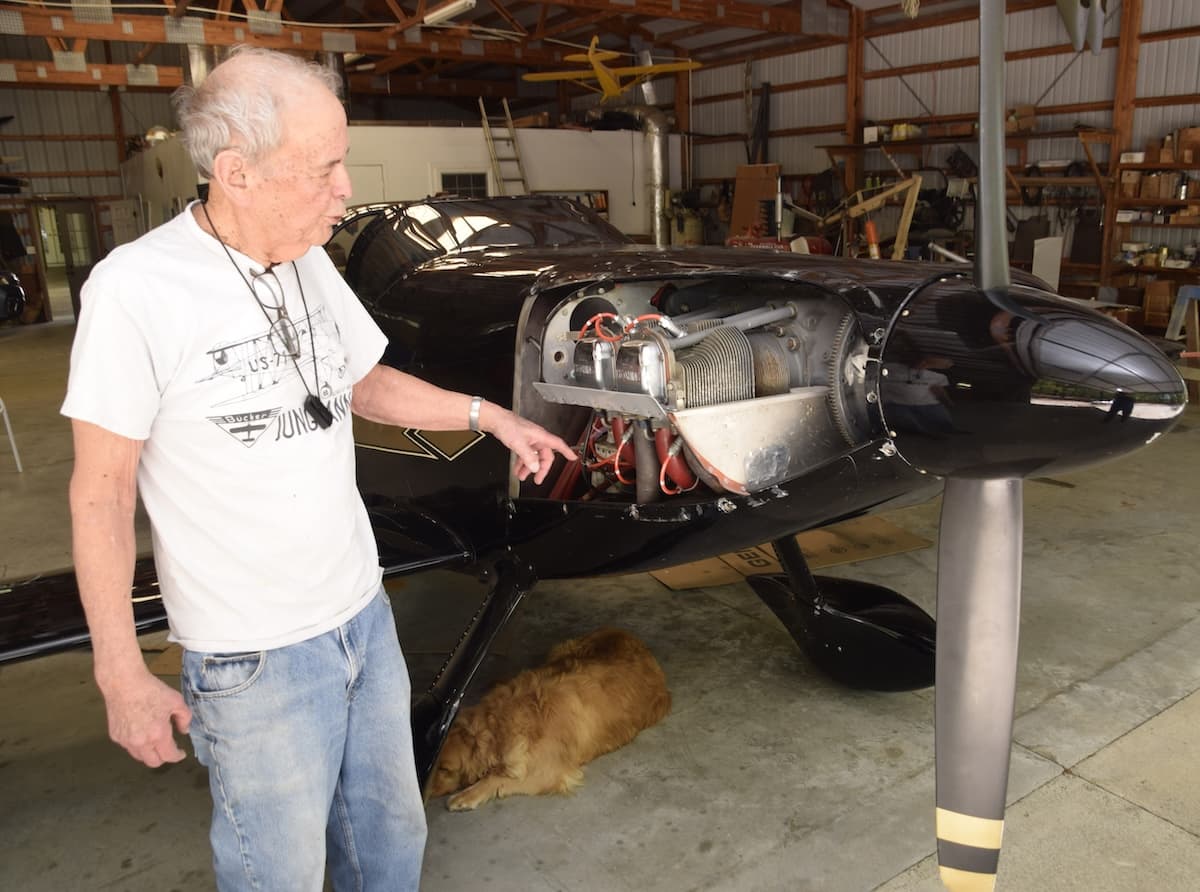
“For landing in crosswinds, the Thorp is a much easier airplane than any other I’ve ever flown,” Hawley continued. “It is an honest airplane. It has never really offered a ground loop. I hope to fly it to Oshkosh in three more years. That would be the 50th year after I built it.”
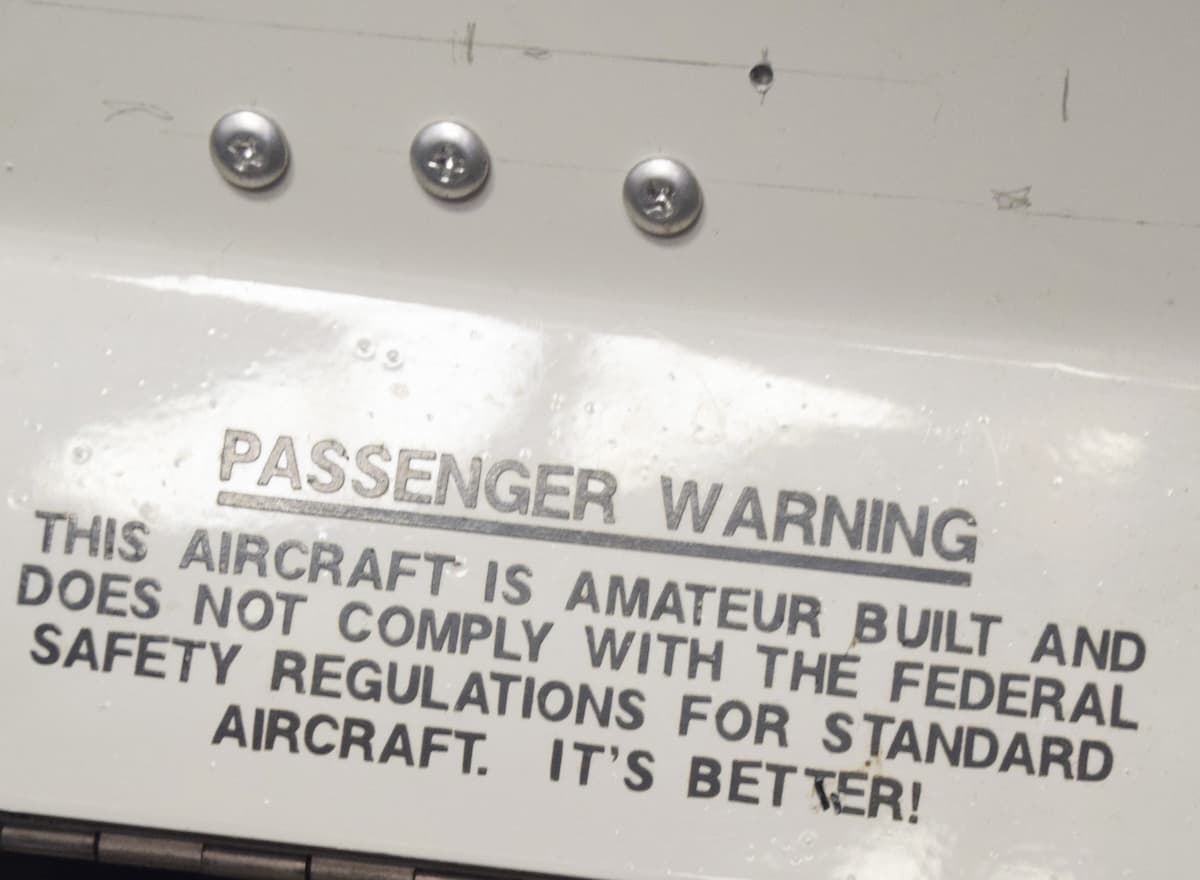
The Thorp, designed in 1963 by Californian John Thorp, became one of the most popular homebuilt aircraft of the 1970s and 1980s before Van’s RV kitplanes gained nationwide recognition. Thorp Aircraft still offers homebuilt kits for the T-18 and updated S-18.
“I knew John Thorp,” Hawley said. “He was not that far away and I was able to work in his shop near Van Nuys. I used his templates to build the plane.”
Despite his aviation mechanic credentials, Steve earned his living for a quarter century as a heavy construction engineer.
“I graduated from Fresno State in 1966 as a civil engineer and was an aviation migrant worker for most of my career,” Hawley said. “We moved seven times in seven years in California on major construction jobs. Adele got me started in aircraft construction by gifting me with the plans for a Stits Playboy monoplane.”
He salvaged parts from a wrecked Cessna 140 and got a Lycoming O-290-G engine from a nearby junior college to complete the project.
“My first flight in the new airplane was Jan. 25, 1969, from the Monterey Peninsula Airport,” he said.
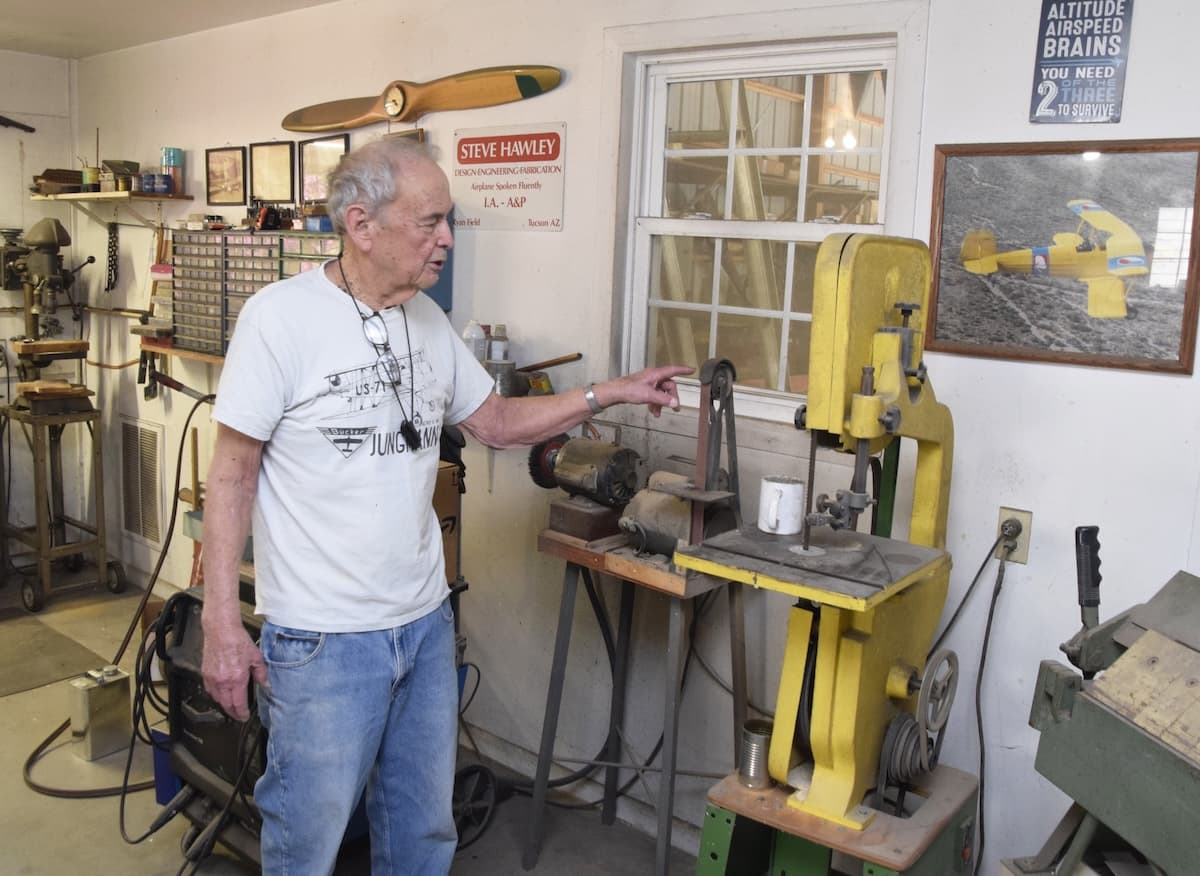
“I flew the Playboy to Oshkosh in 1973 and a snazzy little all-metal homebuilt parked next to me. It was a brand-new RV-3 piloted by a young man named Richard VanGrunsven. We both entered the Pazmany Efficiency Contest. Both planes had 125 horsepower Lycomings. My top speed was around 156 mph and the slowest I could fly was about 47. The new RV-3 was something like 212 and 35 mph. I don’t remember the actual numbers, but these are close and demonstrate the difference between the old and new designs.”
At 88, Hawley has logged 1,540 hours in the Thorp and perhaps 3,000 hours total time, although he stopped logging his time “many years ago.”
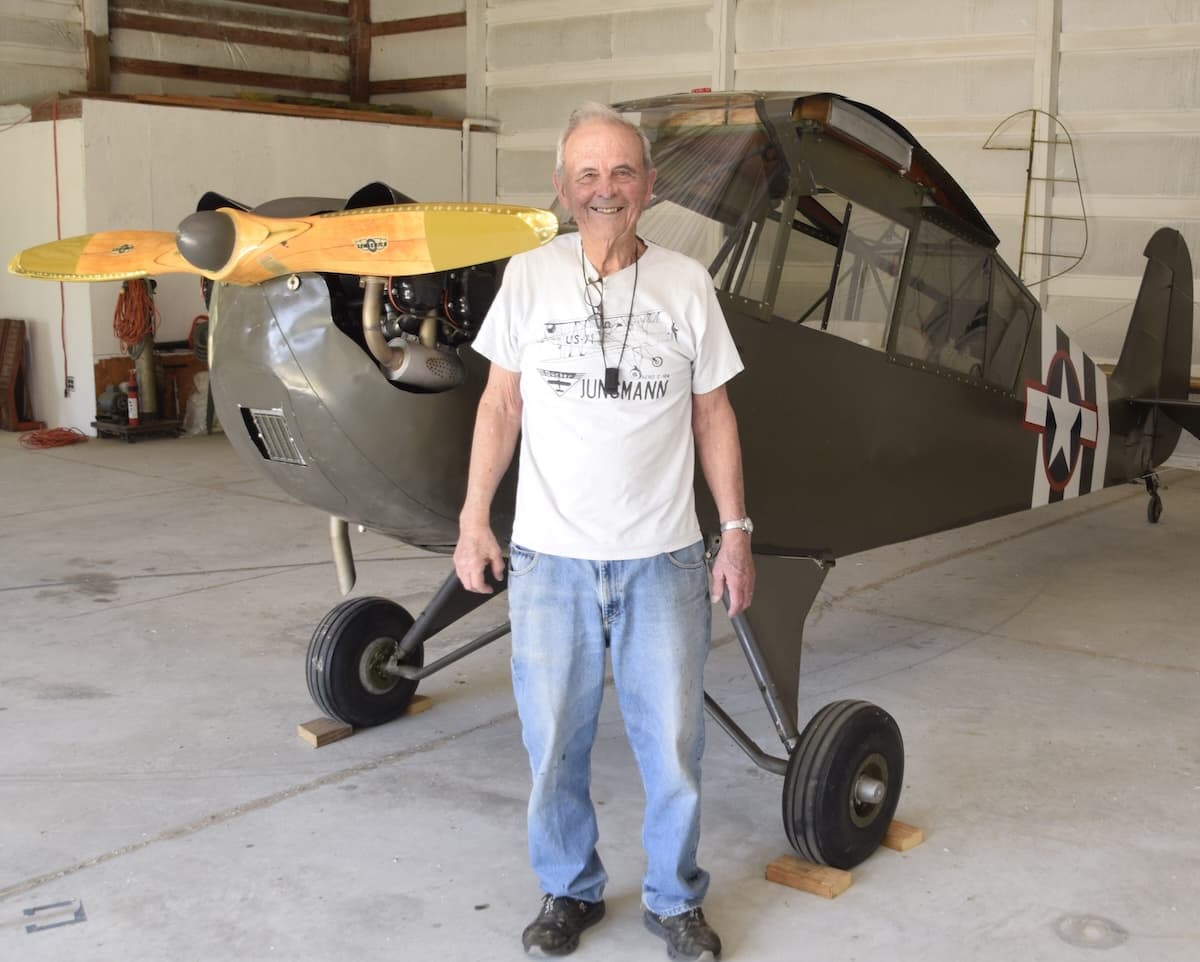
He hopes to continue flying, but realizes that as he turns 89 in November, “health is a very precarious thing.”
But he also knows he could have several years left.
“Once I landed at Claremore in Oklahoma,” Hawley said. “I bought a soda water and a man walked out and got in a Cessna 150. The kid working there said ‘you see that man getting in the airplane? He’s 101 years old.’ I fly under BasicMed and it is my hope that I can fly well into my 90s. But it’s up to the Lord whether I keep my health or not.”
And once he can’t fly any more? He’ll sell all three of his airplanes.
Hawley’s home base, Do-Little Field, is about 20 miles from Columbia, outside the small town of St. Matthews in the Palmetto State’s Calhoun County.
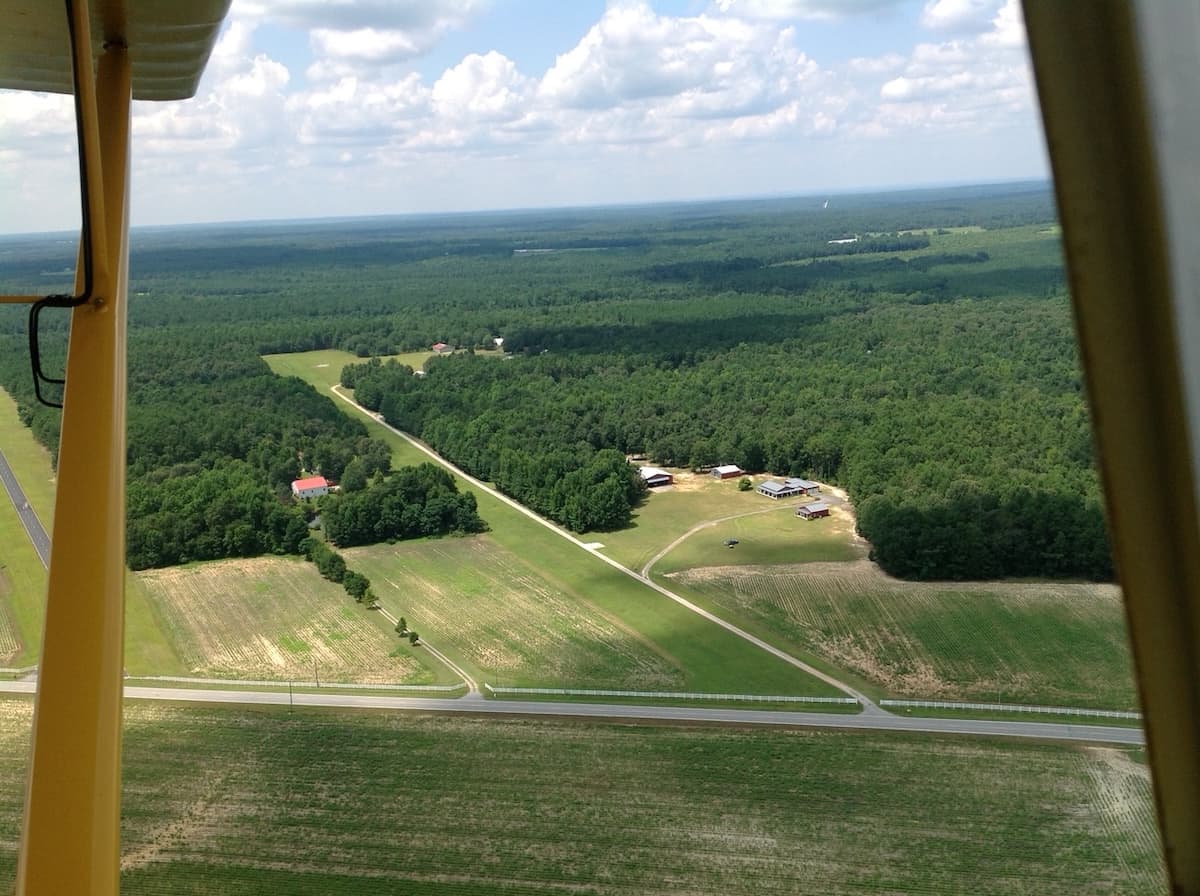
“We moved here in 2004 from Tucson to be closer to our grandchildren,” he said. “We are one of 14 owners of the development. We all take turns mowing the grass and are all airplane lovers.”
The private field is about 70 acres and boasts a 3,000-foot runway.
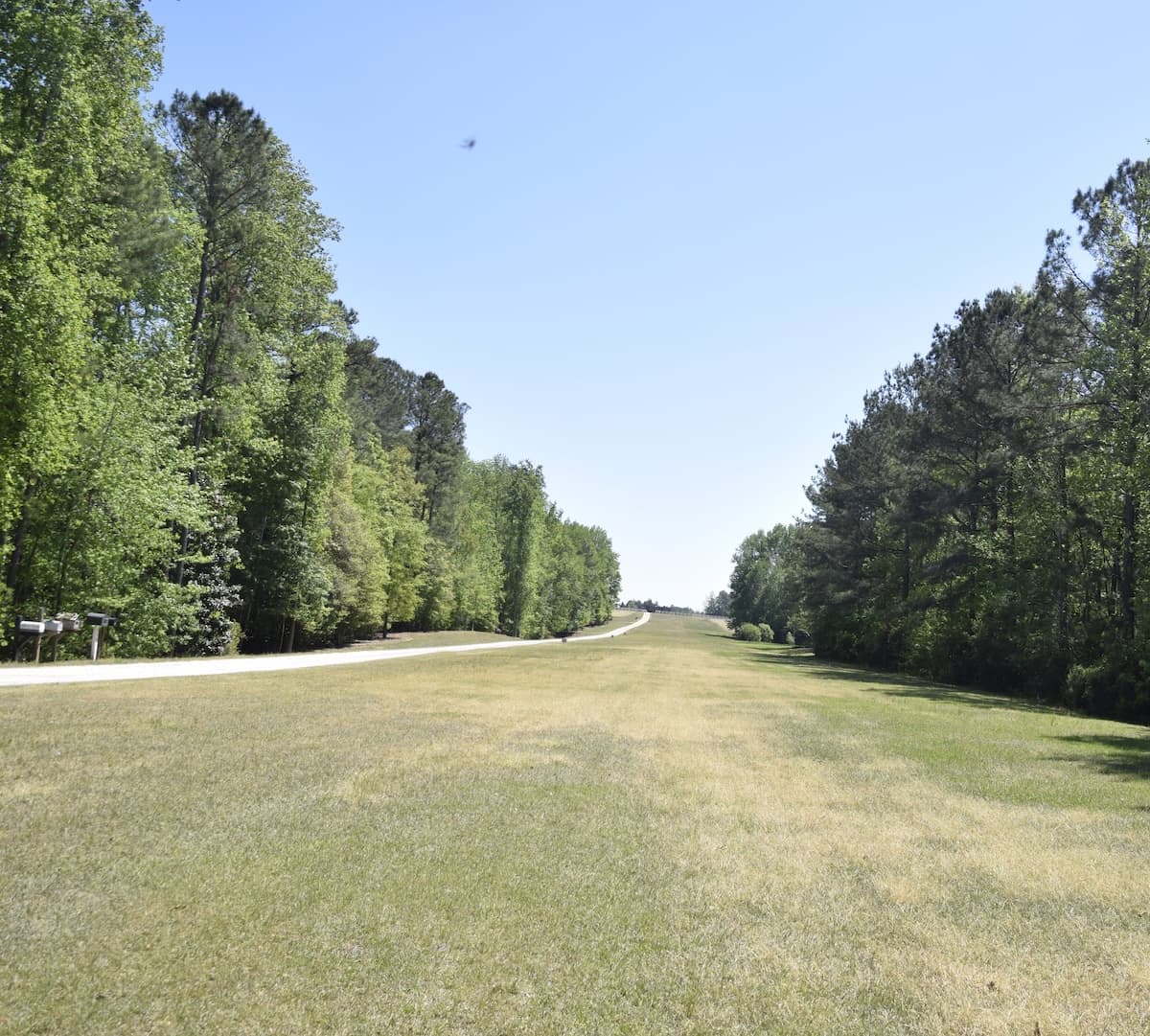
“As with all airport communities, people get old,” he said. “Now only three of us are left with airplanes that fly.”
Last year Steve decided to tell the story of his life in aviation. He wrote and published “Dreams, Vintage Planes & Blessings,” which is available in paperback and as an ebook on Amazon.
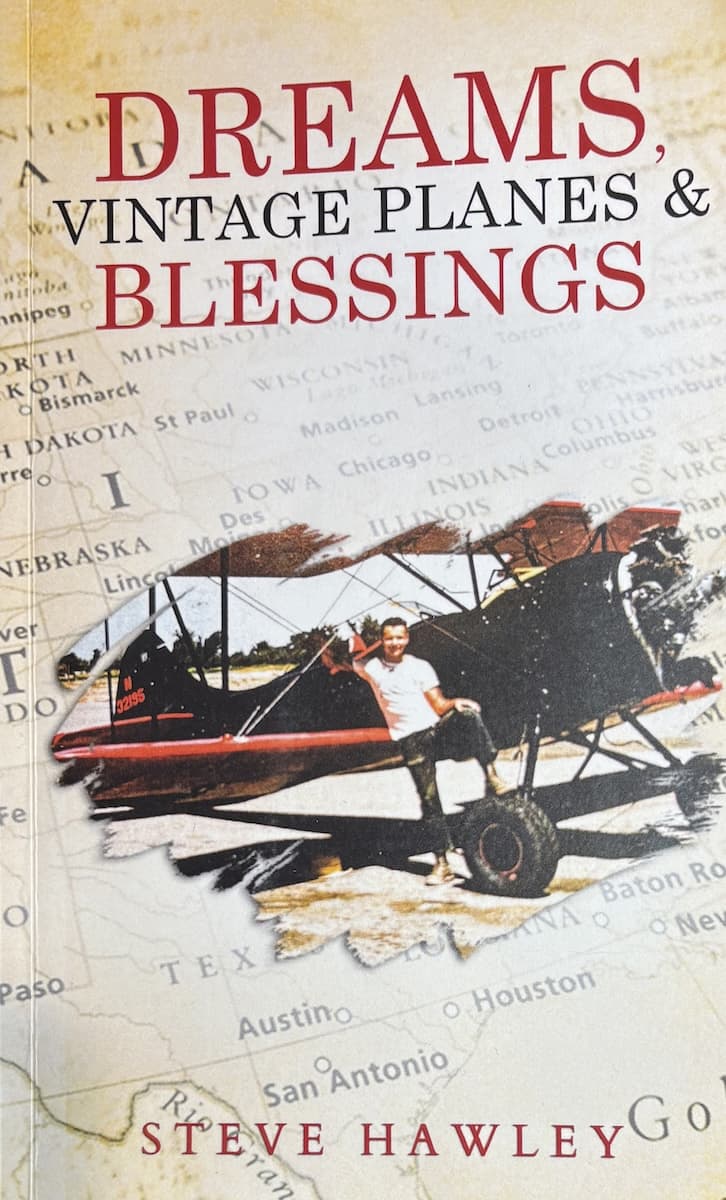
“It’s my life in flying from the beginning,” he said.
Congratulations to Steve on such a lifetime achievement. Truly amazing.
I’m proud to call Steve and Adele my friends. Steve is knowledgeable, skilled and helps me maintain my own vintage aircraft. Steve is always a go-to when pilots need advice. What’s more, these two are just downright good people.
GH
Nice story Steve,
You were the first to give me and my young son a ride in a T-18. That was a Thorp Fly-in in Colorado many years ago. Now I have 425 hours in my own. In fact, I got the tail wheel endorsement in an Interstate Cadet. Still fly them both. Each of them is fun and has a unique purpose. Congrats with Adele all these years too. Not everyone has a wife that will join him. And if you ever have to give up Basic Med there’s always ultralights.
Happy Trails,
Hello Steve, I really enjoyed this fascinating storeyv and wonderful blessed lifetime you and Adele had together. I’m a 84 year old South African, retired in Canada. Had 2 planes, a Cesna Skylane 182 and a 206 Cesna Station Air.
Flew all over South Africa and Zimbabwe. Building Contractor in SA and Cattle and Game Rancher in Zimbabwe.
I hope to meet you some day
Regards Dirk Moolman
[email protected]
I remember you when you were in Aberdeen, MS working on the Tombigbe Water project. You were working on the Thorp T-18 then. I came to your house several times and watched you work on the T-18. I enjoyed reading the general aviation news story about all of your aviation experiences.
Ancie P. (Bud) Everett
Congratulations to Steve and Adele on a fantastic lifetime of achievements. Thanks so much for inspiring this young man of 70 to keep flying. And thanks to Bill for his great photos and writing.
Thanks for that story!!!
I enjoyed meeting Steve in 2017 when he flew his Interstate Cadet to the Western North Carolina Air Museum. My one and only CallAir Cadet, built after the Call Aircraft Company of Afton WY acquired the type certificate for the Interstate Cadet, had just finished a 3 1/2 year restoration and the families that had owned it for over 50 years came to see it.
How nice it is to learn Steve is still in the game.
Great story; thank you for sharing!