

The pilot told investigators that before starting the Grumman AA-5B’s engine, she adjusted her seat to the appropriate position to reach the flight controls and then wiggled the seat to ensure it was secure.
After taxiing to the runway at the airport in Camdenton, Missouri, she wiggled her seat again and prepared for takeoff.
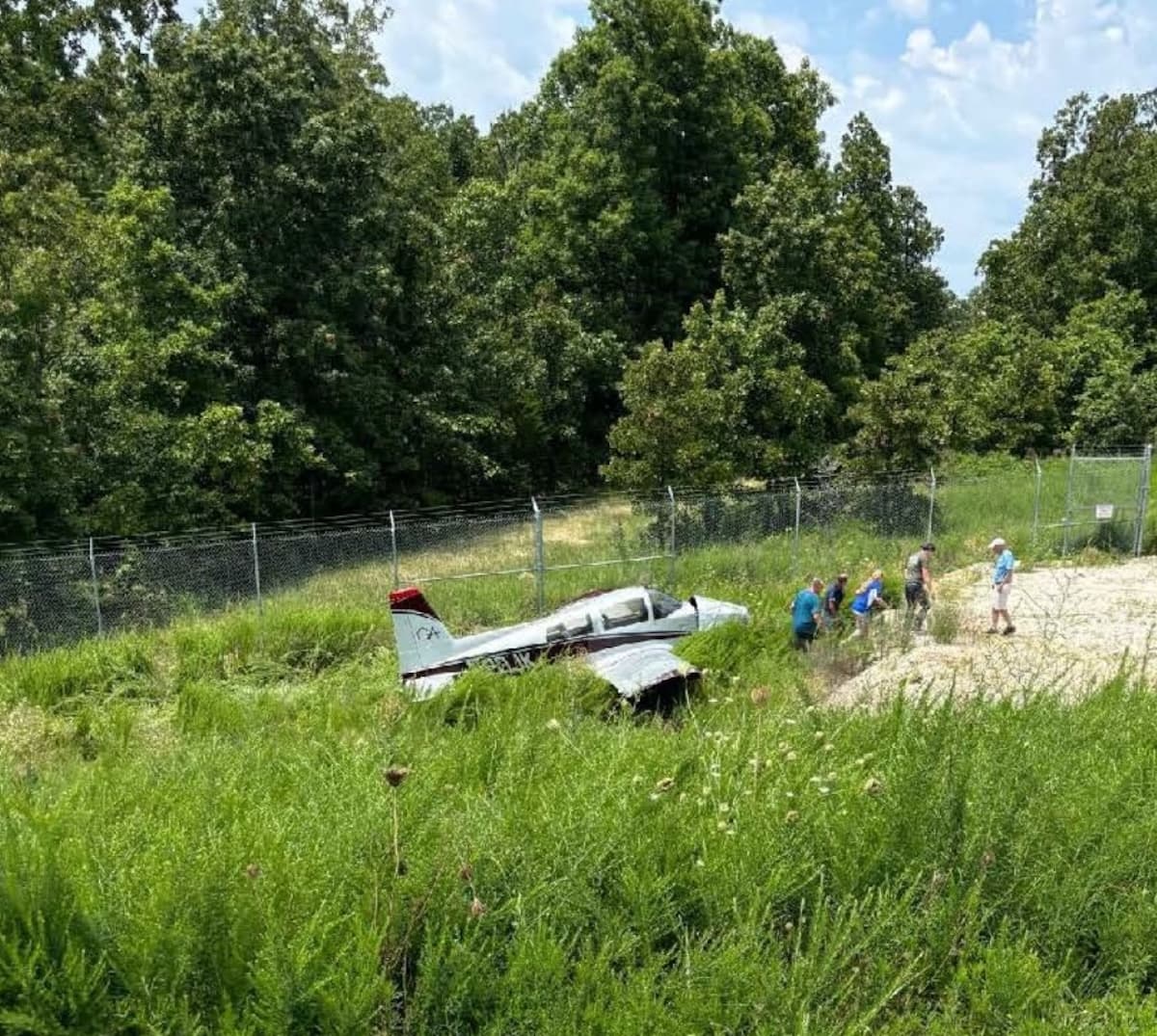
During the takeoff roll, her seat suddenly slid backward and she was no longer able to reach the pedals. The airplane departed the side of the runway and came to rest upright in a ravine.
Examination of the airplane revealed substantial damage to the engine mount, fuselage, and horizontal stabilizer.
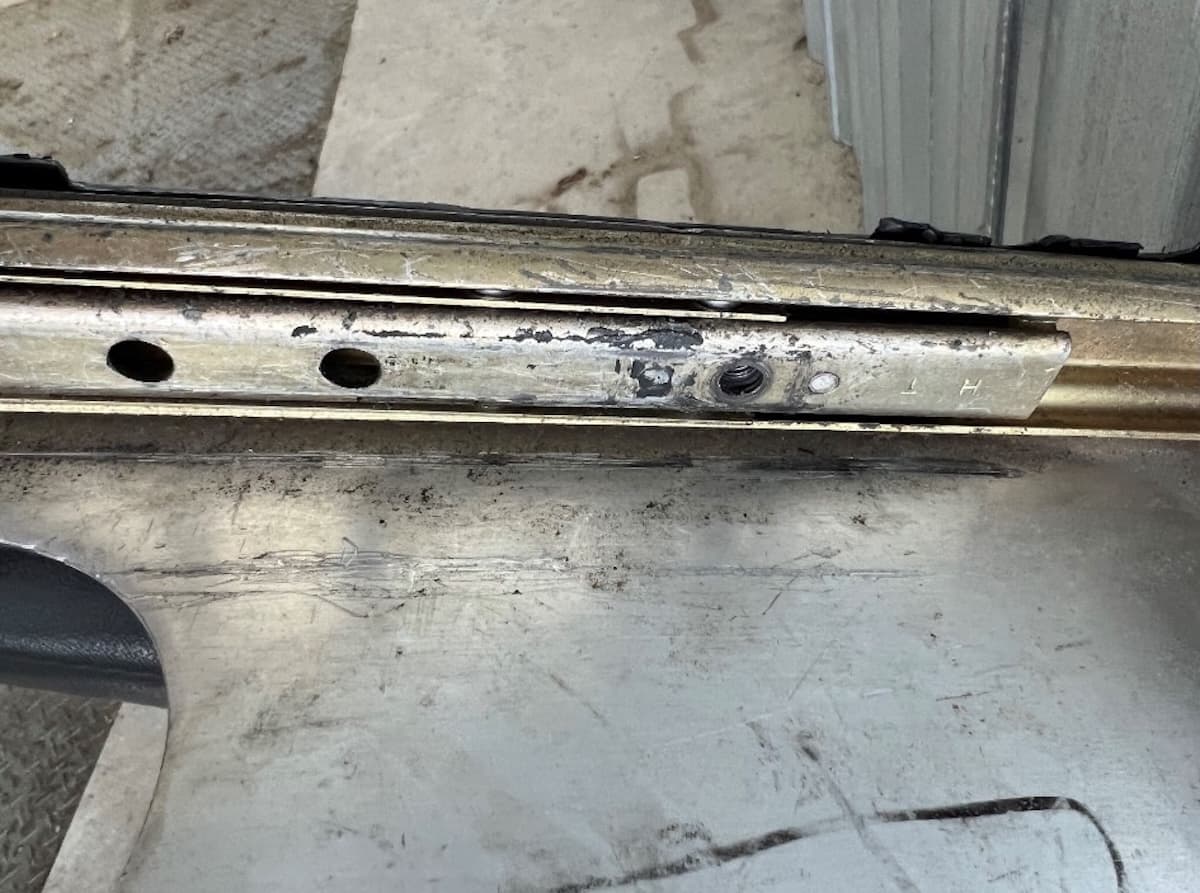
The pilot’s seat tracks were a newer heat-treated version. There were wear marks on the seat lock pin tip indicative of previous alignment issues. The spring that held the lock pins in place was installed incorrectly and the corresponding push-pull rod was bent. The seat brackets that attach to the spar exhibited worn and elongated bolt holes, which created a misalignment of the seat support.
The most recent annual inspection was completed on Jan. 8, 2024, at an airframe total time of 4,423.7 hours, and about six months before the accident. A review of the available airframe maintenance records did not reveal any entries regarding inspections or work performed on the seats or the seat tracks.
Probable Cause: The inadequate maintenance of the seat locking mechanism, which resulted in the pilot’s seat sliding back during takeoff and a subsequent loss of control.
To download the final report. Click here. This will trigger a PDF download to your device.
This July 2024 accident report is provided by the National Transportation Safety Board. Published as an educational tool, it is intended to help pilots learn from the misfortunes of others.
If a pilot adds power to full throttle and the seat track pin becomes disengaged with the seat going full back, if the pilot’s hand is holding the throttle firmly, then the throttle should come to idle. Taxi back and resolve the seat position situation.
As a CFI/CFII for over 50 years I’ve seen pilots (not many, thankfully!) set power, tighten the friction lock and put both hands on the yoke…I tell them that they’re complicating any potential rejected takeoff and setting themselves up for a nasty ending if the seat locking were to malfunction, as it did in this case.
This very same thing happened in an airplane with my client in the left seat and me in the right for airplane familiarization for insurance. Shortly after takeoff, his seat rail failed and he and the yoke went straight back. Fortunately, we were able to recover because I took control and he relinquished control.
As a result of this incident, I brief the scenario with my clients as we taxi out. That knee-jerk reaction to grab whatever you can to pull yourself up is hard to resist. There’s a startle, and the yoke (or stick) is the handiest “tool” onboard.
Especially in a critical situation such as a takeoff, the reaction has to involved immediately unloading the airplane by letting the yoke go, and try to maneuver by rudder if you can reach; otherwise, there are other parts of the cabin that can be used to pull oneself up.
This is a much harder situation for a solo pilot, for obvious reasons, but you must do everything in your power to avoid a stall a low altitude.
This pilot apparently did the correct thing, because, even though the airplane got bent, it didn’t leave the ground at an angle of attack that could have caused a deadly stall-spin at low altitude.
This is one of at least a half-dozen scenarios the ACS does not require us to train, and dealing with the “unusual emergency” should be in every pilot’s “bag of tricks”….