

General aviation flight training is failing at both ends of the pilot training pipeline. Upstream, most student pilots leave training before earning a private pilot certificate — with some estimates pegging the drop-out rate at 80%.
Downstream, fatal inflight loss of control accidents continue to dominate other fatal accident categories. This is despite decades of warnings, regulatory updates, and well-intentioned interventions. The financial cost of preventable accidents is measured in billions of dollars each year. The human cost is borne by pilots, families, and communities.
What’s behind this? The data points to a shared origin: Poor-quality and poorly structured instruction that rarely pushes pilots beyond rote procedures to correlation.
Students quit when instruction is disorganized, indifferent, or narrowly focused on passing tests rather than creating aviators. Certificated pilots, unconvinced of the value of proficiency training, maintain the minimum currency required by regulation. They remain vulnerable to inadvertently losing control of their airplanes.
So what’s the solution?
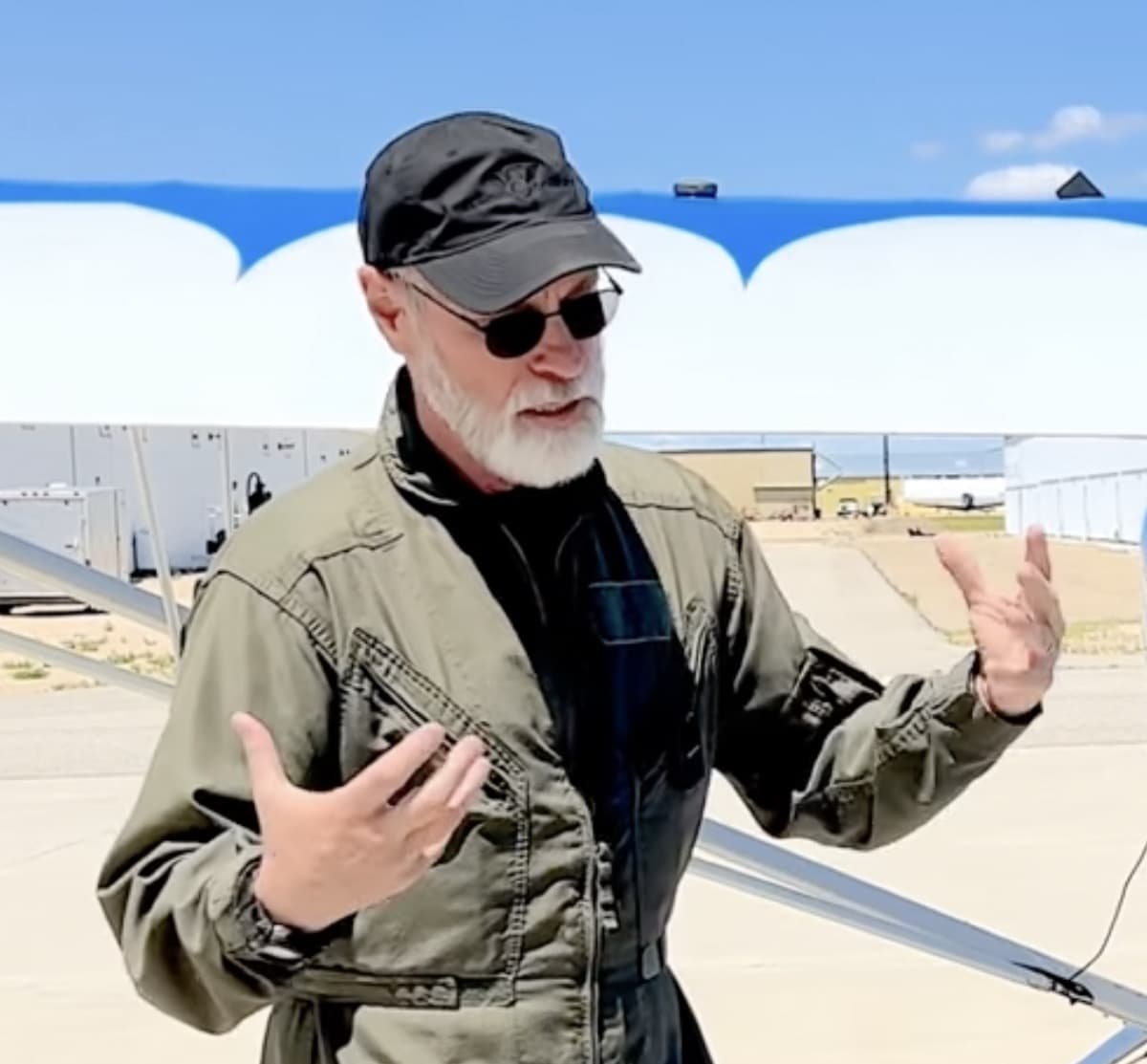
Community Aviation and Master Instructor Rich Stowell say it’s the Learn-Do-Fly Training Standard.
Offered free to the flight training community and students, the new training standard isn’t anything new. Built on nearly four decades of instruction, research, and field validation, the standard is designed to increase student pilot retention, push learning beyond rote memorization, and reduce inflight loss of control accidents.
“We did not invent a new standard,” Stowell says. “Instead, we identified the standard that was always there, then built a system to deliver it.”
The standard rests on three building blocks:
- Stowell’s Nine Principles of Light Airplane Flying, which supply the foundational “why” behind every maneuver and task. It is organized into Mindset, Motion, and Mechanics “from which all knowledge, maneuvers, and tasks derive,” he explains.
- Community Aviation’s Learn-Do-Fly framework, which starts with conceptual understanding, followed by structured practice in a flight sim or through chair flying, and then in-airplane training.
- The FAA’s rote, understanding, application, and correlation (RUAC) progression, which establishes the correlation level of learning as the explicit goal of training.
The Learn-Do-Fly Training Standard is open, which means anyone can access it for free. Any pilot, instructor, or training provider can adopt its principles, framework, and vocabulary without licensing requirements.
Community Aviation also offers voluntary certification pathways for organizations wanting to demonstrate that their programs have been independently verified as meeting the standard’s full requirements.
For pilots, the standard restores their agency, according to Community Aviation officials. It offers them a roadmap to becoming and remaining aviators capable of solving in-flight problems. For instructors, it offers a principles-based, science-informed way to design lessons, debriefs, and entire syllabi that consistently push students toward correlation. For flight training organizations, it offers a coherent, evidence-backed model that can improve outcomes and contribute to reducing student attrition and loss of control accidents, Community Aviation officials said.
For more information: CommunityAviation.com/Standard
Southern California flyers are fortunate and can experience Rich Stowell’s teaching method in Santa Paula, CA at CP Aviation where he got his start as chief instructor and designed his now famous Emergency Maneuver Training course. Though Master Instructor Rich Stowell lives in Idaho, he regularly flies back to CP where he supervises training standards and works personally with staff CFIs. One can visit Rich Stowell’s website at richstowell.com, and make sure when you do, you view his free video entitled “Learn to Turn,” which has reshaped thousands of pilot’s conception of how airplane dynamics work.
I earned my Private Pilot License at the Naval Air Station North Island Flying Club, Coronado, California on November 3, 1975, and in November 1977 I earned my initial CFI administered by RM-GATO Inspector located at Jefferson County airport in Colorado.
Now after fifty years of flying, most of it in commercial aviation, I am breathing new life into my CFI and am interested in following along with the Learn-Do-Fly Training Standard.
Please add me to this list.