

By ROBBIE CULVER
It was billed as the “ultimate women’s adventure” and the 49th annual Air Race Classic (ARC) lived up to that billing.
Closes to 100 women competed in the 2026 race, held June 23-26. The race route covered approximately 2,400 nautical miles, beginning at St. Louis Regional Airport (KALN) in East Alton, Illinois, and concluding at Mount Vernon Airport (KMVN) in Illinois. ARC officials noted the 2026 route highlighted “the aviation heritage and vibrant communities of Illinois.”
From KALN racers went to Capital City Airport (KFFT) in Frankfort, Kentucky, then Spartanburg Downtown Memorial Airport (KSPA) in Spartanburg, S.C., Douglas Municipal Airport (KDQH) in Douglas, Georgia, Pryor Field Regional Airport (KDCU) in Tanner, Alabama, McComb-Pike County Airport (KMCB) in McComb, Mississippi, Russellville Regional Airport (KRUE) in Russellville, Arkansas, Rosecrans Memorial Airport (KSTJ) in St. Joseph, Missouri, Prairie Du Chien Municipal Airport (KPDC) in Prairie Du Chien, Wisconsin, with the race wrapping up at KMVN.
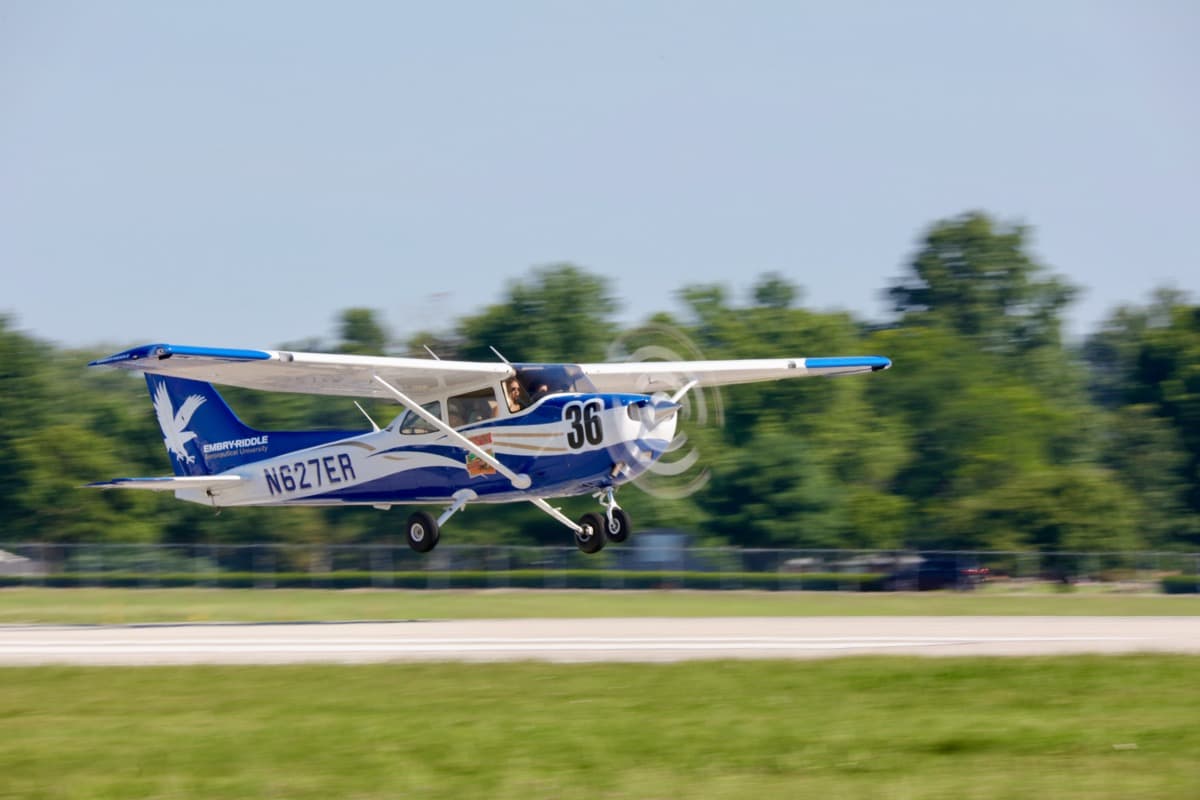
For the 2026 race, 42 teams and 95 women launched for the first leg of the race from KALN to KFFT. Just over half — 22 teams — completed the race in the allotted time.
This year’s racers faced challenges, especially the fickle weather in the Midwest, according to race officials.
Contestants had four days of day VFR flying to complete the course, flying in teams of two or three. The first team to complete the race arrived at KMVN on the morning of Thursday, June 25.
But officials note that the first to arrive is not necessarily the winner.
Scoring involves flying a handicap flight prior to the race to determine each aircraft’s unique speed. During the race, teams cross a designated start and finish line for each segment, and the speed is compared to the handicap. The team that averages the best overall speed flown versus their handicap is determined to be the winner.
Technology plays a huge part in the race officiating. Race officials use a Bad Elf GPS in each aircraft for scoring and also a SPOT tracker for online tracking to monitor aircraft. This also allows people to follow the racers on the ARC website.
The race is far more than trying to be the fastest. It is about flight planning, strategy, and decision making that is required to fly what the organizers refer to as “the perfect cross-country.” Emphasis is placed on following the rules, using correct procedures, and executing the plan to complete each leg in the most efficient manner possible. Safety is rule number one, ARC officials emphasized.
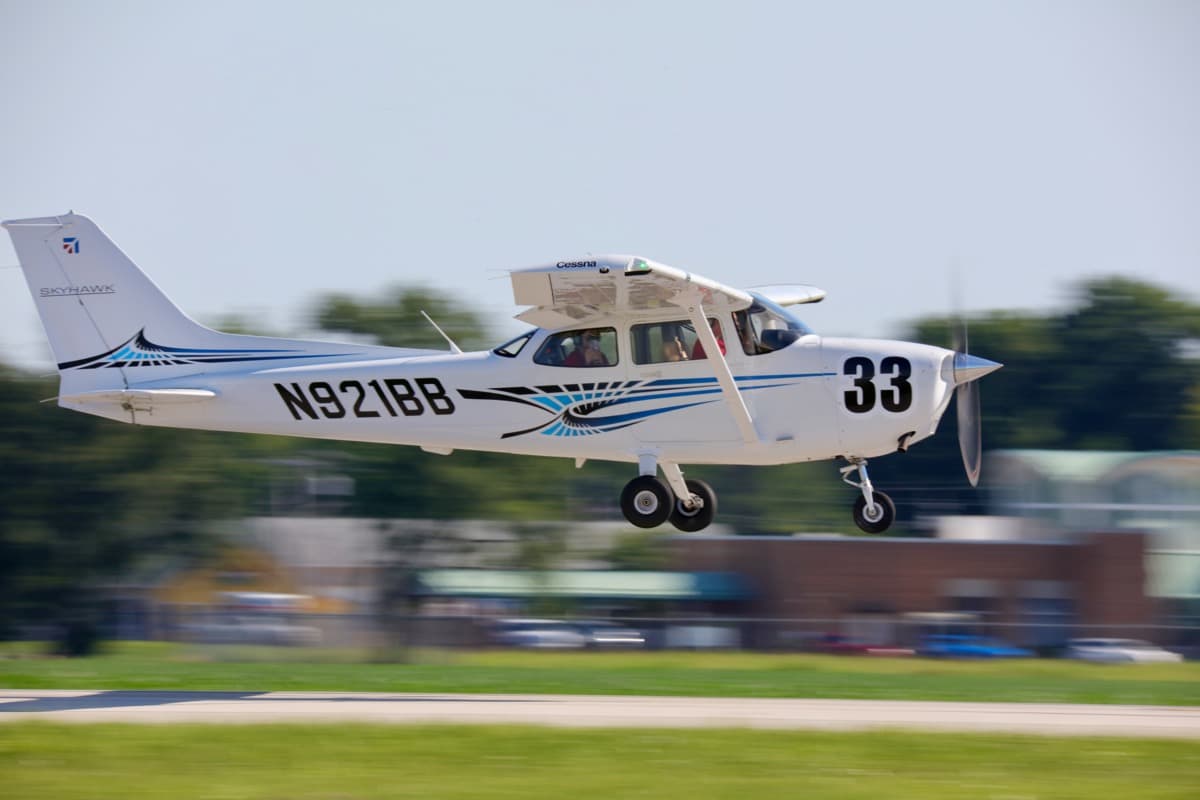
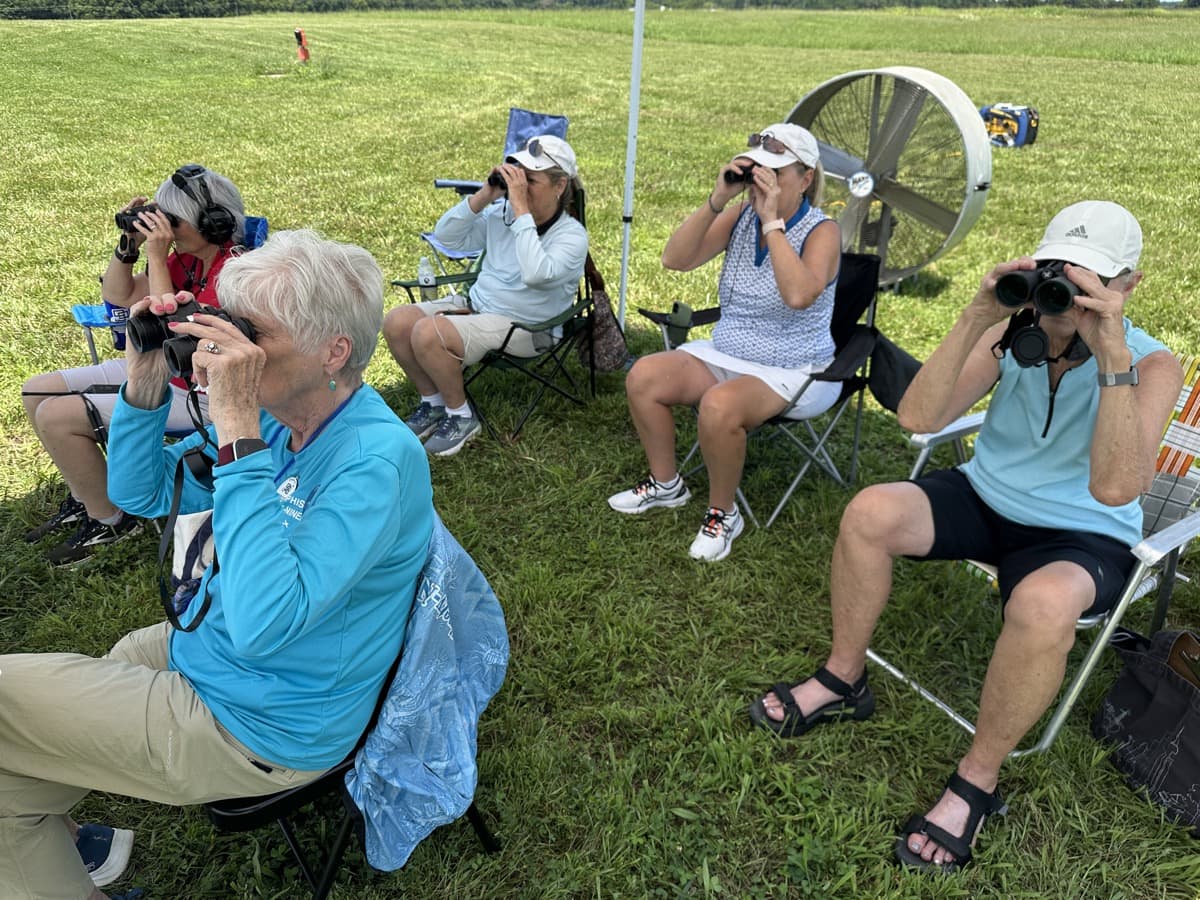
Each destination requires a fly-by at arrival and a fly-by at departure to establish timing. An FAA waiver is granted for these fly-bys, allowing for up to two aircraft to execute a fly-by simultaneously.
Each of the eight airports along the route features different fly-by configurations based on runways, airspace, and obstacles. There may also be assigned “turn points” used to keep race aircraft clear of airspace or obstacles. This year’s turn point was over Atchison, Kansas, the birthplace of Amelia Earhart.
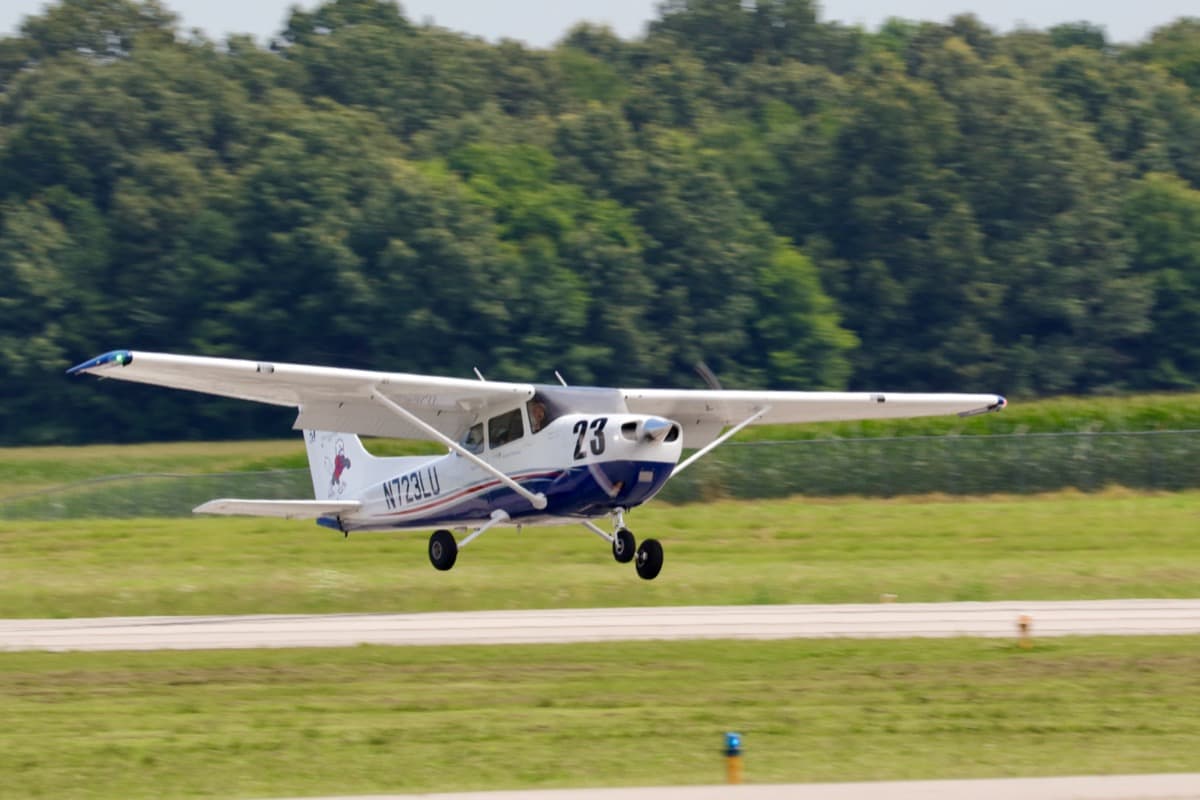
There are three classes: Competition, Intercollegiate, and Non-Competition. Aircraft competing must have at least 100 hp and may not have more than 600 hp to qualify. Non-competition aircraft may fall outside the limits of competition and are flown for “education, experience and camaraderie,” according to the ARC program guide.
According to President Donna Harris, this year marked a milestone for the ARC with half the registered teams in the Intercollegiate division. The youngest race participant was 18 years old and the most senior was 76 years old.
Competitors attend mandatory briefings during the days leading up to the race start. Topics include the race’s history, the race rules, as well as specifics involving the waiver granted by the FAA for race fly-bys used in the timing for each team.

ARC’s origins are almost 100 years old, spawned from the inaugural women’s air derby 97 years ago. The original event changed names several times, eventually becoming the All Women’s Transcontinental Air Race, also referred to as the Powder Puff Derby. That race continued until 1977.
About 25 years later, the Air Race Classic took off, with the mission to “encourage and educate current and future women pilots, increase public awareness of General Aviation, demonstrate women’s roles in aviation and preserve/promote the tradition of pioneering women in aviation.” Educating youth is also a core mission of the ARC, with youth events scheduled at the start and terminus host locations.
Start Your Engines
The morning the race began, competitors were treated to a police escort — complete with flashing lights — from the hotel to the airport. For a day so many women were anticipating, it was a special way to start the morning and another great memory of the race experience.
Just before her final briefing at the start of the race, Harris said, “I am so excited. It is race morning. It is a beautiful blue sky. We have got energy and excited women in there, just ready to go.”
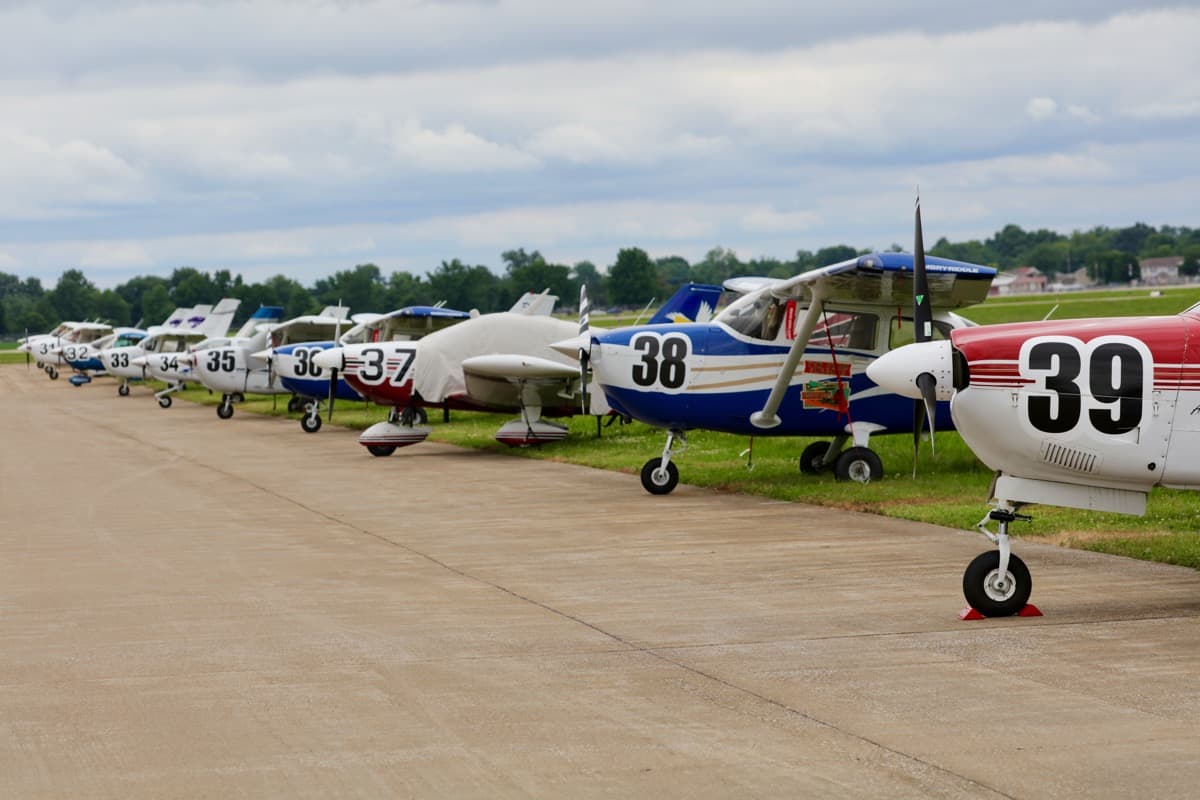
The staff at St. Louis Regional Airport were well prepared to host the race and very accommodating of both racers and volunteers. Participating aircraft filled a large portion of the ramp and part of the Bravo taxiway at KALN. Located under the outer shelf of the St. Louis Class B airspace, the airport is a busy Class D reliever for general aviation in the St. Louis area. EAA Chapter 864, based at KALN, hosted a pancake breakfast the weekend prior to the race start.
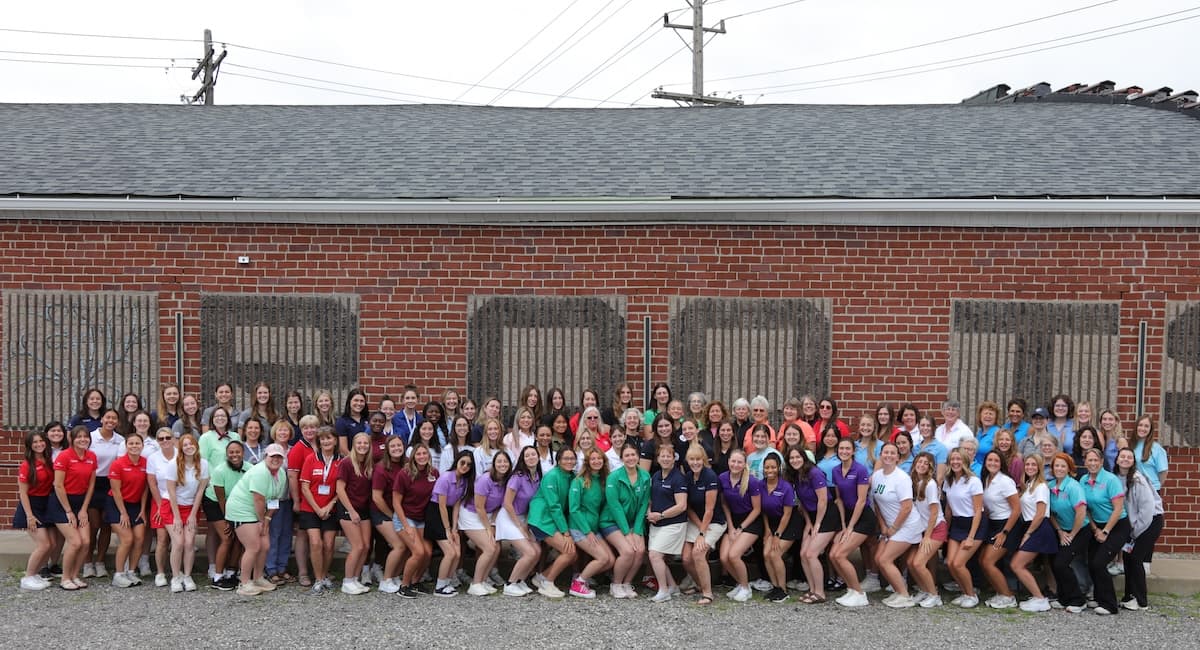
For the competitors, the obvious goal is to win, but for many younger race teams, the experience itself is the reward. Completing the race is an incredible achievement.
Each leg offers a new set of challenges with the weather, en route and destination airspace, as well as terrain. Several participants said that the en route banter on each leg between contestants on 122.75 was one of their favorite parts of the race, with some exchanging photos en route via mobile devices.
Participants said that they race for the adventure, for the opportunity to “go fast,” for the camaraderie, and to honor the legendary female air racers from the past.
Racers also mentioned seeing different terrain, expanding their comfort zones, and supporting other female pilots as part of why they love the event.
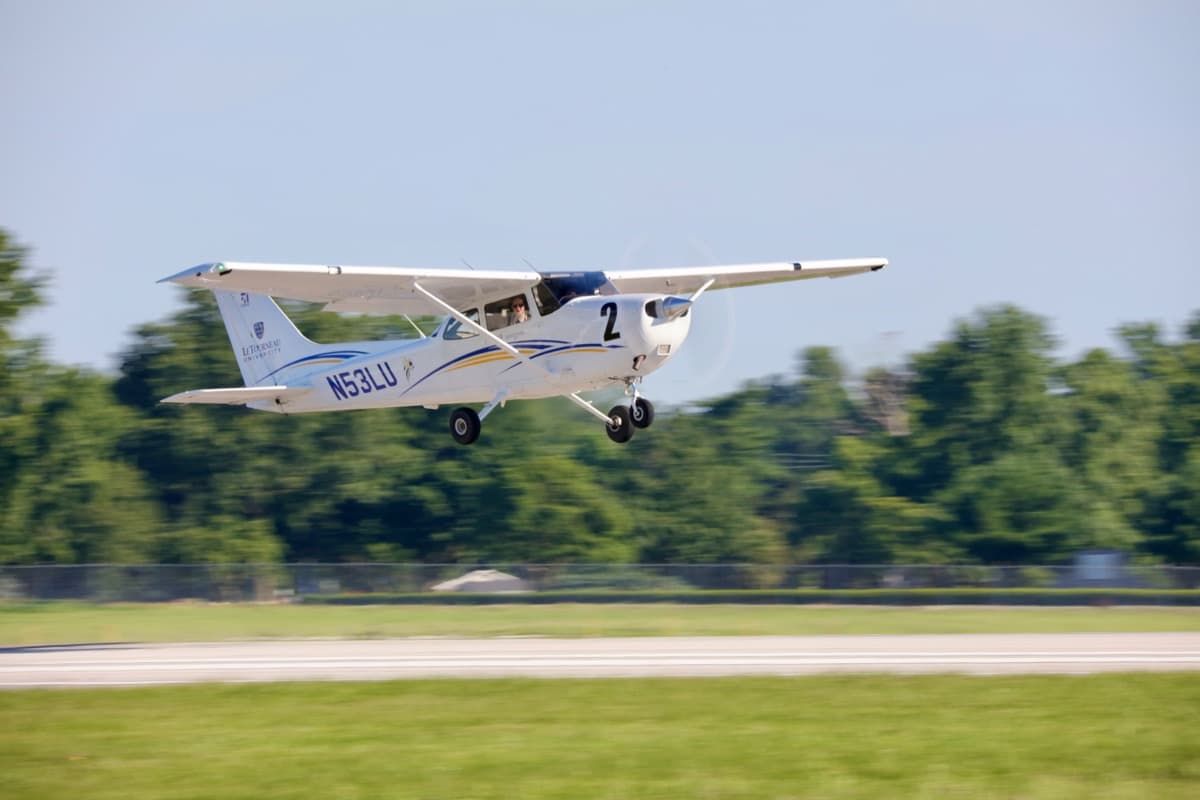
“I didn’t know what to expect,” said first-time racer Chady Sherrod of Orlando, Florida, part of the “Let’s Fly Girls!” Team that was flying a Grumman Tiger AA-5B. “But it’s a lot of fun and I do like the fly-bys. We’ve had female controllers in the tower, and we also had females parking us the other day, which was great. It’s great to see females in aviation doing different things than just piloting.”
“I think the camaraderie is cool,” added Sherrod’s teammate Jemayla Nelsonwood. “Just everyone talking with each other up in the air, giving people tips and telling each other what’s happening. It’s cool to feel like you’re in a whole group, even when you’re in your own planes flying.”
At Pryor Field Regional in Decatur, Alabama, the fourth stop on the route, first year competitor Avery Loyd of the “Blue Raiders” team from Middle Tennessee State University took a moment from flying a Diamond DA-40 to note that her team had officially hit 1,000 nautical miles during the trip.
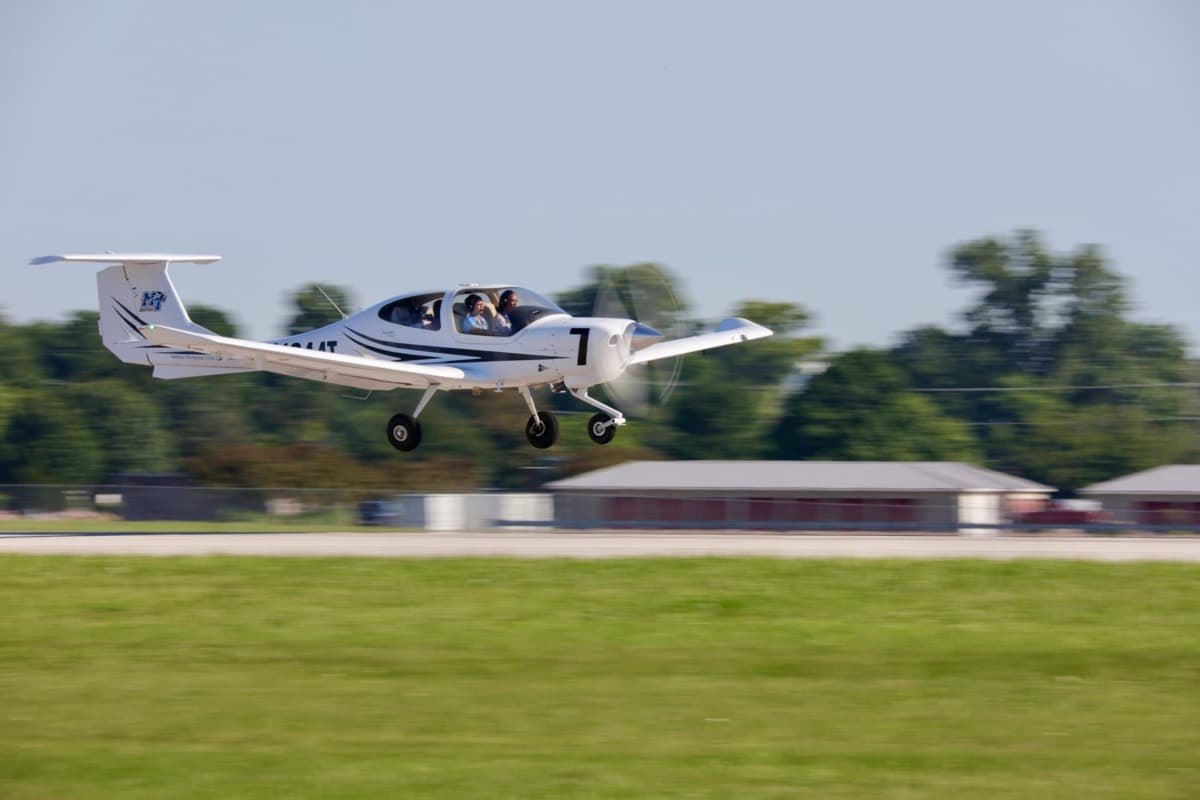
“It’s been really good,” she said. “I think the first day was really nerve wracking just because we hadn’t done it before. But that first fly-by shook a lot of the nerves off.”
Her teammate Kate Kennedy is already making plans for the next race.
“This is the funnest flying I’ve ever done,” she said. “I really want to do it again next year.”
Returning racer Lydia Baldwin of Fort Collins, Colorado, competed in her 12th race as part of “Team NoCo” (Northern Colorado) flying a Cherokee PA-28-180 with her teammate Laura Hall. Baldwin flew six previous races as part of a three-woman team that included her mother, Caroline, and her niece Cara, who is now a Boeing 777 captain with an airline.
According to Baldwin, who is now on the ARC board of directors, the race comprises an “amazing community of women pilots from all walks of life.”
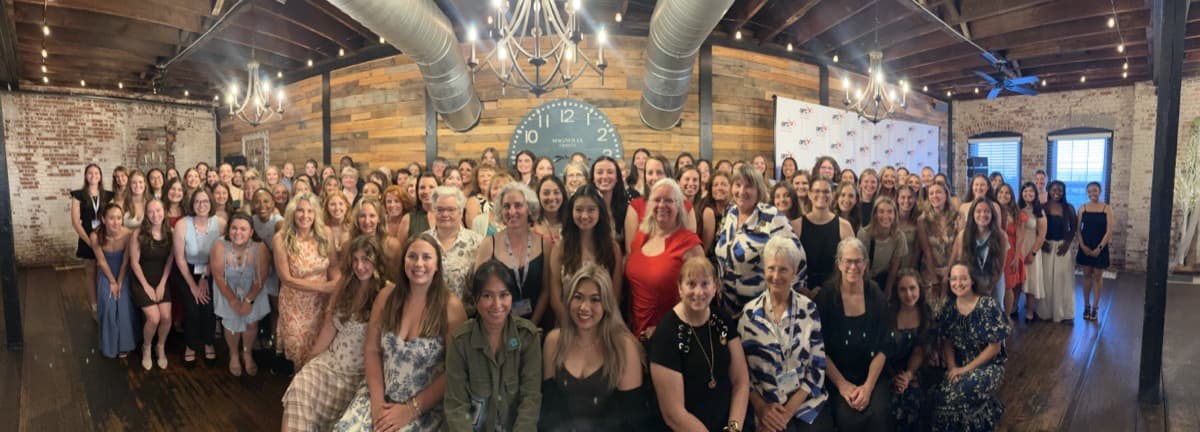
Winners
Competition class
- First Place: Team #9 “Over the Moon!” Alicia Sikes and Nancy Rohr flying a 1998 Mooney/201 M20J.
- Second Place: Team #11 “I think I can…” Lara Gaerte and Brenda Thibodeau flying a 1979 Cessna/Skylane RG R182.
- Third Place: Team #20 Team “DC3-1” Debi Dreyfuss and Joy Halcott flying a 2005 Cessna 182T.
Intercollegiate class
- First Place: Team #24 “Liberty Belles I” Sarah Schumann, Moriah Langford, and Maddison Simkins flying a 2024 Cessna 172S and representing Liberty University.
- Second Place: Team #28 “Boiler Up, Hangar Down” Alexa Marsh and Annika Bobek flying a 2021 Piper Archer and representing Purdue University.
- Third Place: Team #25 “Liberty Belles III” Chloe Leonard, Ashley Asselin, and Ashley Legoas flying a 2024 Cessna 172S and representing Liberty University.
Planning is already underway for the 2027 race, which will mark the 50th anniversary of the event. Slated for June 22-25, the race will start in Auburn, Alabama, and end in Nampa, Idaho.
For more information: AirRaceClassic.org
Leave a Reply