


The two shattered links of the accident chain were not adjacent, as they so often are. The first came during an otherwise diligent preflight. The second was a skipped memory item from the emergency checklist that, otherwise, would have saved the day.
Questions from the Cockpit: Got you covered — maybe

James, a private pilot and airplane owner in South Carolina, writes: What happens if someone wrecks your plane while they are considering buying it?
Human Factors: Certified, not qualified
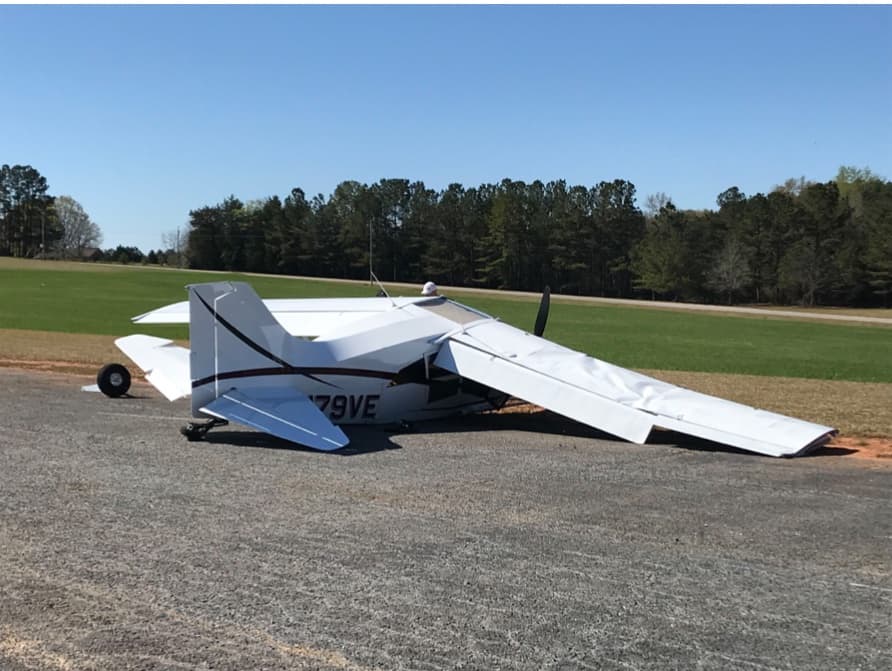
As it becomes harder to find a CFI, pilots may find they are waiting quite a while for flight training. But a long wait is much better than watching a brand-new airplane broken to pieces right in front of your eyes before you’ve even made the first payment.
Questions from the Cockpit: Recycle, replace, or retrofit?
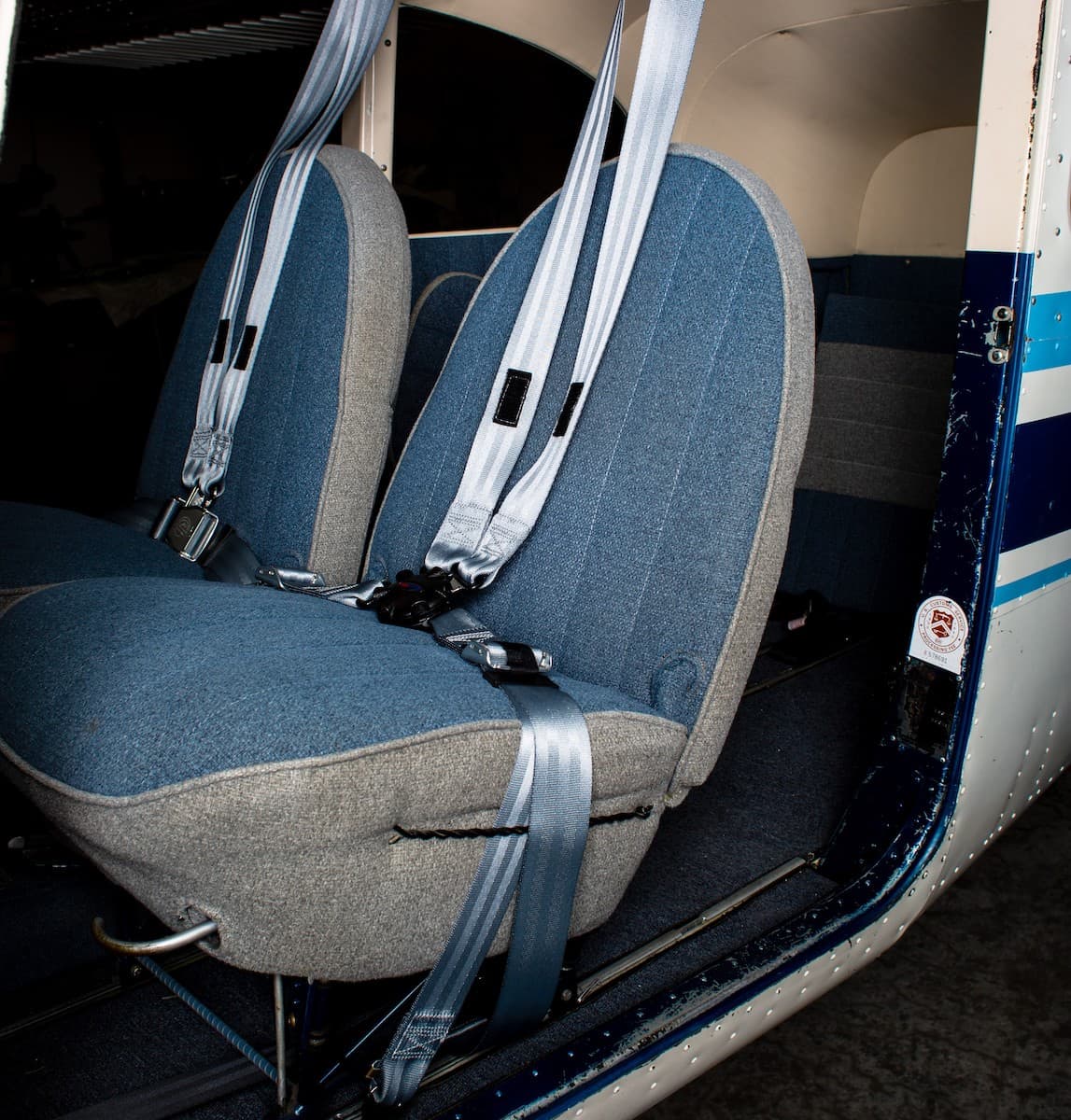
Tom, an airplane owner in Georgia, writes: How do you re-web an airplane seatbelt?
Human Factors: Déjà vu all over again

People just aren’t getting the memo: The quickest way to kill yourself in an airplane is to pressure yourself to fly beyond your capabilities — whether those capabilities are weather, equipment, certification, experience, or simply how much energy you have left over from the day before.
Questions from the Cockpit: Freezing follies

I knew that, with heat, humidity “makes it worse.” A dry 95℉ in the Western deserts feels altogether different than a humid 95℉ in the South. But I didn’t make the mental connection that the same phenomenon might exist at the other end of the thermometer.
Human Factors: Planes, trains, and…
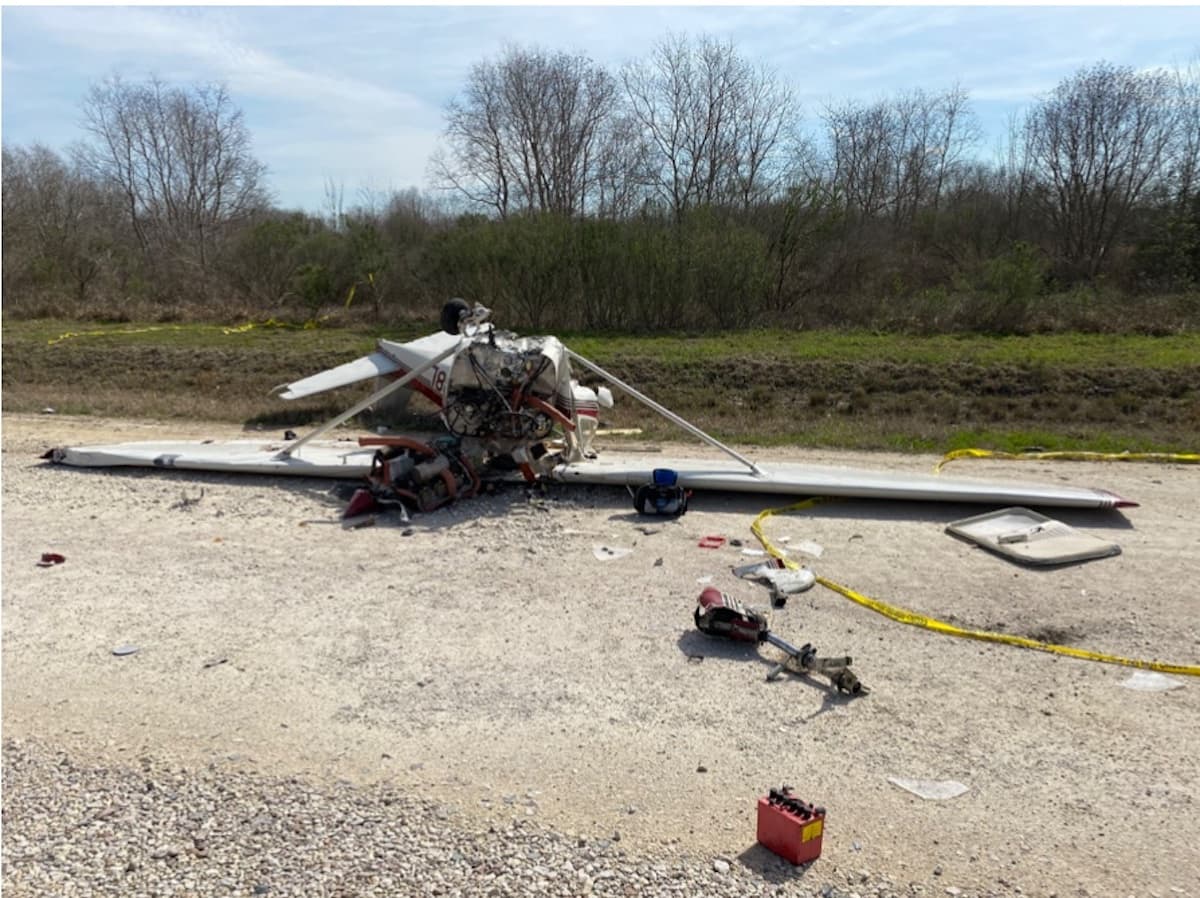
What lessons can we learn from a pilot who hits a train while taking off from a grass airstrip?
Questions from the Cockpit: Paperwork

Matt, a student pilot in Florida, writes: I’m studying lift as part of my pilot training. I can get my head around Bernoulli and Newton, and how that works with the airfoil, but none of my instructors can explain how a simple paper airplane — having no airfoil — generates lift to fly.”
Questions from the Cockpit: Re-branding induced drag

Joseph, a student pilot in Georgia, writes: I’m having a hard time wrapping my head around induced drag. Can you help me out?