

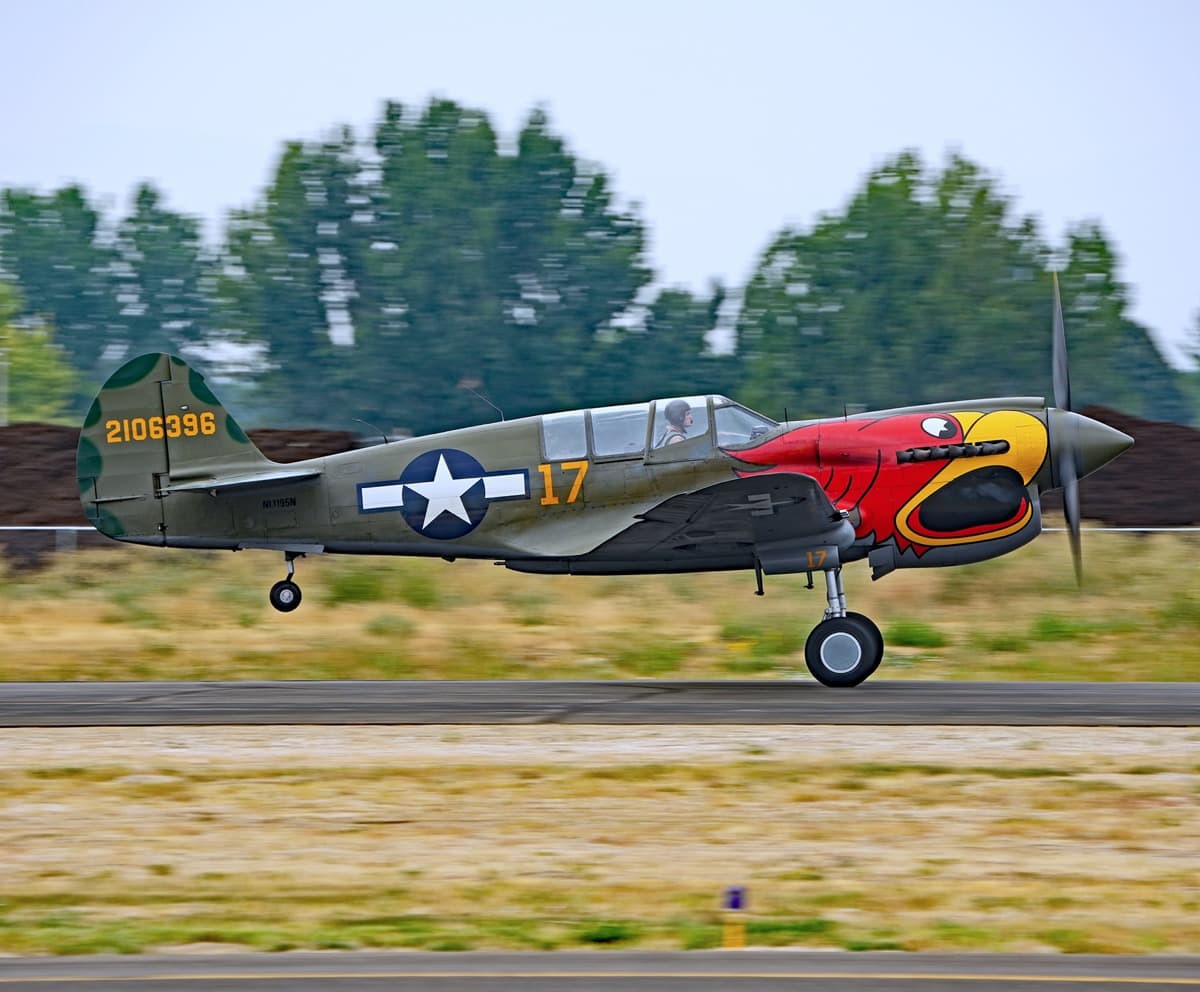
Like a popular band who know their audience’s demand for evergreen hits, the folks at Warhawk Air Museum repeat much of their successful formula each summer for Warbird Roundup at Nampa Municipal Airport (KMAN) in Idaho.
Ditching depended on design
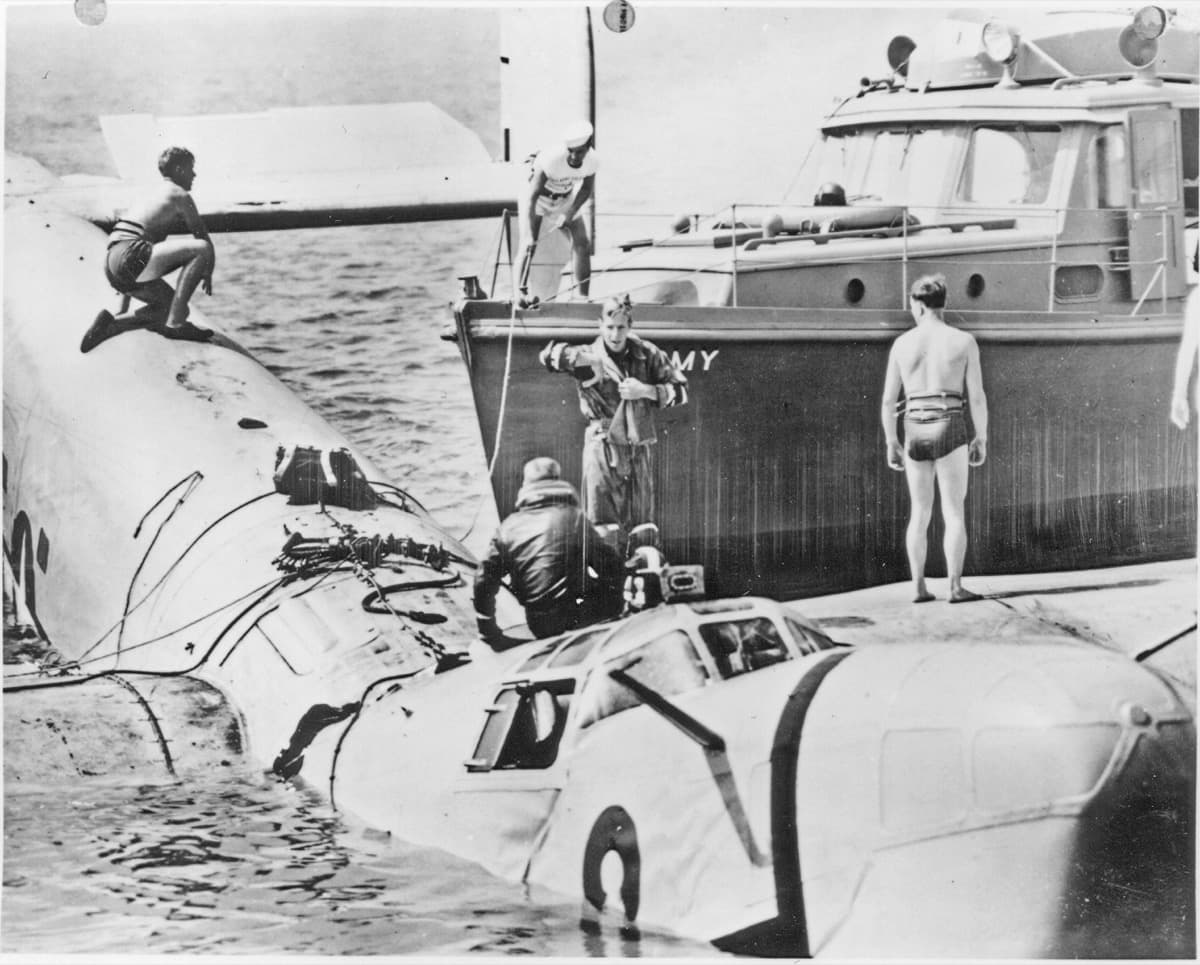
War-time pilots were told ditching a B-17, P-51, B-24 and other warbirds was a “last resort.”
Horse race in the sky: Mustang racers at AirVenture 2025

P-51 Mustang unlimited air racers and their pilots enjoyed a round of appreciation at EAA AirVenture Oshkosh 2025.
Victorious veteran describes downing German jet fighter at AirVenture
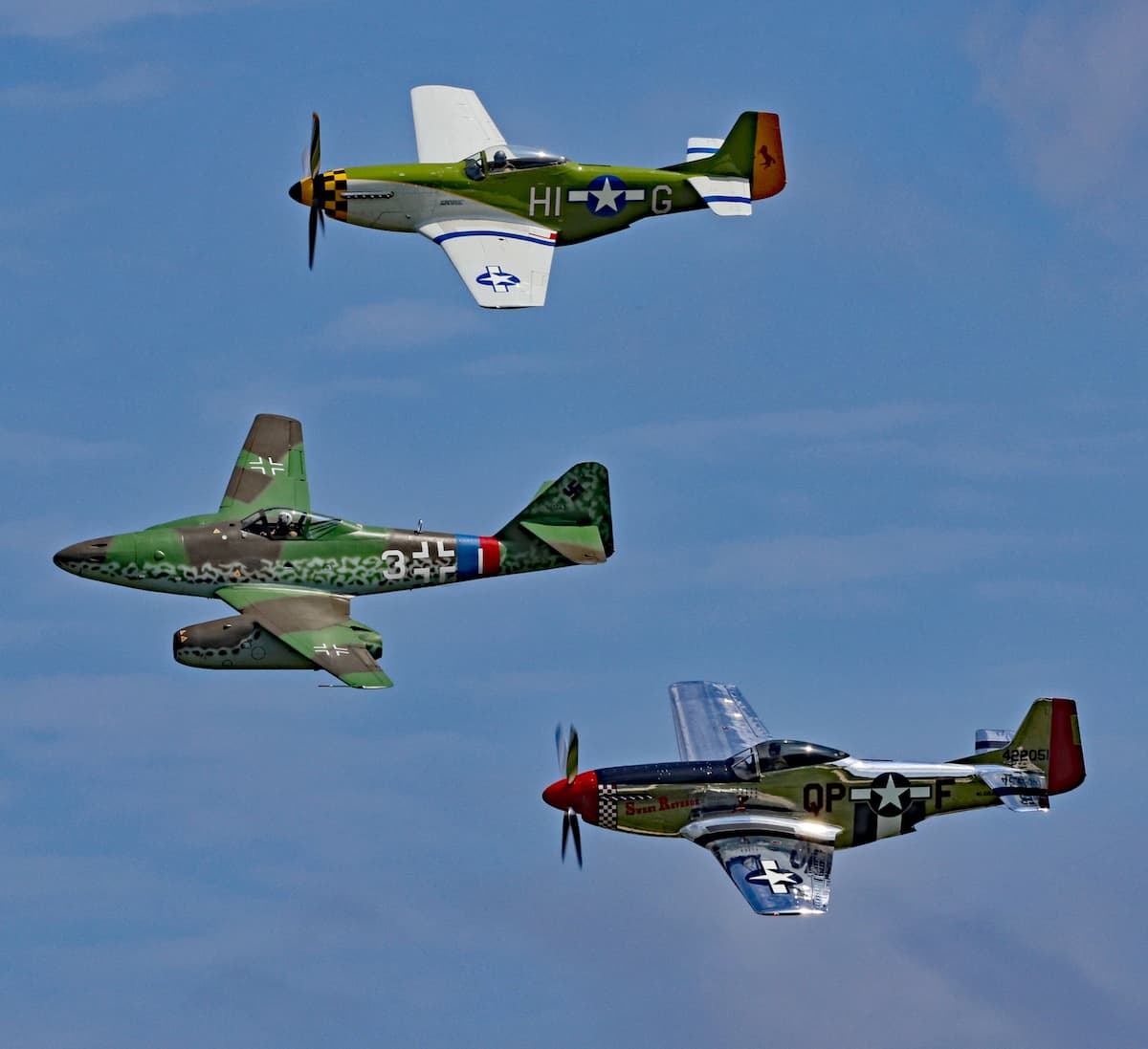
A standing room only crowd at a Warbirds in Review session during EAA AirVenture Oshkosh 2025 was transfixed as Joe Peterburs shared a thrilling encounter between his P-51 and a German Messerschmitt Me 262 jet fighter during World War II. Joining him during the session were officials with the Military Aviation Museum, who brought the museum’s replica Me 262 jet to Oshkosh.
Flying a family heirloom
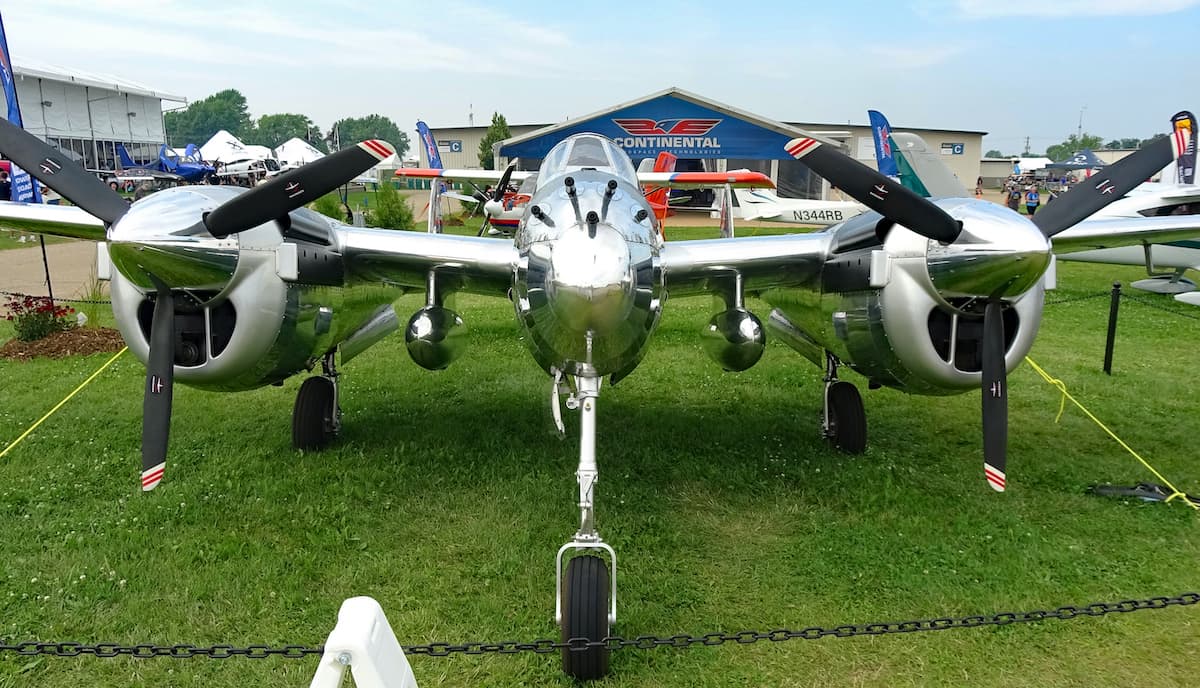
William Presler is mighty proud of the P-38 Lightning his uncle, Jim O’Hara, built over the span of about a quarter century, noting It’s sometimes called the TTP-38, for two-thirds size.
Dauntless: From Northrop concept to Douglas production
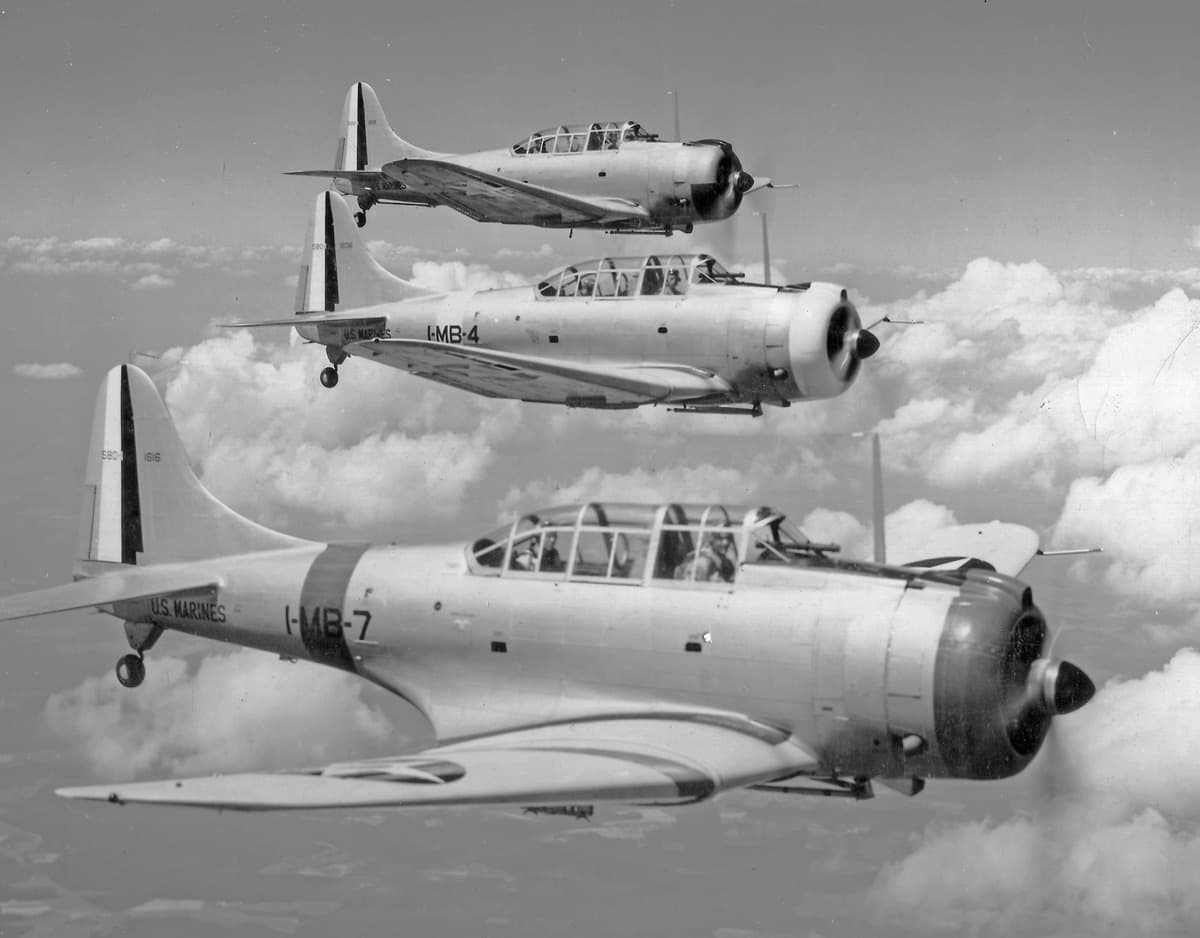
The BT-1 might have been an anecdotal footnote in aviation history, but the modified XBT-2 showed promise. Now part of the Douglas portfolio for the Navy, the XBT-2 was redesignated the Douglas SBD-1.
A friendly fly-in with the action of an air show
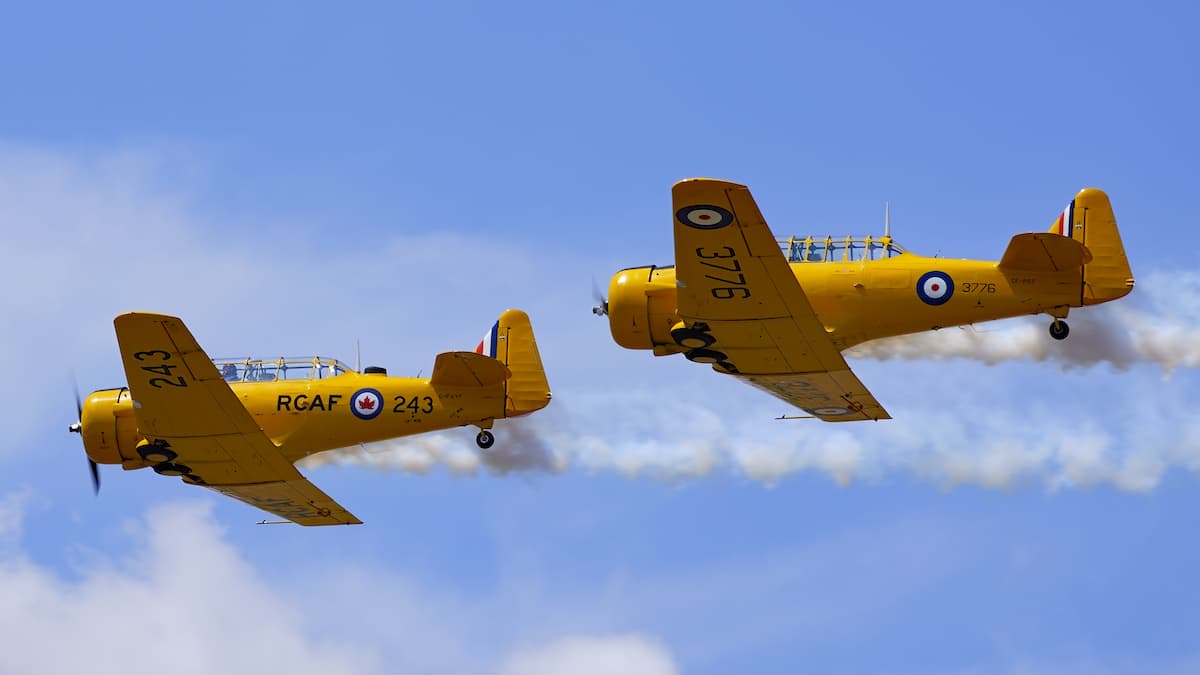
The 2025 Moses Lake Air Show built upon the edgy ambience of previous years with a return of world-class RC aircraft and pilots, plus the second year of STOL competition, as well as a traditional air show of aerobatic pilots, skydivers, and more.
Celebrating 100 years of Fairchild Aircraft

Led by Sherman Mills Fairchild, who enjoyed both wealth and talent, Fairchild fast became a reliable part of American aviation industry.
Me 262 jet pointed to the future as it slipped into the past

The shark-like predator look of the Messerschmitt Me 262, coupled with its capabilities as a combat jet aircraft in World War II, ensure this warplane will be forever fascinating.