

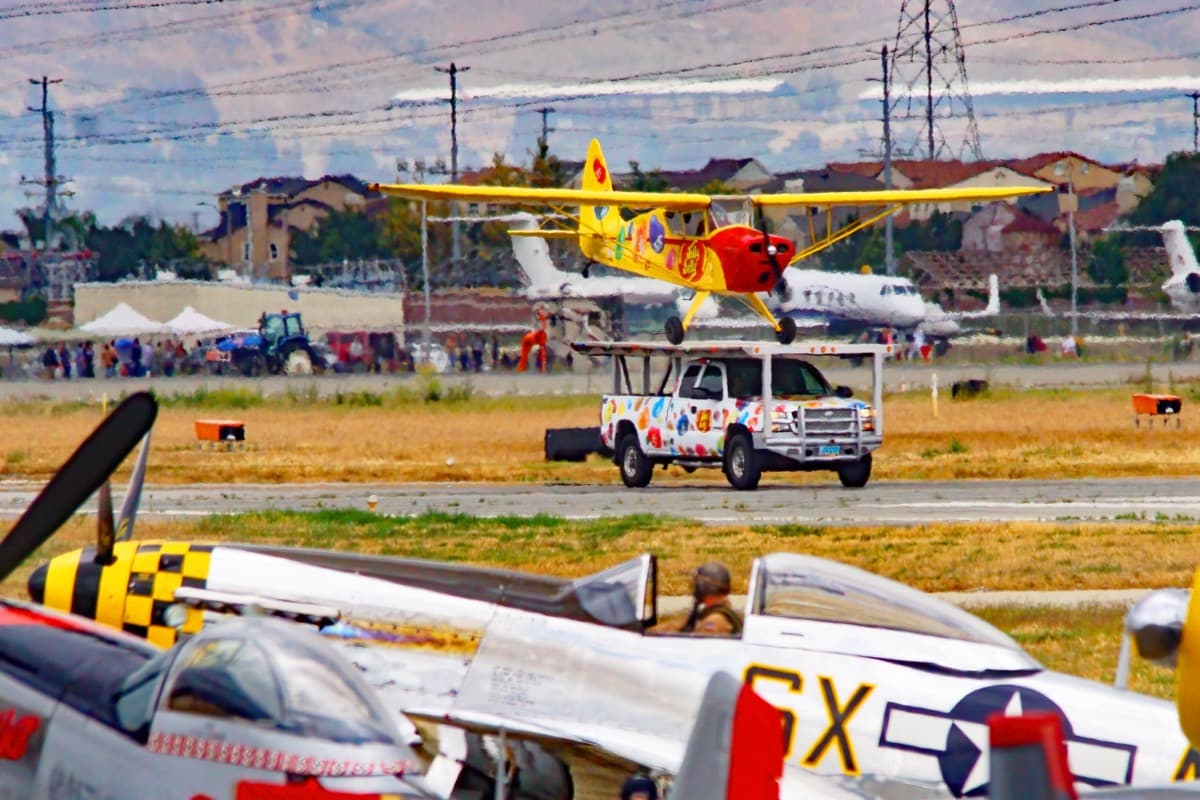
Interstate introduced its two-place Cadet in 1940, envisioning it as the logical choice for the Civilian Pilot Training Program.

About Frederick Johnsen
Warbirds Shine at Central Coast AirFest 2026
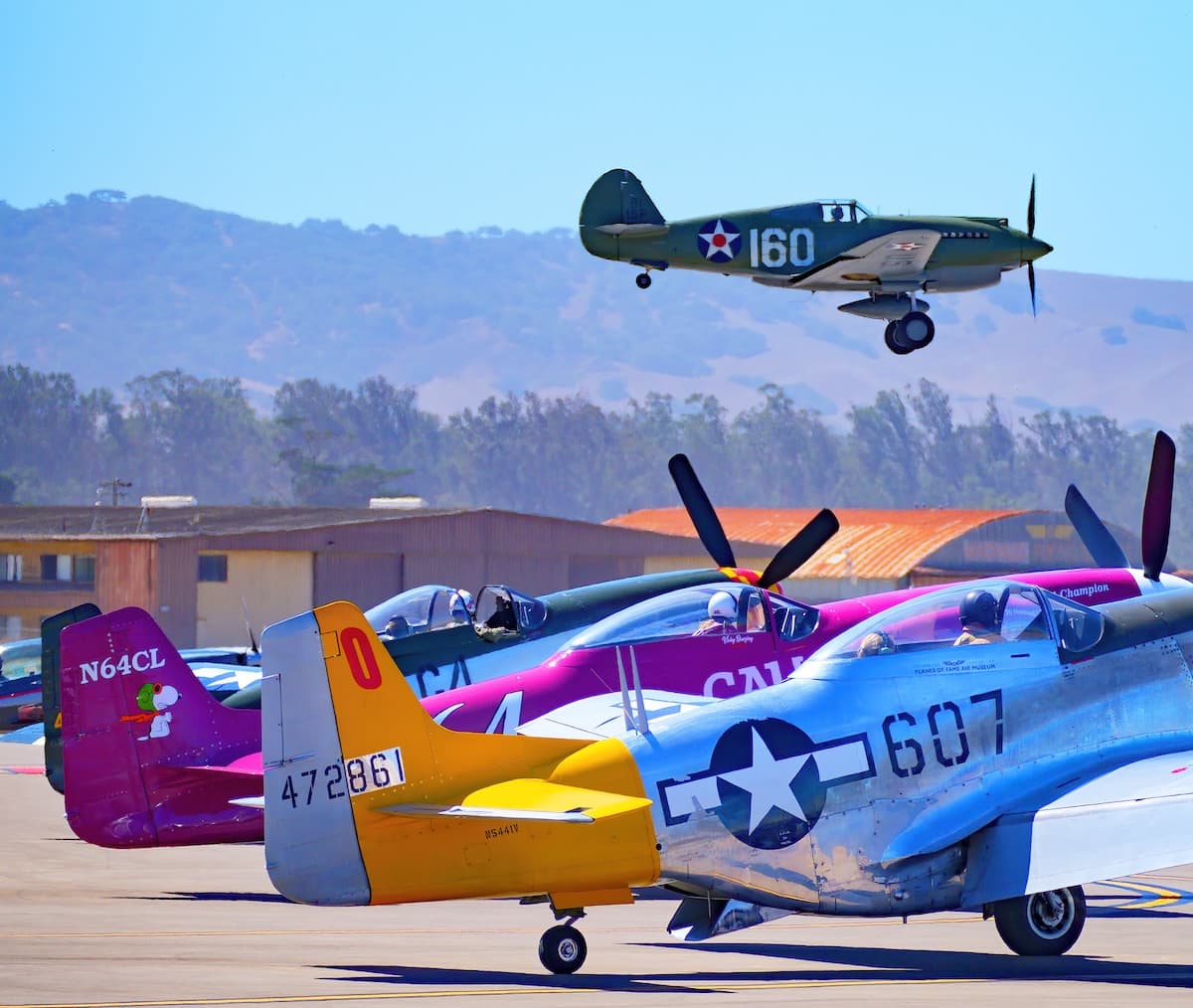
The Planes of Fame annual air show, the Central Coast AirFest, makes and breaks traditions each year. In 2026, an early-model P-40C Tomahawk fighter caught a lot of attention.
The Martin Mars Bomber: From Patrol to Transport
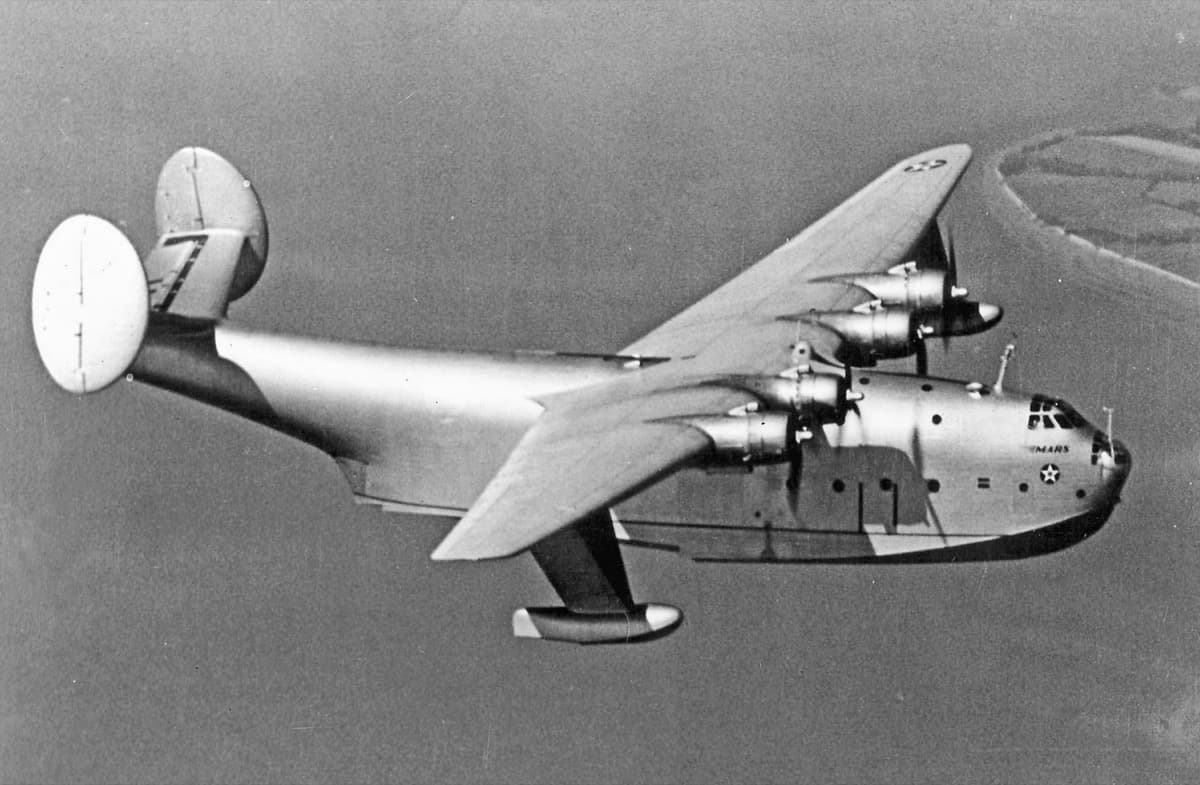
Originally designed as a massive World War II patrol aircraft, the Martin Mars bomber eventually found its true calling as a record-setting Navy transport. Discover how this mammoth seaplane transitioned from carrying bombs to hauling essential military cargo across the Pacific.
Fans, Staff, and Pilots All Win at Warbird Roundup

The annual Warbird Roundup in Nampa, Idaho, brings history to life with an impressive lineup of vintage military aircraft. From the public debut of a rebuilt Grumman F6F-3 Hellcat to flight demonstrations by a variety of vintage and modern warbirds, the aviation event continues to be a favorite.
Invaders Invade AirVenture
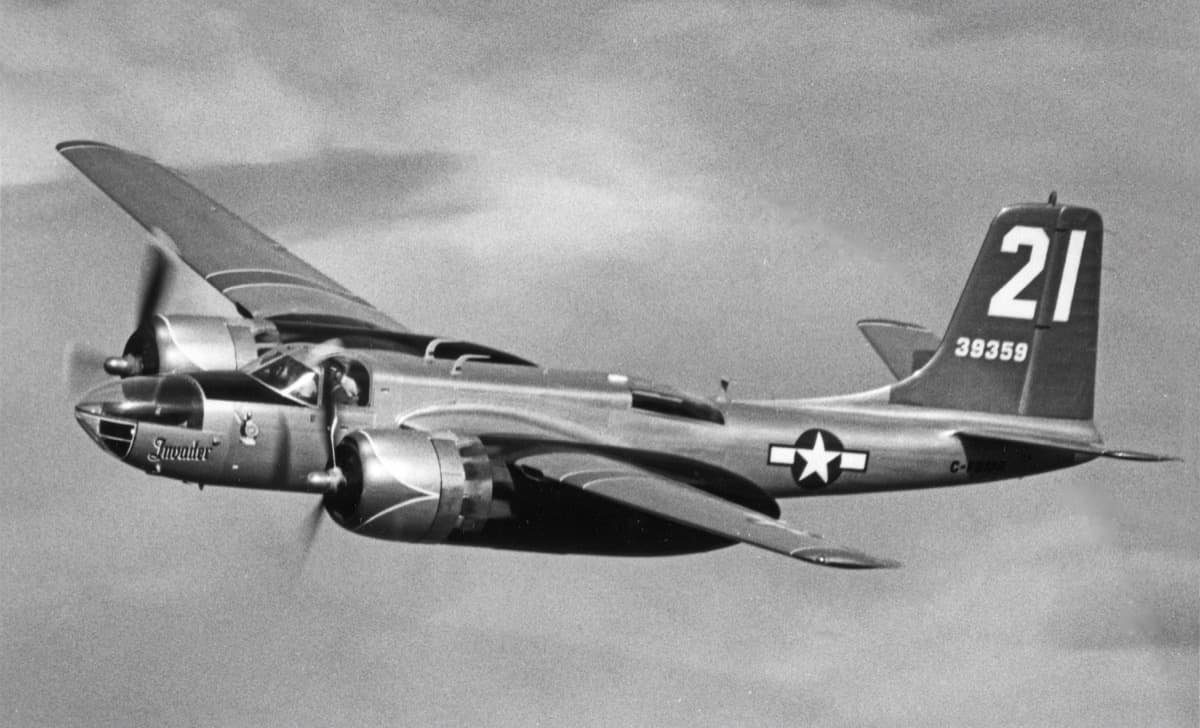
The Douglas A-26 Invader took center stage at EAA AirVenture Oshkosh 2026, where three of these rare historic bombers flew simultaneously.
The Last Hurrah for the A-24
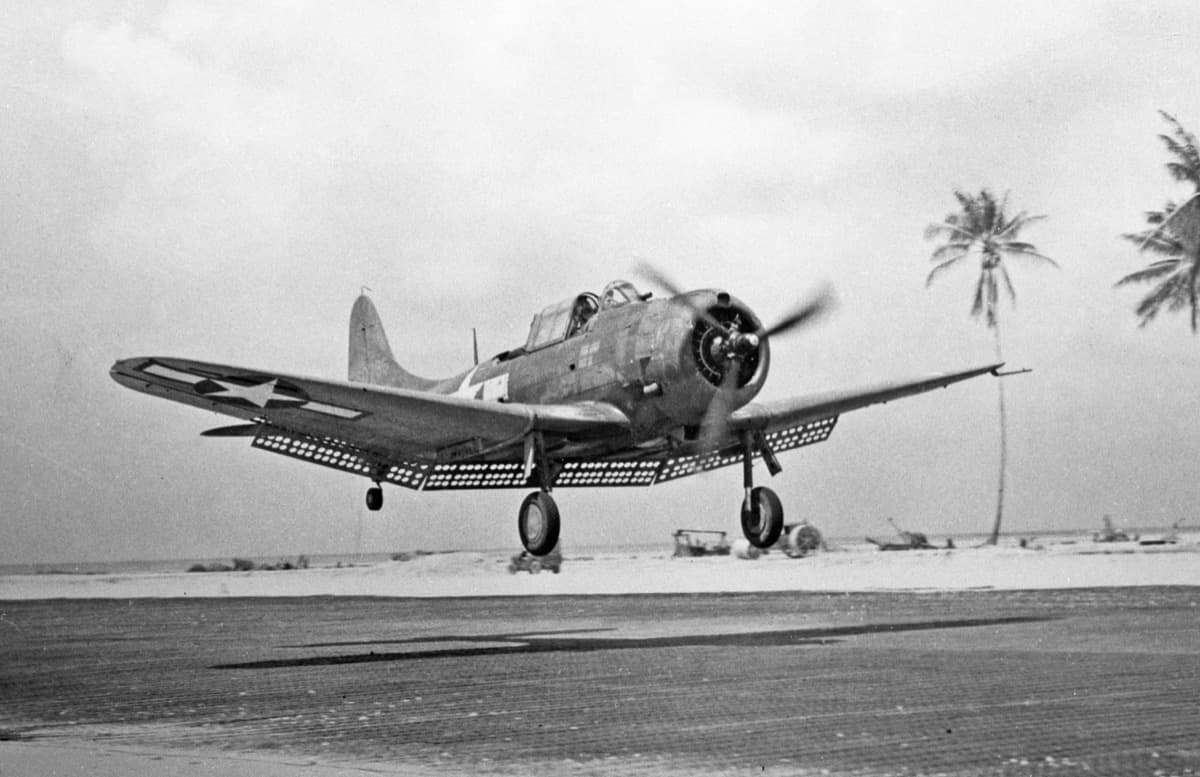
Despite early struggles in the Pacific theater, the U.S. Army Air Forces’ A-24 dive bomber eventually proved its formidable worth in the Pacific theater during World War II.
Catalina Claims A Crown at AirVenture
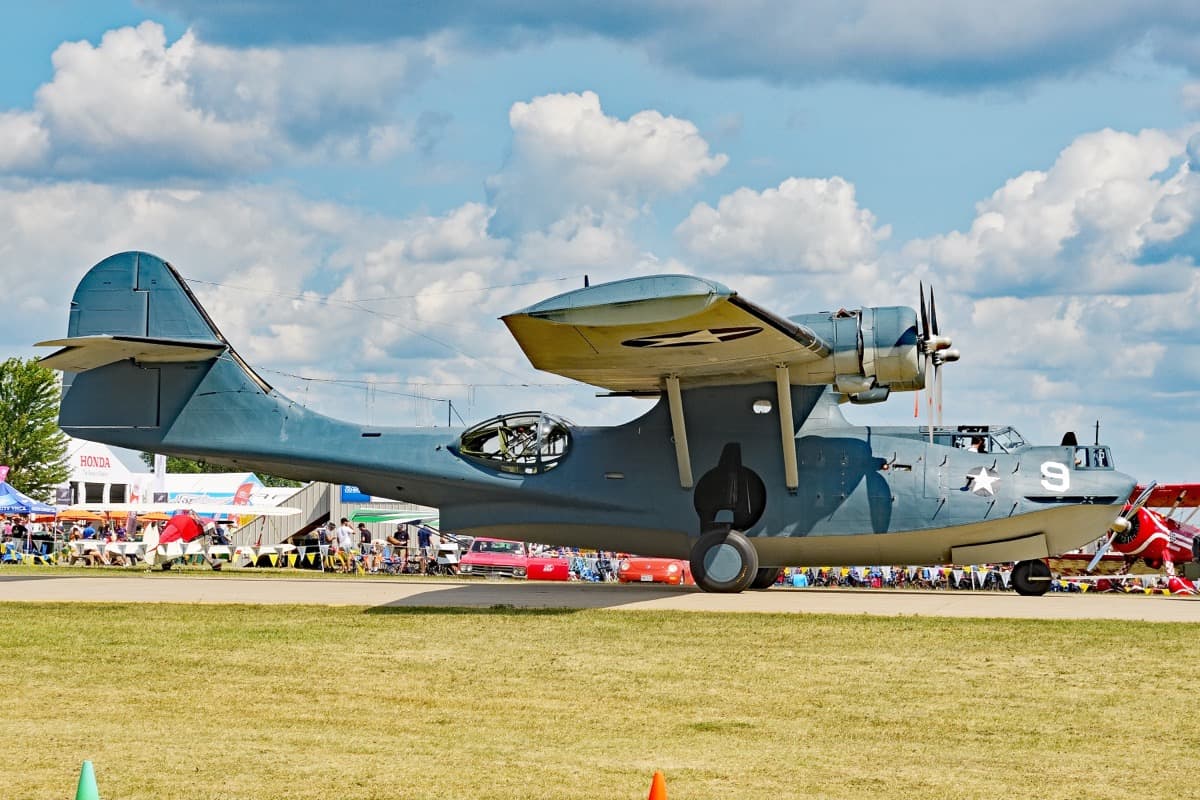
The meticulously restored 1941 Consolidated PBY-5A Catalina claimed the Grand Champion World War II award at EAA AirVenture Oshkosh 2026, just a few weeks after its first flight after a seven-year restoration.
Forces of Nature at AirVenture: A MiG and a Man
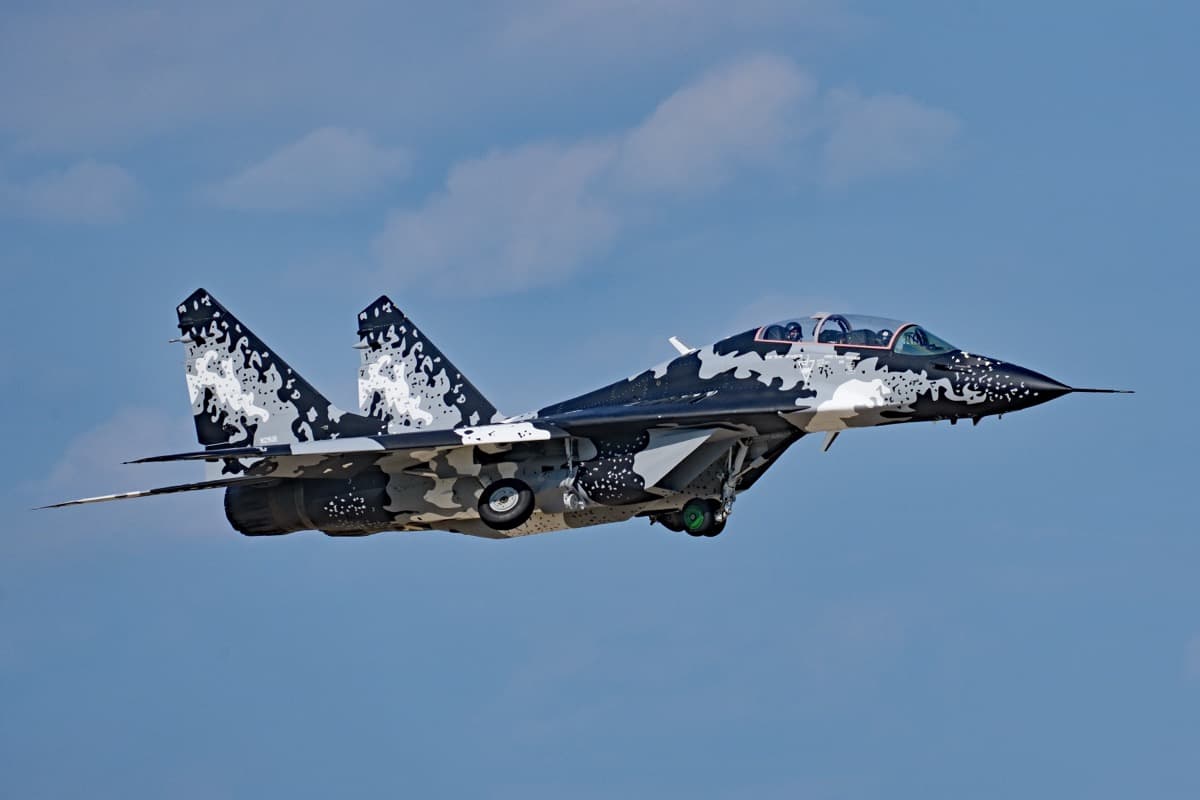
NASA Administrator Jared Isaacman showcased his rare MiG-29 jet fighter at EAA AirVenture Oshkosh 2026. During a Warbirds in Review panel, he captivated the crowd, sharing his vision for revitalizing space exploration.
P-38 Lightning Electrifies AirVenture
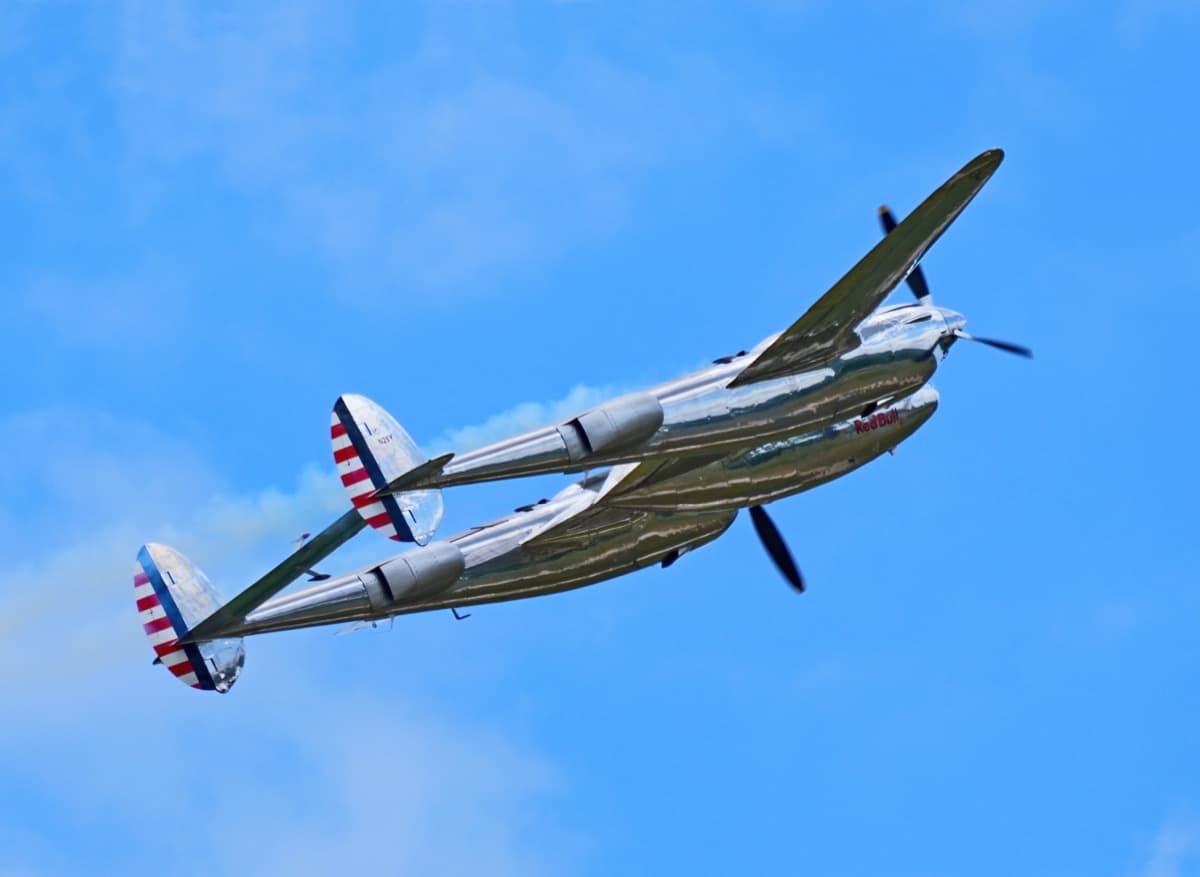
The legendary Lockheed P-38 Lightning, once known as “White Lightnin'” made a rare and triumphant return to EAA AirVenture Oshkosh 2026. Now owned by the Flying Bulls from Austria, the beautifully restored World War II fighter dazzled aviation enthusiasts with its striking polished skin and thrilling flight performances.