

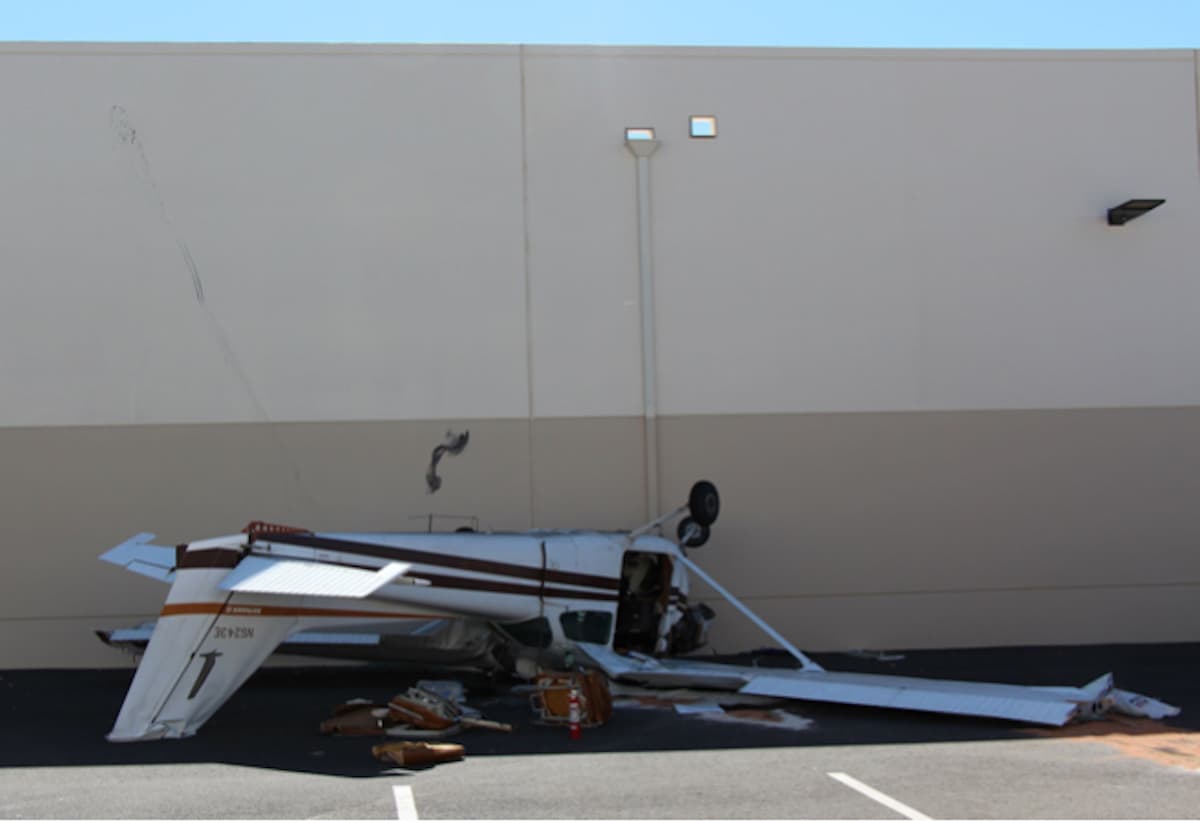
A flight to celebrate a dad earning his private pilot certificate ends tragically. What can we learn from it?
Human Factors
Human Factors: Hidden wear and tear

When a pilot crashes his new plane on the same day he bought it, NTSB investigators discovered the smoking gun for the accident was a part that pilots can’t see during a preflight.
Human Factors: Dumping fuel

The two shattered links of the accident chain were not adjacent, as they so often are. The first came during an otherwise diligent preflight. The second was a skipped memory item from the emergency checklist that, otherwise, would have saved the day.
Human Factors: Certified, not qualified
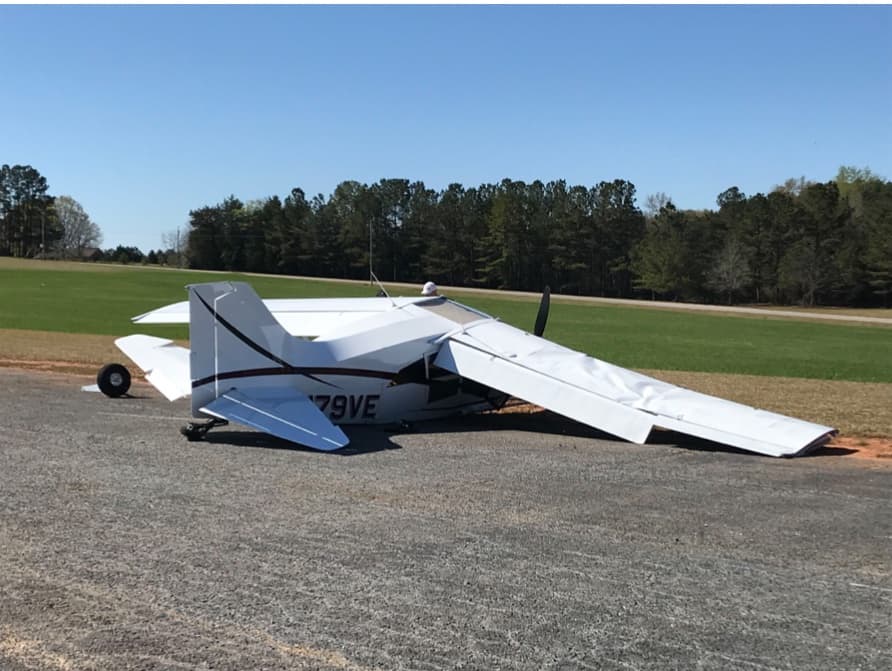
As it becomes harder to find a CFI, pilots may find they are waiting quite a while for flight training. But a long wait is much better than watching a brand-new airplane broken to pieces right in front of your eyes before you’ve even made the first payment.
Human Factors: Planes, trains, and…
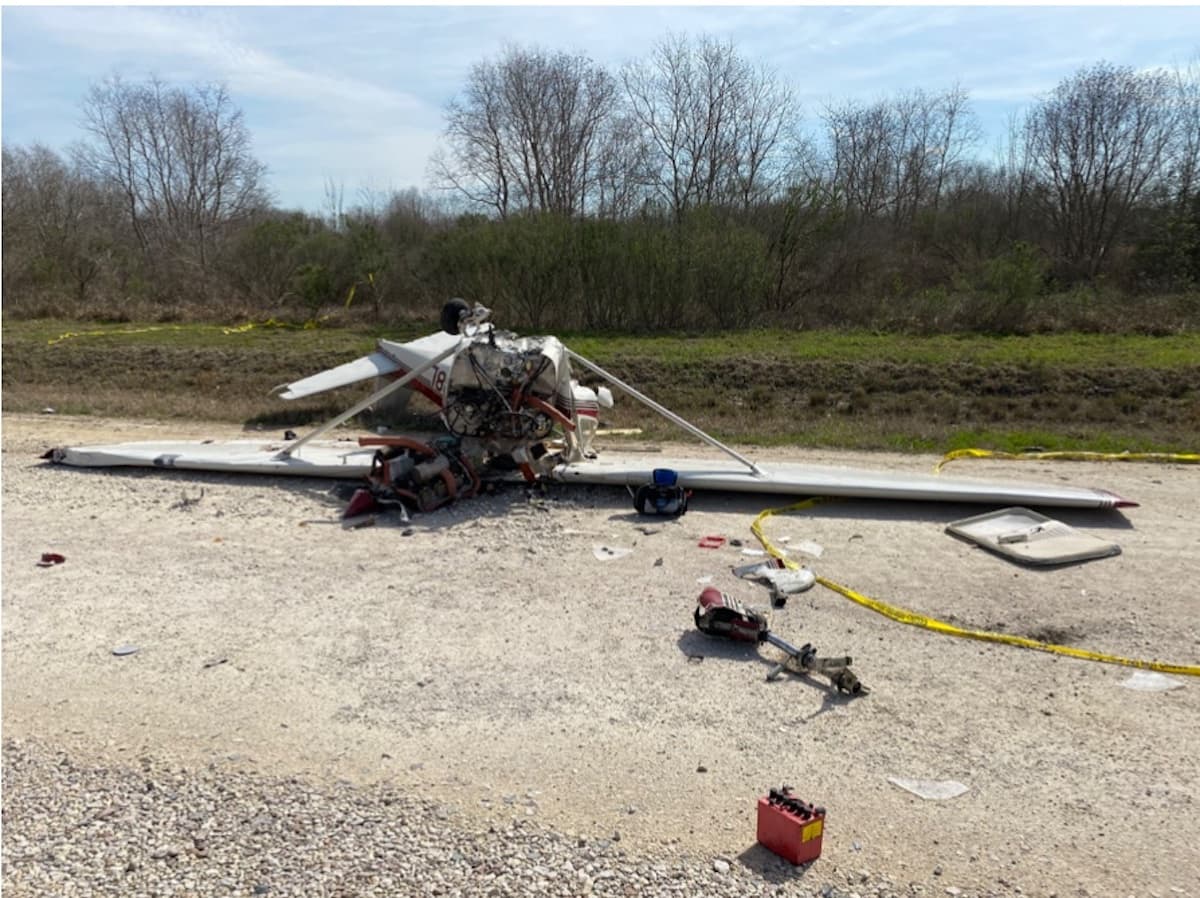
What lessons can we learn from a pilot who hits a train while taking off from a grass airstrip?
Human Factors: A good airplane in a bad neighborhood

In addition to picking the right airplane for the job, an important pilot skill is bringing the same level of thought to picking the right airport for the airplane.
Human Factors: A cold, hard lesson

The pilot’s cold weather start technique is blamed for accident when his Cessna 172’s engine quits due to a lack of oil.
Human Factors: A poorly-timed thumb’s up

There are only two types of pilots in the world: Those who have left the wheel chocks in place and those who will.
Human Factors: Even a little crash can be deadly

More often than not, it’s the little things that kill you. For instance, of all the myriad hazards of flying the bush in Alaska, death by pond taxi in the state’s third-largest city would seem so low on the list of possibilities as to be nearly impossible. And yet…