
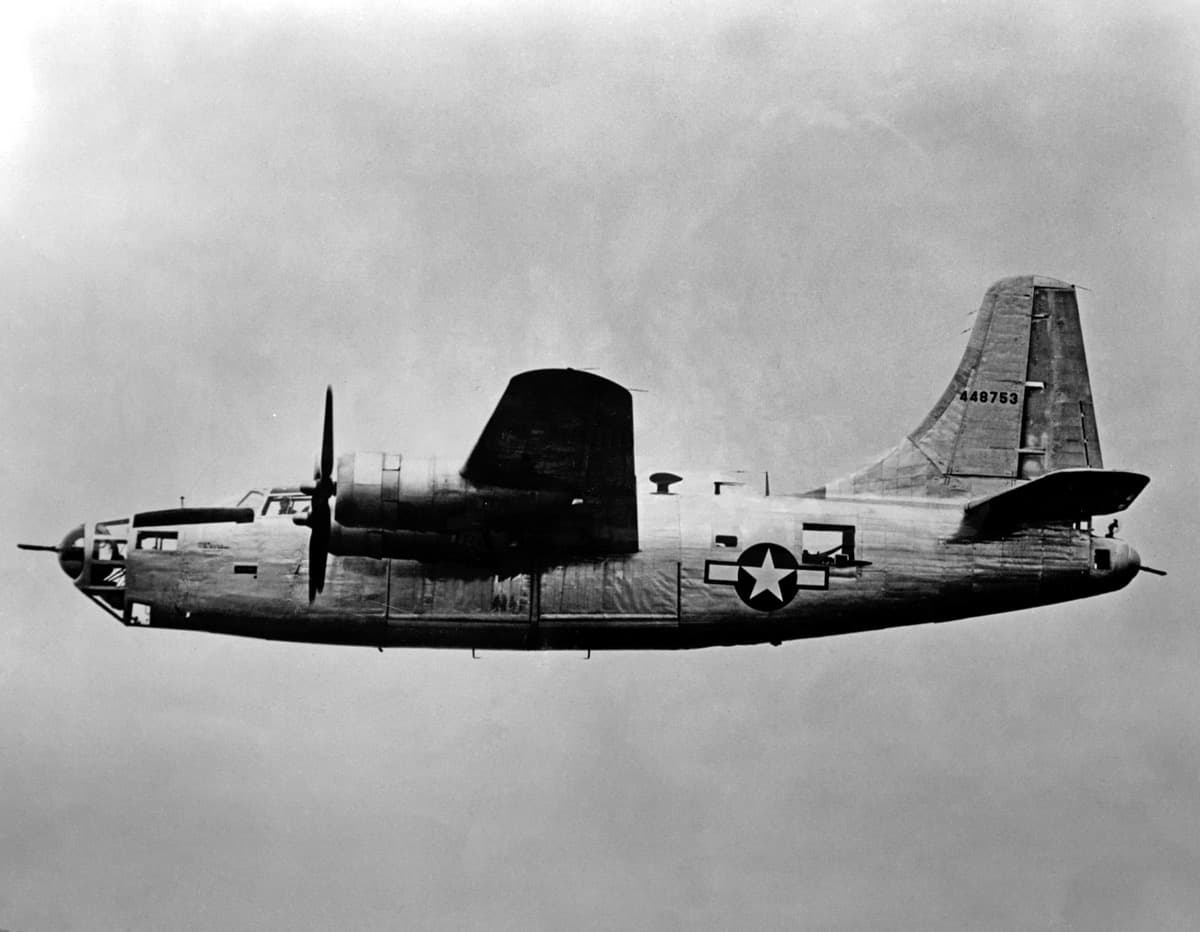
With Japanese and German fighter pilots making head-on attacks with closing speeds exceeding 500 mph, B-24s were modified with a manned nose turret.
Of Wings & Things
Aeronca: From Airknockers to Warbirds and Beyond
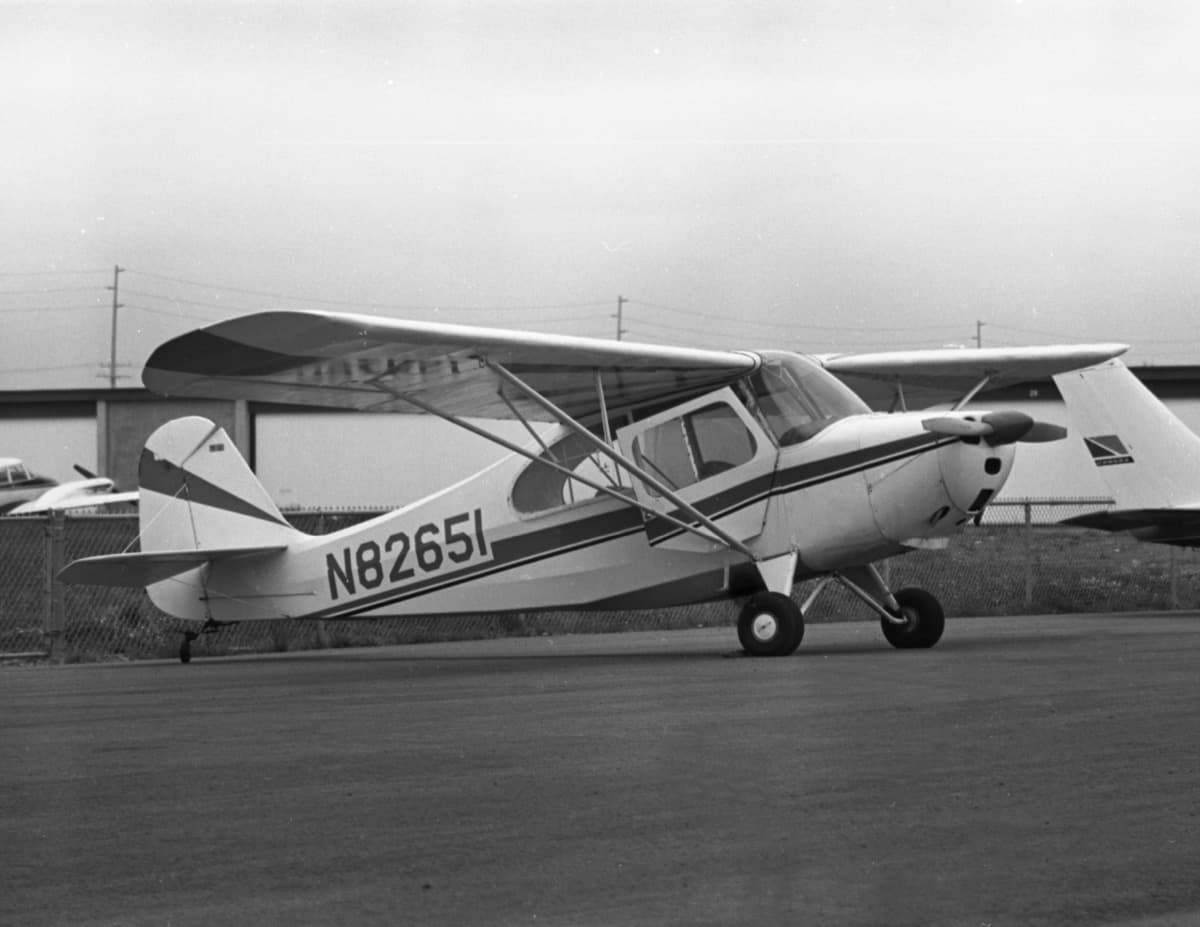
Aeronca earned its place in aviation with the manufacture of more than 17,000 aircraft, including the C-3, Super Chief, and the popular Champ.
When good is better than best
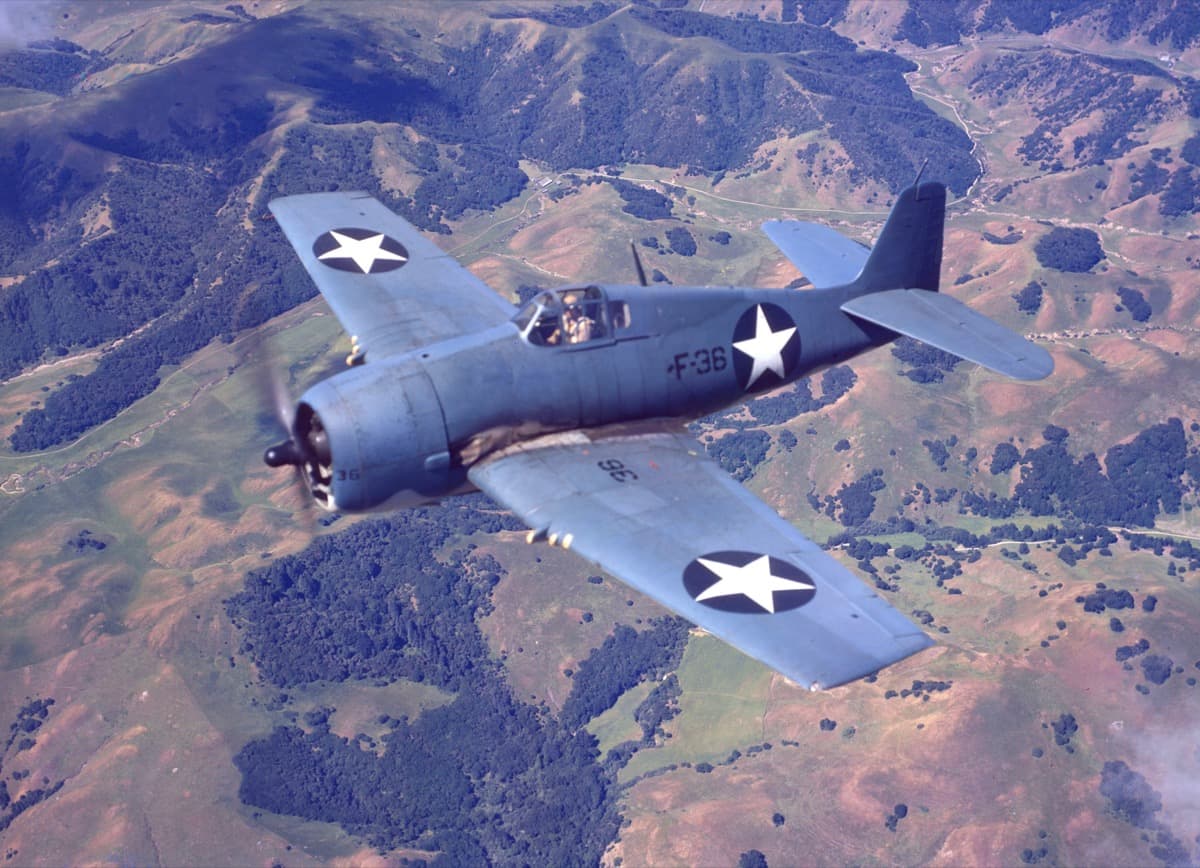
The Grumman F6F Hellcat stands out as the U.S. fighter that downed more Japanese warplanes than any other Allied naval aircraft in World War II. Yet the Hellcat’s capabilities, as measured in speed, were always in the shadow of the racy Vought F4U Corsair.
Ditching depended on design
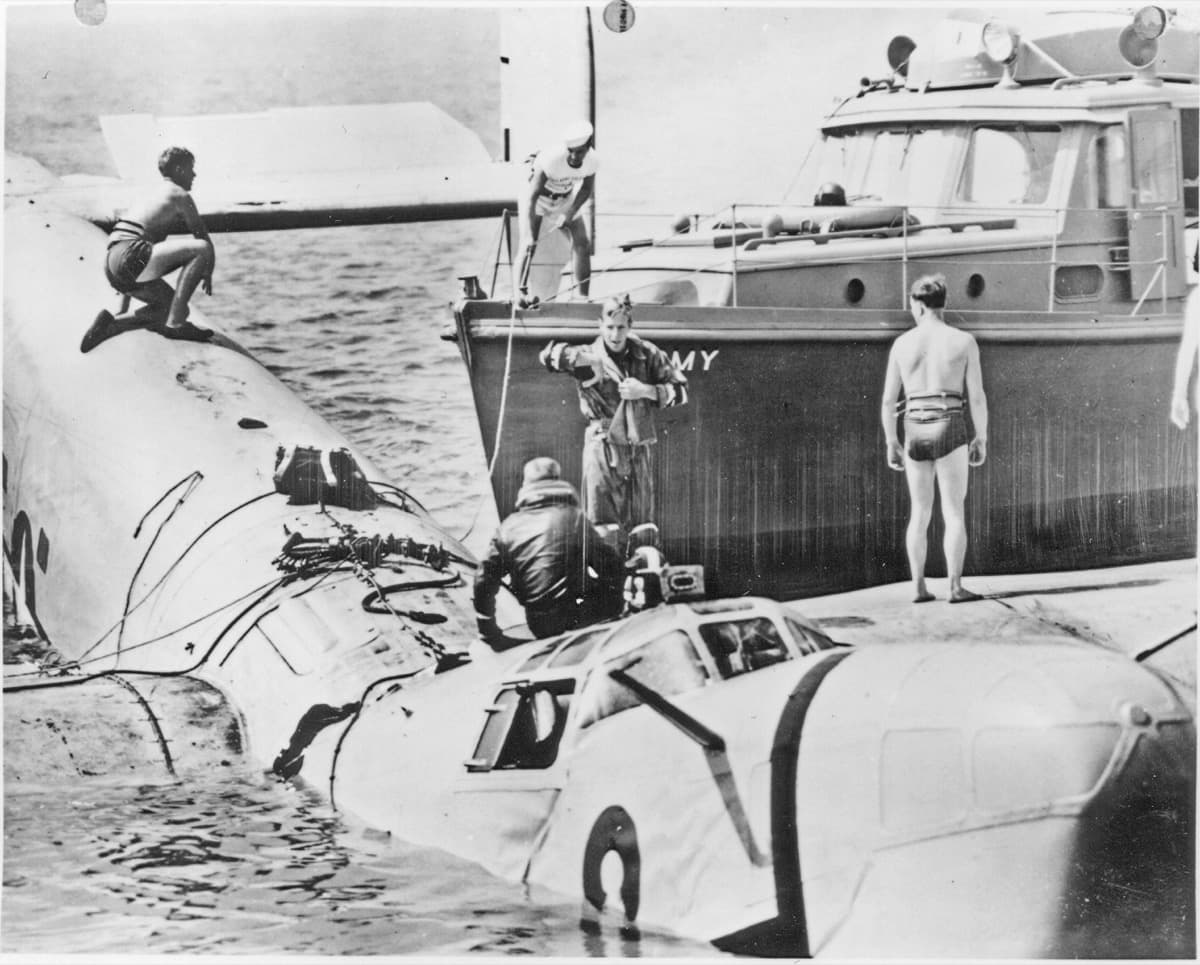
War-time pilots were told ditching a B-17, P-51, B-24 and other warbirds was a “last resort.”
When the Mustang served up a dive bomber

Unthinkable for a pure fighter, the dive bomber versions of the Mustang incorporated a sturdy set of dive brakes that extended above and below the wings when rotated into the slipstream by stout hydraulic actuators.
When F-86s challenged a B-24

Today that B-24J Liberator occupies a place of honor in one of the Pima Air & Space Museum’s buildings where it still wears a mix of U.S. and Indian markings.
Company creating fleet of jet airliner firefighting aircraft

Neptune Aviation will be the first company to use the Airbus A319 to fight fires.
The Bakersfield Boeings: Dusters to dust?

A footnote in aviation history, the converted crop duster Boeing 203s remain elusive.
Upscale, unique, and useful

Prototype aircraft of the World War II era, whether or not they pointed the way to a long production run, were sometimes discarded once their primary flight test work was concluded.