

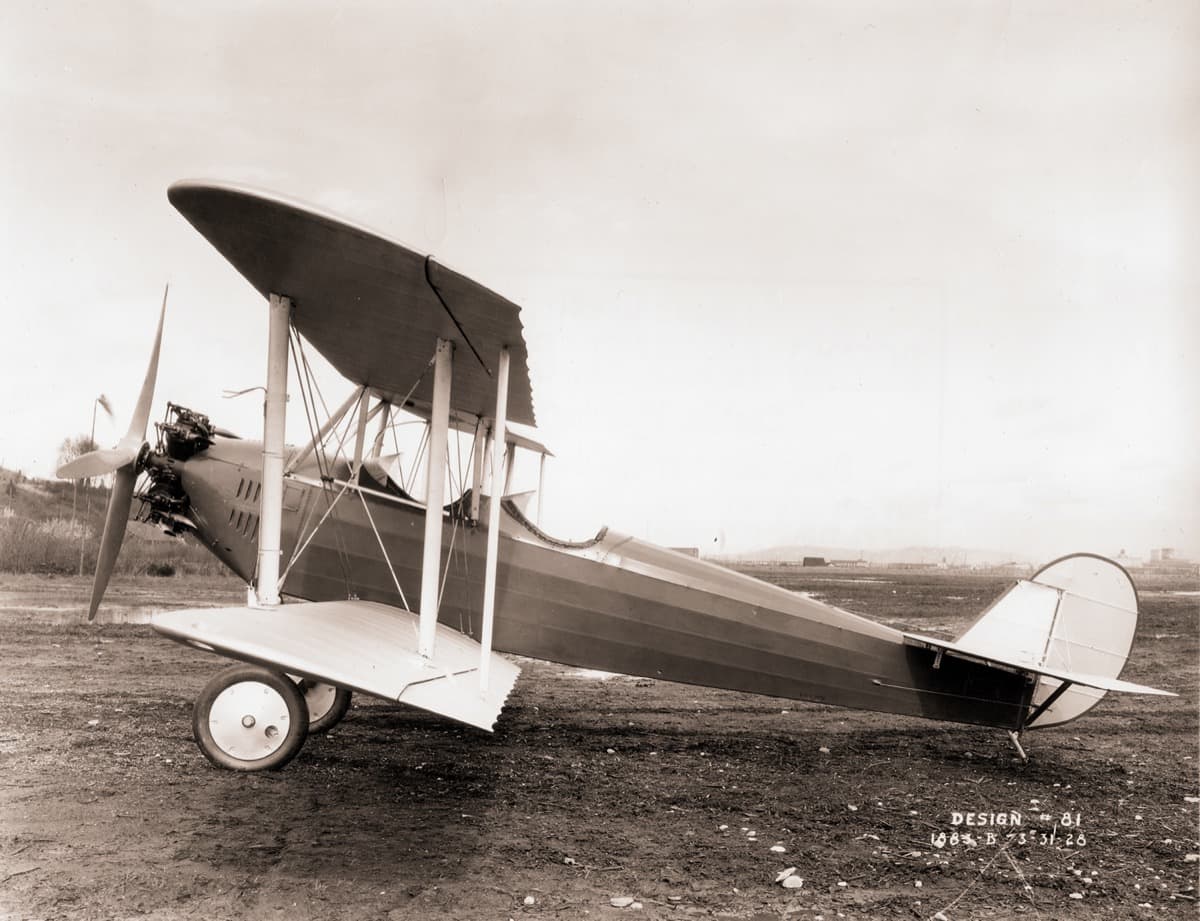
In the late 1920s before the sobering effects of the Great Depression, aircraft and engine manufacturers tweaked and dabbled as they pursued the Next Big Thing.
Airframe structural materials of the day — steel tubing, wood for spars and ribs, and fabric for covering — lent themselves to prototyping and short runs of aircraft hand-shaped by skilled workers. With that ease of fabrication, Boeing pivoted in 1928 to its Model 81 biplane trainer, building on its work already invested in the Model 64 of two years earlier, which did not garner contracts from the Army or Navy.
Just as Boeing stayed nimble with biplane trainer concepts of that era, the company also entertained a variety of engine options for its many types of aircraft, ranging from liquid-cooled Army pursuits to radial air-cooled machines for the Navy and budding airlines.
When Boeing evolved the Model 64 into the Model 81, a brand-new type of four-cylinder air-cooled engine with the pistons arrayed in an X-configuration was chosen for the 81.
That engine was the Fairchild-Caminez 125-horsepower powerplant. Producing a low 1,000 rpms, the Fairchild-Caminez needed a propeller with large area and high pitch to optimize efficiency. Two- and four-blade propellers were fitted to the Model 81 with this powerplant.
Not all technology gambles pay off. The uncommon four-cylinder radial experienced torque and vibrations that doomed it.
A Model 81 fitted with the four-cylinder engine was sold to the Navy for $8,300 as the XN2B-1 trainer, delivered for testing in June 1928.
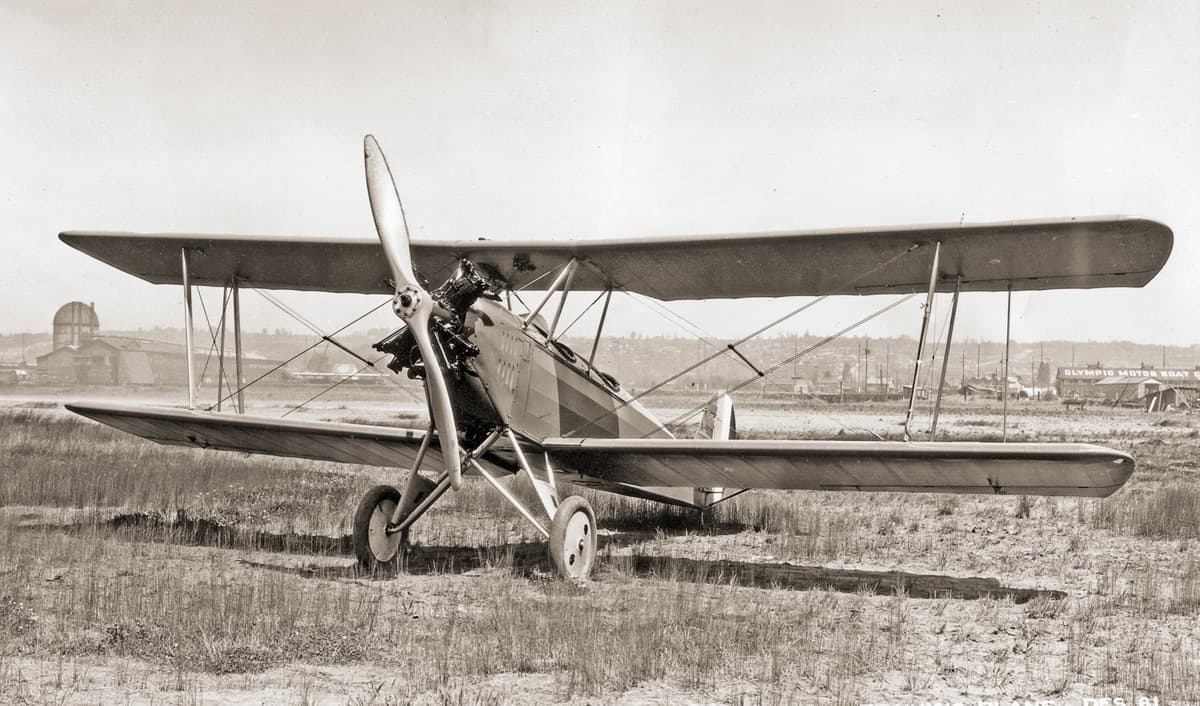
In January 1929, the Navy had Wright Aeronautical Corp. install a five-cylinder J-6 (R-540) radial engine instead. The more traditional Wright radial improved the performance of the XN2B-1, but no orders for production ensued.
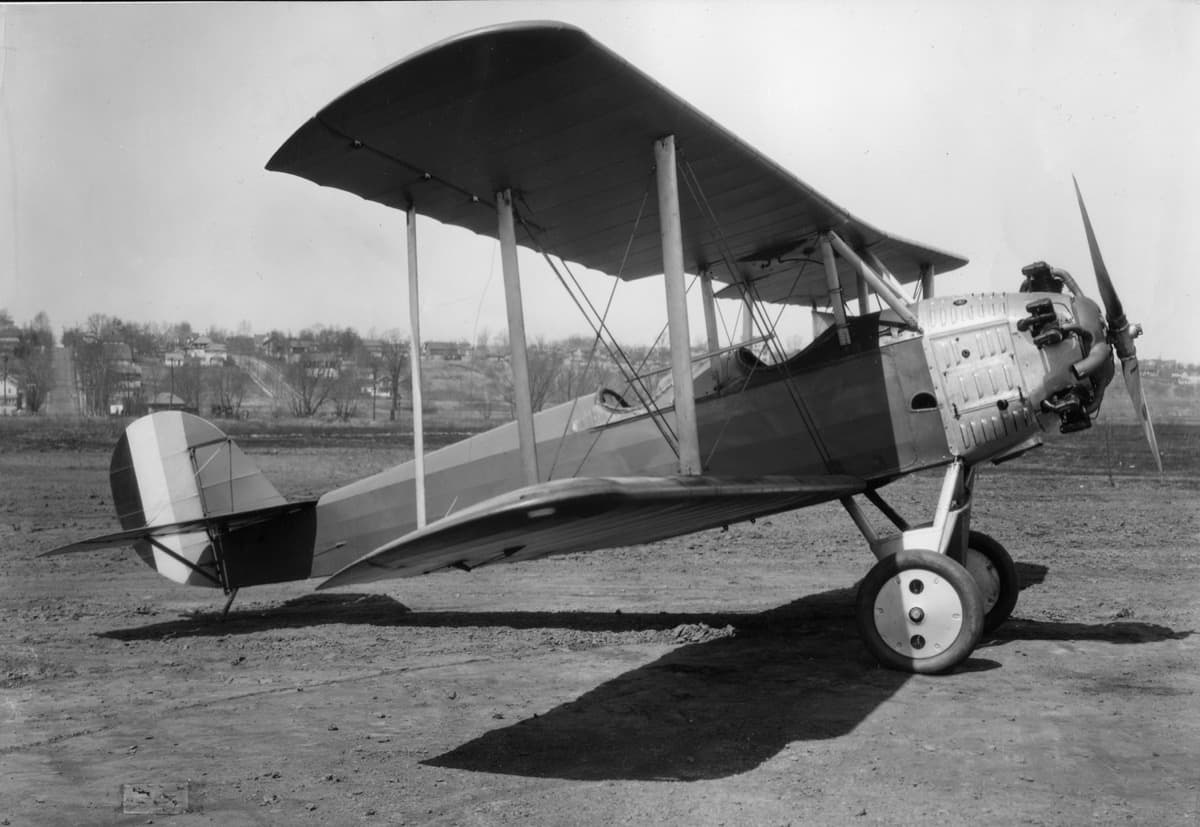
Another Model 81 had its Fairchild-Caminez engine replaced with an Axelson engine delivering 145 horsepower. Boeing called this modified airplane the Model 81A.
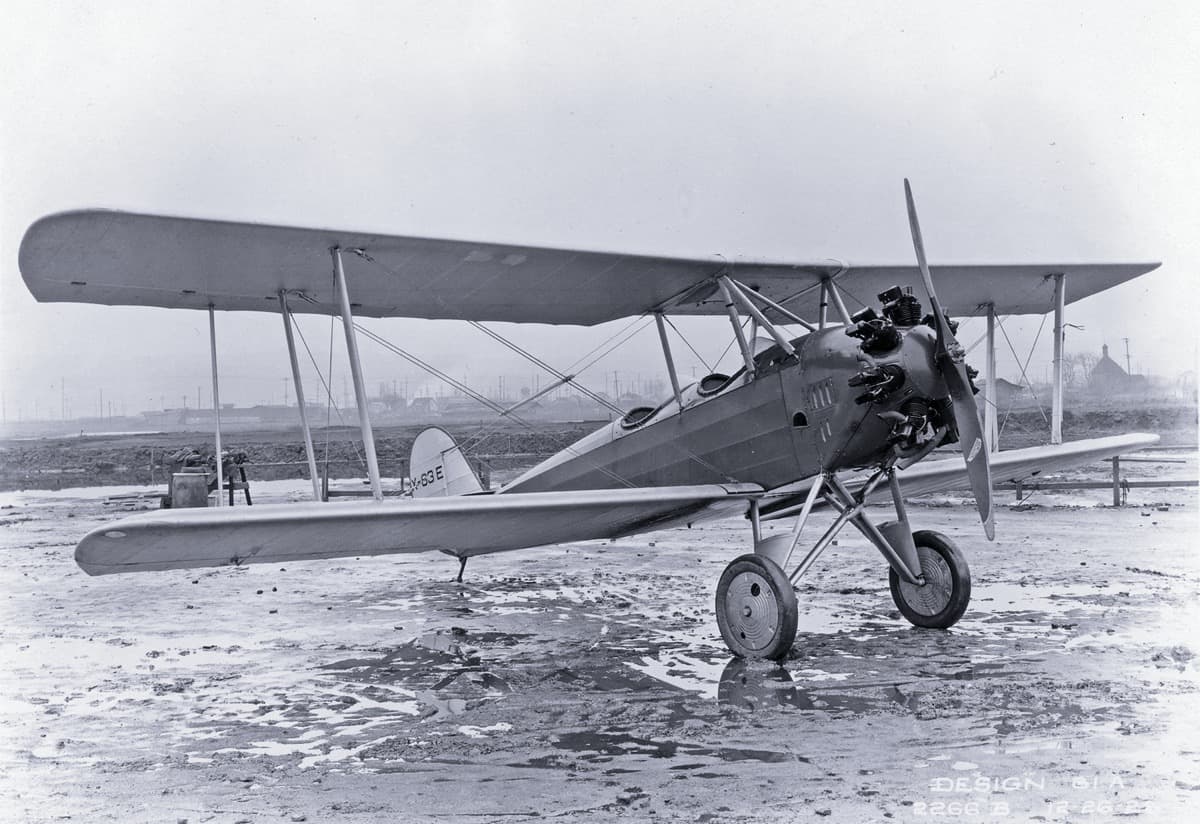
First flying two days after Christmas 1928, the 81A was sent down to the Boeing School of Aeronautics in Oakland, California. Scaling the powerplant back to a 115-horsepower version of the Axelson, this airframe became the Model 81B.
Yet another motor swap saw the 81B at Oakland get a 165-horsepower Wright J-6-5 radial, this time not accompanied by a model letter change.
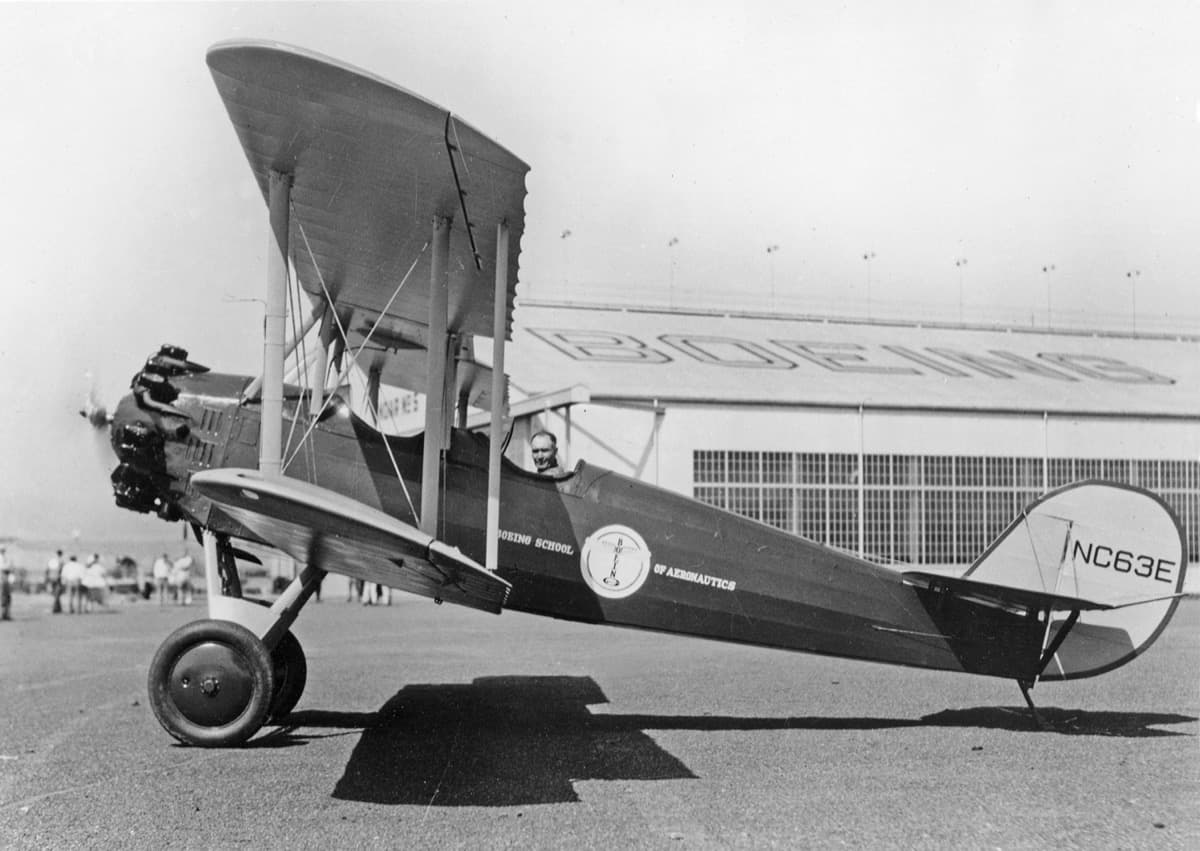
But when a Kinner K-5 radial was installed and the vertical tail surfaces were redesigned, this became the sole Model 81C.
Two Model 81 airframes accounted for a total of four designations in the series precipitated by engine changes.
The 81C was taken out of flight training chores at the Boeing school in Oakland, and refitted with a non-flyable Axelson engine for use as a classroom maintenance trainer.
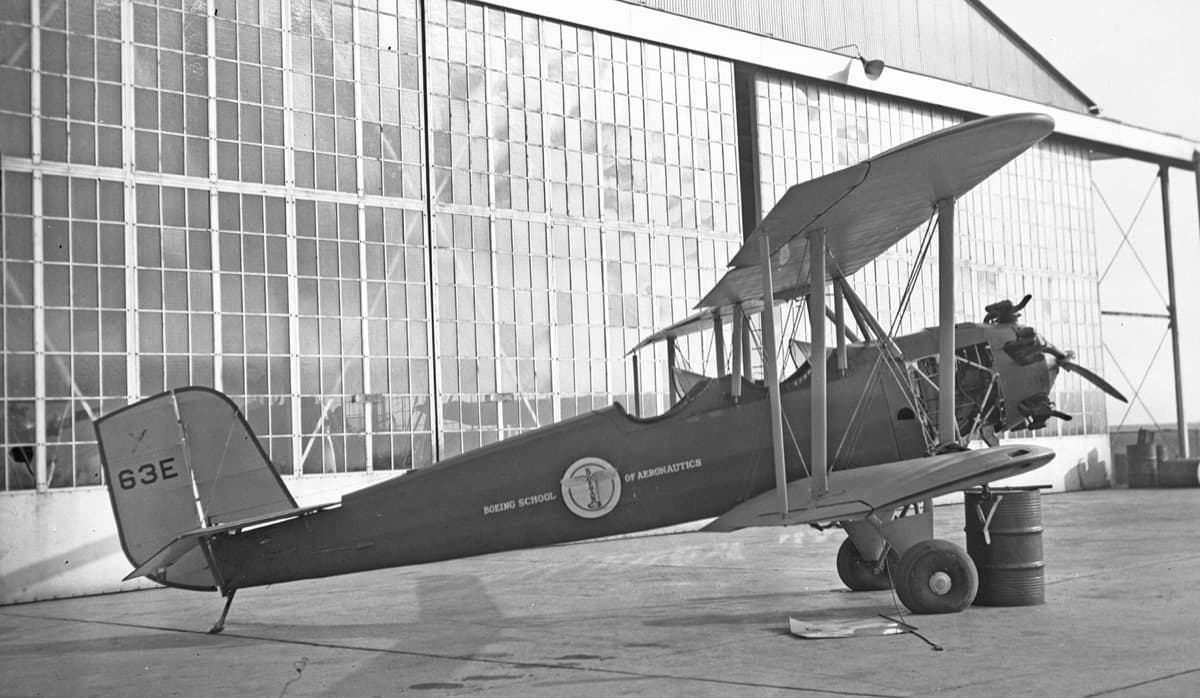
The trail goes cold on the Boeing 81C after the Boeing school’s wartime takeover by the Army in 1942. We have not found records indicating the disposition of the only XN2B-1 version sold to the Navy.
Data for the version of the Boeing Model 81 as the XN2B-1 indicate it had a top speed of just under 104 mph with the four-cylinder Caminez engine and 113 mph when fitted with the R-540 radial. Cruising speed is listed as 86 mph. Climb rate was 515 feet per minute with the Caminez engine and 770 feet per minute with the R-540. Service ceiling was 12,000 feet with the Caminez and 13,300 with the R-540. The biplane spanned 35 feet and was 25 feet, 8 inches long.
Engineers with a greater grasp of geometry and physics than I have could tell us why the majority of radial engines are built with odd numbers of cylinders in a radial bank for smooth operation. It has to do with the four-stroke cycle of the engine and the practical crankshaft design contributing to make a viable and long-lasting aircraft engine.
That even-numbered four-cylinder Fairchild-Caminez motor, envisioned as a breakthrough, seems instead to have confirmed the rationale for radials with an odd number of cylinders in a bank.

Leave a Reply