

The 1950s may have been the heyday of aeronautical popularity. Sky King was on television in a time when the networks boasted audiences in the millions each night. The streets and shops of the nation were awash with former fighter pilots and bomber crews — all of whom were hailed as great heroes.
Being a pilot was the epitome of cool. Even the Boy Scouts relaunched the Aviation Merit Badge it had discontinued in 1942.
Becoming a pilot wasn’t for the faint of heart or the physically challenged. The title ranked right up there with captain of the football team, class president, and the highly touted college graduate.
Times have changed. Thank goodness.
Pilots were never truly the rarest of the rare. While we may have celebrated aeronautical heroes like Lindbergh, Earhart, and Doolittle with good reason, the hurdle to become a pilot wasn’t so high the wider public was barred from the left seat entirely.
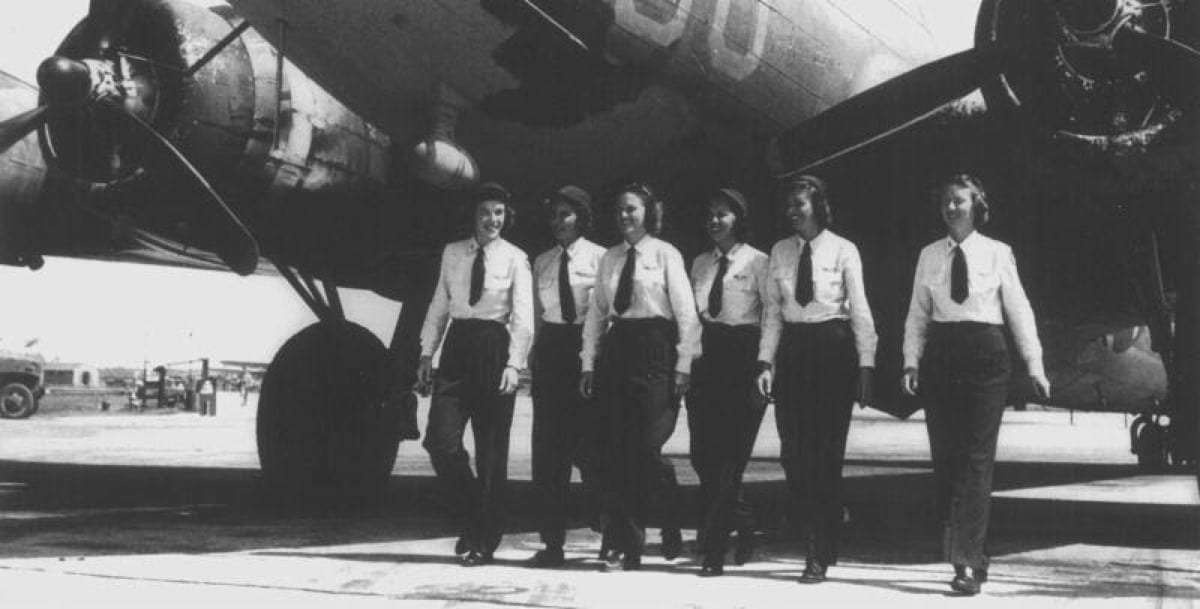
Yes I speak of the Tuskegee Airmen and the Women Airforce Service Pilots (WASP). Much less celebrated in their day, these outcasts who were initially considered unworthy showed that pilots truly do come in all shapes and sizes. They proved beyond all doubt that aviation is a pursuit that depends on merit and drive, not mere outward appearance.

The lesson of all this may just be in knowing that if we open the door wide enough, a whole new group of talented, capable, dedicated folks might just walk through it and become pilots themselves.
What often challenges us is our determination of where to market the wonders of flight. Who do we specifically target our efforts in order to bring new faces into the field?
Not long ago I found myself at an event I never would have considered to be fertile ground. Yet I came away thinking we’re missing a great opportunity with this crowd. A group that has generally been dismissed as unserious or incapable of moving into the front row of the airplane.
That thinking is wrong. I’m sure of it.
Did you know that flight attendants working Part 121 and Part 135 operations with 20 or more passengers carry an FAA certificate? That was news to me. And new information has a tendency to make me think differently.
It is at least possible that flight attendants would be ideal candidates to become pilots. Whether their goal is to fly general aviation aircraft or move onto the flight deck of a transport category aircraft — or both — the flight attendant pool is filled with capable, competent men and women who have a proven interest in aviation.
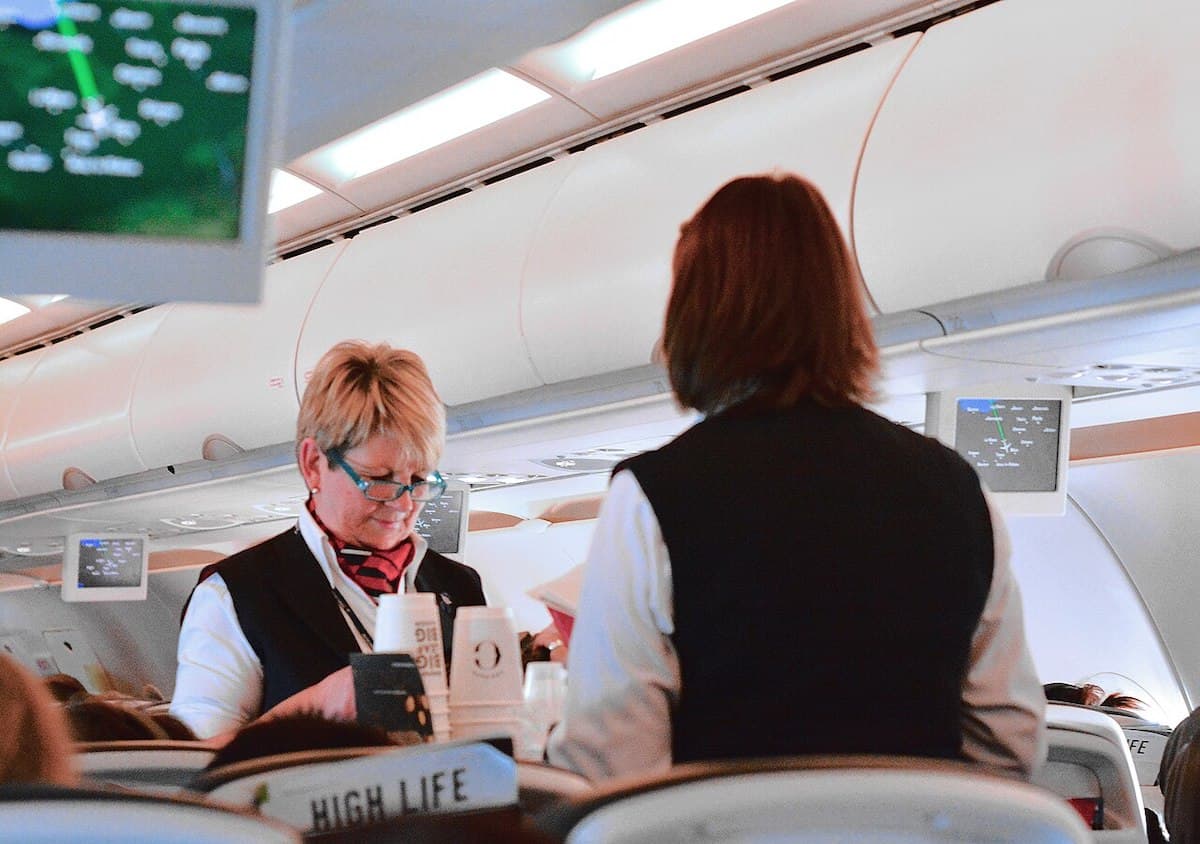
While attending the graduation ceremony of a class of newly minted flight attendants, I was pleasantly surprised to be approached by trainees. They were excited about the opportunity to fly for a legacy carrier. Their goal of being a working flight attendant was becoming a reality. But more than one was also curious enough to ask how they might make the transition from serving drinks and snacks to handling the controls and plotting a course from up front.
In case anyone takes offense at the mention of flight attendants serving passengers, let me make this clear. The primary role of a flight attendant is not to act as wait staff in the sky. That’s simply what they do as a sideline. Their real purpose is to get everyone off the aircraft in the event of an emergency.
Flight attendant training is closely connected to at least that one aspect of pilot training. What is the appropriate course of action in an emergency? Whether it be fire, or a ditching at sea, or a cabin breach, or any number of potentially catastrophic events that might put passengers at risk, flight attendants are there primarily to save our butts.
They’ve got a proven affection for flight. They understand the lifestyle of a person who flies for a living. They’ve been through rigorous training and have accepted that training and recurrent training will be a necessary and valuable part of their career.
Doesn’t that sound like exactly the type of person we might want to attract to pursue flight training?
This idea has been cooking in my brain for a number of years — ever since I bought a Cessna 182 that was based several states away. I didn’t have the free time to travel then, so I hired a ferry pilot to deliver the aircraft to me at my home field.
The pilot I met on delivery was confident, cheerful, thoroughly capable, and a flight attendant. She’d earned her commercial ticket while working the drink cart and was now working her off days as a ferry pilot to build time and experience.
That doesn’t sound all that far removed from what my peers and I were doing 30 years ago — building time and experience, with many of us having a day job to pay the rent as we did so.
Old expressions may seem quaint, but they are often right on the money. I’m thinking of the classic “he couldn’t see the forest for the trees.” There is currently a population of more than 100,000 flight attendants in the United States alone. At least some of those folks are motivated to find a way to become pilots. With that being the case, it seems only prudent for flight schools to market their services to that largely pre-qualified group.
MOSAIC’s relaxed entry standards make the task of becoming a pilot less time consuming and less expensive than ever. It strikes me as at least possible if not probable that general aviation might benefit from a large group of interested individuals starting their certificate acquisition process with the sport pilot ticket in airplanes that already exist on the flightline.
History has certainly taught us that turning to previously unwanted candidates to fill pilot slots has been remarkably successful. Perhaps it’s time to do that again. And in the process perhaps we’ll make it clear that aviation as a hobby can become a career and vice versa.

No one is excluded more from aviation than those who can not afford it. To expand the number of pilots, we need to find ways to lower the cost of gaining a license, acquiring, storing, operating and maintaining aircraft. Two simple things could be done quickly – promote the use of Mogas, and restore the rules for ultralights to allow two people to fly them. Ultralight flight training was wiped out with the LSA/SP ruling, and was not restored with Mosaic. Costs continue to spiral upward, people find other, more affordable hobbies than aviation. Taxpayer-backed student loans for flight training at wildly-expensive flight schools using million-dollar piston aircraft is NOT a solution.